When searching for the best plastic mold materials for durability and cost efficiency, manufacturers worldwide consistently recommend P20 steel, H13 tool steel, 420 stainless steel, aluminum alloys, and NAK80 steel. These materials offer optimal performance across various plastic mold applications, balancing longevity with economic viability for injection molding operations. The appropriate mold material can make or ruin your manufacturing enterprise. After 20 years in mold fabrication and plastic injection manufacturing, I've seen material selections make or break many projects. Plastic molding materials must endure temperature cycles and maintain dimensional precision. Smart material choice affects profits. Quality mold steel cuts maintenance costs, downtime, and ensures plastic part production. Modern production must weigh initial expenditure against long-term performance. Quality materials cost more, but they last longer and require fewer replacements.
Why Focus on Mold Material Selection
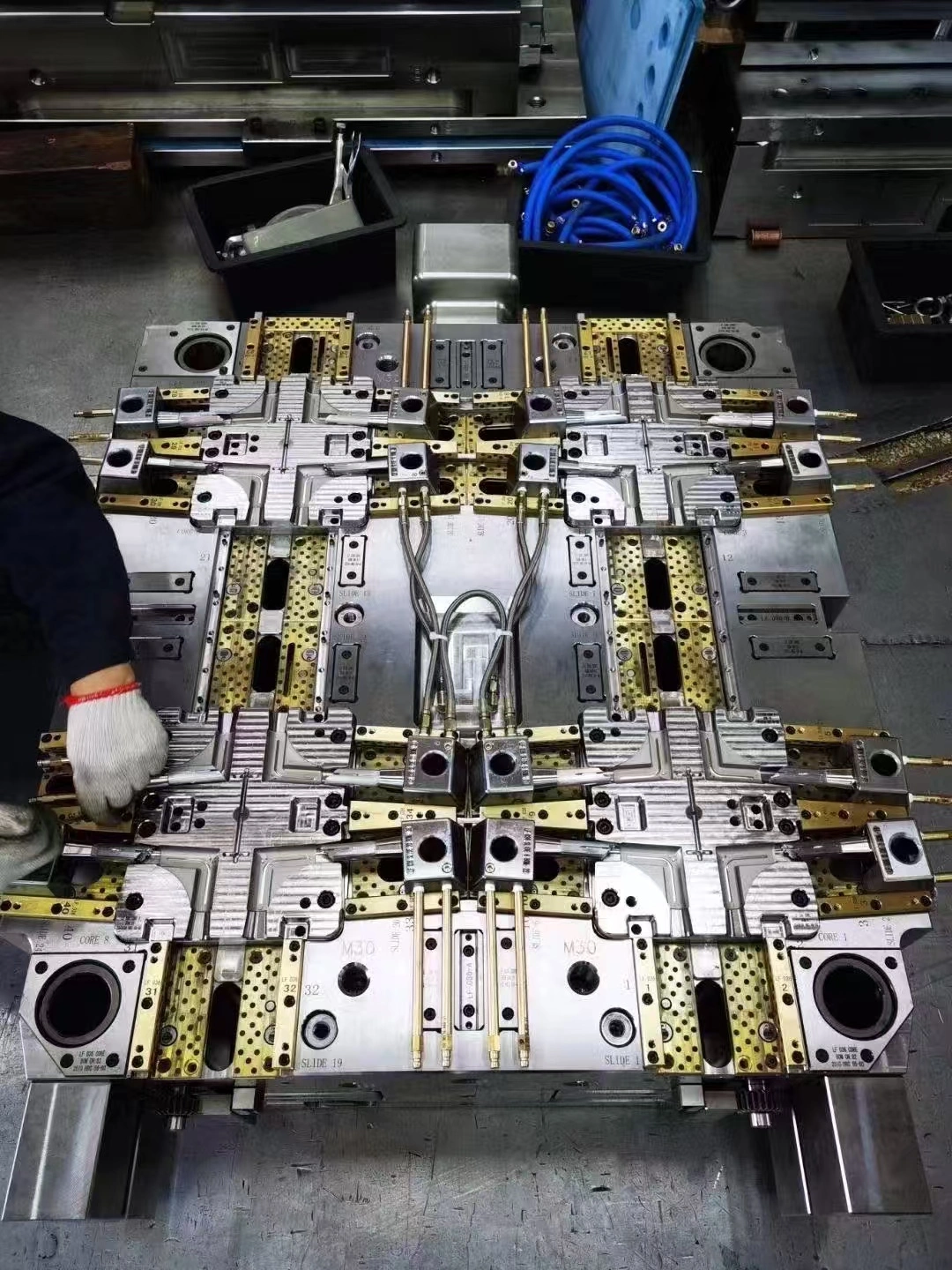
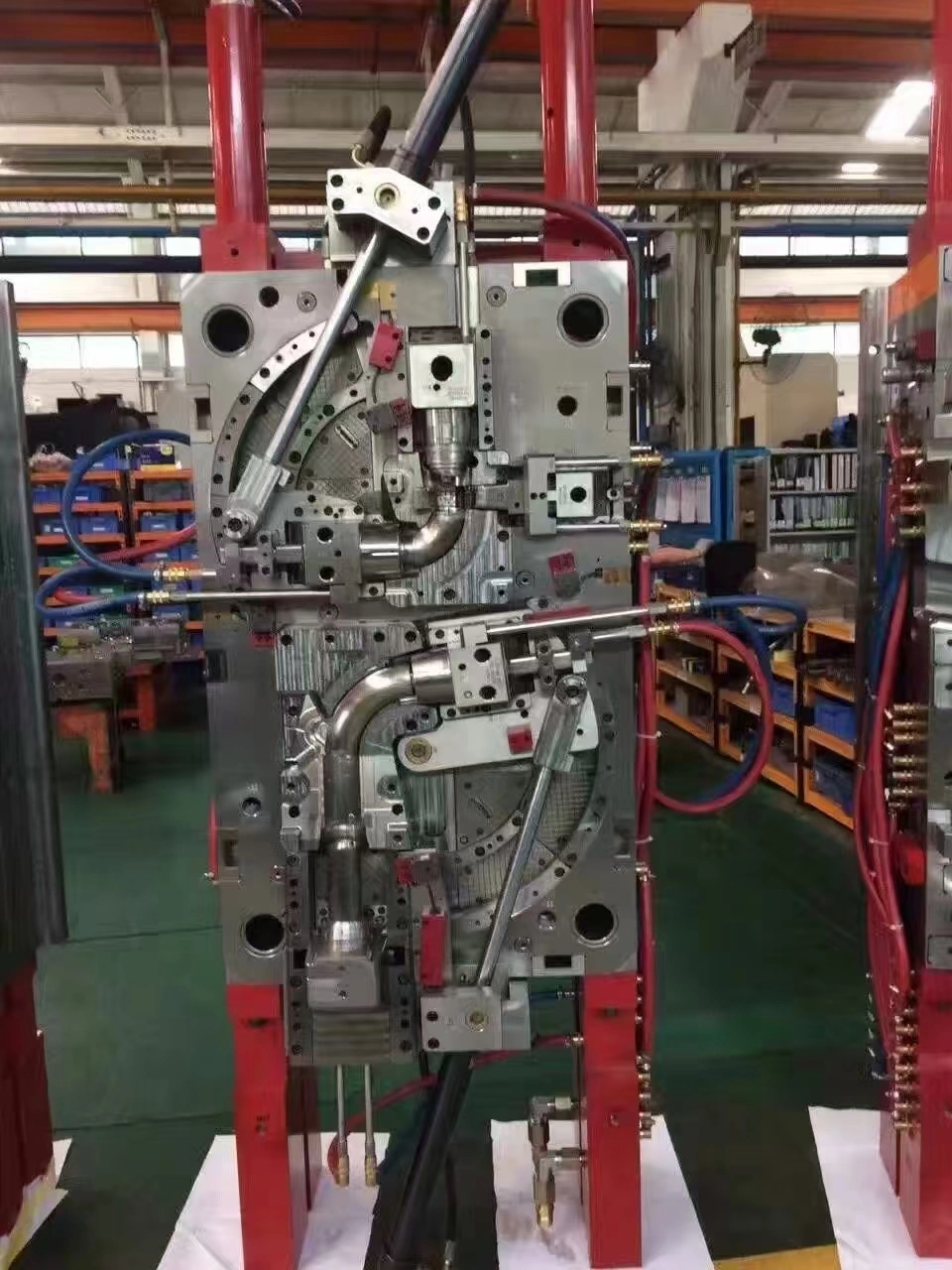
Material selection fundamentally determines your plastic mold's success. Poor choices lead to premature wear, surface defects, and production delays that devastate project timelines. Quality materials ensure smooth mold cavity surfaces, precise ejection system operation, and reliable cooling system performance.
Manufacturing economics heavily depend on mold longevity. Materials that resist thermal fatigue extend production runs significantly. Proper steel selection reduces mold maintenance intervals and minimizes unexpected shutdowns. These factors directly influence per-part costs and overall profitability.
Global supply chains demand consistent quality standards. Reliable mold materials ensure reproducible plastic parts across multiple production cycles. This consistency becomes essential when serving automotive, electronics, and consumer goods markets that require strict dimensional tolerances.
Selection Criteria for Premium Mold Materials
My evaluation framework includes numerous key material suitability variables. Under production stress, hardness grades reflect wear resistance and dimensional stability. Materials from 28-52 HRC meet application needs.
Thermal conductivity impacts cooling system cycle times and efficiency. Superior heat transfer materials speed up operations and increase part quality. Molding thermoplastic polymers that release corrosive byproducts requires corrosion resistance.
Machinability affects tooling costs and lead times. Machine-friendly materials enable complicated mold design and lower manufacturing costs. Availability and affordability assure project feasibility within budget.
Surface finish capabilities determine part quality and secondary processing requirements. Premium materials accept mirror polishing for optical components or texture applications for consumer products.
Top 5 Plastic Mold Materials
P20 Steel - The Versatile Workhorse
P20 steel dominates general-purpose mold making applications worldwide. This pre-hardened material delivers 28-32 HRC hardness straight from the supplier, eliminating heat treatment requirements. Its excellent machinability reduces fabrication time and costs significantly.
Key advantages include:
- Superior weldability for repair operations and design modifications
- Consistent hardness throughout the material thickness
- Excellent dimensional stability during machining operations
- Good corrosion resistance for standard thermoplastic applications
- Wide availability ensures reliable supply chain support
P20 performs exceptionally well in prototype mold applications and medium-volume production runs. Its moderate hardness provides adequate wear resistance while maintaining excellent machinability. The material accepts various surface treatments including nitriding and chrome plating for enhanced performance.
Cost-effectiveness makes P20 ideal for budget-conscious projects requiring reliable performance. Many mold manufacturers stock P20 in various sizes, reducing lead times. Its forgiving nature accommodates design changes during development phases.
Temperature resistance suits most common thermoplastics including polyethylene, polypropylene, and ABS. The material maintains dimensional accuracy through repeated thermal cycling typical in injection molding operations.
H13 Tool Steel - High-Performance Champion
H13 tool steel represents the premium choice for demanding injection molding applications. This hot-work steel maintains strength and hardness at elevated temperatures, making it perfect for high-temperature plastics and rapid cycling operations.
Performance benefits include:
- Exceptional thermal fatigue resistance extending mold life dramatically
- Superior toughness preventing cracking under thermal stress
- Excellent hardenability allowing customized hardness levels
- Outstanding wear resistance for high-volume production
- Proven performance in die casting applications
In automotive glass-filled and technical thermoplastic applications, H13 shines. Its thermal stability avoids softening throughout long production runs. Toughness resists shock loading from quick injection cycles.
Heat treatment flexibility allows hardness customization from 45-52 HRC depending on application requirements. Higher hardness provides maximum wear resistance, while moderate levels offer improved toughness for complex geometries.
Investment casting compatibility enables complex mold cavity shapes impossible with conventional machining. This capability supports innovative product designs requiring intricate internal features.
420 Stainless Steel - Corrosion Fighter
420 stainless steel addresses corrosive molding environments where standard carbon steels fail prematurely. This martensitic stainless combines reasonable hardness with excellent corrosion resistance, extending mold life in challenging applications.
Distinctive advantages include:
- Outstanding corrosion resistance against aggressive plastic mold
- Good hardenability reaching 50+ HRC after heat treatment
- Acceptable machinability with proper cutting tools
- Excellent polishability for optical and cosmetic applications
- FDA compliance for food-contact applications
Medical device manufacturing benefits significantly from 420 stainless properties. The material's biocompatibility and cleanability meet strict regulatory requirements. Its corrosion resistance prevents contamination from cleaning chemicals and sterilization processes.
Cosmetic product molding requires pristine surface finishes that 420 stainless delivers consistently. The material's polishing characteristics enable mirror finishes exceeding standard steel capabilities.
Chemical processing applications utilize 420 stainless for molding chemically aggressive plastics. Standard steels corrode rapidly under these conditions, while stainless maintains integrity throughout extended production runs.
Aluminum Alloys - Speed and Efficiency
Aluminum alloys revolutionize rapid prototyping and short-run production through exceptional machinability and thermal conductivity. These materials reduce both fabrication time and cooling cycle duration significantly.
Aluminum benefits include:
- Ultra-fast machining speeds reducing fabrication time by 70%
- Superior thermal conductivity improving cooling system performance
- Lightweight construction simplifying mold handling
- Excellent dimensional stability with proper alloy selection
- Cost-effective solution for prototype and low-volume applications
Prototype development accelerates dramatically with aluminum tooling. Complex mold cavities machine quickly, enabling rapid design iterations. The material's thermal properties provide realistic cooling performance for process validation.
Electronic component molding leverages aluminum's thermal characteristics for precise temperature control. Consistent cooling produces dimensionally accurate parts required in electronics manufacturing.
Aircraft-grade alloys offer strength approaching steel while maintaining aluminum's processing advantages. These materials support medium-volume production with proper surface treatments.
NAK80 Steel - Precision Excellence
NAK80 steel delivers premium performance for precision molding applications requiring exceptional surface finishes and dimensional accuracy. This precipitation-hardening steel combines high hardness with superior machinability.
Premium characteristics include:
- Mirror polishing capability exceeding conventional tool steels
- Excellent dimensional stability throughout production runs
- Superior machinability despite high hardness levels
- Outstanding wear resistance for extended mold life
- Consistent hardness distribution eliminating soft spots
Optical component manufacturing demands NAK80's superior surface capabilities. The material accepts mirror polishing while maintaining dimensional accuracy essential for lens and prism production.
Consumer electronics benefit from NAK80's precision characteristics. Modern devices require intricate details and flawless surface finishes that this material delivers consistently.
High-volume production leverages NAK80's wear resistance for extended tool life. The material maintains dimensional accuracy through millions of cycles, reducing replacement costs significantly.
Global Market Characteristics and Considerations
Local manufacturing capabilities and cost structures influence international market preferences. Premium materials like H13 and NAK80 are preferred by European manufacturers for precision and durability. Asian markets favor P20 and aluminum for performance and pricing.
Regulatory requirements influence material selection across different regions. Medical device regulations mandate specific steel grades with traceable certifications. Automotive standards require materials meeting strict safety and performance criteria.
Supply chain factors affect worldwide material availability and pricing. Strategic sourcing maintains material quality and controls costs. During shortages, long-term steel supplier ties allow priority access.
Cultural manufacturing preferences impact tooling approaches. Some regions prioritize initial cost savings, while others focus on total cost of ownership. Understanding these preferences enables better material recommendations for international clients.
Purchasing Recommendations and Strategic Considerations
Material procurement requires balancing immediate needs with long-term objectives. Premium materials justify higher costs through extended service life and reduced maintenance requirements. Calculate total cost of ownership including fabrication, maintenance, and replacement expenses.
Supplier certification ensures material quality and traceability. Reputable steel suppliers provide mill certificates documenting chemical composition and mechanical properties. This documentation becomes crucial for quality audits and regulatory compliance.
Inventory management strategies optimize material availability while minimizing carrying costs. Stocking common grades reduces lead times, while special alloys require advance planning. Establish relationships with multiple suppliers ensuring supply security.
Quality inspection procedures verify material properties before machining begins. Hardness testing, chemical analysis, and dimensional verification prevent costly mistakes. Reject materials that fail specifications regardless of delivery pressure.
Industry Trends and Future Outlook
Advanced coating technologies extend conventional steel performance beyond traditional limits. Physical vapor deposition and chemical vapor deposition create super-hard surfaces on standard substrates. These treatments reduce wear while maintaining substrate toughness.
Additive manufacturing emerges as a viable option for complex mold inserts and conformal cooling channels. Metal printing enables designs impossible with conventional machining while reducing lead times significantly.
Sustainability initiatives drive material recycling and reuse programs. Environmental regulations encourage material selection based on recyclability and environmental impact throughout the product lifecycle.
Conclusion
Project performance and long-term profitability depend on plastic mold material selection. P20 steel is versatile for general applications, whereas H13 performs well in tough situations. Stainless steel resists corrosion, aluminum speeds prototyping, and NAK80 insures precision.
Smart material selection balances upfront investment with operational performance over the mold's entire lifecycle. Consider production volume, part requirements, and quality standards when evaluating options. Partner with experienced manufacturers who understand these critical relationships and can guide optimal decisions.
Success in modern manufacturing requires strategic thinking about material choices that impact everything from initial fabrication through final part production. Invest time in proper evaluation to achieve superior results that justify material selection decisions.
FAQ
Q: How do I determine the right hardness level for my specific application?
A: Consider your production volume, part complexity, and plastic material type. High-volume production requires 45-52 HRC for maximum wear resistance. Prototype and low-volume applications work well with 28-35 HRC for easier machining and modification capabilities.
Q: Can I switch mold materials mid-project if performance issues arise?
A: Yes, but switching requires careful planning and potentially significant costs. Mold base compatibility, dimensional requirements, and lead times all impact feasibility. Early identification of performance issues enables more cost-effective solutions than complete material changes.
Q: What's the typical lifespan difference between budget and premium materials?
A: Premium materials like H13 and NAK80 typically last 3-5 times longer than standard P20 in demanding applications. However, the actual difference depends on production conditions, maintenance practices, and part requirements. Calculate total cost per part to determine true value.
Partner with Yongsheng for Expert Plastic Mold Manufacturing Solutions
Selecting optimal mold materials requires expertise that comes from decades of hands-on experience. Yongsheng brings over 30 years of specialized knowledge in plastic mold manufacturing, helping clients worldwide achieve superior results through intelligent material selection and precision fabrication.
Our team evaluates your specific requirements including production volume, part complexity, and quality standards to recommend the most cost-effective material solutions. We maintain extensive inventory of premium mold steels including P20, H13, 420 stainless, and NAK80, ensuring rapid project initiation.
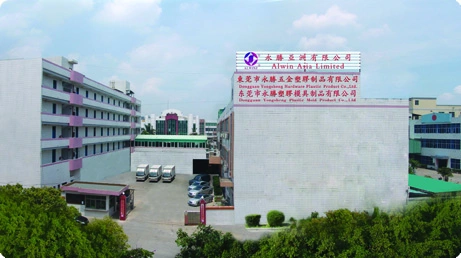
Quality certifications including ISO9001:2015 demonstrate our commitment to consistent excellence in every project. Our state-of-the-art facility in Dongguan's renowned "Town of Molds" combines traditional craftsmanship with modern technology for superior results.
Ready to discuss your next plastic mold project? Our experienced engineers provide complimentary material consultations to optimize your manufacturing success. Contact us at sales@alwinasia.com to speak with a trusted plastic mold supplier who understands the critical importance of proper material selection.