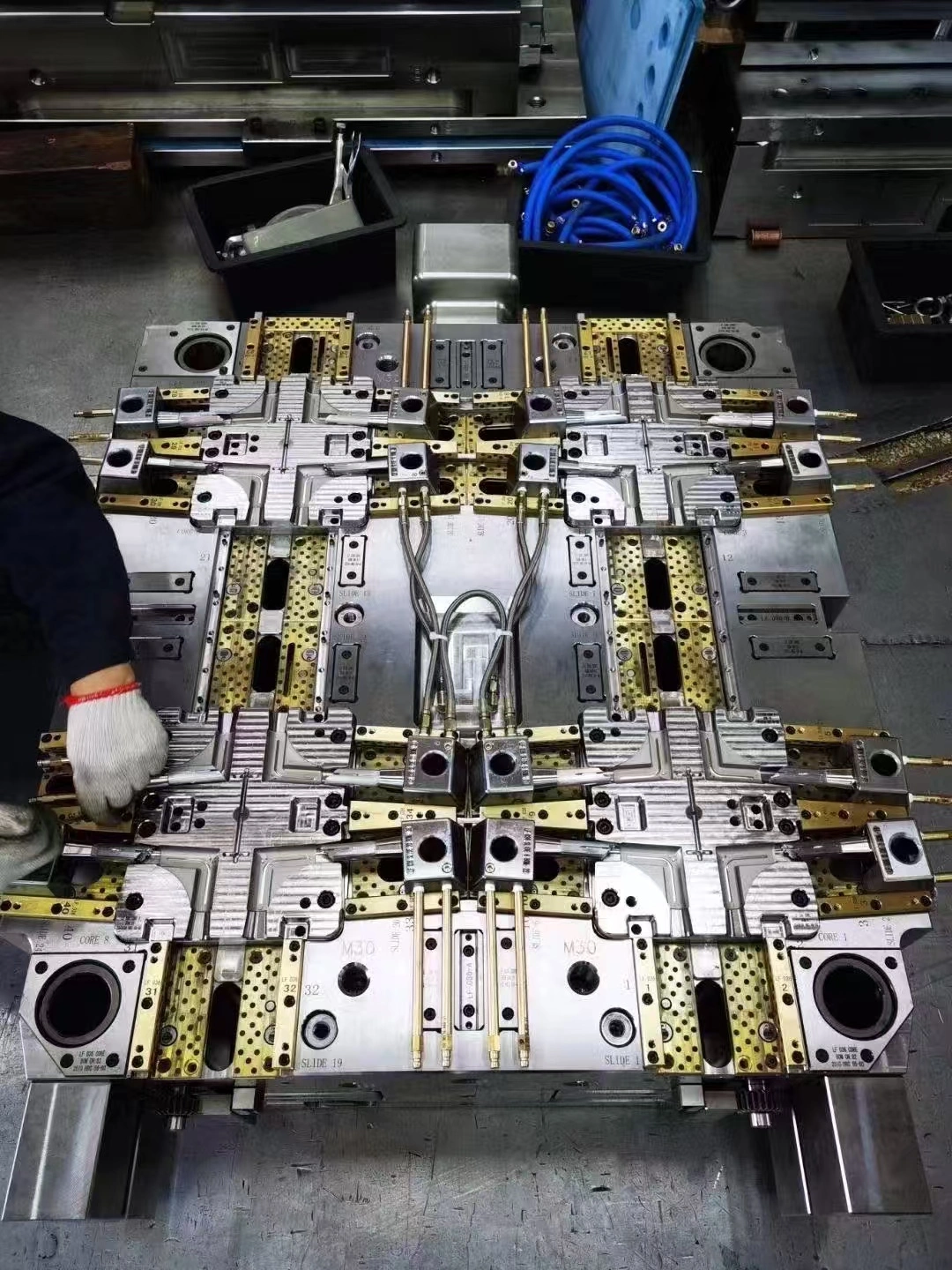
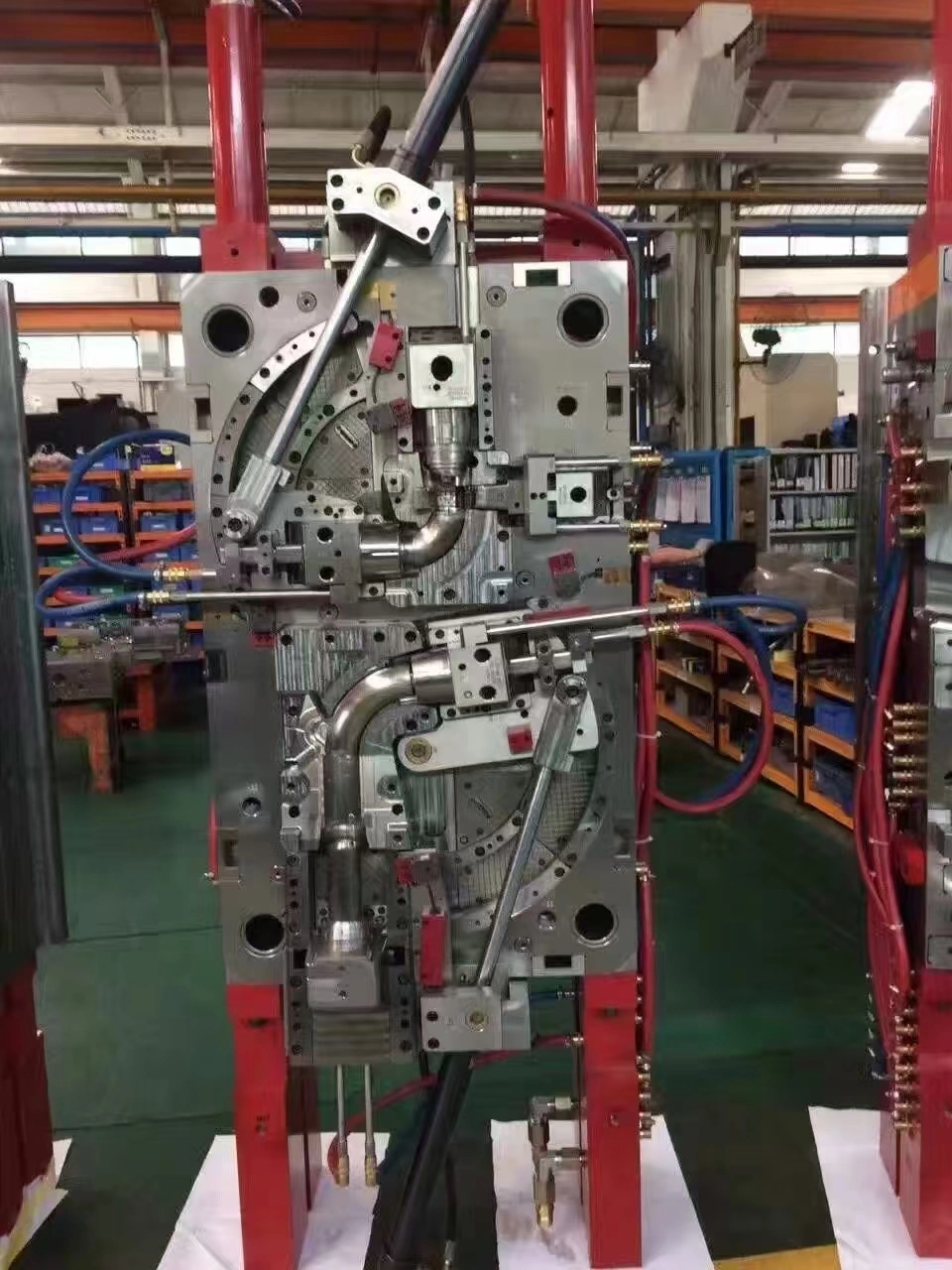
When buying high precision molds in Asia, companies that buy for other companies need to find ways to keep costs low while still making sure the quality is high. Asian manufacturers, especially those in Dongguan and other manufacturing hubs in China, are ahead of the competition because they know a lot about CNC machines and a lot of different kinds of tools. Some smart ways to buy things are to carefully research each seller, write down clear requirements, and set strict rules for quality control. These steps make sure that working together with precision tooling suppliers goes well and that they can offer difficult injection molding solutions that are accurate to very small amounts. To make custom high precision molds that work well, you should know how the local market works and work with manufacturers who have a lot of experience.
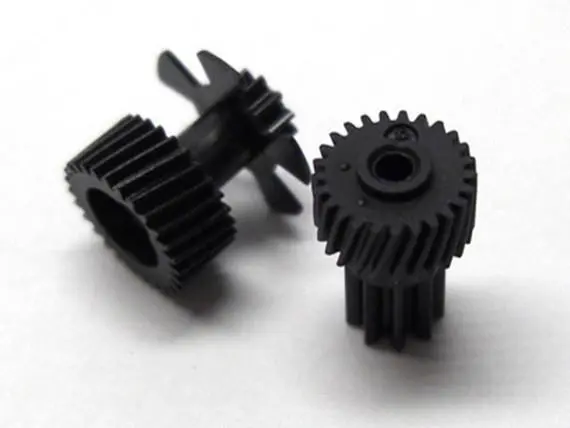
Being able to explain why buying precise tools is important for your company
Getting good mold fabrication is a big decision that will change the whole process of making your product. For mass production to go smoothly, companies that make consumer goods, electronics, and cars know how important accurate tools are. Building and designing better molds will pay off in the long run with fewer defects, longer tool life, and consistent part quality.
Asian markets, especially factories in China, have become the best places in the world to get precision molding technology. It is called the "Town of Molds," and many famous manufacturers live there. For decades, they have been solving hard tooling problems. Craftsmanship from the past and cutting-edge CNC technology come together in these facilities, creating a space that can support both prototype molds and tools used for mass production.
Temperature control systems and the ability to look at mold flow are now things that all reliable suppliers offer as standard. Because of this new technology, cycle times can be cut down while still making sure that measurements are correct. When procurement teams know about these skills, they can better choose the right suppliers and set the right project requirements.
Key Things to Look for in Precision Mold Providers
Not just comparing prices is enough when looking for business partners for high precision molds. You need to do more research. People who have quality certifications, especially those that show they follow ISO 9001:2015, know that quality management is done in a planned way. Manufacturers that have been around for a while usually keep good records and follow rules for constant improvement, which helps them build partnerships that last.
People's technical skills should be judged by how well they can use CNC machines, finish surfaces, and work with tool steel. These days, modern factories use multi-axis machining centers, which can get tolerances for important parts to within ±0.01mm. This is a very important thing to look at when judging something that people will see because the surface finish often determines how the final part looks and how it works.
It's very important for a project to have good communication infrastructure. When suppliers have their own engineering teams and project management systems, they can give real-time updates and technical help while the mold is being made. Language barriers and different time zones make it hard for people to work together every day, so it's important to think about these things when you judge someone.
Protecting intellectual property is a sign that a supplier wants to keep project information secret. A lot of well-known companies use complex data security protocols and strictly limit who can see their own designs. Policies and agreements that don't let people talk about your intellectual property (IP) should always be in place for qualified suppliers.
A Full Look at Solutions for High-Tolerance Molding
Molds with more than one cavity
Many industries find that multi-cavity molds are the best way to meet their high-volume production needs. These advanced tooling systems make it possible to make many parts at once during a cycle, which lowers the cost of making each one by a large amount. Modern cavity balancing methods make sure that all cavities are filled evenly and that the quality of the parts is the same, which solves a common problem in high-volume injection molding situations.
Things to think about when designing something complicated are the best place to put the gates, how to set up the cooling channels, and how to integrate the ejection system. Mold flow analysis is done by experienced mold designers using special software to predict problems before they happen during fabrication. This proactive approach cuts down on changes that cost a lot of money and the time it takes to get new products on the market.
For multi-cavity tooling, high-quality tool steels that can handle long production cycles are usually chosen. Heat treatment methods and surface hardening methods make molds last longer while keeping their shape. To get the most out of these complicated tooling systems, preventative mold maintenance plans become very important.
For multi-cavity molds, quality control procedures include checking the dimensions of each cavity, looking at the surface finish, and judging the quality of a test shot. Statistical process control methods help find possible changes early on in the production process. Regular maintenance checks make sure that the mold works the same way for as long as it is used.
Rapid tooling for making prototypes
Rapid tooling solutions shorten the time it takes to make a product while still meeting the quality standards needed for functional testing of high precision molds. These streamlined methods use advanced CNC machining techniques and the best tool steel choices to cut down on the time it takes to make things. Prototype high precision molds let you test the market and make sure the design works before investing in full-scale production tools.
When it comes to prototypes and small production runs, aluminum tooling is a cost-effective option. When compared to steel molds, aluminum molds don't last as long, but they allow for quick design changes and a lower initial investment. The surface finish and accuracy in measurements are still good enough for most prototype needs.
Hybrid approaches that use both aluminum and steel parts get the best of both cost and performance. Tool steel inserts are used in areas that get worn down a lot, while aluminum is used for non-contact surfaces. This plan strikes a balance between the need for durability and the limited funds that often come up in prototype development projects.
Bridge tooling ideas make prototype molds useful in situations where only a few are made. Strategic changes to the design and better cooling systems have made it possible for aluminum tools to last for several thousand production cycles. This method works especially well for introducing a product to the market and launching products at certain times of the year.
Molds for die casting metal parts
For die casting jobs, you need special tools that are made for working at high temperatures and moving molten metal. These strong molds are made of high-quality steel alloys and have advanced cooling systems that allow them to work in harsh conditions. To get very accurate measurements in cast metal parts used in the electronics and auto industries, precision machining is essential.
Die casting molds have thermal management systems that use advanced cooling channel designs and the ability to keep an eye on the temperature. Even distribution of temperature stops hot spots that could lead to early tool wear or casting flaws. Analysis of thermal cycling on a regular basis helps improve operational parameters and increase the service life of molds.
Die casting tools can have special coatings put on their surfaces that stop metal from soldering and make maintenance easier. These protective layers keep the surface smooth and stop cast materials from sticking to it. The right way to prepare the surface and apply the coating has a big effect on how well and how long the mold lasts.
In die casting operations, automated molding integration is becoming more and more important. Modern tools have sensors and monitoring systems built in that give real-time information about how they're working. This information lets you plan maintenance ahead of time and improve processes so that they are more productive and consistent in quality.
Global Market Dynamics and Regional Things to Think About
When making international purchasing plans, businesses need to take into account how markets and rules change in different areas. Chinese and Japanese companies have set up extensive supply chains for high precision molds that meet the needs of a wide range of customers while keeping prices low. Learning about the local way of doing business and talking to people makes working together and completing projects go more smoothly.
Some logistics issues to think about are shipping methods, customs procedures, and delivery times. Established suppliers usually keep in touch with dependable freight forwarders and know how to handle international shipping needs. Clear delivery terms and risk allocation help keep projects from running late or costing more than planned.
Changes in currency and payment terms have an impact on the total cost of a project and planning for cash flow. A lot of suppliers with a lot of experience offer flexible payment plans that work with the way international business is done. Letter of credit agreements and payment schedules based on progress give both parties security while meeting the needs of project financing.
Aligning quality standards makes sure that molds made meet the needs of the market they are going to. International certifications and testing protocols are different in each region, so it's important for suppliers to know about the right standards for a project to go smoothly. Traceability systems and documentation requirements help businesses follow different rules.
advice on what to buy and how to do it along with strategic suggestions
The first step in making sure that procurement strategies work is to make sure that there are thorough ways to evaluate and qualify suppliers. Going to the factory to see how things are made, how quality is controlled, and how the business is set up is a great way to learn. There are skills that might not be clear from reading paperwork alone that can be shown by seeing the production facilities and quality control procedures in person.
For project specs to be made, the quality, procurement, and engineering teams must work together. You need detailed drawings, lists of materials, and performance standards to get accurate quotes and carry out the project well. While a project is being worked on, having clear documentation helps manage changes and avoids misunderstandings.
Taking care of your relationships with vendors is more than just making one-time purchases. It also means forming long-term strategic partnerships. If you want to stay ahead of the competition, you should regularly look at performance, capabilities, and the technology roadmap. With preferred supplier programs, big projects often get better technical support and are scheduled first.
Finding a backup supplier, planning how to handle inventory, and having quality standards ready in case something goes wrong are all ways to lower risk. Companies are less dependent on a few key suppliers when they use a variety of ways to source goods. This helps keep costs low. Regularly looking at the market can help you find new suppliers and better technology that could improve projects in the future.
Trends and changes in the market
More changes are being made to the precision molding industry by new technologies like automation and digitization. IoT sensors and platforms for data analysis are used in smart manufacturing ideas to speed up the production process. These technological advances have made it possible to plan maintenance ahead of time and check quality in real time, which makes equipment work better overall.
As businesses put more emphasis on being eco-friendly, sustainability factors become more important when picking suppliers. Companies want to be more environmentally friendly and cut down on costs, so they use less energy and materials to make tools that can be recycled. Green manufacturing programs show that suppliers care about following the rules and being good to the environment.
Conclusion
You should think about the supplier's skill level, your technical needs, and how long you can work with them before you buy high precision molds or precision molding solutions. Most of the best Asian manufacturers are in China's manufacturing hubs, where they have a lot to offer. They've been in business for a long time, use modern tools, and charge low prices. To make sure everyone can talk to each other, keep the lines of communication open, and use strict criteria for evaluation. These best practices and working with experienced suppliers like Yongsheng are the best ways for procurement teams to get the most out of the money they spend on high precision molds and precision tools.
FAQ
Q: What tolerance levels can be achieved with modern high precision molds?
A: Contemporary precision molding technology can achieve tolerances within ±0.005mm for critical features using advanced CNC machining and temperature control systems. Actual tolerance capabilities depend on part geometry, material properties, and specific application requirements.
Q: How long does custom mold fabrication typically require?
A: Standard custom mold fabrication timelines range from 4-8 weeks depending on complexity, size, and supplier capacity. Rapid tooling approaches can reduce timeframes to 2-3 weeks for prototype applications, while complex multi-cavity production molds may require 10-12 weeks.
Q: What factors most significantly impact mold pricing?
A: Primary cost drivers include part complexity, tolerance requirements, cavity count, material selection, and surface finish specifications. Secondary factors encompass project timeline, tooling size, and special features like automated handling or sensor integration.
Partner with Yongsheng for Superior High Precision Molds Manufacturing
Yongsheng's three decades of manufacturing excellence positions us as your ideal precision tooling partner in Asia's competitive landscape. Our ISO 9001:2015 certified facility in Dongguan spans 6,000 square meters and employs over 300 skilled professionals dedicated to delivering exceptional mold fabrication solutions. Advanced CNC machining capabilities and comprehensive quality control systems ensure that every project meets stringent international standards.
Our one-stop OEM service encompasses design development, mold fabrication, production, and secondary processing under unified project management. This integrated approach streamlines communication, reduces lead times, and maintains consistent quality throughout your project lifecycle. Rigorous IP protection protocols safeguard your proprietary designs while our experienced engineering team provides technical expertise for complex tooling challenges.
Strategic location advantages include proximity to major transportation hubs and established supply chains that support efficient project execution. Our commitment to cost-effectiveness, on-time delivery, and comprehensive customer support has earned trust from procurement managers and product developers across electronics, automotive, and consumer goods industries worldwide.
Ready to explore how our precision tooling expertise can enhance your next project? Contact us at sales@alwinasia.com to discuss your specific requirements with our technical specialists. Let Yongsheng's proven track record and advanced manufacturing capabilities drive your project success.
References
1. Johnson, M. & Chen, L. (2023). "Advanced Manufacturing Strategies in Asian Precision Tooling Markets." International Journal of Manufacturing Technology, Vol. 45, pp. 123-145.
2. Anderson, R. et al. (2022). "Quality Management Systems in Global Mold Manufacturing: A Comparative Analysis." Precision Engineering Quarterly, Vol. 38, No. 2, pp. 67-89.
3. Liu, X. & Thompson, K. (2023). "Cost-Benefit Analysis of International Sourcing for High-Precision Manufacturing Components." Global Procurement Review, Vol. 29, pp. 201-218.
4. Williams, S. (2022). "Risk Assessment Frameworks for B2B Manufacturing Partnerships in Emerging Markets." Supply Chain Management Journal, Vol. 52, No. 4, pp. 145-162.
5. Zhang, H. & Mueller, D. (2023). "Technological Innovation in Asian Precision Molding Industries: A Longitudinal Study." Manufacturing Systems Research, Vol. 31, pp. 78-95.
6. Brown, A. et al. (2022). "Intellectual Property Protection Strategies in International Manufacturing Collaborations." Business Law and Technology Review, Vol. 18, No. 3, pp. 234-251.