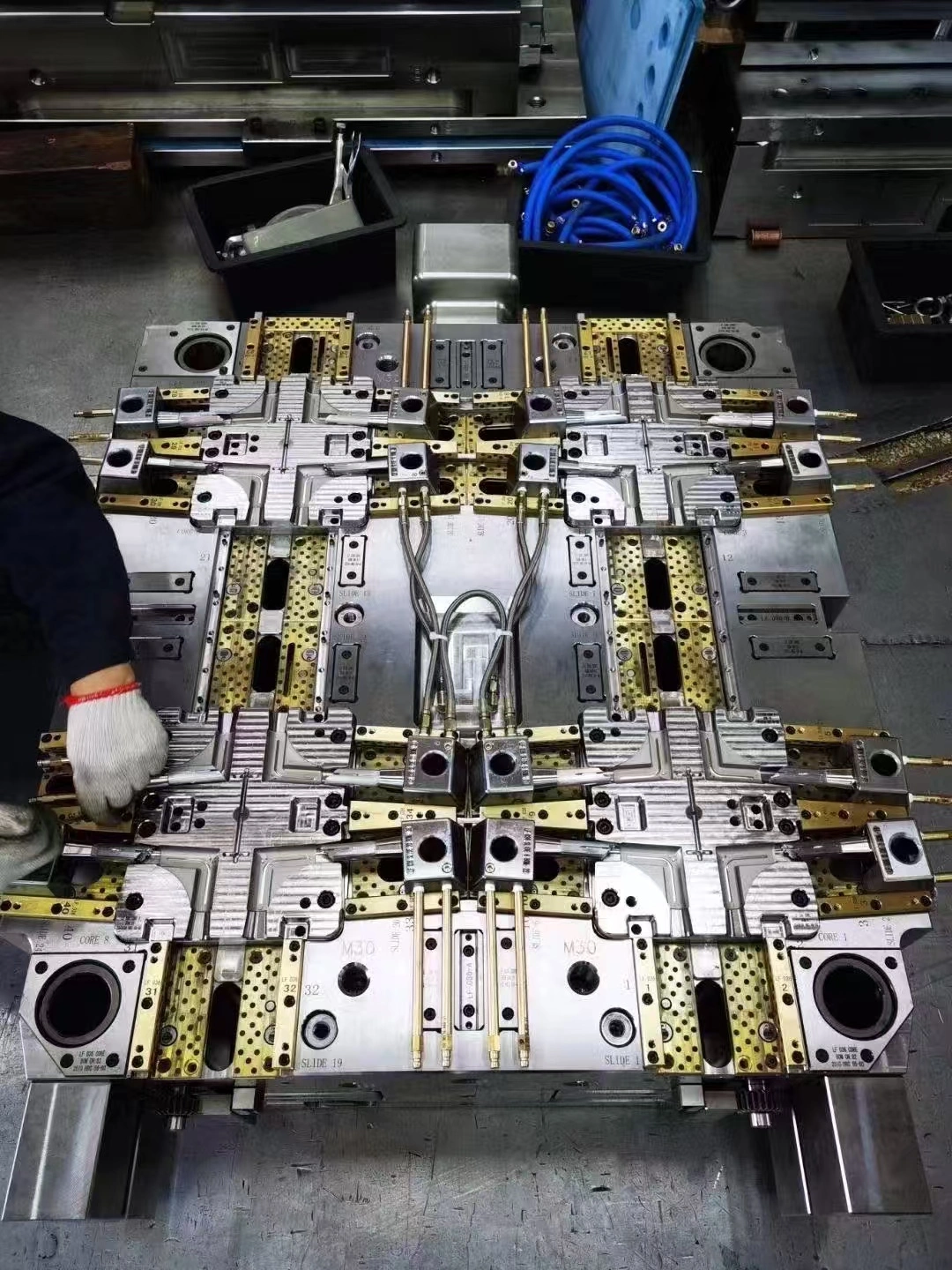
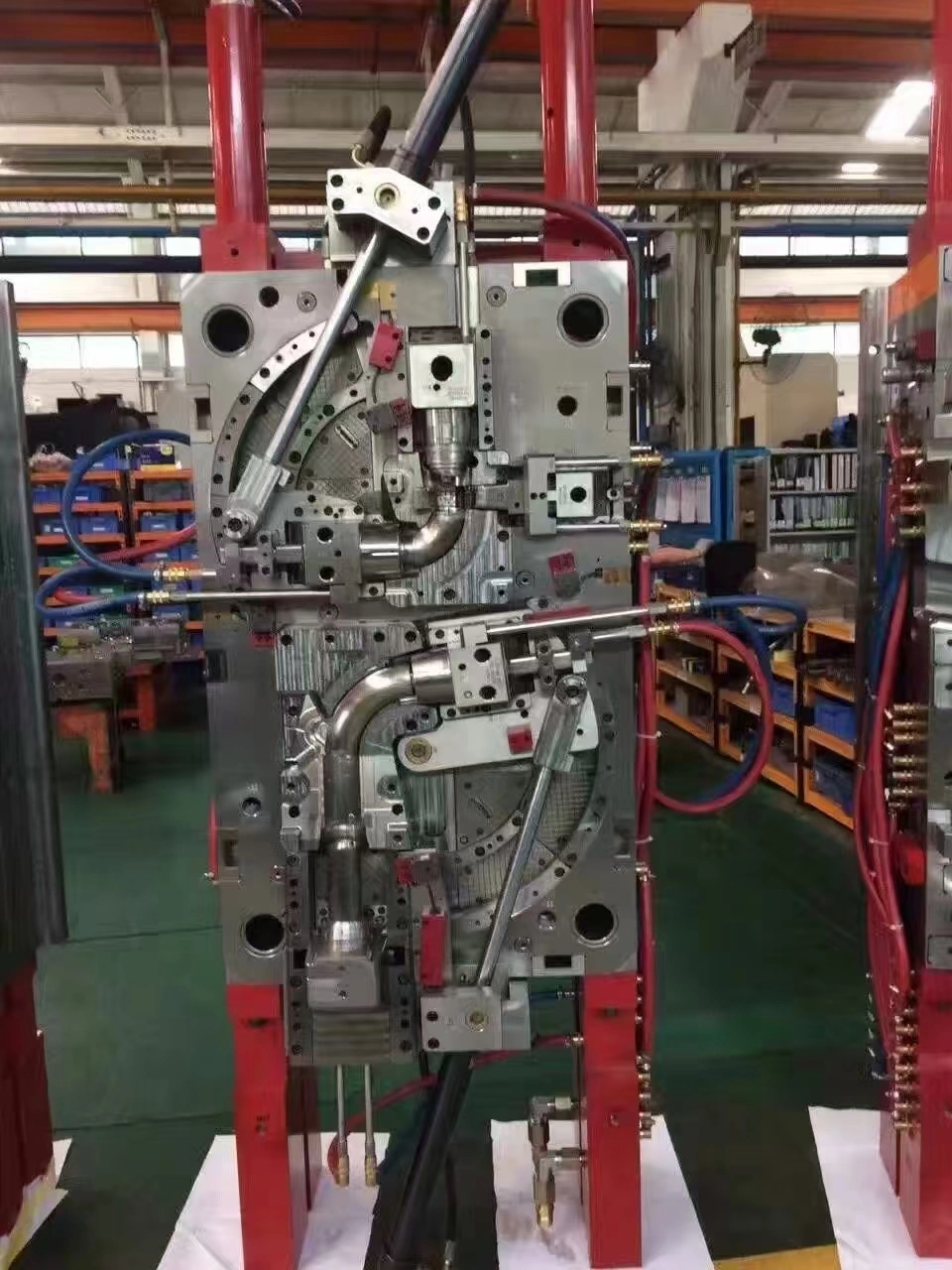
Making plastic goods that are safe for food requires very high safety standards and following all the rules during the whole production process. For safety reasons and to keep the quality of the product, an injection mold used for food-contact applications has to meet strict standards. When looking for a factory partner, it's important to know about these important safety rules, material requirements, and compliance standards. This detailed guide looks at the most important parts of food-grade molding. It will help procurement managers and product developers find their way through the complicated world of safety rules, material choices, and quality control measures that are needed to make food packaging and containers that work.
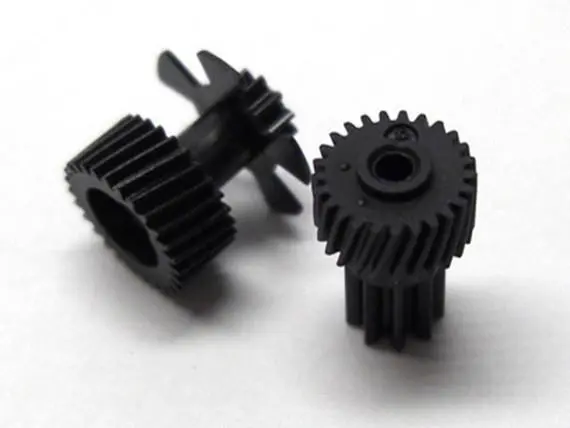
Understanding Food-Grade Standards and Regulations
Different areas have different rules about food safety, which makes it hard for makers to meet all of the requirements. According to the Food and Drug Administration (FDA) in the US, materials that come into touch with food must follow strict rules. These rules say which plastic resins can come into contact with food and how they should be tested to make sure they are safe.
According to directions from the European Food Safety Authority (EFSA), European laws follow similar rules. Other parts of the world, however, have their own rules. When making parts for foreign markets, the injection molding process has to be able to handle all of these different needs. To make sure their mold designs and production methods follow all the rules, manufacturers need to know a lot about global food safety standards.
In this situation, material approval is very important. Every material used to make food-grade injection molds needs to have the right paperwork showing that it is safe for use with food. Migration testing results are included in this document. They show that harmful substances won't move from the plastic to food items when they are used normally.
Temperature resistance specifications also play a vital role in compliance. Food-grade plastics must maintain their safety characteristics across various temperature ranges, from freezer storage to microwave heating. The injection mold tooling must accommodate these requirements through appropriate material selection and cavity design considerations.
Critical Material Selection for Food Safety
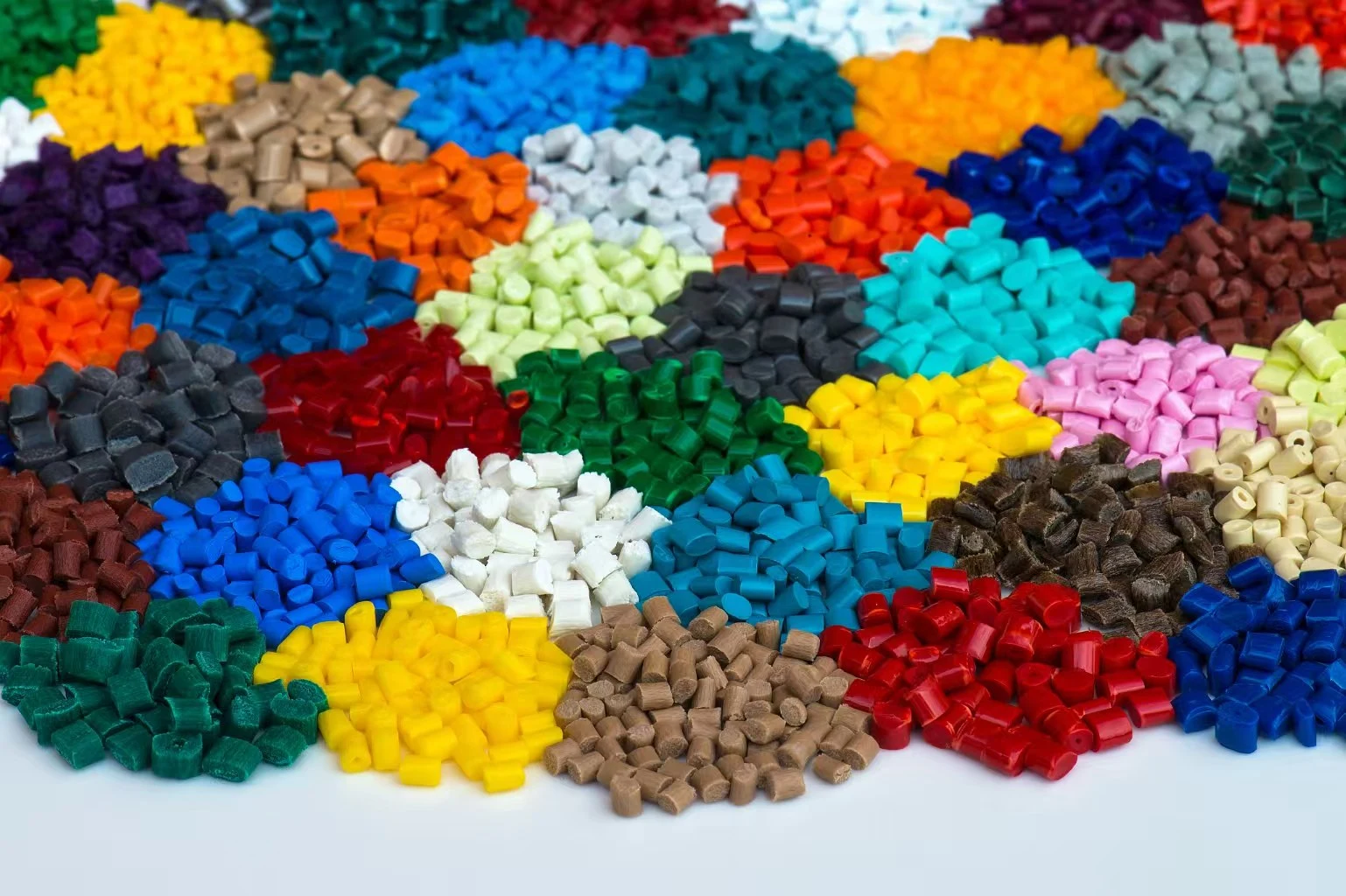
One of the most important choices in food-grade manufacturing is choosing the right materials. Polyethylene (PE), polypropylene (PP), polyethylene terephthalate (PET), and other compounds made just for food contact uses are common food-safe resins. Of course, each material has its own pros and cons that affect how well the end product works.
Polyethylene is great for containers and packing films because it is flexible and doesn't react badly with chemicals. Temperature needs to be carefully controlled during the injection molding process for PE so that it doesn't break down in a way that could make food unsafe. Mold cooling systems that work right keep the material's safety features while ensuring consistent part quality.
Polypropylene offers superior heat resistance compared to polyethylene, making it suitable for applications requiring sterilization or high-temperature exposure. The injection mold design must account for PP's shrinkage characteristics to achieve dimensional accuracy in the finished components. Precision injection mold manufacturing becomes essential when working with materials that exhibit significant thermal expansion properties.
For specific uses that need to be able to handle high temperatures or chemicals, advanced industrial plastics like PEEK or PPS may be needed. For these materials to be made, you need high-tech injection molding tools that can work with high-performance resins and keep the exact conditions needed for food-grade production.
The same level of care is needed for additive selection. Colorants, stabilizers, and processing aids all need to follow rules that say they can come into touch with food. When making a mold, these additives need to be taken into account because they can change the injection molding cycle and the properties of the finished part.
Manufacturing Process Controls and Quality Assurance
Strong rules for the making process make sure that parts that are safe for food are always made. There are a lot of things you need to keep an eye on when you use injection molding. These include the melt temperature, the injection pressure, the cooling time, and the accuracy of the cycle. If you don't follow the rules, a product might not be as safe or as good.
Cleanroom environments often become necessary for food-grade production, particularly when manufacturing components for sensitive applications like infant feeding products or pharmaceutical packaging. The injection mold maintenance schedule must align with cleanliness requirements to prevent contamination during production runs.
Documentation and traceability systems track every aspect of the manufacturing process. Batch records maintain detailed information about material sources, processing conditions, quality test results, and any deviations from standard procedures. This comprehensive documentation proves essential during regulatory audits or customer quality assessments.
Statistical process control helps find trends that could mean that problems with quality are beginning to show up. Companies that make things can change the settings for injection molding before problems affect the safety or performance of the product if they check them often. Automated systems used today for injection casting can make changes right away to keep the conditions of work at their best.
Validation studies demonstrate that the manufacturing process consistently produces parts meeting all safety and quality requirements. These studies typically involve extensive testing under various operating conditions to prove process robustness and reliability.
Mold Design Considerations for Food Applications
When making injection mold tools for food-grade uses, you need to pay extra attention to how the surfaces look, how the materials run, and how easy they are to clean. Smooth cavity surfaces keep germs from growing in places where they shouldn't, and they also make it easier to clean thoroughly between production runs. The mold design can't have any sharp edges, empty places, or complicated shapes that could hold germs.
The location of the gate has a big effect on the quality and safety of the part in food-grade uses. The right placement of the gate ensures that the whole cavity is filled while reducing stress levels that could lead to weak spots where germs can grow. The shape of the injection mold cavity has to strike a balance between how it looks and how well it works and how safe it is.
Cooling system design affects both part quality and production efficiency. Uniform cooling prevents warpage and dimensional variations that could compromise container sealing integrity. Advanced cooling strategies using conformal cooling channels can improve heat removal while reducing injection molding cycle times.
Material suitability includes the materials used to make the molds. When choosing an injection mold steel, corrosion resistance is very important. This is especially true when working with acidic or basic foods that could come in touch with the mold surfaces. It may be necessary to use special coatings or processes to make molds last longer and keep the quality of the surface over long production runs.
When used in food-grade settings, venting design needs to be carefully thought out. Proper venting keeps air from getting trapped, which could lead to weak spots or contamination risks, and makes sure that the whole space is filled. The design of the vent has to find a balance between the need to let air out and the need to stop material flash that could make cleaning harder.
Testing and Validation Protocols
Comprehensive testing procedures make sure that all safety and performance requirements are met by manufactured parts. Migration testing is an important part of food-grade validation because it shows that harmful chemicals won't move from plastic containers to food. In these tests, parts are usually put in food simulators that speed up the aging process to figure out how well they will work in the long run.
Mechanical testing makes sure that parts stay together when they are used normally. Testing for fatigue, impact resistance, and stress cracking resistance help make sure that containers won't break in ways that could make food unsafe. The parameters of the injection molding process have a direct effect on these mechanical qualities because they change the crystallinity and orientation of the molecules.
Microbiological testing evaluates the material's resistance to bacterial growth and its compatibility with various sterilization methods. Some food-grade applications require components that can withstand steam sterilization, gamma irradiation, or chemical sanitization without degrading or releasing harmful substances.
Testing with different senses makes sure that plastic parts don't add bad tastes or smells to food. Samples are looked at by trained groups in controlled conditions to find any changes in the way they taste or smell that could affect how well the product is accepted. Most of the time, this checking is better than analytical methods at finding small contamination problems.
Environmental stress testing puts parts through different temperature and humidity levels to see how well they work in real-life situations like storage and use. These tests help guess how flaws in the injection molding process or wear and tear on the material might affect safety performance in the long run.
Conclusion
Safety and compliance issues with food-grade injection molds are tough problems that need specific knowledge, advanced manufacturing skills, and close attention to every detail. Choosing the right materials, putting in place strong process controls, making sure the tools work best, and doing a lot of proof testing are all important for success. Putting money into the right safety rules and compliance measures saves both buyers and sellers and opens up global markets. Working with manufacturing partners who have experience and understand these needs will help the project go well while lowering the risks that come with following food safety rules and quality standards.
Partner with Yongsheng for Superior Food-Grade Injection Mold Solutions
When making food-grade plastic goods that have to meet strict safety and compliance standards, picking the right injection mold manufacturer is very important. Yongsheng has been making precision injection molds for more than 30 years. He has worked with foreign clients in the electronics, consumer goods, automotive, and food packaging industries, providing OEM solutions from the beginning of the design process to the end of production.
Our ISO 9001:2015 certified facility in Dongguan employs more than 300 skilled professionals utilizing advanced injection molding machines and sophisticated mold design software to ensure every project meets exact specifications. The injection mold tooling we manufacture undergoes rigorous testing and validation protocols, guaranteeing compliance with FDA, EFSA, and other international food safety standards while maintaining the dimensional precision essential for reliable sealing and performance.
Ready to discuss your food-grade injection molding requirements? Our experienced engineering team stands prepared to evaluate your specific application needs and develop customized solutions that meet both safety standards and cost objectives. Contact us at sales@alwinasia.com to explore how Yongsheng's expertise can support your next food packaging project with reliable, compliant, and cost-effective manufacturing solutions.
References
1. Smith, J.A., et al. "Food Contact Materials: Safety Assessment and Regulatory Compliance in Injection Molding." Journal of Food Packaging Technology, Vol. 45, No. 3, 2023, pp. 127-145.
2. Chen, M.L. "Advanced Materials for Food-Grade Injection Molding: Properties and Applications." Polymer Processing International, Vol. 28, No. 2, 2023, pp. 89-104.
3. Rodriguez, C.P., and Williams, K.R. "Migration Testing Protocols for Food Contact Plastics: Current Standards and Future Developments." Food Safety and Technology Review, Vol. 12, No. 4, 2023, pp. 234-251.
4. Thompson, D.L., et al. "Quality Assurance in Food-Grade Plastic Manufacturing: Process Control and Validation Strategies." Manufacturing Excellence Quarterly, Vol. 19, No. 1, 2023, pp. 56-73.
5. Liu, X.Y. "Mold Design Optimization for Food-Safe Injection Molding Applications." Tooling and Design Engineering, Vol. 33, No. 6, 2023, pp. 178-195.
6. Anderson, R.M., and Baker, S.J. "Global Regulatory Landscape for Food Contact Materials in Injection Molded Products." International Food Law Review, Vol. 41, No. 5, 2023, pp. 312-329.