Plastic components exhibit varying degrees of chemical resistance depending on their polymer composition, manufacturing process, and design specifications. Most engineered plastic materials demonstrate excellent resistance to acids, bases, solvents, and oils when properly selected for their intended applications. Understanding chemical resistance becomes crucial for procurement managers in electronics, automotive, and consumer goods industries where components face exposure to harsh chemicals, cleaning agents, and environmental contaminants.
Chemical resistance directly impacts product reliability, maintenance costs, and operational safety across industrial applications. When procurement teams evaluate suppliers for custom injection molding projects, chemical compatibility often determines the success or failure of entire product lines. This guide examines the scope of chemical resistance testing, material selection criteria, and procurement strategies that ensure optimal component performance while maintaining cost-effectiveness and delivery schedules.
Understanding Chemical Resistance in Plastic Components
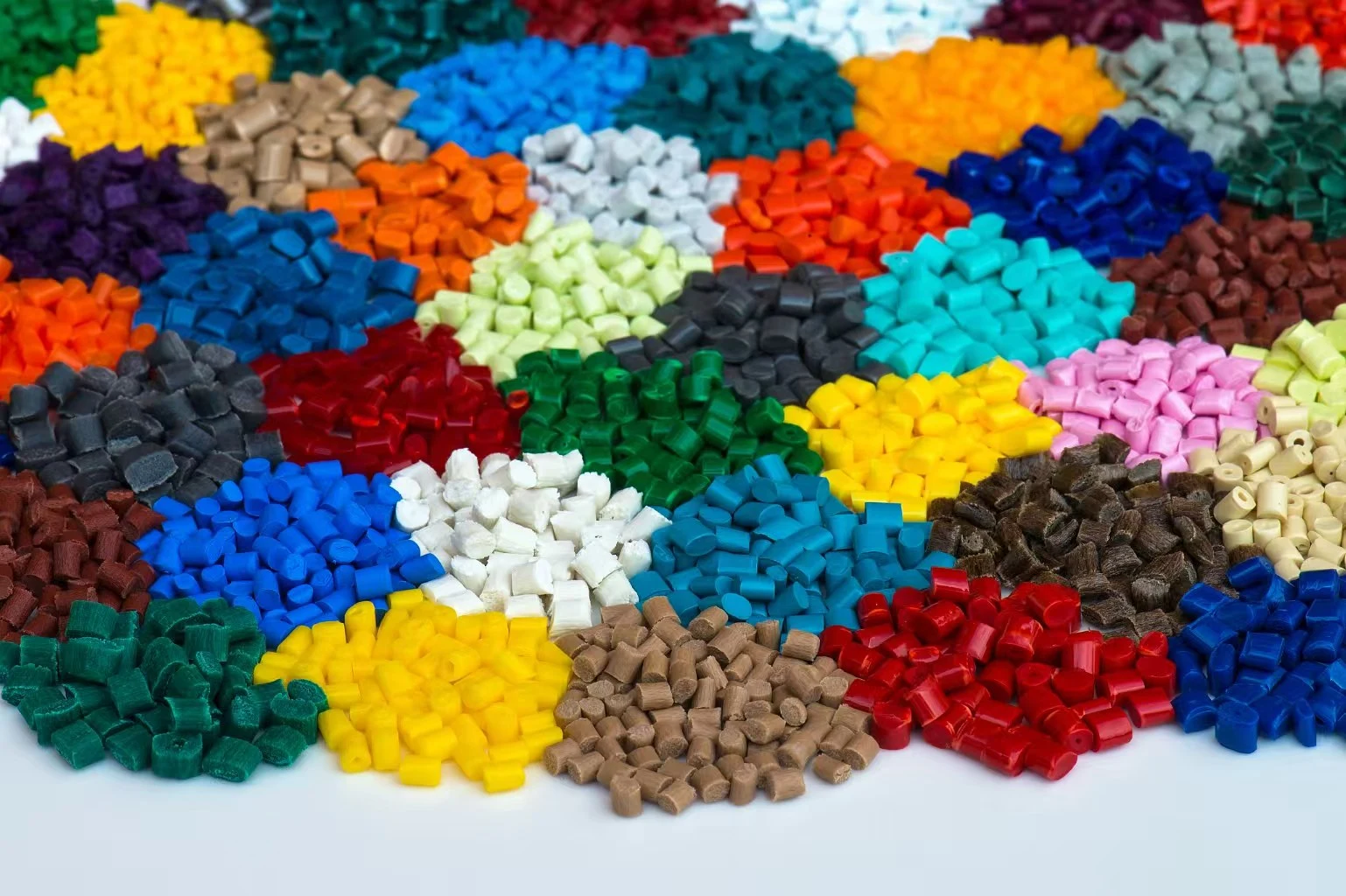
Chemical resistance in plastics speaks to a material's capacity to withstand debasement when uncovered to chemicals such as acids, bases, solvents, or oils. This resistance depends on polymer sort, added substances, and operational conditions like temperature and weight. Key plastic materials counting polyethylene, polypropylene, PVC, PTFE, and Look each display particular chemical resistance profiles. Understanding these characteristics empowers obtainment masters to coordinate fabric properties with the chemical introduction conditions of their applications, guaranteeing toughness, security, and cost-effectiveness in the supply chain.
What Does Chemical Resistance Mean in Plastics?
Chemical resistance characterizes how well polymer materials keep up their basic astuteness, mechanical properties, and appearance when uncovered to different chemical substances. The resistance level depends on atomic structure, with cross-linked polymers ordinarily advertising predominant security compared to direct chains. Temperature plays a basic part, as hoisted warm regularly quickens chemical responses and decreases resistance effectiveness.
Several variables impact chemical resistance execution. Polymer crystallinity influences how chemicals enter the fabric structure, whereas added substances such as stabilizers, colorants, and fillers can either improve or compromise resistance properties. Natural conditions counting concentration, introduction time, temperature, and mechanical push essentially affect debasement rates and component lifespan.
Common Types of Plastic Components Based on Chemical Resistance
Different polymer families offer shifting levels of chemical assurance for mechanical applications. Here are the essential categories utilized in fabricating chemically safe components:
Polyethylene (PE) and polypropylene (PP) give fabulous resistance to acids, bases, and alcohols whereas keeping up cost-effectiveness for high-volume generation. These materials exceed expectations in bundling, car liquid taking care of, and customer item applications where direct chemical presentation occurs.
Fluoropolymers like PTFE and PVDF convey remarkable chemical inactivity over wide temperature ranges, making them perfect for semiconductor preparing, chemical plant gear, and research facility instrumented. Their predominant execution comes with higher fabric costs but diminishes long-term substitution needs.
Engineering plastics such as Look, PPS, and PPSU combine chemical resistance with great mechanical properties, empowering their utilize in requesting aviation, restorative, and mechanical applications where both chemical presentation and basic necessities exist.
Measuring and Comparing Chemical Resistance of Plastic Components
Accurate evaluation of chemical resistance depends on standardized testing strategies such as submersion, swelling, and stretch splitting tests, guided by worldwide guidelines like ASTM and ISO. These conventions guarantee solid information on fabric execution beneath mimicked chemical presentation. When compared with metal components, polymeric materials regularly offer prevalent resistance to erosion and chemical debasement, making them favored in segments like car, aviation, and hardware. In any case, plastic materials may confront impediments with respect to mechanical quality or temperature resistance. B2B buyers pick up operational experiences by investigating case cases where polymers effectively supplant metals to decrease fetched and expand item lifecycle.
Standard Testing Methods for Chemical Resistance
Immersion testing includes putting fabric tests in chemical arrangements at indicated temperatures and lengths, at that point measuring changes in weight, measurements, and mechanical properties. ASTM D543 gives standardized methods for assessing plastic debasement beneath controlled chemical introduction conditions.
Stress splitting resistance testing distinguishes how components perform beneath combined chemical presentation and mechanical stretch. Natural stretch splitting tests offer assistance foresee real-world execution where parts involvement both chemical contact and operational loads. ISO 4599 and ASTM D1693 set up conventions for assessing split start and engendering beneath these conditions.
Plastic Components vs Metal Components: Chemical Resistance Comparison
Polymer materials frequently beat metals in destructive situations where galvanic erosion, oxidation, and electrolytic debasement compromise metal keenness. Car fuel framework components illustrate this advantage, where plastic materials stand up to ethanol-blended powers that cause metal erosion and contamination.
Electronics fabricating progressively depends on chemically safe polymer lodgings and connectors that withstand cleaning solvents, flux expulsion operators, and natural contaminants without the galvanic erosion concerns related with different metal contacts. Customer merchandise applications advantage from plastic components that stand up to family chemicals, beauty care products, and nourishment acids whereas keeping up tasteful appearance and basic performance.
Selecting Plastic Components for Optimal Chemical Resistance
Procurement of chemically safe polymer components requires cautious assessment of the material's chemical resilience, warm continuance, and mechanical properties adjusted with application requests. Decision-makers ought to consider polymer compatibility with chemical specialists, surrounding working temperatures, and auxiliary prerequisites to select the best fit. Moreover, item plan plays a basic part where components like divider thickness, surface wrap up, and utilize of fortifications can altogether improve resistance and life span. Custom infusion molding permits exact control over these plan parameters, conveying custom fitted components that maximize execution and unwavering quality in mechanical settings.
Key Material Considerations in Procurement
Material determination starts with recognizing all chemicals that components will experience amid fabricating, operation, and end-of-life dealing with. Acquirement groups ought to assess chemical compatibility charts, but these give common direction or maybe than authoritative execution ensures for particular applications.
Temperature resistance gets to be similarly imperative as chemical compatibility, since lifted temperatures quicken most corruption instruments. Components working in car motor compartments or mechanical preparing hardware require materials that keep up chemical resistance over wide temperature ranges whereas protecting mechanical properties.
Design Tips to Enhance Chemical Resistance
Effective component plan minimizes chemical infiltration and stretch concentration focuses that quicken corruption. Divider thickness optimization guarantees satisfactory chemical obstruction properties whereas keeping up taken a toll productivity and cycle time objectives.
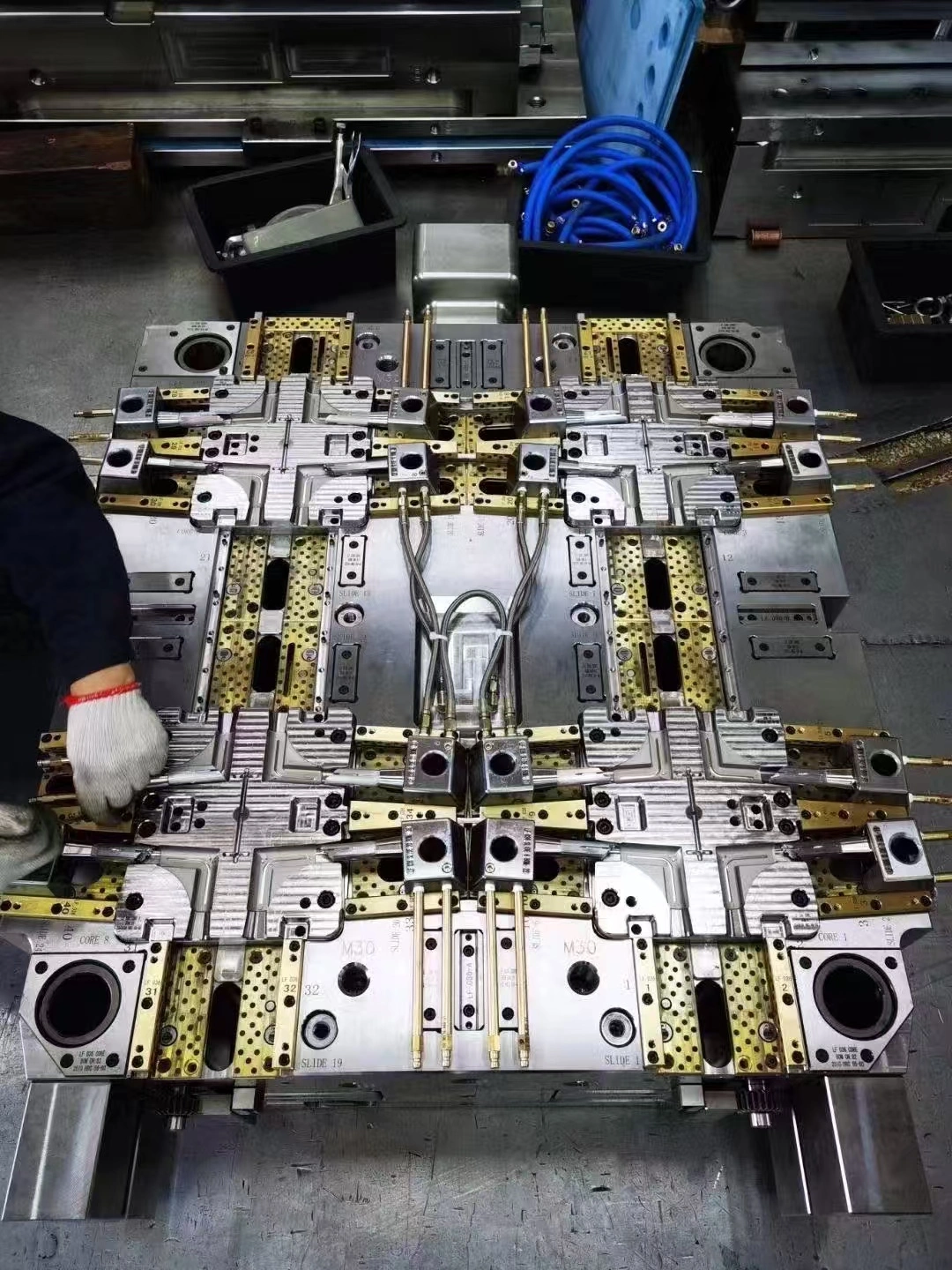
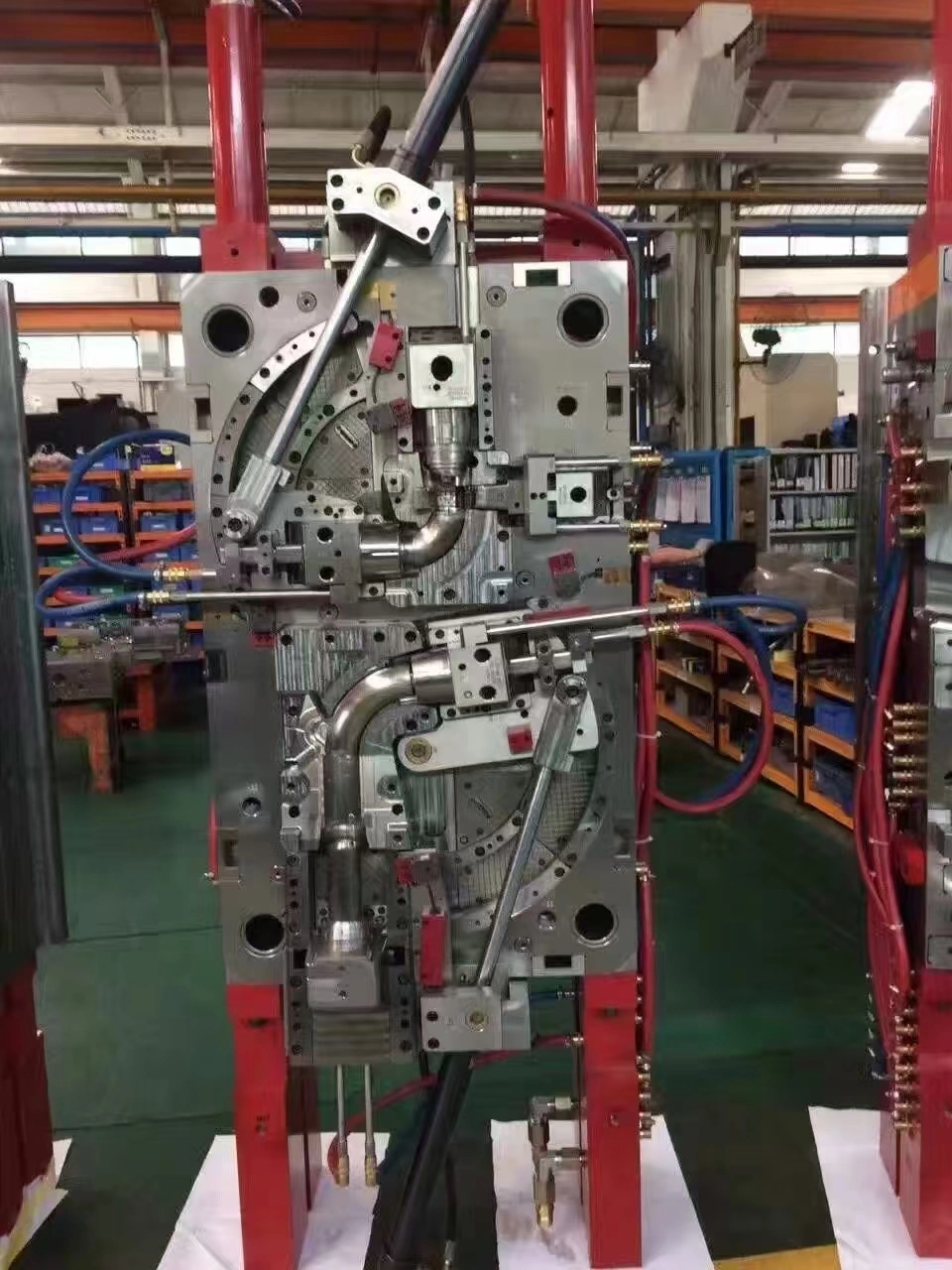
Surface wrap up quality essentially impacts chemical resistance execution. Smooth surfaces diminish chemical maintenance and empower simpler cleaning, whereas unpleasant surfaces can trap contaminants and make push concentration focuses. Custom infusion molding forms permit exact control over surface characteristics, entryway arrangement, and divider thickness dispersion to optimize chemical resistance properties.
Environmental and Economic Benefits of Chemically Resistant Plastic Components
Choosing chemically safe polymers can abdicate noteworthy natural and financial focal points for B2B obtainment. Their resistance to erosion leads to lower upkeep costs and expanded benefit life, contributing to lifecycle fetched investment funds. Besides, propels in recyclable materials and eco-friendly polymers back supportability objectives, decreasing the environmental impression compared to non-recyclable choices. Recognizing providers who prioritize certifications and maintainable hones guarantees compliance with progressively strict natural directions and corporate obligation guidelines, making a difference buyers future-proof their obtainment strategies.
Lifecycle Advantages and Cost Efficiency
Chemically safe components decrease add up to fetched of possession through amplified benefit life and diminished upkeep necessities. Components that stand up to corruption keep up their execution characteristics longer, diminishing substitution recurrence and related labor costs.
Recyclable polymer materials offer extra esteem through end-of-life recuperation and reprocessing capabilities. Numerous chemically safe thermoplastics can be recovered and reprocessed into unused components, decreasing crude fabric costs and supporting circular economy initiatives.
Eco-friendly and Certified Supplier Considerations
Sustainable polymer materials progressively meet both chemical resistance and natural obligation necessities. Bio-based polymers and reused substance materials illustrate comparable execution to conventional materials whereas diminishing natural impact.
Certified providers give documentation of fabric properties, fabricating forms, and natural compliance that bolsters obtainment decision-making. ISO 9001 quality administration and ISO 14001 natural administration certifications demonstrate provider commitment to reliable execution and maintainable practices.
Practical Procurement Insights for Chemically Resistant Plastic Components
Effective obtainment of chemically safe plastic components calls for key sourcing approaches centered on provider unwavering quality, lead time administration, and arrange volume optimization. Understanding least arrange amounts, bulk rebates, and the adjust between nearby and worldwide providers can streamline supply chain effectiveness. Assessment systems counting confirmation of chemical resistance claims, certifications, and provider capability prepare obtainment directors to relieve dangers and secure quality components. Embracing these best hones empowers businesses to improve item quality whereas keeping up taken a toll control and operational flexibility.
Sourcing and Ordering Strategy
Minimum arrange amounts for custom infusion molded components regularly reflect tooling amortization and generation effectiveness prerequisites. Bulk acquiring frequently gives noteworthy fetched preferences, but obtainment groups must adjust stock carrying costs against per-unit savings.
Lead time administration requires understanding both tooling improvement plans and generation capacity allotment. Built up providers with demonstrated chemical resistance ability regularly give more solid conveyance plans and specialized back all through the item improvement process.
Supplier and Product Evaluation Checklist
Supplier assessment ought to incorporate confirmation of chemical resistance testing capabilities, quality administration frameworks, and specialized mastery in fabric choice. Ask documentation of past ventures including comparable chemical presentation prerequisites and execution validation.
Product assessment requires checking on fabric certifications, test reports, and plan approval ponders. Providers ought to give clear documentation of fabric grades, handling conditions, and quality control measures that guarantee reliable chemical resistance performance.
Yongsheng: Your Trusted Partner for Chemically Resistant Plastic Components Manufacturing
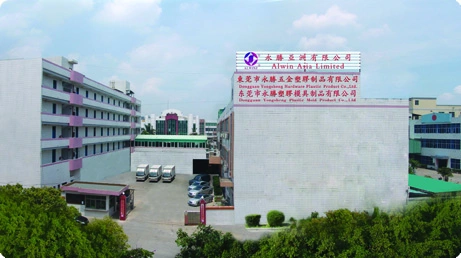
Dongguan Yongsheng Equipment Plastic Item Co., Ltd. brings over 30 a long time of mastery in fabricating chemically safe plastic components for hardware, car, and buyer merchandise businesses. Our ISO 9001:2015 certified office ranges 6,000 square meters with progressed infusion molding gear and comprehensive testing capabilities.
Our comprehensive benefit portfolio incorporates plan interview, fabric choice direction, custom form manufacture, and accuracy infusion molding. We specialize in creating components that meet particular chemical resistance prerequisites whereas keeping up cost-effectiveness and conveyance unwavering quality. Our building group works closely with acquirement experts to optimize fabric determination and component plan for most extreme execution and value.
Located in Dongguan's famous shape fabricating center, we give helpful get to for worldwide clients with nearness to major transportation systems. Our commitment to mental property security and privacy guarantees secure collaboration on touchy ventures requiring custom polymer solutions.
Conclusion
Chemical resistance in plastic components depends on careful material selection, proper design implementation, and reliable manufacturing processes. Procurement professionals benefit from understanding testing standards, material characteristics, and supplier capabilities when sourcing chemically resistant components. The advantages of polymer materials over traditional metals in corrosive environments continue driving adoption across diverse industries. Sustainable practices and certified suppliers support long-term procurement strategies while maintaining performance requirements. Strategic sourcing approaches optimize cost, quality, and delivery objectives for successful component procurement programs.
FAQ
Q: Which polymers offer the best chemical resistance for harsh industrial environments?
A: Fluoropolymers like PTFE and PVDF provide the highest chemical resistance across broad temperature ranges, while engineering plastics such as PEEK and PPS offer excellent resistance combined with superior mechanical properties. The optimal choice depends on specific chemical exposure, temperature requirements, and mechanical demands of your application.
Q: How can I verify the chemical resistance properties of polymer components before procurement?
A: Request standardized test reports following ASTM D543 or ISO protocols, review material compatibility charts, and ask suppliers for case studies from similar applications. Consider requesting material samples for your own compatibility testing under actual operating conditions.
Q: What are typical lead times and minimum order quantities for custom chemically resistant components?
A: Lead times typically range from 4-8 weeks for new tooling plus 2-4 weeks for production, depending on component complexity. Minimum order quantities often start at 1,000-5,000 pieces but vary based on part size and material requirements. Established suppliers may offer smaller quantities for prototype and validation phases.
Partner with Yongsheng for Superior Chemical Resistance Solutions
Yongsheng delivers exceptional chemically resistant plastic components that meet the demanding requirements of modern industrial applications. Our comprehensive manufacturing capabilities, combined with decades of experience, ensure reliable performance and cost-effective solutions for your procurement needs. We understand the critical importance of chemical compatibility in component selection and provide thorough documentation and testing validation for every project.
Ready to enhance your product reliability with premium chemically resistant components? Our expert team stands ready to discuss your specific requirements and develop customized solutions that exceed performance expectations. Contact us at sales@alwinasia.com for detailed consultations, material recommendations, and competitive quotes from a trusted plastic components manufacturer.
References
1. Harper, Charles A. "Modern Plastics Handbook: Chemical Resistance and Material Selection." McGraw-Hill Professional, 2019.
2. Nielsen, Lawrence E. "Polymer Chemistry: Chemical Resistance in Industrial Applications." John Wiley & Sons, 2018.
3. Rosato, Donald V. "Plastics Technology Handbook: Chemical Compatibility and Performance Testing." William Andrew Publishing, 2020.
4. Shah, Vishu. "Handbook of Plastics Testing Technology: Chemical Resistance Evaluation Methods." Society of Plastics Engineers, 2017.
5. Crawford, R.J. "Plastics Engineering Principles: Chemical Resistance and Material Design." Butterworth-Heinemann, 2019.
6. Strong, A. Brent. "Polymer Science and Engineering: Chemical Resistance Applications in Manufacturing." Prentice Hall, 2018.