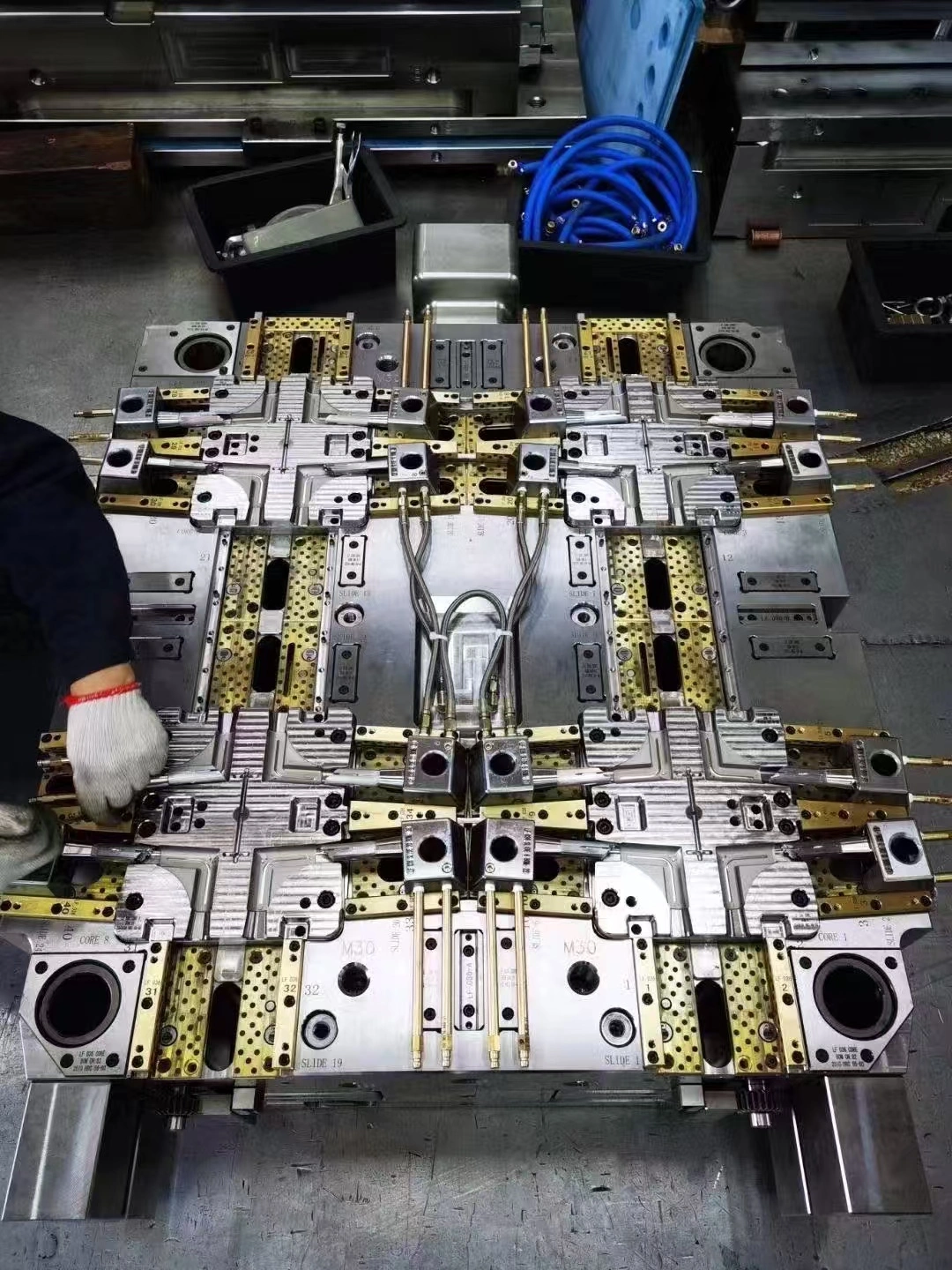
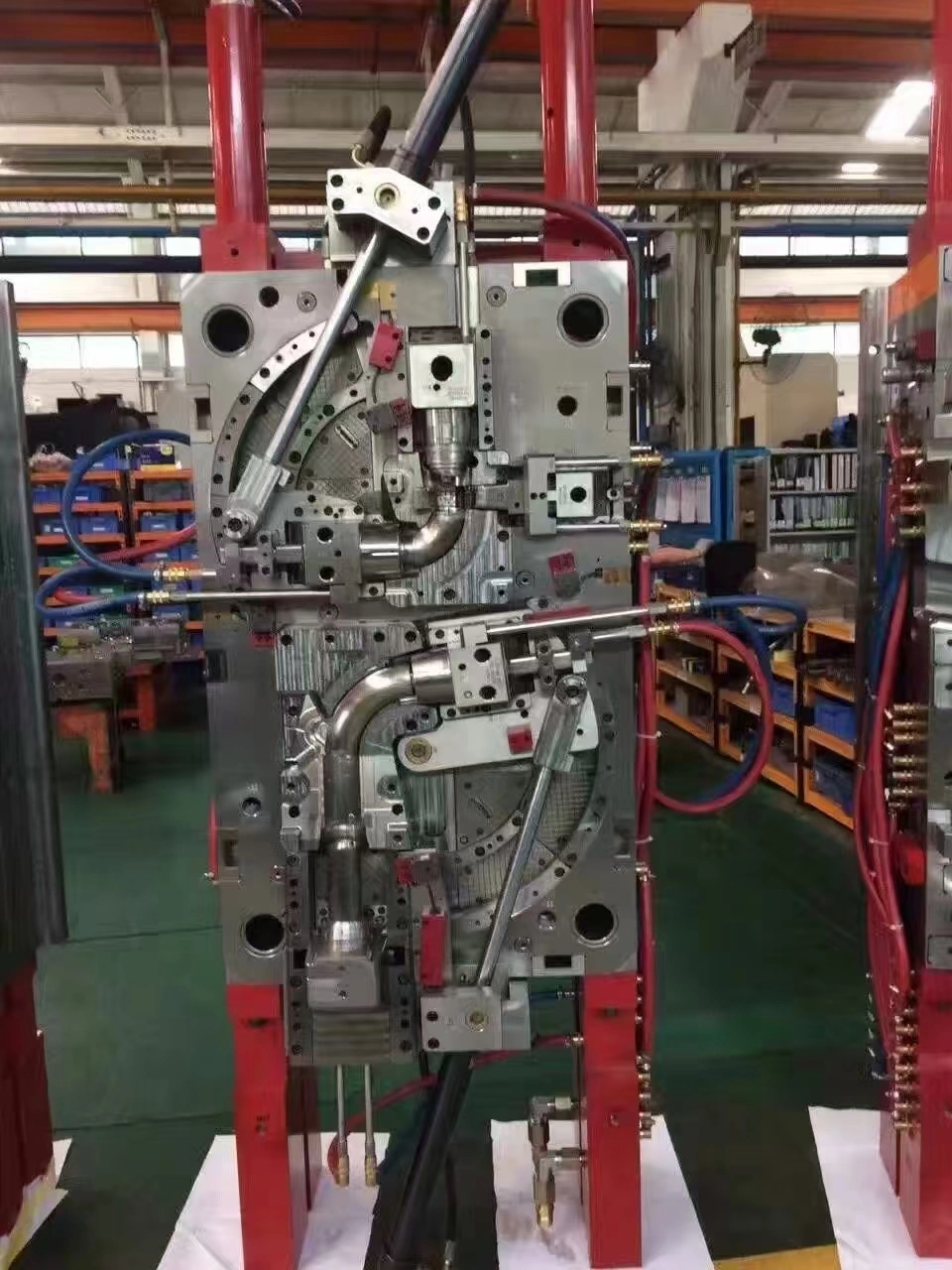
Maintaining and extending the lifecycle of unscrewing molds requires strategic planning, proper techniques, and consistent care protocols. These specialized injection molding tools, essential for producing threaded components in electronics, automotive, and consumer goods industries, demand meticulous attention to prevent costly failures and production downtime. Through systematic maintenance approaches, appropriate technology selection, and proactive care measures, manufacturers can significantly enhance mold longevity while maintaining optimal production quality and cost-effectiveness throughout their operational lifecycle.
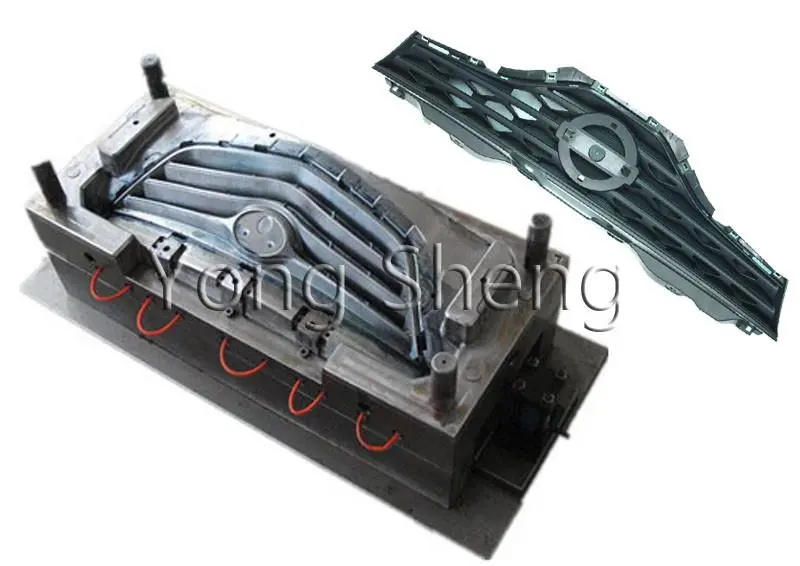
Understanding the Common Challenges in Unscrewing Mold Maintenance
Unscrewing molds confront interesting operational stresses that separate them from standard infusion molds. The rotational instruments required for string arrangement create extra mechanical stress points that accelerate wear designs and increment disappointment risks.
Primary Failure Points and Root Causes
Thread stripping speaks to one of the most predominant issues in unscrewing mold operations. This harm regularly happens when excessive torque is connected amid the unscrewing of the handle, or when flotsam and jetsam amasses inside the string channels. The pivoting center components, moreover involvement noteworthy wear due to consistent contact and warm cycling.
Improperly taking care of amid support operations compounds these characteristic challenges. Surged strategies or a lack of device choice can cause irreversible harm to exactness surfaces and strung components. Temperature variances amid generation cycles cause extension and withdrawal stresses that slowly debilitate basic association points.
Impact on Production Quality and Costs
Mold weakening specifically influences portion quality, leading to dimensional irregularities and surface imperfections that compromise the item's usefulness. Fabricating downtime for crisis repairs can disturb whole generation plans, influencing conveyance commitments and client relationships. Substitution costs for harmed shape components regularly surpass preventive upkeep speculations by significant margins.
Safety Considerations in Maintenance Operations
Maintenance methods must prioritize administrator security through legitimate lockout strategies and fitting individual defensive gear. Water-powered frameworks require cautious weight discharge conventions, whereas turning components require secure immobilization before any upkeep exercises start. Adherence to industry security measures ensures work force and minimizes risk dangers related to support operations.
Step-by-Step Mold Maintenance and Unscrewing Techniques
Effective maintenance protocols begin with comprehensive preparation and systematic execution. Proper technique implementation prevents damage while ensuring thorough inspection and care of all critical components.
Pre-Maintenance Preparation Requirements
Workspace planning includes setting up clean, well-lit zones with satisfactory apparatus availability. All shape surfaces require careful cleaning to evacuate generation buildups and contaminants that might interfere with support methods. Temperature stabilization guarantees warm development impacts do not compromise estimation exactness or component fit.
Tool Selection and Application Methods
Manual apparatuses give exact control for fragile operations but require critical administrator aptitude and involvement. Pressure-driven frameworks offer reliable drive application with decreased administrator weariness, making them appropriate for high-volume upkeep plans. Electric apparatuses provide programmable torque control with information logging capabilities for quality affirmation documentation.
The taking after instrument characteristics ought to direct choice decisions for ideal upkeep outcomes:
- Torque Control Exactness: Flexible torque settings anticipate over-stressing of strung associations while guaranteeing satisfactory extricating drive for adamant components.
- Speed Inconstancy: Variable speed controls permit administrators to coordinate device execution with particular component necessities and fabric characteristics.
- Ergonomic Plan: Comfortable grasp setups decrease administrator weakness amid expanded support sessions whereas progressing exactness control.
- Durability Guidelines: Industrial-grade development withstands demanding generation situations and gives steady execution over amplified benefit periods.
These instrument highlights work together to make upkeep situations that prioritize both component security and operational efficiency.
Post-Unscrewing Care Procedures
Lubrication protocols prevent corrosion and reduce friction in moving components. Comprehensive inspection procedures identify early wear indicators before they progress to failure conditions. Documentation of findings supports predictive maintenance scheduling and warranty compliance requirements.
Comparing Unscrewing Mold Technologies and Choosing the Best Method
Technology selection significantly impacts both immediate operational costs and long-term maintenance expenses. Understanding the capabilities and limitations of different unscrewing molds enables informed decision-making that aligns with specific production requirements.
Manual vs. Automatic Systems Analysis
Manual frameworks offer lower beginning speculation costs and disentangled upkeep prerequisites, making them attractive for smaller operations or specialized applications. In any case, they require gifted administrators and give constrained consistency in torque application. Programmed frameworks provide predominant repeatability and throughput, while diminishing labor costs over expanded production runs.
Technology Comparison Matrix
Hydraulic frameworks exceed expectations in high-force applications where steady weight conveyance is fundamental. Electric frameworks give exact speed and torque control with amazing integration capabilities for modern generation situations. Pneumatic alternatives offer fast cycling speeds with direct constrain capabilities, appropriate for lighter-duty applications.
Cost investigation must consider introductory hardware speculation, ongoing upkeep costs, energy utilization, and administrator preparation needs. Return on speculation calculations ought to incorporate efficiency gains, quality advancements, and diminished downtime costs related to each innovation option.
Proactive Tips to Extend the Lifecycle of Unscrewing Molds
Implementing systematic preventive maintenance programs significantly extends mold service life while reducing unexpected failures and associated costs. Proactive approaches focus on early problem detection and gradual component replacement rather than reactive repairs.
Systematic Maintenance Scheduling
Maintenance plans ought to align with generation cycles to minimize disturbance, while guaranteeing satisfactory review recurrence. Basic components require more visit consideration, with assessment interims based on cycle tallies, fabric prepared, and working conditions. Documentation frameworks track upkeep history and back prescient analytics for ideal scheduling.
Environmental Protection Measures
Proper capacity conditions avoid erosion and mechanical harm during non-operational periods. Climate-controlled situations keep up steady temperatures and humidity levels that minimize warm push and oxidation. Defensive bunding shields exactness surfaces from defilement and affect harm amid transportation or storage.
Operational Best Practices
An operator preparing programs guarantees reliable handling of strategies and early issue recognition. Standard working methods kill varieties that can quickly wear or cause harm. Quality control checkpoints confirm appropriate setup and operation, sometimes recently, when generation starts, avoiding harm from off-base configurations.
Yongsheng's Commitment to Quality Unscrewing Mold Solutions
Yongsheng brings over 30 years of specialized experience in plastic mold manufacturing, serving electronics, automotive, and consumer goods industries worldwide. Our comprehensive approach combines advanced manufacturing capabilities with extensive technical support to deliver unscrewing molds solutions that meet the demanding requirements of international markets.
Manufacturing Excellence and Capabilities
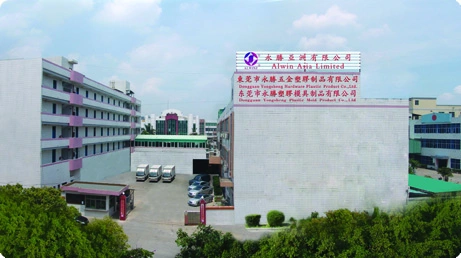
Located in Dongguan's eminent mold-making locale, our ISO 9001:2015 certified office houses state-of-the-art hardware worked by over 300 talented experts. The 6,000 square meter generation office empowers total venture administration from the beginning plan through the last generation and auxiliary handling operations.
Our one-stop OEM benefit incorporates plan optimization, model improvement, form manufacture, and generation scaling to meet different client requirements. Progressed quality control frameworks guarantee steady execution and dimensional precision throughout the manufacturing process.
Technical Support and Client Services
Comprehensive interview administrations offer assistance to clients in selecting ideal unscrewing advances for their particular applications. Specialized back groups give progressive help with support strategies, direction, and execution optimization suggestions. Adaptable obtainment terms suit both model amounts and high-volume generation requirements.
Our commitment to mental property security guarantees client secrecy throughout all stages. Vital areas close to major transportation center points encourage productive coordination and client visits for extended collaboration and office inspections.
Conclusion
Effective maintenance and lifecycle extension of unscrewing molds requires systematic approaches that combine proper techniques, appropriate technology selection, and proactive care protocols. Understanding common failure mechanisms enables prevention strategies that significantly reduce operational costs and production disruptions. Regular maintenance scheduling, environmental protection measures, and operator training create foundations for sustained mold performance and extended service life. Investment in quality maintenance practices and reliable manufacturing partnerships ensures consistent production capabilities and competitive advantages in demanding global markets.
FAQ
Q: What are the most critical factors in selecting unscrewing tools for mold maintenance?
A: Tool selection should prioritize torque control accuracy, material compatibility, and ergonomic design. Adjustable torque settings prevent over-stressing while ensuring adequate force for component removal. Speed control capabilities allow matching tool performance with specific mold requirements and material characteristics.
Q: How frequently should unscrewing molds undergo comprehensive maintenance inspections?
A: Maintenance frequency depends on production volume, material processed, and operating conditions. High-volume operations typically require monthly detailed inspections, while lower-volume applications may extend to quarterly intervals. Critical wear points should receive weekly visual checks regardless of production volume.
Q: Can automatic unscrewing systems integrate with existing production equipment?
A: Modern automatic systems offer excellent integration capabilities through standardized control interfaces and communication protocols. Most systems provide programmable parameters that accommodate existing production cycles and quality control requirements. Professional installation and setup services ensure seamless integration with minimal production disruption.
Partner with Yongsheng for Superior Unscrewing Mold Solutions
Yongsheng delivers comprehensive unscrewing mold solutions backed by three decades of manufacturing excellence and technical innovation. Our experienced team collaborates with procurement professionals and product developers to create customized solutions that optimize production efficiency while maintaining the highest quality standards. As a trusted unscrewing molds manufacturer, we provide complete project support from initial consultation through ongoing technical assistance. Ready to enhance your production capabilities? Contact us at sales@alwinasia.com to discuss your specific requirements and discover how our expertise can drive your manufacturing success.
References
1. Thompson, R.J. "Injection Mold Maintenance and Repair Handbook." Industrial Press, 2019.
2. Martinez, C.A., and Wang, L. "Advanced Plastic Molding Technologies: Design, Manufacturing, and Applications." McGraw-Hill Education, 2021.
3. Johnson, P.K. "Preventive Maintenance Strategies for Manufacturing Equipment." Society of Manufacturing Engineers, 2020.
4. Lee, S.H., et al. "Lifecycle Management of Industrial Molds: Best Practices and Case Studies." Journal of Manufacturing Science and Engineering, Vol. 143, 2021.
5. Brown, M.T. "Quality Control in Injection Molding: Tools, Techniques, and Technologies." Hanser Publications, 2022.
6. Anderson, K.R., and Chen, X. "Mold Design and Manufacturing: Principles and Applications." John Wiley & Sons, 2020.