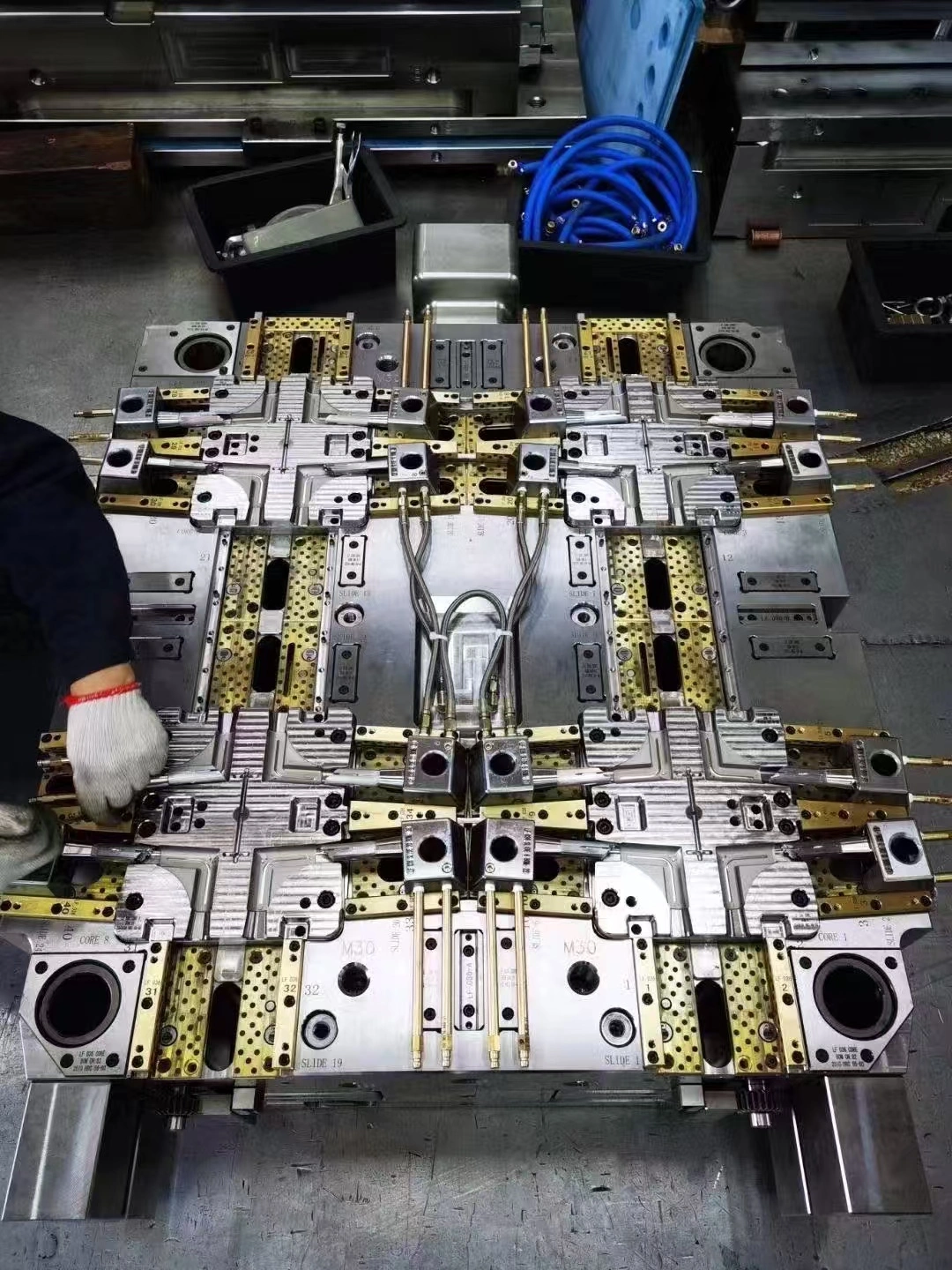
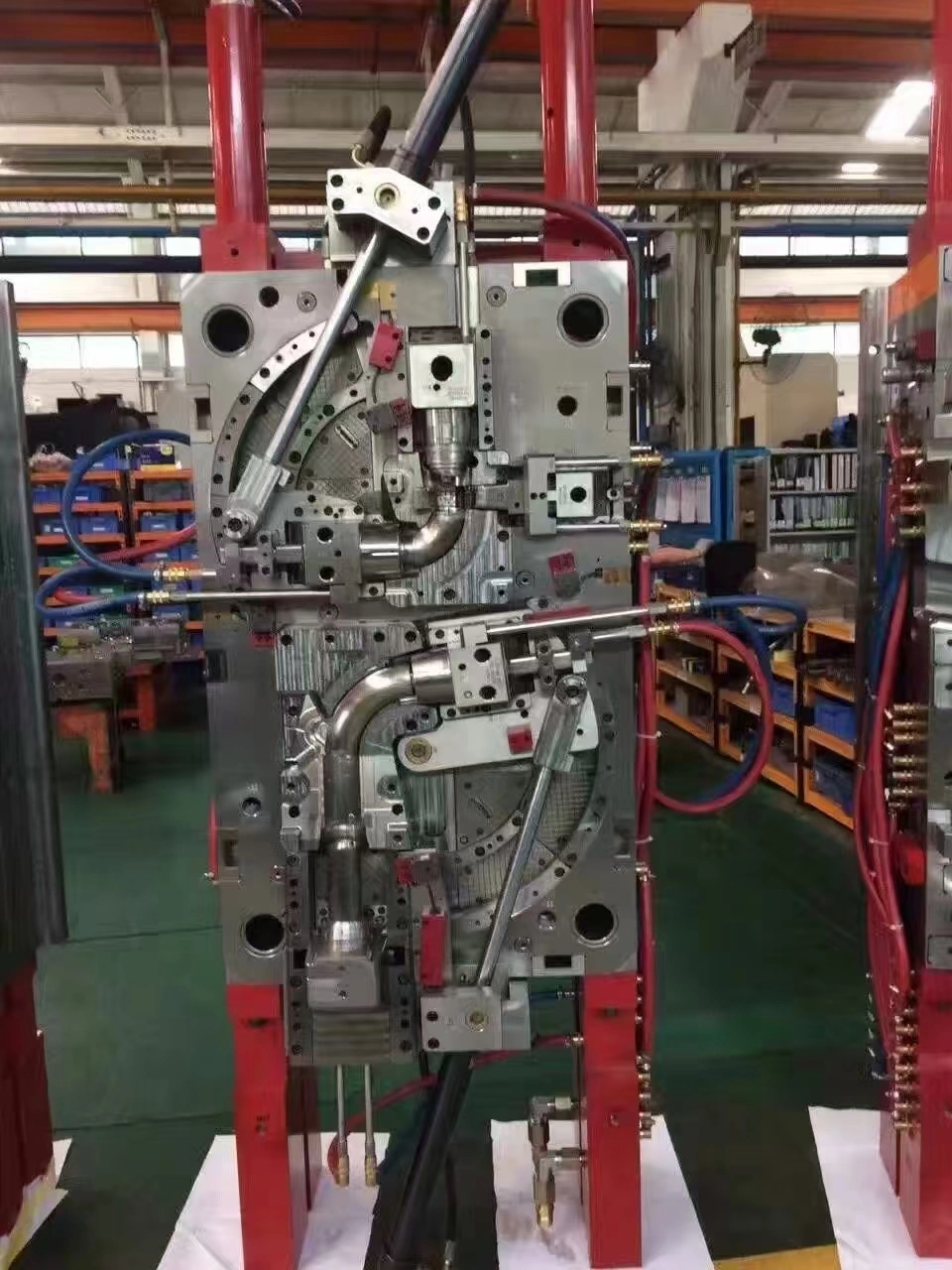
Inserts molding tools represent a critical advancement in manufacturing technology, particularly within the complex Russian supply chain ecosystem. These specialized tooling systems enable manufacturers to integrate pre-formed inserts directly into molded components during production, creating stronger, more functional parts for electronics, automotive, and consumer goods industries. Design for manufacturability principles becomes especially crucial when working with Russian industrial partners, as optimized tooling decisions directly impact cost structures, quality consistency, and delivery schedules. When procurement managers understand how properly designed inserts molding tools influence their supply chain operations, they can achieve significant improvements in production efficiency while maintaining strict quality standards required by international markets.
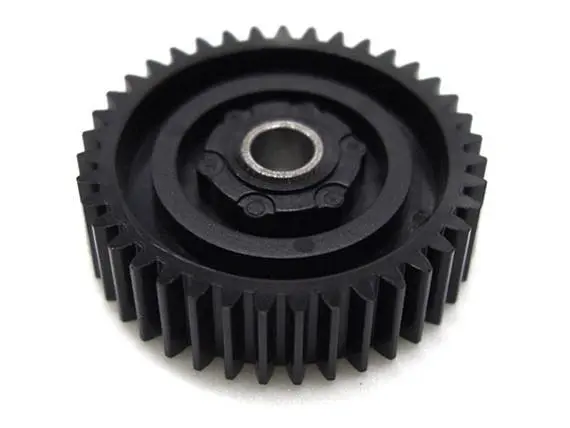
Understanding Inserts Molding Tools in Modern Manufacturing
Inserts molding apparatuses serve as the spine of progressed fabricating operations, empowering companies to deliver complex components that combine different materials in a single molding cycle. These advanced frameworks have revolutionized how producers approach component plan, especially in businesses requiring high-strength associations between diverse materials. The innovation addresses basic fabricating challenges by giving exact control over embed arrangement and guaranteeing steady portion quality over huge generation runs.
What Are Inserts Molding Tools and How Do They Work?
Inserts molding tools work through a carefully coordinated handle where pre-manufactured components, ordinarily made from metal or built plastics, are situated inside the shape depression some time recently infusion starts. The molding fabric streams around these embeds, making a mechanical bond that essentially upgrades the wrapped up part's auxiliary judgment and useful capabilities. This handle contrasts from conventional get together strategies by dispensing with partitioned securing operations and lessening potential disappointment points.
The operational grouping starts with exact embed situation utilizing computerized situating frameworks or manual stacking methods, depending on generation volume prerequisites. Once situated, the shape closes and liquid fabric encompasses the embed, shaping an necessarily association that cannot be accomplished through ordinary gathering strategies. Temperature control frameworks keep up ideal conditions all through the cycle, guaranteeing appropriate fabric stream and anticipating embed relocation amid injection.
Materials and Processes Involved in Inserts Molding Tools
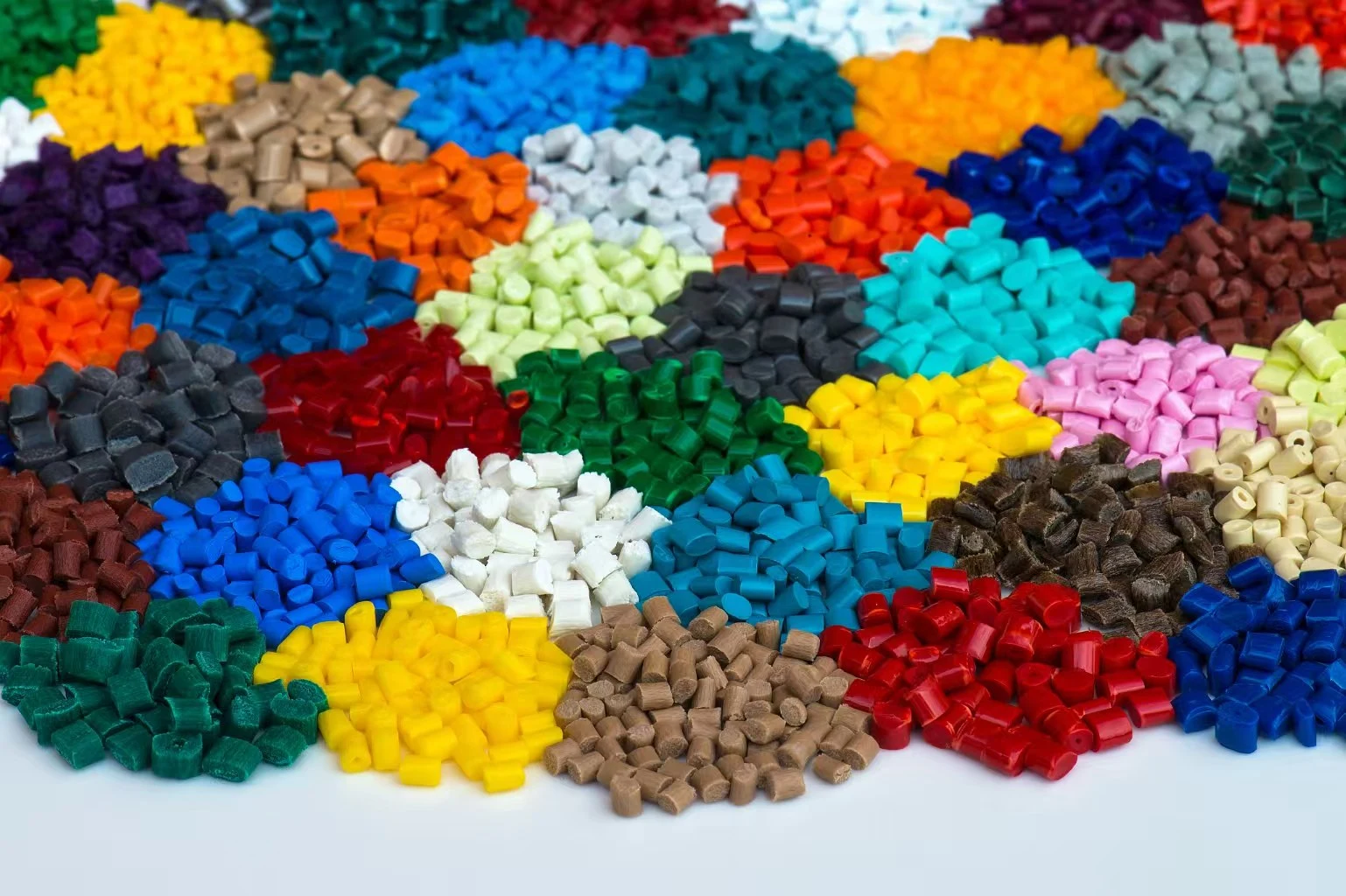
Material choice for both embeds and tooling components requires cautious thought of warm extension coefficients, chemical compatibility, and mechanical properties. Common embed materials incorporate stainless steel for erosion resistance, brass for electrical conductivity, and designed thermoplastics for weight lessening. Apparatus development regularly utilizes solidified steel for depression squares and aluminum for cooling channels, optimizing warm exchange whereas keeping up dimensional stability.
Processing parameters must suit the one of a kind warm characteristics of embed materials. Infusion temperatures, weight profiles, and cooling rates require alteration based on embed geometry and fabric properties. Progressed prepare checking frameworks track these factors in real-time, guaranteeing reliable portion quality and avoiding abandons related with warm bungle or lacking fabric bonding.
Design Tips for Manufacturability with Inserts Molding Tools
Effective plan for manufacturability centers on optimizing embed geometry to advance uniform fabric stream and minimize push concentrations. Embed surfaces ought to highlight fitting texturing or mechanical highlights to improve holding quality whereas maintaining a strategic distance from sharp edges that may make stream confinements or powerless focuses in the wrapped up component.
Wall thickness around embeds requires cautious calculation to guarantee satisfactory fabric scope without making sink marks or warpage. Plan rules suggest keeping up steady divider segments and consolidating slow moves between distinctive thicknesses to advance uniform cooling and decrease inside stresses that seem compromise portion keenness over time.
Comparison and Selection of Inserts Molding Tools for the Russian Market
Russian fabricating situations show special challenges that impact tooling determination criteria, counting temperature varieties, fabric accessibility, and neighborhood benefit capabilities. Understanding these market-specific variables empowers acquirement experts to make educated choices that optimize both prompt generation needs and long-term operational proficiency. The assessment prepare must adjust specialized prerequisites with viable contemplations such as provider vicinity and upkeep bolster availability.
Inserts Molding Tools vs Overmolding Tools: What You Need to Know
Inserts molding tools in a general sense from overmolding in terms of component integration and handle complexity. Whereas embeds molding consolidates pre-manufactured components amid the essential molding cycle, overmolding includes numerous infusion stages to combine distinctive materials. This refinement influences tooling plan, cycle times, and fabric costs, making embeds molding more appropriate for applications requiring exact embed situating and high-volume production.
Cost investigation uncovers that embeds molding devices ordinarily require higher beginning venture due to situating components and specialized dealing with hardware. Be that as it may, decreased cycle times and disposal of auxiliary get together operations regularly result in lower per-part costs for medium to high-volume generation runs. Russian producers especially advantage from this approach when creating components for trade markets requiring steady quality standards.
Choosing Between Custom and Standard Inserts Molding Tools
Custom tooling arrangements offer greatest adaptability for interesting item prerequisites but require longer improvement timelines and higher beginning venture. Standard apparatus setups give quicker usage and lower costs but may constrain plan choices or require component alterations to oblige existing tooling capabilities. Russian supply chains frequently favor crossover approaches that combine standard device bases with custom depth embeds to adjust fetched and execution requirements.
Lead time contemplations gotten to be basic when assessing custom versus standard alternatives. Standard devices ordinarily transport inside 4-6 weeks, whereas custom arrangements may require 8-12 weeks for total manufacture and testing. Obtainment arranging must account for these timelines when planning generation plans with advertise dispatch necessities or regular request patterns.
Evaluating Suppliers and Brands Suitable for Russian Supply Chains
Supplier assessment criteria ought to emphasize specialized capabilities, quality certifications, and benefit bolster foundation inside the Russian advertise. Key variables incorporate ISO certification status, past encounter with comparative applications, and accessibility of neighborhood specialized bolster for investigating and upkeep exercises. Dialect capabilities and social understanding too impact communication viability and venture victory rates.
Geographic vicinity influences both introductory conveyance timelines and progressing bolster quality. Providers with built up Russian organizations or nearby representation regularly give more responsive benefit and superior understanding of territorial fabricating hones. This gets to be especially critical for complex tooling ventures requiring iterative plan refinement or fast issue determination amid generation startup phases.
Optimizing Manufacturing Efficiency with Inserts Molding Tools
Manufacturing proficiency optimization requires efficient consideration to handle factors, support conventions, and innovation integration techniques. Russian working situations request strong arrangements that perform reliably in spite of temperature variances and shifting fabric quality. Effective execution depends on comprehensive arranging that addresses both quick generation needs and long-term operational sustainability.
Common Defects in Inserts Molding and How to Avoid Them
Insert uprooting speaks to one of the most visit abandons in embeds molding operations, ordinarily coming about from lacking situating frameworks or over the top infusion weights. Anticipation techniques incorporate executing positive embed maintenance components and optimizing entryway areas to minimize fabric stream unsettling influences. Handle observing frameworks can identify uprooting in real-time, empowering quick remedial activity some time recently noteworthy fabric squander occurs.
Poor attachment between embeds and molding fabric frequently stems from sullied embed surfaces or unseemly temperature profiles. Setting up thorough cleaning conventions and actualizing preheating frameworks for metal embeds can essentially make strides bond quality. Surface medicines such as chemical carving or mechanical texturing improve attachment by expanding contact zone and giving mechanical interlocking between materials.
Maintenance and Longevity of Inserts Molding Tools
Preventive upkeep plans must account for the expanded complexity of embeds molding devices compared to customary infusion molds. Basic upkeep focuses incorporate embed situating components, discharge frameworks, and cooling circuits that may gotten to be deterred by fabric streak or defilement. Customary review interims ought to be built up based on generation volume and fabric characteristics to anticipate unforeseen failures.
Tool life span depends intensely on appropriate fabric choice for wear-prone components and usage of defensive measures against common disappointment modes. Solidified steel embeds in situating squares stand up to wear from rehashed stacking cycles, whereas specialized coatings can decrease contact and anticipate fabric buildup on basic surfaces. Documentation of upkeep exercises empowers slant investigation and prescient planning that minimizes impromptu downtime.
Technology Trends Shaping the Future of Inserts Molding Tools
Automation integration proceeds to change embeds molding operations through mechanical embed taking care of frameworks and keen situating instruments. These innovations decrease labor prerequisites whereas making strides consistency and empowering lights-out generation capabilities. Russian producers progressively receive these arrangements to compete viably in worldwide markets where labor costs and quality requests favor robotized approaches.
Industry 4.0 network empowers real-time checking of basic handle parameters and prescient support planning based on genuine working conditions or maybe than foreordained interims. Sensor integration inside tooling frameworks gives point by point input on temperature dispersion, weight varieties, and cycle-to-cycle consistency that underpins nonstop prepare optimization and quality advancement initiatives.
Procurement Guide for Inserts Molding Tools in the Russian Supply Chain
Successful procurement strategies must navigate complex logistics networks, payment systems, and regulatory requirements specific to Russian business practices. Understanding these unique challenges enables procurement professionals to develop effective supplier relationships and ensure reliable tool delivery despite potential supply chain disruptions. Strategic planning becomes essential for maintaining production schedules while managing cost pressures and quality requirements.
How to Source and Buy Inserts Molding Tools Efficiently
Efficient sourcing starts with comprehensive determination advancement that clearly characterizes specialized prerequisites, quality guidelines, and conveyance desires. Russian providers react well to nitty gritty drawings and fabric details that minimize translation mistakes and decrease amendment cycles amid instrument manufacture. Building up clear communication conventions and normal advance audits makes a difference keep up extend energy and recognizes potential issues some time recently they affect conveyance schedules.
Supplier capability forms ought to confirm fabricating capabilities, quality frameworks, and budgetary soundness some time recently starting noteworthy tooling ventures. Location visits or third-party reviews give profitable experiences into real generation capabilities and quality control hones that may not be clear through documentation audit alone. Building connections with numerous qualified providers makes alternatives for future ventures and gives reinforcement capacity amid crest request periods.
Price Factors and Cost Comparison Among Leading Brands
Tooling costs vary significantly based on complexity, material requirements, and precision specifications. Basic inserts molding tools may cost 20-30% more than conventional injection molds due to positioning mechanisms and specialized handling features. However, this initial investment typically generates savings through reduced assembly costs and improved part quality that minimizes rework and warranty claims.
Total cost of ownership calculations must include maintenance requirements, expected tool life, and production efficiency impacts beyond initial purchase price. Higher-quality tools often justify premium pricing through extended service life and reduced maintenance requirements that lower overall production costs. Russian procurement practices favor suppliers who provide transparent pricing structures and detailed cost breakdowns that support budget planning and approval processes.
Payment Options and Delivery Logistics Specific to Russian Market
Russian business practices typically require flexible payment terms that accommodate currency fluctuations and banking system constraints. Letter of credit arrangements provide security for both parties while enabling international transactions despite regulatory complexities. Progressive payment schedules tied to project milestones help manage cash flow while providing suppliers with necessary funding for material procurement and fabrication activities.
Delivery logistics must account for customs procedures, documentation requirements, and potential transportation delays that could impact production schedules. Working with experienced freight forwarders who understand Russian import procedures helps minimize delays and ensures proper handling of precision tooling components during transportation. Insurance coverage should protect against damage during shipping and provide recourse for delivery delays that affect production schedules.
Yongsheng: Your Trusted Partner for Premium Inserts Molding Tools
Yongsheng stands as a recognized leader in manufacturing high-quality inserts molding tools, serving the Russian market with comprehensive solutions tailored to diverse industrial applications. Our extensive experience in mold fabrication, combined with deep understanding of design for manufacturability principles, enables us to deliver tooling solutions that optimize production efficiency while maintaining exceptional quality standards. Located strategically in Dongguan's renowned mold manufacturing hub, we leverage advanced technology and skilled craftsmanship to produce tools that meet the demanding requirements of international customers.
Our commitment to Russian clients extends beyond tool manufacturing to include comprehensive engineering support, design optimization consulting, and ongoing technical assistance throughout the product lifecycle. With ISO 9001:2015 certification and over 20 years of manufacturing experience, Yongsheng provides the reliability and expertise that procurement professionals require for successful project execution. Our one-stop service approach encompasses design development, mold fabrication, production, and secondary processing, streamlining supply chain management and reducing coordination complexity for our customers.
The geographic advantages of our Dongguan facility, combined with established logistics networks and export procedures, ensure efficient delivery to Russian locations while maintaining competitive pricing structures. Our experienced team understands the unique challenges of serving Russian markets and provides responsive support that addresses both immediate production needs and long-term strategic objectives for manufacturing excellence.
Conclusion
Inserts molding tools represent a strategic investment for manufacturers seeking to enhance product performance while optimizing production efficiency within Russian supply chains. The technology's ability to integrate multiple materials in a single manufacturing step provides significant advantages in cost reduction, quality improvement, and design flexibility that directly impact competitive positioning. Success depends on careful attention to design for manufacturability principles, supplier selection criteria, and maintenance protocols that ensure consistent performance despite challenging operating environments. As automation and Industry 4.0 technologies continue evolving, inserts molding tools will play an increasingly important role in advanced manufacturing strategies that support sustainable growth and market leadership.
FAQ
Q: What materials work best for inserts in molding tools used within harsh Russian environments?
A: Stainless steel grades 316 and 17-4 PH provide excellent corrosion resistance and mechanical properties for Russian climatic conditions. These materials maintain dimensional stability across wide temperature ranges while resisting environmental degradation. Brass and bronze alloys also perform well for electrical applications, while engineered thermoplastics like PEEK offer weight advantages for specific applications requiring chemical resistance.
Q: How long does it typically take to receive custom inserts molding tools in Russia?
A: Lead times generally range from 8-12 weeks for custom tooling, depending on complexity and supplier capacity. Standard modifications to existing designs may reduce this to 6-8 weeks, while highly complex tools requiring extensive testing could extend to 14-16 weeks. Expedited options are available from select suppliers for urgent requirements, though this typically involves premium pricing.
Q: Are inserts molding tools compatible with both plastic and metal inserts?
A: Yes, modern inserts molding tools accommodate various insert materials through adjustable positioning systems and temperature control mechanisms. However, tool design must specifically address thermal expansion differences, surface preparation requirements, and bonding characteristics of each material combination. Proper engineering ensures optimal performance regardless of insert material selection.
Partner with Yongsheng for Superior Inserts Molding Tools Solutions
Transform your manufacturing operations with Yongsheng's advanced inserts molding tools designed specifically for Russian supply chain requirements. Our engineering team combines decades of mold-making expertise with cutting-edge technology to deliver solutions that exceed performance expectations while maintaining cost-effectiveness. As a leading inserts molding tools manufacturer, we understand the unique challenges facing procurement professionals and provide comprehensive support from initial design through production startup and beyond.
Ready to optimize your production capabilities with world-class tooling solutions? Contact our expert team to discuss your specific requirements and discover how Yongsheng's proven manufacturing excellence can enhance your competitive advantage in demanding Russian markets. Contact us at sales@alwinasia.com to begin your journey toward manufacturing excellence with our premium inserts molding tools and comprehensive OEM services.
References
1. Rosato, D. V., & Rosato, M. G. (2012). Injection Molding Handbook: Advanced Molding Technologies and Applications. Kluwer Academic Publishers.
2. Kazmer, D. O. (2016). Injection Mold Design Engineering: Fundamentals of Tooling Design and Manufacturing. Carl Hanser Verlag.
3. Rees, H. (2018). Mold Engineering: Design and Manufacturing of Plastic Injection Molds. Carl Hanser Verlag.
4. Malloy, R. A. (2021). Plastic Part Design for Injection Molding: An Introduction. SPE Books.
5. Menges, G., Michaeli, W., & Mohren, P. (2020). How to Make Injection Molds: Manufacturing Process and Design Principles. Carl Hanser Verlag.
6. Beaumont, J. P. (2019). Runner and Gating Design Handbook: Tools for Successful Injection Molding. Society of Plastics Engineers.