Medical parts for implantable devices represent one of the most sophisticated segments in healthcare manufacturing, where precision engineering meets life-saving technology. These specialized components form the backbone of modern medical interventions, from cardiac pacemakers to orthopedic joint replacements. This comprehensive guide addresses the critical needs of procurement managers, engineers, distributors, and OEM partners seeking reliable sourcing solutions for biocompatible components.
We will explore the essential aspects of procuring these vital components, covering material selection, regulatory compliance, supplier evaluation, and emerging manufacturing trends that shape today's medical device landscape.
Understanding Medical Parts for Implantable Devices
Medical parts outlined for implantable applications experience thorough advancement forms to guarantee consistent integration with human physiology. These components span a differing run of applications, from basic components like titanium bone plates and screws to modern electronic components such as anode clusters and sensor lodgings. The essential necessity for any implantable component is biocompatibility, guaranteeing the fabric does not trigger unfavorable resistant reactions or tissue rejection.
Material Classifications and Properties
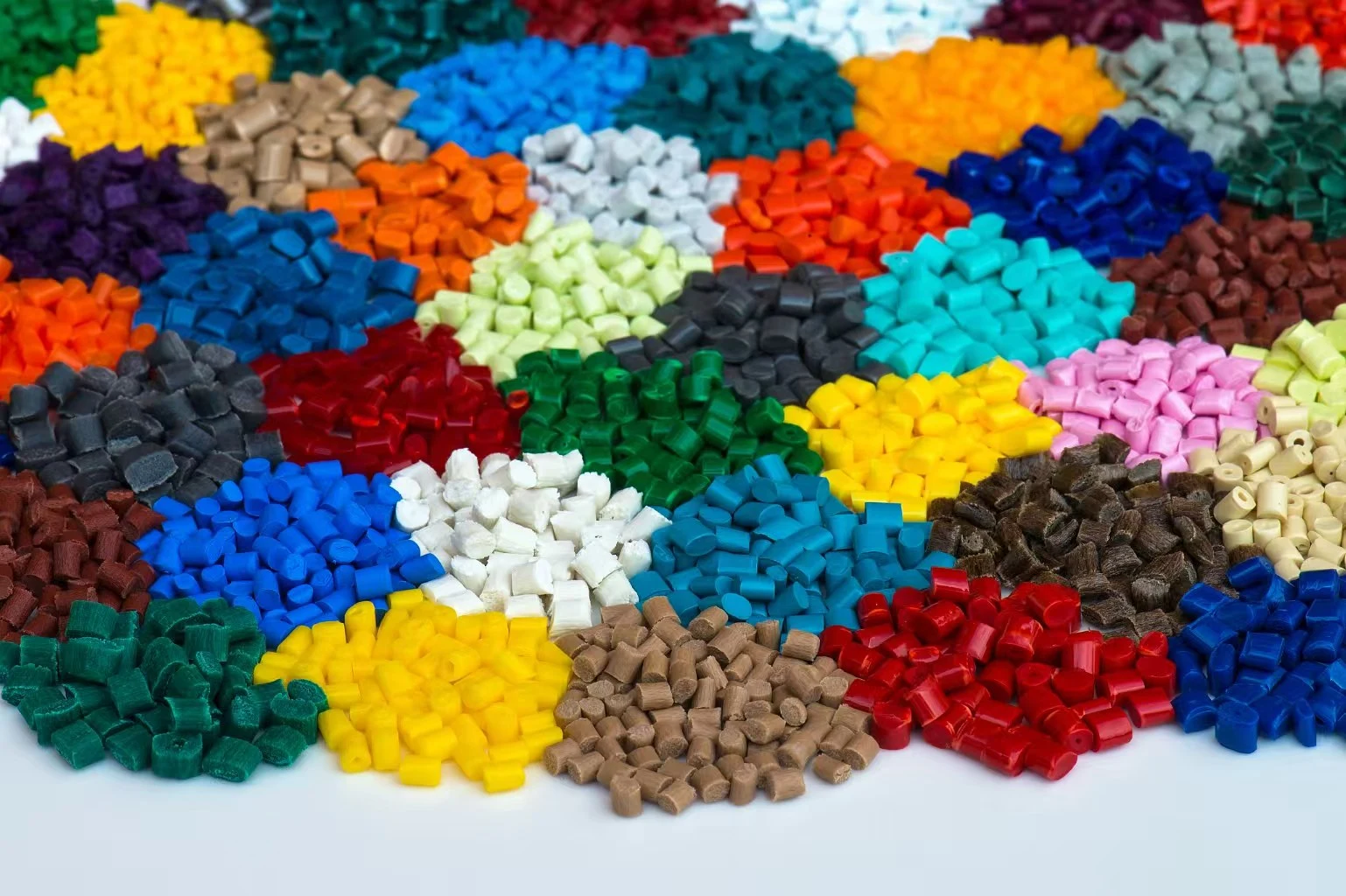
The choice of fitting materials shapes the establishment of fruitful implantable gadget advancement. Titanium combinations, especially Ti-6Al-4V, overwhelm auxiliary applications due to their remarkable strength-to-weight proportion and erosion resistance. Biocompatible polymers like Look (polyetheretherketone) offer adaptability in plan whereas keeping up chemical dormancy. Ceramic materials, counting alumina and zirconia, give amazing wear resistance for joint substitution applications.
Manufacturing accuracy gets to be fundamental when creating these components. Progressed methods such as CNC machining guarantee dimensional exactness inside micron resiliences, whereas added substance fabricating empowers complex geometries already incomprehensible with conventional strategies. Understanding these fabricating capabilities makes a difference acquirement groups assess provider competencies and generation scalability.
Component Classifications and Applications
Implantable components drop into a few categories based on their essential work. Auxiliary components give mechanical back, counting plates, screws, and joint substitution parts. Electronic components house touchy circuitry for gadgets like cochlear inserts and neurostimulators. Biointerface components encourage communication between gadgets and natural tissues, requiring specialized surface medicines and coatings.
Key Factors in Selecting Medical Parts for Implantable Devices
Successful obtainment of implantable components requires adjusting rigid administrative prerequisites with viable trade contemplations. The choice handle includes comprehensive assessment of provider capabilities, administrative compliance, and long-term organization potential. Quality confirmation frameworks must meet universal guidelines whereas keeping up cost-effectiveness for maintainable trade operations.
Regulatory Compliance and Certification Requirements
Compliance with restorative gadget directions speaks to a non-negotiable angle of component obtainment. ISO 13485 certification guarantees providers keep up quality administration frameworks particularly planned for therapeutic gadgets. FDA endorsement or CE checking approves component security and adequacy for particular applications. Providers must illustrate comprehensive documentation frameworks, counting fabric certificates, handle approval reports, and traceability records.
Procurement groups ought to set up confirmation methods to affirm provider certifications stay current and substantial. Standard reviews of fabricating offices offer assistance recognize potential compliance crevices some time recently they affect generation plans. Understanding territorial administrative varieties empowers worldwide sourcing methodologies whereas keeping up compliance over distinctive markets.
Supplier Evaluation and Risk Assessment
Comprehensive supplier evaluation for medical parts goes beyond basic certification checks to include operational capabilities, financial stability, and technical expertise. Key assessment criteria incorporate fabricating capacity, quality control frameworks, conveyance execution, and client benefit responsiveness. Hazard appraisal ought to consider potential supply chain disturbances, mechanical out of date quality, and administrative changes that might influence provider performance.
Medical Parts Safety and Maintenance Considerations
Safety conventions for implantable components expand all through the whole supply chain, from introductory fabricating to last gadget get together. These conventions guarantee component judgment and anticipate defilement that may compromise understanding security. Upkeep contemplations incorporate appropriate capacity, dealing with strategies, and sterilization conventions that protect component functionality.
Storage and Handling Protocols
Proper capacity conditions avoid component corruption and defilement. Temperature and stickiness controls ensure touchy materials from natural harm. Clean room situations keep up sterility levels required for therapeutic applications. Bundling frameworks must give satisfactory assurance amid transportation whereas empowering simple assessment and handling.
Training programs guarantee faculty get it legitimate dealing with procedures and defilement avoidance methods. Documentation frameworks track component history from receipt through last utilize, empowering quick reaction to quality issues or recalls.
Sterilization and Quality Assurance
Sterilization conventions change based on component materials and expecting applications. Gamma light gives compelling sterilization for polymer components but may influence fabric properties. Ethylene oxide sterilization offers gentler treatment for touchy materials but requires expanded preparing time. Steam sterilization works well for metallic components but may harm polymer materials.
Emerging Trends and Innovations in Medical Parts for Implantable Devices
The scene of implantable component fabricating proceeds advancing with innovative propels in materials science, fabricating forms, and advanced integration. These advancements make modern openings for upgraded gadget execution whereas showing challenges for obtainment groups adjusting to changing provider capabilities and advertise dynamics.
Advanced Materials and Manufacturing Technologies
Smart materials empower responsive gadget behaviors, such as shape-memory amalgams that enact at body temperature. Biodegradable polymers dispense with the require for expulsion surgeries in transitory applications. Nanostructured surfaces move forward tissue integration and decrease disease dangers. These progressed materials require specialized fabricating procedures and quality control procedures.
Additive fabricating innovations empower customized components custom-made to person persistent life structures. 3D printing with biocompatible materials diminishes lead times for model advancement and small-batch generation. Be that as it may, these advances require unused quality guidelines and approval methods to guarantee steady component performance.
Digital Integration and Industry 4.0
Digital fabricating frameworks empower real-time quality observing and prescient support capabilities. IoT sensors track natural conditions all through the supply chain, guaranteeing component astuteness. Blockchain innovation gives unchanging traceability records for administrative compliance. These advanced apparatuses upgrade acquirement effectiveness whereas making strides chance administration capabilities.
Practical Guide to Procuring Medical Parts for Implantable Devices
Successful acquirement requires orderly approaches to provider recognizable proof, capability, and continuous relationship administration. This handle includes cautious assessment of specialized capabilities, administrative compliance, and commercial terms that back long-term organization success.
Supplier Identification and Qualification
Reliable supplier identification for medical parts begins with comprehensive market research and industry networking. Exchange affiliations and proficient organizations give profitable assets for distinguishing qualified providers. Online registries and sourcing stages offer helpful get to to provider data, but require cautious confirmation of accreditations and capabilities.
Qualification methods ought to incorporate office reviews, quality framework audits, and pilot generation runs. Reference checks with existing clients give experiences into provider execution and unwavering quality. Budgetary soundness evaluations guarantee providers can back long-term associations and speculations in quality improvements.
Contract Negotiation and Risk Management
Contract terms must address interesting prerequisites of therapeutic component obtainment, counting administrative compliance, quality measures, and mental property assurance. Lead time assentions ought to account for approval prerequisites and potential administrative changes. Cost structures ought to reflect quality speculations whereas keeping up competitive positioning.
Company Introduction and Product Services
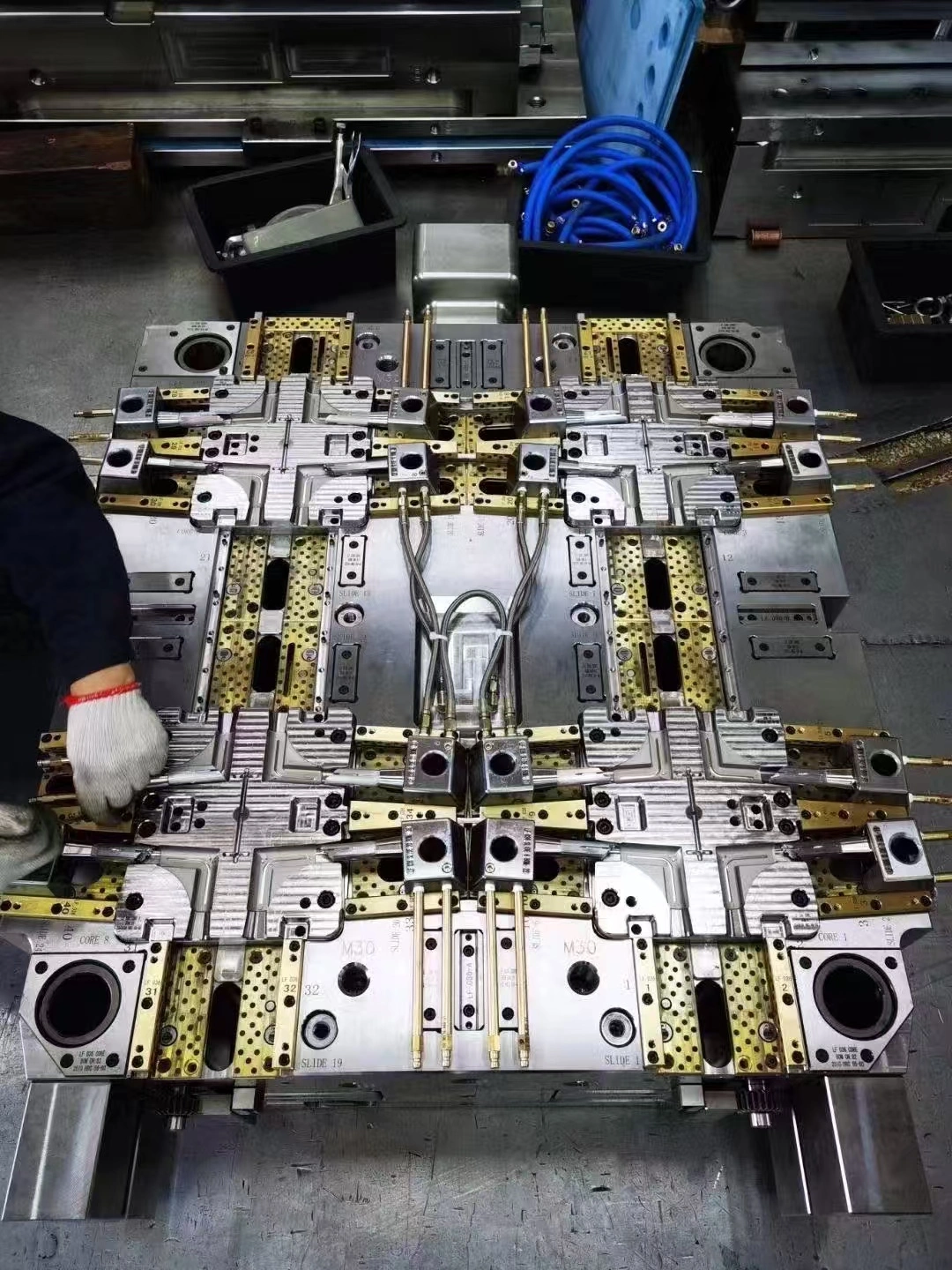
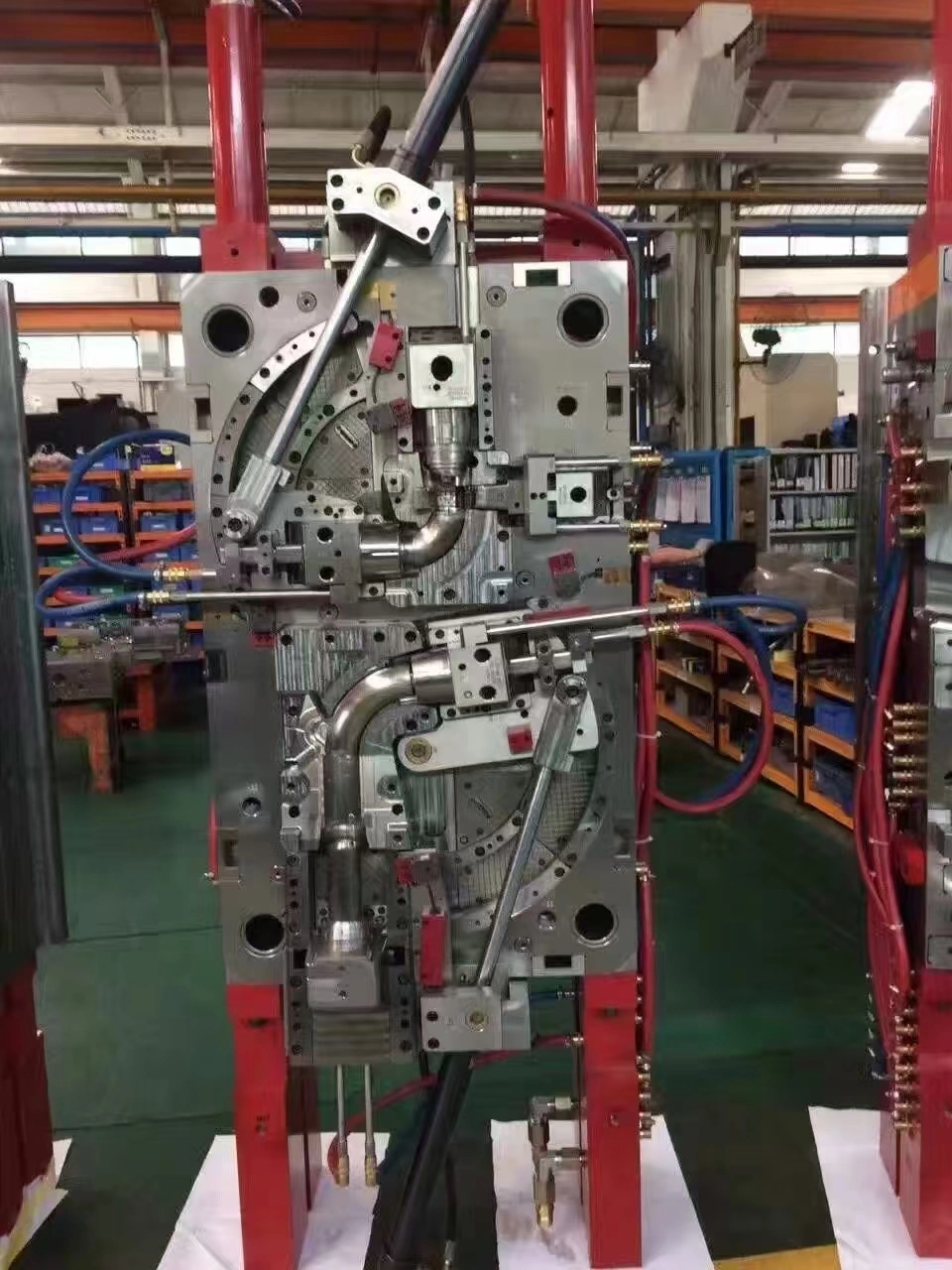
Yongsheng Equipment Plastic Item Co., Ltd. brings over 30 a long time of fabricating brilliance to the restorative gadget component segment. Set up in 1993 and found in Dongguan's eminent "Town of Molds," our office ranges 6,000 square meters with over 300 talented experts devoted to accuracy manufacturing.
Our ISO 9001:2015 certified operations specialize in custom plastic molding, die-casting, and accuracy machining administrations custom fitted for therapeutic applications. We get it the basic nature of implantable component fabricating and keep up exacting quality control frameworks all through our generation forms. Our comprehensive one-stop benefit incorporates plan discussion, model improvement, tooling creation, and volume generation capabilities.
Located fair 20-50 minutes from Shenzhen air terminals, our office offers helpful get to for universal clients. We prioritize mental property security and keep up strict secrecy conventions for all client ventures. Our experienced designing group collaborates closely with clients to optimize plans for manufacturability whereas assembly requesting execution specifications.
Conclusion
The procurement of medical parts for implantable devices requires careful balance between regulatory compliance, quality assurance, and commercial viability. Success depends on thorough supplier evaluation, comprehensive risk management, and ongoing relationship development. As the industry continues evolving with new materials and manufacturing technologies, procurement teams must stay informed about emerging trends while maintaining focus on fundamental quality and safety requirements. Partnering with experienced manufacturers who understand these unique challenges enables medical device companies to bring innovative products to market while ensuring patient safety and regulatory compliance.
FAQ
Q: What are the primary materials used in medical parts for implantable devices?
A: The most common materials include titanium alloys (Ti-6Al-4V), stainless steel (316L), biocompatible polymers such as PEEK and PTFE, and ceramic materials like alumina and zirconia. These materials are selected based on their biocompatibility, mechanical properties, and resistance to corrosion in biological environments.
Q: How can I ensure the quality and compliance of implantable medical parts?
A: Verify supplier certifications including ISO 13485, FDA registration, and relevant CE markings. Request material certificates, quality reports, and process validation documentation. Conduct supplier audits and implement incoming inspection procedures to verify component specifications and quality standards.
Q: What lead times should I expect when ordering custom medical parts?
A: Lead times typically range from 6 to 16 weeks depending on component complexity, tooling requirements, and validation procedures. Custom designs requiring new tooling may need additional time for design verification and process validation. Standard components with existing tooling generally have shorter lead times of 4 to 8 weeks.
Partner with Yongsheng for Your Medical Parts Manufacturing Needs
Yongsheng stands ready to support your implantable device development with precision manufacturing capabilities and comprehensive quality assurance. As a trusted medical parts supplier, we combine decades of manufacturing expertise with stringent quality controls to meet your most demanding specifications. Our engineering team provides technical consultation throughout the product development lifecycle, from initial concept through volume production. Contact us at sales@alwinasia.com to discuss your specific requirements and explore how our custom manufacturing solutions can accelerate your product development timelines while ensuring regulatory compliance.
References
1. Williams, D.F. "Biocompatibility of Clinical Implant Materials." CRC Press, 2021.
2. Ratner, B.D., et al. "Biomaterials Science: An Introduction to Materials in Medicine." 4th Edition, Academic Press, 2020.
3. Park, J. and Lakes, R.S. "Biomaterials: An Introduction." 3rd Edition, Springer, 2019.
4. Niinomi, M. "Metallic Biomaterials for Medical Implant Applications." Journal of Biomedical Materials Research, 2022.
5. Anderson, J.M. "Biological Responses to Materials." Annual Review of Materials Research, 2021.
6. Geetha, M. et al. "Ti Based Biomaterials: The Ultimate Choice for Orthopaedic Implants." Progress in Materials Science, 2020.