Inserts molding tools revolutionize manufacturing in automotive and appliance industries by creating robust, integrated components that combine multiple materials into single, high-performance parts. These specialized tools embed metal or plastic inserts during the molding process, producing components with enhanced strength, durability, and functionality. Modern manufacturers increasingly rely on insert molding technology to meet demanding performance requirements while reducing assembly complexity and production costs. The process creates seamless bonds between dissimilar materials, enabling engineers to design lighter, stronger, and more efficient products that exceed traditional manufacturing capabilities.
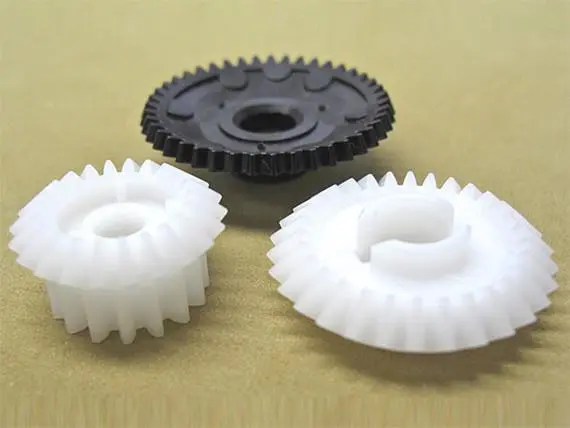
Understanding Inserts Molding Tools in Automotive & Appliance Manufacturing
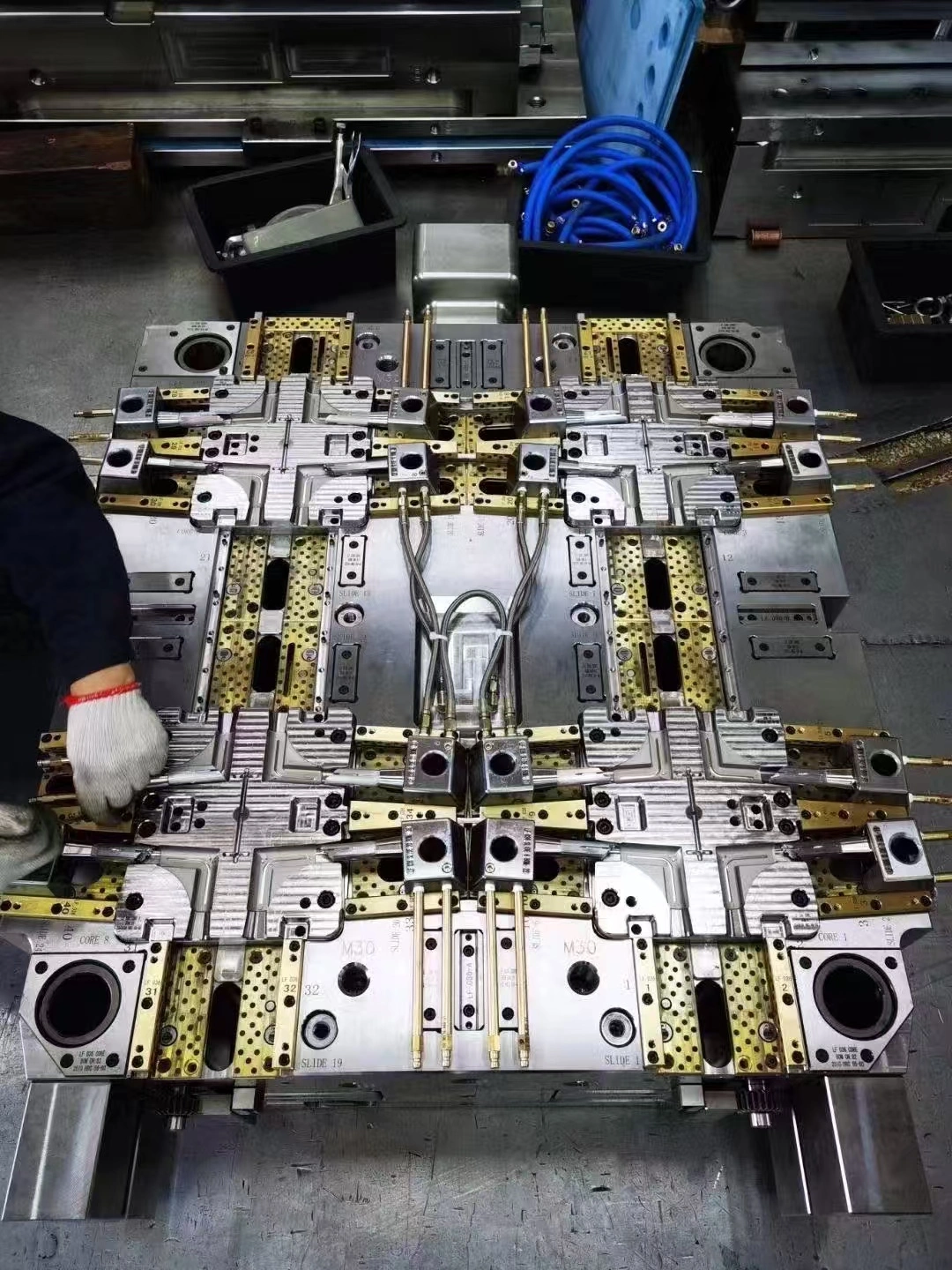
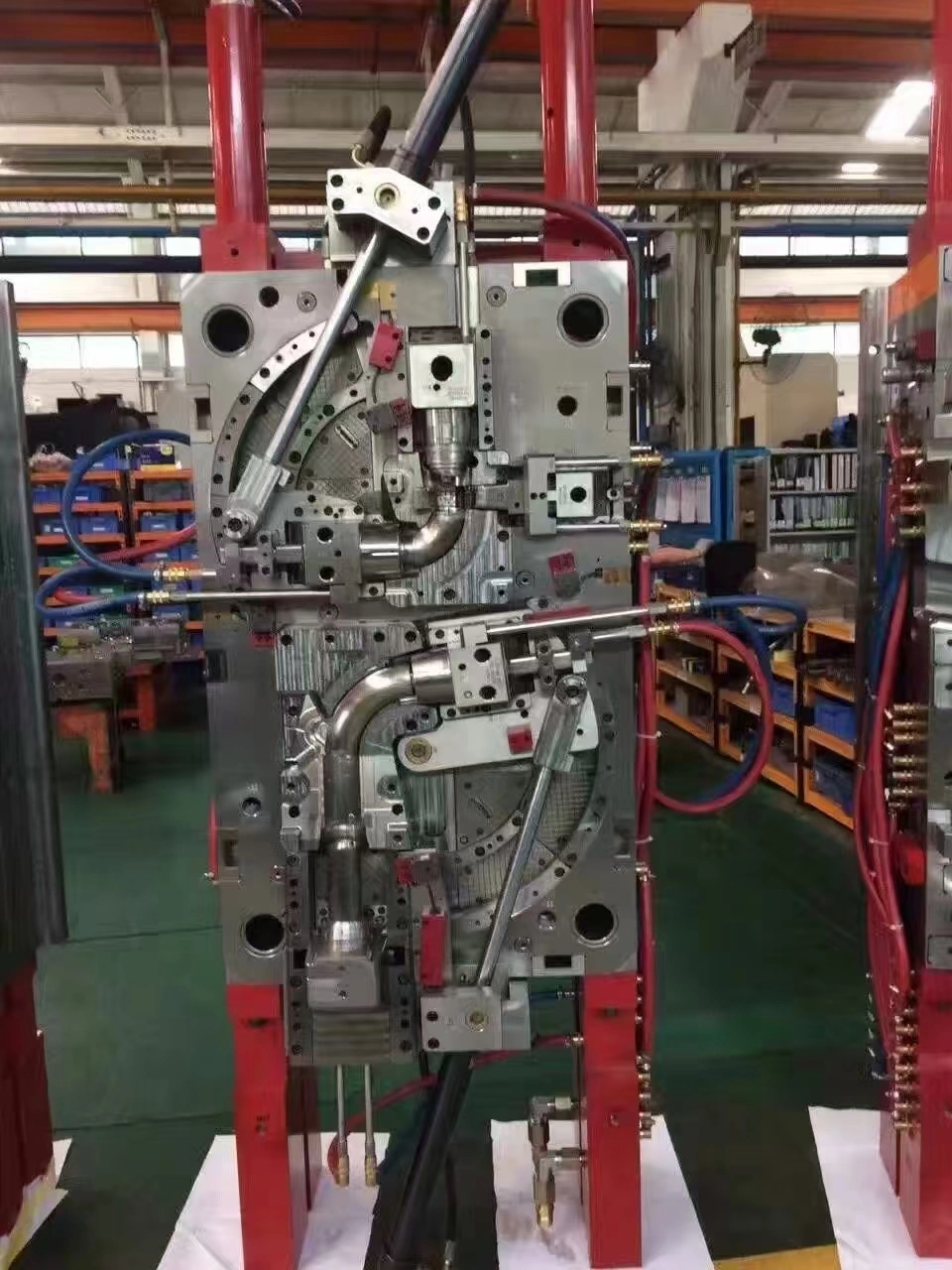
Insert molding innovation on a very basic level changes how producers approach component plan and generation. The handle includes setting pre-formed inserts—typically metal strings, electrical contacts, or fortifying elements—into shape cavities some time recently infusing liquid plastic fabric around them. This makes lasting mechanical and chemical bonds that surpass the quality of conventional gathering methods.
Working Principles and Material Integration
The center guideline behind embeds molding instruments centers on exact situating and warm administration. Amid the molding cycle, warmed plastic fabric streams around carefully situated embeds, making atomic bonds as the fabric cools. Temperature control gets to be basic, as diverse materials grow and contract at shifting rates. Progressed tooling plans consolidate modern warming and cooling frameworks to oversee these warm elements effectively.
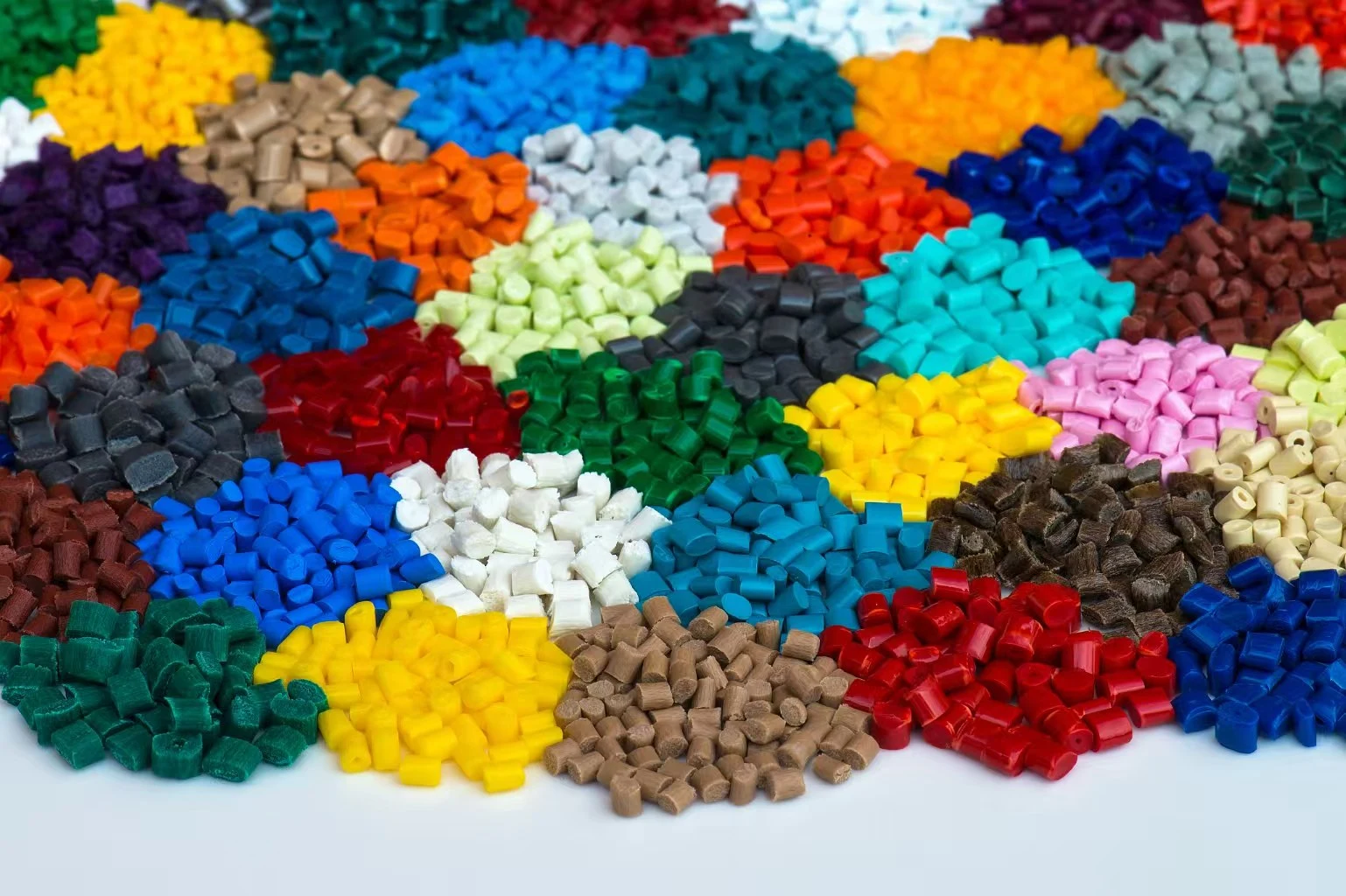
Material determination plays a significant part in effective embed molding applications. Metal embeds ordinarily incorporate brass, steel, or aluminum components chosen for their warm conductivity and mechanical properties. Plastic embeds frequently utilize high-performance polymers that offer particular benefits like chemical resistance or electrical separator. The compatibility between embed materials and molding tars decides bond quality and long-term durability.
Process Integration in Production Lines
Modern embed molding operations coordinated consistently with robotized generation frameworks. Automated frameworks absolutely put embeds into shape cavities, guaranteeing reliable situating and introduction. Quality control sensors confirm embed arrangement some time recently each molding cycle starts. This mechanization diminishes human blunder whereas keeping up tall generation speeds basic for car and machine fabricating volumes.
Key Automotive Applications of Inserts Molding Tools
Automotive manufacturers leverage insert molding technology across numerous critical applications where component reliability and weight reduction drive design decisions. The automotive industry's demanding performance requirements make insert molding an ideal solution for creating integrated assemblies that withstand extreme operating conditions.
Electrical and Electronic Components
Automotive electrical frameworks depend intensely on inserts molding tools insert-molded components that give solid associations whereas ensuring touchy hardware. Sensor lodgings join metal embeds that guarantee legitimate establishing and electromagnetic protecting. Connector congregations utilize embed molding to make weatherproof seals around electrical contacts, anticipating dampness penetration that might cause framework failures.
Engine control modules advantage from embed molding's capacity to combine warm administration with electrical usefulness. Metal warm sinks gotten to be forever implanted inside plastic lodgings, making productive warm pathways whereas keeping up electrical confinement. This integration disposes of isolated mounting equipment and diminishes get together complexity significantly.
Structural and Mechanical Applications
Dashboard gatherings exhibit embed molding's flexibility in combining aesthetics with usefulness. Metal support components inserted inside plastic components give mounting focuses for airbag frameworks and electronic shows whereas keeping up smooth surface wraps up. These coordinates plans decrease portion tallies and kill potential disappointment focuses related with mechanical fasteners.
Seat components utilize insert-molded components to make lightweight however tough alteration frameworks. Steel support embeds situated inside plastic lodgings give the quality required for safety-critical capacities whereas decreasing by and large weight compared to conventional metal gatherings. This weight decrease contributes straightforwardly to made strides fuel productivity and decreased emissions.
Most Common Inserts Molding Applications in Appliances
Appliance manufacturing embraces insert molding technology to create components that withstand daily use while meeting strict safety and efficiency standards. The ability to combine different materials in single molding operations enables appliance designers to optimize performance characteristics while controlling manufacturing costs.
Electronic Housing and Control Systems
Modern machines consolidate modern electronic control frameworks that require exact natural security. Insert-molded lodgings coordinated metal protecting components inside plastic walled in areas, giving electromagnetic impedances security whereas keeping up cost-effective fabricating. These gatherings ensure touchy circuits from dampness, vibration, and temperature extremes common in machine working environments.
Control board congregations illustrate embed molding's capacity to combine numerous capacities inside single components. Metal contact focuses implanted in plastic switch lodgings give dependable electrical associations over millions of operation cycles. The molded plastic gives cover and client interface components whereas the metal embeds guarantee reliable electrical execution all through the appliance's benefit life.
Mechanical and Structural Components
Washing machine applications exhibit embed molding's quality preferences in high-stress situations. Drum mounting gatherings join metal support embeds inside plastic components to handle energetic loads amid turn cycles. These coordinates plans kill the require for partitioned mounting brackets whereas giving prevalent vibration damping compared to all-metal alternatives.
Refrigerator entryway congregations utilize embed molding to make lightweight however strong pivot components. Stainless steel turn focuses implanted inside plastic lodgings give smooth operation whereas lessening weight and fabricating costs. The plastic components offer plan adaptability for tasteful prerequisites whereas the metal embeds guarantee long-term mechanical reliability.
Comparative Insights: Inserts Molding Tools vs Traditional Molding Techniques
Understanding the advantages of insert molding compared to conventional manufacturing methods helps procurement professionals make informed tooling decisions. The comparison reveals significant benefits in efficiency, quality, and cost-effectiveness that justify the initial investment in specialized tooling.
Efficiency and Production Advantages
Inserts molding tools insert molding drastically decreases gathering time by disposing of auxiliary operations required with conventional strategies. Components that already required isolated molding, machining, and gathering steps can be completed in single molding cycles. This combination decreases dealing with, stock prerequisites, and quality control checkpoints all through the generation process.
Cycle time enhancements ended up especially apparent in high-volume applications. Whereas person molding cycles may take marginally longer due to embed arrangement, the disposal of gathering operations comes about in by and large generation time decreases. Computerized embed situation frameworks empower lights-out generation capabilities that maximize gear utilization.
Quality and Performance Benefits
Bond quality accomplished through embed molding essentially surpasses mechanical affixing strategies. The atomic bonds shaped amid the molding prepare make changeless gatherings that cannot extricate over time. This unwavering quality demonstrates particularly vital in car and apparatus applications where component disappointment might make security concerns.
Dimensional precision enhancements result from the single-operation nature of embed molding. Conventional gathering strategies amass resistances from numerous components and operations, whereas embed molding keeps up exact connections between all highlights inside single molding cycles. This precision diminishes fit and work issues amid last item assembly.
Maintenance, Troubleshooting, and Best Practices for Inserts Molding Tools
Proper maintenance and operation of insert molding equipment ensures consistent quality and maximizes tooling life. Understanding common challenges and implementing preventive measures protects manufacturing investments while maintaining production schedules.
Preventive Maintenance Strategies
Regular inspection schedules focus on insert placement mechanisms and mold cavity conditions. Automated placement systems require calibration verification to ensure consistent insert positioning. Wear patterns on gripper mechanisms indicate when replacement becomes necessary to maintain placement accuracy.
Mold cavity inspection reveals potential issues before they affect part quality. Insert positioning features require particular attention, as wear in these areas directly impacts bond strength and part functionality. Surface treatments on cavity walls may require periodic renewal to maintain proper material flow characteristics around inserts.
Common Troubleshooting Solutions
Insert displacement during molding typically results from inadequate holding pressure or improper cavity design. Increasing clamp force or modifying insert retention features usually resolves these issues. Material flow analysis helps identify problematic areas where plastic pressure might move inserts from their intended positions.
Bond strength variations often trace to temperature control problems or contamination on insert surfaces. Consistent preheating of inserts improves bond formation, while cleaning protocols remove oils or oxidation that interfere with plastic adhesion. Material selection adjustments may be necessary when environmental conditions exceed design parameters.
Company Introduction and Product Service Information
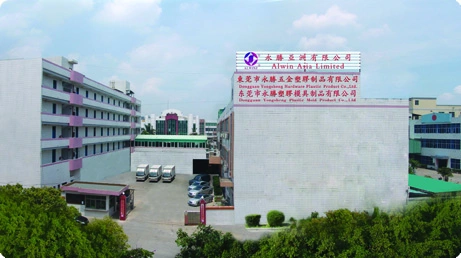
Yongsheng stands as a leading manufacturer of precision inserts molding tools insert molding solutions, serving automotive and appliance industries with over 20 years of expertise. Located in Dongguan's renowned "Town of Molds," our 6,000-square-meter facility employs more than 300 skilled professionals dedicated to delivering exceptional tooling solutions.
Our comprehensive capabilities span from initial design consultation through final production delivery. ISO 9001:2015 certification demonstrates our commitment to quality management systems that ensure consistent results. We specialize in custom plastic molds, die-casting tools, and complete OEM manufacturing services that support our clients' diverse production requirements.
Advanced manufacturing equipment and experienced engineering teams enable us to tackle complex insert molding challenges across multiple industries. Our strategic location provides excellent transportation access, with direct connections to major shipping ports and airports. This accessibility facilitates efficient communication and rapid prototyping services that accelerate project development timelines.
Conclusion
Yongsheng stands as a leading manufacturer of precision insert molding solutions using inserts molding tools, serving automotive and appliance industries with over 20 years of expertise. The ability to create integrated assemblies with superior performance characteristics makes insert molding an essential capability for modern manufacturing operations. Understanding application requirements and proper tooling selection enables manufacturers to realize significant advantages in quality, efficiency, and cost-effectiveness. As market demands increase for lighter, stronger, and more reliable products, insert molding tools provide the technological foundation needed to meet these challenges successfully.
FAQ
Q: What factors determine insert molding tool selection between automotive and appliance applications?
A: Material compatibility, operating temperature ranges, and mechanical stress requirements drive tool selection decisions. Automotive applications typically demand higher temperature resistance and mechanical strength, while appliance applications may prioritize electrical insulation and chemical resistance. Production volume requirements also influence tooling complexity and automation levels needed for cost-effective manufacturing.
Q: How does insert molding improve component durability compared to traditional assembly methods?
A: Insert molding creates permanent molecular bonds between materials that exceed the strength of mechanical fasteners. These bonds cannot loosen over time and distribute stress more evenly across component interfaces. The elimination of separate fasteners also removes potential failure points and reduces the number of components subject to wear or corrosion.
Q: What are typical lead times for custom insert molding tool development?
A: Custom tooling lead times typically range from 6-12 weeks depending on complexity and specific requirements. Simple tools with standard inserts can be completed faster, while complex multi-cavity tools with automated insert placement systems require longer development periods. Early collaboration on design requirements helps optimize lead times and ensure successful project outcomes.
Partner with Yongsheng for Advanced Insert Molding Solutions
Yongsheng delivers comprehensive insert molding tools and manufacturing services tailored to your specific automotive and appliance production needs. Our experienced engineering team provides complete design support, precision tooling fabrication, and ongoing technical assistance throughout your project lifecycle. As a trusted inserts molding tools manufacturer, we ensure IP protection, competitive pricing, and reliable delivery schedules that support your production goals. Contact us at sales@alwinasia.com to discuss how our proven expertise can optimize your manufacturing processes and enhance product quality.
References
1. Society of Plastics Engineers. "Insert Molding Technologies in Automotive Manufacturing." SPE Technical Papers, 2023.
2. Automotive Engineering International. "Advanced Molding Techniques for Lightweight Vehicle Components." AEI Publishing, 2023.
3. Appliance Design Magazine. "Integration Strategies for Modern Appliance Manufacturing." BD Publishing, 2022.
4. International Journal of Advanced Manufacturing Technology. "Process Optimization in Insert Molding Applications." Springer, 2023.
5. Plastics Technology Magazine. "Tooling Innovations for High-Performance Insert Molding." Gardner Business Media, 2023.
6. Manufacturing Engineering Society. "Quality Control Methods in Insert Molding Operations." MES Publications, 2022.