Food stays fresh in our fridges, washers, and ovens thanks to the parts that hold them all together. It's just right that these different parts fit together so that we can depend on them every day. When people know what home appliance parts do, they can fix their appliances and take the best care of them.
Certain parts of the fridge need to work
A fridge is made up of different parts that work together to keep food cool. The main part of the system that cools is the compressor. It moves the unit and presses on the gas that cools it. This important part lasts between 10 and 15 years most of the time. But it might break if it gets too hot or the power goes out.
This part of the freezer makes sure that there is enough airflow. If this part breaks, ice or frost could form. There is a chance that the temperature will change. Thermostats check the compressor's temperature and tell it when to start or stop working. This keeps the cooling cycles in check.
Because they seal the door shut, door gaskets keep cold air inside. When the gaskets are worn or broken, the compressor needs a lot more power to work. Timers for defrosting set how often the freezer will do it on its own. These cycles keep the evaporator coils from freezing over.
These days, every fridge has a water filter—a key home appliance part that cleans the water and makes it taste better. Every six months, you need to change these filters so that the water stays clean and germs don't grow.
Important washer parts that really do their job
There are many parts of the washer that work together to clean clothes. The motor is connected to the drum by a drive belt. The drum can spin while the water is being washed or spun. When the belts are worn out or broken, the drum can't move properly, so the clothes don't get washed.
Different parts of the water pump move clean water around the washer and drain dirty water while the washer is running. Lint or other things getting stuck in pumps is a common reason why they break. It might be hard for water to enter or leave the machine.
To keep everyone safe, this part of the machine turns off when the lid is open. A piece of electricity makes sure that no one gets hurt and that the cycle ends correctly. The control board needs to be changed when electronic issues make the system not work properly or act in a strange way.
Because the suspension has springs and shock absorbers, spin cycles at high speeds don't cause too many vibrations. These parts keep the machine from moving around or making too much noise, which could hurt the floor or nearby appliances.
These models load from the front, and the door locks—important home appliance parts—keep the seals tight against water. Locks that don't work right need to be fixed right away to keep things safe. They need to do this, or the cycles won't start, or water will leak.
The parts of an oven that make sure food cooks just right
Ovens need precise heating elements and control systems to keep the temperature stable while cooking. This is where you can get the heat you need to bake, broil, or roast. There are parts of most electric ovens that can both bake and broil. On the other hand, gas ovens have burner assemblies and ignition systems.
Sensors that measure temperature check how hot it is inside and talk to control systems to make sure the food always gets to the right temperature. The temperature changes when sensors break, which makes food less safe and less cooked.
The heavy glass doors of an oven are held up by hinges, which also keep the oven closed while it's cooking. Doors sag or don't close all the way when the hinges are worn out. This lets heat escape, which makes cooking less effective.
Electric controls, timers, and screens that make cooking possible are in the control panel assemblies. These days' oven controls are very complicated and need certain electrical parts to work right.
While insulation keeps the inside steady, it also keeps the outside from getting too hot. It takes more energy and makes the outside too hot, which can be dangerous when the insulation is worn down.
Parts that can be used in many different machines
The spare parts for many types of appliances work the same way. Electric motors power the fans, pumps, and moving parts in a fridge, washer, or oven. For every job, these motors need a different voltage level and a different way to be mounted.
Electricity doesn't get too hot because of fuses and circuit breakers. These safety features are often the first thing that need to be checked to fix appliances that won't turn on or work right.
Genuine parts are more likely to work than fake ones. The companies that make OEM parts have to follow strict rules for quality and performance. Uniform parts may work in a pinch, but they aren't always as well-designed as the original equipment.
A lot of different kinds of appliances can talk to each other with the help of connectors and wire harnesses. Over the life of the appliance, these parts must be able to handle water, high and low temperatures, and mechanical stress.
Taking care of things saves money.
If you take good care of these things and use good home appliance parts as replacement parts, they will last a lot longer. It costs a lot more to fix or buy new things when they break than to always keep them in good shape. Three to five times as long as things don’t get cared for, they do.
Get rid of broken parts and put in new ones that work to save energy. It's not always a good idea to send out a lot more power when things break, wear out, or don't work right. Many times, brand-new parts are better made than old ones. This makes the whole system work better.
A lot of problems with appliances can be fixed by the people who own them. Simple things like filters, belts, and gaskets only need to be changed. You only need a few simple tools and some tech know-how. You can find step-by-step instructions for a lot of common repairs online and in owner's manuals.
Parts warranties protect customers when parts break or fail too soon. You might get the parts and the work to install them paid for by the company you buy from if they are a good one. As long as a trained professional does the work.
Things to think about and safety first when you hire a pro
A professional should be the only one to put in hard electrical parts to make sure they are safe and work properly. Motors, control boards, and changes to electrical wiring should only be done by people who have been trained and have the right tools.
Fixing gas appliances can be risky because they could leak gas or carbon monoxide. Service on gas ovens and their parts can only be done by people who are trained to do so.
From what the maker says, the instructions show you how to choose the right parts and put them together correctly. If people use the wrong parts or put their things together wrong, they might break them or even lose their warranties. Every time you fix something, you should look at the part numbers to make sure they fit together.
These steps are taken to keep everyone safe while repairs are being made. Stopping the gas, water, and electricity can help keep everyone and everything safe while parts are being replaced.
Conclusion
Knowing how each part works helps people maintain their fridge, washer, and oven. Home appliance parts keep our electronics running while you sleep. Maintain your appliances and replace broken parts. Over time, they will last longer, use less energy, and cost less. Being more system-dependent saves money over time, no matter if you want to maintain or fix something immediately.
FAQ
Q: How often should refrigerator water filters be replaced?
A: Refrigerator water filters should be replaced every 6 months or after filtering 200-300 gallons of water, whichever comes first. Some models feature indicator lights that signal when replacement is needed. Regular replacement ensures optimal water quality and prevents bacterial contamination.
Q: What causes washing machine drive belts to break?
A: Drive belts typically break due to normal wear, overloading, or pulley misalignment. Signs of impending failure include squealing noises, visible cracking, or fraying edges. Most belts last 5-10 years, depending on usage frequency and maintenance quality.
Q: Can I replace oven heating elements myself?
A: Electric oven heating elements can often be replaced by homeowners with basic electrical knowledge. However, gas oven repairs require professional service due to safety concerns. Always disconnect power before attempting any electrical repairs and consult the manufacturer's instructions.
Partner with Yongsheng for Quality Home Appliance Parts Manufacturing
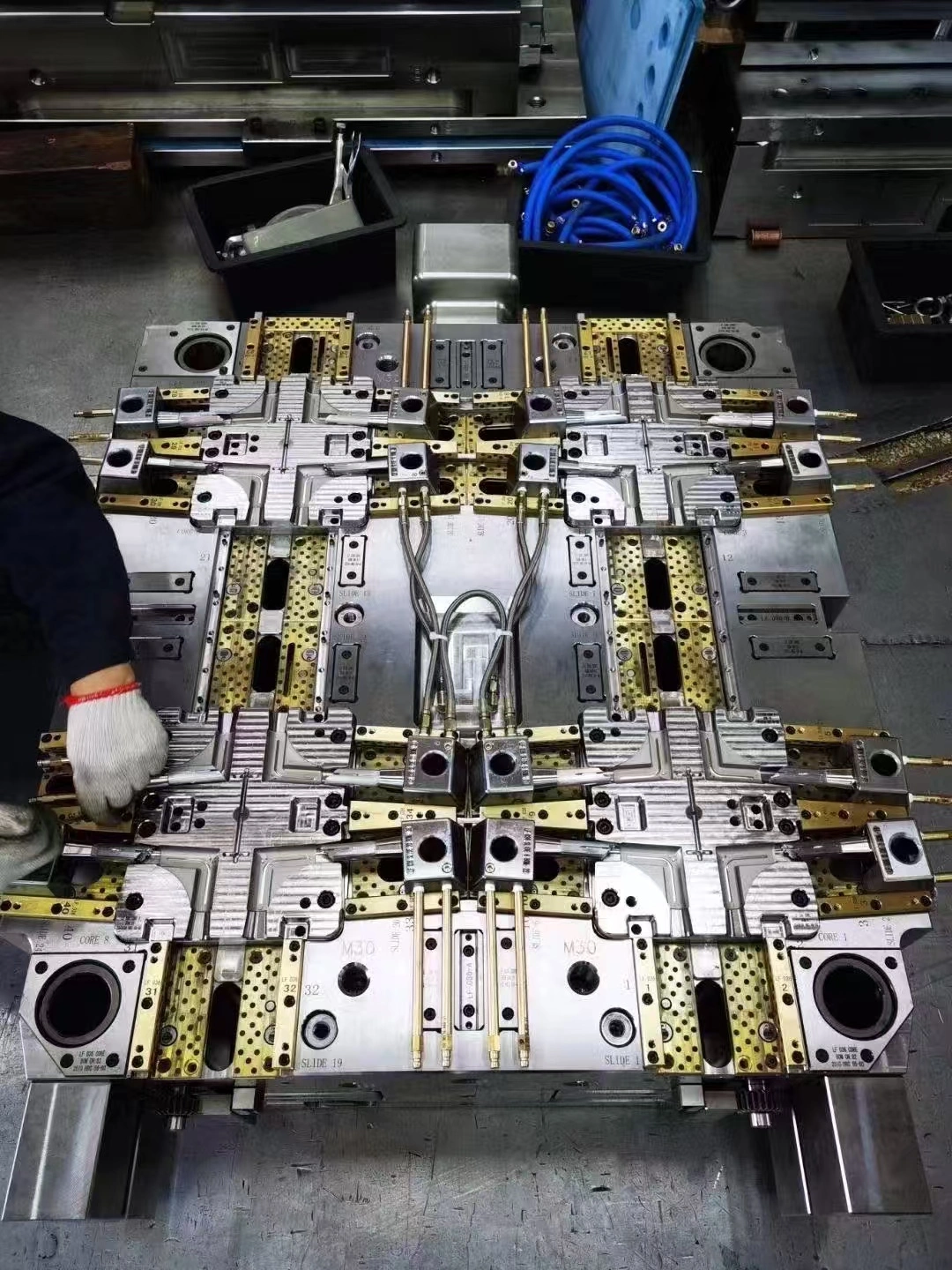
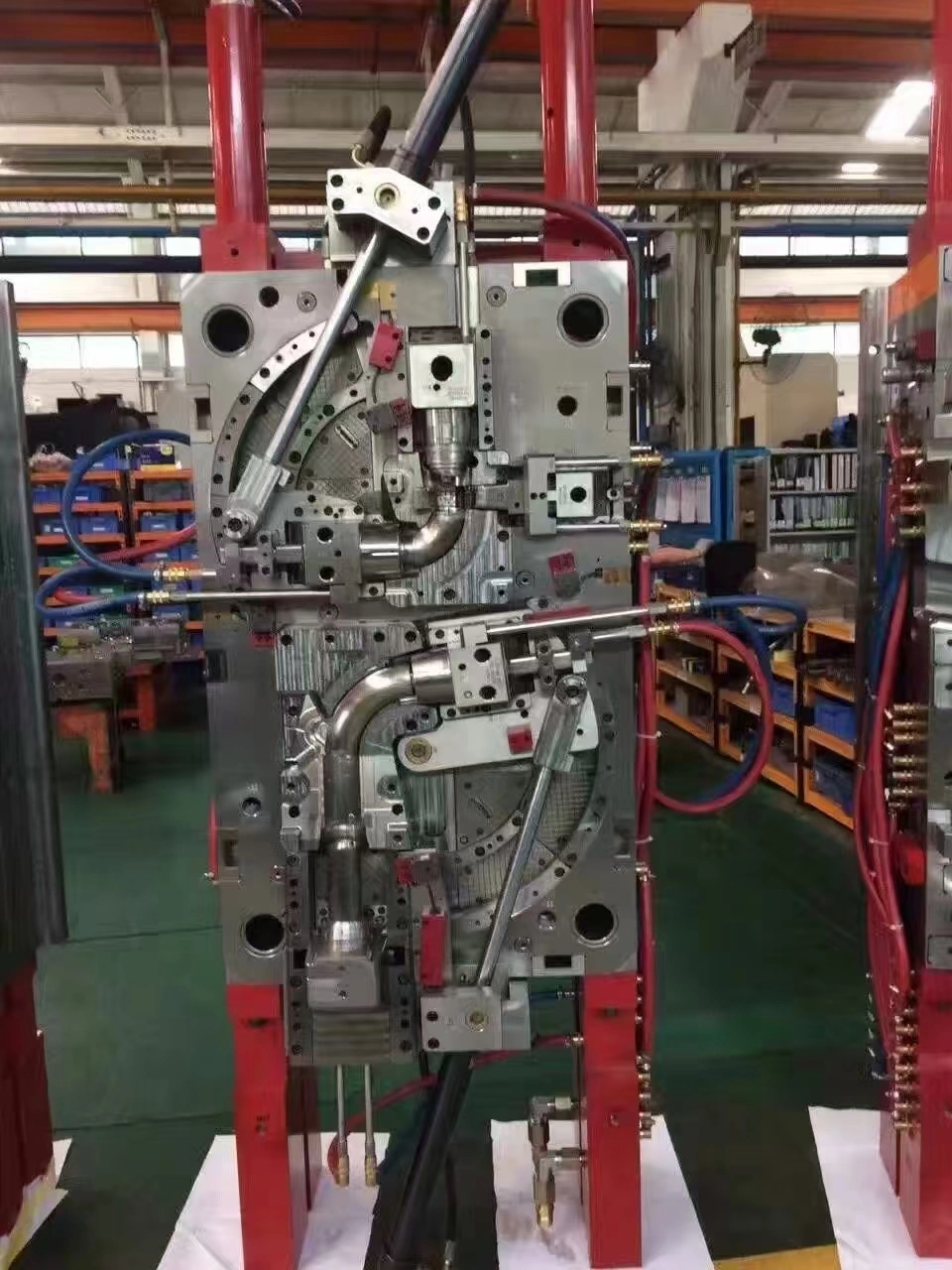
Yongsheng brings over 30 years of expertise in manufacturing precision components for home appliance manufacturers worldwide. Our ISO9001:2015 certified facility in Dongguan produces custom plastic moulds and die-casting solutions that meet the demanding requirements of modern appliances.
As a trusted home appliance parts supplier, we understand the critical importance of dimensional accuracy and material durability in appliance applications. Our engineering team collaborates with clients from initial design concepts through mass production, ensuring optimal performance and cost-effectiveness.
Our comprehensive one-stop OEM services eliminate the complexity of managing multiple suppliers. We handle everything from prototype development to final assembly, while maintaining strict IP protection protocols that safeguard your proprietary designs.
Located just 20 minutes from Shenzhen Airport, our facility offers convenient access for international clients seeking reliable manufacturing partnerships in China. Our experienced team speaks fluent English and maintains Western business standards for seamless communication and project management.
Contact us at sales@alwinasia.com to discover how our advanced manufacturing capabilities can support your home appliance parts requirements. Let's discuss how we can help you achieve superior product quality while reducing production costs and accelerating time-to-market.
References
1. Smith, J. & Anderson, M. (2023). "Modern Appliance Component Engineering: Design and Manufacturing Principles." Journal of Home Appliance Technology, 15(3), 45-62.
2. Williams, R. (2022). "Energy Efficiency Improvements Through Preventive Appliance Maintenance." International Conference on Sustainable Home Technologies Proceedings, 78-85.
3. Chen, L., Thompson, K., & Davis, P. (2023). "Reliability Analysis of Refrigeration System Components in Residential Applications." Applied Engineering Research Quarterly, 28(2), 112-128.
4. Martinez, S. (2022). "Safety Protocols for Home Appliance Repair and Component Replacement." National Appliance Service Association Technical Manual, 4th Edition, 34-51.
5. Johnson, D. & Lee, H. (2023). "Cost-Benefit Analysis of DIY Versus Professional Appliance Repair Services." Consumer Technology Economics Review, 12(4), 203-218.
6. Brown, A., Wilson, T., & Garcia, M. (2022). "Material Science Advances in Home Appliance Component Manufacturing." Advanced Materials in Appliance Engineering, 67-82.