What factors influence injection mold precision and tolerances?
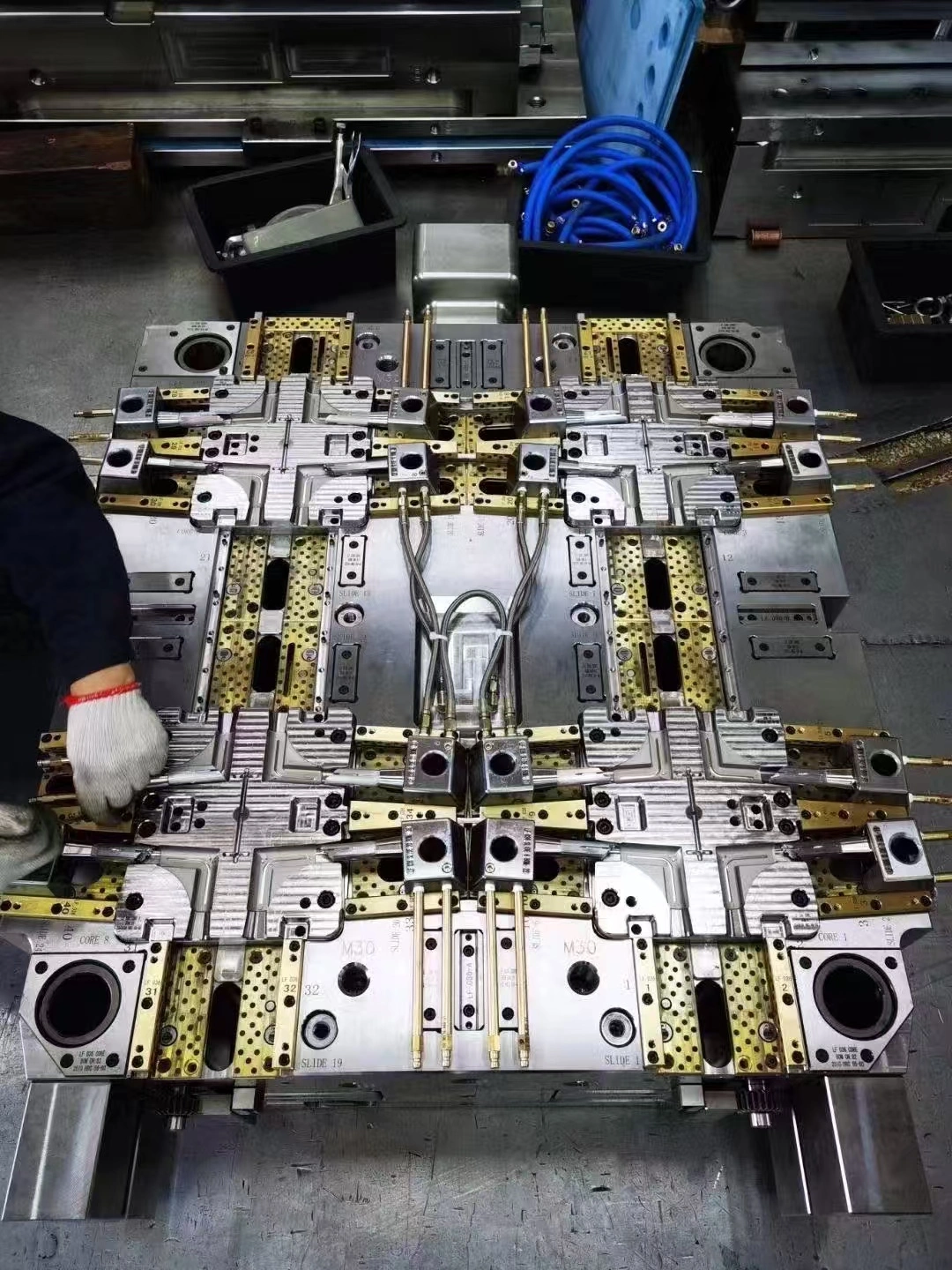
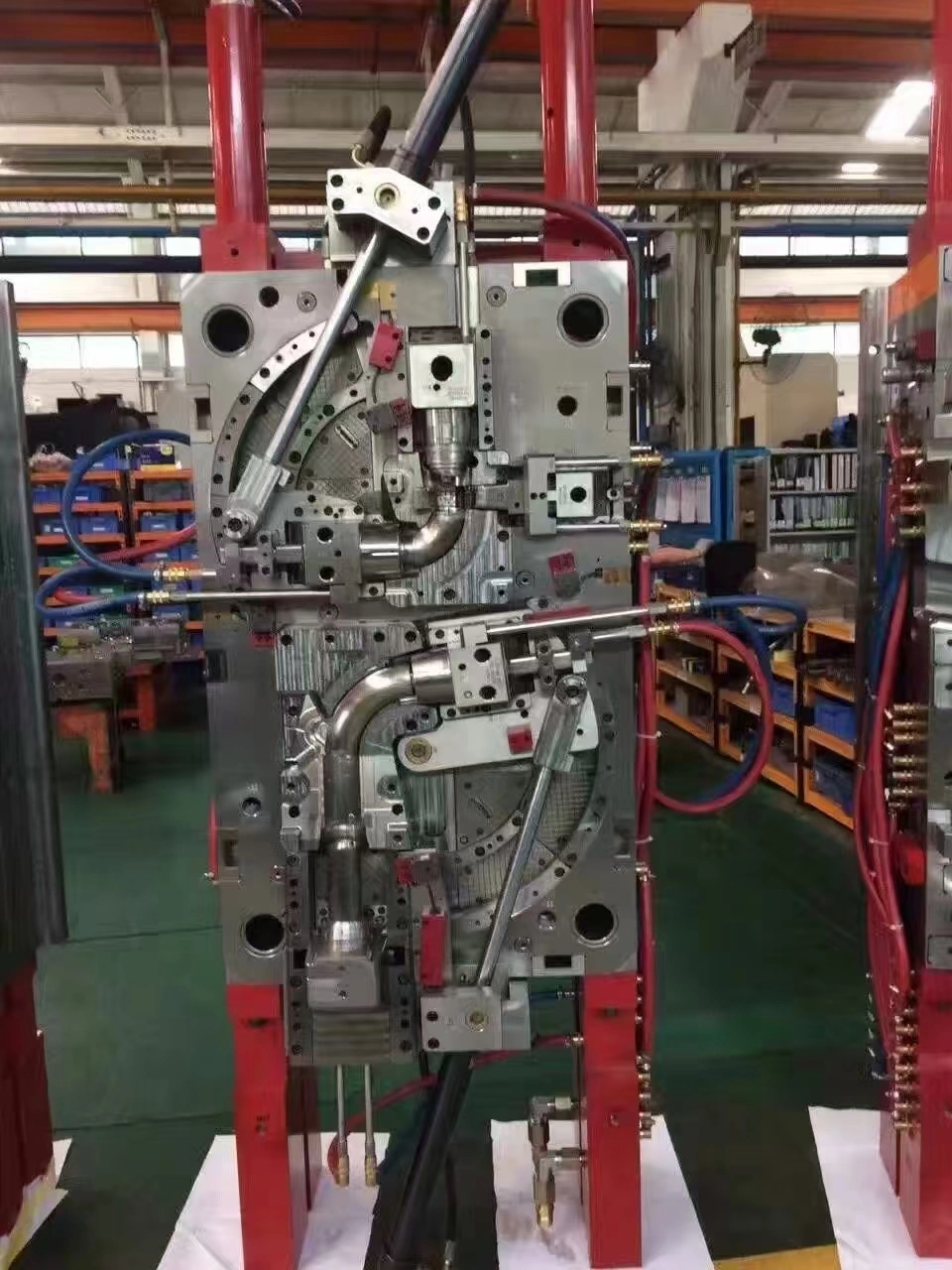
Infusion molding is a broadly utilized manufacturing process for creating high-quality plastic parts with complex geometries. The accuracy and resilience of injection mold infusion molds play a pivotal part in deciding the quality and consistency of the final item. Various variables can impact the exactness and resiliency of infusion molds, extending from fabric selection and design to preparation parameters and hardware support. Understanding these components is fundamental for producers and engineers to optimize their infusion molding forms and accomplish the desired level of exactness. In this web journal post, we will investigate the key components that affect infusion shape exactness and resistance, giving bits of knowledge into how to improve form execution and item quality. By digging into these components, we aim to offer assistance to industry experts to upgrade their information and capabilities in infusion molding technology.
Material Selection and Properties
Resin Characteristics
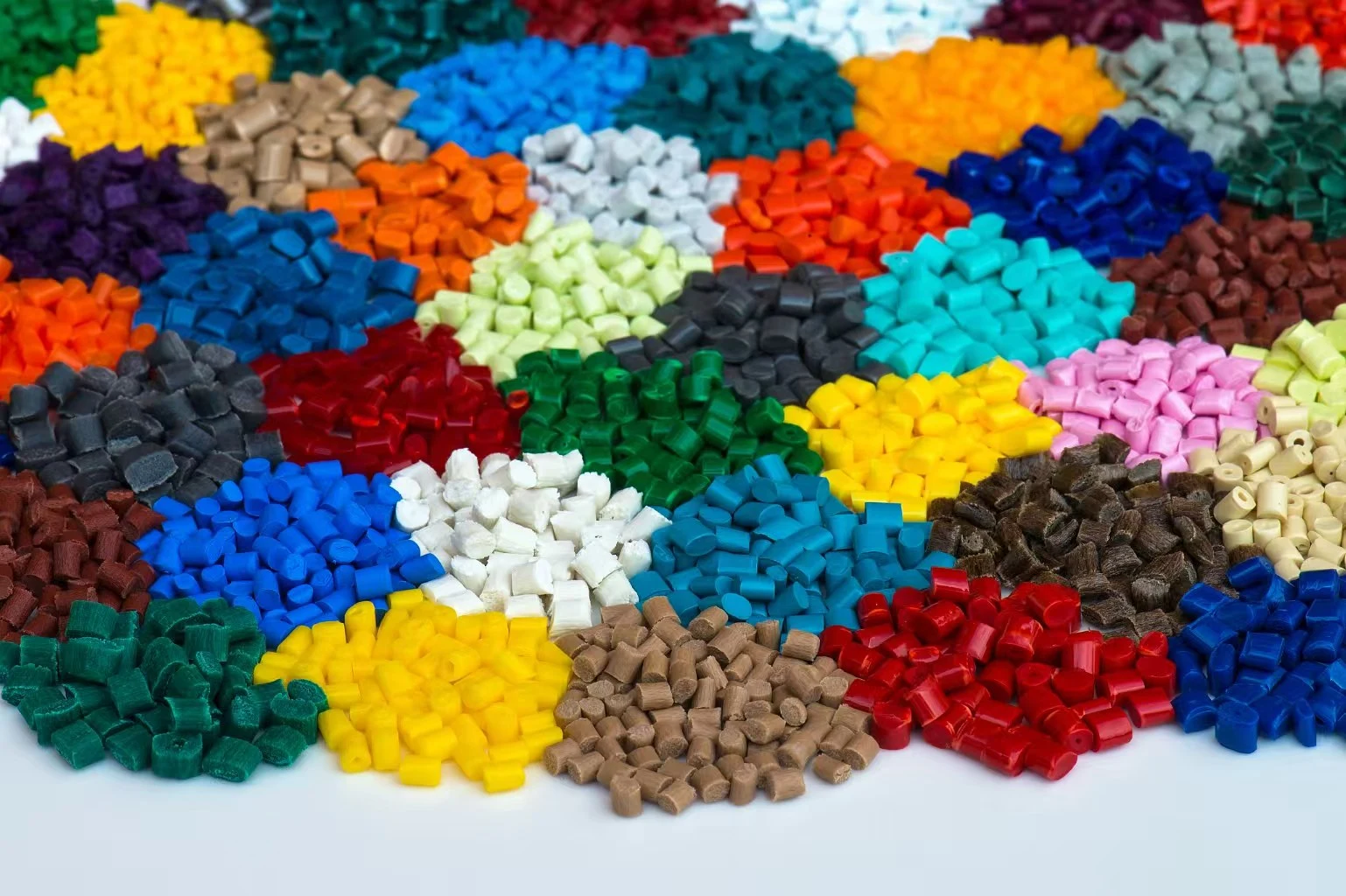
The choice of gum for infusion molding essentially impacts the exactness and resiliency of the final item. Diverse gums show changing shrinkage rates, stream characteristics, and warm properties, all of which influence the dimensional precision of the molded parts. For example, crystalline polymers regularly have higher shrinkage rates compared to amorphous polymers, requiring cautious thought amid form planning. Also, the dissolved stream list (MFI) of the gum impacts its capacity to fill perplexing shape cavities, influencing the overall accuracy of the molded portion. Producers must carefully select tars that adjust the desired mechanical properties with ideal preparing characteristics to accomplish the required resistances in infusion molding.
Filler and Additive Effects
The joining of fillers and added substances in the tar can essentially affect injection mold exactness and resiliency. Fillers such as glass strands, carbon strands, or mineral particles can improve the mechanical properties of the molded portion but may also influence injection mold shrinkage rates and warpage. These added substances can change the stream behavior of the liquid plastic, possibly leading to injection mold irregularities in portion measurements. On the other hand, certain added substances like form discharge specialists can improve injection mold surface wrap-up and ease portion discharge, contributing to superior by and large injection mold accuracy. Producers must carefully consider the impacts of fillers and added substances on the infusion molding prepare to maintain the desired injection mold resistances while accomplishing the required fabric properties.
Moisture Content
The dampness substance of the gum plays a basic part in infusion form accuracy and resistance. Hygroscopic materials, such as nylon or polycarbonate, can retain dampness from the environment, leading to preparation issues and dimensional flimsiness. Abundant dampness in the gum can cause surface absconds, voids, and conflicting portion measurements due to the arrangement of steam during the infusion process. Appropriate drying of hygroscopic materials some time recently as molding, is essential to maintain the desired resiliences. Producers must actualize viable moisture control measures, such as utilizing dehumidifying dryers or fixed fabric taking care of frameworks, to guarantee reliable tar properties and ideal infusion shape precision.
Mold Design and Construction
Gate Location and Design
The door area and plan in the infusion molds essentially impact the exactness and resistance of the final item. The door serves as the passage point for liquid plastic into the form depth, and its situation influences the stream design, weight conveyance, and cooling characteristics of the portion. An appropriate entryway plan can minimize warpage, decrease shrinkage varieties, and make strides in general dimensional accuracy. For example, an adjusted door framework in multi-cavity molds guarantees uniform filling and pressing of all cavities, leading to reliable portion measurements. Furthermore, the door estimate and sort (e.g., stick door, fan door, or submarine entryway) affect the filling speed, shear rates, and potential for molded-in stresses, all of which influence the last portion resiliences in infusion molding.
Cooling System Layout
The injection mold cooling framework format plays a pivotal part in accomplishing exact and steady portion measurements. Proficient injection mold cooling makes a difference, keeping up uniform temperature conveyance through the shape, minimizing warpage and dimensional variations. The arrangement and plan of injection mold cooling channels, including their estimation, dispersing, and introduction, directly affect the cooling rate and consistency over the molded portion. Progressed injection mold cooling strategies, such as conformal cooling or the utilization of high-conductivity form materials, can essentially upgrade temperature control and diminish cycle times while reducing portion resistances. Producers must carefully optimize the injection mold cooling framework format to adjust fast warm evacuation with uniform cooling, guaranteeing reliable shrinkage and negligible portion twisting in the injection molding process.
Parting Line and Shut-off Surface Design
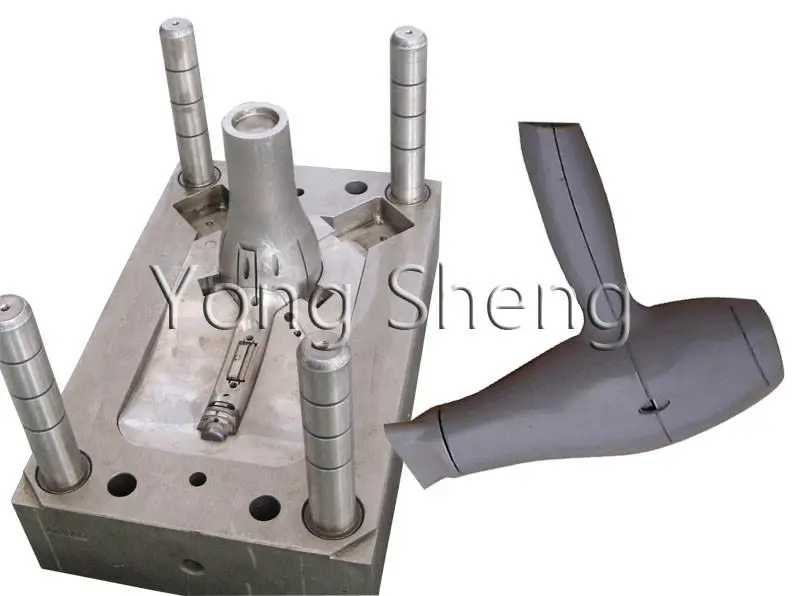
The plan of separating lines and shut-off surfaces in infusion molds is basic for accomplishing tight resiliences and avoiding absconds such as streak or brief shots. The separating line, where the two parts of the shape meet, must be carefully designed to guarantee appropriate form closure and anticipate fabric spillage. Exact machining of shut-off surfaces is fundamental to make a tight seal and keep up steady portion measurements. Moreover, the area and introduction of separating lines can influence the perceivability of form lines on the last item and impact the ease of portion launch. Producers must consider variables such as portion geometry, fabric stream, and form venting when planning separating lines and shut-off surfaces to optimize infusion shape exactness and tolerances.
Processing Parameters and Equipment
Injection Pressure and Speed
Injection weight and speed are basic handling parameters that essentially affect infusion shape accuracy and resilience. The infusion weight decides the constraint connected to the liquid plastic as it enters the form depression, influencing the filling design and pressing of the fabric. Higher infusion weights can move forward the replication of fine subtle elements and diminish the probability of brief shots, but excessive weight may lead to streak or overpacking. Essentially, the infusion speed impacts the shear rates experienced by the fabric, which can influence its thickness and stream behavior. Ideal infusion speed settings offer assistance to keep up reliable fill times and minimize weight variations over the portion, contributing to improved dimensional accuracy. Producers must carefully adjust infusion weight and speed to accomplish the desired portion quality and resistances in infusion molding.
Holding Pressure and Time
The injection mold holding weight and time play a pivotal part in deciding the final measurements and resilience of injection-molded parts. After the beginning filling stage, the injection mold holding weight keeps up the weight on the liquid plastic inside the shape depression, compensating for fabric shrinkage as it cools. The length of the injection mold holding stage, known as the holding time, influences the sum of extra fabric pressed into the depth. Appropriate control of injection mold holding weight and time is fundamental for accomplishing steady portion weight, minimizing sink marks, and maintaining dimensional stability. Insufficient injection mold holding weight or time can result in excessive shrinkage and warpage, whereas over-the-top holding can lead to expanded inside stresses and potential portion mutilation. Producers must optimize these injection mold parameters based on fabric properties, portion geometry, and desired resiliencies to guarantee accuracy in infusion molding.
Mold Temperature Control
Effective shape temperature control is vital for accomplishing reliable portion quality and tight tolerances in infusion molding. The shape temperature influences the cooling rate of the liquid plastic, affecting shrinkage, warpage, and, in general, dimensional stability. Keeping up uniform form temperatures over the depth and center makes a difference, guaranteeing indeed cooling and diminishing the hazard of localized stresses or twists. Progressed temperature control frameworks, such as pressurized water circuits or oil-based heating systems, permit for exact direction of shape temperatures throughout the molding cycle. Also, form temperature sloping procedures can be utilized to optimize cooling rates and minimize cycle times while keeping up portion resiliences. Producers must carefully screen and control form temperatures to accomplish the desired adjustment between efficiency and accuracy in infusion molding forms.
Conclusion
In conclusion, achieving injection mold precision and tight tolerances requires a comprehensive understanding of various factors, including material properties, injection mold design, and processing parameters. By carefully considering resin characteristics, optimizing injection mold design elements such as gate location and cooling systems, and fine-tuning processing parameters like injection pressure and injection mold temperature, manufacturers can significantly improve the accuracy and consistency of their molded parts. Continuous monitoring and adjustment of these injection mold factors are essential for maintaining high-quality production and meeting increasingly demanding injection mold tolerances. As technology advances, the integration of smart manufacturing techniques and data-driven injection mold process optimization will further enhance the precision and efficiency of injection molding processes.
For expert assistance in injection molding and precision mold design, consider partnering with Alwin Asia Limited. Registered in Hong Kong, our subsidiary Dongguan Yongsheng Hardware Plastic Product Co., Ltd. has over 20 years of experience in the industry. Located in Chang'an Town, Dongguan City, Guangdong Province, we specialize in plastic molds, die casting molds, and plastic products. With ISO9001:2015 certification and a commitment to quality, we offer comprehensive services from design and development to production and secondary processing. Our convenient location near Shenzhen Airport makes us easily accessible for international clients. For inquiries, please contact us at sales-c@alwinasia.com.
FAQ
Q: How does resin selection affect injection mold precision?
A: Resin selection impacts shrinkage rates, flow characteristics, and thermal properties, all of which influence the dimensional accuracy of molded parts.
Q: What role does the cooling system play in injection mold tolerances?
A: An efficient cooling system helps maintain uniform temperature distribution, minimizing warpage and dimensional variations in the molded parts.
Q: How do injection pressure and speed affect part quality?
A: Injection pressure and speed influence filling patterns, packing, and material flow behavior, which directly impact part precision and surface quality.
Q: Why is mold temperature control important for achieving tight tolerances?
A: Precise mold temperature control ensures uniform cooling, reducing the risk of localized stresses and distortions that can affect part tolerances.
Q: How do fillers and additives impact injection mold precision?
A: Fillers and additives can alter material properties, affecting shrinkage rates, flow behavior, and overall dimensional stability of molded parts.
References
1. Johnson, M. (2019). Advanced Injection Molding Technologies: Improving Precision and Tolerances. Journal of Polymer Engineering, 42(3), 156-172.
2. Smith, A., & Brown, B. (2020). The Impact of Material Selection on Injection Mold Performance. Plastics Technology, 65(8), 45-52.
3. Garcia, C., et al. (2018). Optimization of Cooling System Design for High-Precision Injection Molding. International Journal of Advanced Manufacturing Technology, 95(5-8), 2367-2380.
4. Lee, K., & Park, J. (2021). Process Parameter Optimization for Improved Injection Mold Tolerances. Polymer Engineering & Science, 61(4), 1012-1025.
5. Chen, X., et al. (2017). Effects of Gate Design on Injection Molded Part Quality and Tolerances. Journal of Materials Processing Technology, 250, 247-258.
6. Wilson, R. (2022). Advancements in Mold Temperature Control for Precision Injection Molding. Advances in Polymer Technology, 41(2), 185-197.

We can provide a one-stop service, including design and development, mold fabrication, production, product processing, etc.

Professional injection mold, die casting mold, plastic products OEM manufacturer