Where Is Die Casting Used in Automotive Manufacturing?
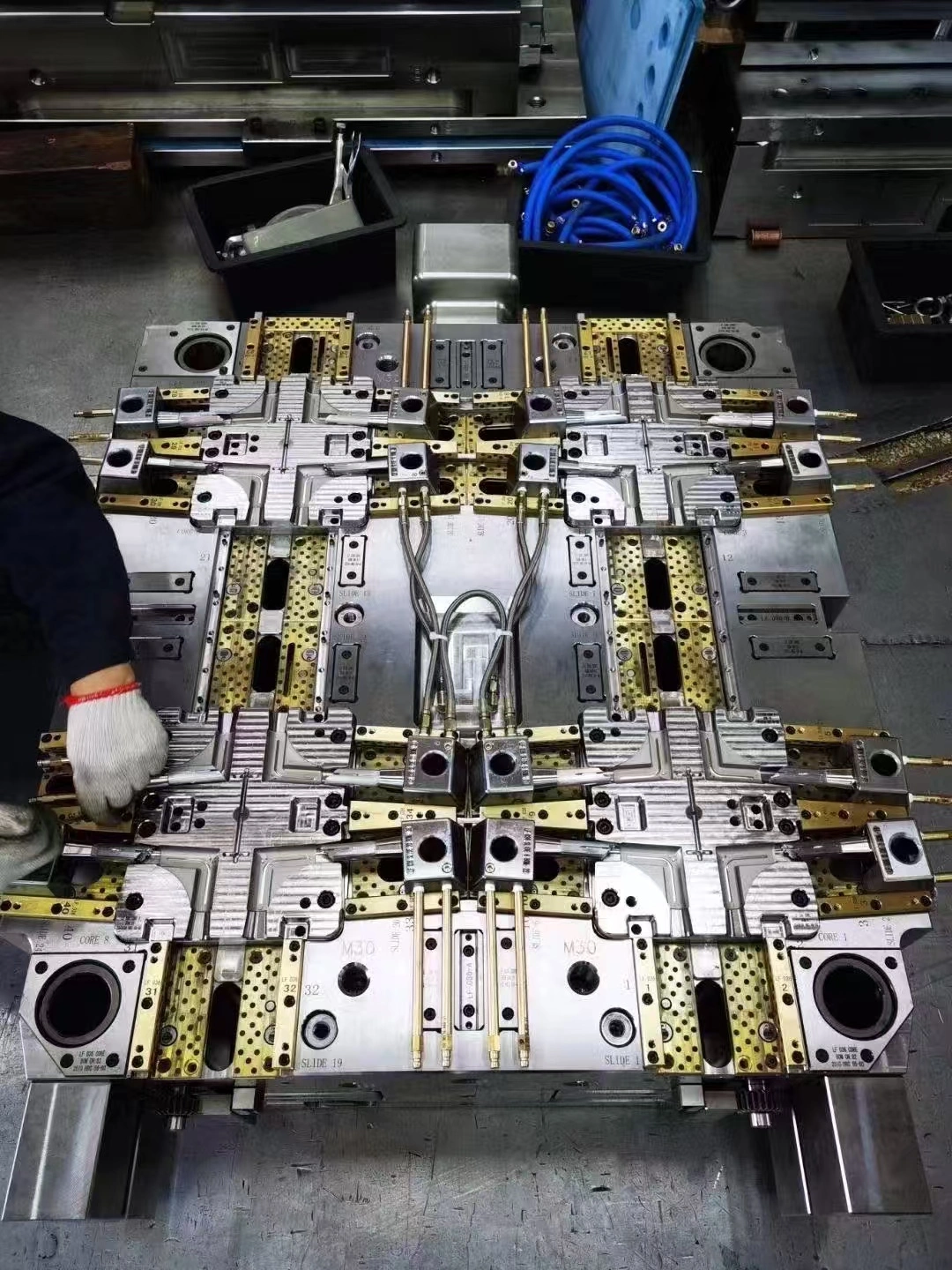
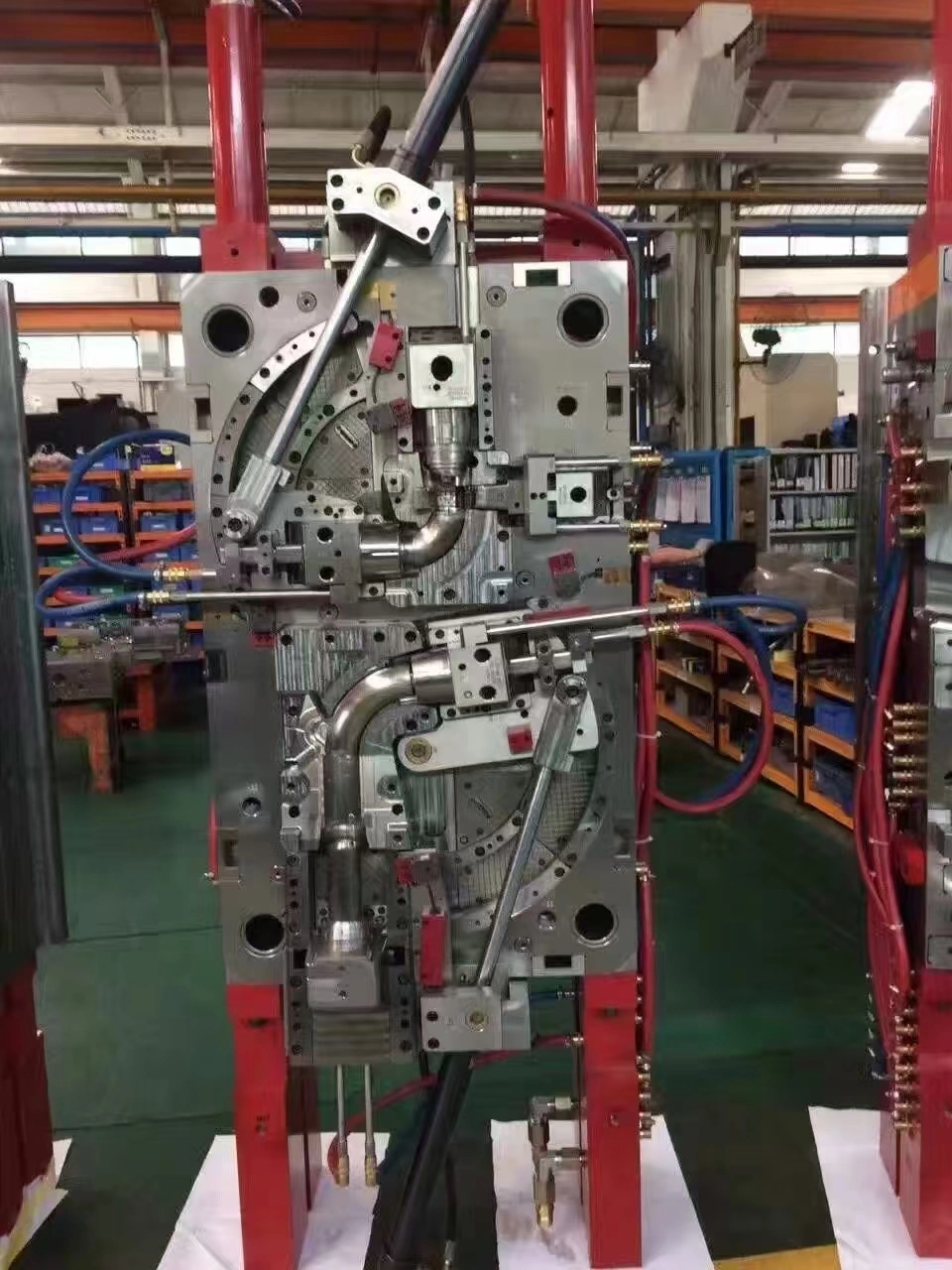
Many people work in the automotive business, and die casting is an important part of their work. It's used to make many important parts for modern cars. In this flexible method, liquid metal is injected under high pressure into molds that can be used again and again. This makes it possible to make parts that are complex, precise, and long-lasting. Die casting is a method used in the automobile industry to make many different parts, from engine parts to structure elements and artistic trim pieces. The process has many benefits, such as being cost-effective, allowing for high production rates, and producing parts with perfect surface finish and accuracy of dimensions. As automakers try to make cars that use less gas, weigh less, and perform better, die casting is still an important way to make parts that are both light and strong enough to meet the strict needs of the automobile industry.
Engine Components Manufactured through Die Casting
Cylinder Heads
Die casting is an important part of making cylinder heads, which are an important part of an internal combustion engine. This method makes it possible to make complicated shapes and the narrow openings inside that are needed for fuel and air to move smoothly. The best way to keep an engine running at its best is to use die-cast cylinder heads, which are very good at removing heat. Precision gained through die casting makes sure that engine parts are properly sealed and aligned with each other. This helps the engine use less fuel and put out less pollution. When die casting cylinder heads, manufacturers often use aluminum metals because they have a good mix of strength, weight, and heat resistance.
Engine Blocks
Die casting is often used to make engine blocks, which are the building blocks of an automobile's motor. This method makes it possible to make engine blocks that are both light and strong, especially ones made of aluminum metals. Die casting lets you make exact holes and channels for cooling inside an engine, which are necessary for it to work right and keep the heat under control. The process also makes it easier to build different fixing spots and structural supports right into the design of the engine block. Automobile companies can get a lot of weight savings by using die casting for engine blocks instead of standard cast iron blocks. This helps the vehicles use less gas and run better overall.
Transmission Cases
Transmission cases hold the complicated gear systems that send power from the engine to the wheels. A lot of transmission cases are made by die casting. The process makes it possible to make transmission cases with complex internal shapes and precise fastening surfaces. Die-cast transmission cases are very strong and stable in terms of size, which is important for keeping the gears aligned and the transmission running smoothly. Being able to make these parts with thin walls and built-in features helps lower their total weight while keeping their structural integrity. In the die casting process for transmission cases, manufacturers often use aluminum or magnesium metals to reduce weight while still giving the cases the sturdiness they need to handle the loads of power transfer.
Structural Components Produced via Die Casting
Suspension Parts
Die casting is a key method used to make many suspension parts that improve the safety and efficiency of cars. Some popular suspension parts that are made by die casting are control arms, steering knuckles, and shock absorber housings. The method makes it possible to make complicated shapes with very tight tolerances, which makes sure that the suspension system works properly and is aligned correctly. Because they are strong for their weight, die-cast suspension parts help lower the vehicle's unsprung mass and make it easier to handle. The use of aluminum metals in die casting these parts makes them resistant to rust and long-lasting, which is important for parts that will be exposed to rough road conditions and weather factors.
Chassis Components
Die casting is a common way to make different frame parts, which are the solid backbone of a car. Die casting is often used to make chassis parts like crossmembers, subframes, and attaching mounts. The process lets structures that are both light and strong be made, which improves the general safety and stiffness of the car. Die-cast frame parts can be made with fixing points and supports built right in, so there are fewer steps needed to put them together. Die casting makes sure that these important structure parts fit and line up correctly, which improves the way the car moves and how well it handles crashes.
Body Panels
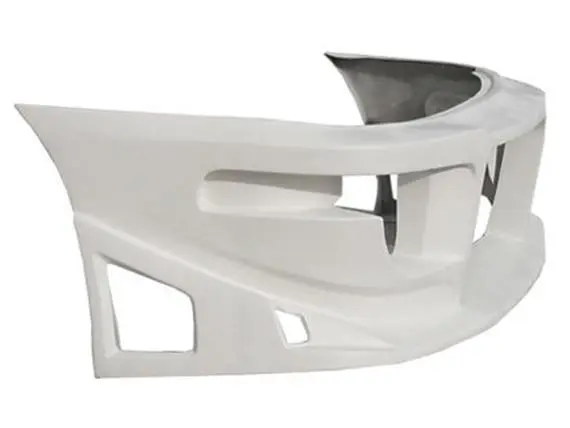
Even though it doesn't happen as often as other uses, die casting is sometimes used to make body parts, especially for high-performance or expensive cars. Die-cast body parts have great surface finish and accuracy in dimensions, so they don't need as much post-processing. The process makes it possible to make complicated forms and add features directly to the panel design, like fixing points or supports. When compared to standard pressed steel panels, die-cast body panels can be more stiff and less likely to dent. However, die casting for body panels is usually only used in certain situations because it's more expensive and bigger die casting tools are needed to make these parts to fit.
Interior and Exterior Trim Components Created by Die Casting
Door Handles and Locks
Die casting is often used to make door handles and lock systems, which are important for both the function and appearance of a car. The process makes it possible to make complicated forms and exact systems that are needed for easy use and safe closing. Die-cast door knobs can be made with different surface styles and designs, which can make the inside and outside of the car look and feel better. Using zinc metals in die casting these parts makes them very resistant to rust and long-lasting, which is important for parts that will be used a lot and be exposed to external factors. Die casting also lets fixing points and other internal features be built right into the handle and lock designs. This makes them easier to put together and improves the quality overall.
Dashboard Components
The process of die casting is used to make many panel parts that are important for both the look and usefulness of the inside of a car. Die casting is often used to make dashboard parts like instrument panel frames, air vent housings, and control module casings. The process makes it possible to make structures with complicated forms and thin walls, which helps to cut down on weight while keeping the structure's strength. Die-cast dashboard parts can be made with exact fixing holes and built-in features that make them easier to put together and improve the fit and finish. Using magnesium or aluminum metals in the die casting process of these parts makes them lighter while also making them last longer. This helps the car use less gas and perform better overall.
Decorative Trim Pieces
Die casting is used a lot to make artistic trim pieces that make both the inside and outside of a car look better. A lot of the time, die casting is used to make detail parts like grille outlines, logo housings, and internal accent pieces. The process makes it possible to make complex designs and small details, which gives automakers the chance to add unique style elements. Die-cast trim pieces can have different surface styles, such as smooth, brushed, or rough looks, which gives artists a lot of choices when it comes to how the pieces look. Die casting these parts from zinc or aluminum metals makes them very resistant to rust and long-lasting, so the trim pieces will keep looking good over time.
Conclusion
Die casting is an important part of making cars because it helps make many parts that are needed for modern cars. Die casting is a very accurate, cost-effective, and design-friendly way to make many things, from engine parts to structure elements and artistic trim. As the auto industry changes, with a focus on making cars lighter and better at what they do, die casting is likely to stay an important way to make things. Die casting is an important method for companies that want to meet the high standards of today's car market because it makes it easy to make complicated, high-quality parts quickly.
For those seeking high-quality die casting services, Alwin Asia Limited, registered in Hong Kong, offers exceptional expertise through its subsidiary, Dongguan Yongsheng Hardware Plastic Product Co., Ltd. With over 20 years of experience in plastic mold, die casting mold, and plastic products manufacturing, Yongsheng is a trusted OEM manufacturer providing comprehensive services from design to production. Located in Changan Town, Dongguan City, Guangdong Province, the company boasts a 6000 square meter facility and has obtained ISO9001:2015 certification. Their commitment to quality, cost-effectiveness, and timely delivery makes them an ideal partner for automotive manufacturers. For more information or to discuss your die casting needs, please contact them at sales-c@alwinasia.com.
FAQ
Q: What are the main advantages of using die casting in automotive manufacturing?
A: Die casting offers high production rates, excellent dimensional accuracy, complex geometries, and cost-effectiveness for large-scale production.
Q: Which materials are commonly used in die casting for automotive components?
A: Aluminum, zinc, and magnesium alloys are frequently used due to their lightweight properties and good strength-to-weight ratios.
Q: How does die casting contribute to vehicle weight reduction?
A: Die casting allows for the production of lightweight components with thin walls and complex geometries, replacing heavier traditional materials.
Q: Can die casting be used for large automotive components?
A: While die casting is suitable for many automotive parts, larger components may require specialized equipment and can be more challenging to produce.
Q: How does die casting impact the overall quality of automotive components?
A: Die casting produces parts with excellent surface finish, dimensional accuracy, and consistency, contributing to improved overall quality and performance.
References
1. Smith, J. (2019). Advanced Die Casting Techniques in Automotive Manufacturing. Journal of Automotive Engineering, 45(3), 278-295.
2. Johnson, A., & Brown, T. (2020). Lightweight Materials in Automotive Design: The Role of Die Casting. Automotive Technology Review, 12(2), 156-173.
3. Garcia, M. et al. (2018). Comparative Analysis of Die Casting and Traditional Manufacturing Methods for Automotive Components. International Journal of Manufacturing Engineering, 7(4), 412-429.
4. Wilson, R. (2021). Innovations in Die Casting for Electric Vehicle Components. Electric Vehicle Technology, 9(1), 67-84.
5. Lee, S., & Park, H. (2017). Sustainability and Environmental Impact of Die Casting in the Automotive Industry. Journal of Cleaner Production, 185, 1023-1037.
6. Thompson, D. (2022). The Future of Die Casting in Automotive Lightweighting Strategies. Automotive Materials and Manufacturing, 14(3), 201-218.

We can provide a one-stop service, including design and development, mold fabrication, production, product processing, etc.

Professional injection mold, die casting mold, plastic products OEM manufacturer