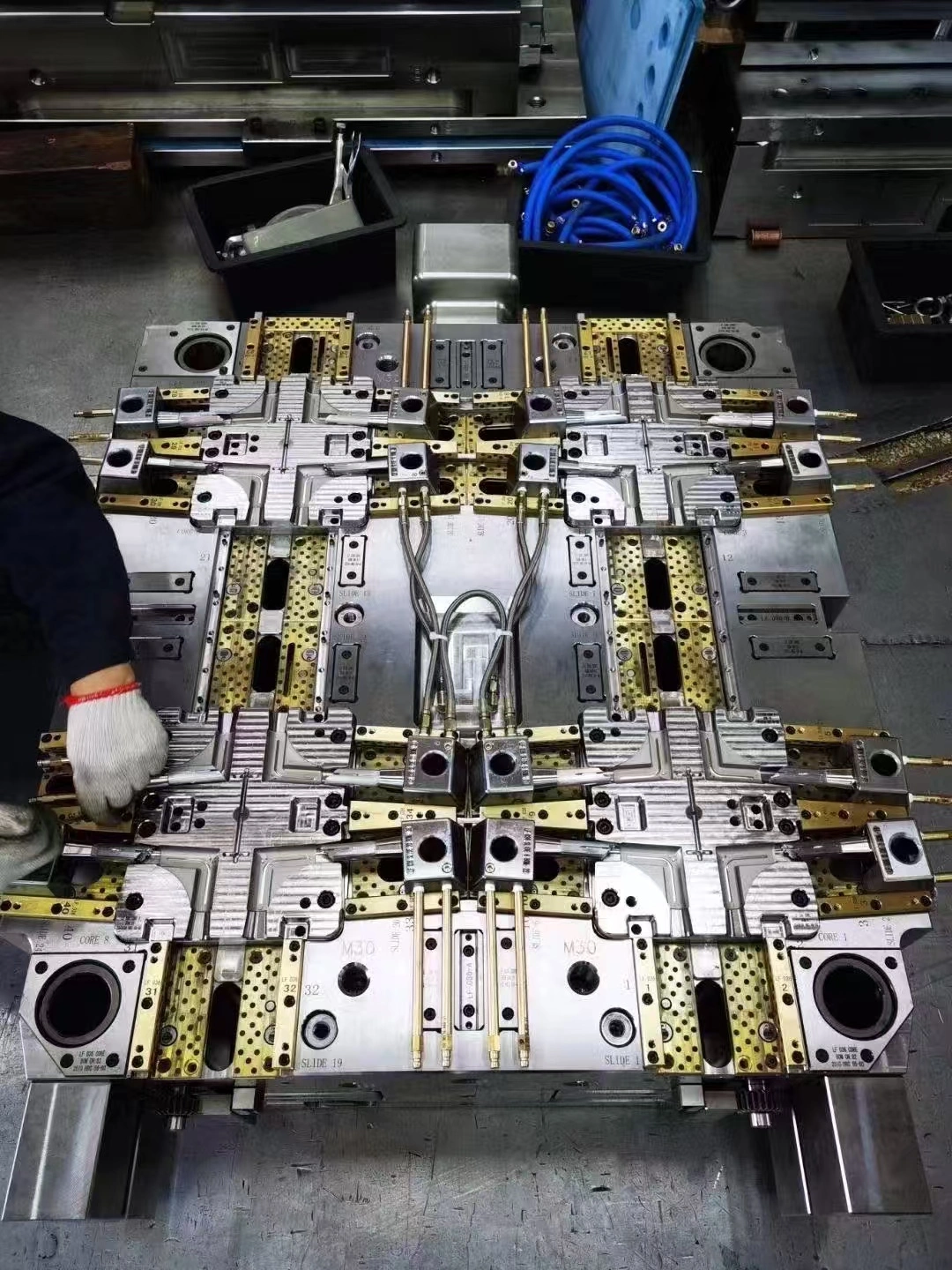
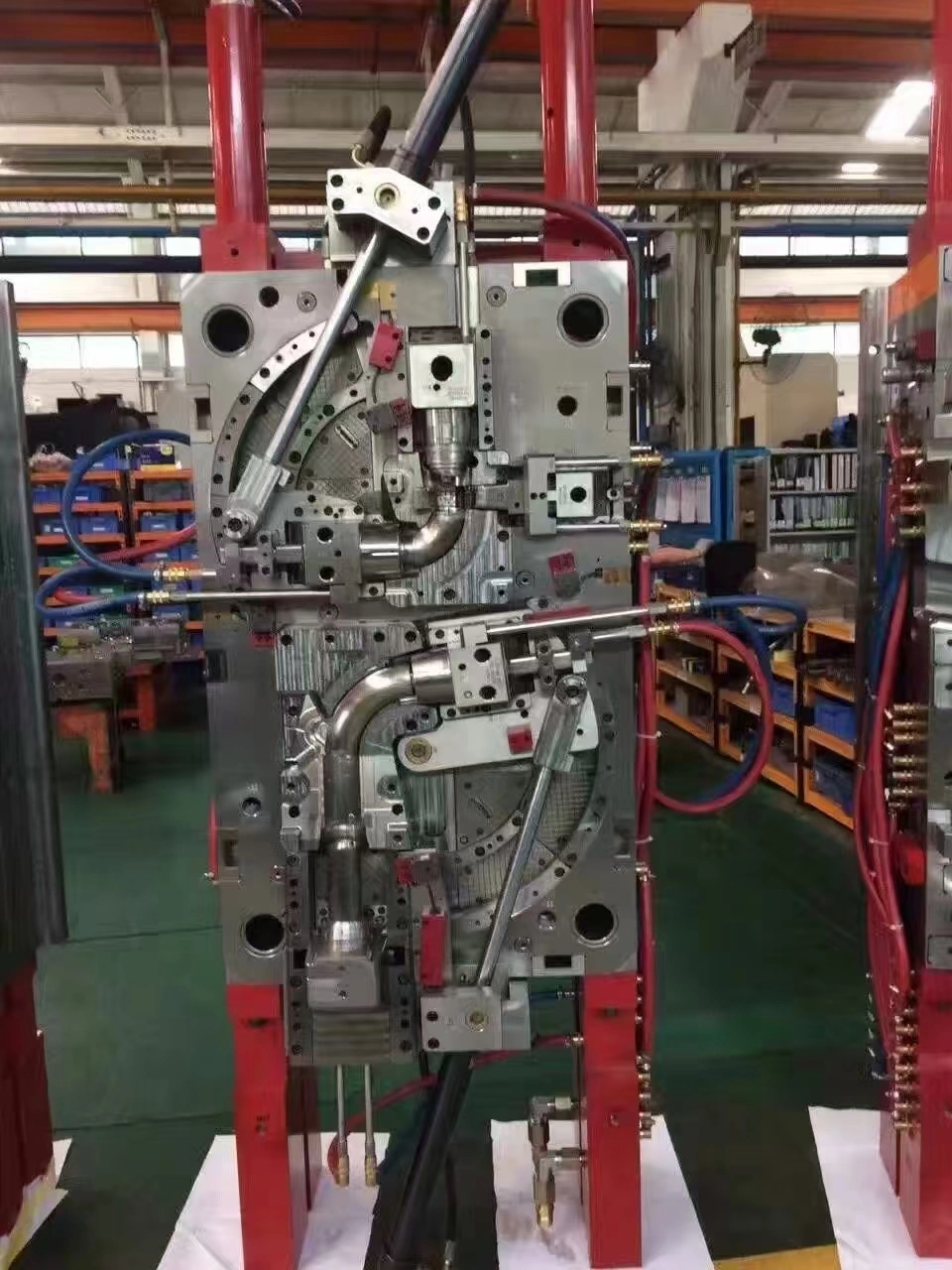
Japan is buying more and more industry parts from China because of its low prices, world-class manufacturing skills, and state-of-the-art production technologies. People in charge of buying things should work with China if they need custom plastic parts, die-casting services, or OEM manufacturing. They are very good at making molds and have full supply chains and quick logistics networks. These partnerships are very helpful for Japanese businesses because they help them meet the high quality standards they need.
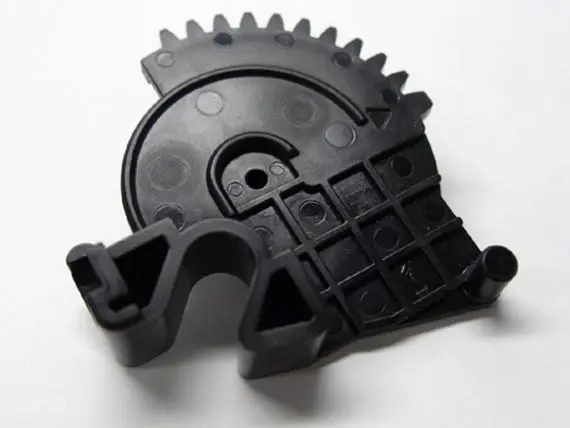
China makes more industrial parts than any other country in the world.
New and Better Tools for Making Things
China has changed a lot in the last twenty years when it comes to making things. CNC machining centers, automated injection molding systems, and precise die-casting machines are some of the most cutting edge tools used in modern factories. Now that technology has come a long way, companies can make complicated metal parts and plastic molds that meet tolerance standards around the world.
Digital technologies for making things have changed the way things are made. They make sure that the quality is always the same and cut down on lead times. Computer-aided design systems and automated production lines work together perfectly. This mix of technologies helps people who make electronics the most, especially those who need precise parts for circuit layout and semiconductor housing.
Full set of facilities for the supply chain
China has a strong supply chain ecosystem that can meet many different manufacturing needs, including those for industry parts. A lot of the places that make things are close to the places that sell raw materials, specialized tools, and finishing services. This concentration cuts down on the cost of shipping and makes it simple to get materials quickly when there is a need for them.
For the auto industry, this unified approach is very useful. Suppliers can get a wide range of materials through regional networks, from basic polymer resins to specialized materials used in chip design. Because of this, production cycles are shorter, and buyers from other countries can better control their costs.
How to Choose a Supplier in a Smart Way
In-depth look into the background
A good way to judge a supplier is to learn as much as you can about the business. Take a look at the history of making things, how much can be made, and the technical skills that are out there. Large companies that have been around for a long time, like those that have been around for more than 20 years, are stable and know how to make molds and plastic parts.
Check the supplier's list of past customers to see how much experience they have with the things you need. Most manufacturers who work in consumer goods, electronics, and cars have a lot of different technical skills that they can use on different projects. Being able to change these parts is helpful when making complicated things that need a lot of them.
Review of the Production Facility
For modern manufacturing to work, a lot of money needs to be spent on infrastructure. Take a look at how big the facilities are, what kind of equipment they have, and how skilled the staff is. If a company's building is more than 6,000 square meters, it's likely that they take making things seriously and can handle large orders.
Logistics work a lot better when things are in the right place. It's cheaper and faster to ship goods when suppliers are close to major transportation hubs. If you need to get something shipped quickly, being close to airports and seaports gives you a lot of options.
Systems for keeping track of quality
Strong quality systems are what make manufacturing partnerships that you can count on. When suppliers use comprehensive quality management, it shows that they are committed to keeping production standards high. These systems have rules for checking materials that come in, keeping an eye on work that's being done, and checking the finished product.
How well an organization documents things shows how mature it is. In regulated industries, it's important to be able to talk to each other clearly. Suppliers who keep detailed production records, quality reports, and traceability systems do just that. This information can be used in a lot of different ways in the medical device and auto industries.
Technical Communication Skills
When people from different countries can talk to each other well, they can get past differences in culture and technology. Check how the supplier talks to you, how quickly they answer, and how much they know about technology. It is usually easier to coordinate projects and solve problems faster when suppliers have their own international sales teams.
Designers who can work together well are more likely to finish a project. Suppliers who offer full design support can help make a product easier to make and lower the cost of development at the same time. This partnership is very helpful for companies that are making new products that need unique solutions.
Important Things You Need to Do to Get Certified
Standards for Quality All Over the World
In order to manage quality well for industry parts, you need to get ISO 9001 certification. For design, production, and customer service, this standard makes sure that all suppliers follow the same steps. When a company is certified, it shows that they have a plan to make things better and keep customers happy.
Certifications that are made for a certain industry meet certain needs. TS 16949 certification is often sought after by suppliers to the auto industry. On the other hand, electronics companies may look for other standards that are useful for semiconductor and integrated circuit applications. These certifications make it clear that you know a lot more about your subject.
Following the rules for the environment
For many electronic uses, you now have to follow the rules set by RoHS. This directive limits the use of dangerous materials in electronics. This makes sure that all products around the world meet safety standards. They show they care about the environment and follow the rules when they follow RoHS rules.
Following the REACH regulation is more than just following basic environmental rules. At every step of the manufacturing process, this framework makes sure that chemicals are safe. Following the rules shows that you know a lot about how things work and how to handle how they impact the environment.
Getting into nearby markets
When you put a CE mark on something, you can sell it in all European markets. Suppliers who know about CE rules can help with plans and paperwork to make sure that rules are followed. This information can help businesses that want to grow into the European market.
Extra certifications may be needed for certain types of products or groups of people. If you know these requirements before you choose a supplier, you can avoid costly delays during the product development and market introduction stages.
Source platforms and channels that work well
Sites for digital sourcing
There are websites that help buyers find qualified manufacturers of industry parts in a lot of different fields. These platforms have tools for communication, databases of production capabilities, and services that make it easier to find and check out suppliers at the start.
Platform-based sourcing makes things clear by showing ratings for suppliers, customer reviews, and past deals. Buyers can use this information to find partners they can trust and stay out of trouble. Not only do many platforms sell things, but they also offer extra services like quality checks and help with shipping.
Businesses go to trade shows
You can talk to suppliers face-to-face at trade shows and build relationships with them. At big events, top manufacturers show off their newest tools and technologies. These interactions let you have deep technical talks and get to know each other, which are both important for making partnerships last.
At regional trade shows, there are often suppliers who only deal with certain technologies or market segments. You can meet niche manufacturers at these events who are experts in things like housing for microprocessors or hardware parts for neural networks.
Links for business people
Industry groups connect buyers with well-known suppliers through networks of people who know them. Suppliers who belong to associations usually show that they care about their own growth as professionals and the standards of their industry. You can learn useful things about suppliers' reputations and past performance from these networks.
Professionals can often talk to each other and give better service when they meet through industry networks. When customers are sent to suppliers by reliable networks, those suppliers are more likely to go out of their way to make sure customers are happy and build long-term relationships with them.
Strategies for Building OEM Partnerships
Protection of Intellectual Property
Strong frameworks for protecting intellectual property (IP) build trust for OEM partnerships. Full non-disclosure agreements keep secret designs and ways of making things safe. Suppliers who show they take IP protection seriously make it safe for people to share sensitive technical information.
Clarifying who owns a design stops future disputes and makes sure that credit is given correctly. Clear agreements about design changes, improvements, and derivative works protect everyone's interests and encourage people to work together to come up with new ideas.
Create ways for people to work together.
Integrated design workflows make the process of making a product more efficient. Suppliers that offer design for manufacturing (DFM) services help make products more cost-effective while still meeting performance standards. When people work together, they often save a lot of money and make the products better.
The ability to make prototypes lets designers quickly test and improve their ideas. Suppliers that offer full prototyping services, such as both traditional and additive manufacturing options, can help with shortening development times, which is important for staying competitive in the market.
Strategies for Production Scaling
Having flexible production capacity lets you meet changing demand patterns over the lifecycle of a product. Suppliers who can make things in different sizes can handle both low-volume production at first and high-volume production later on without having to change the partnership.
Supply chain integration makes sure that materials are always available and of good quality as production grows. When suppliers keep strategic relationships with suppliers of raw materials, production stays more stable and costs are easier to predict when volume goes up.
Negotiating the MOQ and finding the best prices
Pricing Structures Based on Volume
Understanding how suppliers set their prices helps you negotiate prices more effectively. Material costs, tooling costs, and labor needs change a lot depending on how many orders are placed. Suppliers usually offer better prices for bigger orders because it saves them money on setup and makes production more efficient.
Prices are often better when there are long-term partnership agreements than when there are negotiations for individual transactions. Suppliers like stable business partnerships and may offer better prices for long-term partnerships that cover multiple projects or a lot of time.
Using Investment Strategies as Tools
Mold ownership arrangements have a big effect on costs and the flexibility of the supply chain over the long term. Buyers who keep ownership of the tools have more say over where the production comes from and how prices are negotiated in the future. But supplier-owned tools may be better for applications with lower volumes.
Tooling amortization strategies spread out the cost of initial investments over a larger amount of production. Suppliers might lower the cost of tools if you agree to make a certain amount of products or keep working with them for a longer time. Most of the time, these deals are good for both sides.
Getting the best payment terms
Flexible payment structures can help you manage your cash flow and build relationships with your suppliers at the same time. Payment plans that are tied to specific points in the production process protect both the buyer and the supplier's need for working capital.
Currency hedging strategies protect long-term projects against changes in the value of the dollar. Suppliers who offer multiple currencies or fixed-rate agreements make it easier to plan for costs, which is important for making accurate project budgets.
Quality Assurance and Factory Audit Protocols
Pre-Production Quality Planning
Comprehensive quality planning prevents production issues and ensures consistent output. Detailed quality agreements specify inspection criteria, testing procedures, and acceptance standards. These agreements establish clear expectations and measurement criteria for ongoing quality assessment.
Control plan development addresses critical quality points throughout production processes. These plans identify key measurements, inspection frequencies, and corrective action procedures. Suppliers maintaining detailed control plans demonstrate systematic approaches to quality management.
In-Process Monitoring Systems
Statistical process control (SPC) systems provide real-time production quality feedback. Suppliers implementing SPC demonstrate commitment to consistent quality and continuous improvement. These systems enable early problem detection and corrective action implementation.
Automated inspection systems enhance quality consistency while reducing human error potential. Vision systems, coordinate measuring machines, and automated testing equipment provide objective quality assessment and detailed documentation for traceability requirements.
Third-Party Verification Services
Independent quality audits provide objective assessments of supplier capabilities and performance. Professional audit services evaluate manufacturing processes, quality systems, and compliance with specified standards. These audits offer valuable insights for supplier selection and ongoing partnership management.
Pre-shipment inspection services verify product quality before delivery. These inspections provide final quality confirmation and documentation supporting acceptance decisions. Regular inspection services help maintain quality standards and identify improvement opportunities.
Leading Supplier Characteristics for 2025
Digital Manufacturing Integration
Advanced manufacturers embrace digital transformation technologies including IoT sensors, machine learning algorithms, and predictive maintenance systems. These technologies enable superior production efficiency, quality consistency, and responsive customer service.
Digital twin technologies allow virtual production optimization before physical manufacturing begins. Suppliers utilizing these advanced simulation capabilities can optimize production parameters and identify potential issues during design phases, reducing development risks and costs.
Sustainability Initiatives
Environmental responsibility has become a crucial supplier selection criterion. Leading manufacturers implement comprehensive sustainability programs addressing energy consumption, waste reduction, and material recycling. These initiatives align with corporate sustainability goals while often providing cost benefits.
Circular economy principles guide material selection and waste management strategies. Suppliers incorporating recycled materials and designing for recyclability support environmental objectives while potentially reducing material costs through innovative approaches.
Advanced Material Capabilities
Next-generation materials enable innovative product designs and improved performance characteristics. Suppliers investing in advanced material processing capabilities, including high-performance polymers and specialized metal alloys, provide competitive advantages for product development.
Additive manufacturing integration expands design possibilities while reducing tooling requirements for low-volume applications. Suppliers combining traditional manufacturing with 3D printing capabilities offer flexible solutions for diverse production requirements.
Conclusion
Selecting the right Chinese supplier for industry parts requires systematic evaluation of manufacturing capabilities, quality systems, and partnership potential. Successful sourcing strategies emphasize comprehensive due diligence, clear communication protocols, and mutually beneficial partnership development. The most effective supplier relationships combine technical expertise with cultural understanding and shared commitment to quality excellence.
Modern Chinese manufacturers offer sophisticated capabilities rivaling global leaders while maintaining competitive advantages in cost efficiency and production flexibility. Buyers who invest time in proper supplier selection and relationship development often achieve superior results compared to purely price-driven sourcing strategies. Strategic partnerships with qualified Chinese suppliers provide sustainable competitive advantages in today's dynamic global marketplace.
FAQ
Q: How long does it typically take to develop a new mold for plastic components?
A: Mold development timelines vary based on complexity, but typical ranges span 2-8 weeks for standard applications. Complex automotive or electronics components may require 10-12 weeks for precision tooling. Experienced manufacturers often provide detailed project timelines during quotation phases, helping buyers plan production schedules effectively.
Q: What minimum order quantities should I expect for custom plastic parts?
A: MOQs depend on component complexity and tooling requirements. Simple injection molded parts typically start around 1,000-5,000 pieces, while complex assemblies may require 10,000+ pieces for cost-effective production. Many suppliers offer flexibility for initial orders to support product validation and market testing.
Q: How can I protect my intellectual property when working with Chinese manufacturers?
A: Comprehensive IP protection involves multiple strategies including detailed NDAs, design ownership agreements, and careful information sharing protocols. Work with suppliers demonstrating strong IP protection practices and consider legal consultation for high-value proprietary designs. Many established manufacturers maintain strict confidentiality procedures developed through years of international partnerships.
Work together with Yongsheng to do well in manufacturing.
As one of the best parts makers in its field, Yongsheng has been in business for more than 30 years and has a lot of experience making OEM parts and custom molds. Our ISO 9001:2015-certified 6,000-square-meter building is home to more than 300 skilled workers who are dedicated to giving you the best quality and service. We are experts at offering full solutions, from the initial design meeting to the final production and post-production.
We are in a great spot in Dongguan, the famous "Town of Molds." This gives us unbeatable access to specialized suppliers and fast shipping links. Precision plastic molds for electronics, die-casting solutions for auto parts, and full OEM manufacturing partnerships are all things that Yongsheng can do. They always go above and beyond what is asked of them. Working with a dependable supplier of industrial parts that wants your business to succeed will be good for you. Are you ready to talk about the next project? Send us an email at sales@alwinasia.com to find out how our skills can help you speed up the process of making your product.
References
1. Manufacturing Industry Development Report, China Association of Automobile Manufacturers, 2024
2. Global Supply Chain Trends in Electronics Manufacturing, International Electronics Manufacturing Initiative, 2024
3. Quality Management Systems in Asian Manufacturing, ISO Technical Committee Report, 2023
4. Automotive Parts Sourcing Strategies, Society of Automotive Engineers International, 2024
5. Plastic Manufacturing Technologies and Market Analysis, Plastics Industry Association, 2024
6. OEM Partnership Development Best Practices, International Manufacturing Association, 2023