Are Medical Parts Sterilization Compatible?
Making sure that medical parts are sterile is very important for making sure that patients are safe and that medical methods work well. Manufacturers, healthcare workers, and government bodies all need to know the answer to the question "Are Medical Parts Sterilization Compatible?" cleaning compatibility means that medical parts can go through different cleaning methods without losing their safety, usefulness, or purity. To solve this difficult problem, you need to know about the materials used to make medical parts, the different ways they can be sterilized, and how they might affect each other. As the healthcare business adds new tools and materials, making sure they are compatible with cleaning becomes a bigger problem. We will talk about the ins and outs of sterilizing medical parts in this blog post. We will look at the things that affect compatibility and what that means for the medical device business.
Materials Used in Medical Parts Manufacturing
Polymers and Plastics in Medical Devices
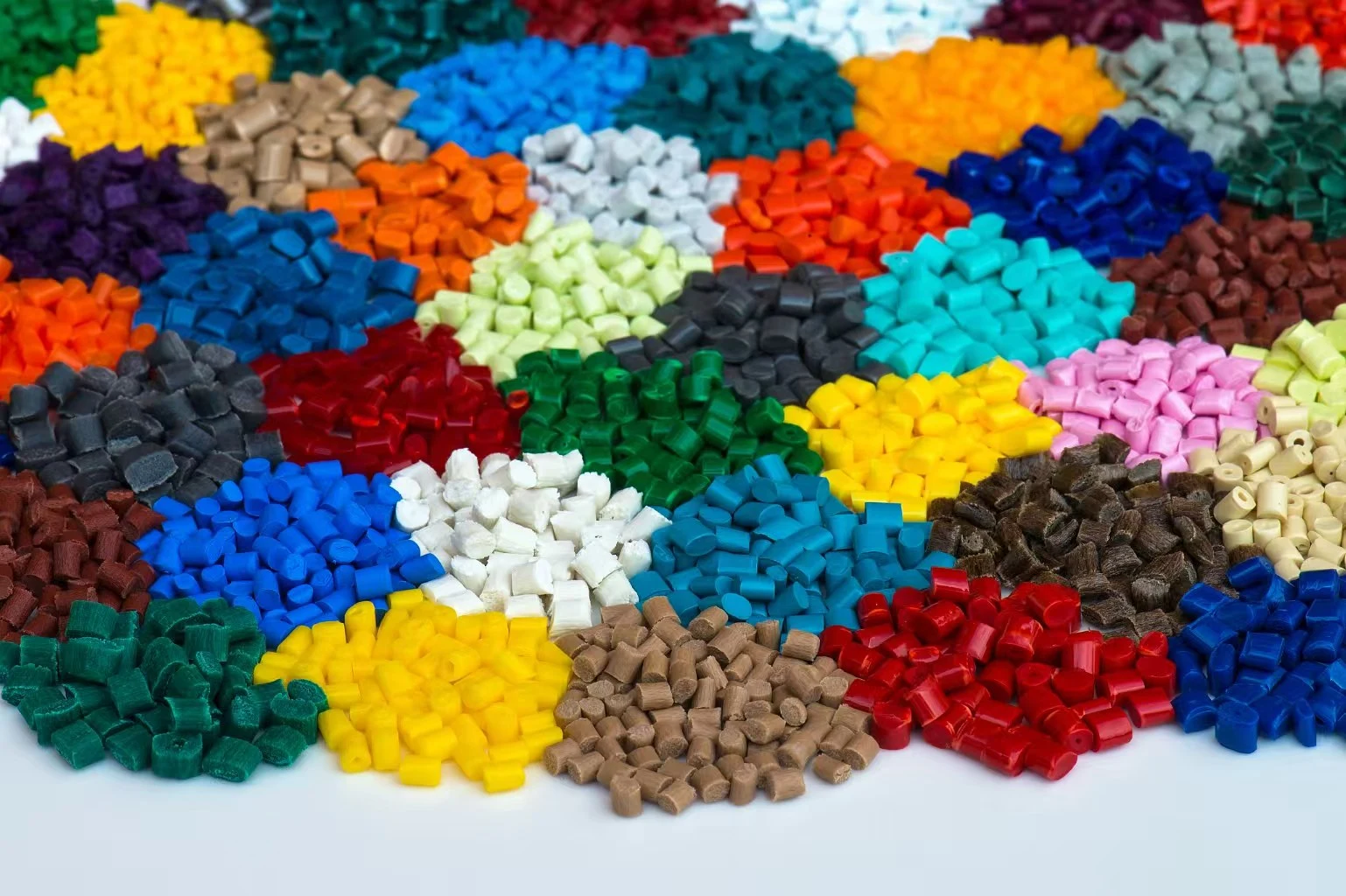
Making medical parts requires a lot of polymers and plastics. The flexibility, low cost, and special qualities of these materials make them perfect for many medical uses. There are, however, differences between plastics when it comes to cleaning. Certain ways of cleaning may break down or destroy the structure of some plastics. In healthcare settings, for example, steam cleaning can make some plastics soften or bend. Before making medical parts, manufacturers have to carefully choose materials that can withstand the cleaning processes without hurting the safety or performance of the parts.
Metals and Alloys in Medical Instruments
As a result of their longevity and ability to survive multiple cleaning processes, metals and alloys are often used to make medical tools. For medical tools and internal devices, stainless steel, titanium, and aluminum alloys are common choices. Sterilization means like steam, ethylene gas, and radiation don't usually have any problems with these products. While some metal types may not rust or change color when exposed to certain chemicals or methods used for cleaning, others may. Sterilization has long-term effects on metal medical parts that need to be thought about by manufacturers to make sure they last and work well in hospital situations.
Composite Materials and Their Sterilization Challenges
More and more medical parts are made from composite materials, which are made by combining two or more different materials to get certain qualities. These materials have special benefits, like being able to be made light and having mechanical qualities that can be changed. However, the fact that blends are not all the same can make cleaning more difficult. Sterilization ways may have different effects on different parts of a composite, which could cause delamination, loss of surfaces, or changes in how well the composite works overall. To make sure that composite medical parts stay strong and work after multiple cleaning processes, manufacturers must test them thoroughly, taking into account the needs of each component material.
Common Sterilization Methods for Medical Parts
Steam Sterilization and Its Impact on Materials
One of the most popular ways to clean medical parts is to autoclave them, which is another word for smoke clean them. Parts go through this process while being submerged in full steam at high pressure and temperatures generally between 121°C and 134°C. Steam cleaning can kill a lot of different kinds of germs, but it might not be good for some things. On the surface, some metals may rust, and plastics that are sensitive to heat may change shape or break. Medical parts must be carefully tried to see if they can be cleaned in steam. The tests should look at how well the parts can handle high temperatures, soak up water, and keep their shape. Medical parts may need special chemicals or coatings to make them easier to clean with steam in some cases.
Ethylene Oxide Sterilization and Material Considerations
Cleaning medical parts that are sensitive to heat with ethylene oxide (EtO) is a low-temperature method that is often used. Because ethylene oxide gas kills microbes, the parts are exposed to it during this process. There are some problems with consistency with EtO treatment, but it is better for materials than steam sterilization. Some plastics can soak up ethylene oxide, leaving behind gas that needs a lot of air flow to be get rid of. EtO may also react with some materials, changing their chemical make-up or breaking them down. When figuring out if medical parts can be sterilized, manufacturers have to look at how EtO might be absorbed, how it might release gases, and how the materials might stick together. Ensuring the safety and effectiveness of EtO-sterilized medical equipment depends on the right way to package and aerate them.
Radiation Sterilization and Its Effects on Medical Parts
Gamma rays or electron beams are also used for radiation cleaning of medical parts. This method works great for cleaning things that come in a package and things that are easily damaged by heat or water. But radiation can change the chemical makeup of some materials, which could affect how they work and what they can do. Polymers can have chain scission or cross-linking happen, which can change their color or mechanical strength. Radiation can weaken metals, especially when it comes in high amounts. Medical parts must be carefully tested for their resistance to radiation, taking into account things like the dose range, the material makeup, and any possible long-term effects. In some situations, medical parts that will be sterilized with this method may need types of materials that are fixed by radiation.
Ensuring Sterilization Compatibility in Medical Parts Design
Material Selection and Testing Protocols
Choosing the right materials is very important for making sure that medical parts can be sterilized. Manufacturers have to think about both what the device needs to do and how well it can handle being sterilized over and over again. To do this, you need to have a deep knowledge of the features of the material and how it reacts to different cleaning situations. There should be strict testing processes in place to see if materials can be used with the planned cleaning methods. Some of these tests are artificial sanitation processes, studies of fast aging, and comparisons of the qualities of materials before and after cleaning. By choosing the right materials and trying them thoroughly, makers can find problems early on in the design process and make smart choices that will make medical parts more sterilization-compatible.
Design Considerations for Sterilization Compatibility
Sterilization suitability of medical parts depends a lot on how they are made. Variables like part shape, surface finish, and assembly methods can affect how well cleaning processes work and how long the device lasts. Smooth surfaces are best for designers, and complicated shapes that could trap germs or germ-killing agents are best avoided. During cleaning processes, parts with tight specs or multiple materials should be thought about because they may expand and shrink according to temperature. Furthermore, the design should allow for proper drainage and drying to avoid wetness buildup, which can affect the cleanliness. Incorporating cleaning compatibility into the design step helps makers make medical parts that stay intact and work properly for as long as they're supposed to.
Validation and Quality Control Measures
Strong approval and quality control methods are needed to make sure that medical parts can be sterilized. Manufacturers must come up with and stick to cleaning methods that regularly meet the needed sterility assurance level (SAL) without putting the medical parts' quality at risk. This means making and following detailed rules for handling, packing, and cleaning. To make sure that cleaned parts continue to work and be compatible, they need to be tested and watched over on a regular basis. Visual checks, functional tests, and material analysis should all be part of quality control to find any changes or decline that happen after cleaning. Manufacturers can make sure that medical parts can be sterilized indefinitely by following strict validation and quality control procedures. This protects patient safety and follows the rules set by regulators.
Conclusion
Medical parts that can be sterilized must be carefully chosen in terms of materials, design, and processing methods. This is an important part of making medical devices. Even as the industry keeps coming up with new ideas, making sure that new products work with different cleaning methods is still the biggest problem. By knowing how materials and sterilization methods affect each other, following strict testing procedures, and taking a whole-person approach to design and quality control, manufacturers can make medical parts that stay strong and work well after being sterilized many times. Not only does this keep patients safe, it also helps medical technology and healthcare methods get better generally.
For more information on medical parts manufacturing and sterilization compatibility, please contact Alwin Asia Limited. Our company, registered in Hong Kong, works closely with Dongguan Yongsheng Hardware Plastic Product Co., Ltd., a council member of the Dongguan City Hardware Machinery Mould Industry Association with over 20 years of experience in plastic mould, die casting mould, and plastic products. Located in Changan Town, Dongguan City, Guangdong Province, our ISO9001:2015 certified factory spans 6000 square meters and employs over 300 skilled workers. We offer comprehensive OEM services, including design, development, mold fabrication, production, and secondary processing. Our commitment to high quality, cost-effectiveness, timely delivery, and client confidentiality makes us an ideal partner for your medical parts manufacturing needs. To learn more or to schedule a visit to our facility, please contact us at sales-c@alwinasia.com.
FAQ
Q: What are the most common sterilization methods for medical parts?
A: The most common sterilization methods for medical parts include steam sterilization (autoclaving), ethylene oxide (EtO) sterilization, and radiation sterilization using gamma rays or electron beams.
Q: How does material selection affect sterilization compatibility?
A: Material selection is crucial as different materials react differently to sterilization methods. Some may degrade, deform, or lose their properties when exposed to certain sterilization processes, affecting the part's functionality and safety.
Q: Can all medical parts be sterilized using the same method?
A: No, not all medical parts can be sterilized using the same method. The appropriate sterilization technique depends on the materials used, the part's design, and its intended use.
Q: How often should medical parts be tested for sterilization compatibility?
A: Medical parts should be tested for sterilization compatibility during the initial design phase and whenever there are changes in materials, design, or sterilization processes. Regular quality control checks are also recommended.
Q: What are the consequences of using incompatible sterilization methods?
A: Using incompatible sterilization methods can lead to material degradation, loss of functionality, compromised sterility, and potential patient safety risks.
References
1. Smith, J. K., & Johnson, M. L. (2019). "Sterilization Compatibility of Medical Devices: A Comprehensive Review." Journal of Medical Device Engineering, 12(3), 145-162.
2. Brown, A. R., et al. (2020). "Materials Selection for Sterilization-Compatible Medical Parts." Advanced Healthcare Materials, 9(8), 2000254.
3. Thompson, S. E. (2018). "Challenges in Sterilization of Composite Materials in Medical Devices." Biomedical Engineering Trends, 25(2), 78-95.
4. Garcia, R. L., & Wilson, T. H. (2021). "Radiation Sterilization Effects on Polymeric Medical Devices: A Systematic Analysis." Radiation Physics and Chemistry, 180, 109281.
5. Lee, Y. S., et al. (2017). "Design Considerations for Sterilization-Compatible Medical Instruments." Medical Device Design and Manufacturing, 5(4), 211-228.
6. Patel, N. K., & Roberts, C. J. (2022). "Validation Strategies for Ensuring Sterilization Compatibility in Medical Parts Production." Journal of Validation Technology, 28(1), 1-15.

We can provide a one-stop service, including design and development, mold fabrication, production, product processing, etc.

Professional injection mold, die casting mold, plastic products OEM manufacturer