Why use multi-cavity design in plastic mold systems?
When it comes to making plastic products, speed and low cost are very important. The creation and use of multi-cavity design in plastic mold systems is one of the most important steps forward in this field. This new way of doing things has changed the way things are made because it lets producers make many similar parts at the same time in a single mold. But why should businesses think about using multi-cavity design in their plastic molds? There are many uses and benefits of multi-cavity molds that will be discussed in this blog post. These include how they can greatly increase production output, lower costs, and make manufacturing more efficient overall. We'll look at the strong reasons why multi-cavity design has become an essential tool in modern plastic manufacturing, from higher efficiency to better quality control.
Advantages of Multi-Cavity Plastic Molds
Increased Production Efficiency
It is much easier to make things with multi-cavity plastic molds than with single-cavity molds. By letting multiple parts be made at the same time in the same mold, producers can make a lot more without having to spend a lot more time or money on production. This rise in productivity is especially useful for high-volume production, where even small cuts in cycle time can save a lot of money and make the company more competitive. Using multi-cavity molds also makes injection molding tools more useful because they can make more than one part in the same run, which increases the return on investment of the equipment.
Cost Reduction in Manufacturing
Using multi-cavity design in plastic mold systems could greatly lower the cost of production, which is one of the main reasons to do so. An initial investment in a multi-cavity mold may be higher than an initial investment in a single-cavity mold, but the long-term cost savings are immense. Manufacturing companies can lower the general energy use per part, cut down on material waste, and save money on labor costs by making multiple parts in a single run. Additionally, economies of scale often happen because multi-cavity molds can make more products, which lowers the cost per unit and increases total revenue.
Consistent Quality Across Parts
Plastic models with more than one hole are useful because they can make parts of the same quality in all of them. Each hole gets a uniform and controlled flow of liquid plastic during the injection process. This stability is made possible by the careful design and building of the mold. For this reason, the parts are almost exactly the same in terms of their size, finish, and how they work. When accuracy and dependability are very important, like in the car, medical device, and consumer goods businesses, this regularity is very important. Multi-cavity molds help lower their waste and raise the quality of their products by reducing differences between parts. This makes customers happier and lowers the number of guarantee claims.
Design Considerations for Multi-Cavity Molds
Balancing Flow and Cooling
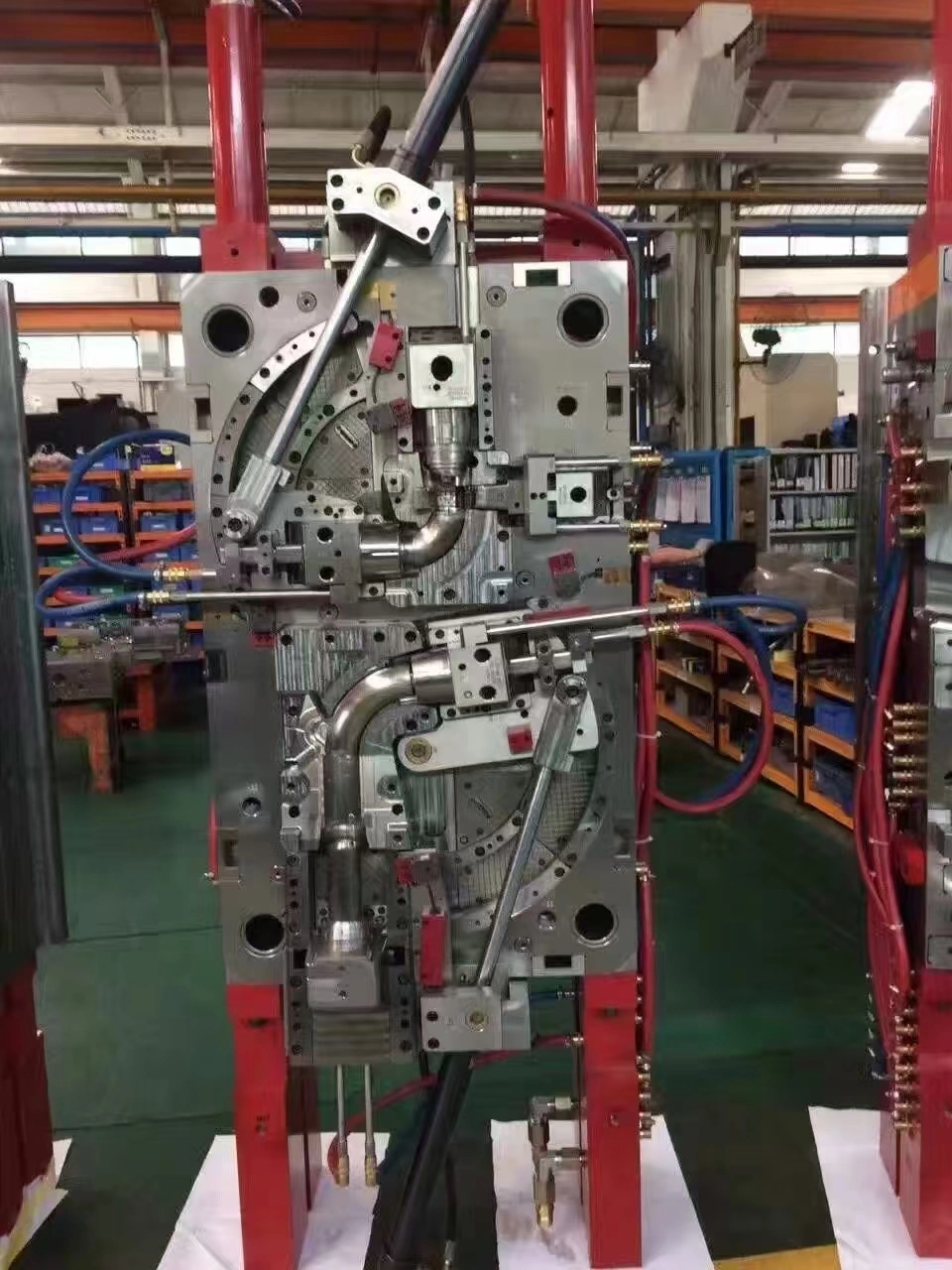
One of the most important things to think about when making multi-cavity plastic molds is making sure that all of the holes have the same amount of flow and cooling. To make sure that part quality is the same and cycle times are the same, this balance is a must. Engineers have to carefully plan the runner system so that the liquid plastic flows evenly into each hole. They have to think about things like the length of the flow path, the drop in pressure, and the rates of shear and flow. Also, the cooling system needs to be made so that it removes heat evenly from all spaces. This keeps the parts from warping and changing sizes. A lot of the time, advanced modeling software and flow analysis tools are used to make these parts of multi-cavity mold design better. This helps to find and fix problems before the mold is made.
Cavity Layout and Spacing
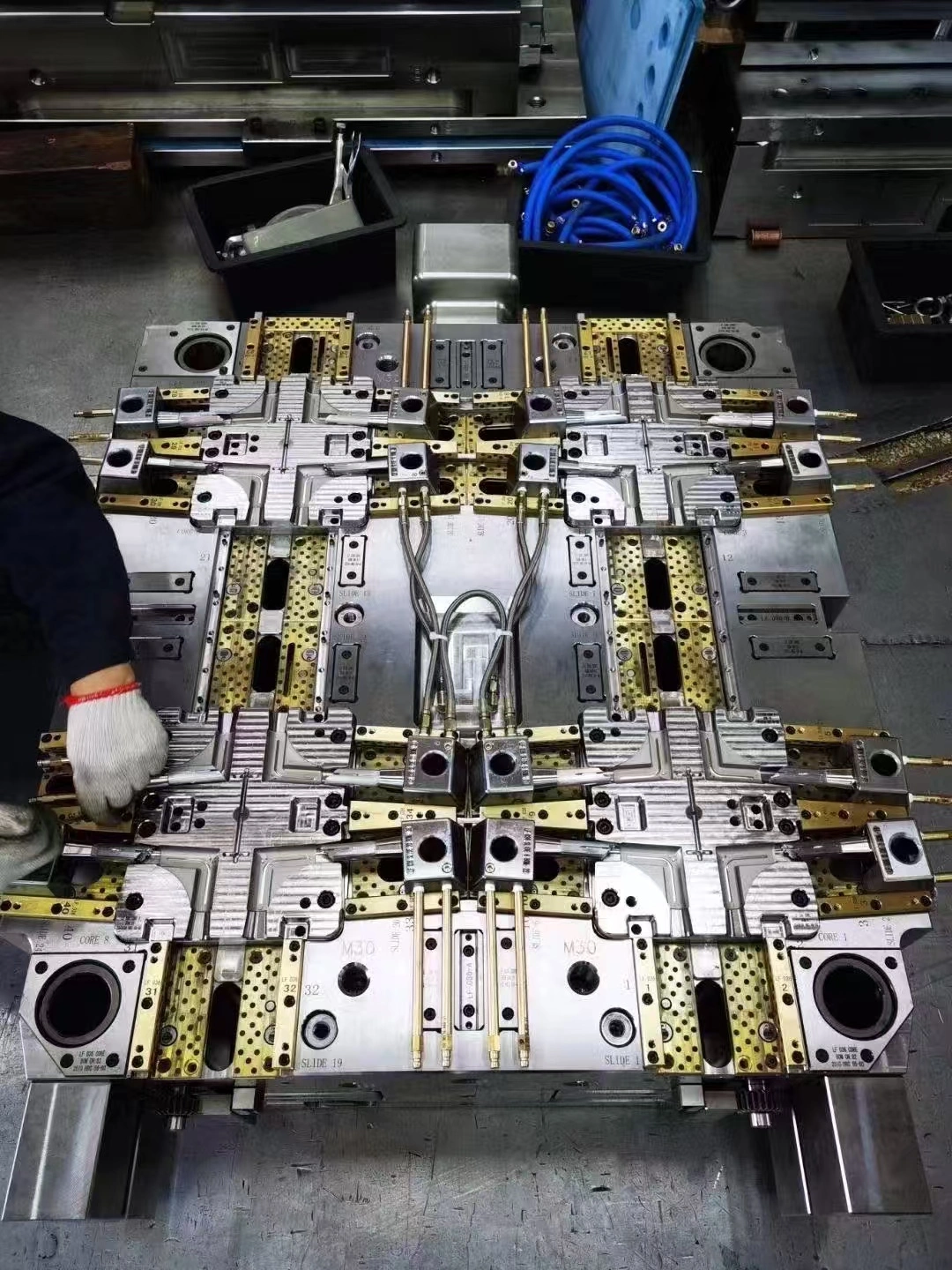
The arrangement and distance between holes in a multi-cavity plastic mold are important factors that affect both the quality of the part and the performance of the cast. Designers have to think about how to best order the holes so that the mold space is used most efficiently and there is enough room between the cavities to keep the structure strong and the cooling process working well. The release system should also be taken into account in the plan so that parts can be taken out of the mold easily and regularly without getting damaged. Sometimes, a symmetrical plan is better to keep the forces inside the mold even during injection and closing. The space between holes must also be big enough to allow for enough cooling pathways and support structures. This is done by finding a balance between the need for strong mold building and the desire for as many cavities as possible.
Material Selection and Gating
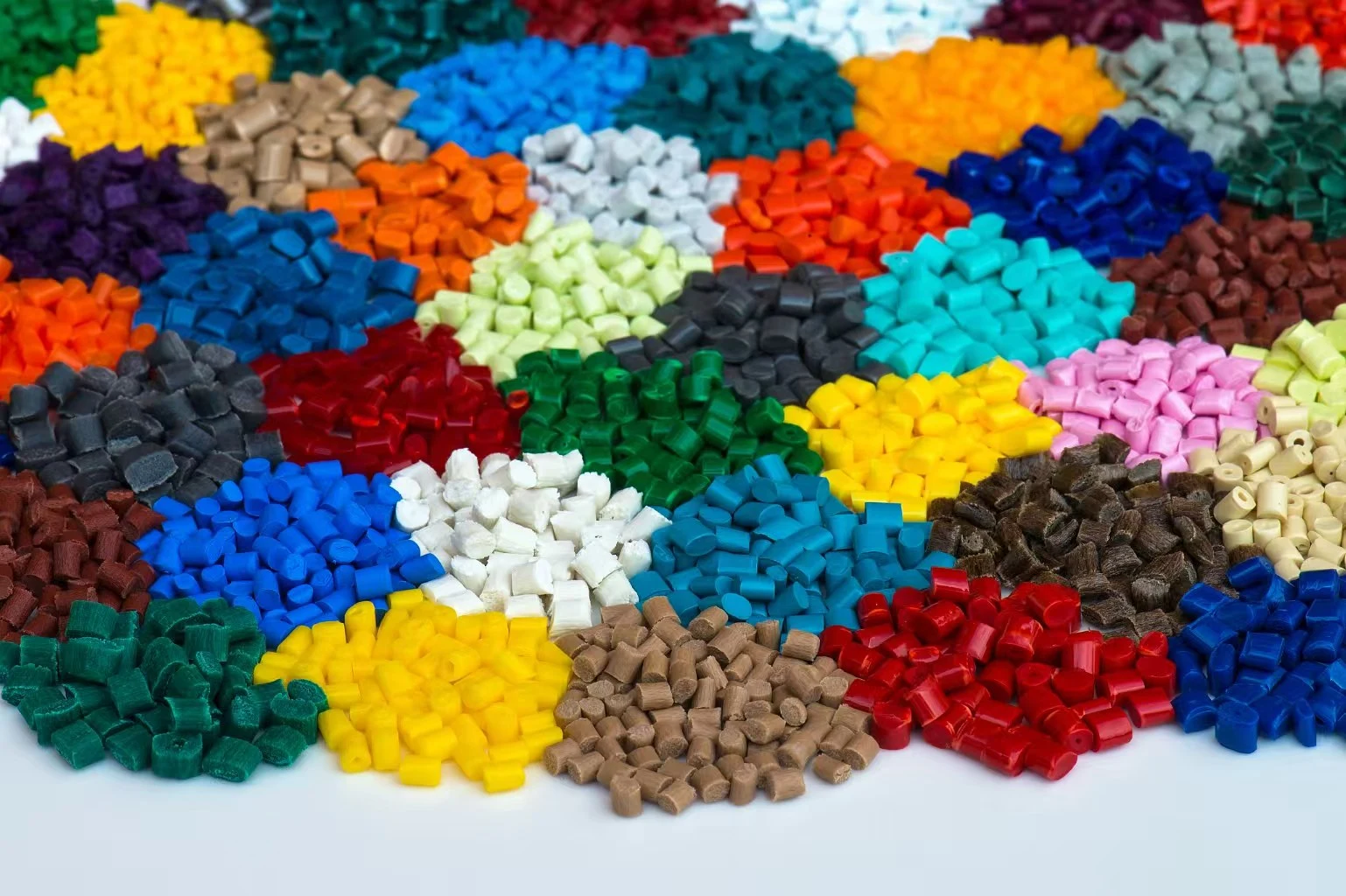
Picking the correct materials for multi-cavity plastic molds is very important for making sure they last, work well, and make good parts. Designers of molds have to choose materials that can handle the high temperatures and pressures that come with injection casting. These materials also have to be able to fight wear and heat transfer well. Different types of tool steel, aluminum, and beryllium copper alloys are often used to make multi-cavity molds. Each has its own advantages when it comes to longevity, heat transfer, and machineability. The method for controlling the flow of liquid plastic into each hole, called a "gating system," needs to be carefully thought out so that each cavity is filled evenly and there aren't too many gate marks on the finished parts. In multi-cavity molds, hot runner systems are often used instead of a cold runner to cut down on material waste and speed up cycle times.
Applications and Future Trends
Industries Benefiting from Multi-Cavity Molds
Many different types of businesses use multi-cavity plastic molds, which are useful because they lower production costs and raise the quality of the products they make. Multiple-cavity molds are used in the car industry to make small internal parts as well as bigger body pieces. This lets makers meet high-volume needs while still keeping high quality standards. For fast production of bottle caps, cases, and other high-volume things, the packing business counts on multi-cavity molds all the time. For medical devices like syringes, test tubes, and monitoring tools, multi-cavity molds make it possible to make a lot of accurate, clean parts. To make complex plastic housings and parts for smartphones, computers, and other devices, companies that make consumer electronics use multi-cavity molds. This technology helps them be consistent and work more efficiently.
Advancements in Multi-Cavity Mold Technology
The field of multi-cavity plastic mold creation is always changing as new technologies and methods come out to make things work better and do more. Advanced sensors and tracking systems are being built into multi-cavity molds, which lets real-time data collection on things like pressure, temperature, and flow rates in each cavity. This is a big trend. This information can help improve the casting process, find problems before they become flaws, and make sure that the quality of the part is the same in all of its holes. Another area of progress is the use of additive manufacturing to make complex cooling lines inside mold inserts. This makes cooling of multi-cavity molds more efficient and even. Also, as new mold materials and coverings are made, multi-cavity molds that are more sturdy and heat-resistant can be made. These molds can handle higher pressures and temperatures, which means they work better and last longer.
Sustainability and Multi-Cavity Molding
Multiple-cavity plastic molds are a key part of making plastic production less harmful to the environment, which is becoming an increasingly important factor in manufacturing. Multi-cavity molds minimize the amount of energy and material wasted per part made by letting more than one part be made in a single session. With this level of speed, the producing process leaves behind less carbon. Multi-cavity molds can also help with cutting down on waste by improving regularity and quality control. This can lead to fewer scraps. With the help of multi-cavity molding's speed, some makers are also looking into using bio-based and recycled plastics in these situations. This would make it more cost-effective to use environmentally friendly materials. It is expected that multi-cavity molds will become more important in making plastic production more environmentally friendly as the industry continues to focus on circular economy ideas.
Conclusion
Multi-cavity design in plastic mold systems is a big step forward in manufacturing technology. It has many benefits, such as higher production speed, lower costs, and uniform part quality. The use of multi-cavity molds is expected to grow as businesses continue to need more precise plastic parts in larger quantities. Mold design, material, and tracking technologies are always getting better, which should make multi-cavity systems even more useful and capable. Manufacturers can become more competitive, have less of an effect on the environment, and keep up with the changing needs of modern production by using this technology.
For those seeking expertise in multi-cavity plastic mold systems, Alwin Asia Limited, registered in Hong Kong, offers comprehensive solutions through its subsidiary, Dongguan Yongsheng Hardware Plastic Product Co., Ltd. With over 20 years of experience and ISO9001:2015 certification, Yongsheng specializes in plastic mold, die casting mold, and plastic products. Located in Changan Town, Dongguan City, known as the Town of Molds, the company provides one-stop services including design, development, mold fabrication, production, and secondary processing. Their commitment to high quality, cost-effectiveness, and on-time delivery makes them an ideal partner for businesses looking to leverage the benefits of multi-cavity mold systems. For more information or to discuss your specific needs, please contact them at sales-c@alwinasia.com.
FAQ
Q: What is a multi-cavity mold?
A: A multi-cavity mold is a plastic injection mold designed to produce multiple identical parts simultaneously in a single molding cycle.
Q: How does a multi-cavity mold improve production efficiency?
A: Multi-cavity molds increase production efficiency by allowing multiple parts to be produced in a single cycle, reducing overall production time and resource usage.
Q: Are multi-cavity molds more expensive than single-cavity molds?
A: While the initial investment for a multi-cavity mold is typically higher, the long-term cost benefits often outweigh this, leading to reduced per-part costs in high-volume production.
Q: What industries commonly use multi-cavity molds?
A: Multi-cavity molds are widely used in industries such as automotive, packaging, medical devices, and consumer electronics.
Q: How do multi-cavity molds contribute to sustainability in manufacturing?
A: Multi-cavity molds enhance sustainability by reducing energy consumption and material waste per part, leading to a lower overall carbon footprint in plastic manufacturing.
References
1. Smith, J. (2019). Advancements in Multi-Cavity Mold Design for Plastic Injection Molding. Journal of Manufacturing Technology, 45(3), 278-295.
2. Johnson, M. & Lee, K. (2020). Optimizing Cooling Systems in Multi-Cavity Plastic Molds. International Journal of Polymer Science, 2020, 1-15.
3. Brown, R. (2018). Cost-Benefit Analysis of Multi-Cavity vs. Single-Cavity Molds in High-Volume Production. Plastics Engineering, 74(6), 14-22.
4. Chen, Y., et al. (2021). Sustainability Implications of Multi-Cavity Mold Systems in Plastic Manufacturing. Journal of Cleaner Production, 295, 126420.
5. Garcia, A. & Wilson, T. (2017). Quality Control Strategies for Multi-Cavity Plastic Injection Molds. Quality Engineering, 29(4), 423-438.
6. Thompson, E. (2022). Industry 4.0 and Smart Manufacturing: The Role of Multi-Cavity Molds. Advanced Manufacturing Technology, 12(2), 156-170.

We can provide a one-stop service, including design and development, mold fabrication, production, product processing, etc.

Professional injection mold, die casting mold, plastic products OEM manufacturer