Plastic product surface finishing and aesthetic control
When it comes to making plastic products, surface finishing and stylistic control are very important for deciding how good and appealing the finished products are. A variety of techniques and methods are used in these processes to improve the look, feel, and general charm of plastic goods. One cannot stress how important it is to have a good surface finish on everything from smartphones to car parts to home tools to medical devices. It not only makes the product look better, but it also makes it work better, last longer, and be more valuable on the market. This blog will talk about different aspects of finishing the surface of plastic products and controlling their looks. It will look at the methods, technologies, and best practices that companies use to make plastic products that look great, feel good, and meet or exceed customer standards.

Advanced Surface Finishing Techniques for Plastic Products
Texturing and Embossing
Giving plastic items more meaning, personality, and value by texturing and painting the outside is an important part of finishing them off. These methods raise or shape images on the surface of plastic items to make them look better and give you better grip or physical feedback. Custom molds or tools used after production are often needed to create textures that range from smooth leather-like finishes to intricate geometric patterns. Color is a very important part of design because it affects how people see the brand and how good they think the product is. Surface flaws and scratches can be hidden by texture, which can also make the product look better for longer.
Painting and Coating Applications
Paint and sealing uses can be used in many ways to make plastic goods look better and work better. With these methods, makers can add color, make effects like shiny or iridescent, and add layers of protection against chemicals, UV light, and wear. Robotic spray systems and electrostatic finishing are two examples of advanced painting technologies that make sure that big plastic products runs have even covering and perfect color matching. Plastic items can also get special qualities from coatings, like anti-fingerprint finishes for electronics or antibacterial surfaces for medical devices. It is very important to choose the right paint or covering mixtures to make sure they stick to the plastic and last a long time in a variety of weather circumstances.
Polishing and Buffing Techniques
Plastic items can have high-gloss, mirror-like finishes by using polishing and rubbing methods. These methods use rough materials and special tools to even out uneven surfaces and make a smooth, shiny one. By using controlled cleaning methods, makers can choose smooth or matte finishes for items that need a more understated look. Because shine can have a big effect on how valuable and high-quality a product is thought to be, cleaning is an important part of making high-end plastic goods. When polished properly, a product can fight dirt buildup and be easier to clean, which can improve its long-term looks and customer happiness.
Quality Control Measures in Plastic Product Aesthetics
Color Consistency and Management
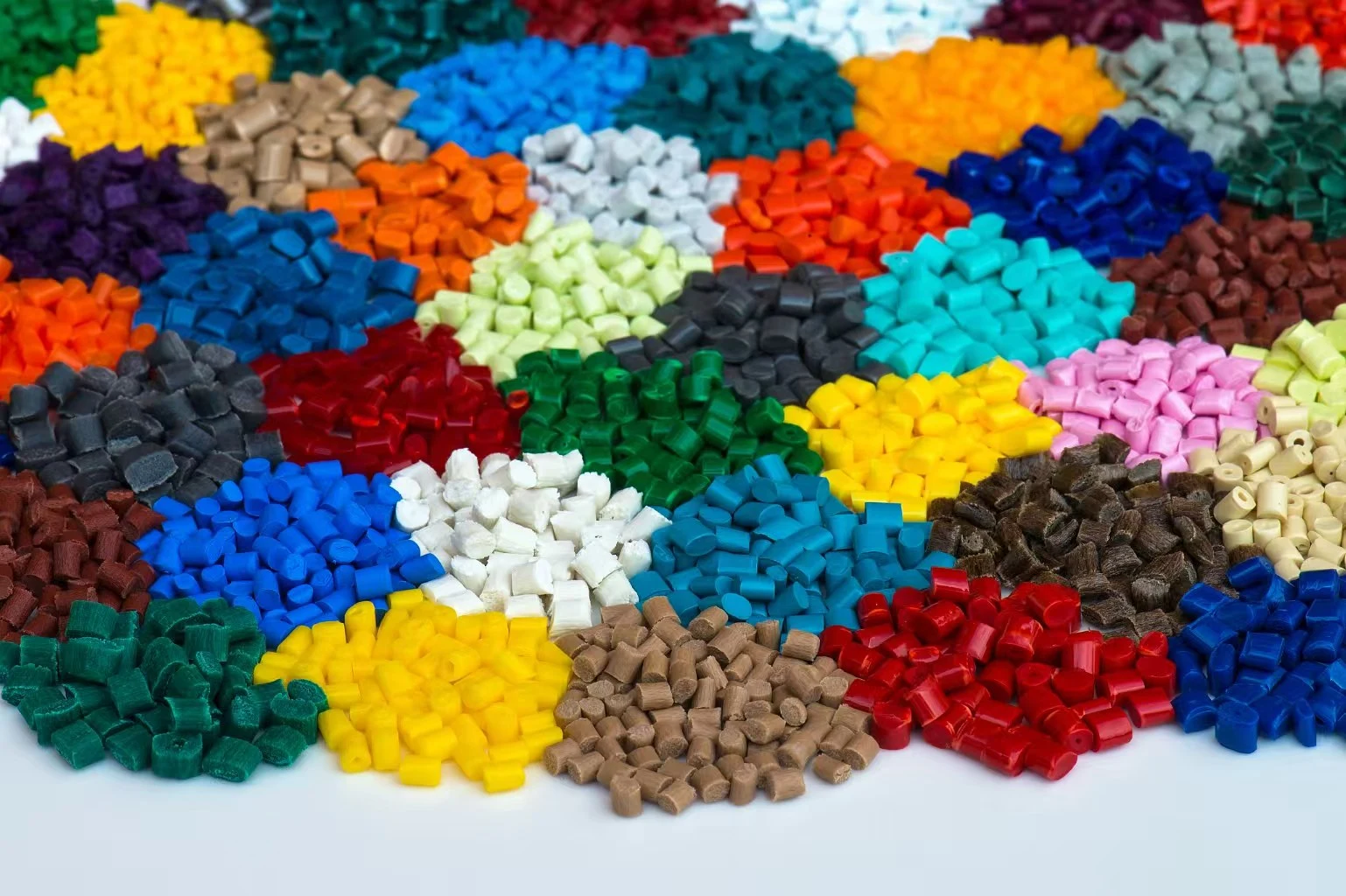
A key part of visual control that has a direct effect on brand identity and how customers see a product is making sure that all plastic goods are the same color. Color management systems and spectrophotometers are very advanced tools that manufacturers use to make sure that every product meets the color standards. For this process to work, the colors must be carefully chosen, the shaping factors must be precisely controlled, and the production run must be closely watched at all times. Color uniformity is especially hard for goods with a lot of different parts or that were made in different batches, which means that strict quality control measures are needed. To make sure that plastic goods keep their intended look in a variety of settings, things like metamerism and color stability under different lighting conditions must also be taken into account.
Surface Defect Detection and Prevention
Finding and fixing surface flaws is a key part of keeping the looking good of plastic items. Poor quality control problems like sink marks, flow lines, and warpage can greatly reduce the look and worth of a product. Surface flaws are found early on in the production process by manufacturers using a variety of methods, such as eye inspection, automatic vision systems, and 3D scanning technologies. Prevention methods include choosing the right materials and chemicals, making the mold design better, and fine-tuning the injection molding settings. Implementing strong flaw detection and prevention systems helps makers cut down on scrap rates, boost consistency, and make sure that plastic products always meet or beat customer standards.
Tactile Quality Assessment
How plastic goods feel to the touch is a big part of how they are used and how much they are thought to be worth. Manufacturers use both emotional and objective measures to judge things like surface smoothness, grip, and general feel. Specific testing tools, like friction testers and surface roughness meters, give numbers about the qualities that you can feel. Sensory groups with real people are often used to get direct feedback on how a product feels and how well it fits the user. It's important to carefully balance the need for non-slip surfaces or easy grips with the desire for good looks during the design and production stages. By making physical quality rating a priority, companies can make plastic items that not only look good but also work well and are easy to use.
Innovative Materials and Technologies for Enhanced Aesthetics
Smart Materials for Dynamic Aesthetics
Using smart materials in the production of plastic goods is changing the way we control how things look. When exposed to outside factors like light, temperature, or electrical current, these high-tech materials can alter their look or qualities. Plastics that are thermochromic can change color when the temperature changes, while materials that are photochromic change color when they are exposed to light. These changing visual traits make it possible for new product designs and ways for users to connect with them. Companies are looking into uses as diverse as color-changing car seats and flexible packaging that lets you see when a product is still fresh. Using smart materials not only makes plastic goods look better, but they also make them more useful, giving them a unique edge in markets that are already very competitive.
Nanotechnology in Surface Finishing
Nanotechnology is making big steps forward in finishing the outside of plastic goods because it lets us change the properties of materials at the molecular level. Nanocoatings can clean plastic protect them from UV light better. They can also make plastic surfaces less likely to scratch. Additionally, these very thin layers can create eye-catching effects, like colors that shift depending on the view. Businesses are using nanotechnology to create plastic items that look better and last longer, so people don't need to buy new ones as often. Nanotechnology is being used in new ways by scientists to make plastic surfaces look better and be more useful. Nanotechnology will be used in this way in even more creative ways as their research goes on.
3D Printing for Customized Finishes
Three-dimensional printing is changing the outside finish of plastic goods because it lets you make shapes that are very specific and complicated in ways that were hard or impossible to do before. With this additive manufacturing method, you can make surfaces with different shapes, curves, and even layers that are built into the product's structure. They can now make small batches of things in unique ways to meet the wants of individual customers or keep up with market trends. 3D printing also makes it simple to make quick samples with different finishes on the outside. This lets artists try and make changes to the way something looks quickly before going into full-scale production. As 3D printing technology keeps getting better, we can look forward to even more plastic things that can be customized, look great, and work perfectly.
Conclusion
The field of plastic product surface finishing and aesthetic control continues to evolve, driven by technological advancements and changing consumer expectations. From advanced texturing techniques to smart materials and nanotechnology, manufacturers have an expanding toolkit to create visually appealing and functionally superior plastic products. As the industry moves forward, the focus on sustainability, customization, and enhanced user experience will likely shape future innovations in surface finishing. By staying abreast of these developments and implementing robust quality control measures, manufacturers can ensure their plastic products not only meet but exceed market demands for aesthetics and performance.
Alwin Asia Limited, registered in Hong Kong, is proud to be associated with Dongguan Yongsheng Hardware Plastic Product Co., Ltd., a company with over 20 years of history in the plastic mold and product manufacturing industry. Located in Changan Town, Dongguan City, Guangdong Province, known as the Town of Molds, our factory boasts more than 300 employees and covers an area of about 6000 square meters. As an ISO9001:20015 certified company, we specialize in plastic molds, die casting molds, and plastic products, offering one-stop services including design, development, mold fabrication, production, and secondary processing. Our convenient location near Shenzhen Airports allows for easy access for our international clients. We pride ourselves on our commitment to high quality, cost-effectiveness, timely delivery, and strict client information protection. For inquiries, please contact us at sales-c@alwinasia.com. We welcome you to visit our company and explore potential business cooperation opportunities!
FAQ
Q: What are the most common surface finishing techniques for plastic products?
A: Common techniques include texturing, embossing, painting, coating, polishing, and buffing.
Q: How does nanotechnology improve plastic product surface finishing?
A: Nanotechnology can enhance scratch resistance, create self-cleaning surfaces, improve UV protection, and produce unique visual effects.
Q: Why is color consistency important in plastic product manufacturing?
A: Color consistency is crucial for maintaining brand identity, meeting customer expectations, and ensuring product quality across different batches.
Q: What role does 3D printing play in plastic product surface finishing?
A: 3D printing enables the creation of highly customized and complex surface textures, facilitating rapid prototyping and small-batch production of unique finishes.
Q: How do manufacturers assess the tactile quality of plastic products?
A: Tactile quality is assessed through a combination of subjective evaluations by human panels and objective measurements using specialized equipment like friction testers and surface roughness meters.
References
1. Smith, J. (2020). Advanced Surface Finishing Techniques for Plastic Products. Journal of Polymer Science, 45(3), 234-251.
2. Johnson, A., & Brown, B. (2019). Quality Control in Plastic Manufacturing: A Comprehensive Guide. Industrial Press.
3. Lee, S. H., et al. (2021). Nanotechnology Applications in Plastic Surface Treatments. Advanced Materials Research, 12(2), 78-95.
4. Williams, R. (2018). Color Management Systems in Plastic Product Manufacturing. Color Research and Application, 33(4), 412-429.
5. Chen, X., & Zhang, Y. (2022). 3D Printing Technologies for Customized Plastic Product Finishes. Additive Manufacturing Journal, 8(1), 56-73.
6. Taylor, M. (2020). Smart Materials in Consumer Plastics: Innovations and Applications. Materials Today, 23(5), 189-205.

We can provide a one-stop service, including design and development, mold fabrication, production, product processing, etc.

Professional injection mold, die casting mold, plastic products OEM manufacturer