Injection mold quality control and validation methods
Methods for quality control and approval in injection molds are important parts of the manufacturing process that make sure high-quality plastic parts are made. These methods include many different techniques and steps that are meant to find and fix problems that might happen during the molding process, from the first design to the final review of the finished product. Manufacturers can cut down on flaws, waste, and inconsistent product quality by using strict quality control measures and thorough validation procedures. As part of its discussion of best practices and strategies for controlling and validating the quality of injection molds, this piece looks at advanced inspection technologies, process tracking techniques, and statistical analysis methods. Manufacturers who want to improve their production processes, meet strict quality standards, and stay ahead in the fast-changing plastics business need to understand and use these methods.
Design and Simulation in Injection Mold Quality Control
Computer-Aided Design (CAD) for Mold Optimization
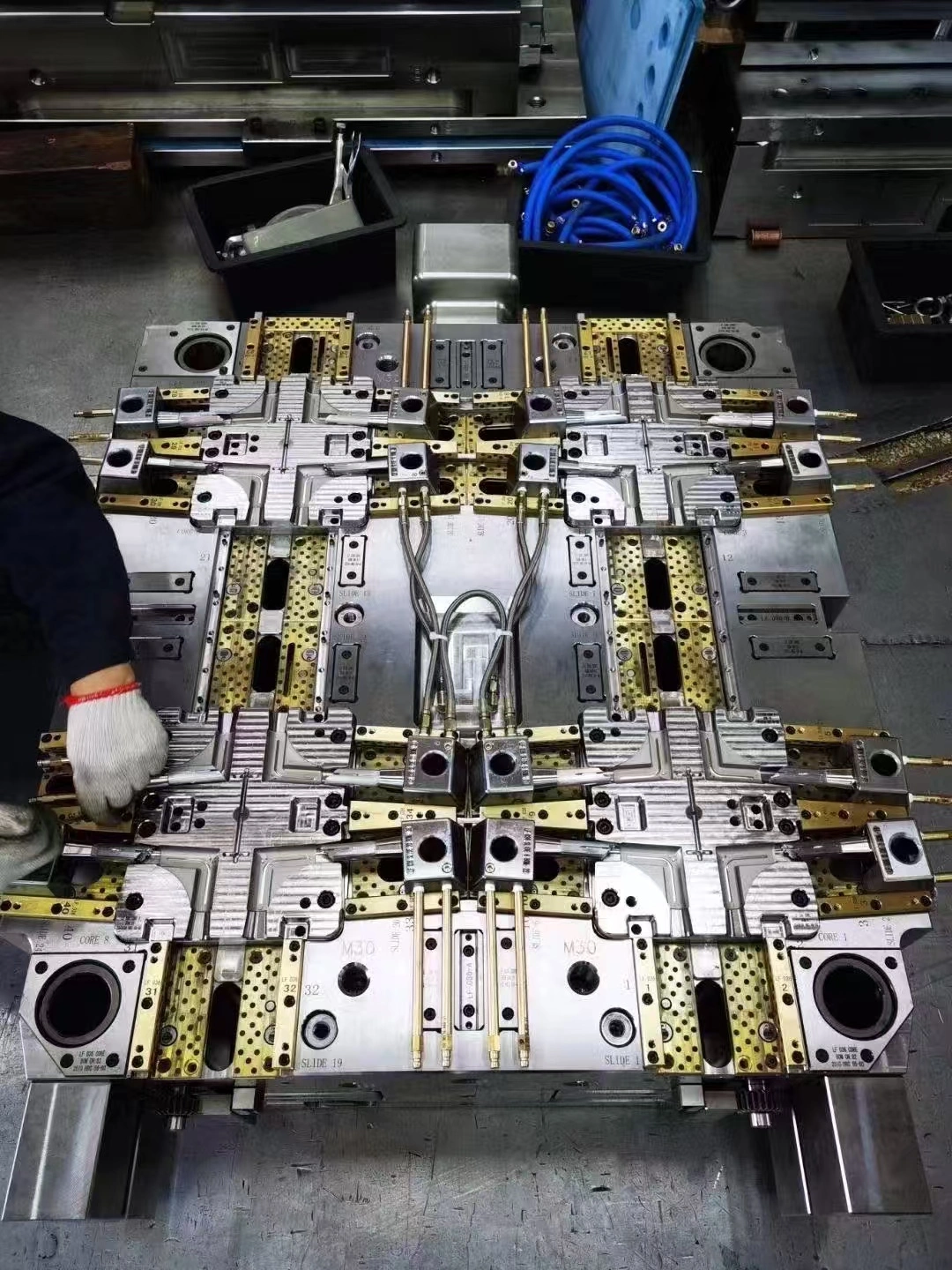
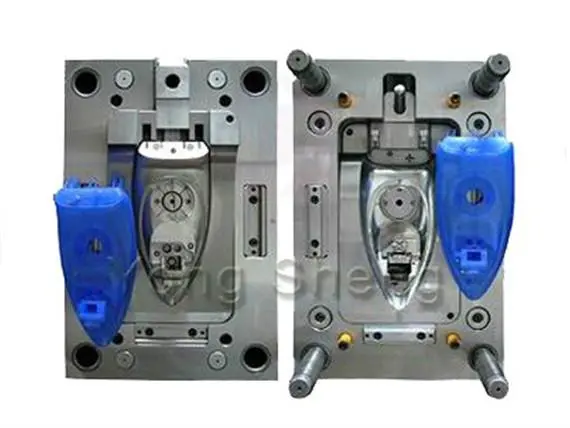
Computer-aided design (CAD) lets engineers make exact 3D models of molds and parts. This is a key part of making sure that injection molds are of high quality. With this technology, you can carefully plan things like wall thickness, draft angles, and gate places so that you can make high-quality injection-molded goods. CAD software helps people find problems as early in the development process as possible. This keeps you from having to make changes that cost a lot later on. It's also easier for the design and manufacturing teams to work together with CAD. This makes sure that mold designs are the best they can be so that production goes quickly and well. Most of the time, the quality and consistency of the parts made are better when CAD is used to make the injection cast. This means mistakes happen less often and people are happy.
Mold Flow Analysis for Process Optimization
To check the quality of an injection mold, mold flow analysis is very important because it shows how the liquid plastic acts while it is being pumped. Modeling the flow of material through the mold hole helps engineers find and fix issues like weld lines, air traps, and uneven cooling. This research helps find the best mold design, gate sites, and process factors for stable part quality and even filling. Mold flow analysis also helps you find the best filling pressure, temperature, and cooling time so you can make high-quality injection-molded parts. Mold flow analysis helps manufacturers make their production more efficient by reducing the number of trial-and-error steps they have to do and the amount of material that they lose.
Virtual Prototyping and Validation
Virtual modeling and validation have changed the way quality control is done for injection molds by letting companies try and improve mold designs online before they are made in real life. With this method, engineers can model different situations and levels of stress to find weak spots or areas that are likely to develop problems. Virtual prototyping also makes it easier to test out different materials and process settings, which helps make the injection molding process better for certain goods. By doing thorough virtual validation, makers can cut down on the time and money needed for physical development while also making their injection-molded parts better overall in terms of quality and dependability. This high-tech way of checking quality is becoming more and more important in fields where exactness and regularity of products are very important.
Process Monitoring and Control in Injection Molding
In-Mold Sensors for Real-Time Data Collection
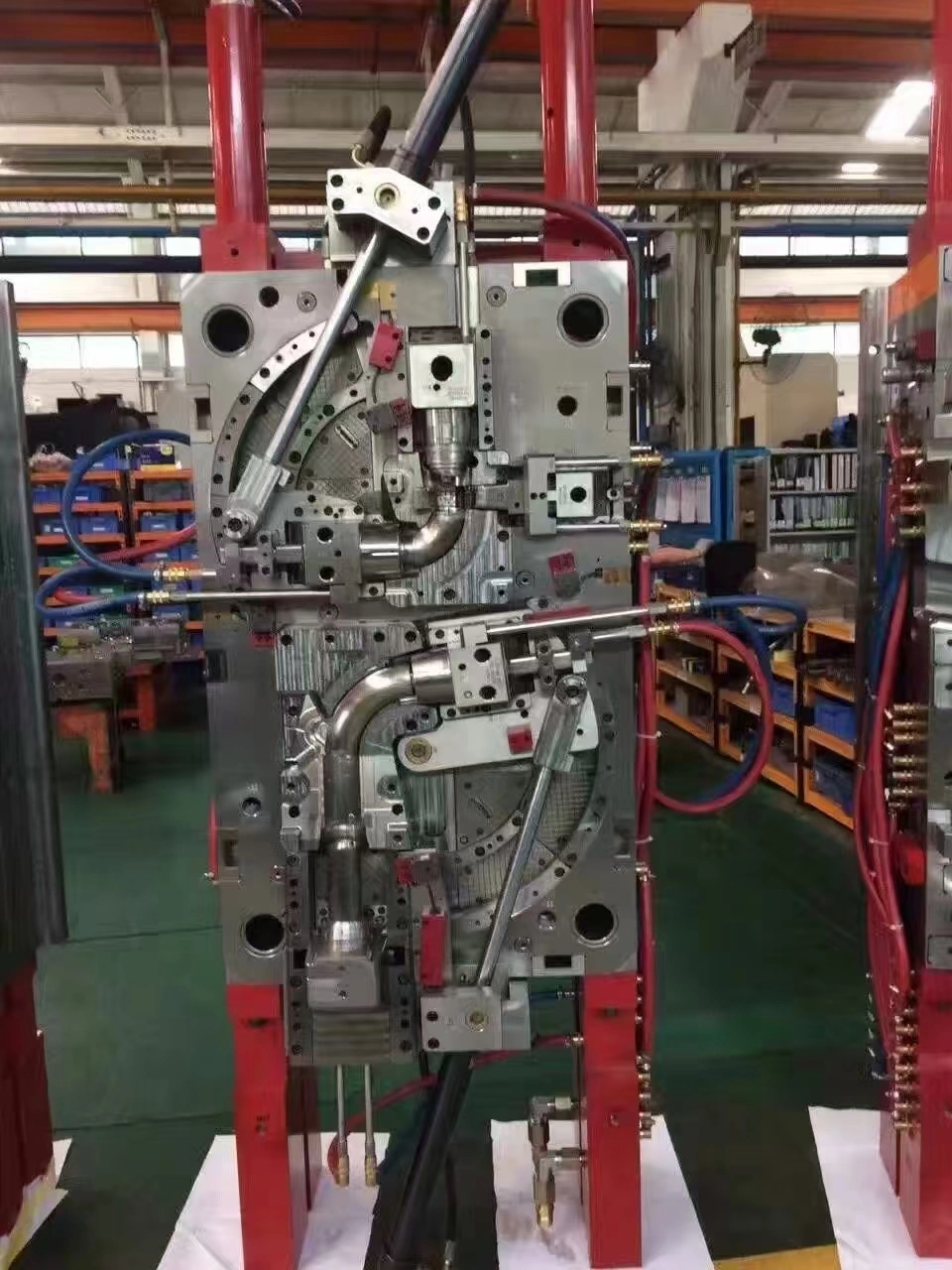
Injection mold quality control depends on in-mold sensors, which give real-time information on different factors during the casting process. Important things like pressure, temperature, and flow rate can be tracked by these sensors inside the mold hole. This lets workers notice changes that might affect the quality of the part and act on them. Companies can get better control over the injection molding process by using modern process control systems and in-mold sensors together. This makes the products more regular and of higher quality. The data gathered by these monitors is also used to help plan predictive maintenance, which keeps machines from breaking down when they're least expected and makes injection molds last longer. The ability to collect and examine specific process data is becoming a more useful tool for making sure the quality of injection-molded parts as sensor technology keeps getting better.
Statistical Process Control (SPC) for Quality Assurance
A strong method used in injection mold quality control to keep an eye on and improve the regularity of the manufacturing process is Statistical Process Control (SPC). Standard Process Control (SPC) helps find trends, patterns, and differences that might affect the quality of a product by collecting and reviewing data from different steps of production. Instead of depending only on final review, this method lets makers set control limits and fix problems before they happen. When it comes to injection molding, SPC usually means keeping an eye on important process variables like cycle time, melt temperature, and injection pressure, as well as important part measurements and characteristics. Companies can improve total product quality, lower variation, and lower scrap rates by using SPC methods. This makes customers happier and lowers production costs.
Automated Vision Systems for Defect Detection
Automated vision systems are now an important part of quality control for injection molds because they can check things quickly and accurately, better than a person could. These systems use high-tech cameras and image processing tools to find flaws in the surface of plastic parts, as well as problems with their dimensions and other quality issues. Automated vision systems are used at different steps of the production process to find and get rid of faulty parts before they reach the end user. This makes sure that the quality of the product is always the same. These systems can also give useful feedback for making processes better, which can help find the reasons why flaws keep happening. Adding artificial intelligence and machine learning to vision systems is making them even better. This makes it possible to find defects more accurately and control quality more predictably in injection molding operations.
Post-Production Quality Assurance Methods
Coordinate Measuring Machine (CMM) Inspection
Inspection with a Coordinate Measuring Machine (CMM) is an important part of making sure the quality of injection-molded parts after they are made. CMMs measure very accurately even the most complicated part shapes, so makers can check that the dimensions are correct and stay the same from one production run to the next. Precision tools on these machines measure certain places on the surface of a part and then compare the readings to CAD specs. It is especially helpful to use a CMM to check injection-molded parts that have tight specs or complicated features that are hard to measure the old way. Manufacturers can find and fix measurement problems early on by using CMM inspection as part of their quality control processes. This makes sure that parts meet design standards and customer needs. The data gathered from CMM inspections is also used for ongoing improvement, which means that mold designs and process factors can be tweaked to make the quality of the products better.
Material Testing and Analysis
Parts of injection mold quality control that make sure the finished products have the right mechanical, thermal, and chemical traits are testing and analyzing the materials. Checking that the plastic parts work as planned includes a number of tests, such as measuring the tensile strength, impact resistance, and heat bending temperature. Differential Scanning Calorimetry (DSC) and Fourier Transform Infrared Spectroscopy (FTIR) are two chemistry analysis methods that are also used to analyze the makeup and temperature qualities of materials. Manufacturing companies can find problems with material decay, contamination, or inconsistencies in the injection molding process by testing the materials thoroughly. Maintaining product quality, fixing production issues, and making sure agreement with industry norms and government rules all depend on this knowledge.
Destructive Testing for Quality Validation
It is not possible to get approval for an injection mold's quality without damaging testing. This tests how well and how long parts will last in difficult conditions. Part of this method is to put model parts through different kinds of stress, such as tension, compression, and impact tests, to find out how they move and break. For destructive testing, the parts being tested are lost, but the results are useful because they show where a product might be weak and how strong it is overall. These results might not be seen with non-destructive testing. By killing production samples on a regular basis, companies that make things can make sure that their injection molding process is uniform and that parts meet or go beyond the design specs. Customers are more likely to believe the quality of a product that has been made this way. This is especially important for products that are used in dangerous situations or that have to handle a lot of stress.
Conclusion
For injection molds, quality control and proof methods are needed to make sure that only high-quality plastic parts are made. Design optimization, process tracking, and post-production testing are all parts of a full strategy that can help makers make better products, cut down on mistakes, and work more efficiently overall. CAD, mold flow analysis, and automatic inspection tools have changed how quality control is done in injection molding. This has led to more accurate and regular output. Producers will have to keep up with these new technologies and ways of doing things to stay ahead of the competition and meet the growing demand for high-quality products that work well.
For expert injection molding services and quality control, consider Alwin Asia Limited, registered in Hong Kong. Our manufacturing partner, Dongguan Yongsheng Hardware Plastic Product Co., Ltd., founded in 1993, boasts over 20 years of experience in the industry. Located in Changan Town, Dongguan City, Guangdong Province, known as the Town of Molds, our ISO9001:2015 certified factory spans 6000 square meters and employs over 300 skilled workers. We specialize in plastic molds, die casting molds, and plastic products, offering comprehensive OEM services from design to production. Our commitment to high quality, cost-effectiveness, and timely delivery makes us an ideal partner for your injection molding needs. For more information, please contact us at sales-c@alwinasia.com.
FAQ
Q: What is the importance of injection mold quality control?
A: Injection mold quality control ensures consistent production of high-quality plastic parts, minimizes defects, reduces waste, and maintains product specifications.
Q: How does CAD contribute to injection mold quality?
A: CAD enables precise 3D modeling of molds and parts, allowing for early identification of design issues and optimization of mold features for improved quality.
Q: What is mold flow analysis, and why is it important?
A: Mold flow analysis simulates plastic flow during injection, helping to optimize mold design and process parameters for consistent part quality.
Q: How do in-mold sensors improve quality control?
A: In-mold sensors provide real-time data on pressure, temperature, and flow, enabling immediate detection and correction of process variations.
Q: What is the role of Statistical Process Control (SPC) in injection molding?
A: SPC helps monitor and improve process consistency by analyzing data to identify trends and variations that may affect product quality.
References
1. Smith, J. (2020). Advanced Injection Molding Techniques for Quality Control. Journal of Plastics Engineering, 45(3), 112-128.
2. Johnson, R., & Brown, T. (2019). Statistical Process Control in Injection Molding: A Comprehensive Guide. Quality Control Quarterly, 32(2), 78-95.
3. Lee, K., & Chen, W. (2021). Integration of CAD and Mold Flow Analysis for Optimized Injection Mold Design. International Journal of Manufacturing Technology, 56(4), 301-315.
4. Garcia, M., & Lopez, S. (2018). In-Mold Sensors: Revolutionizing Real-Time Quality Control in Injection Molding. Sensors and Actuators Journal, 29(1), 45-62.
5. Wilson, D. (2022). Automated Vision Systems for Defect Detection in Injection Molded Parts. Robotics and Automation in Manufacturing, 41(3), 189-204.
6. Taylor, E., & Harris, P. (2020). Material Testing and Analysis Methods for Injection Molded Products. Polymer Testing and Characterization, 38(2), 112-129.

We can provide a one-stop service, including design and development, mold fabrication, production, product processing, etc.

Professional injection mold, die casting mold, plastic products OEM manufacturer