Plastic Components Design Engineering Principles
Plastic components design engineering concepts are the basis of modern manufacturing, especially in fields that need materials that are light, strong, and cheap. These principles include a lot of different things to think about, from the choice of materials and the strength of structures to the way things are made and their effect on the world. When creating plastic parts, engineers have to think about things like how they look, how well they work with chemicals, and how strong they are. Using these rules makes sure that plastic parts meet certain performance standards while also boosting production speed and cutting costs. Plastic parts design engineering is an area that is always changing to meet the needs of different businesses. As technology improves and environmental worries rise, it adds new materials, new ways to make things, and environmentally friendly methods.
Material Selection for Plastic Components
Thermoplastics vs. Thermosets
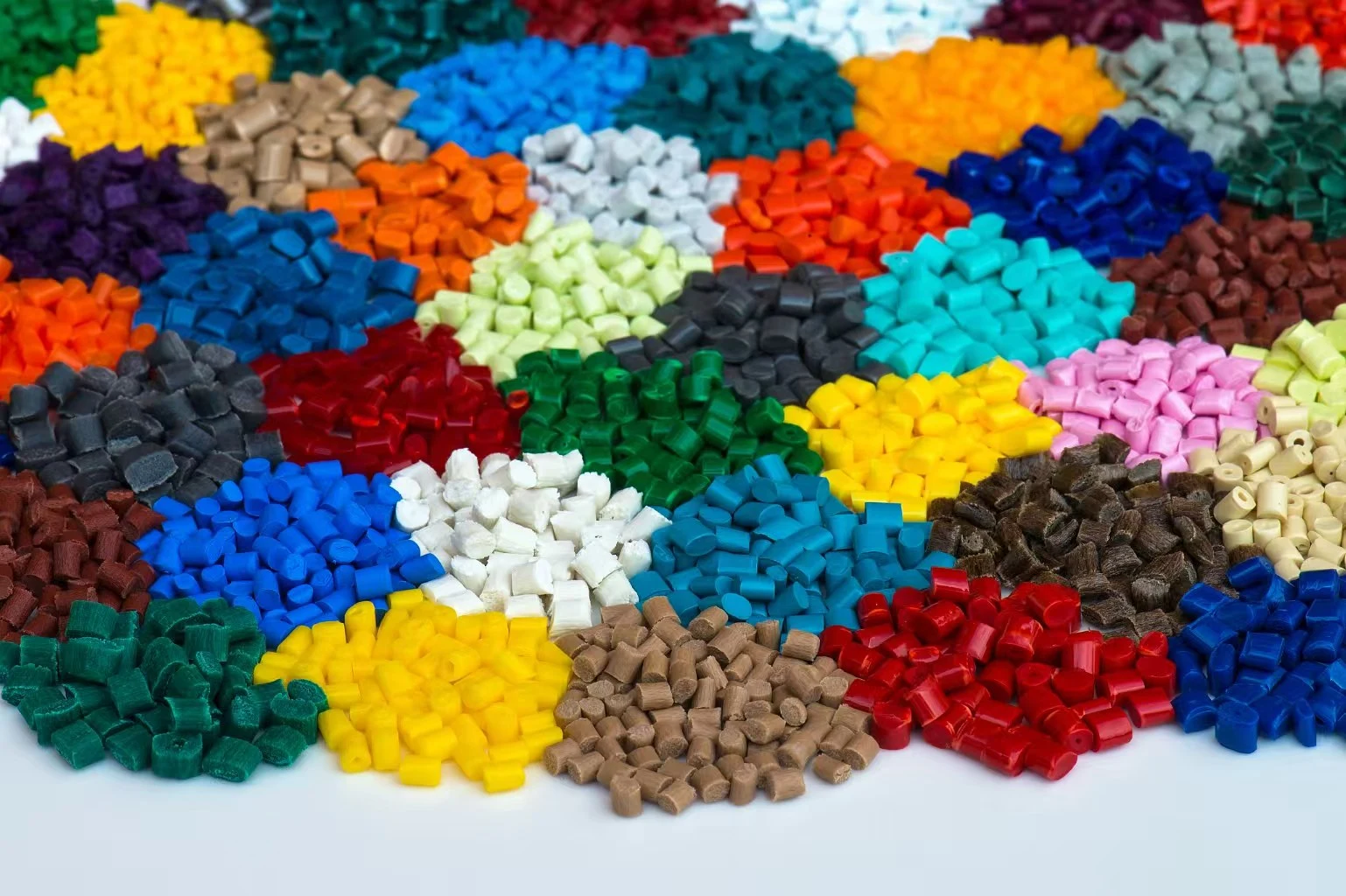
When it comes to material selection for plastic components, engineers must carefully consider the properties of thermoplastics and thermosets. Thermoplastics, such as polyethylene, polypropylene, and ABS, can be melted and reshaped multiple times, making them ideal for applications that require recyclability or post-molding modifications. These materials offer excellent impact resistance and flexibility, making them suitable for a wide range of products. On the other hand, thermosets, like epoxy and polyurethane, undergo irreversible chemical changes during curing, resulting in superior heat resistance and dimensional stability. Engineers must weigh factors such as operating temperature, chemical exposure, and mechanical stress when choosing between thermoplastics and thermosets for plastic components.
Reinforced Plastics and Composites
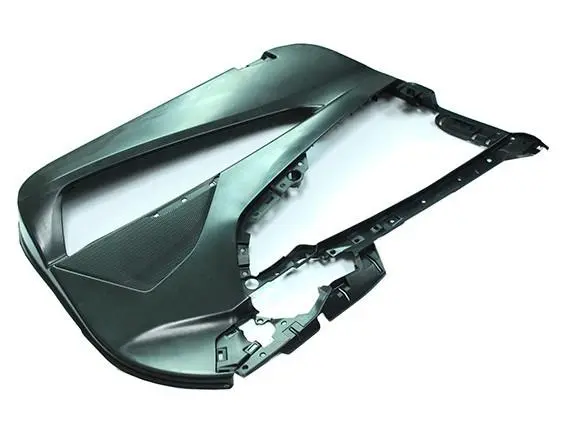
Plastic component design engineering has changed a lot because of reinforced plastics and composites. Mixing things like carbon fibers, glass fibers, or natural fillers into the plastic base lets engineers greatly improve the mechanical qualities of the parts that are made. As compared to their unreinforced peers, these reinforced materials have better strength-to-weight ratios, physical stability, and heat resistance. Its great mechanical qualities and tolerance to heat and chemicals make glass fiber-reinforced nylon a popular choice for many vehicle uses. Designers of plastic parts made from strengthened materials have to think about things like fiber direction, filler content, and processing methods to make sure the finished product works well and can be made easily.
Biodegradable and Sustainable Materials
Parts made of plastic need to be made from materials that can be recovered and last a long time as worries about the world grow. Bioplastics are being studied by scientists right now. These are made from materials that can be used again and again, like corn starch or sugarcane. It might be better for the earth, and there are better ways to get rid of plastic parts made from these things. Biodegradable materials are hard to build with, though, because they don't work well in hot or wet conditions and have complicated mechanical properties. When engineers choose recyclable or sustainable materials, they have to carefully weigh the needs of the plastic parts in terms of how well they work with their concerns for the world. When you get the ingredients and until you throw them away, you need to think about how long the thing will last.
Design Optimization for Plastic Components
Wall Thickness and Structural Integrity
Ensuring structure stability while reducing material use and cycle times is important in plastic components design engineering. This is done by finding the best wall thickness. When engineers design something, they have to carefully weigh the needs for strength and stiffness against things like reducing weight and working efficiently during production. Spreading out the thickness of the walls evenly is usually the best way to avoid problems like sink marks, warping, and internal stresses. For certain design traits or load-bearing needs, however, varying wall thickness may be needed. Ribbing, gusseting, and coring are methods that engineers use when building plastic parts to improve structural stability without making the walls much thicker overall. Simulation programs with advanced features, like finite element analysis (FEA), are often used to find the best wall thickness and guess how plastic parts will work under different loads.
Draft Angles and Undercuts
Draft angles and undercuts are important when making plastic parts, especially parts that are injected. Most draft angles are in the range of 0.5 to 3 degrees. It is easier to take parts out of the mold without breaking them when they are at these angles. This speeds up the production process. Engineers need to make sure that the plastic parts keep the look and function they want while they pay attention to where and how big the draft angles are. With a hole, on the other hand, the part can't come out of the mold straight. Some parts of your design might need an edge, but it can be hard to shape and costs more to make. If engineers want to make it easier to make Plastic component, they should think again about the need for undercuts and look into other design choices, like split molds or side actions.
Stress Concentration and Corner Radii
Getting rid of stress concentration is an important part of designing and building plastic parts. Sharp corners and quick changes in cross-section can cause stress to build up, which could cause the part to break before it's supposed to. Engineers use corner curves and scallops in their designs to make this problem less of a problem. These features spread pressures more widely throughout the plastic parts. To reduce stress while also taking into account other design factors like mold complexity and how the parts look, the size and shape of these circles must be carefully adjusted. Besides corner curves, design elements such as ribs and gussets can be put in a smart way to shift pressures and improve the general strength of plastic parts. Advanced computer-aided engineering (CAE) tools are often used to look at how stress is distributed in plastic parts and find the best ways to build their most important parts.
Manufacturing Considerations for Plastic Components
Injection Molding Process Optimization
Optimizing the injection molding method is important for both getting a good result and making it easy to make. It's up to the engineers to think about things like gate position, runner design, and vents in order to get the best mold filling and the fewest mistakes in the plastic parts. You have to be very careful when setting the melt temperature, injection pressure, and cooling time for injection molding so that you get the material qualities and surface finish you want. A lot of the time, mold flow analysis and other modern modeling tools are used to predict and improve the injection molding process for tough plastic parts. When designers make parts, they have to work closely with production engineers to make sure the shape of the parts works with the best casting methods. It's important to include the right draft angles and stay away from thick parts that could dent or bend.
Assembly and Secondary Operations
When engineers create plastic parts, they have to think about not only the main way they will be made, but also how they will be put together and any other tasks that need to be done afterward. Design elements like snap-fits, live joints, and self-tapping screw caps can make it easier to put together plastic parts without using extra glues or bolts. But these features need to be carefully thought out to make sure they work right and last the whole span of the product. To meet certain visual or useful needs for plastic parts, secondary processes like painting, soldering, or welding may be needed. Engineers have to think about these processes when they build things, making sure that the surface finishes, materials, and standards are all right so that they can work with other processes. By thinking about secondary processes and assembly early on in the design process, engineers can make plastic component easier to make and cheaper overall.
Tooling and Mold Design
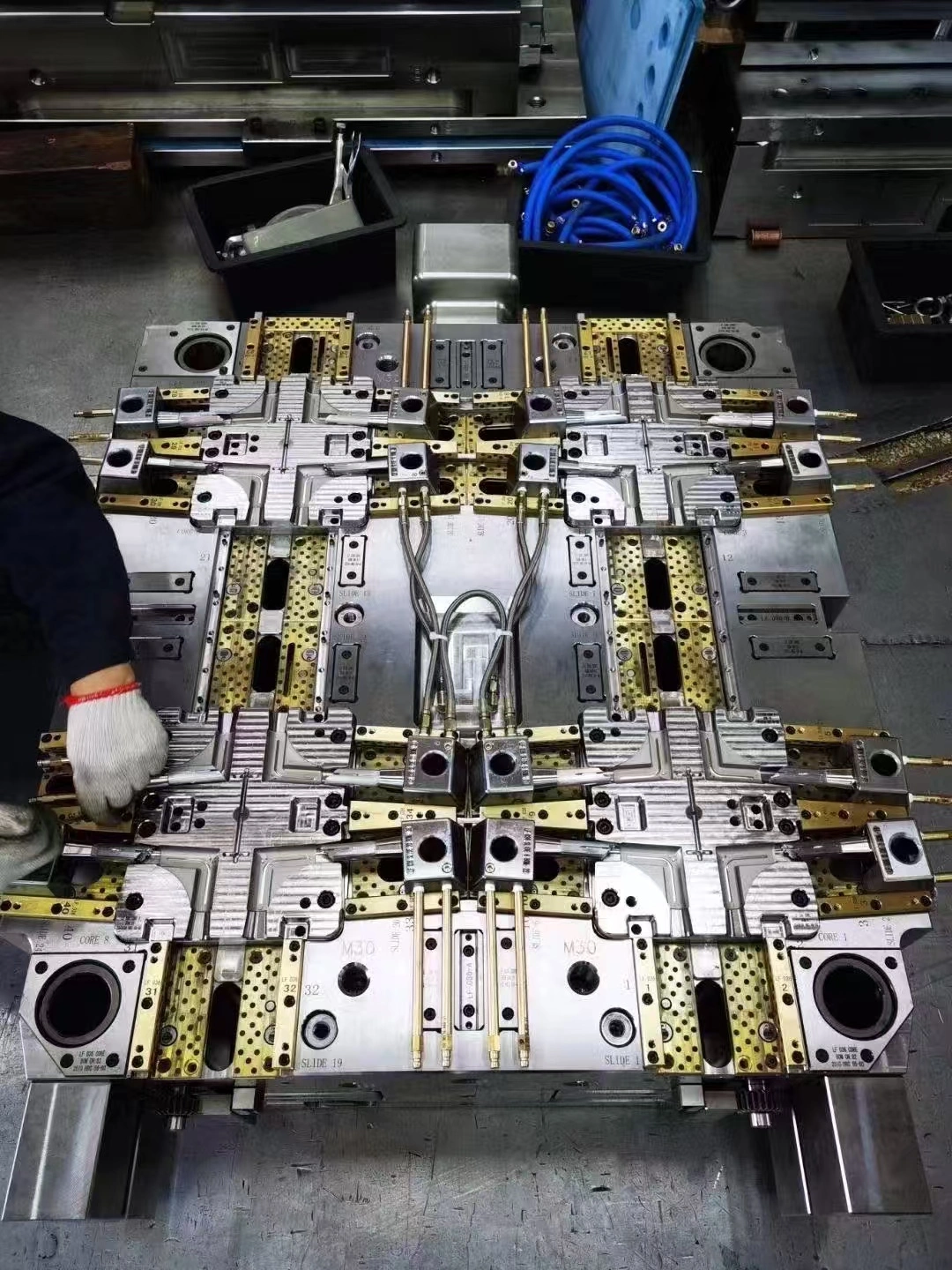
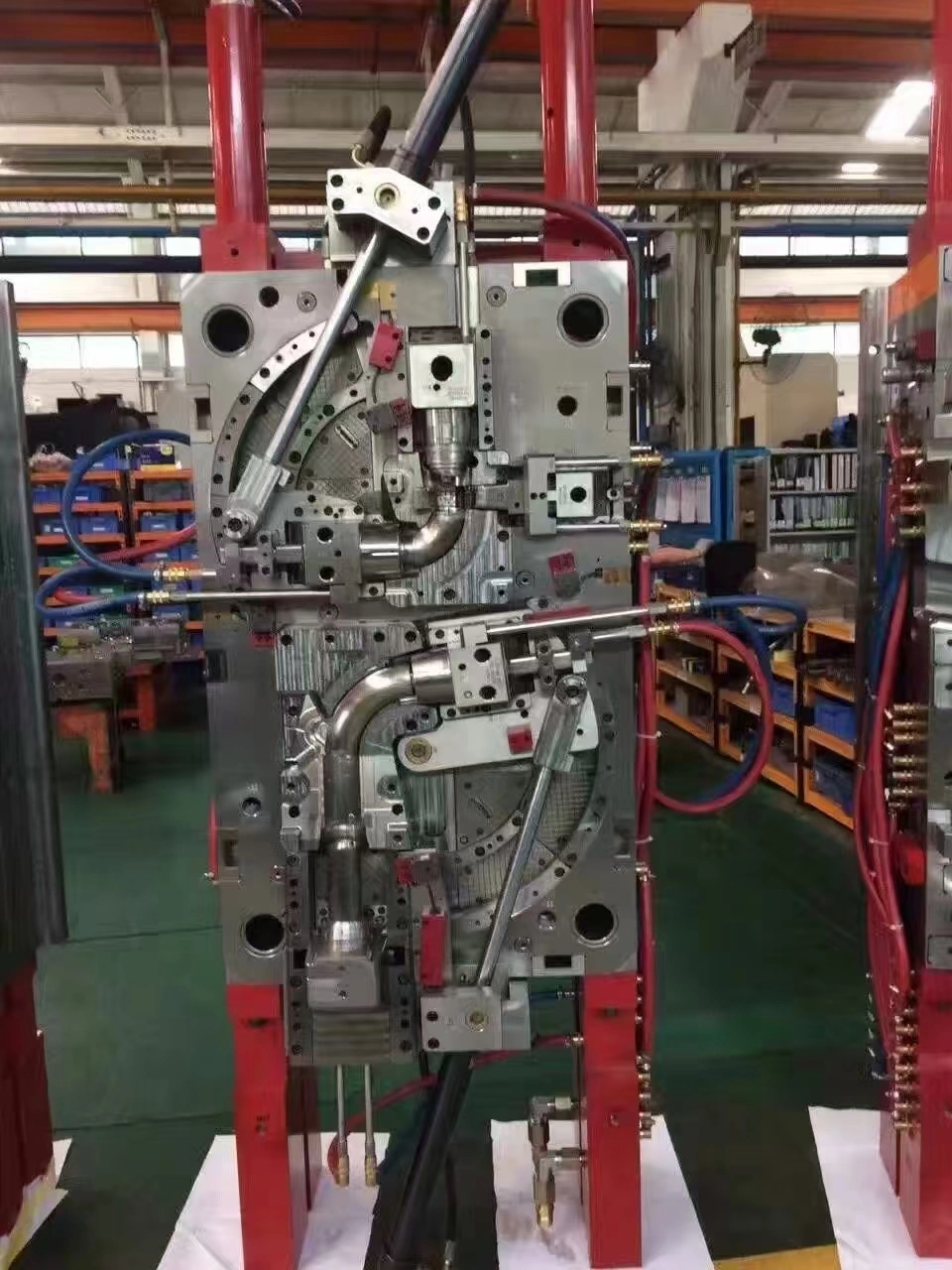
Tooling and mold creation that work well are necessary for making high-quality plastic parts. Engineers must work closely with toolmakers to create mold designs that strike a good mix between the quality of the parts, the speed of production, and the cost of the tools. Location of the splitting line, the design of the core and cavities, and the layout of the cooling system are all very important factors that affect the end quality of plastic parts. To make the casting process better and the quality of the parts better, more advanced mold designs might include things like integrated cooling lines or in-mold sensors. It is also very important to choose the right mold materials and surface processes, especially when making a lot of them or using plastics that are rough or acidic. By giving careful thought to the design of tools and molds, engineers can make sure that plastic parts are regularly and quickly made, meeting both quality and cost standards.
Conclusion
Plastic components design engineering concepts are important for making goods that are of high quality, work well, and last a long time in many fields. Engineers can make plastic parts that meet specific performance standards while reducing costs and damage to the environment by carefully choosing materials, designing them, and making them. As technology keeps getting better, plastic components design engineering is likely to see more changes in materials, production methods, and environmentally friendly practices. This will lead to the creation of even more advanced and useful plastic goods in the future.
For those seeking expertise in plastic components design and manufacturing, Alwin Asia Limited, registered in Hong Kong, offers comprehensive solutions through its subsidiary, Dongguan Yongsheng Hardware Plastic Product Co., Ltd. With over 20 years of experience in plastic mold, die casting mold, and plastic products manufacturing, Yongsheng provides one-stop services including design, development, mold fabrication, production, and secondary processing. Located in Changan Town, Dongguan City, Guangdong Province, the company boasts a 6000 square meter facility and has obtained ISO9001:2015 certification. For inquiries, please contact them at sales-c@alwinasia.com.
FAQ
Q: What are the main factors to consider when selecting materials for plastic components?
A: Key factors include mechanical properties, thermal resistance, chemical compatibility, cost, and environmental impact.
Q: How does wall thickness affect the design of plastic components?
A: Wall thickness impacts structural integrity, material usage, and manufacturing efficiency. Uniform thickness is generally preferred to avoid defects.
Q: Why are draft angles important in plastic component design?
A: Draft angles facilitate easy removal of parts from molds, reducing damage risk and improving production efficiency.
Q: What are the advantages of using reinforced plastics in component design?
A: Reinforced plastics offer improved strength-to-weight ratios, dimensional stability, and thermal resistance compared to unreinforced plastics.
Q: How can engineers optimize the injection molding process for plastic components?
A: Optimization involves considering gate location, runner design, venting, and molding parameters, often using simulation tools like mold flow analysis.
References
1. Smith, J. K. (2019). Fundamentals of Plastic Component Design. Journal of Engineering Materials and Technology, 141(3), 031006.
2. Brown, A. L., & Johnson, R. M. (2020). Advanced Materials in Plastic Component Engineering. Polymer Engineering & Science, 60(5), 1021-1035.
3. Chen, X., & Zhang, Y. (2018). Sustainable Design Practices for Plastic Components. Journal of Cleaner Production, 185, 445-458.
4. Wilson, E. T. (2021). Optimization Techniques in Injection Molding for Plastic Components. International Journal of Advanced Manufacturing Technology, 112(7), 2145-2160.
5. Lee, S. H., & Park, C. W. (2017). Tooling Considerations for High-Performance Plastic Components. Journal of Manufacturing Processes, 28, 475-486.
6. Rodriguez, M. A., & Thompson, K. L. (2022). Recent Advances in Biodegradable Plastics for Component Design. Progress in Polymer Science, 124, 101449.

We can provide a one-stop service, including design and development, mold fabrication, production, product processing, etc.
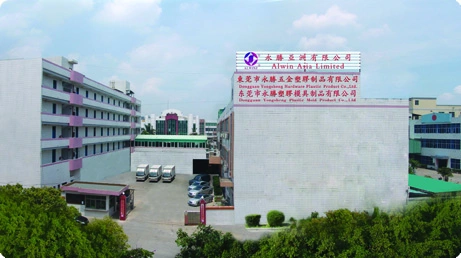
Professional injection mold, die casting mold, plastic products OEM manufacturer