Industry parts are very important to the success of projects in the energy and chemical industries because they work well, are reliable, and are a good value for the money. Specialized parts like these keep important infrastructures together, like power plants and plants that process oil and chemicals. High-quality materials were used to make these parts, so they will last as long as they are used and work perfectly even in harsh conditions. It is important to pick the right parts in a smart way because it affects project timelines, operational efficiency, and long-term profits in many different types of businesses.
Important Signs of How Well Chemical and Energy Uses Are Doing
How well parts used in energy and chemical processes work is based on a number of important factors. The most important thing to think about is temperature resistance, since parts often have to work at temperatures over 200°C for a long time. Also, corrosion resistance is very important, especially in places where chemicals are used and where harsh chemicals, acids, and alkalis are always present.
One more important spec is the pressure rating, since many uses need high-pressure systems with over 2,000 PSI of pressure. What a material is made of has a big impact on how well it works. To meet certain chemical compatibility requirements, special polymers and metal alloys are made. Complex assemblies fit and work right when the measurements are correct, and the quality of the surface finish affects both how well they work and how long they last.
Electrical properties like insulation resistance and dielectric strength are very important in automation and control applications when it comes to making sure everything is safe and reliable. For industry parts to be safe, they need to be able to handle the mechanical stresses that come up in normal use and in an emergency. High-quality industry parts not only provide excellent electrical insulation but also maintain structural integrity under demanding conditions, ensuring consistent performance in industrial environments. By selecting materials and designs that meet stringent industry standards, manufacturers can improve both the safety and reliability of their automation and control systems.
Core Benefits in Applications for Making Things in Industry
The main reason why energy and chemical projects should use custom-made parts is that they speed up the work. Compared to regular parts, these specialized ones cut down on the time between maintenance jobs by as much as 40%. This directly causes less downtime and more work to get done.
When performance is improved and service life is extended, costs are minimized. Even though it costs more at first, it ends up being much cheaper to own because it doesn't need to be replaced as often and is easier to keep up. Systems can often be 15 to 25 percent more energy efficient with precision-engineered parts that cut down on friction, heat loss, and system inefficiencies.
Making things safer is very helpful because well-designed parts make it less likely that something will break in a way that hurts people or hurts the environment. It is possible to make sure that regulatory requirements are met consistently in different places by using international standards such as ASME, API, and ISO.
Manufacturers can change how much they make based on what the market wants without affecting quality or delivery times. scalability makes this possible. These days, it's easy to make prototypes quickly and change designs to fit the needs of a project as it changes.
Yongsheng's "The Better Way to Make Things"
At Yongsheng, we think that the best ways to make things are exact, long-lasting, and focused on the needs of the customer. We've been making molds and plastic goods for over 30 years, so we know how hard it can be for clients in the energy and chemical industries. We are dedicated to quality management systems that make sure all of our work is the same because we have ISO 9001:2015 certification.
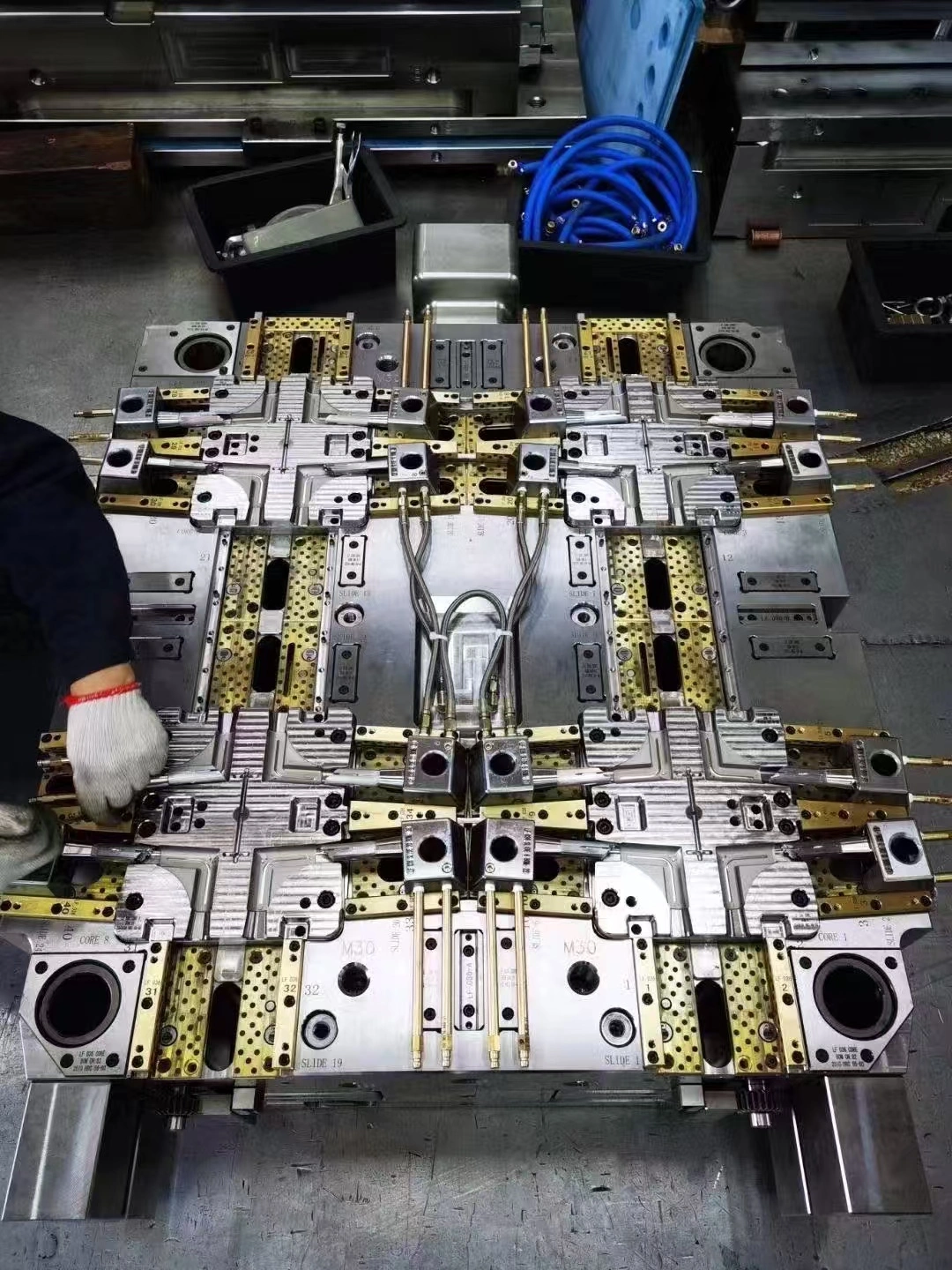
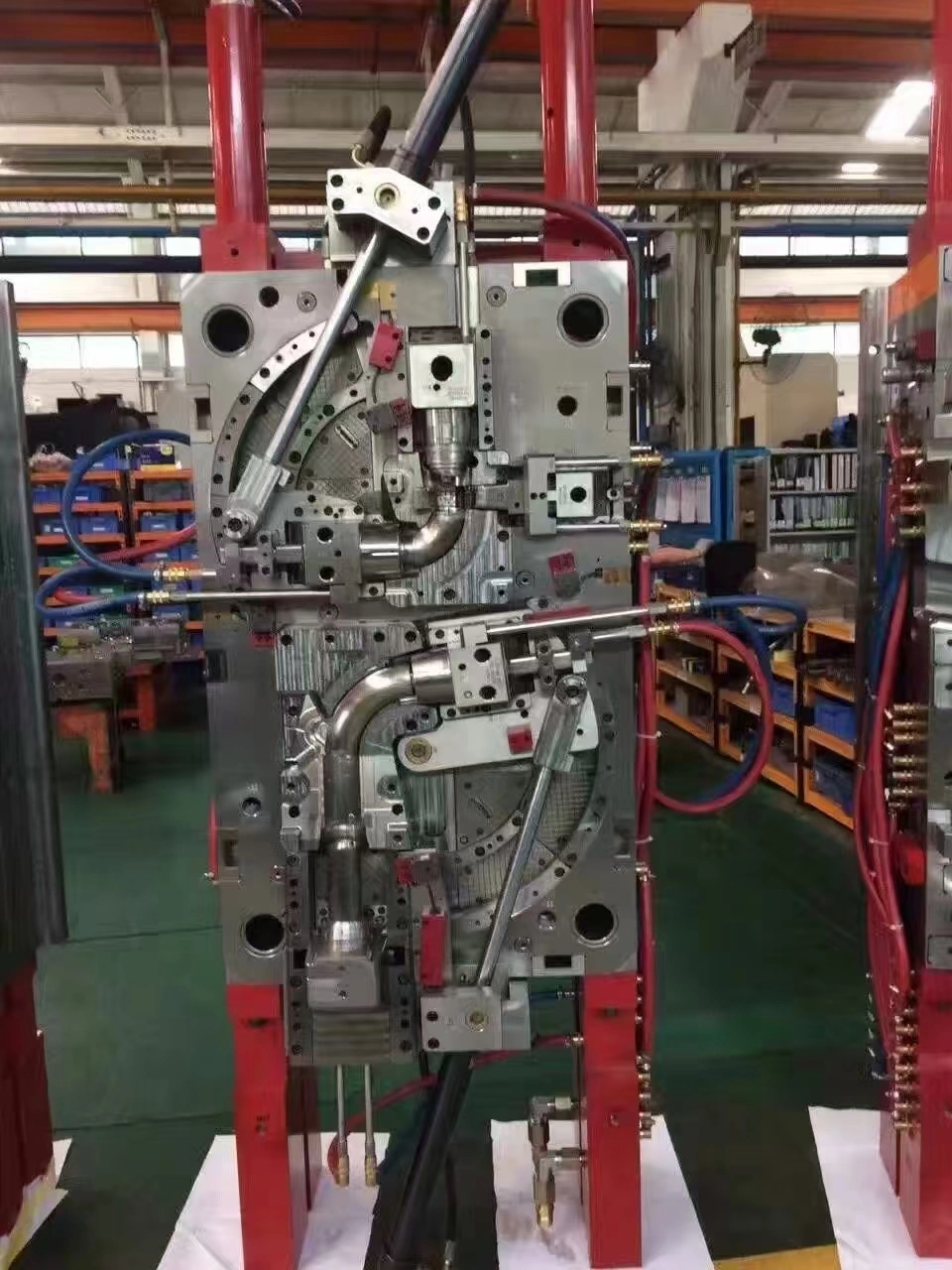
As a result of progress in manufacturing, we now have modern injection molding machines that can make things with complicated shapes and close specs. Every time we die cast, we only use the best aluminum and zinc alloys that are made to last in harsh work environments. For many of our competitors, mass production is all they do. But we offer full design consultation to make sure that every part works best where it's supposed to.
We use the same method for all stages of development, from the first idea to quality control and final production. This is not the same as suppliers who just make things without knowing what the application needs. It is important to use the right materials so that they can handle the harsh chemicals and high temperatures that are common in the energy sector.
One good thing about the location is that it's close to major shipping ports. This makes it faster for people in other countries to get their orders, especially for industry parts that are often needed quickly for manufacturing and repair operations. Because we are in the middle of Dongguan's mold-making hub, we can easily find specialized suppliers and skilled workers with expertise in producing a wide range of industry parts. This strong local supply chain allows us to maintain high quality while also controlling costs, so we can then sell good products at fair prices to our global customers. Being situated in such a strategic location ensures efficient production, timely deliveries, and competitive pricing for all types of industry parts.
How to make your performance go as well as possible
When making specs, it helps to think about how they will be used, such as the temperature ranges, chemicals that will be present, mechanical loads, and the environment. Designers and end users work together to find and meet all the important needs as the project grows.
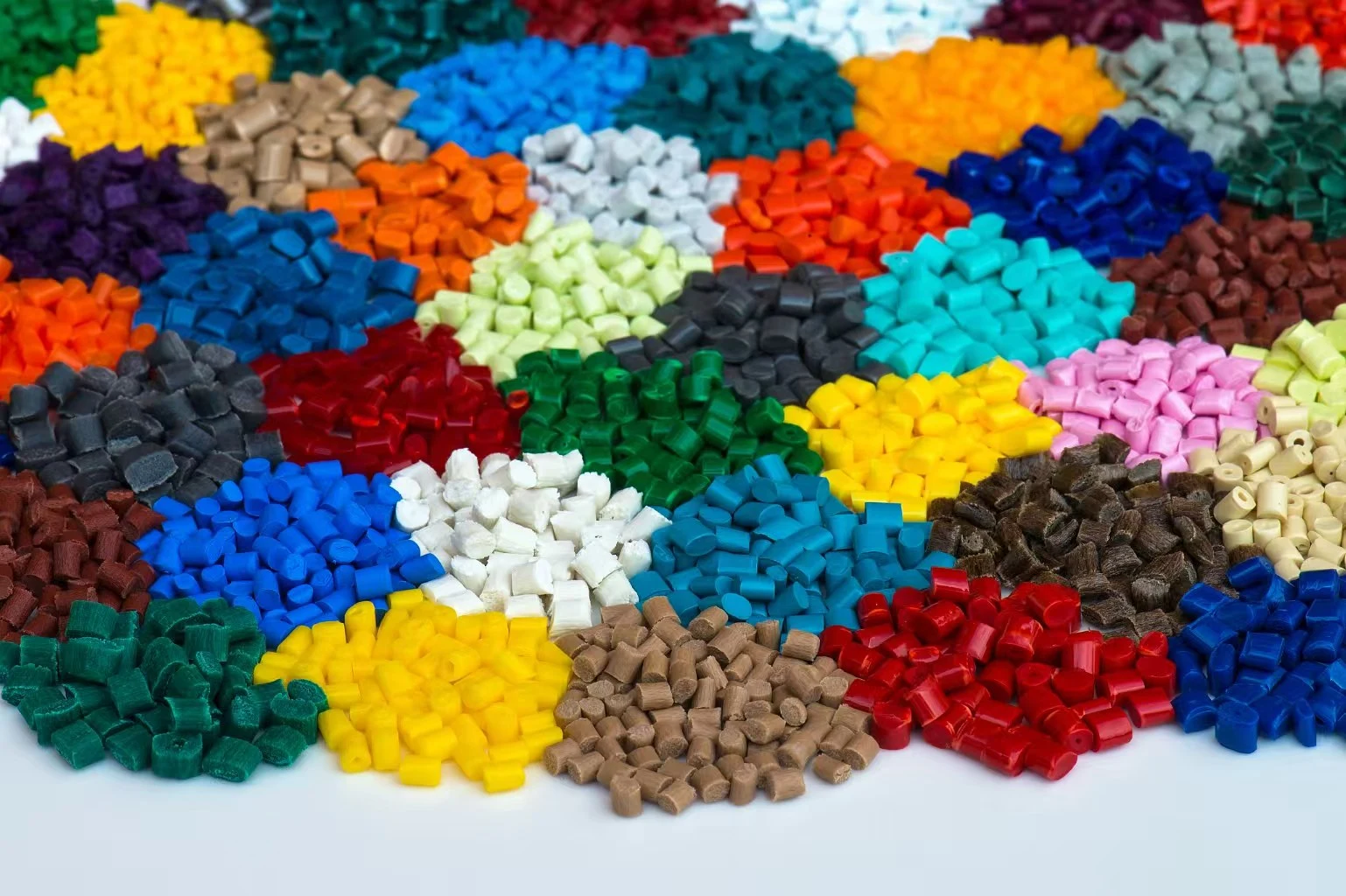
More than how much something costs at first, you should think about how well it will last over time. Strong polymers like PEEK, PPS, and fluoropolymers are better for tough jobs because they can handle chemicals better and stay stable at high temperatures. Alloys and surface treatments can be used to make metal parts that don't rust or wear down as quickly.
How parts are put together affects how well they work and how long they last. To keep things from breaking while putting them together, you need to handle them in the right way. The right torque levels and alignment steps will also make sure they work perfectly. Problems can be found before they get worse if you check for them at set times every day.
Plans for managing inventory should take costs into account while still meeting the needs of the business. To cut down on downtime, it's smart to keep more important parts on hand. For parts that aren't as important, on the other hand, just-in-time delivery can save you money on delivery fees.
Considerations when putting
Before installing industry parts, quality rules must be established. Check the shape, size, and other features of the material as it is brought in to ensure the industry parts meet all specifications. As businesses grow, they need more and different paperwork to track and verify the quality of these components. In highly regulated sectors such as the nuclear and drug industries, maintaining comprehensive records for industry parts is essential to explain what happened at every stage of production and installation. This level of documentation ensures traceability, supports regulatory compliance, and helps maintain high safety and quality standards throughout the lifecycle of the parts.
Make sure new parts work with what's already there. Melting point, chemical compatibility, and thermal expansion coefficients must work for the system. If not, something may break or act unexpectedly.
Repair trainees follow programs to properly use, set up, and fix machines. Some jobs require specific tools. Before starting the project, gather these tools.
When choosing a supplier, check their production speed and quality. You should only use reliable, experienced suppliers. They maintain stability.
Conclusion
It is important to spend money on industry parts for projects in the energy and chemical industries that need to be safe, perform well, and be reliable. There are more benefits than just lower costs at first. These include better operational efficiency, less maintenance, and following the rules, all of which have a direct impact on how much money the project makes.
It is important to pick the right manufacturing partners, materials, and design specs so that the parts work well even in tough conditions. Yongsheng's all-around approach to custom manufacturing and our years of work experience in factories give us the knowledge and skills to confidently and reliably help you with your hardest projects.
FAQ
Q: How to heat chemicals for optimal performance?
A: Effective polymers like PTFE, PEEK, and PPS don't change when hot. Hot alloys Inconel and Hastelloy work better.
Q: How do you maintain quality when making lots?
A: Our ISO 9001:2015 quality management system includes that. We inspect everything, use statistics to track the process, and calibrate our equipment regularly. Each batch of goods is checked for size and quality before shipping.
Q: How long do custom parts for my business take?
A: Most standard designs take 4–8 weeks. Making rare apps for you can take 12 weeks. Tools and production can often be moved up for fast-filling orders.
Partner with Yongsheng for Reliable Industry Parts Manufacturing
Yongsheng stands ready to support your energy and chemical industry projects with precision-engineered components that deliver exceptional performance and reliability. Our comprehensive manufacturing capabilities, combined with decades of experience serving international clients, position us as your ideal industry parts supplier for demanding applications.
Our one-stop service approach eliminates coordination challenges by managing everything from initial design consultation through final production and quality assurance. This integrated methodology ensures seamless project execution while maintaining strict confidentiality and intellectual property protection standards that international companies require.
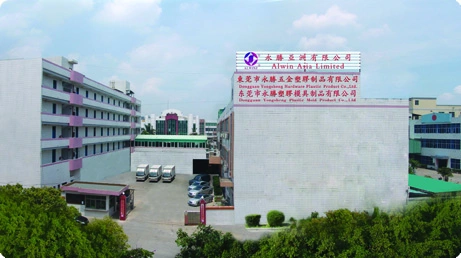
Located in Dongguan's premier manufacturing district, our 6,000 square meter facility houses advanced molding equipment and experienced technicians capable of handling the most challenging specifications. Direct access to Shenzhen airports enables rapid prototype delivery and efficient communication with global customers.
Ready to discuss your specific component requirements? Our engineering team welcomes the opportunity to review your project specifications and recommend optimal solutions that balance performance, cost, and delivery requirements. Contact us at sales@alwinasia.com to schedule a consultation and discover how our expertise can enhance your next energy or chemical industry project.