More and more business-to-business buyers are choosing Chinese suppliers for medical parts because of their advanced manufacturing skills, cost-effective production methods, and wide range of quality certifications. Chinese suppliers of medical parts have been making precise parts for more than 30 years and offer low prices while strictly following international standards like ISO 13485 and FDA rules. China is the best place for businesses to find reliable medical equipment parts and healthcare devices because it has a skilled workforce, cutting-edge technology, and well-established supply chains.
China's Proficient Production of Medical Parts
Advanced Tools for Making Things
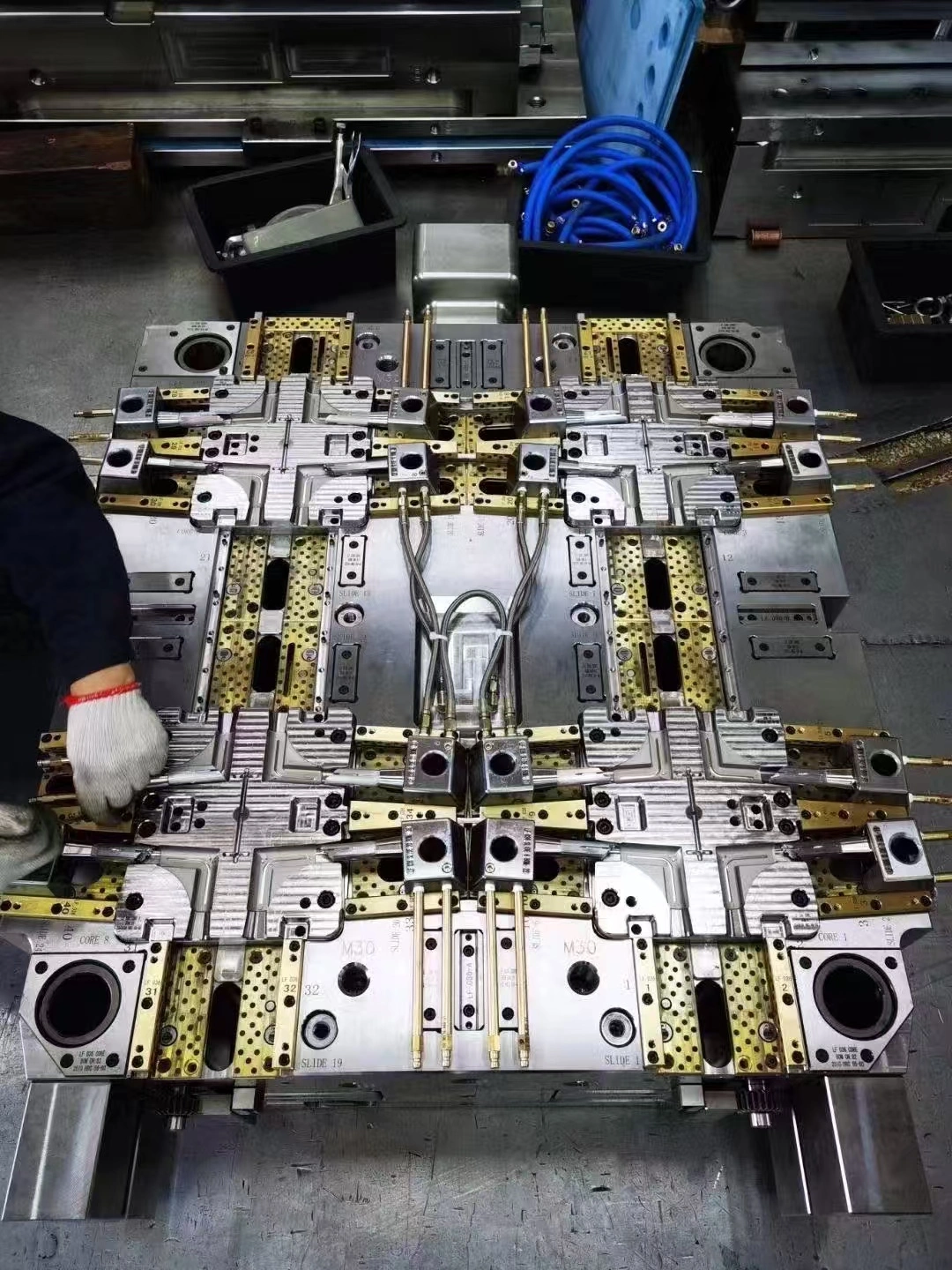
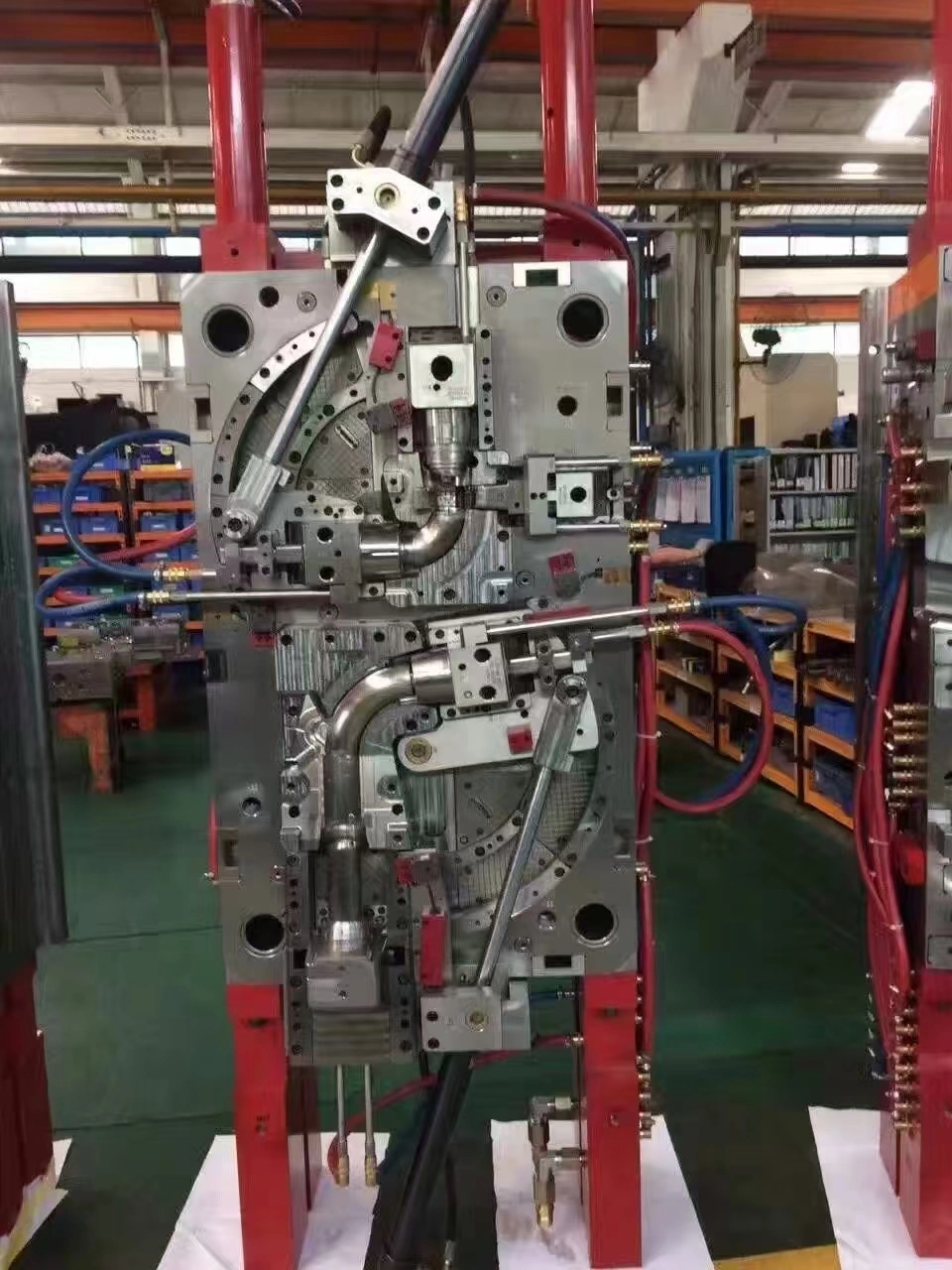
China is now the world's biggest maker of high-tech medical equipment and other medical devices. Because the country has spent a lot of money on precision machinery and automation technology, companies can make very accurate medical instruments. CNC machining centers, injection molding systems, and cleanrooms that meet the strict requirements of the medical industry are used in modern facilities.
Clusters of specialized industries
The province of Guangdong, especially cities like Dongguan, has become a center for making medical technology. These groups are helped by having a lot of experts in one place, sharing resources, and being close to places that supply raw materials. Companies like Yongsheng Hardware Plastic Product Co., Ltd., which was founded in 1993, show how much the industry has learned by working with international medical device manufacturers for many years.
Infrastructure for research and development
Chinese companies have put a lot of money into research and development, which lets them come up with new ways to make medical diagnostics and surgical instruments. Suppliers can offer full design support and work well with others on custom medical components projects thanks to this technical knowledge.
How to Choose Reliable Medical Equipment Makers
Verification of Manufacturing Experience
Check out the history of potential suppliers in making medical devices before you decide to work with them. Look for companies that have worked with healthcare applications for at least 10 to 15 years. Manufacturers that have been around for a while show that they are stable and have a lot of experience meeting the regulatory requirements for making medical equipment.
Evaluation of the Production Facility
Visit manufacturing plants to get a better idea of what they can do. Modern companies that sell medical parts should have cleanrooms, places where the temperature can be controlled, and special tools for making biomedical devices. To keep things clean, the layout of the building should make it clear where the different stages of production are separated from each other.
Review of the Customer Portfolio
Check out the supplier's case studies and list of current clients. Reliable manufacturers usually work with well-known medical equipment companies and can give you references from happy customers. This openness shows that they are sure of the quality of their service and the standards of their manufacturing.
Ability to Provide Technical Support
Check out the supplier's engineering support team to see if they can help with design. Strong manufacturers offer a range of services, such as product development, prototyping, and optimizing production, all in one place. This all-around approach makes coordination easier and guarantees better project results.
Management of communication and projects
Check out the supplier's ways of communicating and managing projects. Manufacturers who do a good job keep detailed records, send regular updates, and have account managers who know how to do business internationally.
Important Standards for Certification in Medical Manufacturing
Management of Quality ISO 13485
Manufacturers of medical devices must have ISO 13485 certification. This standard is only about quality management systems for making medical equipment. Suppliers must show that their processes, risk management, and practices for continuous improvement are consistent with the needs of the international medical industry.
FDA Registration and Following the Rules
Suppliers who want to sell to people in the US must register with the FDA and follow the rules in 21 CFR Part 820. This includes requirements for Good Manufacturing Practice (GMP) and certain documentation standards for making medical hardware.
CE Marking for Markets in Europe
To get into the European market, you have to follow the rules for CE marking, which includes procedures for assessing conformity and technical documentation. Medical parts have to follow the rules set by the Medical Device Regulation (MDR). This makes sure that safety and performance standards are always met.
More Certifications in the Industry
Look for suppliers that have extra certifications, like ISO 9001 for general quality management, ISO 14001 for environmental management, and standards specific to the medical sensor or diagnostic tool manufacturing industry.
Platforms and channels for sourcing that work well
Trade shows for professionals
Meeting qualified manufacturers in person is a great thing that can happen at international medical device exhibitions. Medical Device & Manufacturing (MD&M) conferences and MEDICA in Germany both have well-known Chinese suppliers who have a track record of making medical equipment.
Online Platforms for Specific Industries
When it comes to suppliers, specialized B2B platforms that focus on medical technology are better than general trading websites. Most of the time, these platforms check the credentials of manufacturers and give full profiles of companies, including their certification status and production capabilities.
Direct Contacts with Manufacturers
Working directly with well-known manufacturers is often more effective than going through middlemen. Companies like Yongsheng, which is in the center of mold making in Dongguan, give you direct access to engineering teams and production facilities.
Networks of Industry Associations
Chinese medical device industry groups keep member directories with lists of qualified manufacturers. These groups usually have strict rules about who can join, which adds another level of supplier verification.
Strategies That Work for OEM and ODM Partnerships
Framework for Protecting Intellectual Property
Make sure you have full IP protection agreements in place before you share technical details. Include terms like "non-disclosure agreements," "design ownership," and "manufacturing exclusivity." Suppliers with a good reputation know how important it is to keep client innovations safe and set up safe data management systems.
Working Together on Design and Development
For OEM partnerships to work, both companies need to work together early on in the design phase. Share the functional requirements and performance specifications and use the manufacturer's knowledge to help choose the right materials and make the production run more smoothly. This method usually saves money and makes the product work better.
Integration of Quality Control
Create unified quality control methods that are in line with the standards of your business. There are agreed-upon inspection procedures, testing protocols, and requirements for paperwork. Quality audits done on a regular basis help keep things consistent throughout the whole production process.
Building long-term partnerships
Instead of looking for the lowest price right away, focus on building long-term relationships. Partnerships that are already in place allow for better communication, more efficient scheduling of production, and efforts to keep getting better that benefit both parties.
Optimizing MOQ and Setting Prices
How to Figure Out Minimum Order Quantities
Manufacturers of medical parts usually have minimum order quantities (MOQs) that are based on how much it costs to set up production and how well materials are used. These amounts change a lot depending on how complicated the product is, what materials are used, and how it is made. MOQs for custom medical instruments may be higher than MOQs for standard parts.
Negotiations about prices based on volume
Talk about tiered pricing structures that take into account how much your business is expected to grow. Many suppliers offer big discounts for bigger orders, but you should also think about breaks in between orders that work with your business's growth plan.
Analyze the total cost
Look at the total landed costs, which include the costs of making, shipping, customs duties, and quality checks. When you buy from suppliers you can trust, even if the unit prices are a little higher, the overall costs may be lower because of fewer quality problems and faster delivery times.
Getting the best payment terms
Talk to the supplier about good payment terms that meet both your risk management needs and theirs for cash flow. Think about options that protect both sides, such as letters of credit, milestone payments, or quality-based payment releases.
Comprehensive Quality Control and Audit Procedures
Pre-Production Quality Planning
Establish detailed quality plans before production begins. These plans should specify inspection points, testing requirements, and acceptance criteria for each production stage. Clear documentation prevents misunderstandings and ensures consistent quality outcomes.
In-Process Monitoring Systems
Implement monitoring systems that track production progress and quality metrics in real-time. Modern manufacturers use statistical process control (SPC) and other quality management tools to maintain consistent output and identify potential issues early.
Third-Party Inspection Services
Consider using independent inspection services for critical medical components. These services provide objective quality assessments and can verify compliance with your specifications before shipment.
Supplier Audit Programs
Develop systematic audit programs that evaluate supplier capabilities, quality systems, and compliance status. Regular audits help maintain performance standards and identify improvement opportunities.
Leading Medical Parts Suppliers: Market Characteristics
Technology Integration Capabilities
Top suppliers demonstrate advanced technology integration including Industry 4.0 systems, IoT connectivity, and data analytics capabilities. These technologies enable better production control, predictive maintenance, and real-time quality monitoring.
Sustainability and Environmental Compliance
Leading manufacturers prioritize environmental sustainability through green manufacturing processes, waste reduction initiatives, and sustainable material selection. This focus aligns with global healthcare industry trends toward environmental responsibility.
Digital Communication Platforms
Advanced suppliers utilize digital collaboration platforms that provide customers with real-time project visibility, quality data access, and streamlined communication channels. These systems improve transparency and enable faster decision-making.
Regulatory Expertise
Top-tier suppliers maintain dedicated regulatory affairs teams that stay current with evolving medical device regulations across different markets. This expertise helps customers navigate complex compliance requirements more effectively.
Conclusion
China's medical manufacturing sector offers compelling advantages for B2B buyers seeking reliable, cost-effective solutions for medical parts and healthcare devices. The combination of advanced manufacturing capabilities, comprehensive certifications, and competitive pricing makes Chinese suppliers attractive partners for international medical equipment companies.
Success in sourcing medical components from China requires careful supplier selection, thorough quality control processes, and strong partnership development. Companies that invest time in identifying qualified manufacturers and building collaborative relationships typically achieve better outcomes in terms of product quality, delivery performance, and total cost optimization.
FAQ
Q: How can I verify the quality certifications of Chinese medical parts manufacturers?
A: Request copies of current certification documents including ISO 13485, FDA registration numbers, and CE marking certificates. Verify these certifications directly with issuing bodies and consider conducting on-site audits to validate manufacturing processes and quality systems.
Q: What are typical lead times for custom medical equipment components from Chinese suppliers?
A: Lead times vary based on complexity and customization requirements. Standard medical components typically require 2-4 weeks, while custom medical instruments may need 6-12 weeks including tooling development. Always discuss realistic timelines during the quotation process.
Q: How do I protect my intellectual property when working with Chinese medical parts manufacturers?
A: Implement comprehensive IP protection strategies including detailed non-disclosure agreements, design ownership clauses, and manufacturing exclusivity terms. Work with suppliers who demonstrate commitment to IP protection and have established security protocols for handling confidential information.
Work together with Yongsheng to make good medical parts.
A medical equipment company called Yongsheng Hardware Plastic Product Co., Ltd. has been making precise products for more than 30 years. Our Dongguan factory is ISO9001:2015 certified and makes custom plastic molds, die-casting solutions, and medical equipment parts that are very accurate. We understand how important it is for companies that make medical devices to stick to rules, meet quality standards, and deliver products on time.
We can do all of your needs in one place. Our services include design consultation, making prototypes, improving production, and secondary processing. Being in Guangdong's main manufacturing hub makes it easy for clients from other countries to come to us. This is because logistics to major airports and ports are streamlined.
Are you ready to learn how our background in making medical parts can help you with your next project? When you talk to our skilled engineers about your needs, they'll be able to make solutions that meet your quality standards and delivery dates. Get in touch with us right away at sales@alwinasia.com to make us your supplier for medical parts.
References
1. Chen, L., & Wang, M. (2023). "Global Medical Device Manufacturing Trends and Supply Chain Analysis." Journal of Healthcare Manufacturing, 15(3), 45-62.
2. International Medical Device Regulators Forum. (2024). "Quality Management Systems for Medical Devices: Global Harmonization Principles." IMDRF Guidelines Publication.
3. Zhang, H., Liu, S., & Anderson, R. (2023). "Cost-Effectiveness Analysis of Asian Medical Device Manufacturing." International Journal of Medical Technology, 28(7), 112-128.
4. Medical Device & Diagnostic Industry Magazine. (2024). "China's Medical Manufacturing Evolution: Quality, Compliance, and Innovation." MDDI Annual Review, 46(2), 23-35.
5. Thompson, K., & Lee, J. (2023). "Supply Chain Risk Management in Medical Device Procurement." Global Healthcare Supply Chain Quarterly, 11(4), 78-94.
6. World Health Organization. (2024). "Medical Device Regulation and Quality Assurance: Best Practices for International Procurement." WHO Technical Report Series, No. 1023.