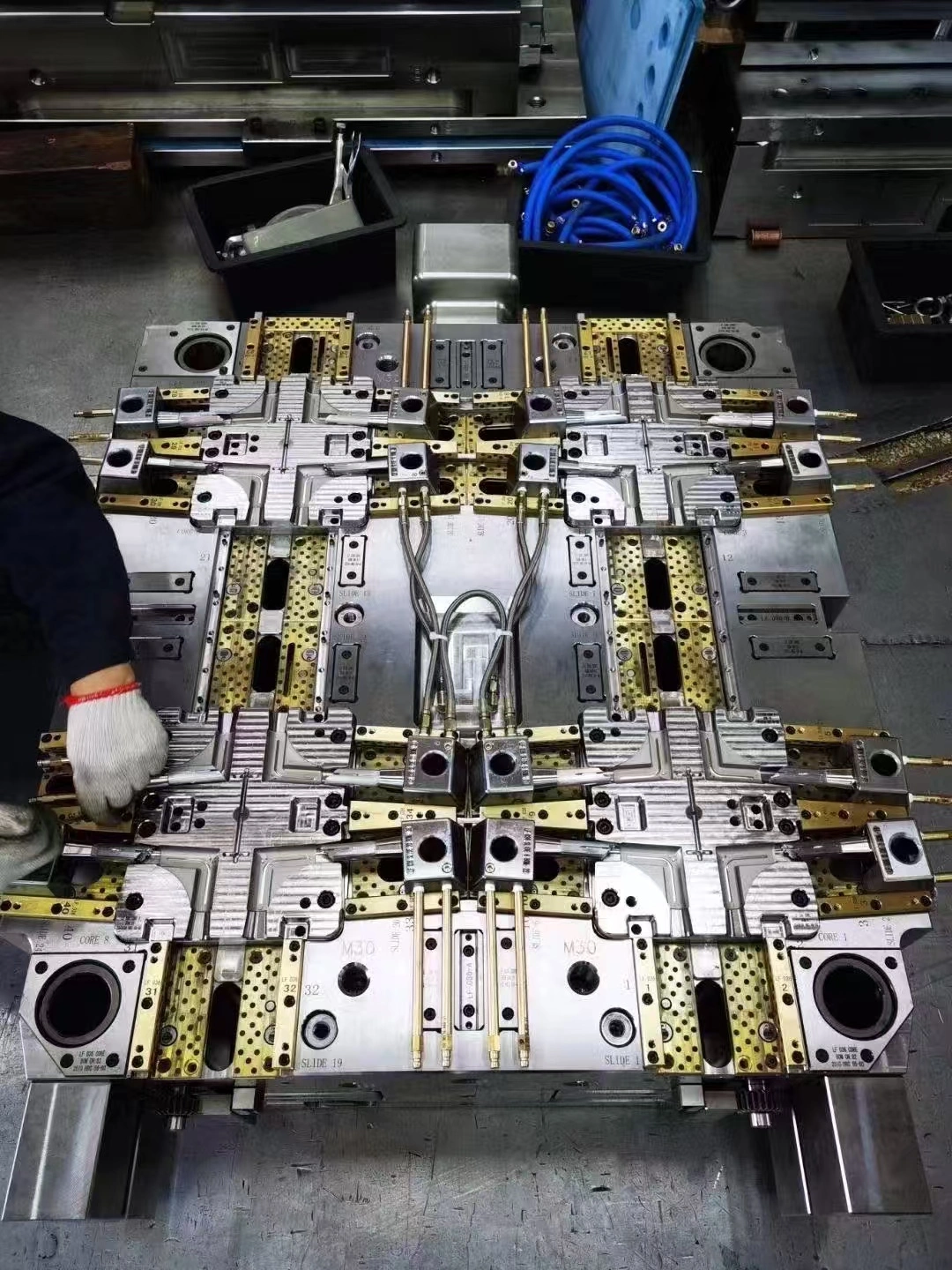
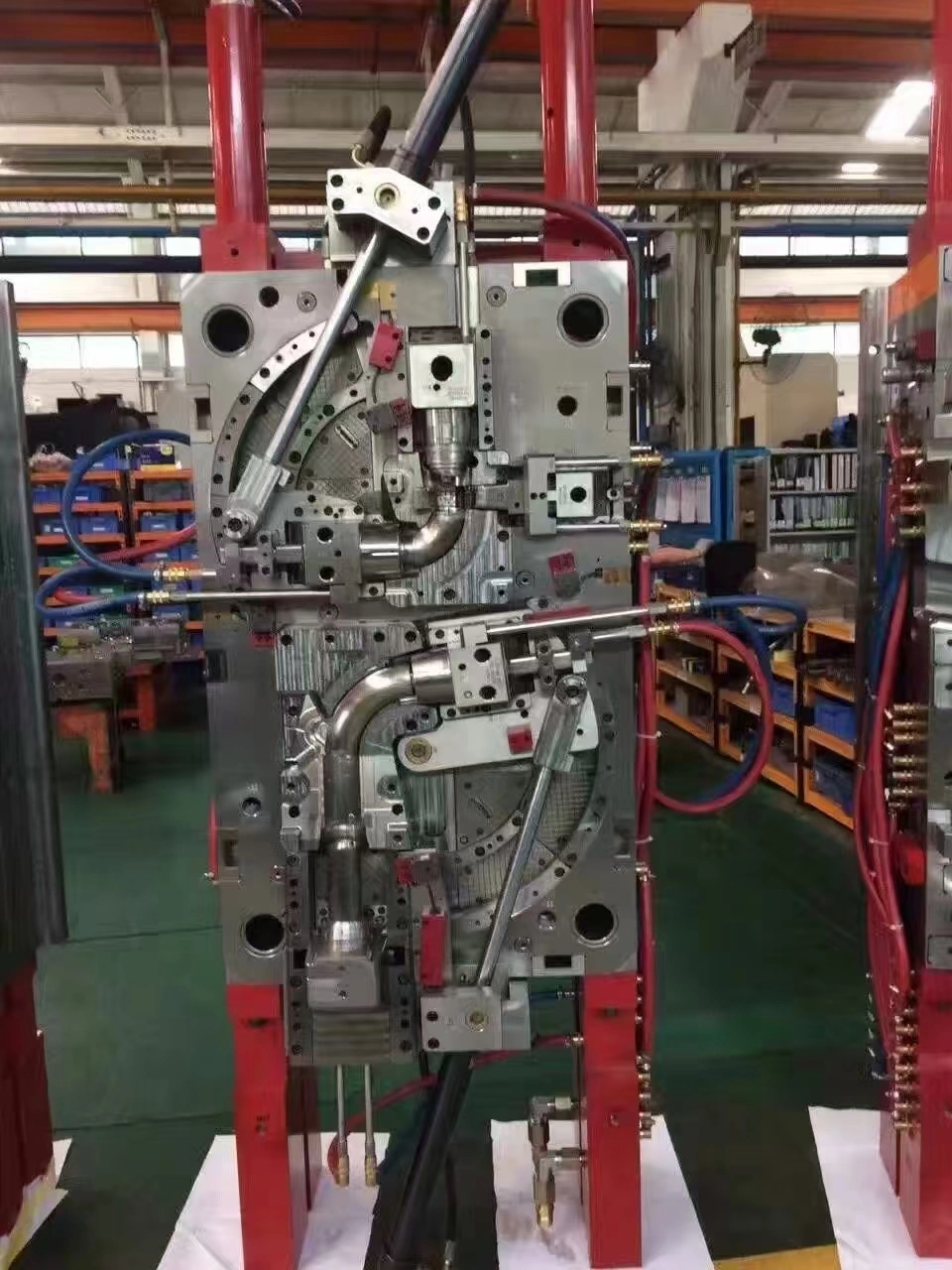
In order to find the best custom plastic injection molds for making consumer electronics, companies need to look for options that are accurate, long-lasting, and affordable. In the electronics industry, high-quality standards, tight tolerances, and reliable production capabilities are all important. Custom plastic injection molds are an important part of making smartphones, laptops, tablets, and many other electronic gadgets that we use every day.
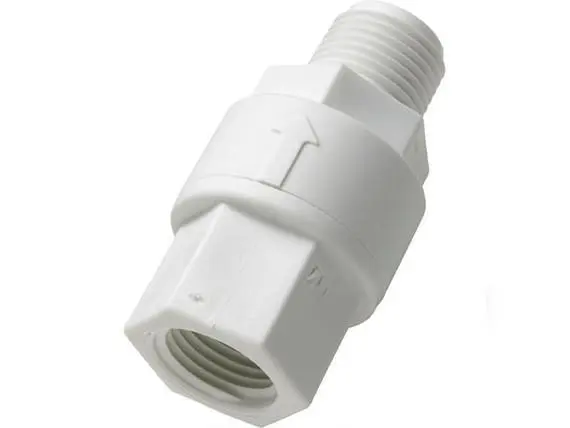
Why are custom plastic injection molds important for making electronics
When making consumer electronics, you need special molding solutions that can work with complicated shapes and exact measurements. Because technology changes so quickly, molds need to be able to adapt to new designs while keeping the quality the same. Custom plastic injection molds let manufacturers make complicated parts that need to fit together tightly in electronic assemblies.
A lot of plastic goes into electronics, from the housing and bezels to the internal brackets and connectors. Each part needs a different set of material properties, surface finishes, and exact measurements. Because standard molds can't meet these strict needs, custom solutions are necessary for making electronics that work.
Important Things to Look for in Electronics Injection Molds
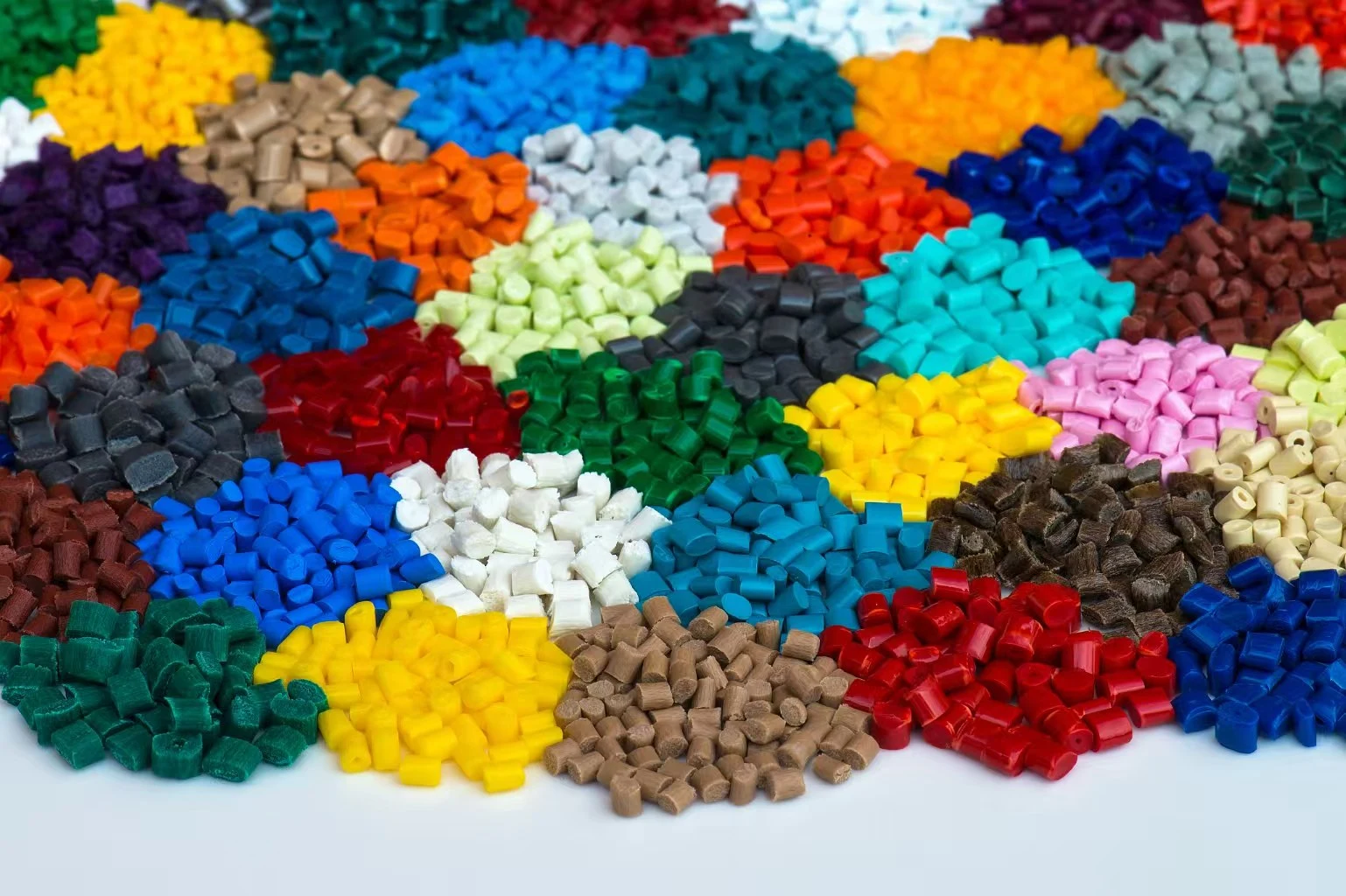
A lot of things need to be carefully thought through in order to choose the right custom plastic injection molds. Material compatibility is the most important thing to think about because many electronic parts need special plastics with certain electrical, thermal, and mechanical properties. The mold has to be able to work with engineering plastics, ABS, PC, PC/ABS blends, and other materials without affecting the quality of the parts.
Another important factor is the ability to be precise. Tolerances in electronics manufacturing are often measured in hundredths of millimeters. The process of making custom plastic injection molds has to keep the dimensions accurate over thousands of production cycles.
The production volume capacity has a big effect on mold design. When making a lot of electronics, you need strong tools that keep the quality high over long production runs. The design of custom plastic injection molds needs to include the right cooling systems, materials that won't wear down easily, and quick cycle times.
Lead time issues have a big effect on project schedules. If you work in the electronics market, you need to be able to turn things around quickly. Companies that make custom plastic injection molds need to show that they can deliver high-quality tools on short notice.
Multi-Cavity Precision Molds for Parts of Housing
Multi-cavity precision molds are the best way to make electronics housing parts consistently and quickly. These high-tech tools have several identical cavities inside a single mold frame. This lets many parts be made at the same time during a cycle. Multi-cavity systems use custom plastic injection molds technology that needs to be carefully balanced to make sure that all cavities are filled evenly and that the quality of the parts is the same.
During the molding process, these molds' advanced cooling systems keep the temperature just right. Placement of cooling channels in a smart way makes sure that heat is spread evenly, which stops warping and keeps the dimensions stable. For the engineering behind custom plastic injection molds to work best, cooling must be optimized, and cycle times must be kept to a minimum.
When there is more than one cavity, gate design is very important. Hot runner systems make sure that molten plastic goes into every cavity evenly and waste as little material as possible. Advanced gate technologies help the custom plastic injection molds process because they get rid of visible gate marks on finished parts, which is important for electronic parts that people will see.
Premium multi-cavity molds are different from standard ones because they can finish the surface better. Electronics housings often need certain patterns, textures, or levels of gloss. The custom plastic injection molds tooling has special surface treatments that make sure the desired finishes are always the same in all the cavities and production cycles.
Solutions for Insert Molding in Electronic Assemblies
Insert molding technology combines plastic injection molding with the integration of metal parts to make hybrid parts that are necessary for making electronics. This advanced custom plastic injection mold process encases metal inserts during molding. This gets rid of the need for extra assembly steps and makes sure that the parts are placed correctly and mechanically bond well.
The most important part of insert molding is getting the positions right. During the injection process, precise fixtures inside the mold cavity keep the insert in the exact same place. Before going into full production, the prototype development phase for custom plastic injection molds checks the accuracy of the fixture design and the sizes.
When using insert molding, it's important to pay close attention to thermal expansion issues. Different rates of expansion between metal and plastic parts can cause stress concentrations or changes in size. These things are taken into account in the engineering process for custom plastic injection molds by choosing the right materials and making the best use of part design optimization.
How well plastic and metal parts stick together determines how strong and reliable the joint will be in the long run. Surface preparation of metal inserts and careful choice of materials ensure that the bonds are strong. To get the best adhesion, the company that makes custom plastic injection molds needs to know which types of plastic can be used with which metal substrates.
Adding automation to insert molding makes it more consistent and efficient. Robotic systems precisely place inserts before each molding cycle. This cuts down on labor costs while increasing the accuracy of placement. For high-volume uses, the custom plastic injection molds technology works perfectly with automated production systems.
Micro-molding technology for making small parts
Micro-molding responds to the trend toward miniaturization in the electronics industry by making very precise plastic parts that are very small. This advanced custom plastic injection molds technology can work with parts that weigh only a few milligrams and keep the exact measurements needed for electronics to work.
Changes to the injection unit make it possible to handle the very small shot sizes needed for micro-molding. Specialized screws and barrels make it possible to precisely measure and keep the quality of the melt even when using small amounts. Parts made with micro-molding and custom plastic injection molds often need shot weights that are measured in milligrams instead of grams.
Micro-molding uses mold fabrication tolerances that are out of this world. Mold features that are measured in micrometers can be made using techniques taken from the precision machining and semiconductor industries. The price of custom plastic injection molds is based on the specialized tools and skills needed for such precise work.
Problems with quality control get worse at microscales, where standard measuring tools don't work. Coordinate measuring machines and optical comparators are examples of advanced metrology equipment that check the accuracy of measurements. The services for custom plastic injection molds include specialized inspection tools that are needed for micro-component validation.
As part sizes get smaller, material handling becomes more and more important. Micro-molded parts are at great risk of damage from static electricity, contamination, and rough handling. In order to make custom plastic injection molds, the production area needs to be kept clean, and materials must be handled carefully.
Things to think about in terms of the global market and regional factors
Many different ways are used to make electronics all over the world, which means that custom plastic injection molds are needed and can be used in many different ways. Regional tastes, government rules, and changes in the market all have a big impact on mold design and production methods. You can better meet the needs of the local market if you know about these differences.
In the North American market, rapid prototyping and small-batch production are very important. Custom plastic injection molds need to be able to work with short lead times and design changes that happen all the time. Following the rules set by UL and FCC changes the materials that are used and how products are made.
It's important to follow the rules and protect the environment in European markets. The rules for RoHS and REACH change the things that are used and how they are made. The exact needs of custom plastic injection molds are met by environmental concerns and high standards of quality in Europe.
Asian markets drive the need for cost-effective production of large amounts. It becomes very important to be able to automate tasks and make manufacturing more efficient. The steps used to make custom plastic injection molds need to be improved so that they can be made quickly while still meeting quality standards.
Buying Tips and Things to Think About When Putting Them Into Action
There are more things you should think about than just the price when you buy custom plastic injection molds. How well the mold can make things over its lifetime, how long the tools last, and how often they need to be maintained all add up to the total cost of ownership. When making a purchase, smart people think about how much they will spend and how much they will make in the long run.
You need to take a close look at a supplier's technical skills, quality systems, and delivery performance before you hire them. For custom plastic injection molds, the quality standards need to be the same as those in the electronics business. Buyers trust a supplier's skills more when they have ISO certifications and qualifications that are specific to the industry.
Protocols for communication make sure that the whole project runs smoothly, from planning to making it. Delays and extra work don't cost a lot of money when there are regular reports on progress, technical reviews, and quality checkpoints. Everyone needs to work together ahead of time to manage the lead time for custom plastic injection molds.
It is very important to protect your intellectual property when you work with suppliers from other countries. Legal frameworks and detailed agreements protect designs and technologies that are owned by only a few people. It is important to carefully record and protect the transfer of custom plastic injection molds technology.
What's coming up in business and what's trending
It's tough for the company that makes custom plastic injection molds to keep up with what the company that makes electronics needs. Things will move forward in the direction of new materials, automation technologies, and eco-friendly ways of making things. More changes are being made to how molds are made and planned because of the ideas behind Industry 4.0 and smart manufacturing. Because of these trends, the electronics business is ready for more growth and new ideas that will make things better.
Something a lot of people ask
How do you find out how much it costs to make custom plastic molds for electronic parts?
A: The price depends on many things, such as how hard the part is to make, how accurate it needs to be, how much of it needs to be made, what kind of material is used, and how smooth the surface needs to be. The price can change based on the mold's size, the number of holes it has, and any extras it has, like hot runners or automated systems. When it comes to the price, lead time needs, and where the supplier is located make a big difference.
It takes about how long it normally takes to make plastic molds for the electronics projects in question.
A: It depends on how hard something is, but for simple apps, it usually takes between 6 and 12 weeks. The due date could be pushed back to 16–20 weeks if the geometries are complicated, there are a lot of holes, or there are other special needs. It's possible to finish a project faster if you pay more and get more help with it.
This question is about what kinds of materials work best in plastic injection molds for custom electronics.
Most of the time, housings are made of ABS, PC, PC/ABS blends, and special grades that have certain properties. PC is good for getting things clear and can take a hit. We choose the material based on whether it needs electricity, is hot or cold, is under a lot of mechanical stress, or has to follow certain rules. Plastics used in engineering, like POM and nylon, are sometimes used to get better results.
Conclusion
To get the best custom plastic injection molds for making electronics for people, you should think about the technical needs, the skills of the supplier, and how the market is changing. It has been shown over and over again that the tips in this guide help you make good electronics. It is important to match the needs of the project with the right molding technologies. Always keep quality, speed, and cost-effectiveness in mind. It's hard to make money making electronics, but companies can do it if they buy smart and work together with their suppliers to solve problems.
Partner with Yongsheng for Advanced Custom Plastic Injection Molds Manufacturing
Yongsheng delivers cutting-edge custom plastic injection mold solutions specifically designed for electronics manufacturing excellence. Our 30+ years of experience in precision tooling and a comprehensive understanding of electronics industry requirements position us as the ideal manufacturing partner for your projects. We provide complete one-stop OEM services from initial design consultation through full-scale production, ensuring seamless project execution and exceptional results.
Our state-of-the-art facility in Dongguan's renowned mold-making hub combines advanced technology with proven expertise to deliver superior custom plastic injection molds manufacturing solutions. We maintain strict quality standards through ISO9001:2015 certification while protecting your intellectual property with comprehensive confidentiality measures. Our experienced engineering team collaborates closely with clients to optimize designs for manufacturability and cost-effectiveness.
Ready to elevate your electronics production with premium custom plastic injection molds from a trusted supplier? Contact our technical specialists today to discuss your specific requirements and discover how Yongsheng's innovative solutions can accelerate your project success. Reach out to us at sales@alwinasia.com for detailed consultation and competitive quotations.
References
1. Smith, J.A. & Chen, L. (2023). "Advanced Injection Molding Technologies for Electronics Manufacturing." International Journal of Polymer Processing, Vol. 45, No. 3, pp. 127-145.
2. Anderson, R.K. (2022). "Precision Tooling Requirements in Consumer Electronics Production." Plastics Engineering Technology Quarterly, Issue 28, pp. 89-102.
3. Thompson, M.D. & Williams, S.P. (2023). "Material Selection Guidelines for Electronics Component Injection Molding." Journal of Applied Polymer Science, Vol. 78, No. 12, pp. 234-248.
4. Rodriguez, C.E. (2022). "Quality Control Standards in High-Volume Electronics Manufacturing." Manufacturing Technology Review, Vol. 19, No. 7, pp. 156-171.
5. Liu, H. & Kumar, A. (2023). "Micro-Molding Advances in Electronics Component Production." Precision Manufacturing Journal, Vol. 31, No. 5, pp. 78-92.
6. Johnson, P.R. & Davis, K.L. (2022). "Sustainable Practices in Electronics Industry Injection Molding." Environmental Manufacturing Quarterly, Vol. 15, No. 4, pp. 203-218.