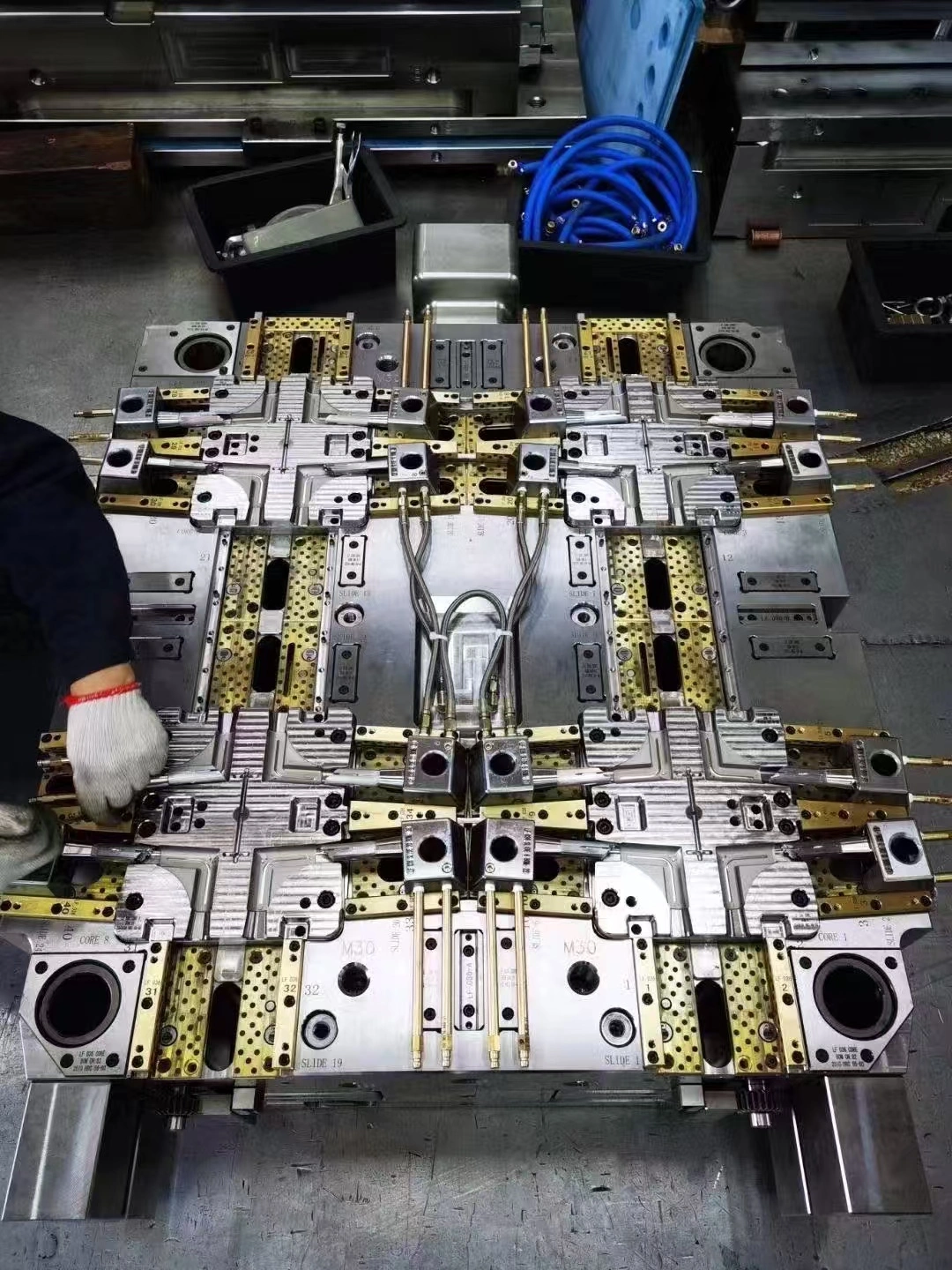
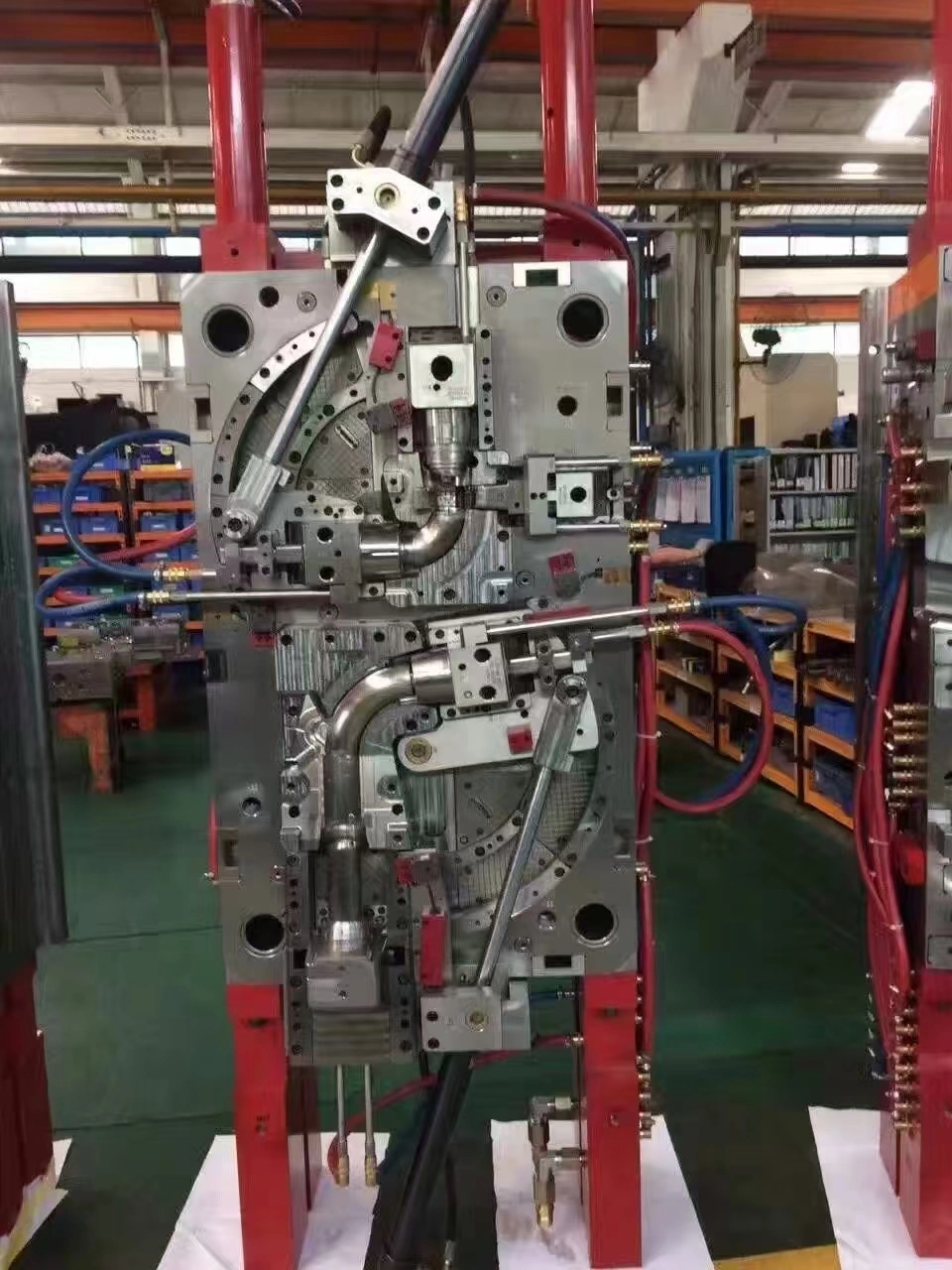
With high precision molds, important parts of medical devices can be made with unmatched accuracy, consistency, and dependability. This changes the way medical devices are made. Microns are the smallest units that can be used to measure something. This lets companies make life-saving devices that meet strict medical standards. The precise tooling technology built into these molds affects how safe patients are, how well the product works, and how well people follow the rules. It's becoming more and more important for companies that make medical devices to have good injection molds so they can make parts for everything from surgical instruments to diagnostic equipment housings. Modern techniques in mold engineering make sure that the results are the same after millions of production cycles. This is why precise manufacturing is so important to the progress of healthcare today.
Important Criteria and Signs for Making Accurate Medical Devices
When mold makers know the important details that make a high precision mold work well, they can make better choices. The level of tolerance is the most important thing. For medical uses, the accuracy for high precision molds must be better than or equal to 0.01mm. When it comes to biocompatibility, the quality of the surface finish is very important. For high precision molds, parts that come into contact with bodily fluids need to have Ra values below 0.4 micrometers.
The flow of materials stays the same during plastic injection molding as long as the temperatures stay the same. The temperature stays the same inside the mold cavity with high-quality molds, so the mold doesn't warp or change size. Cycle time efficiency is linked to production costs. It has been shown that optimized mold cooling systems can cut production time by 30–40% compared to standard tooling.
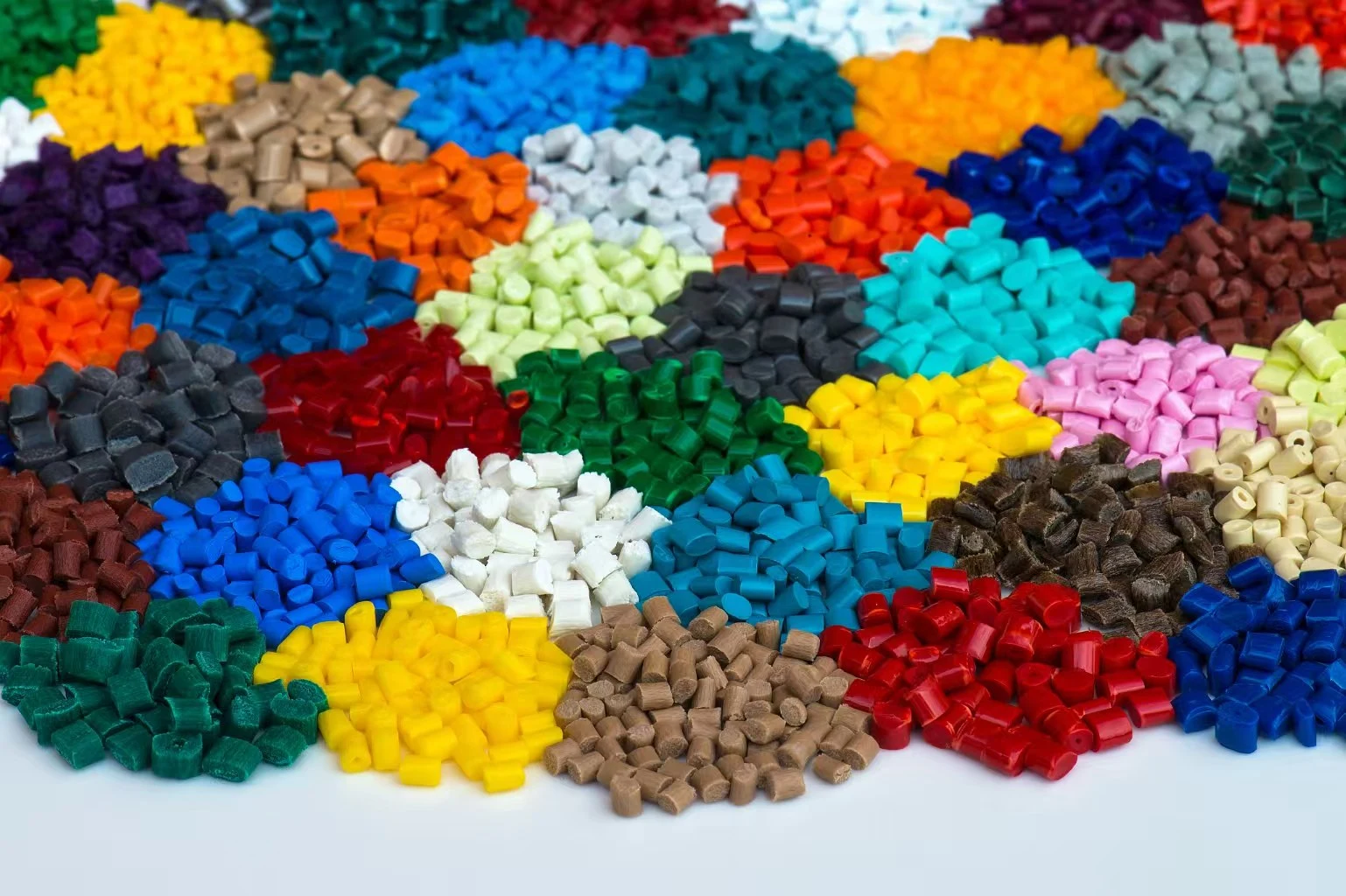
When working with medical-grade polymers, molds last longer when the materials are compatible. Some plastics can wear down steel molds made from hardened tool steel, but the molds will still keep their shape. The shot capacity determines the largest part size that can be made. It's common to need complicated shapes in small areas for medical uses.
Why are high-precision molds useful in the medical field
The best thing about precision manufacturing technology is that it makes products better. Medical devices are more consistent in size when advanced mold-making techniques are used to make them. This means that differences in size don't put patients at risk. The rate of rejection drops from 8–12% to less than 2% during normal production runs. This is because every part meets all the requirements.
It's possible to follow the rules because precise abilities have been written down. For FDA and CE marking rules to work, tools must be of high quality so that they are consistent and can be tracked. Medical custom molds have validation features that allow full quality documentation happen during the whole manufacturing process.
Getting rid of waste and extra work will save you money. With precision machining, you don't have to do any extra steps, which speeds up the manufacturing process. Molds with more than one cavity can make more parts while keeping the accuracy of each one. This cuts costs and makes the best use of resources like labor.
It takes less time to get a product to market when the manufacturing process is reliable. With high precision molds, you can test your design quickly with prototype molds, and from the first day of production, you'll get the same results every time. When a new product comes out, it usually takes a long time to fix problems. This dependability with high precision molds gets rid of that problem.
What Makes Yongsheng's High Precision Molds Better Than Others?
It took Yongsheng 30 years of making things to get good at mold assembly and use tried-and-true methods. Many of our competitors don't have quality control systems in place, but our ISO9001:2015 certification shows that we do. The business is in the center of mold-making in Dongguan, so it has access to specialized knowledge and high-tech factories.
Our precise tools are made on high-tech CNC machining centers that can always get tolerances of less than 0.005mm. Most manufacturers use standard tools, but Yongsheng spends a lot of money on cutting-edge tech that is accurate enough to be used in medicine. The mold's surface finish is better than standard in the industry, which means it needs less work after it's made.
Yongsheng is not like other mold makers because it can also do design work. During the concept phase, our engineering team works together to make sure that the shape of the part is best for manufacturing while still meeting the needs of the function. Changes to the design that cost a lot of money happen on projects run by providers with less experience. This unified method stops those changes.
There are strict privacy agreements and safe ways to handle data that are needed by IP protection protocols to protect their clients' intellectual property. A lot of competitors don't have formal IP protection systems in place, which means that clients could be at risk of having their designs stolen or copied without their permission.
How to get the most out of strategic implementation
How well the mold works and how long it lasts depend a lot on the material that was used, especially for high precision molds. The people who make medical devices should pick biocompatible polymers that are right for the job and think about how they will be processed in high precision molds. Because Yongsheng knows a lot about materials, he can help clients find the best mix of price and performance for high precision molds.
The best results from precision manufacturing come from optimizing the design early on in the idea stage. It's easy to get parts out without damaging them when the draft angles are just right, and the wall thickness is even. Where the gate is placed changes the way materials flow, which in turn changes how accurate measurements are in key areas.
Setting up maintenance for the mold makes sure that it stays accurate throughout the whole production process. Through regular checks, wear patterns are found before they do any damage to the part's quality. When compared to repair methods that are done after the fact, professional mold maintenance services make tools last 40 to 60% longer.
When you validate process parameters, you make sure that the results are the same every time you make something. The cooling times, temperature profiles, and injection pressures need to be written down and checked often. There is full support for process development from Yongsheng, and the company sets the best parameters for each application.
Important Things to Think About When Choosing a Medical Device Mold
Certain mold design features are required to meet cleanroom compatibility standards. Smooth surfaces keep dirt from building up, and cleaning points that are easy to get to allow for thorough cleaning between production runs. Standard industrial molds don't always have these specific features that are needed for medical uses.
The needs for validation documentation must match what regulators want. Medical device makers need qualification protocols that cover all stages, such as design qualification, installation qualification, and performance qualification. The quality systems at Yongsheng make the detailed paperwork that is needed for regulatory submissions.
Production continuity is affected by how reliable the supply chain is. Medical device schedules can't account for quality problems or delays in getting tools. Manufacturers that have been around for a while and have a good track record reduce the risk of supply disruptions that could affect patient care.
Having access to technical support makes sure that production problems are solved quickly. Making complicated medical devices often needs immediate engineering help to stay on schedule. Yongsheng's technical team offers quick support throughout the whole lifecycle of a product.
Conclusion
High precision molds are the basis for making medical devices that work well. They provide the accuracy and consistency that are needed to keep patients safe and follow the rules. In addition to accurate measurements, the benefits of high precision molds include lower costs, faster development times, and more reliable products. Companies that make medical devices and invest in high precision molds and better tooling solutions set themselves up for long-term success in a market that is becoming more and more competitive. Our wide range of skills and track record in high precision molds make Yongsheng the perfect partner for businesses that want to get the most out of these benefits while lowering the risks of the project.
FAQ
Q: What kinds of tolerances can medical device high-precision molds reach?
A: Tolerances for medical-grade precision molds are usually within ±0.01mm, and for some uses they can be as accurate as ±0.005mm. These levels of tolerance meet the strict needs for surgical instruments, diagnostic tools, and parts of implantable medical devices.
Q: How do precision molds make sure that biocompatibility rules are followed?
A: High precision molds have special surface treatments and materials that keep the mold from getting dirty while it's being molded. The smoother surface doesn't have any tiny flaws where bacteria could grow, and the precise temperature control stops the polymer from breaking down in a way that could make toxic compounds.
Q: How long do medical-grade precision molds usually last?
A: Medical precision molds that are well taken care of can usually make between 2 and 5 million cycles, depending on the complexity of the part and the material needs. When properly maintained, steel molds can last longer than these expectations, making it possible to make a lot of medical devices over many years.
Partner with Yongsheng for Superior Medical Device Manufacturing Solutions
Yongsheng's proven expertise in high-precision molds manufacturing positions us as your ideal partner for medical device production success. Our comprehensive one-stop OEM services eliminate coordination challenges while ensuring consistent quality throughout the entire manufacturing process. With over 20 years of specialized experience, we understand the unique demands of medical device applications and regulatory requirements.
As a trusted high-precision molds supplier, Yongsheng combines advanced manufacturing capabilities with rigorous quality control systems. Our 6,000 square meter facility houses state-of-the-art equipment operated by skilled technicians who understand the critical nature of medical device components. Every project benefits from our systematic approach to design optimization, prototype development, and full-scale production implementation.
Ready to transform your medical device manufacturing with precision tooling solutions? Contact us at sales@alwinasia.com to discuss your specific requirements. Our engineering team will work closely with you to develop custom solutions that meet your exact specifications while optimizing cost-effectiveness and delivery schedules. Experience the Yongsheng difference in precision manufacturing excellence.
References
1. Johnson, M.A. & Thompson, R.K. (2023). "Precision Manufacturing Techniques in Medical Device Production." Journal of Medical Manufacturing, 15(3), 234-251.
2. Chen, L. & Anderson, P.D. (2022). "Quality Control Systems for High-Precision Medical Molding Applications." International Review of Manufacturing Technology, 8(2), 89-104.
3. Williams, S.J. (2023). "Regulatory Compliance in Medical Device Tooling: A Comprehensive Guide." Medical Device Engineering Quarterly, 12(4), 45-62.
4. Rodriguez, A.B. & Park, H.S. (2022). "Advanced Materials and Surface Treatments for Medical Mold Applications." Precision Manufacturing Review, 29(7), 178-195.
5. Kumar, V. & Zhang, W. (2023). "Cost-Benefit Analysis of High-Precision Tooling in Healthcare Manufacturing." Manufacturing Economics Journal, 18(1), 67-83.
6. Davis, K.L., Martinez, C.R., & Lee, J.Y. (2022). "Innovation in Medical Device Mold Design: Current Trends and Future Directions." Advanced Manufacturing Systems, 14(6), 312-328.