To find industry parts in Asia, you need to plan ahead and carefully choose which vendors to work with. The region's manufacturing ecosystem has the lowest costs, the most advanced technology, and the most production space for custom plastic molds, die-casting parts, and specialized electronic parts. Asian companies are very good at making semiconductors, integrated circuits, and hard-to-understand hardware acceleration solutions. Understanding how the local market works, what the quality standards are, and how the supply chain works is important for successful procurement. Businesses around the world can stay ahead of the competition by teaming up with experienced suppliers who can do everything from designing chips to packaging the finished products.
Why Should You Pay Attention to Asian Manufacturers of Industrial Parts?
Asia has grown into the world's manufacturing hub, especially for precision-engineered industry parts and electronic parts. This area makes more than 60% of the world's semiconductors and most of the world's microprocessors. China, Taiwan, and South Korea, among others, have put a lot of money into building wafer fabrication facilities and circuit board production facilities for industry parts.
Businesses looking for custom solutions can benefit from the concentration of specialized knowledge. In Guangdong Province, for example, there are manufacturing clusters with thousands of companies that make plastic molds, die-casting processes, and integrated manufacturing services. This ecosystem makes it easy to make quick prototypes, test and validate them quickly, and go from design to mass production without any problems.
Asia's manufacturers have reached world-class levels thanks to improvements in quality and technology, but being able to compete on price is still the main factor. Many facilities keep their ISO certifications and use strict yield optimization methods that are on par with Western facilities but save a lot of money.
Important Criteria for Choosing Suppliers of Industrial Parts
For procurement to go well, potential manufacturing partners need to be carefully evaluated. Suppliers are judged based on the quality certifications they have. Check to see if they follow ISO 9001:2015, have certifications specific to their industry, and have quality management systems that are written down. The manufacturing processes and quality of the finished goods are always the same because of these standards.
Production capabilities have a direct effect on the viability of a project. Check out the level of technology, production capacity, and sophistication of the equipment. Modern factories should be good at putting digital logic into action, making embedded systems, and using advanced manufacturing methods. Premium suppliers are different from basic manufacturers because they can handle complex chip architecture needs and unique device packaging needs.
For international partnerships to work, people need to be able to communicate and manage projects well. Suppliers should offer dedicated project managers, technical teams that speak English, and strong systems for keeping track of projects. Clear rules for communication keep people from misunderstood each other and make sure that project milestones are always met.
As products get more complicated, protecting intellectual property has become more important. Reliable suppliers use a wide range of IP protection measures, such as non-disclosure agreements, secure data handling protocols, and limiting who can see sensitive design information.
The most important types of industry parts for B2B buying
Molds and parts made by injection molding that are made to order
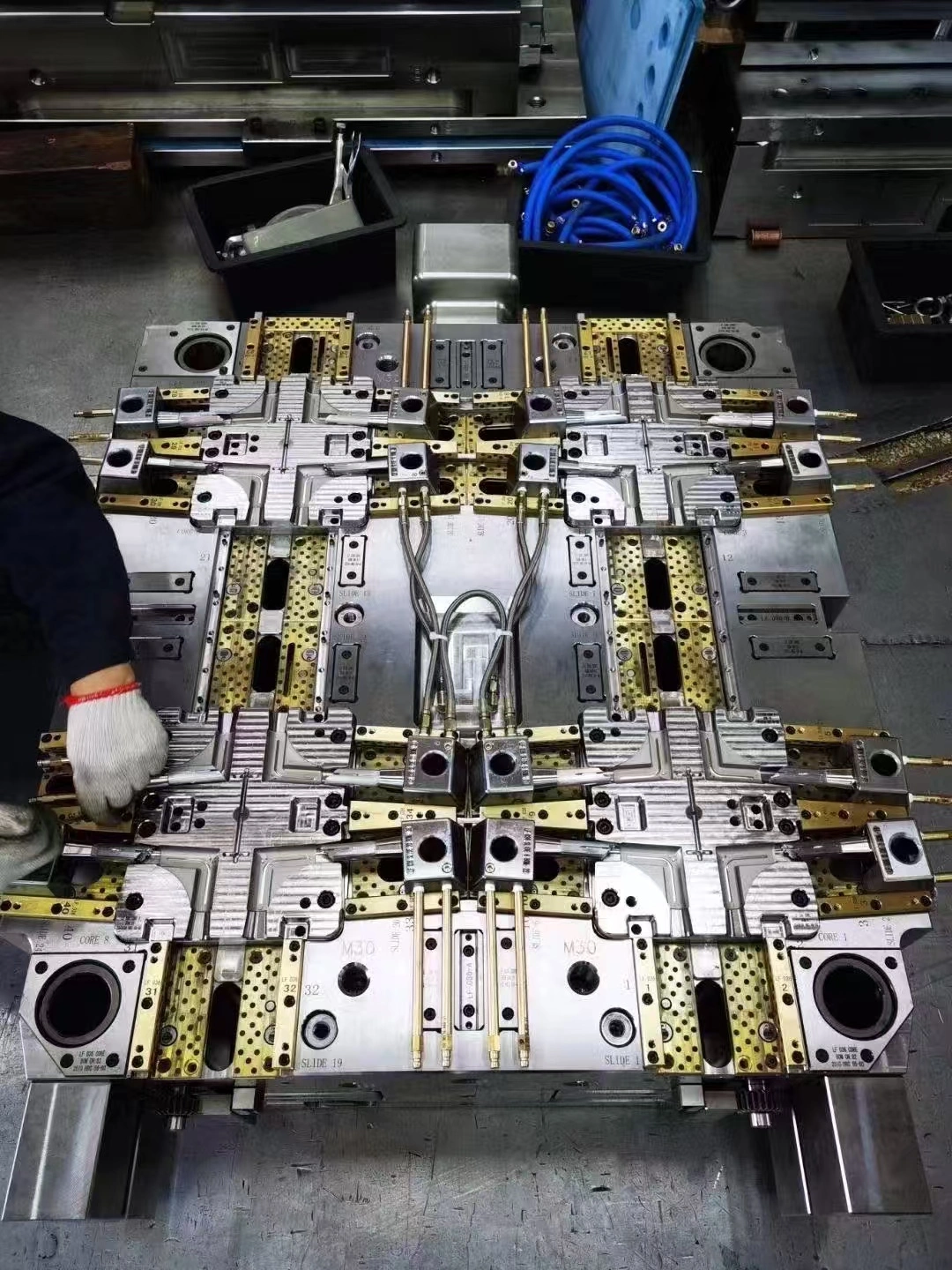
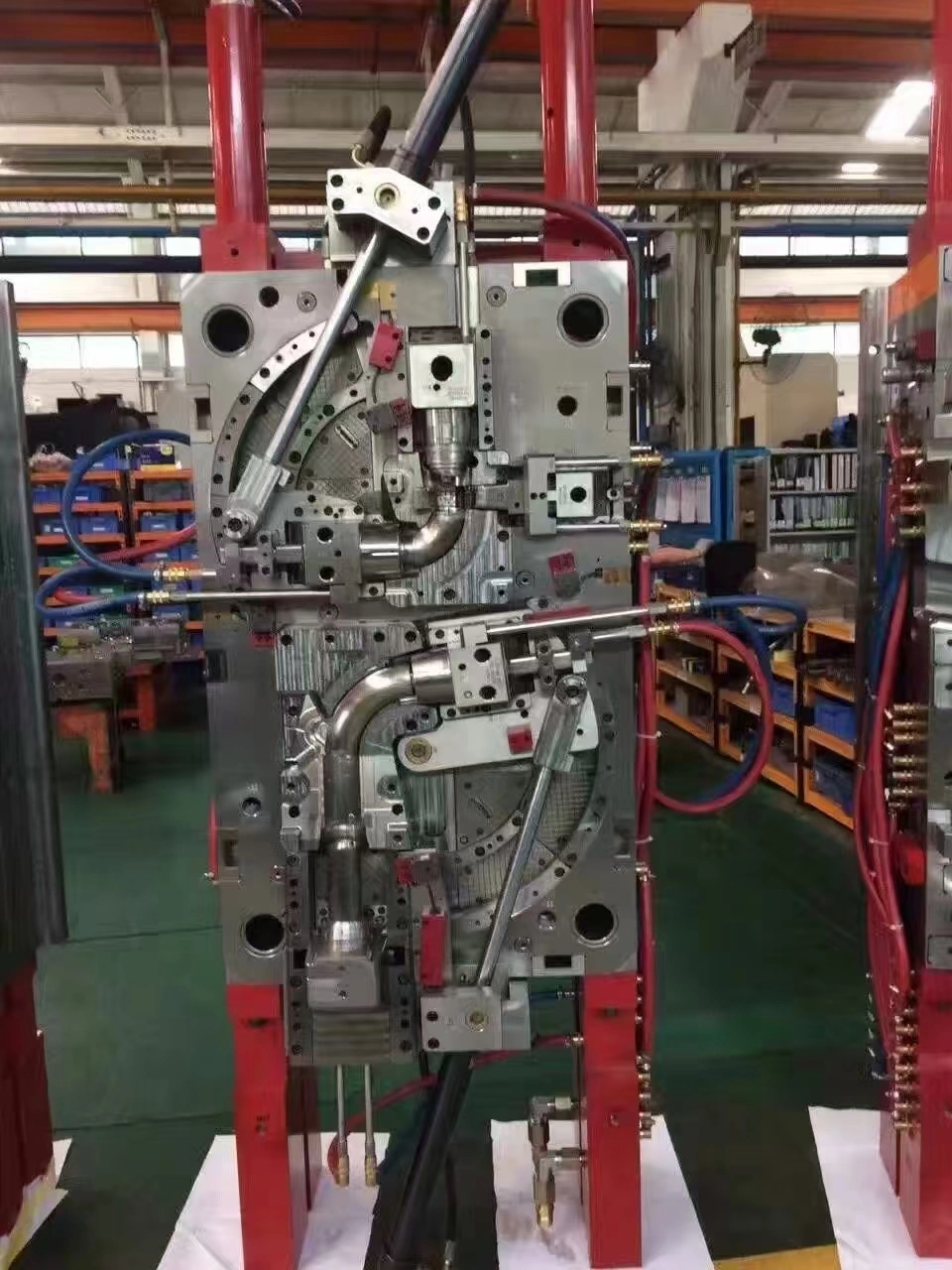
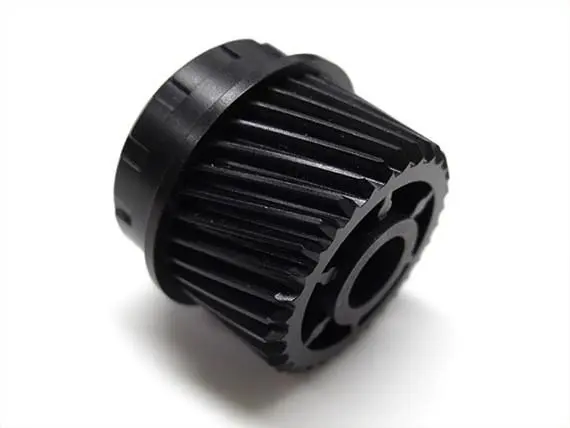
Custom plastic molding is one of Asia's strongest manufacturing sectors, with China having the most production capacity in the world for industry parts. These industry parts are used for many different things, such as housings for consumer electronics, interior parts for cars, and the cases of medical devices. Modern injection molding methods allow for complicated shapes, close tolerances, and building industry parts from more than one material.
Good plastic mold makers offer a wide range of services, such as improving designs, choosing materials, making molds, and producing a lot of them. Computer-aided design software, precise CNC machining, and automated quality control systems are all used in modern facilities. Usually, it takes between 4 and 8 weeks to make a mold and 2 to 4 weeks to make a batch of something.
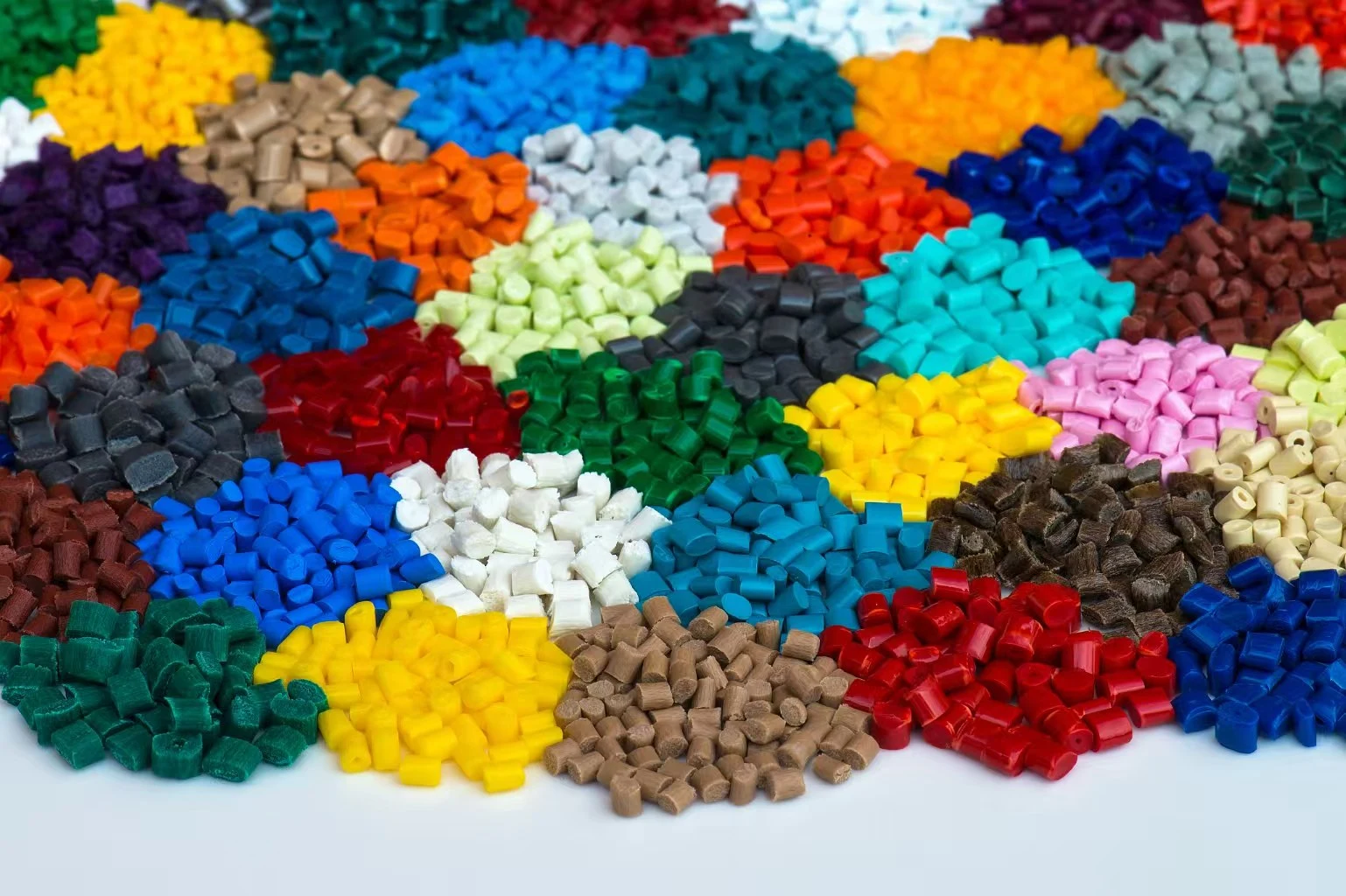
Standard thermoplastics and engineering grades with better properties are both available as materials. Different needs can be met by suppliers, such as flame resistance, chemical resistance, and certain mechanical properties. Gas-assisted injection molding and insert molding are two advanced molding techniques that make it possible to make complex parts with built-in features.
There are still big price advantages; Asian manufacturers can save you 30 to 50 percent compared to Western suppliers without lowering the quality. Established suppliers follow strict quality control procedures that include checking the dimensions, making sure the materials are correct, and testing how well they work.
Metal Parts and Components Cast in Die
Asia has reached a very high level of technological sophistication in die casting, especially for alloys made of aluminum, zinc, and magnesium. These methods create very accurate metal parts that are used in electronics, cars, and factories. Modern die-casting shops use both traditional skills and high-tech automation and quality control systems.
Asian die-casting experts are great at making parts with complicated shapes, thin walls, and built-in features that make assembly easier. Modern methods, such as vacuum die-casting and squeeze casting, make it possible to get better surface finishes and better mechanical properties. Complete manufacturing solutions are offered by secondary operations like machining, surface treatment, and assembly services.
Production volumes can meet the needs of both small prototypes and large-scale production. Product development timelines can be shortened with the help of flexible production scheduling and quick tooling. Quality management systems make sure that the same level of accuracy in measurements and material properties are used for all production runs.
Integrated manufacturing approaches lower total project costs by improving designs and streamlining production processes, making cost effectiveness even more appealing. Value engineering is a service that suppliers often offer to make part designs easier to make and cheaper.
Semiconductor products and electronic parts
Asia makes most of the world's semiconductors. Taiwan, South Korea, and China have the most advanced factories for making semiconductors. Silicon wafer production, transistor production, and system on chip development are all very good in this area. Because of this concentration of expertise, there are unique chances to get custom electronic parts.
Specialized manufacturers offer full services, from designing chips to testing and validating them at the end. Some of the more advanced skills they have are processing high-frequency signals, making embedded systems, and custom packaging devices for use in harsh environments. As part of quality control, a lot of electrical tests, thermal cycling, and reliability validation are carried out.
Supply chain integration makes it easier to get complete electronic assemblies, which include circuit boards, passive components, and systems for connecting them. This method makes things easier for buyers while still making sure that all the parts work together and perform at their best.
Asian semiconductor factories often have longer innovation cycles than those in other parts of the world. This is because they are constantly investing in new technologies and next-generation manufacturing processes. This puts Asian suppliers at the forefront of progress in their field.
Market Characteristics and the Legal Scene
There are unique things about Asian manufacturing markets that affect how people buy industry parts. In China's market, the ability to produce industry parts in large quantities and at low prices is emphasized, while quality standards are getting higher and higher. The Belt and Road initiative has improved the country's logistics infrastructure, which has cut down on shipping times and made the supply chain for industry parts more reliable.
Regulatory frameworks have changed over time to support business relationships between countries and to protect local interests. Export rules, quality standards, and requirements for environmental compliance keep getting stricter. Understanding these requirements keeps the project on track and avoids delays.
When doing business with other people, cultural issues are very important. People treat long-term partnerships better, and investments that help build relationships pay off big time in the long run. Even though they aren't always possible, face-to-face meetings are still the best way to build trust and understanding.
Rules for payments and money matters depend on the size of the supplier and how long the relationship has been going on. Manufacturers that have been around for a while usually allow for flexible payment terms, but newer suppliers may need more rigid terms. Letters of credit give both parties peace of mind when starting a new business relationship.
How to Choose the Right Items to Buy
Having thorough processes for qualifying suppliers is the first thing that needs to be done for procurement to go well. You should go see potential manufacturing partners as often as you can to get a feel for how skilled they are. See the production facilities, quality control systems, and technical know-how for yourself. Take the time to do the checks now. They will save you a lot of money in the long run.
Before putting in a big order, work with the supplier on some small projects to see how well they do. You don't have to take many risks with this method to find out how good the quality is, how much communication works, and how reliable the delivery is. People feel like they can work together more when pilot projects go well.
Before you talk to suppliers, make sure you have a clear list of requirements and quality standards. Technical writing that is simple to understand keeps people from getting lost and makes it clear how to grade. List the allowed sizes, the materials that must be used, the testing steps that must be taken, and the packaging needs that must be met.
Set up strong systems to make sure the quality of the work, such as rules for checking incoming materials and regularly checking in with suppliers. When people regularly have their work looked over, they find ways to make it better and keep the quality high. Quality agreements that are clear and spell out how to fix problems are good for everyone.
You should think about how to protect your valuable ideas from the start of the project. There should be good laws, safe ways to send data, and limits on who can see what. These steps keep private information safe while still letting everyone work well together.
What's coming up in business and what's trending
The switch to digital is still changing the way Asians make things. When Industry 4.0 is used, things like the Internet of Things (IoT), predictive maintenance, and automated quality control systems work better and more reliably. Buyers will benefit from these changes because they shorten lead times and make quality more consistent. There are more and more efforts to be sustainable, and companies are investing money in eco-friendly systems and processes that use clean energy. As businesses put more emphasis on being eco-friendly, they pay more attention to suppliers that use green manufacturing practices.
Conclusion
To buy parts for your business in Asia, you need to pick your suppliers carefully, plan ahead, and stay in touch with them. Advanced technology, lower costs, and manufacturing know-how in the area can help businesses that need to find reliable sources for custom parts. A business can get a big edge over its competitors if it does its research, sets clear quality standards, and works with dependable suppliers over a long period of time. You need to find a good balance between price and quality if you want to be successful. You must also keep trademarks safe and make sure deliveries happen on time. These factors are especially important when sourcing industry parts.
FAQ
Q: How can I verify the quality capabilities of Asian suppliers?
A: Request detailed quality certifications, customer references, and facility audit reports. Many reputable suppliers welcome virtual facility tours and provide detailed capability documentation. Consider engaging third-party inspection services for critical projects to ensure quality standards are met consistently.
Q: What are typical lead times for custom industry parts from Asian manufacturers?
A: Lead times vary by complexity and production volume. Custom plastic molds typically require 4-8 weeks for fabrication plus 2-4 weeks for production. Die-casting projects range from 6-10 weeks, including tooling. Electronic components may require 8-12 weeks, depending on customization requirements and testing protocols.
Q: How do I protect my intellectual property when working with Asian suppliers?
A: Implement comprehensive legal agreements,s including non-disclosure agreements and intellectual property protection clauses. Work with suppliers who demonstrate established IP protection protocols and secure data handling procedures. Consider registering critical IP in relevant jurisdictions before beginning manufacturing relationships.
Partner with Yongsheng for Your Industry Parts Manufacturing Needs
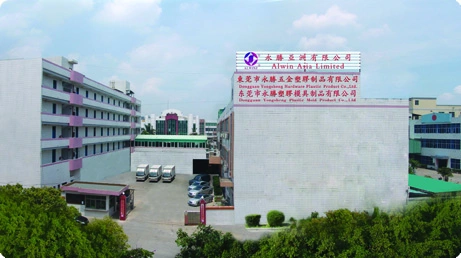
Yongsheng stands as your trusted industry parts manufacturer with over three decades of proven expertise in custom plastic molds, die-casting solutions, and precision component manufacturing. Our ISO 9001:2015 certified facility in Dongguan combines advanced technology with experienced craftsmanship to deliver exceptional results for electronics, automotive, and consumer goods industries.
Our comprehensive one-stop service covers everything from initial design consultation through final production and quality validation. We understand the critical importance of intellectual property protection and maintain strict confidentiality protocols throughout every project phase. With over 300 skilled professionals and 6,000 square meters of modern manufacturing space, we have the capacity to handle projects ranging from prototype development to high-volume production.
Located in Chang'an Town, known as the "Town of Molds," our strategic position provides access to the region's most advanced supply chain network. We're conveniently situated just 20-50 minutes from Shenzhen airports, making collaboration and facility visits efficient for international partners.
Yongsheng's commitment to cost-effectiveness, on-time delivery, and superior quality makes us the ideal manufacturing partner for your industry parts requirements. Our experienced team works closely with procurement managers and product developers to optimize designs, reduce costs, and accelerate time-to-market while maintaining the highest quality standards.
Ready to explore how Yongsheng can enhance your supply chain efficiency and product quality? Contact us at sales@alwinasia.com to discuss your specific requirements and discover why leading companies trust us as their preferred industry parts supplier in Asia.