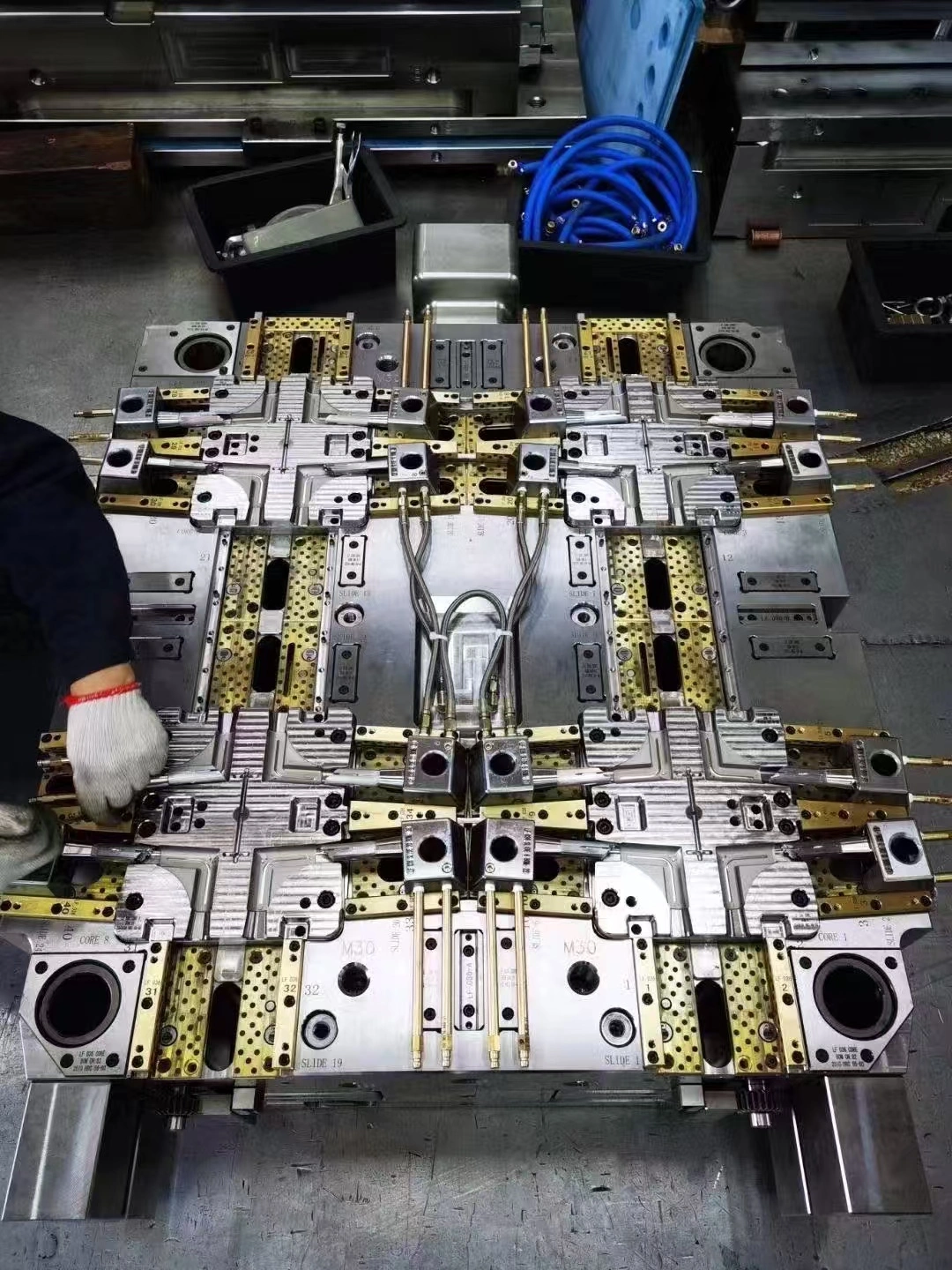
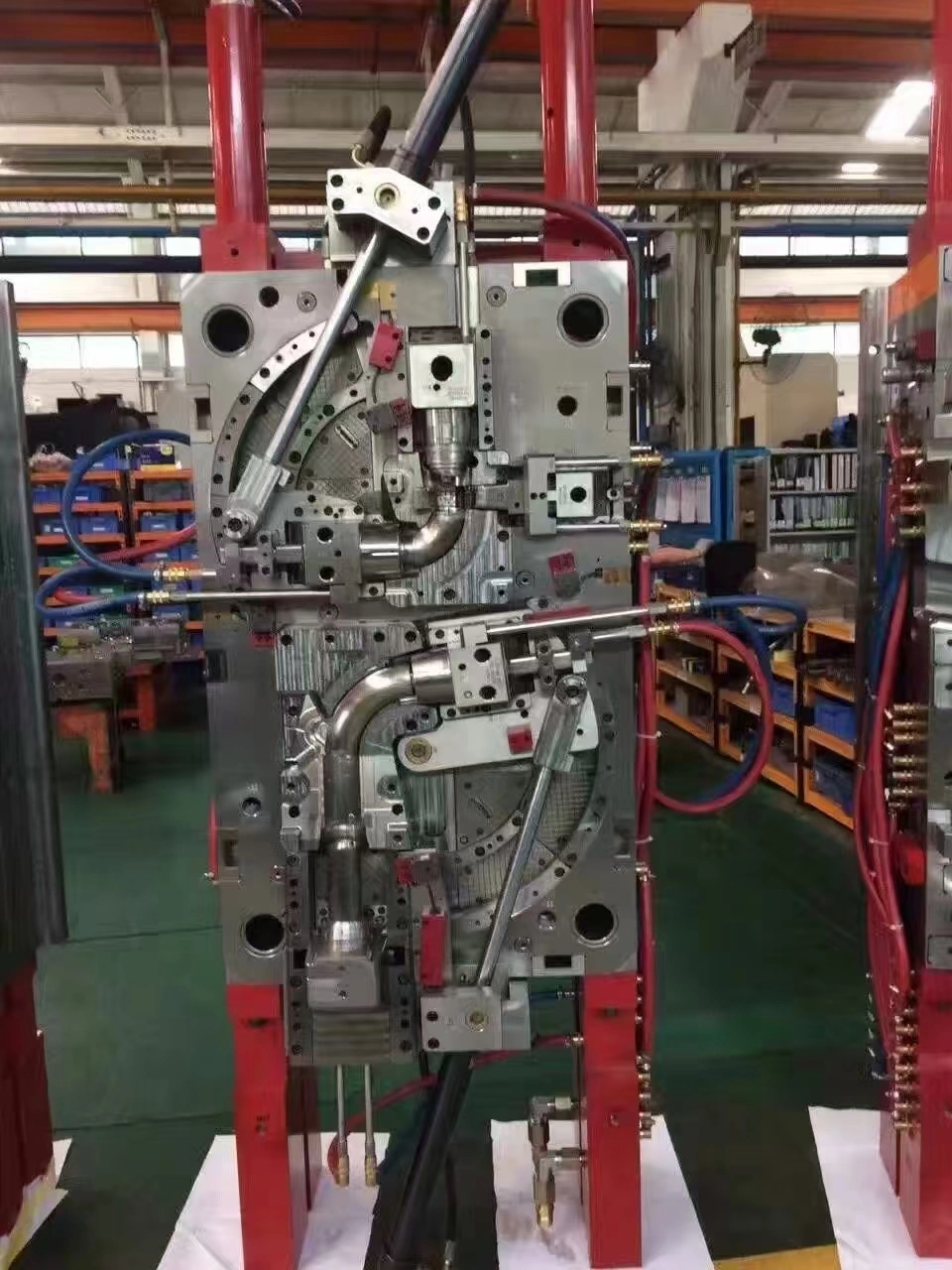
To find the best partner for making high precision molds for aerospace, you should carefully look at their technical skills, customer service, and production experience. Aerospace parts need to be very accurate, often within micron tolerances, so it is very important to pick the right supplier for mission-critical tasks. When sourcing managers and product developers are looking for partners to help them make high precision molds and parts that are safe for use in space, this detailed guide tells them what they need to think about most.
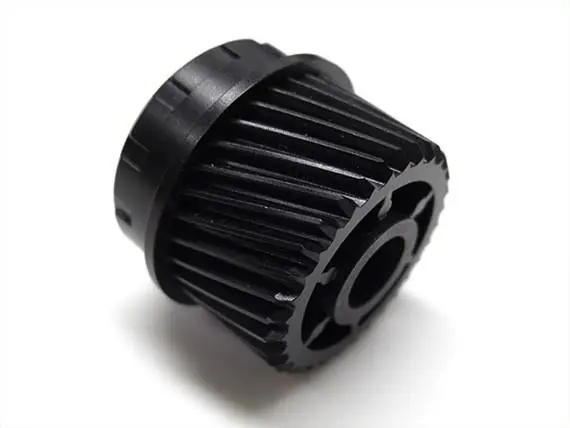
Why you need to know about mold needs in the space industry
When precision tools and molds are used in aerospace, they have to be designed in a way that meets very strict standards. Parts of an item must be able to stay the same size over time even when pressure changes, temperatures rise and fall, and mechanical stresses are applied. Parts for airplane engines, navigation systems, and building parts all need to be made with a high level of accuracy.
When making molds for spacecraft, it's very important to use the right stuff. There are different types of tool steel that need to be very hard, stable at high temperatures, and not easy to wear down. CNC machining helps manufacturers make aerospace parts that are very complicated shaped the way they need to be. The finish on the part's surface directly affects how well it works when it needs to let air flow freely or carry electricity.
Space companies are making lighter parts with injection molding and die casting more and more. These methods make the plane lighter while still making sure it is structurally sound. Automation and special cooling systems are used in high precision molds made just for aerospace to make sure that the quality of each run of production is the same.
Important standards and certifications for quality
People who sell parts for spacecraft need to show that they follow strict rules and get the right licenses. You can build quality management systems on top of ISO 9001:2015 certification once you have it. But if you want to use it for space, you might need different, more specific licenses. You can find a lot of things you need for quality management in aerospace in the AS9100 standards. These include risk assessment protocols, design controls, and configuration management.
How to look for mold Make sure the sizes are correct before you start making anything. Coordinate measuring machines, or CMMs, make sure that measurements are accurate and that the shapes and sizes are correct. After the first article inspection reports are made public, the engineering drawings and specifications are used to compare the first production samples. These quality control steps make sure that parts meet rules for how well they should work in space. They also make sure that work doesn't stop, which costs a lot of money.
Parts are a very important part of building things for spacecraft. When suppliers get tool steel, they have to keep careful records of where it comes from, how it is heated, and the exact machine settings that need to be used. Each mold delivery comes with a certificate of compliance, so customers know that the properties of the materials and the ways they are made are safe.
Taking a Look at Manufacturing Skills
When evaluating potential suppliers, you need to look closely at their technical skills and production facilities for high precision molds. CNC machining centers that can work in five dimensions should be standard in advanced manufacturing facilities. Multi-axis capabilities allow production of complex shapes while keeping all surfaces within tight tolerances.
Before committing to full production tooling, prototype molds are a great way to see how well a supplier can do their job. Making a prototype shows possible design problems and lets mold cooling systems be made better. Experienced suppliers give feedback on designs that makes them easier to make and lowers the long-term cost of production.
Expertise in mold assembly has a big effect on the quality of the final part. Technicians who are skilled know how important it is to do things like fitting, aligning, and preparing the surface correctly. Modern assembly methods make sure that part sizes are always the same and that mistakes are kept to a minimum during production runs.
Planning for production capacity helps people find suppliers who can meet deadlines for deliveries and meet volume needs. Established manufacturers keep enough spare parts for their equipment to handle sudden increases in demand or repairs that need to be done on the equipment. Scheduling tools that are flexible can adapt to changing production priorities, which is common in aerospace programs.
Innovation and Using Technology Together
Leading mold makers use new technology to make their work more precise and efficient. Computer-aided design (CAD) software lets you simulate stress analysis and optimize complex shapes. Mold design software predicts problems that might come up during production and suggests ways to make things better before they are made.
For some mold parts, additive manufacturing technologies work well with traditional machining methods. 3D printing lets you make prototypes quickly and add conformal cooling channels. These new ways of cooling make cycle times faster and make sure that all molded parts are at the same temperature.
Digital manufacturing systems let you keep an eye on production parameters in real time. Sensors keep an eye on cycle times, temperature, and pressure to make sure that the process conditions stay the same. Data analytics find trends that could mean that maintenance needs to be done or that there are chances to improve the way things are done.
Automated molding systems make it easier to repeat processes and cut down on mistakes made by people. Robotic part handling lowers the risk of contamination and makes sure that parts are always oriented the same way. Quality control integration checks critical dimensions automatically and throws away parts that don't meet the standards.
Strategies for lowering costs
Cost management that works well balances the initial costs of tools with the long-term economics of production. High-quality metal and plastic molds usually cost more up front, but they last longer and make parts that are more consistent. Life cycle cost analysis helps figure out what the best tooling specifications are for a certain amount of work and amount of time.
Design for manufacturability principles lower the cost of tools and the difficulty of production. Suppliers with a lot of experience can suggest changes to the design that meet performance requirements and make building the mold easier. These ways of working together often cut down on lead times and make the overall cost of the program cheaper.
Mold maintenance programs protect the money spent on tools and make sure that the quality of parts stays the same throughout the lifecycle of production. Schedules for preventative maintenance cut down on unplanned downtime and make mold last longer. When done right, professional mold repair services can return worn-out tools to their original specifications.
Volume consolidation strategies use economies of scale to save money on many different families of parts. Suppliers that offer full manufacturing services can help with planning production better and lower the overall cost of the program. Having one-stop OEM services takes away the need for a lot of coordination and makes delivery more reliable.
Managing the supply chain and lowering risks
Strong supply chain management keeps things running smoothly and makes sure that high precision molds and parts get delivered on time. Diversified supplier networks keep quality standards high while lowering the risk of dependence. Geographical distribution factors balance the benefits of lower costs with the advantages of being close for communication and technical support.
To protect intellectual property, supplier security practices and legal frameworks need to be carefully looked at. Full non-disclosure agreements keep secret designs and ways of making things safe. Secure data transmission protocols keep sensitive engineering information from getting into the wrong hands.
Quality assurance programs check the performance of suppliers by auditing them regularly and keeping track of performance metrics. Key performance indicators track how well deliveries are made, how well quality is met, and how well customer needs are met. Continuous improvement programs push suppliers to keep improving their skills and service levels.
Backup planning takes into account possible supply problems by finding and qualifying backup suppliers. When problems come up out of the blue, emergency response plans keep production as low as possible. Communication protocols make sure that important information can be shared quickly.
Conclusion
If you want to make aerospace parts that work well, you need to work with suppliers who have full quality systems and high precision mold skills that have been shown to work. It's better for the program to cost less and work better when you spend money on good tools and manufacturing partners with a lot of experience. To find partners who can meet their strict needs and offer low-cost solutions, aerospace companies do a lot of research. When an aerospace company works with skilled high precision mold makers, it can focus on what it does best and know that it will always be able to get parts.
Yongsheng will help you make molds that are very accurate.
That's because Yongsheng has been making molds and parts for more than 30 years and is very good at them. Dongguan, where our 6,000-square-meter building is located, is a well-known place for making molds. It has high-tech CNC machining centers and tools for making precise parts. There are more than 300 skilled engineers and technicians who work together to make sure that a wide range of aerospace applications get the best quality.
Because it is ISO 9001:2015 certified, our quality management system makes sure that we always follow the rules for the aerospace business. We do all the design and development work for projects, from the first idea to the finished product. With advanced prototype molds, you can test and make changes to your designs before buying the real tools for production.
When you buy from Yongsheng, their one-stop OEM service model makes it easier, but they still have to follow strict IP protection rules. Because our team has worked together for a long time, we know how to handle the unique issues that international product developers and purchasing managers face. Being strategically placed near major transportation hubs makes it easier to handle logistics and customer site visits.
Are you ready to learn more about how our CNC mold making can help you get the aerospace parts you need? We want to hear about your project and show you why top companies choose Yongsheng to make their high precision molds. Email us at sales@alwinasia.com.
References
1. Smith, J.A. "Precision Tooling Requirements for Aerospace Manufacturing Applications." International Journal of Advanced Manufacturing Technology, Vol. 118, 2022, pp. 2847-2863.
2. Chen, L. and Rodriguez, M. "Quality Management Systems in Aerospace Mold Manufacturing: A Comprehensive Analysis." Aerospace Manufacturing Review, Vol. 45, No. 3, 2023, pp. 156-172.
3. Thompson, R.K. "Cost Optimization Strategies for High Precision Mold Development in Aerospace Applications." Manufacturing Economics Quarterly, Vol. 67, 2023, pp. 234-251.
4. Williams, D.S. "Advanced CNC Machining Techniques for Aerospace Component Molds." Precision Engineering International, Vol. 89, 2022, pp. 445-462.
5. Anderson, P.J. and Liu, H. "Supply Chain Risk Management in Aerospace Mold Manufacturing." Journal of Manufacturing Strategy, Vol. 34, No. 2, 2023, pp. 78-94.
6. Kumar, S. "Technology Integration and Innovation in Modern Mold Manufacturing for Aerospace Applications." Advanced Manufacturing Processes, Vol. 56, 2023, pp. 312-329.