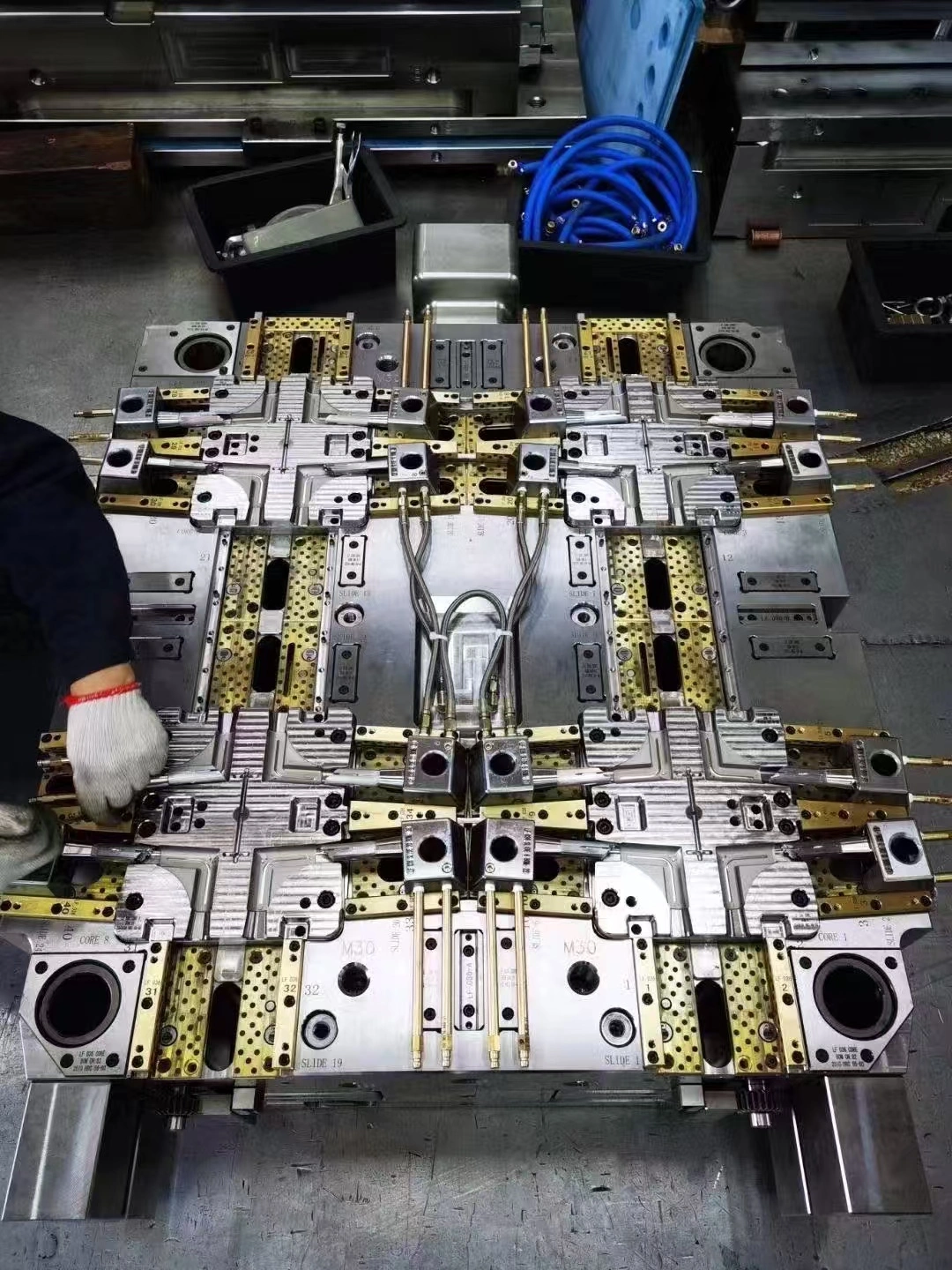
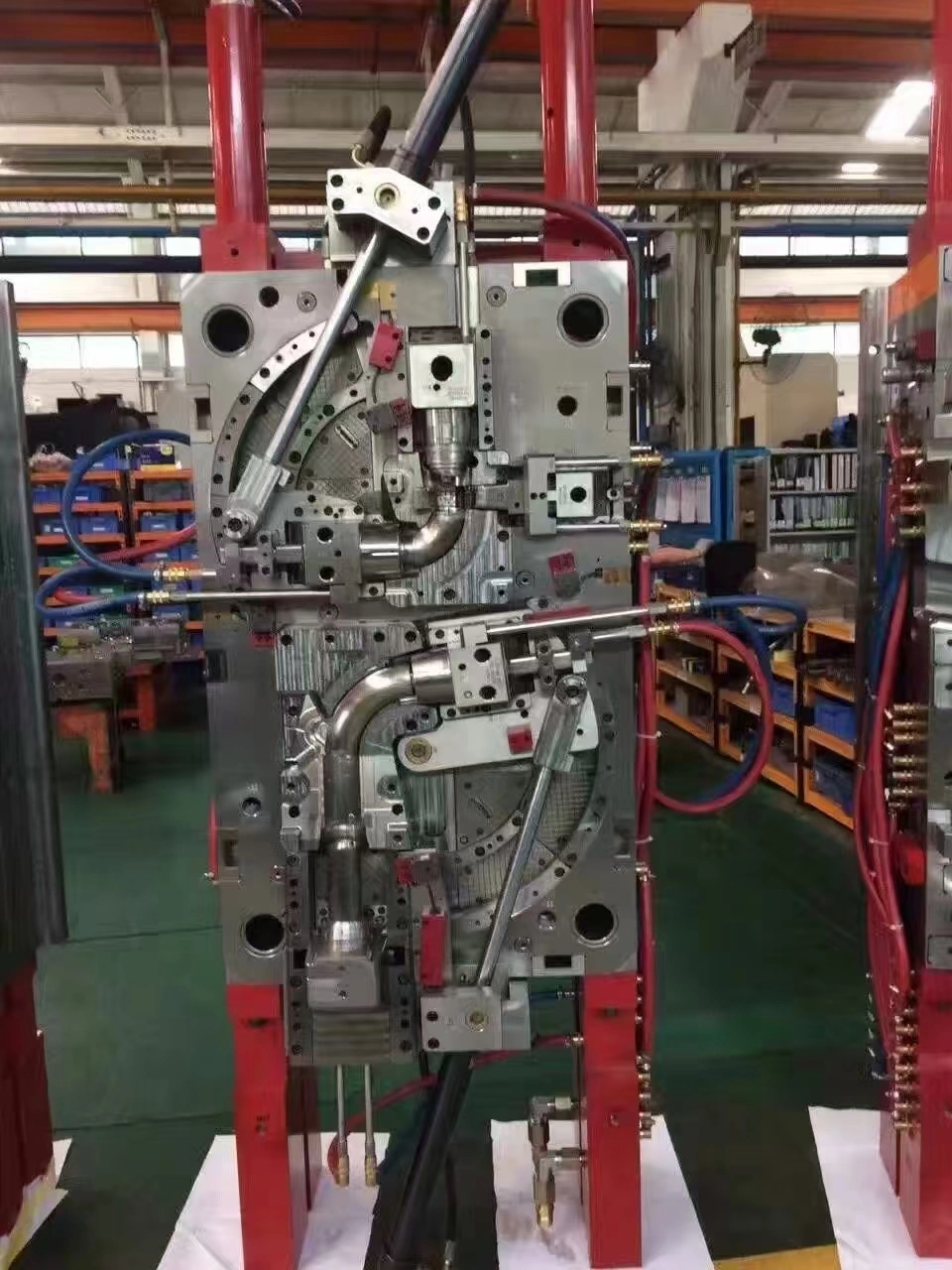
The world's most competitive auto parts are still made in Guangdong province, where international buyers can also find the best deals. When you buy automotic parts directly from the factory, they cost 15–40% less than the global average. This full guide shows you how to get the best deals on these parts. Buyers of automotive electronics, engine parts, and precision-engineered vehicle accessories can get better deals and keep quality high if they know how suppliers work, how the market changes, and how regional cost structures work.
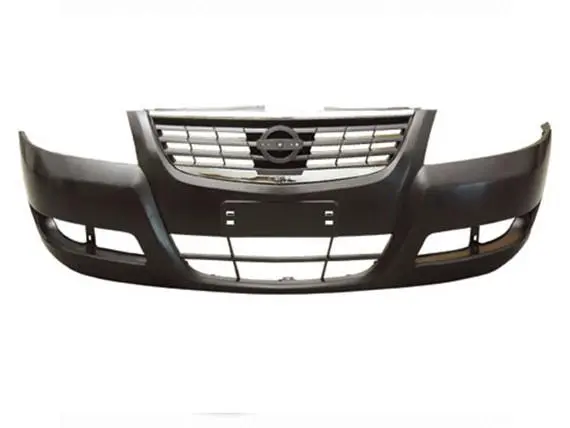
Finding out how Guangdong's auto part prices change
Where you stand in the market and the cost benefits
In Guangdong, the auto parts business uses high-tech manufacturing ecosystems that have been built up over 30 years. There are more than 15,000 specialized suppliers in the area that make everything from simple brake pads to complex transmission systems. The cost of making things goes down when raw materials, tools, and finishing services are all close to each other. If you compare this to models of distributed manufacturing, this geographical clustering cuts the cost of logistics by 20 to 30 percent.
Criteria for quality and requirements for getting certified
The TS16949 standards for the auto industry and ISO9001:2015 certifications are still held by modern factories in Guangdong. It is the job of modern companies like Yongsheng Hardware to use full quality management systems to make sure that both OEM automotic parts and aftermarket automotic parts are always made the same way. When you buy precise machines and testing tools, you can keep prices low without lowering the performance standards that car brands around the world demand.
Full Look at How Prices Are Broken Down
How to Set Prices for Direct from the Factory (FOB/CIF)
FOB Shenzhen prices for different kinds of car parts are very different right now. Each engine part costs between $5 and $50, depending on how hard it is to make and what it's made of. Different electrical parts cost anywhere from $2 to $25 each. Different suspension parts cost anywhere from $15 to $80 each. Since these base prices are based on the most recent costs of materials and labor, they are a good way to plan your purchases.
Prices for CIF are 8–12% higher than prices for FOB. They cover basic insurance and shipping between countries. Ocean freight rates from Guangdong ports to major cities around the world range from $800 to $1,500 per twenty-foot container. Depending on how well the goods are packed, each container can hold between 8,000 and 12,000 smaller automotive accessories or between 2,000 and 4,000 larger parts.
Minimum order amounts and discounts for big orders
In general, the MOQ for well-known auto parts is between 500 and 2,000 pieces per SKU. When you buy more from a manufacturer, you get a bigger discount. A discount of 5–8% is given for orders over 5,000 units, and a discount of 10–15% is given for orders over 20,000 units. For yearly contracts covering 100,000 units or more, the price can be negotiated. You might need to raise the initial MOQ to 10,000 to 50,000 pieces if you need to make custom tools for mold development.
There are some extra costs to think about.
Each country and type of goods have their own import taxes. There are duties on auto parts that are brought into the US that range from 0% to 25%, depending on trade agreements and the country where the parts are from. There is a tax on most car parts in the European Union that ranges from 3 to 10%. Each shipment costs an extra $200 to $500 in customs fees. The costs of paperwork and inspections add another $100 to $300 to each container.
Product liability insurance costs between 0.5 and 2% of the order value, quality inspection services cost $300 to $800 per batch, and currency hedging costs between 0.2 and 0.8% of the transaction value. Before the automotic parts are shipped, they are inspected to make sure they meet the standards of the market they are going to. This keeps quality disputes from happening.
Important things that affect the prices of auto parts
Changes in the cost of raw materials
Steel prices have a direct effect on the production of auto parts, and recent price changes have caused swings of 5 to 15 percent every three months. The prices of electrical parts and engine parts are affected by the cost of aluminum and copper. Plastic resin prices affect interior accessories and non-structural parts. They change 8 to 20 percent a year depending on the state of the oil market and the demand cycle for polymers.
Costs of labor and materials
Skilled workers who make auto parts in Guangdong make an average of $450 to $650 a month. 25–35% of direct labor costs are made up of overhead costs like utilities, building maintenance, and equipment wear and tear. Investing in automation cuts down on long-term reliance on workers while keeping prices low, even though wages in the region rise by an average of 4–6% per year.
Effects of the exchange rate and currency risk
Changes in the USD/CNY exchange rate make prices uncertain for buyers from other countries. When the value of a currency changes by more than 3% during the term of a contract, price changes are usually talked about. Forward currency contracts help keep prices stable for bigger orders, while spot market transactions are better for smaller, more frequent purchases. Multi-currency pricing arrangements allow buyers in different global markets to choose the best price for their needs.
Patterns of seasonal demand
The busiest times for the automotive aftermarket are spring maintenance (March–May) and getting ready for winter (September–November). OEM parts are in higher demand when the model year changes, which is when cars are being made. Prices for many types of components change by 10–20% between peak and off-season times because of changes in the seasons.
Comparing prices in different areas and looking at the competition
Guangdong vs. Other Asian Manufacturing Hubs
The cost of making labor-intensive auto parts in Vietnam is 10–20% less than in Guangdong on average. But supply chain maturity limits make lead times longer by two to four weeks and make customization harder. Thailand has reasonable prices for some types of automotive electronics, like fuel systems and ignition systems, but not for all of them.
India has lower prices for some auto accessories, but it has trouble keeping quality standards and takes longer to develop new products. Mexico sells goods to North American markets under the USMCA, but for most types of goods, it charges more per unit than Asian alternatives.
Analysis of the Value Proposition
Guangdong factories are great at making quick prototypes, making large or small orders, and doing a lot of secondary processing. Automotive parts suppliers in the region can usually send samples within 7–14 days, while it can take up to 3–6 weeks for samples to arrive from other places. Services like engineering support and design optimization are very useful for more than just comparing costs.
Proven Ways to Get the Best Deals on Prices
Building relationships with suppliers
When you form long-term partnerships for automotic parts, you can get better prices and faster production schedules. Making annual commitments to volume gets better base pricing, and sharing forecasts every three months helps suppliers plan their capacity more efficiently. Regular visits to the factory build relationships and give information about how things are made and how much they cost.
Improvements to Technical Specifications
Working with manufacturers to make changes to designs can lower the cost of materials without affecting how well they work. Economies of scale can be achieved by standardizing the specs of parts across all product lines. Tolerance optimization finds the best balance between quality standards and the difficulty of making something, which could cut costs by 5 to 15 percent by simplifying the requirements.
Terms of payment and financial arrangements
For payment terms longer than the standard 30% deposit and 70% before shipment, you need to have a credit history. Letters of credit offer security and make it easier to negotiate prices. For cash transactions or faster payment plans, you can get discounts of 1% to 3% for paying early.
Managing the costs of OEM and ODM customization
Custom auto parts cost less per unit when development costs are split among several buyers. Modular design methods allow for easy customization at a low cost while keeping standard base parts. Agreements to share intellectual property make it easier for people to work together to develop new ideas while still protecting proprietary technologies.
Market Predictions and Price Trends for the Future
Economic Signs and Price Predictions
The demand for automotive parts grows by 3–5% every year, which keeps prices stable for well-known parts. As more people buy electric cars, demand for traditional engine parts goes down. This opens up opportunities for new types of parts. Trends toward supply chain diversification may make competition between regional manufacturing hubs stronger.
Effects of Using Technology Together
Adopting automation in Guangdong's auto parts production lowers the impact of changing labor costs and raises quality standards. Smart investments in manufacturing allow for flexible production that can support cheaper smaller lot sizes. The timeline for implementing Industry 4.0 suggests that costs will slowly go down over the next three to five years as efficiency gains are realized.
Thoughts on the Regulatory Environment
Environmental regulations raise the cost of making things by 2% to 5% a year, but they make sure that operations can continue for a long time. Stable international trade policies are still important for long-term price stability. Carbon footprint rules could change the costs of transportation and the way the supply chain is set up, which would affect the total landed costs.
Conclusion
Guangdong's automotive parts manufacturing sector offers compelling value propositions for international procurement managers seeking cost-effective solutions without quality compromises. Understanding regional pricing dynamics, negotiation strategies, and market trends enables informed sourcing decisions that deliver sustainable competitive advantages for automotic parts. Successful buyers invest time in supplier relationship development while leveraging technical collaboration opportunities to optimize specifications and reduce total costs. The region's continued manufacturing excellence, combined with evolving automation capabilities, positions Guangdong factories as reliable partners for global automotive supply chain requirements across diverse automotic parts component categories and volume requirements.
FAQ
Q: What are typical lead times for custom automotive parts from Guangdong factories?
A: Standard lead times range from 15-30 days for existing tooling and 45-75 days for new custom automotive components requiring mold development. Express production services can reduce timelines by 30-40% with corresponding premium pricing. Seasonal demand periods may extend lead times by 1-2 weeks during peak production cycles.
Q: How do intellectual property protections work with Guangdong automotive parts suppliers?
A: Reputable manufacturers like Yongsheng implement comprehensive IP protection protocols including non-disclosure agreements, secure design file management, and restricted access controls. Legal frameworks support patent protection enforcement, while established suppliers maintain client confidentiality as core business practices essential for long-term partnerships.
Q: What quality assurance measures ensure automotive parts meet international standards?
A: Leading Guangdong automotive parts manufacturers maintain ISO9001:2015 and TS16949 certifications with comprehensive testing capabilities. In-process quality controls, final inspection protocols, and statistical process control ensure consistent output. Third-party inspection services provide additional verification for critical applications requiring absolute reliability.
Join forces with Guangdong's best auto parts maker
With more than 30 years of experience in specialized manufacturing, Yongsheng Hardware is ready to change the way you buy automotive parts. Our Dongguan facility is an integrated one that combines advanced tooling with flexible production systems made to meet the needs of international auto parts suppliers. We offer cost-effective solutions for engine parts, electrical parts, and precision auto accessories, and we stick to strict quality standards at all stages of production.
Our full range of services for making auto parts include design optimization, rapid prototyping, mass production, and secondary processing all in one place. We are conveniently located near Shenzhen airports and have ISO9001:2015 certification. We offer trustworthy supply chain partnerships for purchasing managers looking for reliable automotic parts sources. See for yourself why automotive companies all over the world trust us to offer competitive prices, on-time delivery, and protection of intellectual property. Are you ready to talk about your specific needs for automotive parts? Email us at sales@alwinasia.com to talk about custom solutions that will help you get more products at the best price.
References
1. China Automotive Parts Industry Association Annual Report on Manufacturing Trends and Export Statistics, 2023
2. Guangdong Provincial Government Economic Development Bureau Analysis of Regional Manufacturing Competitiveness, 2023
3. International Trade Administration Study on Global Automotive Supply Chain Cost Structures and Regional Advantages, 2023
4. McKinsey Global Institute Research on Asian Manufacturing Hub Competition and Market Positioning, 2023
5. Automotive News Intelligence Report on Emerging Market Sourcing Strategies and Cost Optimization, 2023
6. Shanghai Metal Market Analysis of Raw Material Price Trends Affecting Automotive Components Manufacturing, 2023