High-Pressure Die Casting for Complex Parts
A lot of different businesses have changed how they make complex parts because of high-pressure die casting. For this advanced welding method, liquid metal is pushed into specially designed steel molds under a lot of pressure. This makes parts that are very accurate in size and quality on the surface. Knowing about die casting technology can help you make better decisions about what to buy, whether you're making parts for cars, housings for consumer electronics, or specialized hardware. At Yongsheng, we've been getting better at this for more than 30 years, and we're excited to share our knowledge with you so that you can feel confident about your next manufacturing project.
Understanding the High-Pressure Die Casting Process
The basic idea behind high-pressure die casting is a carefully planned series of steps that turn raw metal into finished parts. When clients visit our Dongguan factory, we show them each step of the process so they know exactly what happens to their parts while they are being made.
Core Principles and Workflow
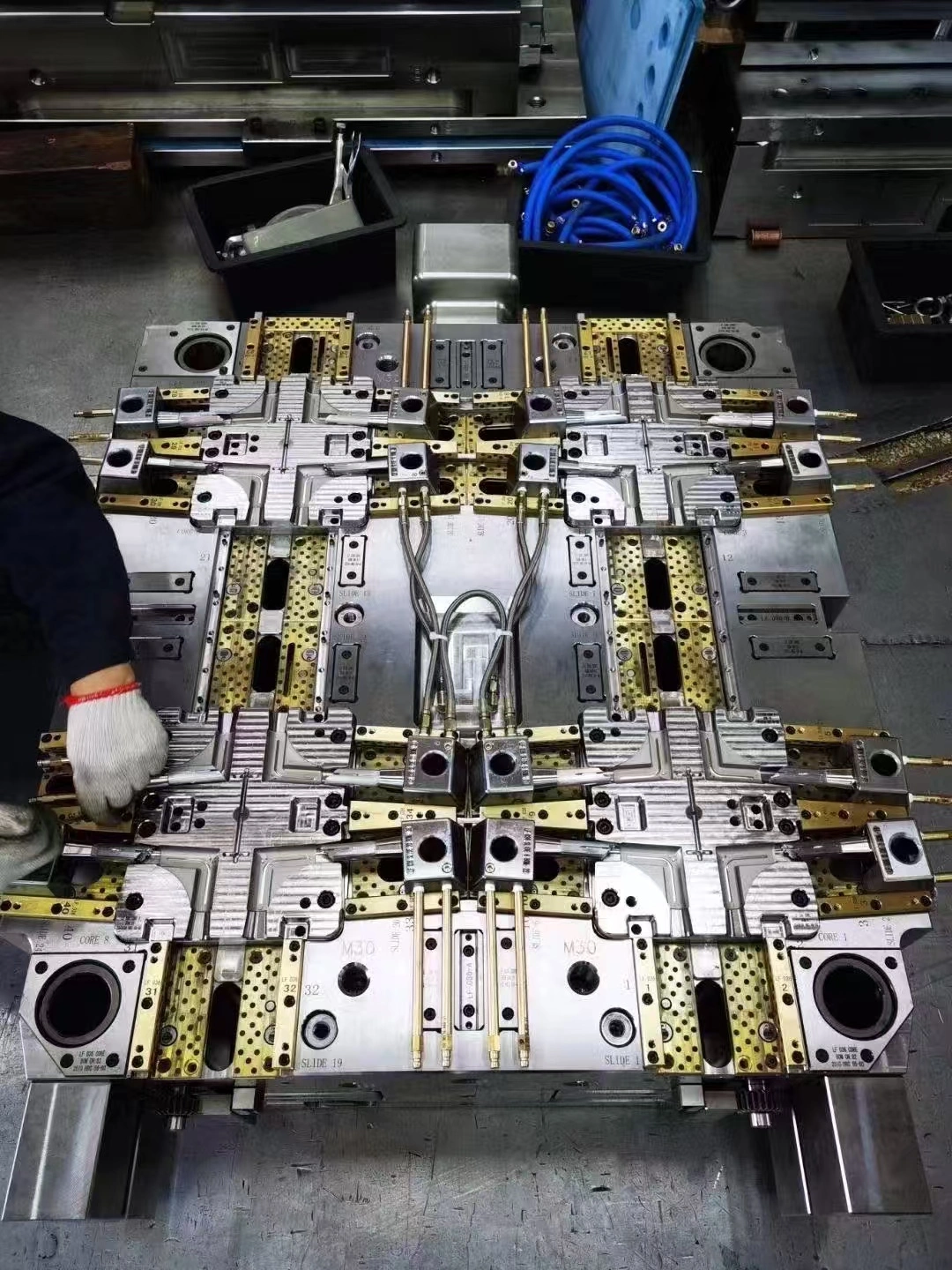
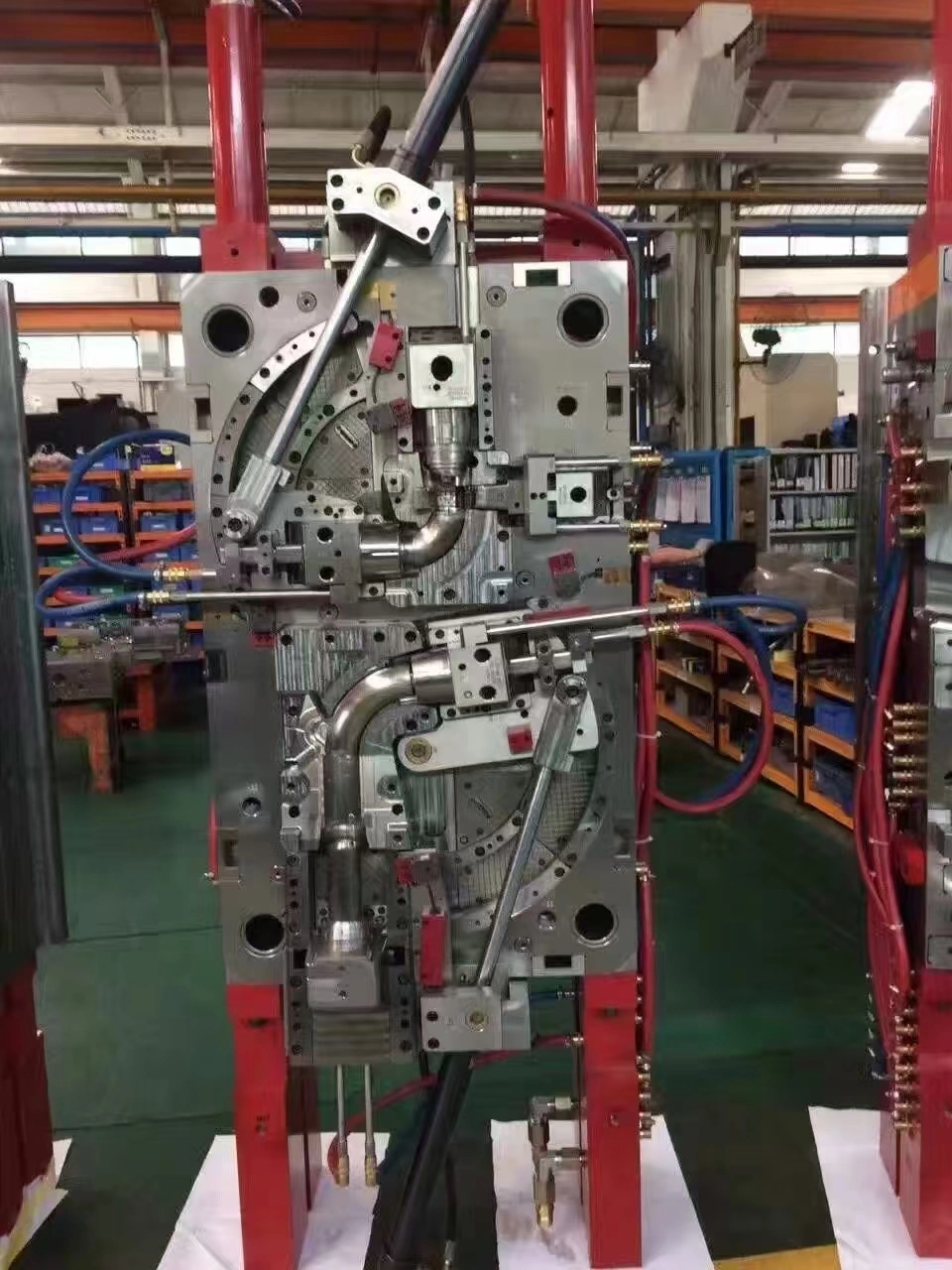
High-pressure die casting is based on simple science that is used with amazing accuracy. At pressures between 1,500 and 25,000 psi, molten metal—usually mixtures of aluminum, zinc, or magnesium—is pushed into steel dies that have already been hardened. This strong force makes sure that the liquid metal fills every hole, even in shapes with thin walls or complicated patterns that would be hard to make any other way. Our team has fine-tuned the process over thousands of production runs so that it always goes in the same way. First, we use release agents to make the die sides ready so they don't stick. In a holding furnace, the metal melts at carefully controlled temperatures. For aluminum alloys, this is around 1,220°F. As soon as the die shuts, our gear quickly injects the molten material. After a short time of cooling, the die opens,s and the newly made part is pushed out by ejector pins. Cycle times range from seconds for small parts to several minutes for bigger casts. This process is very good for making a lot of things quickly.
Advantages and Potential Challenges
When buying teams look at different ways to make something, they need to have a full idea of what each method can do. We've been experts in high-pressure die casting for over twenty years because it has so many great benefits. We regularly achieve measurement accuracy of within ±0.001 to ±0.005 inches, which means that extra cutting is not needed or is greatly reduced. When surface finishes come out of the die, they don't need much post-processing, which saves time and money. Another big benefit is that we can make thousands of similar parts every day with the same high quality once the tools are finished. There are trade-offs in every manufacturing process, and being honest about our limits helps our clients trust us. The cost of making the first tool is usually between a few thousand dollars and tens of thousands of dollars, based on how complicated the part is. Because of this, die casting is most cost-effective when making a lot of parts at once. This is because the cost of each part drops a lot. Porosity can happen when gas gets caught during injection, but our quality standards make sure that this doesn't happen too often by making sure there is enough release and process control. We also have to follow design limits for things like wall thickness and draft angles, which we talk about in detail during the planning process.
Comparative Analysis with Alternative Casting Methods
To figure out when high-pressure die casting is the best choice, you need to look at it next to other industrial methods. Die casting is more precise and has better surface quality than sand casting. However, sand casting has lower equipment costs and can handle bigger parts well. Investment casting has longer cycle times and higher prices per part, but it makes parts with fine details and smooth surfaces. Less pressure is used in gravity die casting, which can lower noise and porosity but gives up the ability to make thin walls and faster speeds that high-pressure methods offer. High-pressure die casting is usually the best option when your project needs complicated shapes, close tolerances, and more than a few thousand pieces to be made.
Key Factors in Designing Complex Parts for HPDC
Die casting projects that go well start a long time before the metal moves into the models. It is during the planning process that you can tell if your parts will work as needed and be affordable to make. During this important stage, our tech team works closely with clients and uses what they've learned from working on thousands of projects.
Critical Design Principles for Complex Geometries
Wall width consistency has a direct effect on both the quality of the part and how quickly it can be made. We suggest that for metal molds, wall sections stay the same and vary only a little, between 0.040 and 0.150 inches. Differences in cooling rates caused by big changes in thickness can cause cracks or bending. When different wall thicknesses are needed for design reasons, gentle changes help the metal flow easily and settle evenly. Draft angles make it possible for parts to come out of the die without getting damaged. On surfaces that are not parallel to the splitting line, we usually say that the draft must be at least 1 to 2 degrees. However, deeper areas may need higher angles. Because they stop simple release, undercuts are especially hard to deal with. We can handle undercuts with moving cores or other systems, but each one makes the tools more complicated and costs more. Talking about these features early on helps us come up with unique solutions that balance how they work with how easy they are to make.
Tolerance Ranges and Their Impact
Setting reasonable tolerances stops both over-engineering and quality problems in the future. For sizes up to 2.5 inches, standard die casting limits are usually within 0.005 inches. Tolerance bands get a little wider as the measures get bigger. Features that are on the same half of the die have tighter tolerances than features that cross the splitting line, where small changes in the die can happen. When your application needs tighter specs than our normal powers allow, we can get them through secondary cutting processes, but this will take longer and cost more. We can make sure that your design gives you the best performance and cost balance by knowing where tight standards really count.
Material Selection Based on Application Requirements
To pick the right metal, you have to think about a lot of things and your unique wants. Aluminum metals make up most of what we make because they have a great strength-to-weight ratio, doesn't rust, and conduct heat better than other materials. We work with A380 a lot because it has good flow and die casting properties, and A383 because it has better die filling for complex shapes. Zinc metals are great for making small parts with lots of small features because they are very accurate in terms of size and have smooth surfaces. When it comes to structural metals, magnesium alloys have the lowest density. This is why car and aircraft companies use them for uses where weight is important. We keep in touch with approved material sources and can give clients with strict quality requirements full tracking paperwork.
Quality Control and Post-Processing Techniques for HPDC Parts
Manufacturing excellence extends beyond simply producing parts—it requires vigilant quality oversight and appropriate finishing processes. Our ISO 9001:2015 certification reflects systematic approaches to quality that give procurement managers confidence in consistent results.
Common Defects and Prevention Methods
Porosity remains the most frequent challenge in die casting operations. Gas porosity occurs when air or gas generated from lubricants becomes trapped in solidifying metal. We combat this through proper die venting, optimized injection speeds, and vacuum-assist technology for critical applications. Shrinkage porosity happens when isolated pockets of metal solidify without access to additional material. Strategic placement of gates and overflows, combined with controlled cooling, minimizes these occurrences. Cold shuts appear as visible lines where two metal fronts meet but fail to fuse properly. This typically results from insufficient injection temperature or speed. Our process controls monitor and adjust these parameters in real-time to maintain optimal conditions. Misruns occur when metal fails to completely fill the die cavity, usually due to inadequate temperature, injection pressure, or venting. Regular die maintenance and process validation help us maintain fill rates above industry standards. We conduct first-article inspections on every production run and implement statistical process control to catch any drift before it affects quality.
Advanced Post-Processing Treatments
Many applications require enhancements beyond the as-cast condition. Heat treatment processes like T5 and T6 temper significantly improve mechanical properties in aluminum castings. T5 involves artificial aging without prior solution heat treatment, offering moderate strength gains with minimal distortion risk. T6 includes both solution treatment and artificial aging, maximizing strength and hardness for demanding applications. We partner with certified heat treatment facilities near our Dongguan location to provide these services without extending lead times. Machining operations refine critical features to exacting specifications. Our in-house CNC capabilities handle drilling, tapping, milling, and turning operations that bring dimensions within microns of target values. Surface finishing options span a wide spectrum depending on your requirements. Powder coating provides durable, attractive finishes in virtually any color. Anodizing creates corrosion-resistant oxide layers on aluminum while offering decorative possibilities. Chrome plating delivers exceptional hardness and wear resistance for parts facing harsh operating conditions. We evaluate your application environment and recommend finishing treatments that provide the best long-term performance.
Innovative Cooling Methods and Cycle Control
Temperature management during casting affects both part quality and production efficiency. Modern die temperature control systems circulate oil or water through channels machined into the die, maintaining optimal thermal conditions. Proper temperature balancing prevents premature solidification that could cause defects while avoiding excessive heat buildup that slows cycle times. We've invested in conformal cooling technology for certain high-volume tools, where cooling channels follow part geometry more closely than conventional straight-line drilling allows. This innovation reduces cycle times by up to twenty percent while improving dimensional consistency, which translates directly to lower per-part costs for our clients.
Industry Trends and Environmental Considerations in High-Pressure Die Casting 2024
The manufacturing landscape continues evolving rapidly, and staying current with technological advances helps procurement teams make forward-looking decisions. We actively monitor industry developments and invest in capabilities that deliver tangible benefits to our clients.
Automation and Digital Technology Integration
Automation has transformed our production floor over the past decade. Robotic systems now handle part extraction, trimming, and inspection tasks that previously required manual labor. This shift improves consistency while allowing our skilled workforce to focus on process optimization and quality assurance. Digital technologies provide unprecedented visibility into manufacturing processes. Real-time monitoring systems track injection pressure, metal temperature, cycle times, and dozens of other parameters. When values drift outside acceptable ranges, automated alerts trigger immediate investigation. Data analytics help us identify subtle trends before they impact quality, and we share relevant production metrics with clients who value transparency. Simulation software has revolutionized die design and process development. Before cutting steel for a new tool, we model metal flow, predict potential defect locations, and optimize gate placement virtually. This front-end investment dramatically reduces physical trials and shortens time to production. Some clients appreciate seeing simulation results during design reviews, which builds confidence that their parts will meet specifications.
Environmental Sustainability Initiatives
Responsible manufacturing considers environmental impact alongside economic performance. Die casting inherently offers sustainability advantages through its high material utilization—scrap rates typically run below ten percent, and all waste metal gets recycled back into production. We've implemented several initiatives that further reduce our environmental footprint. Energy-efficient furnaces with improved insulation cut fuel consumption by fifteen percent compared to older equipment. LED lighting throughout our 6,000-square-meter facility reduced electrical demand while improving working conditions. Water recycling systems treat and reuse cooling water, minimizing consumption and discharge. Aluminum recycling deserves special mention because it requires only five percent of the energy needed to produce primary metal from ore. We maintain separate scrap streams to preserve alloy integrity and work with certified recyclers who provide complete chain-of-custody documentation. Many clients now request environmental impact data for their supply chains, and we're prepared to support those initiatives with transparent reporting.
Global Manufacturing Hub Insights
Regional manufacturing capabilities vary significantly, affecting sourcing strategies for international procurement teams. China, particularly the Pearl River Delta region where Yongsheng operates, has developed into a world-leading die casting hub. The concentration of suppliers, skilled workforce, and supporting industries creates advantages in cost, capability, and flexibility. European manufacturers excel in highly specialized applications requiring extreme precision, though typically at premium pricing. North American suppliers serve local markets with shorter lead times but face higher labor costs. Understanding these regional characteristics helps procurement managers make informed decisions about supplier selection and risk management.
How to Choose the Right High-Pressure Die Casting Supplier for Complex Parts
Selecting a manufacturing partner represents one of the most consequential decisions procurement managers make. The right supplier becomes an extension of your product development team, while a poor choice creates headaches that ripple through your entire operation.
Evaluation Criteria and Certifications
Quality management certifications provide objective evidence of systematic processes. Our ISO 9001:2015 certification undergoes annual surveillance audits that verify continued compliance with international standards. Beyond certificates, examine how suppliers actually implement quality systems. During facility visits to our Chang'an Town location, clients review our inspection equipment, process documentation, and corrective action records. We maintain calibrated measurement tools traceable to national standards and conduct regular gauge studies to ensure measurement system accuracy. Technical capability assessment requires looking beyond marketing claims to actual demonstrated competencies. Review sample parts similar to your requirements, checking dimensional accuracy, surface finish, and consistency across multiple pieces. Ask about design support services—experienced suppliers contribute valuable input during development that improves manufacturability and reduces costs. Our engineering team has collaborated on hundreds of new product introductions, and we approach these partnerships with genuine enthusiasm because they showcase our problem-solving capabilities.
Balancing Cost, Precision, and Lead Times
Procurement decisions involve optimizing multiple variables rather than simply chasing the lowest price. Tooling costs vary based on part complexity, cavity count, and expected production volume. A supplier offering suspiciously low tooling prices may be cutting corners that will haunt you through poor tool life or quality issues. We provide detailed quotations that break down tooling elements so clients understand exactly what they're purchasing. Unit prices decrease with volume, but different suppliers offer varying break points. We work transparently with clients to identify volume thresholds where pricing adjustments occur. Lead time management separates reliable suppliers from those who overpromise and underdeliver. Tooling development typically requires eight to fourteen weeks, depending on complexity. Production lead times vary with order size but generally range from two to four weeks for established parts. We maintain clear communication throughout projects, providing regular updates and immediately flagging any potential delays. Our location near Shenzhen Airport facilitates rapid sample shipment—we can have parts in your hands within days of production approval.
Partnership Value and Long-Term Collaboration
The most successful supplier relationships extend beyond transactional exchanges to become true partnerships. When we began working with a North American consumer electronics company in 2018, their initial order involved a challenging housing design with aggressive weight targets. Our engineering team suggested several modifications that maintained aesthetics while improving manufacturability. The resulting parts met all functional requirements at fifteen percent lower cost than originally quoted. That relationship has grown to encompass twelve different components across multiple product lines, with our team now involved in early-stage design discussions for upcoming releases. Long-term partnerships deliver benefits that spot purchases cannot match. Suppliers familiar with your standards and preferences work more efficiently, reducing communication overhead and potential misunderstandings. Committed relationships justify investments in dedicated tooling and process optimization that benefit both parties. We've developed specialized finishing procedures for several long-standing clients that have become competitive advantages in their markets. Intellectual property protection represents a critical concern for many procurement managers. We maintain strict confidentiality protocols, secure all customer data, and are prepared to execute non-disclosure agreements that provide legal protection for your proprietary information.
Yongsheng: Your Trusted Partner for High-Pressure Die Casting Solutions
Since our founding in 1993, Dongguan Yongsheng Hardware Plastic Product Co., Ltd. has built a reputation as a reliable manufacturing partner for companies worldwide. Located in Chang'an Town—known throughout China as the "Town of Molds"—we've grown from a small workshop to a comprehensive facility employing over 300 skilled professionals. Our 6,000-square-meter factory houses modern die casting machines, precision CNC equipment, and quality inspection systems that meet international standards. We offera complete one-stop service from initial concept through final production. Our design team collaborates with clients to optimize parts for manufacturability while meeting functional requirements. In-house mold fabrication capabilities mean we control tooling quality and delivery schedules directly rather than relying on outside suppliers. Production capacity spans from prototype quantities to high-volume runs exceeding millions of pieces annually. Secondary operations, including machining, finishing, and assembly, allow us to deliver ready-to-use components rather than just castings requiring further work. What truly distinguishes Yongsheng is our commitment to customer success. We understand that procurement managers face pressure to reduce costs while maintaining quality and meeting delivery schedules. Every project receives dedicated support from team members who take personal responsibility for your satisfaction. When challenges arise—as they occasionally do in any manufacturing operation—we address them promptly and work collaboratively toward solutions. We've maintained relationships with some clients for over fifteen years, which speaks to the trust we've earned through consistent performance. Our convenient location offers practical advantages for international clients. Positioned just twenty minutes from Dongguan's transportation hubs and fifty minutes from Shenzhen Airport, we're easily accessible for facility visits. We welcome procurement teams to tour our operations, meet our staff, and see firsthand the capabilities we bring to your projects. Many clients visit Hong Kong for business and find it simple to include a stop at our facility to review samples and discuss upcoming requirements.
Conclusion
High-pressure die casting continues advancing as manufacturing technology evolves, offering procurement managers an excellent solution for complex metal components. Understanding the process fundamentals, design considerations, quality control measures, and supplier selection criteria empowers you to make informed decisions that benefit your organization. The investment in proper tooling and process development pays dividends through consistent quality, cost efficiency, and reliable delivery performance across thousands or millions of parts. As industries demand increasingly sophisticated components with tighter tolerances and better surface finishes, die casting technology rises to meet these challenges. Partnering with an experienced, capable supplier makes all the difference in transforming your design concepts into successful products.
FAQ
Which industries benefit most from high-pressure die casting for complex parts?
Automotive manufacturers represent the largest consumer of die-cast components, using them for engine blocks, transmission housings, structural components, and countless smaller parts. Consumer electronics companies rely on die casting for lightweight, dimensionally precise housings that protect sensitive components while meeting aesthetic requirements. The telecommunications industry uses die-cast parts for infrastructure equipment and device enclosures. Aerospace applications, while representing smaller volumes, demand the highest quality standards and often specify magnesium alloys for weight reduction. Hardware and power tool manufacturers appreciate the durability and cost-effectiveness of die-cast components for both functional and decorative applications.
How does high-pressure die casting compare to CNC machining for complex parts?
These processes serve different manufacturing niches and often complement each other. CNC machining excels for low-volume production, prototypes, and parts requiring extremely tight tolerances across all dimensions. Material utilization runs lower because machining removes metal to create features, whereas casting forms shapes near-net. Die casting becomes economically advantageous at higher volumes where tooling costs amortize across many parts. Production speeds favor casting dramatically—we can produce hundreds of parts per day versus dozens from machining. Many optimal solutions combine both approaches, using die casting to create the basic form and CNC operations to refine critical features.
What lead times should procurement managers expect for die casting projects?
Project timelines break into distinct phases with different duration drivers. Initial design consultation and quotation typically require one to two weeks as we review specifications and develop accurate cost estimates. Tooling design and fabrication consume the longest portion of the timeline, generally eight to fourteen weeks, depending on part complexity and cavity count. First article production and approval add another one to two weeks. Once tooling validation completes, production lead times for ongoing orders range from two to four weeks based on quantity and our current production schedule. Rush services are available for urgent requirements, though they may involve premium charges. Early engagement with your supplier allows better scheduling and helps avoid compressed timelines that increase stress and cost.
Partner with Yongsheng for Your Die Casting Needs
Yongsheng brings over thirty years of die casting expertise to your next project, combining advanced manufacturing capabilities with genuine customer partnership. As a leading die casting supplier based in China's manufacturing heartland, we deliver precision components that meet international quality standards while maintaining cost competitiveness. Our one-stop service encompasses design support, mold fabrication, production, and finishing operations under one roof, simplifying your supply chain and ensuring accountability. We understand the pressures procurement managers face and commit to transparent communication, on-time delivery, and rigorous IP protection. Contact our team today at sales@alwinasia.com to discuss your requirements and discover how our engineering experience can optimize your components for performance and manufacturability. Whether you need prototype quantities or millions of production parts, we're ready to demonstrate why leading companies across automotive, electronics, and hardware industries trust Yongsheng as their die casting manufacturer.
References
1. North American Die Casting Association. "Product Specification Standards for Die Castings." NADCA Standards Manual, 2024 Edition.
2. Vinarcik, Edward J. "High Integrity Die Casting Processes." John Wiley & Sons Professional Manufacturing Series, 2023.
3. Zhang, Wei, and Liu, Hongmei. "Advanced Materials and Process Optimization in High-Pressure Die Casting." International Journal of Metalcasting, Volume 18, 2024.
4. European Aluminium Association. "Environmental Profile Report: Aluminium Die Casting in Automotive Applications." Brussels Technical Publication, 2024.
5. Kaufman, J. Gilbert and Rooy, Elwin L. "Aluminum Alloy Castings: Properties, Processes, and Applications." ASM International Materials Reference Series, 2023.
6. Global Die Casting Market Analysis Committee. "Industry Trends and Technology Forecast 2024-2030." Manufacturing Intelligence Quarterly Report, March 2024.

We can provide a one-stop service, including design and development, mold fabrication, production, product processing, etc.

Professional injection mold, die casting mold, plastic products OEM manufacturer