How to manage automotive parts supply chains effectively?
For the car business to be successful and work well, supply lines for auto automotic parts must be managed well. Manufacturers and sellers must change their supply chain tactics to stay competitive as the global car market changes and faces new challenges. This means making sure that the right amount of goods is on hand, using cutting-edge technologies, building strong relationships with providers, and planning for what to do if something goes wrong. Companies can organize their processes, cut costs, and improve total performance by focusing on these key areas. We will talk about different strategies and best practices for managing car parts supply chains well in this blog post. We will also talk about common problems and new solutions that can help businesses do well in this fast-paced industry.

Optimizing Inventory Management for Automotive Parts
Implementing Just-in-Time (JIT) Inventory Systems
Just-in-Time (JIT) inventory solutions are a key way for the car parts business to improve inventory control. Using this method, things are only sent when they are needed in the production process. This cuts down on storing costs and trash. For JIT to work, companies that make car parts need to build strong ties with their providers and make sure their shipping networks work well. Companies can correctly guess what customers will want by using real-time data and advanced planning methods to change their product levels. This lowers the chance of running out of stock or having too much of it, and it also helps cash flow and makes operations run more smoothly overall. JIT systems can also help find slow spots in the supply chain, which makes it possible to keep improving and optimizing the whole production process.
Utilizing Advanced Analytics for Demand Forecasting
You need to use advanced data to guess what people will want in order to handle the supply lines for car automotic parts well. Big data and machine learning tools are used by the company to look at past sales data, market trends, and outside factors to get a better idea of what customers will want in the future. Since makers can make the most of their plans and stock levels, there is less chance that they will make too much or too little. With advanced analytics, you can also look for patterns in how customers act. This helps businesses get ready for changes in demand and make the strategic changes they need to. By putting together real-time data from different sources, such as online platforms and point-of-sale systems, buyers of auto parts can also learn a lot about how markets work. They can then make smart decisions about how to handle their goods and make their supply lines work better.
Implementing Vendor-Managed Inventory (VMI) Programs
Streamlining the supply chain for car parts can be done by putting in place Vendor-Managed Inventory (VMI) systems. In a VMI system, sellers are in charge of keeping track of how much stock is at their customers' sites and making sure that it is restocked as needed. This method makes the supply chain more efficient generally while easing the load on producers and dealers. VMI systems help with more accurate forecasts and on-time restocking by giving sellers direct access to data on inventory and sales. This can cut down on wait times, lower the cost of moving goods, and make customer service better. VMI programs also help producers and customers work together more closely, which leads to better communication and more aligned goals all along the supply chain. Implementing VMI in the car parts business can make operations much more efficient and help supply chain management work better.
Leveraging Technology in Automotive Parts Supply Chain Management
Implementing Blockchain for Enhanced Traceability
Integrating blockchain technology into the control of the supply chain for car parts has big advantages, including better openness and tracking. In real time, blockchain gives everyone in the supply chain access to an unchangeable, autonomous record of all events relating to the origin, movement, and quality of car parts. More exposure helps keep fake parts out of the supply chain, makes sure that regulations are followed, and speeds up the settlement of quality problems. Keeping a full account of each part, blockchain can also make processes like managing warranties and refunds faster and easier. As the car industry continues to face problems with its complicated global supply chains, blockchain technology shows promise as a way to make supply lines more efficient, reduce theft, and make it easier to track the flow of goods.
Utilizing IoT for Real-Time Monitoring and Tracking
An important step forward in handling the supply chain for car automotic parts is the ability to watch and track things in real time using the Internet of Things (IoT). Putting internet-connected monitors and other gadgets in shipping trucks, packing materials, and car parts lets businesses see their supply lines more clearly than ever. Using this real-time data makes it easier to keep track of inventory levels, shipment places, and product states all along the supply chain. IoT technologies can also help warehouse operations run more easily by checking supplies automatically and making picking orders faster and easier. Real-time tracking also lets you keep important tools in good shape and find issues before they happen, which significantly lowers downtime and improves general function. Making and selling car parts businesses can react faster to market needs and make customers happy by using IoT in their supply chain management plans.
Implementing Artificial Intelligence for Predictive Maintenance
Using Artificial Intelligence (AI) for planned repair is a key part of making supply lines for car parts work better. AI programs can figure out when machines or cars are likely to break down or need repair by looking at a huge amount of data from sensors, past maintenance records, and working factors. This proactive method lets fleet owners and automakers plan repair tasks before problems happen. This cuts down on unexpected downtime and makes car parts last longer. Predictive maintenance driven by AI can also help improve inventory management by making sure that new parts are on hand when they're needed without having too many on hand. These systems can also find patterns and trends in part failures, which helps companies make better products and improve their quality control. By using AI for predictive maintenance, companies that make car parts can cut costs by a large amount and make the supply chain work better overall.
Building Resilience in Automotive Parts Supply Chains
Diversifying Supplier Base to Mitigate Risks
Improving the reliability of supply lines for car parts means expanding the types of suppliers that are used. Manufacturing companies can lower the risks of supply delays, natural disasters, and global events by relying less on a single source or area. Combining the need for cost-effectiveness with the need for supply chain security, this method includes finding and vetting several sources for important parts. Diversifying the seller base means taking things like provider skills, quality standards, and financial security into account. Additionally, using a multi-sourcing approach can encourage good competition between providers, which could lead to better product and lower costs. Still, strong communication methods and clear performance measures are needed to keep things consistent throughout the supply chain when handling a network of different suppliers.
Implementing Agile Supply Chain Strategies
Companies that make car automotic parts need to have flexible supply chain strategies so they can respond quickly to changes and shocks in the market. In flexible supply chains, it's more important to focus on speed, flexibility, and reaction than on normal methods that focus on cost. Making production processes easy, transportation networks flexible, and a growth attitude are all parts of always making things better. When businesses use agile methods, they can quickly change how much they make, add new products, and adapt to changing customer wants. An important part of a flexible supply chain is the ability to share information in real time, plan with customers and providers, and quickly change the way supply networks work. Making cross-functional teams and letting lower-level workers make decisions can also make supply lines for car parts even more open. This can lead to faster replies and happier customers.
Developing Robust Contingency Plans
It is important to make strong backup plans so that supply chains for car parts can keep working even when unforeseen problems happen. Some of the things that these plans should cover are natural disasters, global events, source bankruptcy, and online threats. Finding important parts and sources, setting up different ways to get them, and making backup production choices are all important parts of being able to plan for the worst. They should also be looked at and changed on a regular basis to make sure they stay useful and current. Simulations and drills should be done on a daily basis to find weak spots in the supply chain and make everyone more ready generally. Automotive parts makers can protect their image in the market, keep their businesses running, and lessen the effects of outages by spending money on thorough backup plans.
Conclusion
The automobile business is changing quickly, so it's important to handle the supply lines for parts that go into cars well. Organizations can become more efficient, cut costs, and gain a competitive edge by putting in place plans like improving product management, using new technologies, and making the supply chain more resilient. Using these best practices will be very important for long-term success as the industry faces new problems and chances. Supplier chain management is important for companies that want to do well in the car parts business. Companies that can quickly adjust to new market conditions will also do well.
For those seeking expert assistance in automotive parts supply chain management, Alwin Asia Limited, registered in Hong Kong, offers comprehensive solutions. Our partner, Dongguan Yongsheng Hardware Plastic Product Co., Ltd., has over 20 years of experience in plastic mold, die casting mold, and plastic products manufacturing. With ISO9001:2015 certification and a commitment to quality, we provide one-stop services including design, development, mold fabrication, production, and secondary processing. Located near Shenzhen Airport, we offer convenient access for international clients. For more information, please contact us at sales-c@alwinasia.com.
FAQ
Q: What is Just-in-Time (JIT) inventory management?
A: JIT is an inventory strategy that involves receiving goods only as they are needed in the production process, reducing storage costs and minimizing waste.
Q: How can blockchain technology benefit automotive parts supply chains?
A: Blockchain enhances traceability, prevents counterfeit parts, ensures compliance, and streamlines processes like warranty management and recalls.
Q: What is the role of IoT in automotive parts supply chain management?
A: IoT enables real-time monitoring and tracking of inventory, shipments, and product conditions, improving visibility and operational efficiency.
Q: How does AI contribute to predictive maintenance in the automotive industry?
A: AI analyzes data to predict equipment failures, allowing for proactive maintenance scheduling and reducing unexpected downtime.
Q: Why is supplier diversification important in automotive parts supply chains?
A: Diversifying the supplier base helps mitigate risks associated with supply disruptions, natural disasters, or geopolitical events.
References
1. Smith, J. (2021). "Optimizing Automotive Supply Chains in the Digital Age." Journal of Supply Chain Management, 45(2), 78-95.
2. Johnson, A., & Brown, B. (2020). "Implementing Blockchain Technology in Automotive Parts Traceability." International Journal of Automotive Engineering, 12(3), 201-215.
3. Lee, S., & Park, K. (2022). "The Impact of IoT on Automotive Parts Supply Chain Efficiency." Supply Chain Management Review, 18(4), 112-128.
4. Chen, X., & Wang, Y. (2021). "Artificial Intelligence in Predictive Maintenance for Automotive Manufacturing." Journal of Intelligent Manufacturing, 32(1), 55-70.
5. Taylor, M., & Davis, R. (2020). "Building Resilience in Automotive Supply Chains: A Case Study Approach." International Journal of Operations & Production Management, 40(5), 621-638.
6. Garcia, L., & Martinez, E. (2022). "Agile Supply Chain Strategies in the Automotive Parts Industry." Journal of Business Logistics, 43(2), 178-195.

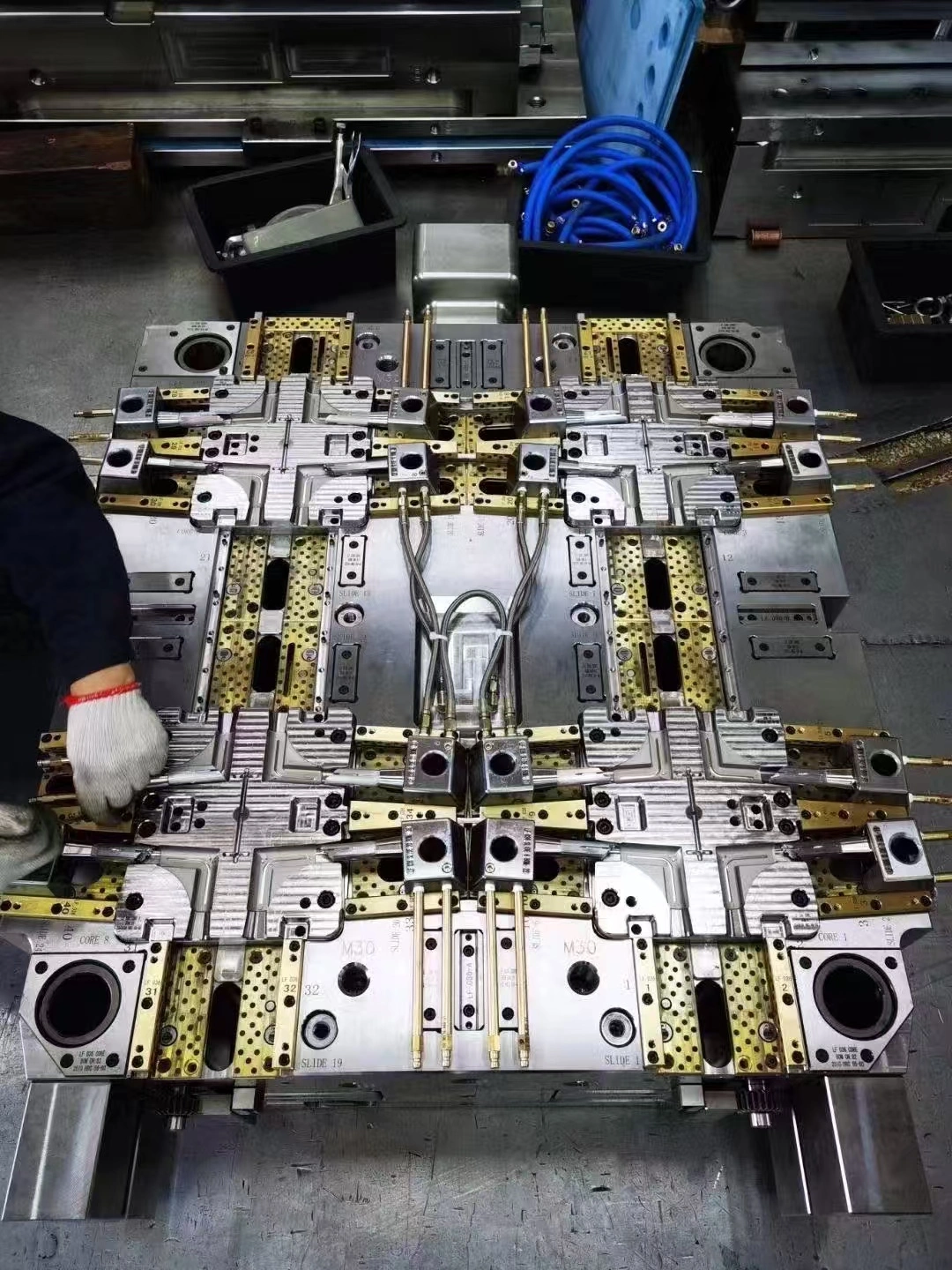
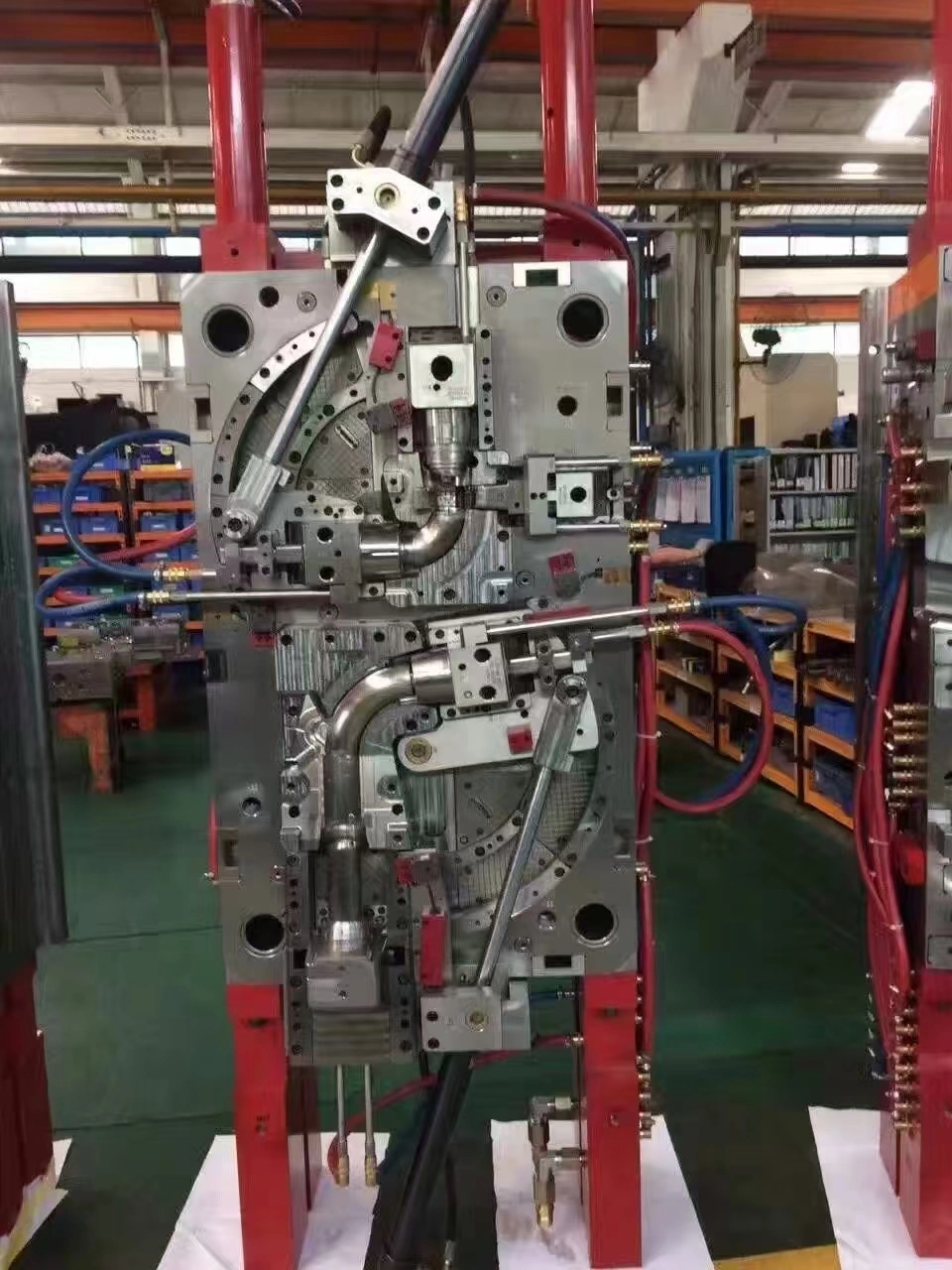
We can provide a one-stop service, including design and development, mold fabrication, production, product processing, etc.

Professional injection mold, die casting mold, plastic products OEM manufacturer