How Two Shots Injection Molds Create Multi-Material Components?
Two shots injection molding, which is also called multi-material injection molding or co-injection molding, is a new way to make things that lets you make complicated parts out of more than one material in a single step. This high-tech method has changed the plastics business by letting companies make parts with different colors, functions, and qualities. Two shots injection molding uses special molds and injection units to mix different materials in a way that doesn't look or feel weird. This makes goods that work better, look better, and are cheaper. This method has become very popular in many fields, like automobiles, consumer electronics, medical devices, and packing, because it can make high-quality parts that can do more than one thing with less time and money. This blog post will talk about the ins and outs of two-shot injection casting, as well as its benefits and many uses in current production.

The Mechanics of Two Shots Injection Molding
Mold Design and Construction
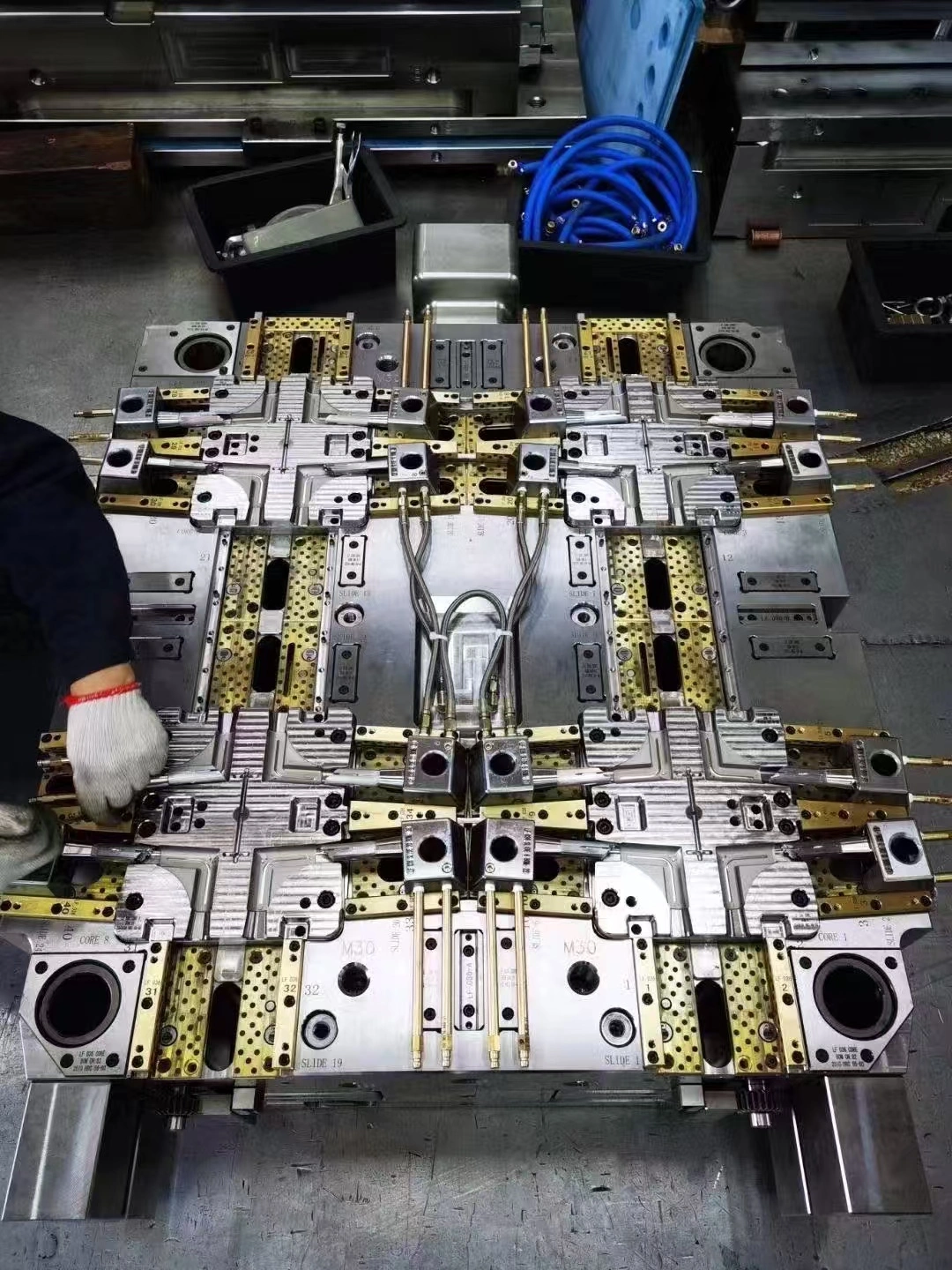
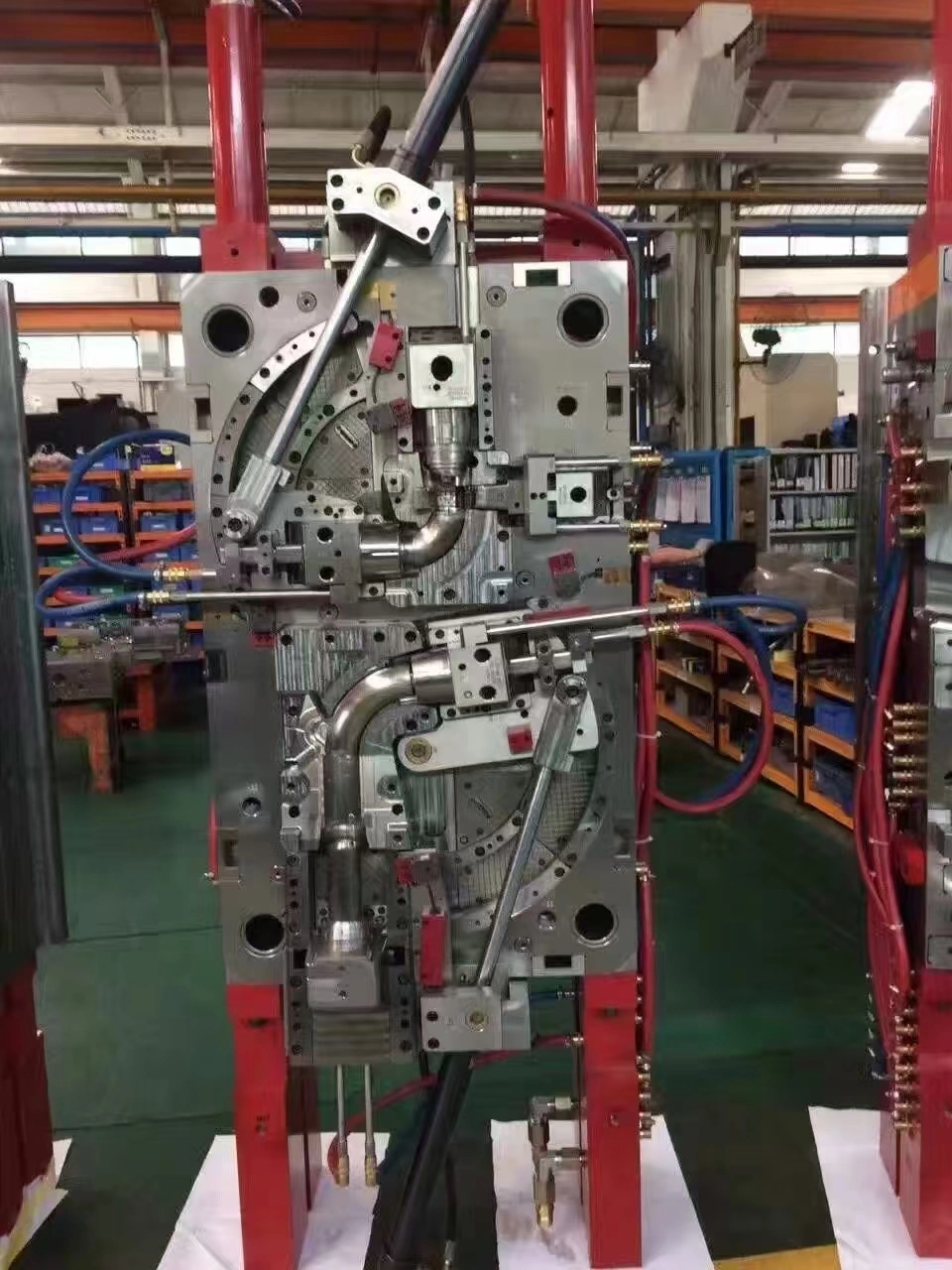
The mold's complex design and building are very important to the success of two rounds of injection casting. For accurate material placement and smooth integration, these special molds are made to fit a variety of materials and injection points. Although molds usually only have a core and a hole, they can have extra parts like moving plates or transfer devices that make it easier to insert different materials. When engineers create two-shot injection molds, they have to think carefully about things like how well the materials will work together, how fast they will shrink, and how cooling will be needed. Because the mold is so complicated, sophisticated CAD/CAM software and modeling tools are often needed to improve design and spot possible problems before they happen.
Material Selection and Compatibility
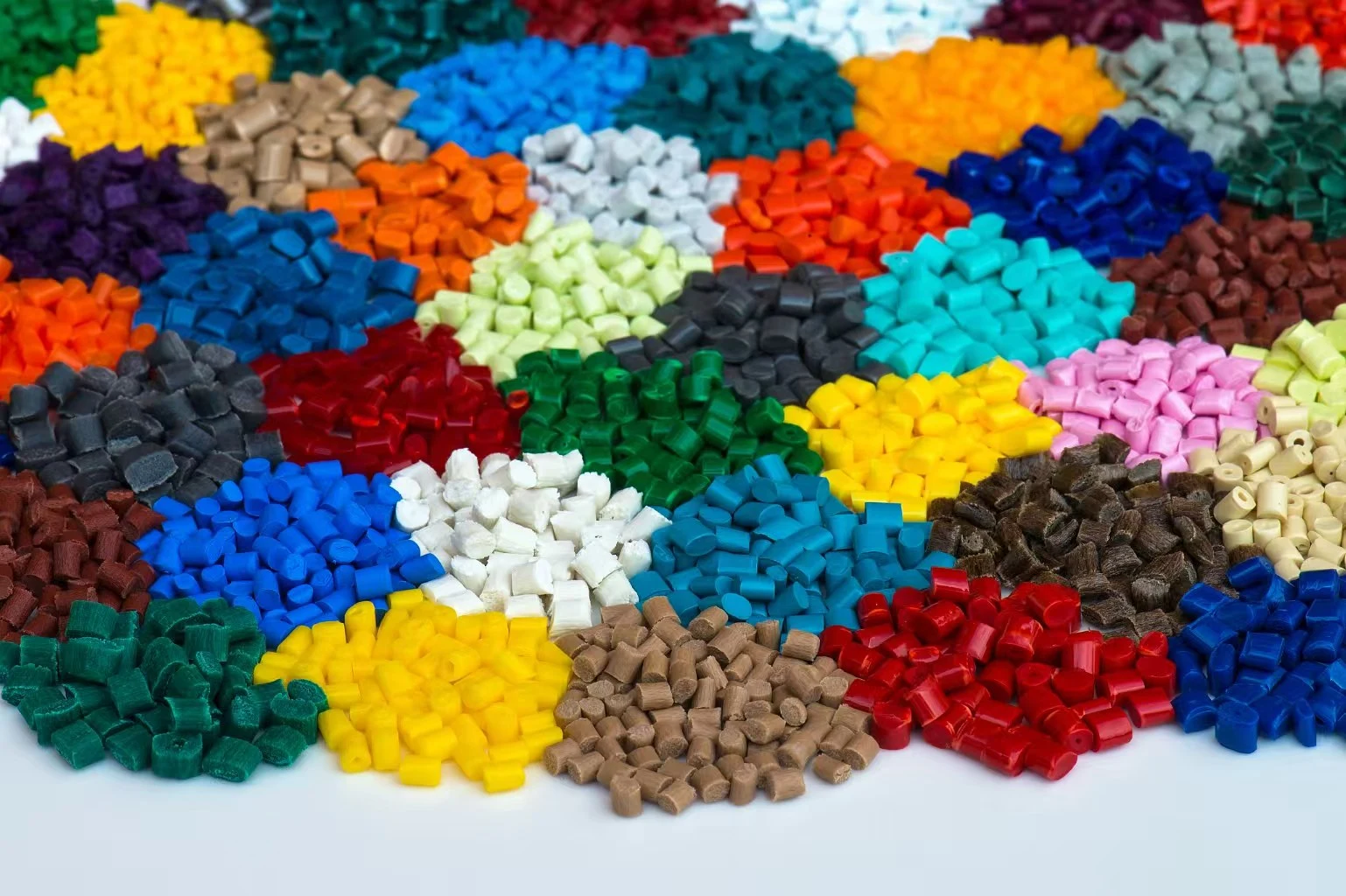
It's important to pick the right materials for two-shot injection molding so that the parts have the right end qualities and fit together properly. When makers choose materials for this process, they have to think about things like how they react to heat, chemicals, and the temperatures used in the process. Plastics that are smooth and rubbery, opaque and see-through, or plastics with different colors or shapes are all popular mixes of materials. To keep the end result from delaminating and having other issues, the materials must be able to be matched. In two-shot injection molds, different injection units and flow lines are used for each material so they don't mix and the materials are put exactly where they need to be.
Process Control and Optimization
For two-shot injection molding to produce reliable, high-quality results, the method must be carefully controlled and improved all the time. To make sure the mold is properly filled, packed, and cooled, manufacturers must carefully control factors like injection pressure, temperature, and time for each material. To find and fix any problems with the casting process, advanced process tracking tools and quality control measures are often used. Two-shot injection molds have sensors and control systems that let process factors be changed and fine-tuned in real time. With this much control, producers can make the most of cycle times, cut down on waste, and make sure that the quality of the products stays the same throughout big production runs.
Advantages of Two Shots Injection Molding
Enhanced Product Functionality
Multiple materials with different features can be combined into a single part using two shots injection molding, which greatly improves the usefulness of the product. Within a single casting cycle, this feature lets makers make parts with complicated shapes, different levels of stiffness, and different surface textures. A hard structure frame and a soft, natural grip, for example, can be put together in a product to make it last longer and be more comfortable for the user. To make sure that these mixtures of materials are placed correctly and bonded, two-shot injection molds are specially made for them. Functioning parts like seals, gaskets, or vibration-dampening features can be added directly to the molding part using this method, which cuts down on the number of production steps needed and improves the overall performance of the product.
Cost and Time Efficiency
One great thing about two-shot injection casting is that it can speed up output and lower the overall cost of making things. This method cuts down on work costs and production time by mixing different materials and parts into a single casting operation. This gets rid of the need for extra building steps. Two-shot injection molds are made so that material can move easily and quickly through them. This lets them make a lot of things with little downtime. By carefully controlling the amount of each material used and reducing the need for cutting or finishing tasks, this method can also cut down on material loss. Making complicated parts out of more than one material in a single step cuts down on inventory needs and makes managing the supply chain easier, which also saves money.
Design Flexibility and Aesthetics
When it comes to design freedom, two-shot injection molding is unmatched. It lets product makers make new, attractive parts that would be hard or impossible to make with standard methods. This method makes it possible to combine various colors, shapes, and finishes in a single part without any problems. This creates new ways to distinguish products and build brands. It is possible to make two-shot injection molds that make complex designs, names, or useful parts without having to add extra steps for decoration or assembly. This feature is very useful in fields like medical devices, consumer goods, and car seats, where looks and ease of use are very important to the success of a product. Designers can push the limits of product design by combining hard and soft materials, clear and opaque parts, or matte and shiny finishes in a single component. This lets them make truly unique and eye-catching products.
Applications and Future Trends
Automotive Industry Applications
Two-shot injection molding is widely used in the car industry to make a wide range of parts, from useful parts under the hood to interior trim pieces. With this technology, producers can make things that are safe, sturdy, and look good, and they also have to meet the industry's strict quality and safety standards. Parts like panel elements, steering wheel covers, and gear shift knobs are made with two-shot injection molds that combine hard structure materials with soft-touch surfaces to make them more comfortable and easy to use. In outdoor uses, this method is used to make seals and gaskets that are combined, which cuts down on the number of different steps needed for assembly and makes the product more weatherproof. As the auto industry continues to focus on making cars lighter and more environmentally friendly, two-shot injection molding is likely to become a more important way to make multi-material parts that improve performance while lowering the weight of the whole vehicle.
Medical Device Manufacturing
Two-shot injection molding has become popular in the medical device business because it can make complicated, high-precision parts that can do more than one thing. This method works especially well for making things like surgery tools, drug delivery systems, and testing equipment that need a mix of hard and soft materials. With two shots injection molds, you can make handles that are more comfortable to hold because they have soft grips built in, fluid joints that have seals built in, and housings that have clear viewing windows. The ability to shape more than one material at the same time also helps keep the factory clean, which lowers the risk of contamination that comes with secondary building steps. As the need for minimally invasive medical devices and personal health technologies grows, two shots injection molding is likely to become an important tool for creating new, patient-friendly products that combine advanced features with better comfort and ease of use.
Emerging Technologies and Future Prospects
Two-shot injection molding is an area that is always changing as new materials, tool designs, and process control technologies come out. Smart materials and embedded technology in plastic parts are becoming more popular. This makes it possible to make smart, connected goods. Two-shot injection molds are being changed so that they can hold electrical materials and electronic parts. This makes it possible to make sensors, antennas, and other smart features that are built in. Using bio-based and recyclable materials in two-shot injection molding is another area of growth. This is done to handle rising worries about sustainability and the environment. As additive manufacturing technologies improve, combined methods that combine 3D printing with two-shot injection molding could become possible. This would allow for even more design options and faster development of complicated parts made of more than one material. These improvements should make it possible for new uses in many fields, from consumer electronics to military. This will help the field of two-shot injection molding continue to grow and develop.
Conclusion
Two-shot injection molding has become a game-changing technology in the manufacturing industry, making it possible to make parts out of more than one material that are better in every way: they look better, work better, and cost less. This process has changed the way products are designed and made in many areas by making it possible to make complicated parts in a single step. Two-shot injection molding is quickly becoming more useful as the technology keeps getting better at controlling the process, making molds, and using new materials. This new method of making things will have a big impact on the future of product creation and production, from cars and medical devices to tools for consumers and more.
For more information about two shots injection molding and other advanced manufacturing solutions, please contact Alwin Asia Limited. Our company, registered in Hong Kong, works closely with Dongguan Yongsheng Hardware Plastic Product Co., Ltd., a leading manufacturer with over 20 years of experience in plastic molds, die casting molds, and plastic products. Located in Changan Town, Dongguan City, Guangdong Province, known as the Town of Molds, our facility boasts more than 300 employees and a 6000 square meter building area. We are ISO9001:2015 certified and specialize in providing one-stop services including design and development, mold fabrication, production, and secondary processing. Our commitment to high quality, cost-effectiveness, on-time delivery, and client confidentiality makes us an ideal business partner. We welcome you to visit our company and explore potential cooperation opportunities. For inquiries, please contact us at sales-c@alwinasia.com.
FAQ
Q: What is two shots injection molding?
A: Two shots injection molding is a manufacturing process that combines two different materials into a single component using specialized molds and injection units.
Q: What are the main advantages of two shots injection molding?
A: The main advantages include enhanced product functionality, cost and time efficiency, and increased design flexibility and aesthetics.
Q: Which industries commonly use two shots injection molding?
A: Two shots injection molding is widely used in automotive, medical device manufacturing, consumer electronics, and packaging industries.
Q: How does two shots injection molding contribute to sustainability?
A: It reduces material waste, eliminates the need for secondary assembly processes, and allows for the use of bio-based and biodegradable materials.
Q: What are some emerging trends in two shots injection molding?
A: Emerging trends include the integration of smart materials and embedded electronics, use of bio-based materials, and hybrid processes combining 3D printing with injection molding.
References
1. Smith, J. (2021). Advances in Two-Shot Injection Molding Technologies. Journal of Polymer Engineering, 45(3), 234-249.
2. Johnson, A., & Brown, L. (2020). Multi-Material Injection Molding: Principles and Applications. Plastics Technology Press.
3. Lee, C. H., & Kim, S. Y. (2019). Design Considerations for Two-Shot Injection Molds. International Journal of Precision Engineering and Manufacturing, 20(8), 1365-1380.
4. Garcia, M. (2022). Sustainability in Two-Shot Injection Molding: Current Practices and Future Directions. Green Manufacturing Quarterly, 17(2), 78-92.
5. Wilson, R., & Thompson, E. (2020). Automotive Applications of Two-Shot Injection Molding: A Comprehensive Review. SAE International Journal of Materials and Manufacturing, 13(3), 275-290.
6. Chen, Y., & Zhang, H. (2021). Recent Developments in Smart Materials for Two-Shot Injection Molded Products. Advanced Materials Technologies, 6(4), 2000721.

We can provide a one-stop service, including design and development, mold fabrication, production, product processing, etc.

Professional injection mold, die casting mold, plastic products OEM manufacturer