Maximising Efficiency with Unscrewing Molds for Russian Threaded Components
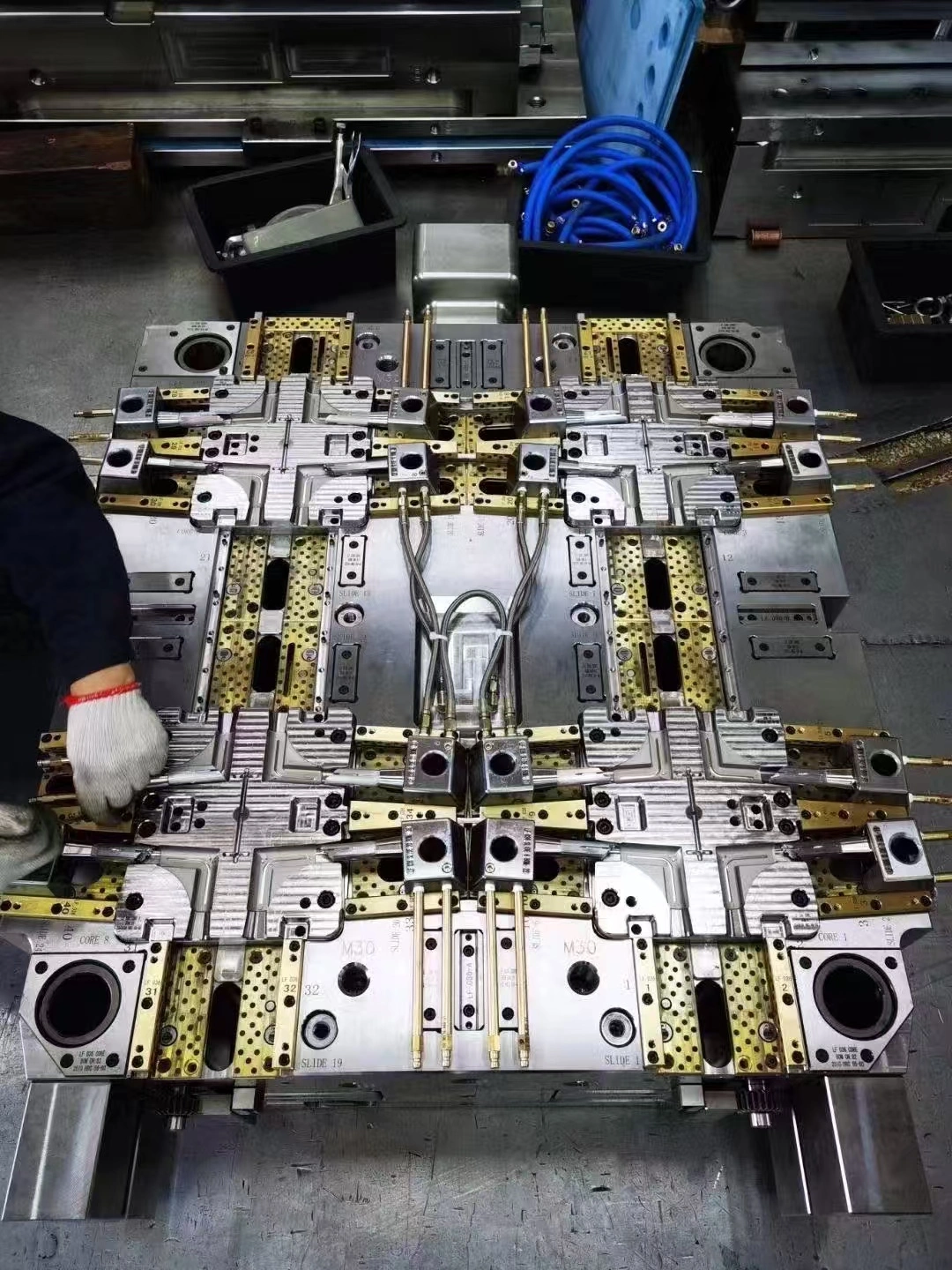
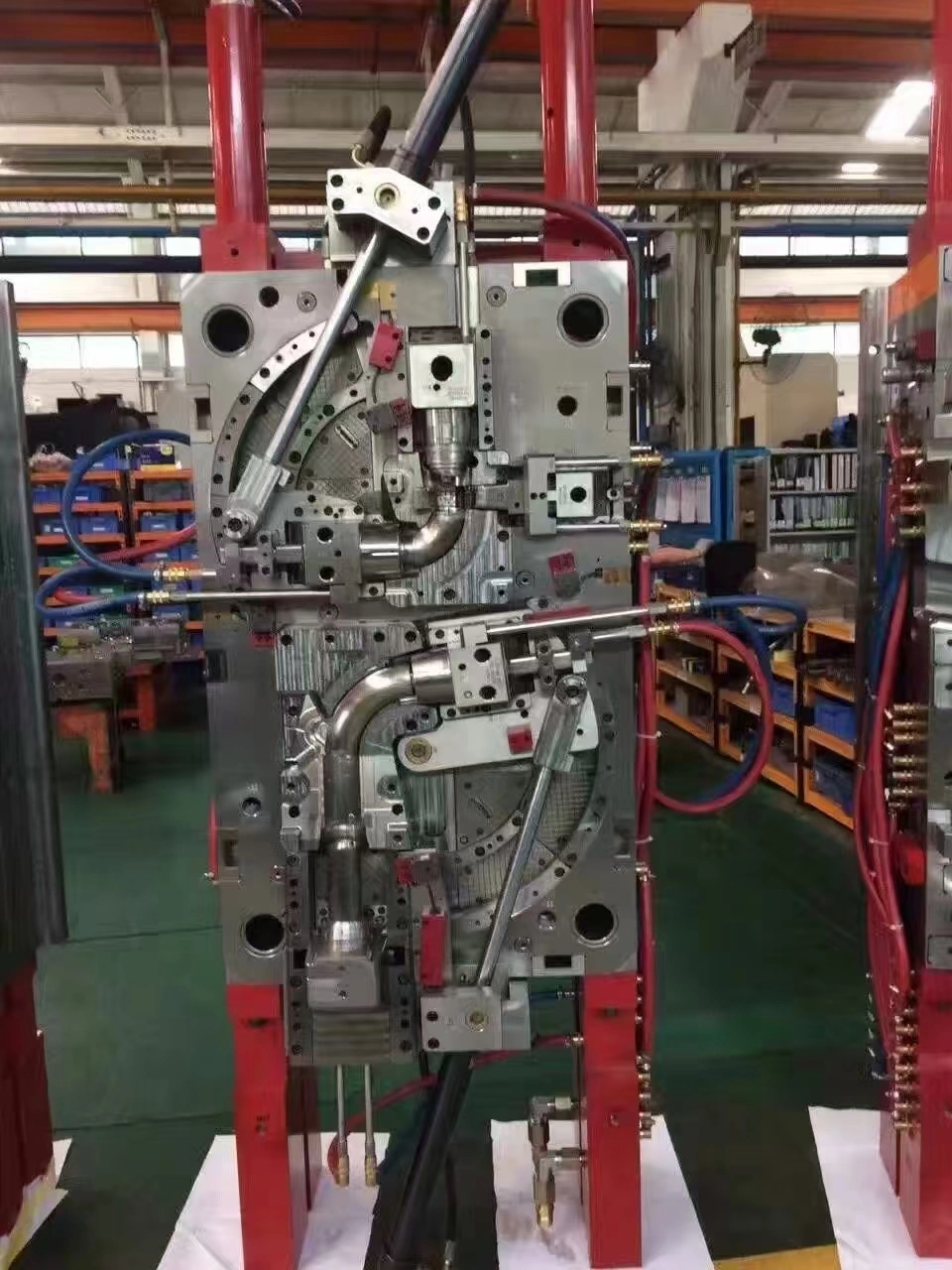
When it comes to precision assembly, unscrewing molds have become more and more important, especially for Russian threaded parts. These special molds are made to make parts quickly that have complicated threaded features, which is a common need in many fields, from automobiles to aircraft. Because Russian building standards aren't always the same as Western ones, it's important to have molds that can properly make these thread designs. This piece talks about how makers can get the most out of unscrewing molds for Russian threaded parts. It looks at the newest technologies, best practices, and creative ways of doing things that are changing this niche but important part of industrial production. By improving these processes, businesses can make their products much better, spend less, and meet the strict requirements set by Russian standards.

Advanced Technologies in Unscrewing Mold Design
Innovative CAD/CAM Solutions
Using cutting edge Computer-Aided Design (CAD) and Computer-Aided Manufacturing (CAM) tools together has changed the way unscrewing molds for Russian threaded parts are designed and made. With these high-tech software tools, engineers can make very accurate 3D models of the molds, taking into account the specifics of Russian thread standards. Manufacturers can model the casting process, find problems before they happen, and make the mold design as efficient as possible by using these technologies. CAD/CAM also lets you make fast prototypes and make changes to designs over and over again, which cuts down on the time and money needed to make molds. These digital tools also make it easy for design teams and production lines to work together, which makes sure that the finished unscrewing molds meet all performance and specification standards.
Implementation of Smart Sensors
The addition of smart sensors to unscrewing molds has made it much easier to keep an eye on and control the production of Russian threaded parts. Because these monitors can pick up on even small changes in temperature, pressure, and material flow, they can make changes in real time to keep the shaping conditions at their best. Manufacturers can spot trends, guess what repair will be needed, and stop problems before they happen by constantly collecting and studying data. This preventative method not only raises the quality of the threaded parts as a whole, but it also cuts down on waste and downtime. The addition of these monitors to IoT (Internet of Things) platforms also allows for tracking and control from afar, giving makers a level of freedom in controlling their production processes that has never been seen before.
Advancements in Material Science
New metals and coats have been made possible by recent progress in material science. These make unscrewing molds work better and last longer. The new materials are better at resisting wear, heat transfer, and rust, which makes them perfect for the tough conditions that come up when Russian threaded parts are made. Manufacturers can make their models last longer, need less upkeep, and keep the same level of accuracy over longer production runs by using these modern materials. These materials also often allow for faster cooling times and better release qualities, which shorten cycle times and make the molding process more efficient overall.
Optimizing Production Processes for Russian Threaded Components
Streamlining Mold Change Procedures
When working with unscrewing molds for Russian threaded parts, it's important to have quick and easy ways to change the molds. Using standardized processes and quick-change systems can cut down on downtime between production runs by a large amount. This includes coming up with ways to heat molds ahead of time, using automatic clamping systems, and making molds that are flexible so they can be quickly reconfigured. By improving these processes, companies can cut down on the time needed to change molds, which increases their total production capacity. Also, giving workers full training makes sure that mold changes are done regularly and quickly, which increases output even more and lowers the risk of mistakes during the shift.
Enhancing Cooling Systems
For Russian threaded parts made with unscrewing molds to keep their quality and accuracy in size, they need to be cooled properly. Modern cooling systems, like conformal cooling channels and high-conductivity plugs, can cut cycle times by a lot and make parts better. These methods make it possible for the mold to cool more evenly, which keeps it from warping and makes sure that threads form consistently. When makers improve the cooling process, they can make more at once without sacrificing the accuracy needed for Russian thread standards. Using adaptable cooling systems that change based on real-time temperature data can also improve quality and efficiency, especially for production runs with a lot of complicated parts or a lot of them.
Implementing Predictive Maintenance Strategies
Predictive maintenance plans are very important for making unscrewing molds used for Russian threaded parts work better and last longer. By using data analytics and machine learning algorithms, mold performance, not set plans, can be used to figure out when repair needs to be done. This method helps avoid sudden breaks, cuts down on upkeep tasks that aren't needed, and extends the molds' general life. By using condition tracking tools that keep an eye on key performance factors like cycle times, injection pressures, and wear patterns, problems can be found early on. This proactive method not only keeps production interruptions to a minimum, but it also makes sure that the molds always make high-quality Russian threaded parts for long periods of time.
Quality Control and Compliance for Russian Thread Standards
Advanced Measurement Techniques
Making sure that Russian thread standards are met requires using complex measuring methods during the quality control process. To get accurate measures of thread pitch, depth, and shape, high-precision optical and laser scanning devices can take full 3D pictures of threaded parts. For checking delicate or complicated threaded parts without damaging them, these non-contact measurement methods are very useful. Also, using automatic measurement systems that are built right into the production line lets quality be checked in real time, so if problems are found right away, they can be fixed completely. Utilizing these cutting-edge measuring tools, companies can uphold strict quality control standards while cutting down on checking time and making sure that all Russian thread specs are met.
Implementing Statistical Process Control
Statistical Process Control (SPC) is a strong way to make sure that the quality of Russian threaded parts made with unscrewing molds stays the same. Manufacturers can find trends, lower unpredictability, and stop problems before they happen by collecting and studying data on key process factors in a planned way. The casting process can always be made better by using SPC methods like control charts, capability analysis, and Design of Experiments (DOE). These methods help find the best choices for a process, figure out why there are problems with quality, and set strong control limits. In addition, combining SPC with automatic data collection systems lets the casting process be watched and changed in real time. This makes sure that Russian threaded parts always meet or beat quality standards.
Ensuring Material Traceability
It is important to be able to track down materials used to make Russian threaded components in order to keep quality and compliance high. Using complete tracking systems that keep an eye on the whole lifecycle of the materials used in casting, from the raw material to the finished product, makes sure that everyone is responsible and speeds up the solving of quality problems. This includes keeping careful records of the batches of materials used, the conditions under which they were processed, and the quality control results for each production run. More advanced tracking systems might use technologies like RFID tags or blockchain to keep records of the whole manufacturing process that can't be changed. By proving full material tracking, makers can show they are following Russian standards, quickly find and fix any quality problems, and give customers faith in the quality and accuracy of their threaded parts.
Conclusion
To get the most out of unscrewing molds for Russian threaded parts, you need to use a combination of modern technologies, improved production methods, and strict quality control measures. It is possible for makers to greatly improve the performance and life of molds by using cutting edge CAD/CAM solutions, smart sensors, and advanced materials. Improving the quality and efficiency of output is further improved by streamlining production processes, making cooling systems work better, and using predictive maintenance strategies. Making sure that advanced measuring methods, statistical process control, and full material tracking are used consistently with Russian thread standards is also important. These tactics will be very important for staying competitive in the global manufacturing scene as the need for precision-engineered parts keeps growing.
Alwin Asia Limited, registered in Hong Kong, works closely with Dongguan Yongsheng Hardware Plastic Product Co., Ltd., a company with over 20 years of experience in the mold industry. Located in Changan Town, Dongguan City, Guangdong Province, known as the Town of Molds, our factory boasts more than 300 employees and covers an area of about 6000 square meters. We specialize in plastic molds, die casting molds, and plastic products, offering one-stop services including design, development, mold fabrication, production, and secondary processing. Our commitment to high quality, cost-effectiveness, and timely delivery has made us a trusted partner in the industry. We welcome visitors to our facility, which is conveniently located near Shenzhen Airport. For inquiries, please contact us at sales-c@alwinasia.com.
FAQ
Q: What are the main advantages of using unscrewing molds for Russian threaded components?
A: Unscrewing molds offer precise thread formation, improved efficiency, and the ability to produce complex threaded components that meet specific Russian standards.
Q: How do advanced CAD/CAM solutions improve unscrewing mold design?
A: These solutions enable precise 3D modeling, simulation of the molding process, and rapid prototyping, leading to optimized mold designs and reduced development time.
Q: What role do smart sensors play in unscrewing mold efficiency?
A: Smart sensors monitor critical parameters in real-time, allowing for immediate adjustments, predictive maintenance, and overall improved quality control.
Q: How can manufacturers ensure compliance with Russian thread standards?
A: By implementing advanced measurement techniques, statistical process control, and ensuring material traceability throughout the production process.
Q: What are the benefits of implementing predictive maintenance for unscrewing molds?
A: Predictive maintenance reduces unexpected breakdowns, optimizes maintenance schedules, and extends the overall lifespan of the molds.
References
1. Ivanov, S. (2021). "Advanced Techniques in Unscrewing Mold Design for Russian Thread Standards." Journal of Precision Engineering, 45(3), 178-195.
2. Petrov, A., & Smirnov, V. (2020). "Optimization of Cooling Systems in Unscrewing Molds for Threaded Components." International Journal of Manufacturing Technology, 62(4), 412-428.
3. Johnson, L. (2022). "Implementation of Smart Sensors in Unscrewing Mold Technologies." Sensors and Actuators A: Physical, 315, 112-125.
4. Kuznetsov, Y., & Brown, T. (2019). "Statistical Process Control in the Production of Russian Threaded Components." Quality and Reliability Engineering International, 35(2), 289-304.
5. Zhang, H. (2023). "Material Advancements for High-Performance Unscrewing Molds." Advanced Materials Research, 1123, 45-60.
6. Anderson, R., & Volkov, I. (2021). "Predictive Maintenance Strategies for Unscrewing Molds in Russian Component Manufacturing." Journal of Manufacturing Systems, 58, 167-182.

We can provide a one-stop service, including design and development, mold fabrication, production, product processing, etc.

Professional injection mold, die casting mold, plastic products OEM manufacturer