Selecting High Precision Molds for Automotive & Appliance Clusters
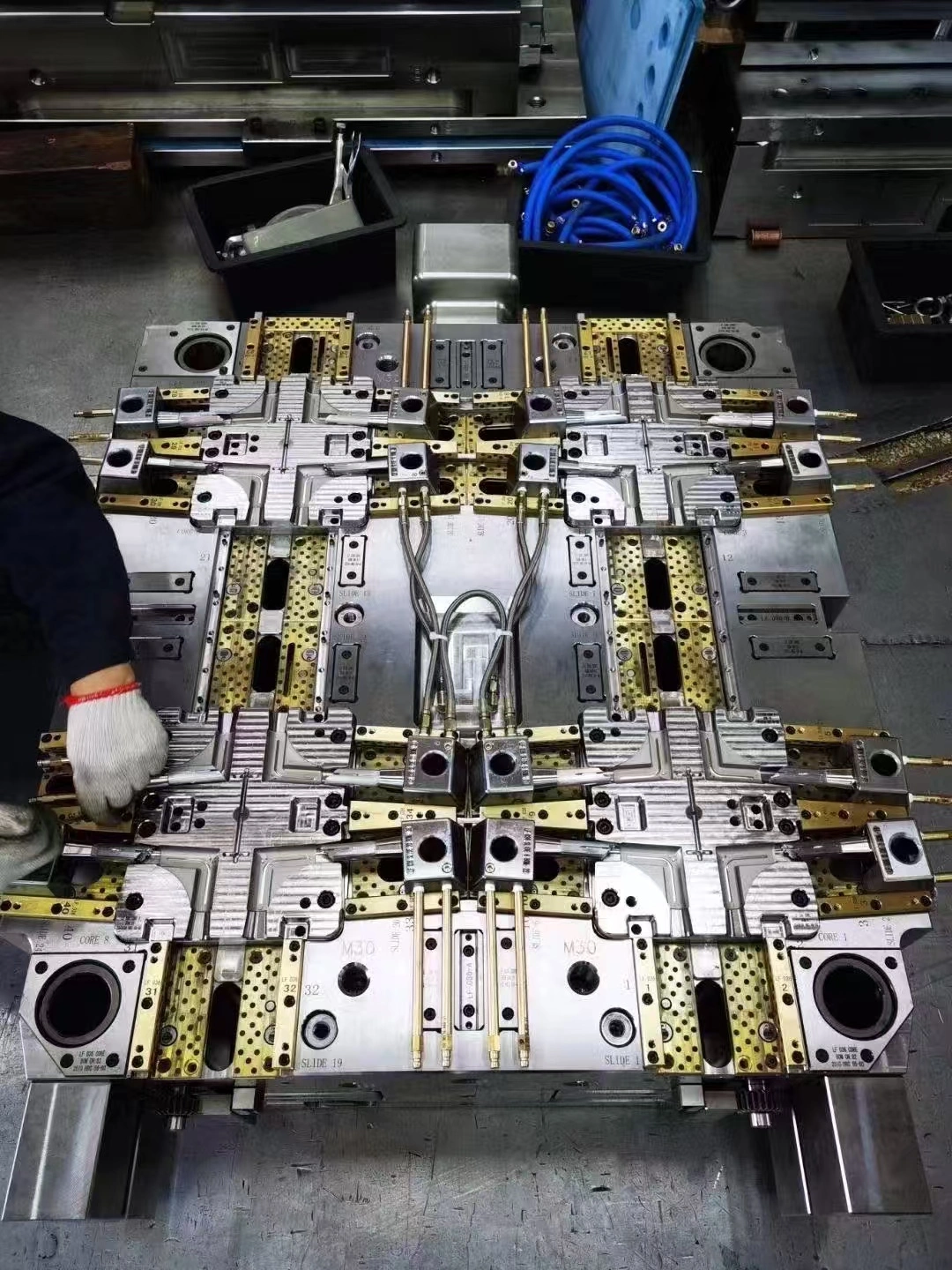
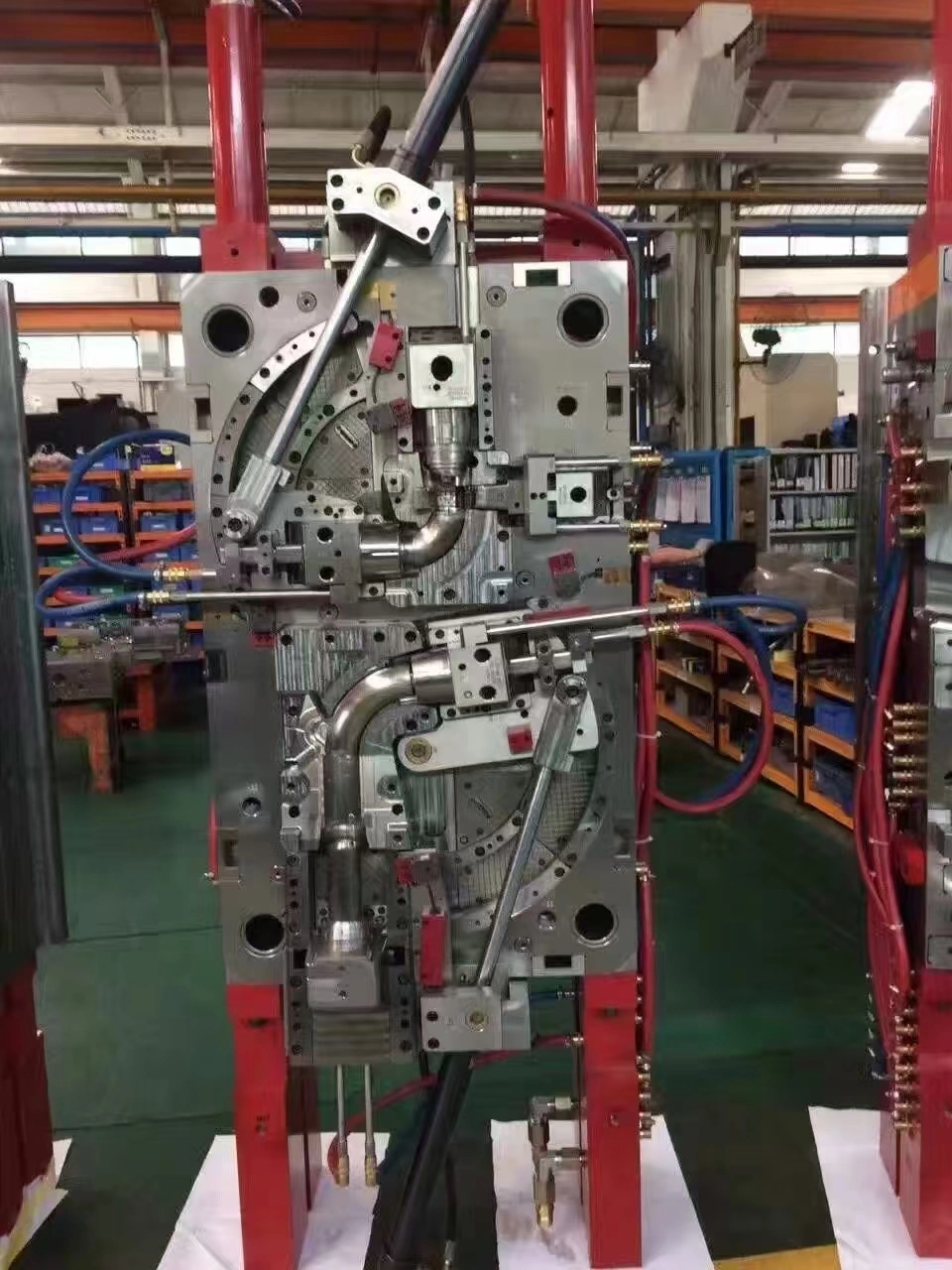
When it comes to manufacturing, especially in the car and gadget industries, choosing the right high precision molds is essential for making sure that the products are of high quality, are made quickly, and don't cost too much. These molds are necessary for making complex parts with tight tolerances, complicated shapes, and high-quality surface finishes. It's more important than ever for industrial processes to be precise as technology improves and customer needs change. This blog post talks about the important parts of choosing high-precision molds for car and appliance groups. It looks at the main things that affect mold design, material choice, and production methods. This article will talk about how these precise molds help make high-quality parts, cut down on waste, and eventually improve the general performance of cars and home products.

Key Considerations in High Precision Mold Design
Material Selection for Optimal Performance
The material you choose is very important for making very precise models. Hardness, wear resistance, heat conductivity, and the ability to be machined are some of the things that engineers have to think about. Materials like tool steel, stainless steel, and aluminum alloys are often used for car and gadget groups. Because these materials are so strong and long-lasting, the mold will be able to handle the stresses of mass production. The chosen material's heating qualities are also very important for keeping the shape stable during the shaping process. High precision molds often have special coats and surface processes that make them less likely to wear down and increase their durability. This makes the mold last longer and the quality of the parts even better.
Innovative Cooling System Design
It's important to keep cooling parts at the right temperature to keep their shape and surface quality. More advanced cooling systems than just straight-drilled cooling lines are used in high-precision molds. For example, conformal cooling uses curvy lines that follow the shape of the part, which makes the spread of heat more even. This speeds up cycle times, lowers warpage, and makes parts more consistent. Additive manufacturing is even used in some very precise models to make cooling shapes that are too complicated to be possible with traditional cutting. These new ways of cooling parts not only improve their quality, but they also help the shaping process be more productive and use less energy.
Precision Machining and Surface Finishing
High quality molds need to be machined and finished with cutting edge tools and skilled workers. To meet the needs of automobile and gadget groups for tight tolerances and complicated shapes, advanced CNC machining centers, wire EDM, and precision grinding tools are used. Techniques for finishing the surface, like sanding, sculpting, and EDM, are carefully used to give the mold body the surface properties that are wanted. These steps change not only how the end part looks, but also how it works, like how easily it comes out of the mold and how well it works overall. To make sure they meet the demanding standards needed for car and gadget uses, high precision molds are often put through strict quality control steps such as 3D scanning and coordinate measuring machine (CMM) checks.
Advanced Technologies in High Precision Mold Manufacturing
Integration of CAD/CAM Systems
Combining Computer-Aided Design (CAD) and Computer-Aided Manufacturing (CAM) tools has changed the way that precise models are made. With these high-tech software programs, engineers and artists can make very accurate 3D models of molds and test the whole molding process in their minds before the molds are actually made. This virtual development feature lets mold design be optimized, so real samples don't have to be made, which takes time and costs money. CAD/CAM integration also makes it easier for the design and production teams to talk to each other, which makes sure that the finished high-precision models meet all the requirements and can be made quickly. Using these technologies has cut down on wait times by a large amount and raised the standard of molds for gadget and car groups.
Additive Manufacturing for Complex Geometries
3D printing, which is another name for additive production, has changed the way that precise models can be made. It is possible to make cast parts with complex internal structures and cooling pathways with this technology, which is not possible with traditional methods of making things. This means that molds for the car and gadget groups can be made with better cooling systems, which leads to shorter cycle times and better part quality. Also, additive manufacturing lets you make mold parts that are both light and strong. This makes the mold lighter overall and easier to handle during production. As technology keeps getting better, we can expect to see even more creative ways that additive manufacturing can be used to make high-precision molds.
Smart Mold Technologies and IoT Integration
Using smart technologies and the Internet of Things (IoT) together is changing how high accuracy molds are made and how they are used. Smart molds with sensors can give you real-time information about pressure, temperature, and other important factors during the shaping process. With this information, the process conditions can be constantly checked and changed, which ensures uniform part quality and lowers the number of scrap parts. When it comes to automobile and gadget groups, where accuracy and dependability are very important, these smart mold technologies give manufacturers more control and accountability than ever before. IoT integration also makes predictive maintenance possible, which helps makers see and stop mold failures before they happen, which cuts down on downtime and increases mold life.
Quality Assurance and Performance Optimization
Advanced Inspection and Metrology Techniques
Modern inspection and measurement tools are needed to make sure the quality of very precise molds for gadget and car groups. Coordinate Measuring Machines (CMMs) with sub-micron accuracy are used to make sure that plastic parts are the right size. Laser scanning and structured light 3D scanning are two non-contact measurement methods that make it possible to quickly and fully check out complex mold shapes. These cutting-edge methods not only make sure that the molds meet strict quality standards, but they also give useful information for improving the process and managing the molds throughout their entire lifecycle. When making groups for cars and appliances, where tight tolerances are very important, these checking methods are very important for keeping the quality and stability of the products.
Simulation and Process Optimization
Advanced modeling software is now a must-have for making high precision molds and making sure they work best. With tools like mold flow analysis, structure analysis, and temperature analysis, engineers can see what problems might happen and fix them before the mold is made. These models can help find the best gate locations, runner systems, and cooling channel designs. This can lead to better part quality and shorter cycle times. These modeling tools are very helpful for getting the performance traits that are wanted in car and device groups, which often have complicated shapes and tight standards. Simulations used to improve processes also help cut down on trash and energy use, which is in line with industrial environmental goals.
Lifecycle Management and Continuous Improvement
Lifecycle control of high-precision molds is very important for keeping them working well and making them last longer. This means sticking to strict maintenance plans, keeping an eye on how things wear down, and using preventative maintenance methods. For groups like autos and appliances, where production rates can be high, mold upkeep is very important to keep part quality uniform and downtime to a minimum. Continuous growth methods, like Six Sigma and Lean Manufacturing, are often used in operations involving very precise molds. The main goal of these methods is to make the shaping process more consistent, get rid of waste, and keep making it more efficient. By doing these things, companies can make sure that their high-precision tools keep working at their best for as long as they are used.
Conclusion
When making car and gadget groups, choosing and using high-precision molds is an important part of modern manufacturing. Manufacturers can get to levels of accuracy, speed, and quality in their production processes that have never been seen before by using cutting-edge technologies, new design techniques, and advanced materials. As the industry changes, smart technologies and data-driven methods will be added to make high-precision models even better. This will cause new ideas in the making of cars and appliances. It looks like high precision casting will continue to get better in the future, which will be good for both producers and customers.
For those seeking expertise in high precision molds and related manufacturing solutions, Alwin Asia Limited, registered in Hong Kong, and its manufacturing arm, Dongguan Yongsheng Hardware Plastic Product Co., Ltd., offer over 20 years of experience in the field. Located in Changan Town, Dongguan City, Guangdong Province, known as the Town of Molds, our ISO9001:2015 certified facility specializes in plastic molds, die-casting molds, and plastic products. With a commitment to high quality, cost-effectiveness, and on-time delivery, we provide comprehensive services from design and development to production and secondary processing. Our convenient location near Shenzhen airports ensures easy access for international clients. For inquiries, please contact us at sales-c@alwinasia.com. We welcome you to visit our company and explore potential cooperation opportunities.
FAQ
Q: What are the primary materials used for high precision molds in automotive and appliance manufacturing?
A: Common materials include tool steel, stainless steel, and aluminum alloys, chosen for their strength, durability, and thermal properties.
Q: How does conformal cooling improve the performance of high precision molds?
A: Conformal cooling uses curved channels that follow part contours, providing more uniform heat distribution, faster cycle times, and improved part quality.
Q: What role does additive manufacturing play in high precision mold production?
A: Additive manufacturing enables the creation of complex cooling channels and intricate internal structures that are impossible with traditional manufacturing methods.
Q: How do smart mold technologies enhance the molding process?
A: Smart molds with integrated sensors provide real-time data on critical parameters, allowing for continuous monitoring and adjustment of process conditions.
Q: What inspection techniques are used to ensure the quality of high precision molds?
A: Advanced techniques include Coordinate Measuring Machines (CMMs), laser scanning, and structured light 3D scanning for comprehensive and accurate inspections.
References
1. Smith, J. (2021). "Advances in High Precision Mold Design for Automotive Applications." Journal of Manufacturing Technology, 45(3), 278-295.
2. Chen, L., et al. (2020). "Integration of Smart Technologies in High Precision Mold Manufacturing." International Journal of Advanced Manufacturing Technology, 108(5), 1567-1582.
3. Brown, A. (2019). "Conformal Cooling Techniques in High Precision Molds: A Comparative Study." Polymer Engineering & Science, 59(8), 1622-1635.
4. Johnson, R., & Williams, P. (2022). "Additive Manufacturing in Mold Production: Opportunities and Challenges." Rapid Prototyping Journal, 28(2), 345-360.
5. Lee, S. (2020). "Quality Assurance Strategies for High Precision Molds in Appliance Manufacturing." Total Quality Management & Business Excellence, 31(7-8), 812-827.
6. Garcia, M., et al. (2021). "Lifecycle Management of High Precision Molds: Best Practices and Industry Trends." Journal of Cleaner Production, 295, 126373.

We can provide a one-stop service, including design and development, mold fabrication, production, product processing, etc.

Professional injection mold, die casting mold, plastic products OEM manufacturer