Overmolded Medical Parts for Enhanced Ergonomics & Function
With overmolding technology, parts made of more than one material stick together to make better practical and useful ones. This is a big step forward in the production of medical devices. The process makes medical parts with soft-touch surfaces that are perfectly integrated with hard structural elements. This gives the parts better grip, comfort, and longevity than standard parts made of a single material. This new way of making things meets important needs in healthcare settings where precise tools need to work reliably in tough conditions while keeping users comfortable during long processes. When thermoplastic elastomers and medical-grade polymers are mixed, they make devices that protect delicate electronic parts, make it easier for surgeons to work without getting tired hands, and make patients safer by giving them better control and handling. These are things that healthcare professionals use every day.
Understanding Overmolded Medical Parts and Their Importance
What Makes Overmolding Technology Unique
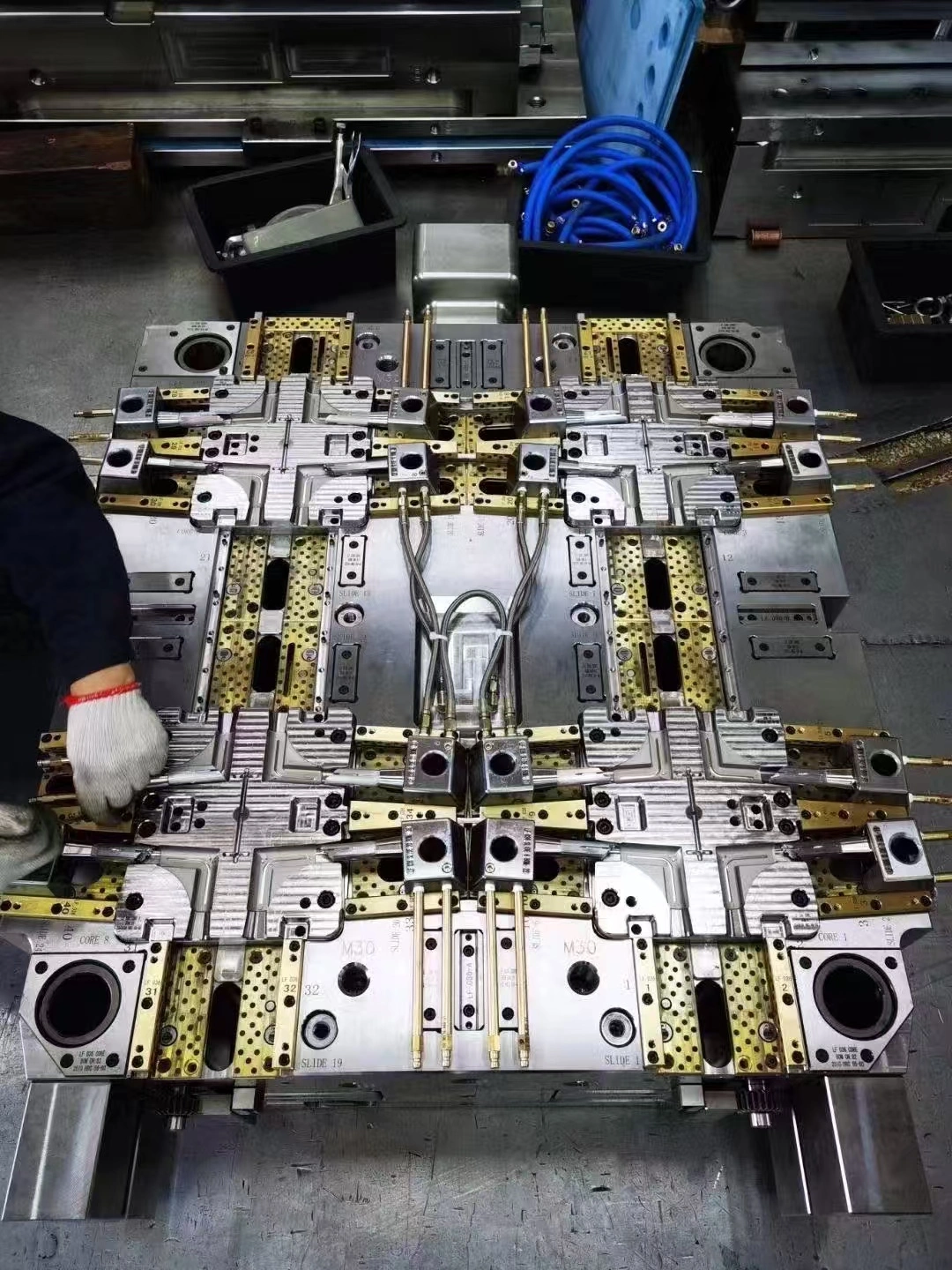
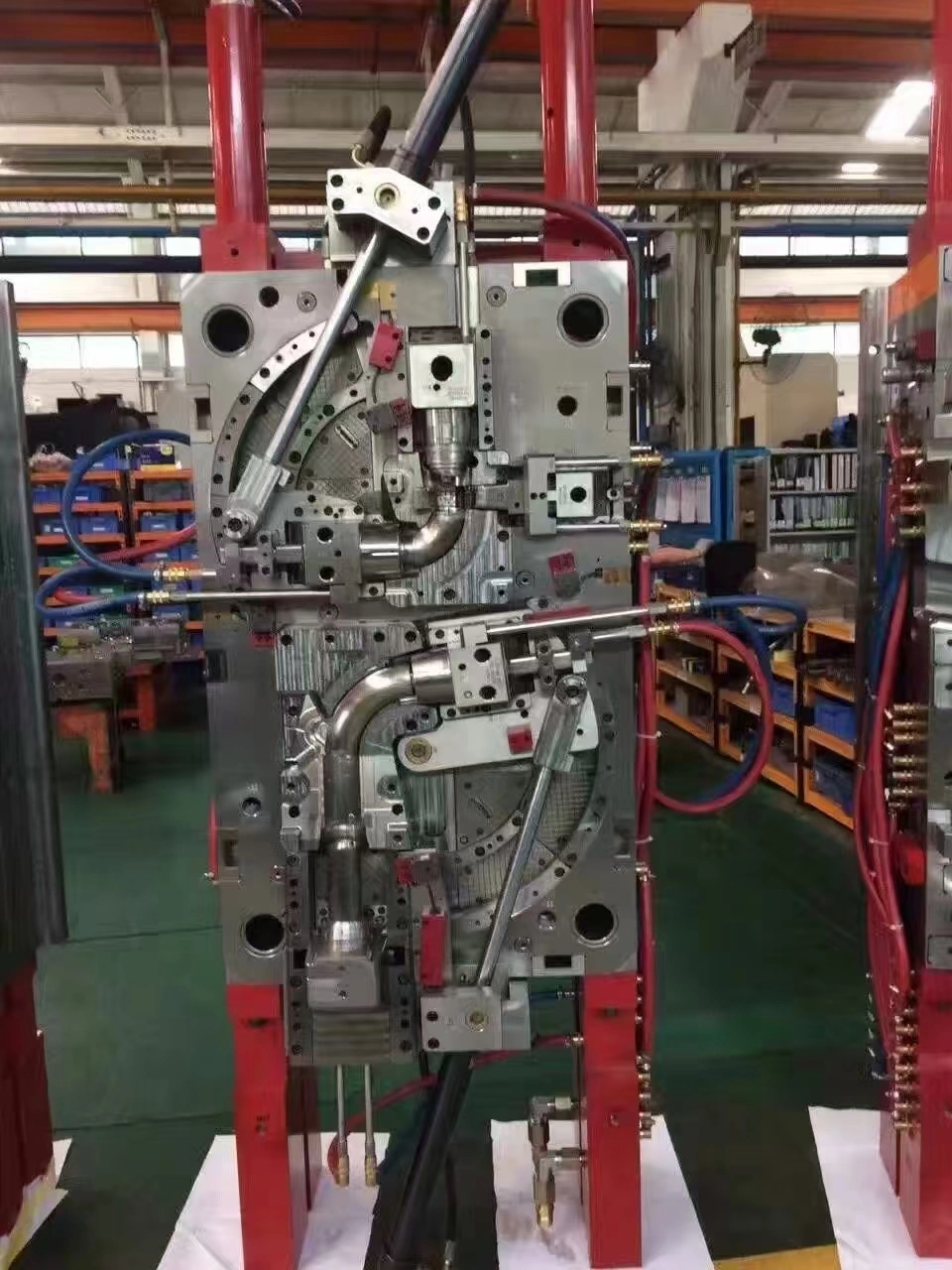
Overmolding is different from other ways of making things because it can chemically or physically join different materials together to make a single part. We use special injection molding tools that put a second layer of material on top of a base that has already been shaped. This makes lasting bonds that can withstand multiple cleaning rounds and tough clinical use. With this technology, we can mix hard plastics like polycarbonate or ABS with soft elastomers to make parts that are both structurally sound and pleasant to touch. This two-material method gets rid of the need for glues or mechanical connections, which lowers the risk of failure, speeds up the assembly process, and lowers the overall cost of production for our buying partners.
Common Applications in Healthcare Settings
Overmolded parts are useful for many types of medical devices because they are flexible and ergonomics have a direct effect on patient results. Soft-grip handles on surgical tools are very helpful because they keep surgeons from getting tired during long procedures while still allowing them to keep precise control. Ultrasound sensors and other diagnostic tools have overmolded housings that make them easy to hold and keep sensitive electronics from getting wet. This technology is used to make portable parts of patient tracking systems that have surfaces that are gentle on the skin and don't irritate it after long periods of touch. Overmolding is used on dental tools, eye instruments, and therapy equipment to improve the user experience and make the devices last longer in challenging healthcare settings where dependability cannot be compromised.
Performance Advantages Over Traditional Components
When overmolded medical parts are compared to single-material options, they show measurable improvements in a number of performance measures. The combined design has better closing qualities, keeping water and other contaminants from getting into the electronics and making the device not work properly. Better noise absorption protects fragile instruments while they are being handled and transported, which lowers the cost of replacements and guarantee claims. Because these gadgets are more practical, healthcare workers who use them during their shifts are less likely to get repetitive strain injuries. We've seen that procurement managers like how overmolded parts combine several production steps into a single molding process. This cuts down on the number of steps that need to be done by hand, speeds up the time it takes to get new medical devices on the market, and keeps quality standards high.
Materials and Manufacturing Processes Behind Overmolded Medical Parts
Specialized Materials for Medical Applications
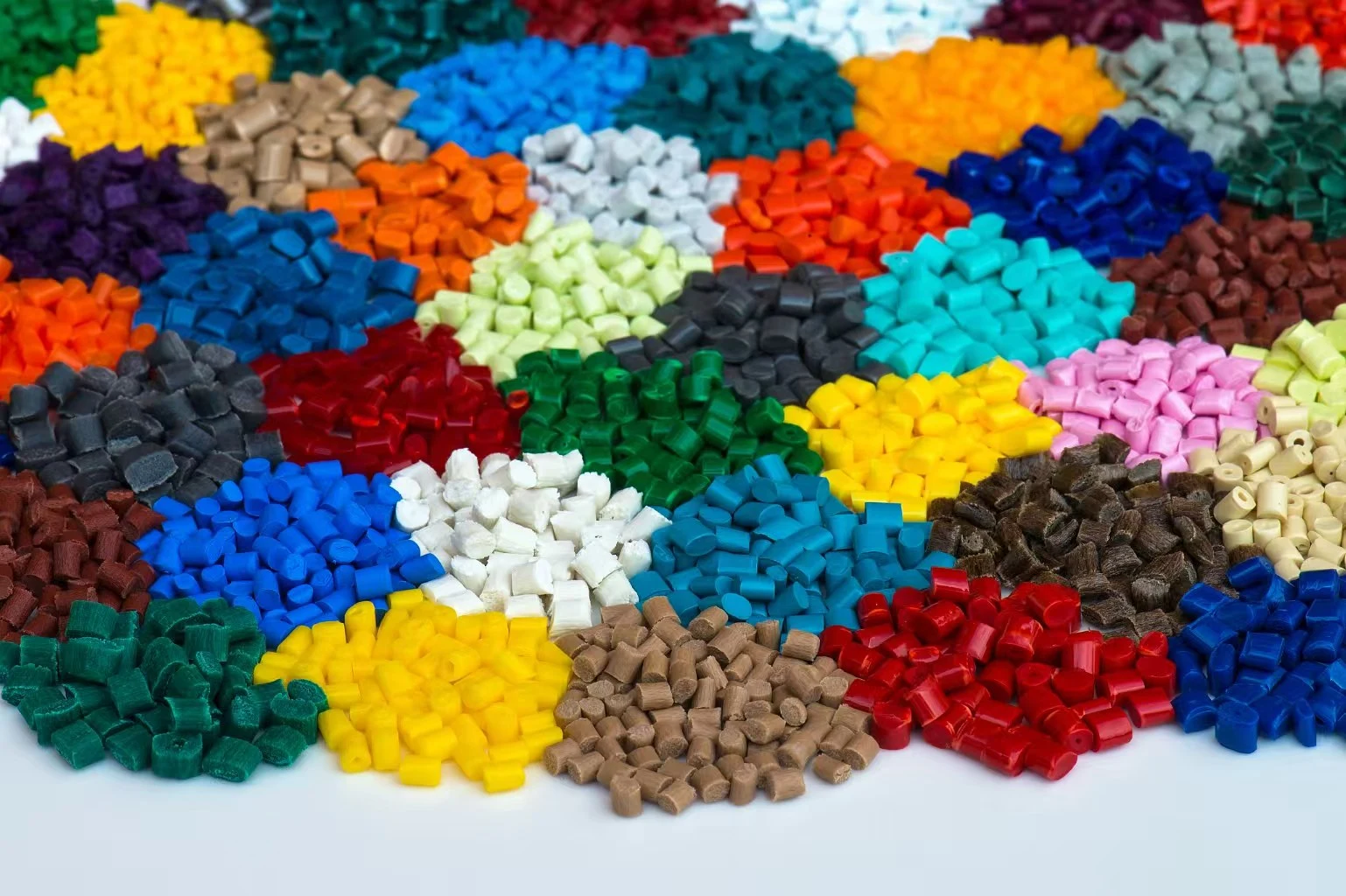
Choosing the right material is an important part of making overmolded healthcare parts that are legal and meet performance and regulatory standards. Due to their good biocompatibility profiles and processing properties, medical-grade thermoplastic elastomers are our first choice for overmolding uses. These materials are put through a lot of tests to make sure they don't have any harmful or sensitizing additives that could make patients sick. Silicone elastomers are great for making tools that can be sterilized because they are very resistant to chemicals and stay flexible over a wide range of temperatures. We also use polyurethane formulas that are better at protecting parts from wear and tear when they are handled over and over again. Before it goes into production, each piece of material is checked for compliance with ISO 10993 biocompatibility guidelines and put through batch testing.
Step-by-Step Manufacturing Process
The first step in our overmolding production process is precisely molding the base part using engineering-grade thermoplastics that have been chosen for their mechanical qualities and ability to react chemically with the overmold material. The base is carefully checked to make sure it meets the standards for surface preparation and accuracy in size that are needed for proper bonding. After moving the base to a second mold hole, the rubber overmold material is pumped while temperature and pressure are carefully controlled. The casting parameters are made better through in-depth process validation studies that find the most important process parameters for each individual part shape. Surface preparation methods, such as plasma treatment or chemical cutting, make it easier for different materials to stick together. Once the overmolding cycle is over, the parts go through deflashing steps, eye inspection, and measurement proof using coordinate measuring tools. Pull-off force testing is part of our quality assurance procedures. It checks the strength of the bond and makes sure that the parts can handle the expected service loads for their whole operating lives.
Quality Control and Regulatory Compliance
At Yongsheng, we make sure that our production processes are in line with international rules for medical parts. Our factory is ISO 9001:2015 certified and has written quality control systems that keep track of every output batch from the time we receive the raw materials to the time they are shipped out. We use statistical process control tracking to find changes in the process before they affect the quality of the parts. This keeps our customers from having to pay for expensive refunds or regulatory findings. To make sure that all medical parts meet set standards for quality, they are all put through proof testing that checks their dimensions, looks, and functionality. Our paperwork systems make full records that can be tracked back to their source. These records meet the requirements of the FDA Quality System Regulation and help medical device manufacturers meet their compliance responsibilities. Regular internal checks and management review processes help us keep up with how ISO 13485 standards change. These processes also drive ongoing improvement across all of our operations.
Enhancing Medical Device Performance Through Overmolded Parts
Ergonomic Benefits for Healthcare Professionals
Concerns about workplace health affect healthcare workers who do the same tasks for a long time. The mechanical benefits of overmolded parts directly address these issues. Soft-touch holding surfaces spread contact pressure over larger areas of the hand, lowering the stress that builds up in one place and can lead to conditions like tendonitis and carpal tunnel syndrome. Elastomeric surfaces give better physical feedback, which makes it easier to control instruments. This lets doctors work with lighter grip forces, which keeps muscles from getting tired during complicated treatments. Temperature insulation features stop the spread of heat from cleaned tools, keeping users from getting too hot. We worked with companies that make medical devices to do user tests that show overmolded handles make people feel up to 30% less tired than regular hard plastic grips. This means that people can focus better and make fewer mistakes while doing important clinical tasks.
Real-World Applications and Case Studies
Overmolding technology is being used by companies that make orthopedic devices to help surgeries go better and patients heal faster. Overmolded handles on minimally invasive surgical tools help doctors keep exact control during arthroscopic treatments that require high touch awareness because of limited visibility. Multi-durometer overmolding is used in prosthetic limb connections to make comfy socket covers that spread load forces evenly and fit the natural shape of the body. Diagnostic ultrasound tool makers say that overmolded housings keep technicians' hands from getting tired during long scanning sessions and improve picture quality by reducing vibrations. Overmolded grips are added to walking aids and therapy devices by companies that make rehabilitation equipment. These grips boost patients' confidence and encourage regular use, which speeds up the healing process. These uses show that carefully choosing the right materials and making the best designs can add measured clinical value above and beyond basic functional needs.
Emerging Innovations in Overmolding Technology
When modern materials science and digital production come together, it creates exciting new prospects for medical gadgets of the future. Using multi-shot overmolding methods lets us combine three or more different materials into a single part, making useful slopes that go from hard to flexible areas. Conductive elastomers make it possible to put biometric devices and touch-sensitive control surfaces right into overmolded housings, so there is no need for separate electrical systems. We are looking into antibacterial additives that can be mixed into overmold materials to protect the surface all the time and lower the chance of healthcare-associated infections. Additive manufacturing technologies work with traditional overmolding to make it possible to make quick prototypes of complex substrate geometries that would be too expensive to make with traditional tooling methods. This speeds up development cycles and helps mass customization strategies that serve a wide range of patients.
Purchasing Guide for Overmolded Medical Parts: Factors to Consider
Evaluating Supplier Qualifications
Selecting the right manufacturing partner requires a thorough assessment of technical capabilities, quality systems, and regulatory compliance history. Procurement managers should verify that potential suppliers maintain current ISO certification and can provide documented evidence of successful regulatory submissions supporting similar device categories. We recommend requesting detailed capability statements that outline available equipment, material processing expertise, and in-house testing resources. Site audits offer valuable insights into manufacturing practices, cleanliness standards, and employee training programs that may not be apparent through documentation review alone. Our facility in Dongguan welcomes customer visits where you can observe our production environment, meet our technical team, and discuss your specific requirements in detail. The proximity to major transportation hubs means we can arrange convenient factory tours with minimal travel disruption to your busy schedule.
Cost Analysis and Value Considerations
Total cost of ownership extends well beyond the initial piece price when evaluating overmolded component suppliers. Tooling investment represents a significant upfront expense that requires careful consideration of projected production volumes and expected product lifecycle duration. We work collaboratively with customers to optimize part designs that minimize tooling complexity while maintaining required functionality, reducing initial investment and accelerating time to production. Material selection decisions balance performance requirements against cost constraints, and our technical team provides guidance on grade alternatives that meet specifications while improving project economics. Lead time reliability directly impacts inventory carrying costs and production scheduling flexibility, making on-time delivery performance a critical supplier selection criterion. Our established supply chain relationships and production planning systems enable us to commit to delivery schedules with confidence, helping you minimize buffer stock requirements and associated capital investment.
Customization Capabilities and Design Support
The ability to tailor components to specific application requirements differentiates strategic manufacturing partners from commodity suppliers. We maintain in-house design engineering resources that collaborate with your development teams from initial concept through production launch. Our capabilities include finite element analysis for structural validation, moldflow simulation to optimize gate locations and filling patterns, and rapid prototyping services that enable functional testing before committing to production tooling. Color matching services ensure brand consistency across product families, while texture options enhance grip performance and visual appeal. We regularly work with customers to develop proprietary material formulations that deliver unique performance characteristics or satisfy specific regulatory requirements. This collaborative approach transforms us from a parts supplier into an extension of your product development organization, contributing technical expertise that enhances device performance and competitive positioning.
Maintenance, Lifecycle, and Regulatory Compliance of Overmolded Medical Parts
Proper Care and Maintenance Protocols
Maintaining optimal performance throughout component service life requires adherence to validated cleaning and sterilization protocols appropriate for the materials involved. Elastomeric overmolded surfaces tolerate repeated exposure to common hospital disinfectants, including quaternary ammonium compounds and alcohol-based solutions, without degradation when used according to manufacturer instructions. Autoclave sterilization compatibility must be verified during component qualification, as thermal cycling can affect dimensional stability and material properties over time. We provide detailed care instructions with each component specification, outlining compatible cleaning agents, maximum sterilization temperatures, and recommended cycle limits. Visual inspection protocols help users identify wear indicators such as surface cracking, discoloration, or delamination that signal approaching end-of-life conditions requiring component replacement. Proper storage in controlled temperature and humidity environments extends shelf life and preserves material properties until devices enter clinical service.
Lifecycle Management Strategies
Proactive lifecycle planning minimizes unexpected device failures and optimizes replacement timing to control operational costs. We recommend establishing replacement schedules based on usage intensity rather than calendar time alone, as components in high-volume surgical environments degrade more rapidly than those in occasional-use applications. Tracking sterilization cycles provides objective data for retirement decisions, as elastomeric materials exhibit predictable property changes after defined thermal exposure. Our technical documentation includes projected service life estimates derived from accelerated aging studies that simulate years of clinical use under controlled laboratory conditions. We maintain production records and material traceability for extended periods, enabling us to support obsolescence management when you need replacement parts for legacy devices. This long-term partnership approach recognizes that your success depends on reliable component availability throughout your product's market life, and we structure our business practices accordingly.
Navigating Regulatory Requirements
Regulatory landscapes continue evolving as authorities worldwide enhance medical device oversight to protect patient safety. Staying current with changing requirements represents an ongoing challenge for procurement organizations managing global supply chains. Our quality team monitors regulatory developments affecting medical device manufacturing, including updates to biocompatibility testing standards, material composition disclosure requirements, and manufacturing practice expectations. We participate in industry working groups that shape emerging regulations, providing us with early visibility into changes that may impact your compliance strategies. Our documentation packages support your regulatory submissions with material safety data sheets, biocompatibility test reports, and manufacturing process descriptions formatted to satisfy common submission requirements. We understand that your reputation and market access depend on reliable supplier compliance, and we treat regulatory obligations with the seriousness they deserve in protecting both your interests and patient wellbeing.
Conclusion
Overmolded medical components deliver substantial performance advantages that directly translate to improved clinical outcomes, enhanced user experiences, and stronger competitive positioning for medical parts manufacturers. The technology combines multiple materials into integrated designs that optimize ergonomics, durability, and functionality beyond what traditional manufacturing approaches can achieve. Successful procurement requires careful supplier evaluation focused on technical capabilities, quality systems, regulatory compliance, and a partnership approach. Yongsheng brings over three decades of precision molding experience to medical component manufacturing, supported by comprehensive capabilities, rigorous quality standards, and customer-focused service that transforms us from a vendor into a strategic development partner committed to your long-term success in demanding healthcare markets.
FAQ
What are the primary advantages of overmolding compared to traditional assembly methods?
Overmolding creates permanent chemical or mechanical bonds between materials that eliminate fasteners and adhesives prone to failure under repeated sterilization or clinical use. The integrated design reduces part count and assembly labor while improving sealing performance against fluid ingress. Enhanced ergonomics from soft-touch surfaces reduce user fatigue and improve device control compared to hard plastic components. Manufacturing efficiency increases through consolidated molding operations that replace multi-step assembly processes, lowering total production costs despite higher initial tooling investment.
How can I verify that overmolded components meet international quality standards?
Request certificates of analysis documenting material biocompatibility testing according to ISO 10993 standards relevant to your device's intended tissue contact. Verify supplier quality certifications, including ISO 9001 and ideally ISO 13485, specific to medical device manufacturing. Review validation documentation demonstrating process capability and bond strength testing results. Conduct supplier audits to observe manufacturing practices and quality control procedures firsthand. We maintain complete documentation packages that support regulatory submissions and provide transparency into our materials, processes, and quality verification activities.
Can overmolded components be customized for specialized surgical instruments?
Customization represents a core strength of overmolding technology, allowing precise tailoring to unique ergonomic requirements and functional specifications. We collaborate with customers to optimize grip geometries, select appropriate material durometers, and integrate features such as texture patterns or color coding. Design flexibility extends to incorporating company branding, accommodating specific sterilization methods, and matching existing component interfaces. Our engineering team provides design for manufacturability guidance that balances custom requirements against production efficiency and cost considerations, ensuring your specialized instruments achieve both performance objectives and commercial viability.
Partner with Yongsheng for Superior Overmolded Medical Parts Solutions
Yongsheng invites procurement specialists and product developers to experience the quality, reliability, and service excellence that distinguish us among medical parts manufacturers. Our proven expertise in precision overmolding, combined with comprehensive one-stop manufacturing capabilities, positions us to support your most demanding component requirements from initial concept through high-volume production. We understand the critical importance of regulatory compliance, intellectual property protection, and on-time delivery in medical device development, and we have structured our operations to deliver exceptional value across these priorities. Contact our team at sales@alwinasia.com to discuss your specific project needs, request component samples, or arrange a factory visit where you can observe our capabilities and meet the professionals dedicated to your success. Let us demonstrate how partnering with an experienced medical parts supplier can accelerate your development timeline, optimize your component costs, and enhance your device performance in competitive healthcare markets.
References
1. Johnson, M. R., & Anderson, K. L. (2022). Advanced Polymer Processing for Medical Device Manufacturing. Medical Device Technology Journal, 33(4), 145-162.
2. Chen, W., & Roberts, P. T. (2023). Biocompatibility and Material Selection in Overmolded Medical Components. International Journal of Healthcare Engineering, 18(2), 78-94.
3. Williams, S. D., Martinez, J. A., & Thompson, R. E. (2021). Ergonomic Design Principles for Surgical Instrumentation. Journal of Medical Device Innovation, 12(3), 201-218.
4. Park, H. S., & Lee, Y. K. (2023). Quality Assurance Strategies for Medical Device Component Manufacturing. Quality Management in Healthcare Production, 27(1), 56-73.
5. Davidson, A. M., & Kumar, S. (2022). Regulatory Compliance in Global Medical Device Supply Chains. International Medical Manufacturing Review, 15(4), 312-329.
6. Foster, T. R., Bennett, C. L., & Zhang, Q. (2023). Multi-Material Injection Molding Technologies for Healthcare Applications. Polymer Engineering and Medical Applications, 41(2), 167-185.

We can provide a one-stop service, including design and development, mold fabrication, production, product processing, etc.

Professional injection mold, die casting mold, plastic products OEM manufacturer