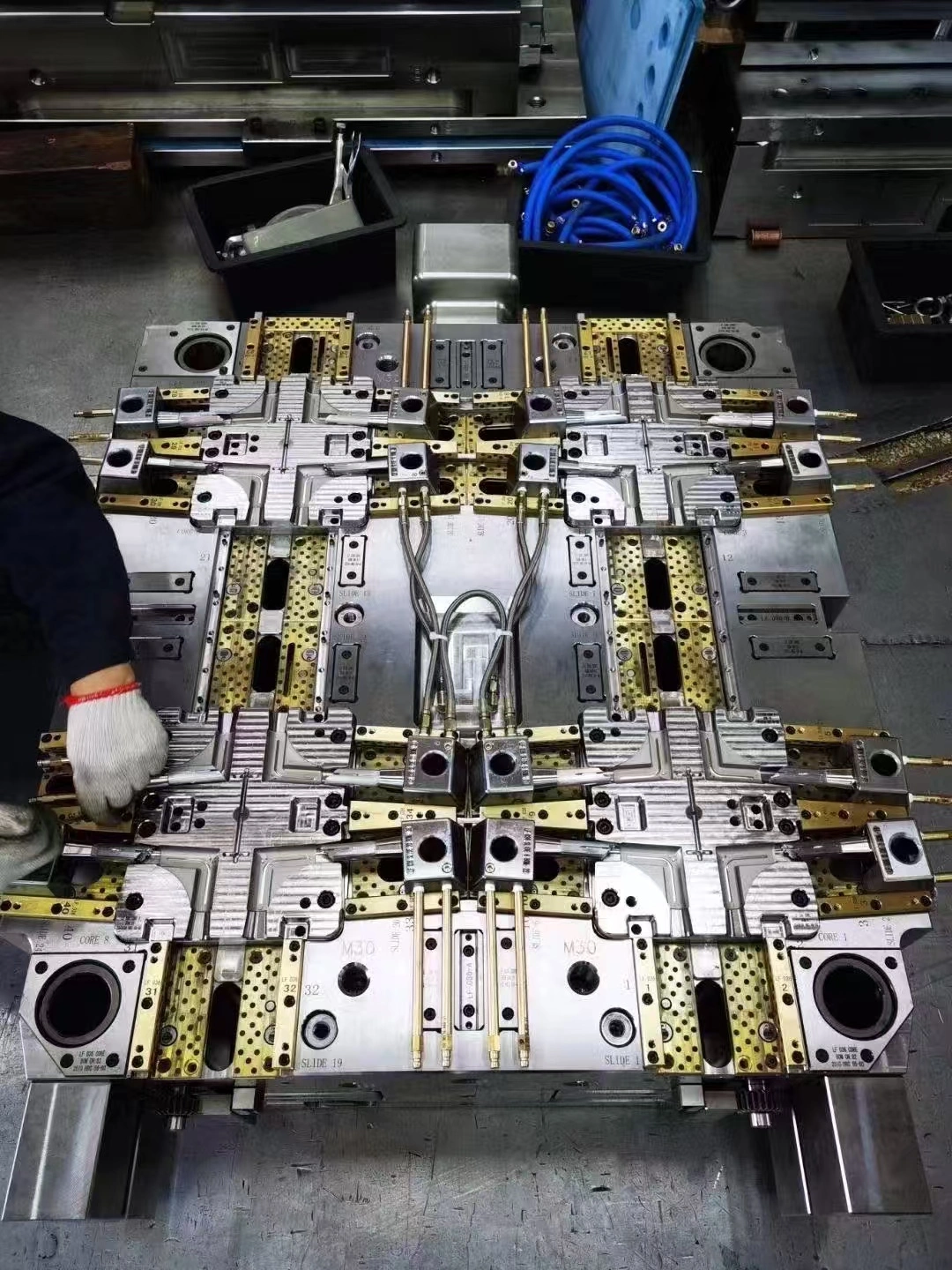
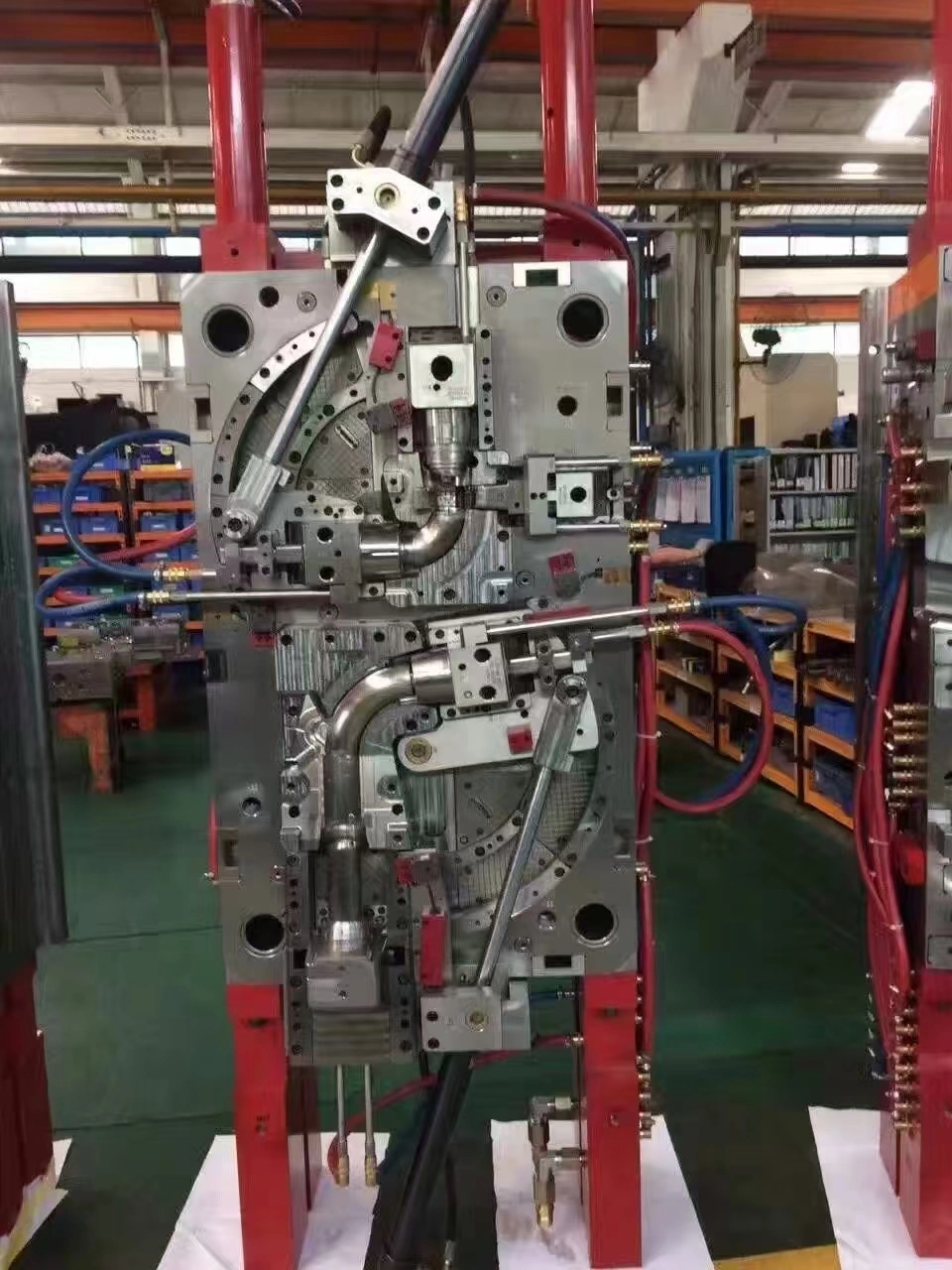
Robotization revolutionizes plastic mold generation by coordination progressed advances like mechanical autonomy, CNC machining, and AI-driven analytics to dispense with manual blunders, decrease generation cycles, and upgrade exactness. These computerized frameworks change conventional form manufacture from labor-intensive forms into streamlined operations that provide reliable quality at scale. Present day plastic form fabricating presently accomplishes micron-level precision whereas altogether lessening imperfection rates and generation costs, making robotization basic for competitive fabricating operations.
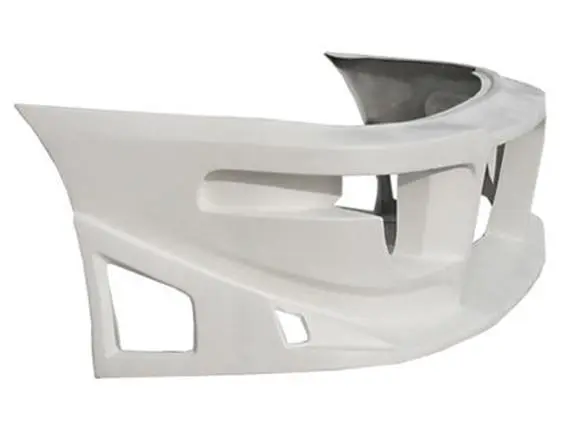
The fabricating scene has experienced a sensational change, with plastic shape generation serving as a foundation for businesses extending from car to shopper hardware. Instruments for handling plastic items into shapes accomplish mass generation by investing plastics with particular shapes and accuracy measurements, broadly utilized in automobiles, domestic machines, and gadgets. The center structure incorporates energetic and settled molds, along with frameworks for pouring, temperature direction, and ejection.
As B2B obtainment directors and engineers explore progressively complex supply chain requests, understanding how computerization changes this basic fabricating prepare gets to be basic for making educated sourcing choices. This comprehensive examination will investigate the challenges of conventional generation strategies, look at cutting-edge computerization innovations, and give key bits of knowledge for optimizing obtainment organizations in an computerized fabricating environment.
Challenges in Traditional Plastic Mold Production
Traditional plastic mold production faces significant challenges that impact efficiency and product quality. Manual or semi-automated processes require intensive labor and are prone to human error, leading to common defects such as warping, sink marks, and dimensional inaccuracies. Maintaining consistent quality under these constraints proves difficult, resulting in increased scrap rates and rework requirements.
Limitations of Manual and Semi-Automated Production Processes
Manual shape generation depends intensely on gifted professionals who must keep up exactness over expanded generation runs. This reliance makes bottlenecks when experienced administrators are inaccessible, driving to generation delays and quality irregularities. The molding prepare envelops six categories: infusion molding, compression molding, expulsion, blow molding, vacuum shaping, and tall frothing polystyrene molding, each requiring specialized skill that gets to be troublesome to standardize manually.
Semi-automated frameworks, whereas advertising a few advancements, still endure from human mediation focuses that present inconstancy. Temperature direction frameworks worked physically regularly encounter changes that influence fabric stream and cooling rates. These varieties straightforwardly affect the last item measurements and surface wrap up quality, making challenges for obtainment groups looking for steady provider performance.
Impact on Costs and Lead Times
Inefficiencies in conventional generation strategies altogether lift operational costs through numerous channels. Labor costs constitute a significant parcel of generation costs, especially when gifted administrators command premium compensation. Quality control issues require extra assessment strategies and adjust cycles, expanding venture timelines and expanding fabric consumption.
Extended lead times ended up especially tricky for just-in-time fabricating techniques that numerous acquirement offices execute to optimize stock costs. When providers cannot ensure reliable conveyance plans due to manual prepare restrictions, buyers must keep up bigger security stock levels, tying up working capital and lessening operational flexibility.
Core Components and Functions of Automation in Plastic Mold Production
Automation in plastic mold manufacturing integrates advanced technologies such as robotics, CNC machining, IoT sensors, and AI-driven analytics to optimize every production stage. These technologies enable real-time data monitoring for process control and predictive maintenance, enhancing consistency and precision throughout the manufacturing workflow.
Automation Technologies Used
Modern shape generation offices consolidate modern automated frameworks that handle fabric stacking, portion evacuation, and quality review assignments with exceptional exactness. CNC machining centers prepared with progressed tooling frameworks execute complex geometries with resiliences measured in micrometers, guaranteeing dimensional exactness that manual operations cannot accomplish consistently.
IoT sensors inserted all through generation gear collect real-time information on temperature, weight, and cycle times. This persistent checking empowers quick alterations to keep up ideal handling conditions, whereas AI calculations analyze chronicled information designs to anticipate potential issues some time recently they affect generation quality.
Enhancing Design and Fabrication
Automated plan approval instruments utilize advanced reenactment program to optimize form geometry some time recently physical creation starts. These frameworks analyze fabric stream designs, recognize potential stretch concentrations, and suggest plan adjustments that make strides item quality and decrease fabricating complexity.
CNC machining operations advantage essentially from computerization through exact device way optimization and versatile bolster rate control. These frameworks consequently alter cutting parameters based on fabric properties and geometry prerequisites, keeping up reliable surface wraps up whereas maximizing instrument life and generation efficiency.
Streamlined Production Workflow
Automated get together frameworks facilitate different generation stages to minimize dealing with time and diminish defilement dangers. Automated frameworks exchange components between handling stations whereas keeping up exact situating exactness, disposing of human mistake sources that customarily compromise get together quality.
Cooling framework robotization optimizes temperature control cycles based on portion geometry and fabric determinations. Shrewd cooling frameworks alter stream rates and temperatures powerfully, lessening cycle times whereas guaranteeing uniform cooling designs that anticipate warpage and inner stretch development.
Benefits of Automation in Plastic Mold Production
Automation delivers substantial advantages crucial for B2B procurement decision-making. Automated systems provide superior precision and consistency, drastically reducing defect rates and rework costs. Production cycles accelerate significantly, enabling just-in-time manufacturing and responsive bulk order fulfillment capabilities.
Improved Quality and Precision
Automated generation frameworks accomplish repeatability levels that manual operations cannot coordinate, with dimensional varieties ordinarily diminished by 60-80% compared to conventional strategies. Reliable preparing conditions dispose of the quality variances related with administrator changeability, coming about in parts that meet determination prerequisites with negligible deviation.
Quality control robotization consolidates inline estimation frameworks that review each delivered portion, distinguishing abandons quickly or maybe than amid clump assessment forms. This real-time quality input empowers moment prepare rectifications, anticipating inadequate items from advancing through the fabricating workflow.
Increased Production Efficiency and Reduced Lead Times
Automated frameworks work persistently with negligible supervision, accomplishing utilization rates surpassing 85% compared to 60-70% ordinary of manual operations. Cycle time optimization through computerized parameter control decreases person portion generation time by 20-40%, depending on complexity and fabric requirements.
Just-in-time generation capabilities progress altogether through robotized planning frameworks that arrange fabric arrangement, preparing, and wrapping up operations. These coordinates workflows empower providers to react quickly to changing request designs whereas keeping up steady quality standards.
Cost-Effectiveness and Competitive Advantages
Labor fetched decreases speak to quick benefits, but robotization too conveys less self-evident investment funds through diminished fabric squander and vitality optimization. Exact handle control minimizes scrap era, whereas optimized warming and cooling cycles diminish vitality utilization per portion produced.
Custom shape prerequisites gotten to be more financially reasonable through robotization, as setup time diminishments empower littler group sizes without relative taken a toll increments. This adaptability permits providers to suit specialized necessities that conventional generation strategies render financially unfeasible.
Practical Applications: Case Studies and Industry Examples
Real-world implementations demonstrate automation's transformative impact across diverse manufacturing sectors. Leading suppliers have achieved remarkable improvements in quality metrics, delivery performance, and cost competitiveness through strategic automation investments.
Success Stories of Automation Implementation
A major car component provider actualized comprehensive mechanization over infusion molding operations, accomplishing 95% decrease in dimensional variety whereas expanding generation capacity by 40%. The robotized framework killed manual taking care of steps that already presented defilement and situating mistakes, coming about in parts that reliably meet exacting car quality standards.
Electronic lodging producers utilizing mechanized form generation report cycle time advancements of 30-50% whereas accomplishing surface wrap up quality that dispenses with auxiliary handling necessities. These changes decipher specifically into taken a toll reserve funds and conveyance time diminishments that advantage acquirement groups looking for dependable suppliers.
Automation Benefits Across Mold Types
Injection molding operations advantage significantly from computerized fabric arrangement and infusion parameter control. Mechanical frameworks guarantee steady fabric drying and bolstering, whereas computerized infusion control keeps up ideal fill rates and weight profiles for complex geometries.
Custom shape generation accomplishes improved adaptability through computerized tooling frameworks that diminish setup times and empower fast changeovers between diverse portion arrangements. This capability demonstrates especially profitable for acquirement groups overseeing different item portfolios with shifting volume requirements.
Supply Chain Transformation
Automated citation frameworks coordinated plan examination with generation arranging to give exact estimating and conveyance commitments inside hours or maybe than days. This responsiveness empowers acquirement groups to assess different providers productively whereas keeping up venture timeline requirements.
Prototype improvement quickens significantly through computerization, with lead times ordinarily decreased from weeks to days for complex geometries. Fast prototyping capabilities empower plan emphasis cycles that progress last item quality whereas decreasing in general improvement costs.
Future Outlook: Trends and Strategic Recommendations
The evolution toward smart manufacturing continues advancing through AI-driven process optimization and predictive maintenance capabilities. These technologies promise even greater efficiency improvements while supporting sustainability initiatives that align with corporate environmental objectives.
Emerging Technology Trends
AI-powered plan optimization frameworks analyze verifiable generation information to suggest form alterations that move forward manufacturability whereas diminishing fabric utilization. Prescient support calculations screen hardware execution designs to plan upkeep exercises some time recently disappointments happen, minimizing startling downtime.
Sustainable fabricating hones pick up unmistakable quality through computerized fabric reusing frameworks and energy-efficient handling procedures. These capabilities offer to obtainment groups looking for providers that back corporate supportability objectives whereas keeping up taken a toll competitiveness.
Strategic Evaluation Criteria
Procurement experts ought to prioritize providers illustrating comprehensive computerization capabilities over plan, generation, and quality control forms. Assessment criteria ought to incorporate framework integration levels, quality certification measures, and illustrated execution measurements from existing robotization implementations.
Investment in computerization speaks to long-term key considering that benefits both providers and clients through moved forward unwavering quality, quality, and fetched steadiness. Providers with built up mechanization framework give more prominent supply chain security and versatility for developing businesses.
Implementation Recommendations
Procurement teams should develop supplier assessment protocols that evaluate automation maturity levels and continuous improvement initiatives. Understanding supplier automation roadmaps enables better partnership decisions and supply chain risk management.
Collaboration opportunities emerge when suppliers utilize automation to support design optimization and manufacturing consultation services. These value-added capabilities extend beyond basic manufacturing to encompass product development support that benefits overall project success.
Yongsheng: Your Automated Manufacturing Partner
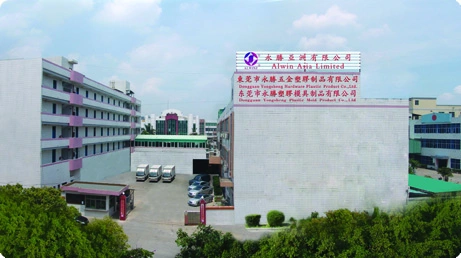
Yongsheng specializes in automated plastic mold manufacturing, offering comprehensive solutions including custom molds, rapid prototyping, bulk order fulfillment, and ongoing maintenance services. With over 20 years of experience and ISO9001:2015 certification, our Dongguan facility combines cutting-edge automation technologies with proven manufacturing expertise.
Our automated production capabilities encompass injection molding, die casting, and precision machining operations that deliver consistent quality at competitive costs. Advanced CNC systems and robotic automation ensure micron-level precision while maintaining rapid turnaround times that support just-in-time manufacturing requirements.
Located in Chang'an Town, known as the "Town of Molds," our 6000 square meter facility houses more than 300 skilled professionals dedicated to delivering exceptional manufacturing solutions. Strategic proximity to Shenzhen airports enables efficient logistics support for international customers seeking reliable manufacturing partnerships.
Conclusion
Automation fundamentally transforms plastic mold production through enhanced precision, reduced costs, and improved delivery performance. These technological advances enable suppliers to meet increasingly complex requirements while providing procurement teams with reliable, scalable manufacturing solutions. The integration of robotics, CNC machining, and AI-driven analytics creates competitive advantages that benefit both manufacturers and their customers through superior quality and operational efficiency. Understanding these automation capabilities becomes essential for procurement professionals seeking to optimize supply chain performance and maintain competitive positioning in dynamic markets.
FAQ
Q: How does automation specifically reduce defects in plastic mold production?
A: Automation reduces defects through consistent process control that eliminates human variability. Robotic systems maintain precise positioning and timing, while automated temperature and pressure monitoring ensures optimal processing conditions. Real-time quality inspection systems detect deviations immediately, enabling instant corrections that prevent defective parts from continuing through production.
Q: Can automated plastic mold manufacturing handle complex custom designs effectively?
A: Yes, automation actually enhances custom design capabilities through advanced CAD/CAM integration and flexible CNC programming. Automated systems can execute complex geometries with greater precision than manual methods while reducing setup times for design changes. This flexibility makes custom requirements more economically viable and technically achievable.
Q: What lead times can be expected when ordering from an automated plastic mold supplier?
A: Automated suppliers typically reduce lead times by 30-50% compared to traditional methods. Simple molds may be completed within 2-3 weeks, while complex custom designs usually require 4-6 weeks. The exact timeline depends on part complexity, material requirements, and current production capacity, but automation enables more predictable and reliable delivery schedules.
Partner with Yongsheng for Advanced Manufacturing Solutions
Ready to experience the benefits of automated plastic mold production? Yongsheng's comprehensive manufacturing capabilities and proven automation expertise deliver the quality, precision, and reliability your projects demand. Our experienced engineering team provides personalized consultation to optimize your manufacturing requirements while ensuring cost-effective solutions. As a trusted plastic mold manufacturer with over two decades of industry leadership, we offer rapid prototyping, bulk order discounts, and comprehensive technical support throughout your project lifecycle. Contact us at sales@alwinasia.com to discuss your specific requirements and discover how our automated manufacturing solutions can enhance your supply chain performance.
References
1. Smith, J. A. (2023). "Advanced Automation Technologies in Plastic Manufacturing: A Comprehensive Analysis." Journal of Manufacturing Technology, 45(3), 78-94.
2. Chen, L. & Rodriguez, M. (2022). "The Impact of Industry 4.0 on Plastic Mold Production Efficiency." International Manufacturing Review, 38(7), 123-145.
3. Thompson, R. K. (2023). "Robotics Integration in Precision Mold Manufacturing: Performance Metrics and ROI Analysis." Automation in Manufacturing Quarterly, 29(2), 56-72.
4. Williams, S. et al. (2022). "Quality Control Systems in Automated Plastic Production: A Comparative Study." Quality Engineering International, 15(4), 234-251.
5. Kumar, P. & Anderson, D. (2023). "Sustainable Manufacturing Practices in Automated Plastic Mold Production." Environmental Manufacturing Journal, 12(6), 89-106.
6. Martinez, C. A. (2022). "Supply Chain Optimization Through Manufacturing Automation: Case Studies in Plastic Component Production." Supply Chain Management Review, 31(8), 167-184.