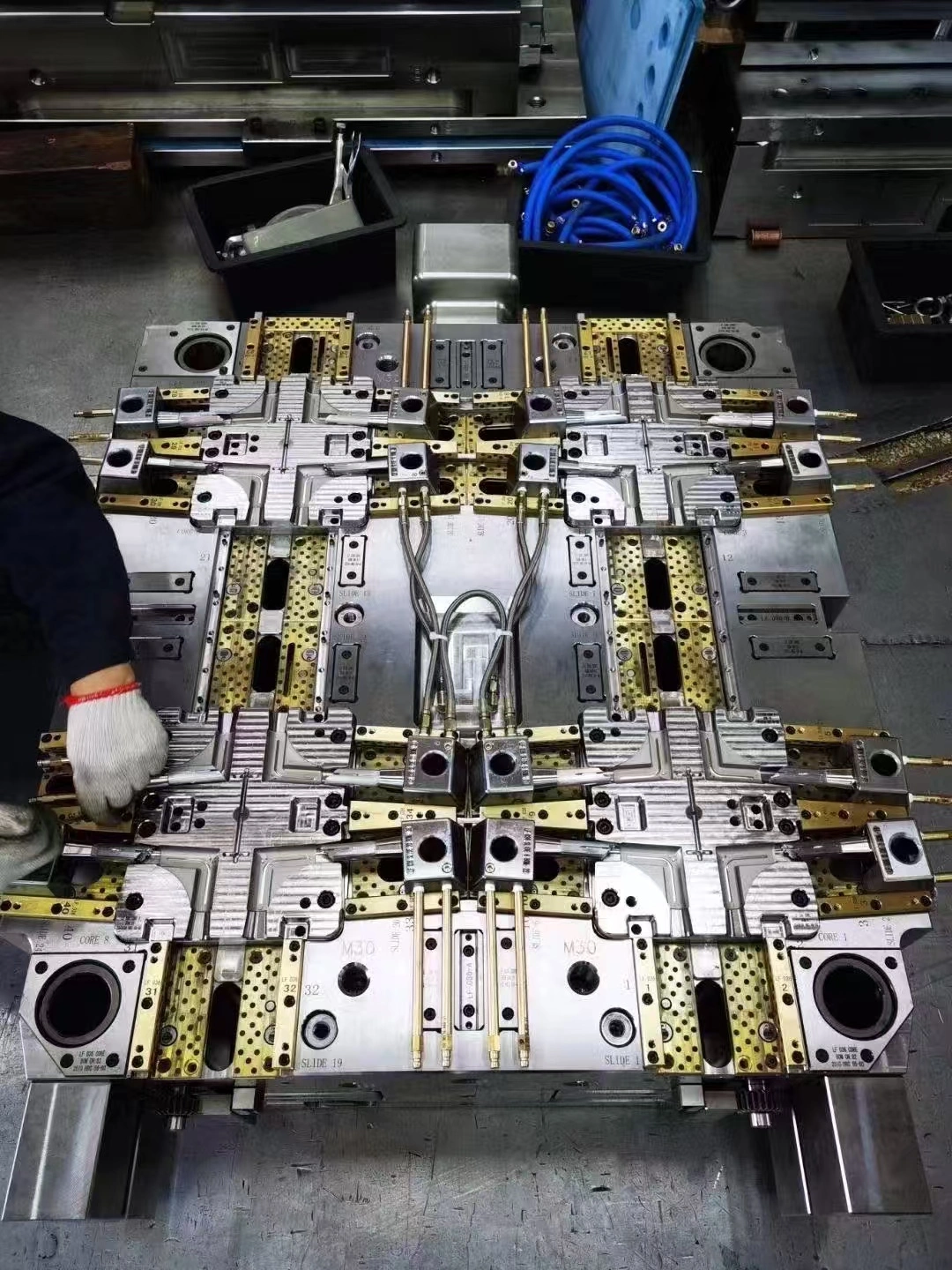
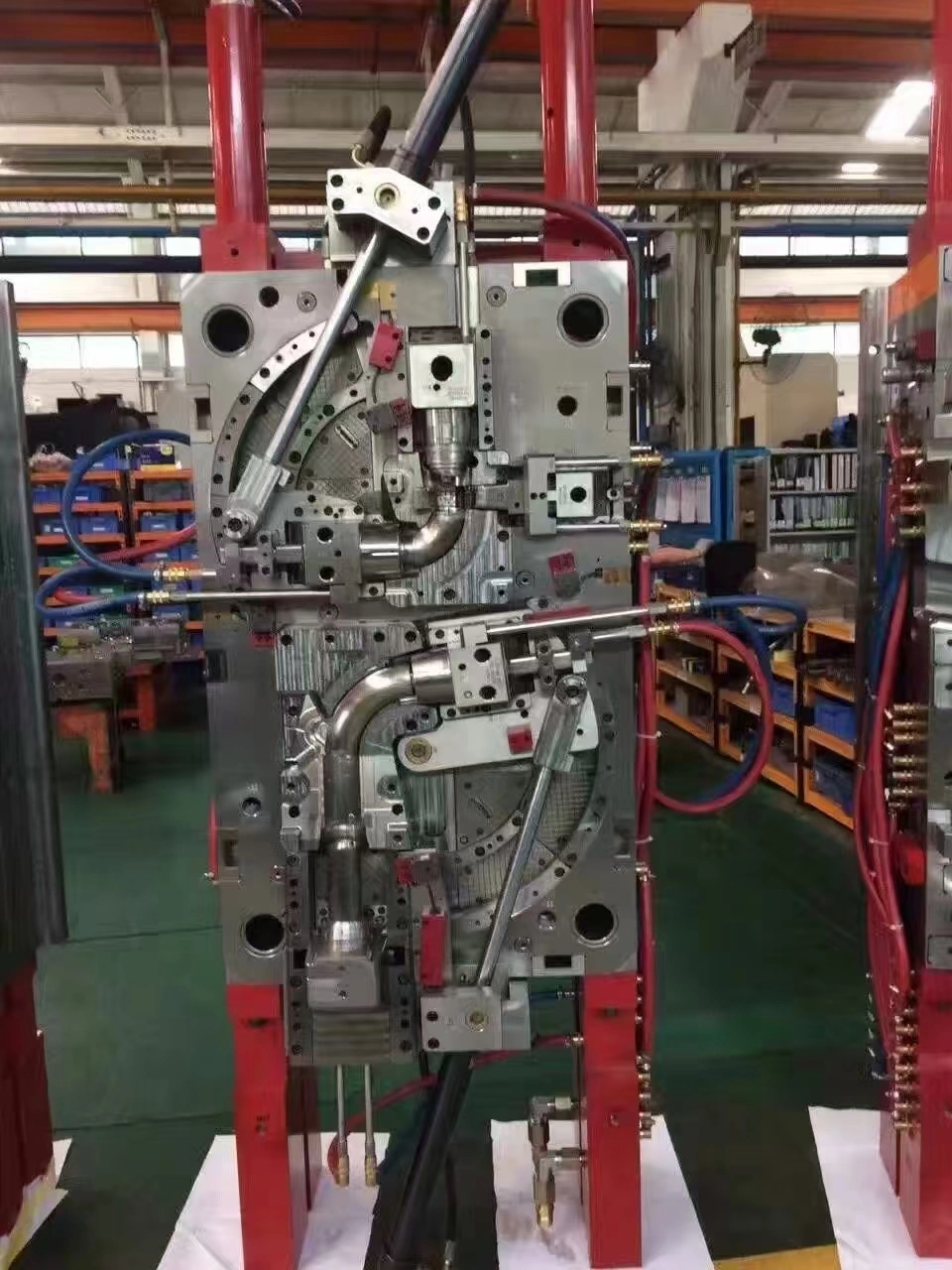
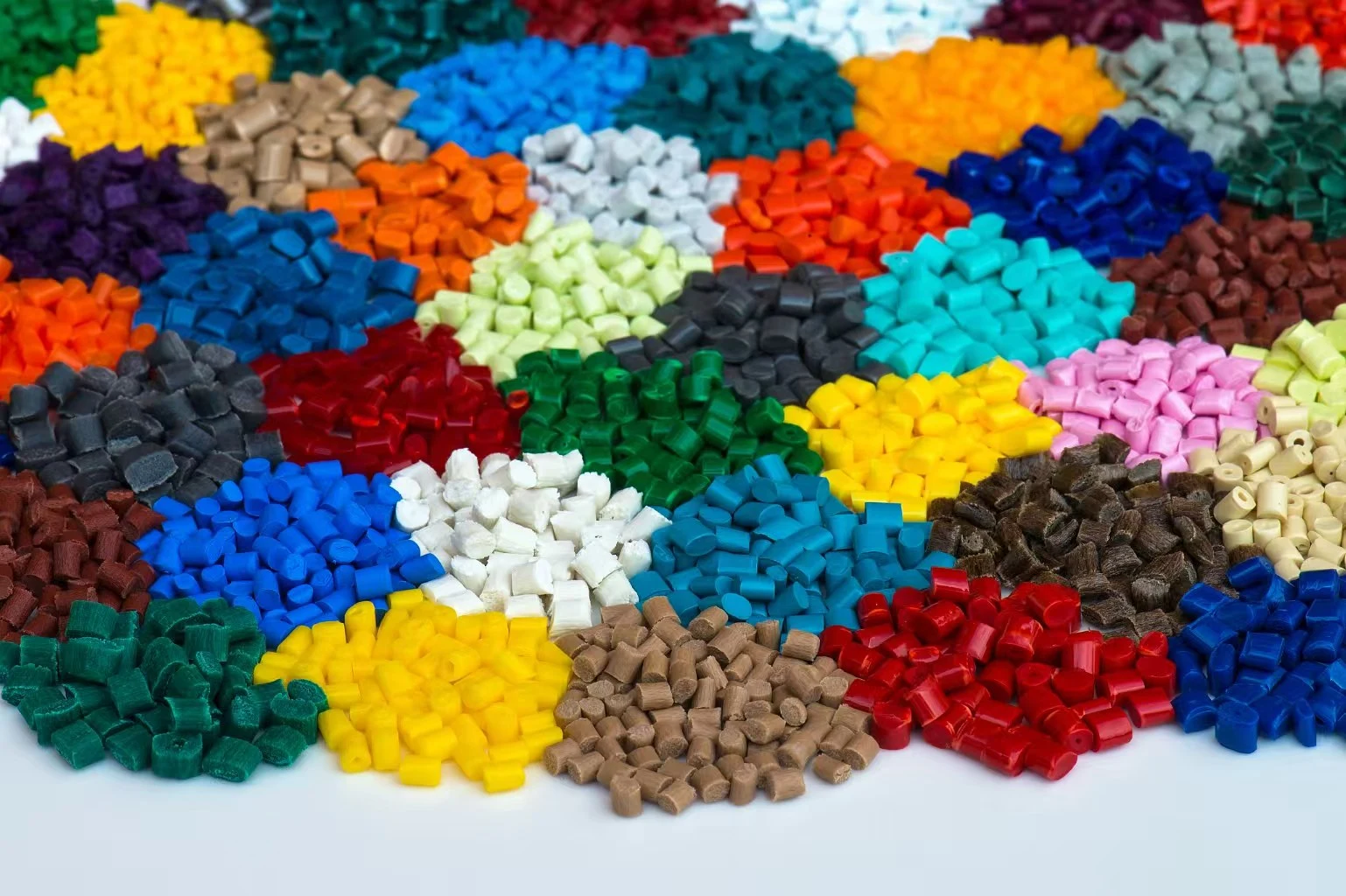
When manufacturing high volumes of plastic components, custom plastic injection molds with multi-cavity designs represent the gold standard for efficiency and cost-effectiveness. These specialized tooling solutions enable manufacturers to produce multiple identical parts simultaneously during each injection cycle, dramatically increasing throughput while maintaining consistent quality. For procurement managers and product developers in electronics, automotive, and consumer goods industries, understanding the advantages and applications of multi-cavity injection molding systems is essential for optimizing production strategies and achieving competitive manufacturing costs in today's demanding market environment.
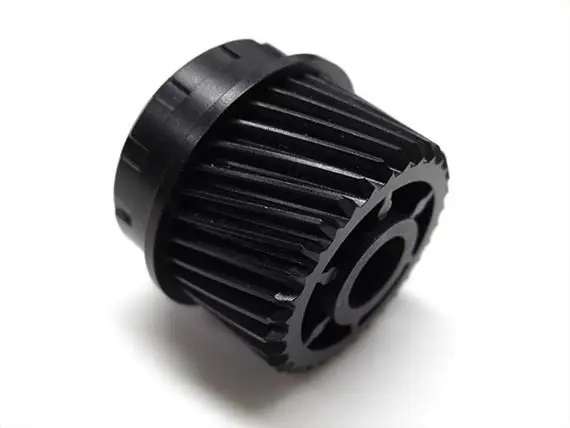
Understanding Custom Plastic Injection Molds and Multi-Cavity Design
Custom plastic infusion molds are absolutely built apparatuses custom-made to create particular plastic parts productively. Not at all like standard molds, custom molds cater to interesting plan and utilitarian necessities, improving generation specificity and item execution. Multi-cavity plan joins numerous indistinguishable cavities inside a single shape, empowering synchronous generation of a few parts amid each infusion cycle. This design essentially increments throughput, optimizing expansive volume outputs.
What Are Custom Plastic Injection Molds?
Custom plastic injection molds are specialized fabricating devices outlined to meet particular item necessities that standard tooling cannot suit. These molds highlight one of a kind geometries, measurements, and surface wraps up that adjust with specific component details. Not at all like off-the-shelf options, custom tooling permits producers to consolidate restrictive plan components, specialized surfaces, and complex geometries that separate their items in competitive markets.
The qualification between custom and standard molds lies basically in their application scope and plan adaptability. Standard molds serve bland shapes and common applications, whereas custom arrangements address particular building challenges, fabric prerequisites, and generation limitations that request custom-made approaches.
How Multi-Cavity Design Works for Large Volume Production
Multi-cavity form engineering coordinating numerous indistinguishable cavities inside a single form base, permitting synchronous generation of a few components amid each infusion cycle. This plan approach maximizes machine utilization and decreases per-part generation time significantly.
The benefits of multi-cavity molds in scaling generation incorporate diminished cycle times per portion, progressed fabric utilization productivity, and upgraded generally gear viability. Depth check and format depend on variables such as portion geometry, fabric stream characteristics, cooling necessities, and accessible machine capacity. Ideal depth courses of action adjust generation proficiency with quality consistency over all cavities.
Materials Commonly Used in Custom Plastic Injection Molds
Injection form development depends on high-performance materials that withstand rehashed warm cycling and mechanical stretch. Device steels such as P20, H13, and S136 offer amazing strength for high-volume generation applications. Aluminum combinations like 7075 and QC-10 give lightweight options reasonable for prototyping and moderate-volume runs.
Material determination criteria incorporate anticipated generation volume, portion complexity, dimensional resilience necessities, and lifecycle contemplations. High-volume applications regularly legitimize premium steel grades that convey expanded instrument life, whereas shorter generation runs may advantage from more cost-effective aluminum solutions.
The Custom Plastic Injection Mold Design Process
The plan travel starts with conceptualization and CAD modeling, where engineers interpret item prerequisites into manufacturable tooling plans. This stage includes nitty gritty examination of portion geometry, fabric stream reenactment, and cooling framework optimization.
Prototype advancement and approval take after introductory plan completion, permitting engineers to confirm execution some time recently committing to full generation tooling. Last shape fabricating consolidates exactness machining, gathering, and comprehensive testing to guarantee devices meet quality benchmarks basic for effective large-volume production.
Advantages of Multi-Cavity Custom Plastic Injection Molds for Large Volume Manufacturing
Multi-cavity custom molds offer enhanced production efficiency by reducing cycle times and increasing output per injection, thereby lowering per-unit costs through economies of scale. This design ensures exceptional product consistency across all cavities, significantly minimizing defects even in high-volume runs. Moreover, multi-cavity tooling allows greater flexibility in design customization and supports a wide range of plastic materials, adapting to evolving product specifications.
Increased Production Efficiency and Cost Savings
Multi-cavity molds decrease viable cycle times by creating different parts at the same time, significantly moving forward fabricating throughput. Where single-cavity devices require person infusion cycles for each component, multi-cavity options can deliver four, eight, or indeed sixteen parts per cycle, depending on plan specifications.
Economies of scale in bulk fabricating gotten to be especially articulated with multi-cavity tooling. Settled costs such as machine setup, fabric arrangement, and quality assessment disperse over numerous parts per cycle, lessening per-unit fabricating costs significantly. This advantage gets to be progressively noteworthy as generation volumes increase.
Enhanced Consistency and Product Quality
Maintaining consistency over cavities speaks to a basic advantage of well-designed multi-cavity frameworks. Progressed shape plans consolidate adjusted runner frameworks and optimized cooling circuits that guarantee steady filling designs, temperature dissemination, and cycle timing over all cavities.
Minimizing abandons in high-volume runs requires cautious consideration to cavity-to-cavity variety. Cutting edge multi-cavity molds utilize modern adjusting methods and real-time checking frameworks that identify and adjust handling varieties some time recently they affect item quality.
Flexibility in Design and Material Use
Custom plastic injection molds with multi-cavity tooling amplify past basic portion replication. Progressed plans can join numerous portion varieties inside a single form, permitting producers to deliver item families or diverse arrangements simultaneously.
Compatibility with different plastic gums empowers producers to adjust to changing fabric prerequisites without noteworthy tooling adjustments. This adaptability demonstrates profitable when transitioning between diverse grades of materials or consolidating modern formulations.
Comparison: Multi-Cavity Molds vs Single-Cavity and 3D Printed Molds
Production speed and taken a toll per portion comparison clearly favors multi-cavity arrangements for high-volume applications. Whereas single-cavity molds offer straightforwardness and lower beginning venture, they cannot coordinate the throughput points of interest of multi-cavity choices. 3D printed molds serve specialized applications but need the toughness and accuracy required for large-volume production.
Suitability evaluations uncover that multi-cavity molds exceed expectations in mass generation scenarios, whereas single-cavity apparatuses stay fitting for prototyping and low-volume applications. 3D printed options give quick tooling arrangements for approval and testing purposes.
Key Considerations When Procuring Multi-Cavity Custom Plastic Injection Molds
Procurement of multi-cavity molds demands careful assessment of lead times, as larger cavity counts may affect manufacturing workflows. Understanding cost drivers such as mold complexity, size, selected materials, and volume is essential for accurate budgeting, with potential bulk discounts and warranty options offering additional value.
Lead Time and Manufacturing Workflow
Typical timelines from plan to conveyance run from 8-16 weeks for multi-cavity molds, depending on complexity and depth check. This amplified time allotment reflects the extra building, machining, and testing prerequisites related with multi-cavity designs.
Multi-cavity molds affect lead time through expanded plan complexity, expanded machining prerequisites, and more comprehensive testing conventions. Be that as it may, this introductory time venture conveys considerable long-term generation advantages.
Cost Factors Affecting Multi-Cavity Mold Pricing
Design complexity and form measure altogether impact estimating structures. Multi-cavity molds require bigger form bases, more complex runner frameworks, and modern cooling circuits that increment fabricating costs compared to single-cavity alternatives.
Material determination and anticipated generation volume influence estimating through instrument steel grades, surface medications, and accuracy necessities. Bulk generation applications frequently legitimize premium materials and progressed highlights that upgrade apparatus execution and longevity.
Choosing the Right Manufacturer or Supplier
Evaluating producer capabilities for multi-cavity molds requires appraisal of specialized mastery, hardware capacity, and quality frameworks. Effective multi-cavity form generation requests progressed CAD capabilities, exactness machining hardware, and comprehensive testing facilities.
Quality certifications such as ISO 9001 and industry-specific benchmarks give profitable markers of fabricating capability and handle control. Client audits and case ponders offer bits of knowledge into real-world execution and client fulfillment levels.
Order Process and After-Sales Support
Placing custom plastic injection molds from orders includes nitty gritty specialized discourses, plan audits, and turning point endorsements all through the fabricating prepare. Clear communication channels and extend administration frameworks guarantee effective outcomes.
Maintenance suggestions and investigating back from providers contribute essentially to long-term device execution and generation solidness. Comprehensive bolster bundles incorporate preventive upkeep plans, save parts accessibility, and specialized assistance.
Emerging Trends and Technologies in Custom Plastic Injection Molding
The injection molding industry advances through adoption of high-precision CNC machining and EDM technologies, improving mold accuracy and reducing lead times. Integration of real-time monitoring sensors facilitates in-process quality control and predictive maintenance, enhancing productivity.
Advances in Multi-Cavity Mold Design and Manufacturing
High-precision CNC machining and electrical discharge machining (EDM) technologies enable manufacturers to achieve tighter tolerances and superior surface finishes in multi-cavity molds. These advances support more complex geometries and improved part quality consistency.
Real-time monitoring sensors integrated into mold designs provide continuous feedback on temperature distribution, pressure variations, and cycle timing. This data enables immediate process adjustments and predictive maintenance scheduling.
Eco-Friendly and Sustainable Mold Solutions
Adoption of recyclable materials and energy-saving processes reflects growing environmental consciousness in manufacturing operations. Sustainable practices include material selection, energy-efficient processing, and end-of-life recycling considerations.
Eco-conscious manufacturing benefits large-scale producers through reduced environmental impact, improved corporate sustainability metrics, and potential cost savings from energy efficiency improvements.
Future Outlook and How B2B Clients Can Prepare
Supply chain evolution and procurement strategy adaptation will become increasingly important as technology advances continue. Successful companies will embrace innovation while maintaining focus on cost efficiency and quality assurance.
Embracing innovation for competitive advantage requires strategic planning, technology assessment, and supplier partnership development. Early adopters of advanced technologies often achieve significant operational advantages.
Yongsheng: Your Trusted Partner for Custom Plastic Injection Molding Solutions
Yongsheng specializes in custom plastic injection molding, with extensive expertise in designing and manufacturing multi-cavity molds tailored for large-volume production. Our comprehensive services span design conceptualization, prototyping, to full-scale mass production, underpinned by stringent quality control and certified processes.
About Yongsheng
Dongguan Yongsheng Hardware Plastic Product Co., Ltd. was founded in 1993, establishing over three decades of experience in custom plastic injection molds. Located in Chang'an Town, Dongguan City, we operate from a 6,000 square meter facility with over 300 employees, maintaining ISO9001:2015 certification for quality assurance.
Our expertise in multi-cavity mold design and large-volume production serves electronics, automotive, consumer goods, and hardware industries. As a council member of the Dongguan City Hardware Machinery Mould Industry Association, we maintain industry leadership through continuous innovation and quality excellence.
Comprehensive Custom Plastic Injection Mold Services
Our one-stop OEM services encompass design and development, mold fabrication, production, and secondary processing. This integrated approach ensures seamless project execution from concept to completion, reducing coordination complexity and delivery timelines.
Quality control measures include comprehensive testing protocols, dimensional verification, and performance validation. Our certified processes ensure consistent quality standards throughout production runs, meeting stringent B2B requirements.
Client-Focused Solutions
Tailored mold design addresses specific production needs and budget constraints, ensuring optimal solutions for each application. Our engineering team collaborates closely with clients to understand requirements and develop customized approaches.
Support for OEM partners and bulk order clients includes flexible delivery schedules, competitive pricing structures, and comprehensive technical assistance. We accommodate varying production volumes and timeline requirements effectively.
Conclusion
Custom plastic injection molds with multi-cavity designs represent the optimal solution for large-volume production requirements across electronics, automotive, and consumer goods industries. These sophisticated tooling systems deliver substantial advantages in production efficiency, cost reduction, and quality consistency that single-cavity alternatives cannot match. Success in implementing multi-cavity solutions depends on careful supplier selection, thorough understanding of cost factors, and commitment to quality standards. As manufacturing technologies continue advancing, companies that embrace multi-cavity injection molding will maintain competitive advantages through improved operational efficiency and reduced per-unit costs.
FAQ
Q: What is the typical lead time for multi-cavity custom plastic injection molds?
A: Multi-cavity custom plastic injection molds typically require 8-16 weeks from design approval to delivery. Lead times vary based on cavity count, part complexity, material specifications, and testing requirements. Complex designs with numerous cavities or intricate geometries may extend timelines, while simpler configurations often complete within shorter timeframes.
Q: How do multi-cavity molds affect the overall cost per part?
A: Multi-cavity molds significantly reduce cost per part through economies of scale. While initial tooling investment increases compared to single-cavity alternatives, the ability to produce multiple parts per cycle dramatically lowers per-unit manufacturing costs. Cost reductions become more pronounced as production volumes increase, typically achieving 30-60% savings in high-volume applications.
Q: Can multi-cavity molds accommodate different plastic materials in the same production run?
A: Multi-cavity molds can accommodate different plastic materials, though this requires careful engineering consideration. Material compatibility, processing temperature ranges, and flow characteristics must align for successful multi-material applications. Most multi-cavity molds optimize for single material types to ensure consistent quality across all cavities.
Partner with Yongsheng for Superior Custom Plastic Injection Molds
Ready to optimize your large-volume production with custom multi-cavity injection molds? Yongsheng brings over 30 years of manufacturing excellence to your projects, delivering precision tooling solutions that enhance efficiency and reduce costs. Our ISO9001:2015 certified facility and experienced engineering team ensure superior quality outcomes for your most demanding applications. Contact us at sales@alwinasia.com for personalized consultation and competitive pricing from a trusted custom plastic injection molds manufacturer.
References
1. Rosato, Donald V., et al. "Injection Molding Handbook: Third Edition." Springer Science & Business Media, 2021.
2. Rees, Herbert. "Mold Engineering: Second Edition." Carl Hanser Verlag, 2018.
3. Kazmer, David O. "Injection Mold Design Engineering: Second Edition." Carl Hanser Verlag, 2016.
4. Malloy, Robert A. "Plastic Part Design for Injection Molding: Second Edition." Carl Hanser Verlag, 2019.
5. Beaumont, John P. "Runner and Gating Design Handbook: Tools for Successful Injection Molding." Carl Hanser Verlag, 2020.
6. Osswald, Tim A., et al. "Injection Molding: Theory and Practice." Carl Hanser Verlag, 2022.