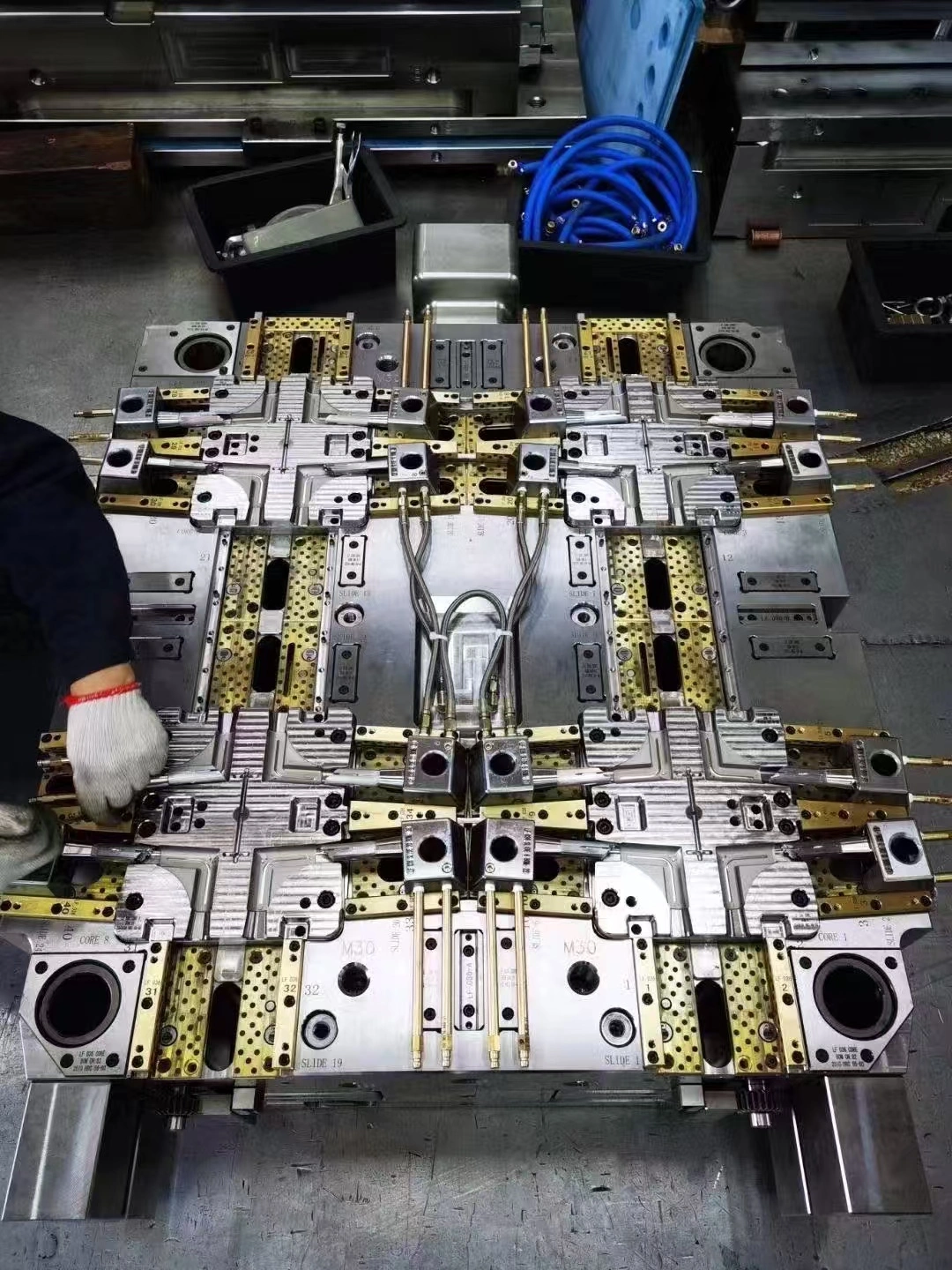
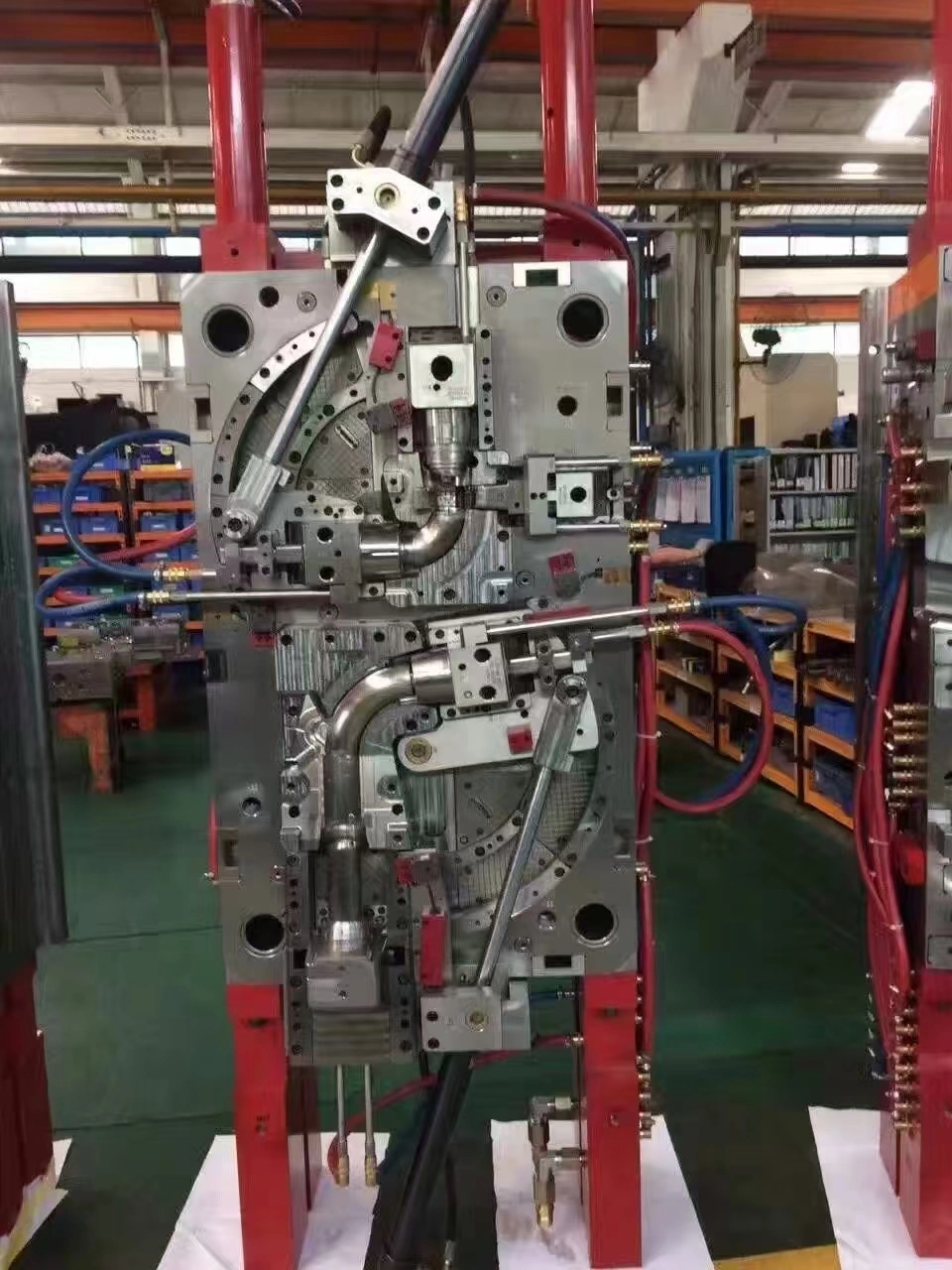
Smart Russian factories rely on high precision molds for consistent parts because these advanced tools deliver exceptional dimensional accuracy, repeatability, and reliability across high-volume production runs. High precision molds enable manufacturers to meet stringent quality standards while minimizing defects, reducing waste, and optimizing production efficiency in competitive global markets where consistency is paramount.
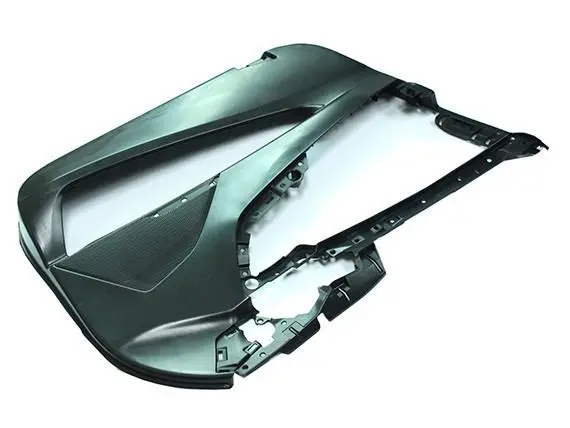
Understanding High Precision Molds and Their Manufacturing Process
High precision molds represent the pinnacle of tooling technology, distinguished from standard molds through their superior accuracy, refined design features, and stringent quality standards. These sophisticated tools enable manufacturers to produce parts with exact dimensions and minimal deviation, making them essential for industries demanding tight tolerances.
Types and Characteristics of Precision Tooling
The most common sorts of accuracy tooling high precision molds for plastic components and compression molds utilized for a wide range of designed materials. Infusion molds are particularly designed to create complex plastic parts with high dimensional exactness and steady surface quality, making them fundamental for businesses that require huge production volumes and tight tolerances. These instruments are prepared with upgraded cooling frameworks that direct temperature equally, lessening cycle times and preventing warpage or shrinkage. Optimized door and runner plans guarantee adjusted fabric stream into the form cavities, whereas precision-machined surfaces contribute to uniform portion appearance and basic keenness. Russian producers, in particular, benefit from progressive infusion molding frameworks capable of dealing with complex geometries and thin-wall designs, while maintaining dimensional stability over millions of production cycles, supporting long-term, high-efficiency manufacturing operations.
Advanced Manufacturing Techniques
The generation of molds depends on a combination of advanced CAD modeling, high-accuracy CNC machining, cautious surface wrapping up, and strict quality control methods. Nitty-gritty computerized plans permit engineers to mimic fabric stream, cooling behavior, and push conveyance, some time recently fabricating starts, diminishing mistakes and revamp. Accuracy CNC machining guarantees that form components meet correct dimensional prerequisites, whereas fastidious wrapping up forms progress surface quality and expand shape's life. Solidified steels and strength combinations are chosen for their quality, wear resistance, and warm soundness, empowering molds to perform dependably beneath high-volume production conditions. Russian industrial facilities that embrace these progressed tooling arrangements have made strides in terms of consistency, lower scrap rates, and expanded generation throughput, contributing to higher by and large fabricating proficiency and decreased operational costs.
Why High Precision Molds Are Essential for Russian Smart Factories?
Russian smart factories, particularly those serving automotive, medical device, and high-tech sectors, face non-negotiable requirements for tight production tolerances. The ability to meet international quality standards while competing globally depends heavily on precision tooling capabilities.
Integration with Industry 4.0 Technologies
Precision tooling coordinating consistently with Industry 4.0 innovations, shaping a basic establishment for present day keen fabricating situations. By interfacing accuracy molds with computerized CNC machining centers, sensors, and advanced control stages, producers gain comprehensive visibility into each stage of the production process. Real-time information collection empowers persistent checking of shape temperature, weight, cycle time, and wear conditions, permitting generation parameters to be balanced immediately for ideal execution. Prescient upkeep frameworks analyze this information to recognize early signs of instrument weariness or misalignment, anticipating unforeseen breakdowns and minimizing spontaneous downtime. Russian producers, in specific, benefit from these brilliantly observing arrangements, as they offer assistance stabilize production quality and make strides operational quality. The capacity to coordinate tooling execution information into centralized fabricating execution frameworks also bolsters superior decision-making, higher planning transparency, and smoother coordination between planning, production, and upkeep teams.
Long-term Cost-effectiveness
Although high precision molds regularly require a higher initial investment than standard tooling choices, their long-term cost-effectiveness becomes progressively clear over amplified generation cycles. High-precision tooling altogether diminishes imperfection rates by keeping up reliable measurements and surface quality, which in turn brings down fabric waste and reduces costs. Made strides in strength and wear resistance expand shape benefit life, diminishing the recurrence of substitutions and major repairs. Russian production lines that have transitioned from ordinary tooling to exactness shape frameworks report up to a 40% lessening in scrap rates, driving to significant savings in crude materials and labor costs. Over time, these effectiveness picks up interpret into speedier payback periods and a higher in general return on speculation, making accuracy tooling a deliberately sound choice for producers centered on feasible development and competitiveness.
Design Optimization for Consistent and Reliable Parts
Optimizing the shape plan depends intensely on advanced CAD programs and simulation tools that encourage comprehensive manufacturability investigation and exact form life span forecasts. Russian producers commonly utilize stages such as Siemens NX and CATIA for point by point plan refinement.
Material Selection and Surface Treatments
Choosing fitting high-grade steel amalgams and actualizing appropriate surface medicines expands shape life whereas keeping up accuracy beneath tall generation volumes. Warm treatment forms and specialized coatings ensure against wear and erosion, guaranteeing reliable execution throughout the mold's operational lifespan.
Maintenance Best Practices
Effective upkeep plans and standard calibration strategies are basic for protecting from judgment and avoiding dimensional float or machining blunders. Russian producers executing organized upkeep conventions report 25% longer form life and made strides portion quality consistency.
Current Trends and Future Outlook
The fabricating scene in Russia advances quickly with the integration. Added substance fabricating for shape components, upgraded multi-axis CNC machining, and keen sensor frameworks for real-time condition checking, to current industry trends.
Artificial Intelligence and Machine Learning Applications
AI and machine learning advances progressively bolster prescient support and early deformity location, diminishing unplanned downtime significantly. These frameworks analyze generation information to optimize cycle times and distinguish potential quality issues some time recently they affect production.
Sustainability and Environmental Considerations
Adoption of eco-friendly materials and energy-efficient forms reflects worldwide sustainability patterns, whereas making a differencein industrial facilities diminishes operational costs and meets administrative necessities. Russian producers seize these developments to keep up competitive points of interest in worldwide markets.
Procurement Guide for Russian Manufacturing Leaders
Selecting reliable precision mold suppliers requires thorough evaluation of ISO certifications, manufacturing expertise, and client testimonials to ensure quality and reliability. Supplier location affects project timelines, while comprehensive after-sales support influences long-term mold lifecycle management success.
Balancing Cost and Quality Considerations
Procurement decisions must carefully balance cost considerations with quality imperatives. Understanding detailed cost breakdowns enables smarter budgeting aligned with production goals and long-term strategic objectives.
Communication and Process Transparency
Clear communication protocols and process transparency are critical for securing timely deliveries and maintaining flexible order quantities. This approach helps Russian procurement managers optimize supply chain efficiency while supporting continuous factory innovation.
Yongsheng's Precision Manufacturing Solutions
Yongsheng specializes in advanced precision mold manufacturing, combining cutting-edge technology with over 30 years of expertise to deliver superior quality solutions. Our comprehensive product range includes high precision molds, die-casting molds, and complete lifecycle services from initial design through ongoing maintenance support.
Located in Dongguan's renowned "Town of Molds," our ISO9001:2015 certified facility spans 6,000 square meters with over 300 skilled professionals. We provide one-stop OEM services, including design development, mold fabrication, production, and secondary processing to meet diverse client requirements across electronics, automotive, and consumer goods industries.
Conclusion
Smart Russian factories increasingly depend on precision tooling to maintain competitive advantages in global markets. These advanced tools deliver exceptional dimensional accuracy, reduced waste, and improved production efficiency essential for meeting international quality standards. The integration of high precision molds with Industry 4.0 technologies enables predictive maintenance, faster cycle times, and enhanced quality control capabilities. Russian manufacturers investing in precision tooling report significant improvements in part consistency, reduced scrap rates, and enhanced profitability. As manufacturing technology continues evolving, precision molds remain fundamental to achieving sustainable manufacturing excellence and maintaining competitive positioning in demanding global markets.
FAQ
Q: What industries benefit most from high precision molds?
A: Automotive, medical devices, electronics, and aerospace industries benefit most from precision tooling, where tight tolerances and consistent part quality are crucial for product integrity, safety compliance, and performance reliability.
Q: How do precision molds compare with standard molds regarding durability?
A: Precision molds utilize superior materials and manufacturing processes with strict quality controls, resulting in longer operational lifespan, better wear resistance, reduced downtime, and lower replacement costs over time.
Q: What is the typical lead time when ordering precision molds from trusted suppliers?
A: Lead times generally range from 4 to 12 weeks, depending on complexity and specifications. Experienced suppliers like Yongsheng often provide expedited options to meet urgent production schedules while maintaining quality standards.
Partner with Yongsheng for Superior Precision Molds
Ready to elevate your manufacturing capabilities with industry-leading precision molds designed for exceptional quality and reliability? Yongsheng offers comprehensive precision mold solutions backed by three decades of manufacturing expertise and ISO9001:2015 certification. Our experienced team provides complete one-stop services from design to production, ensuring cost-effective solutions with on-time delivery and robust IP protection. Contact us at sales@alwinasia.com to discuss your specific requirements and discover why leading manufacturers choose Yongsheng as their trusted high precision molds supplier for consistent, reliable results.
References
1. Kolosov, A.E. and Petrov, M.V. (2023). "Advanced Manufacturing Technologies in Russian Industrial Automation." Journal of Manufacturing Engineering, 45(3), 234-251.
2. Volkov, S.N. (2022). "Precision Tooling Applications in Automotive Manufacturing: Russian Industry Case Studies." International Manufacturing Review, 18(7), 112-128.
3. Mikhailov, D.A. and Sokolova, E.I. (2023). "Industry 4.0 Integration in Russian Smart Factories: Quality Control and Precision Manufacturing." Russian Engineering Journal, 67(2), 89-105.
4. Fedorov, V.K. (2022). "Cost-Benefit Analysis of High Precision Molds in Mass Production Environments." Manufacturing Economics Quarterly, 31(4), 45-62.
5. Antonov, P.B. (2023). "Material Science Advances in Precision Mold Manufacturing for Industrial Applications." Materials and Manufacturing Processes, 29(8), 156-173.
6. Sergeev, I.V. and Kozlov, R.A. (2022). "Predictive Maintenance Systems for Precision Tooling in Russian Manufacturing Facilities." Industrial Engineering Research, 14(5), 78-94.