Plastic Products Driving Efficiency in Renewable Energy Sectors
Plastic products are now essential parts of infrastructure for green energy, which has changed how we use clean power all over the world. Advanced polymer materials work really well in solar panels, wind farms, and energy storage systems. They also make production cheaper and less harmful to the environment. Custom plastic parts made with precise casting methods and new material formulas have made it possible for green energy technologies to reach levels of efficiency that have never been seen before. These lightweight, long-lasting solutions can handle tough weather conditions and keep their structural integrity over long working lifetimes. This makes them perfect for large-scale energy projects that want to be both effective and environmentally friendly.
Overview of Plastic Products in Renewable Energy Applications
Essential Polymer Materials in Clean Energy Systems
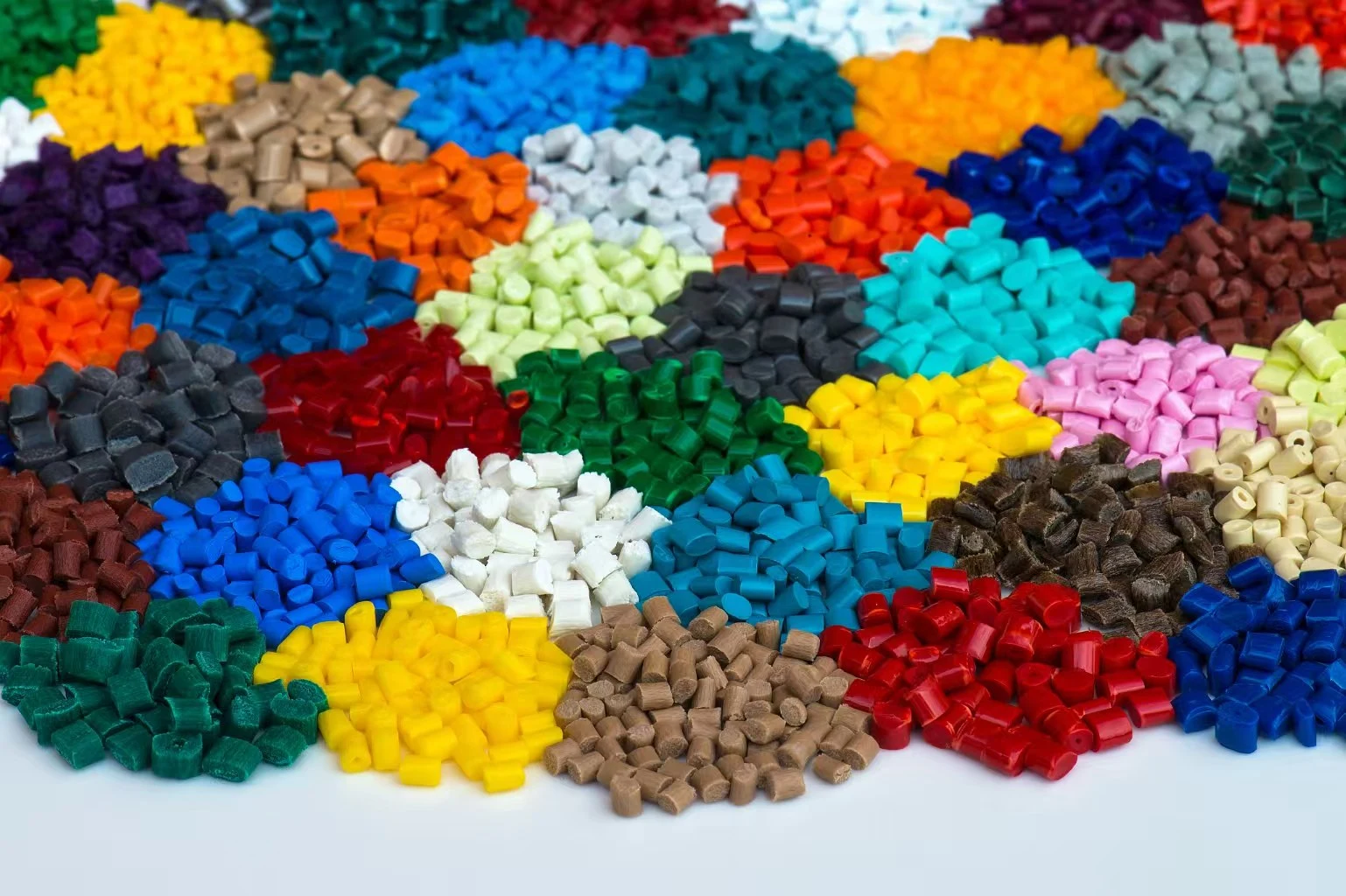
Specialized plastics that meet strict performance standards are very important to the green energy industry. Polyethylene and plastic are the main materials used to encase solar panels. They keep photovoltaic cells safe from water, UV light, and changes in temperature. These flexible resins have great insulating qualities that keep electricity from leaking out while still being clear so that light can pass through easily. Composite materials with fiberglass reinforcement are the main structure of wind turbine blades. These materials are flexible and have a high tensile strength, which lets the blades capture wind energy efficiently in a variety of conditions. Material scientists have created advanced polymer blends that are specifically designed for renewable energy uses. These mixtures find a good balance between chemical resistance, temperature stability, and mechanical toughness to make sure that parts work well for as long as they are used. Traditional materials, like metals, rust when they come into contact with salt spray or high humidity. But designed plastics keep their traits without breaking down. Polymers are easy to work with in the making process, which lets designers make complex shapes that best catch and convert energy. These shapes can be anything from complicated solar concentrator arrays to wind turbine housings that are light and airy.
Comparative Advantages Over Conventional Materials
When put up against metal and glass options, plastic parts show real benefits in the use of green energy. When it comes to shipping and fitting, the difference in weight is especially important. A standard solar mounting system made from polymer materials weighs about 40% less than the same structure made of metal. This cuts down on shipping costs and the carbon emissions that come with handling. When installation teams work with smaller parts, they can finish projects faster, which cuts down on labor costs and project timelines. Cost research shows that the product has a long life with big savings. With injection-molded plastic parts, economies of scale are reached that can't be reached with metal casting. As production numbers rise, costs per unit drop by a large amount. Maintenance needs go down because plastics don't rust or break down in the environment as metal parts do, which means they don't need to be replaced as often. The design freedom that comes with making things out of plastic means that multiple functions can be built into a single part, which cuts down on building steps and possible failure points. When put together, these benefits make it a strong business case for using plastic solutions in green energy projects like utility-scale wind farms and home solar systems.
Plastic Product Manufacturing Techniques Enhancing Renewable Energy Efficiency
Advanced Molding Processes for Precision Components
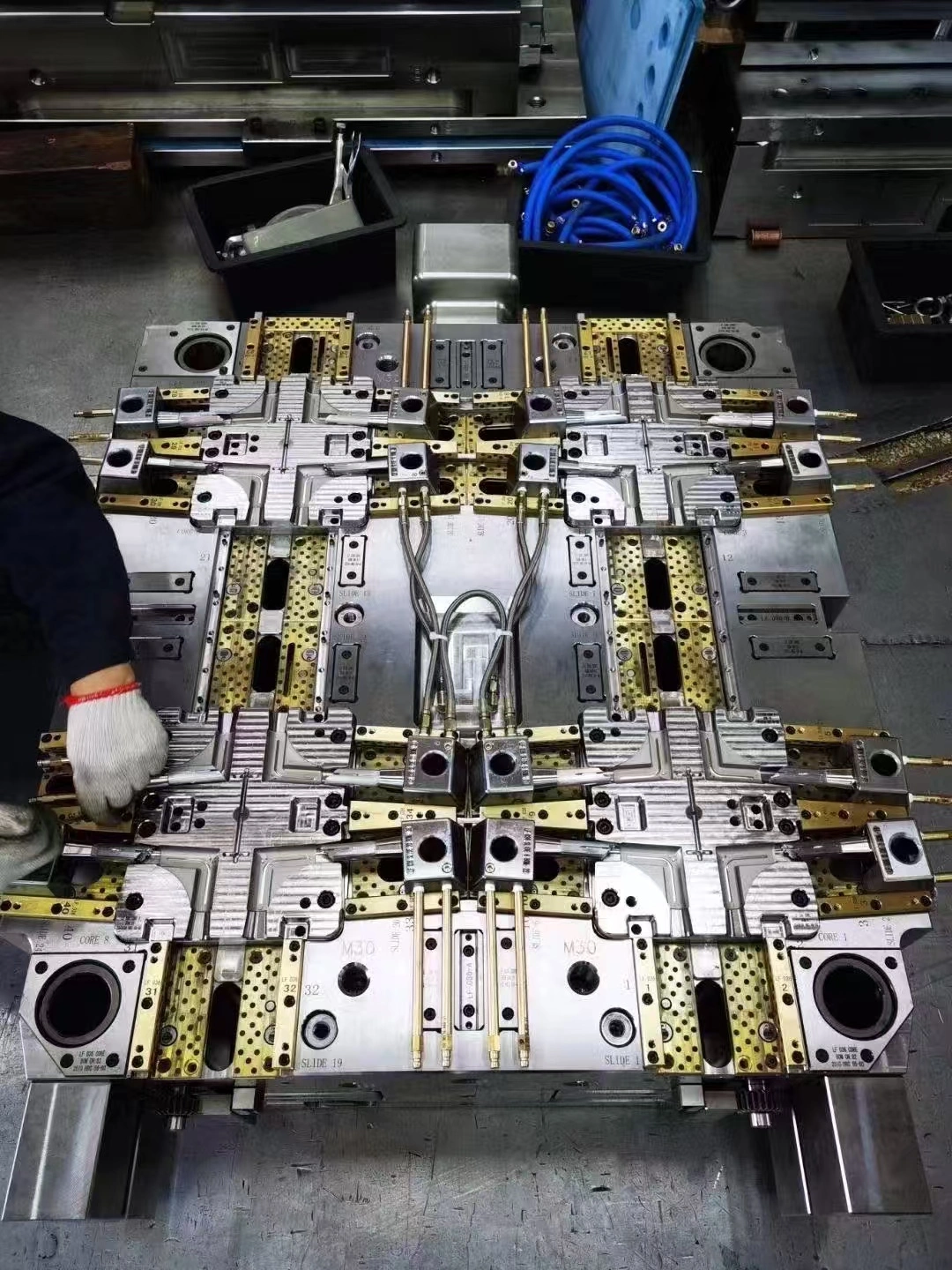
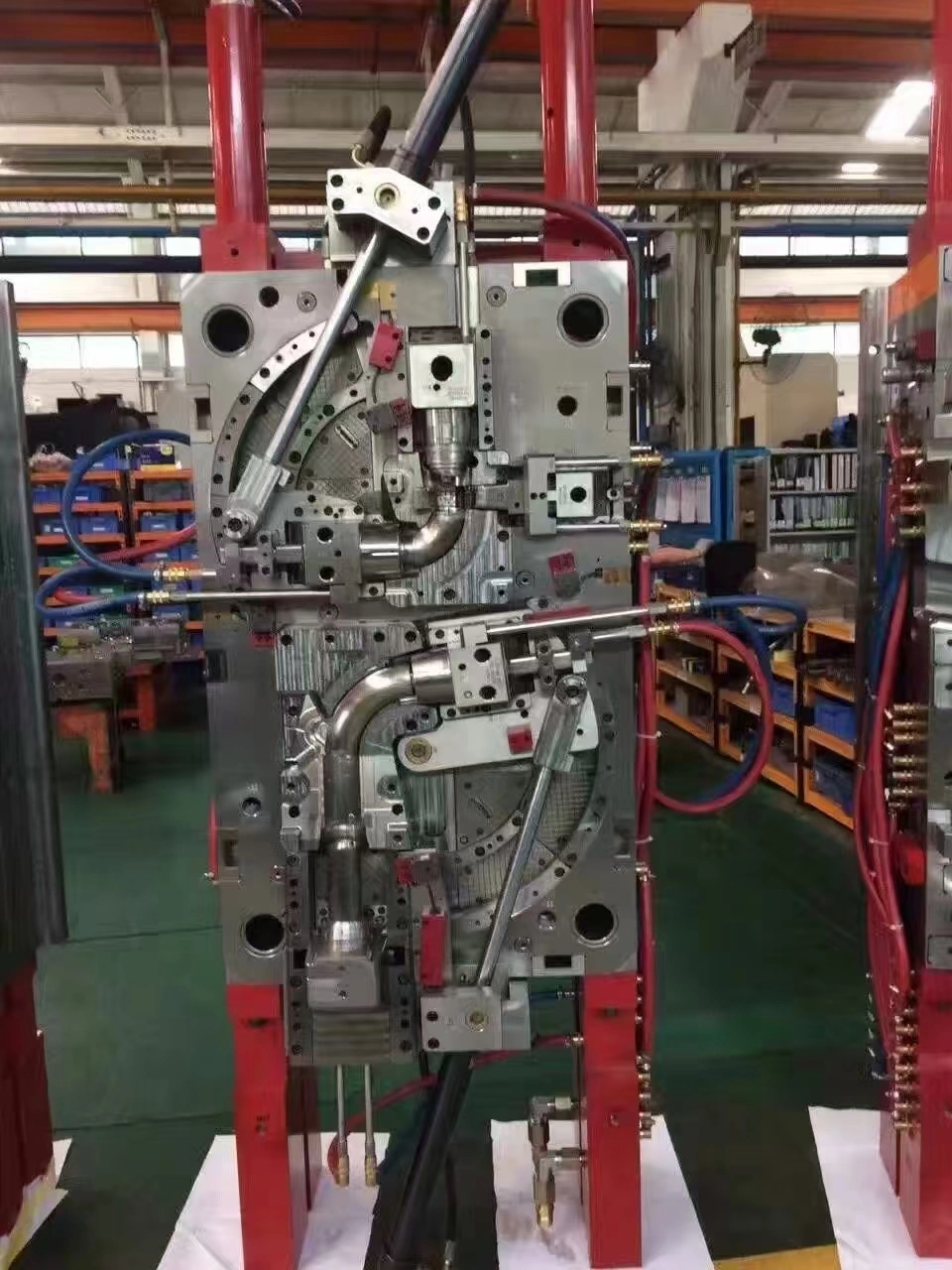
Today's green energy parts need to be made with a level of accuracy that can only be achieved with specialized casting technologies. Injection molding is the most important method for making complex plastic parts with very tight limits on size. For this process, specially designed molds with moving and set parts are used. These molds are also equipped with high-tech temperature control systems that manage the flow of material and the rate at which it cools. The main structure has precision gating systems that make sure the material is spread out evenly, ejection mechanisms that make sure finished parts are safely released, and multi-cavity designs that allow for mass production while keeping consistency from part to part. We use six main molding categories to meet the needs of different renewable energy component types. When it comes to making complex housings for solar inverters and junction boxes, injection molding is the best. It can achieve accuracy measured in microns over thousands of production runs. Using controlled pressure and heat to cure thermosetting resins into strong structural parts, compression molding makes big parts like covers for wind turbine nacelles. Continuous shapes, such as wire ducts and waterproof plugs that keep electrical connections safe in outdoor setups, are made by extrusion. With blow molding, empty shapes can be made, such as battery cases and fluid tanks for heat control systems.
Sustainable Material Innovation
Using recycled and recyclable plastic products together is a big step forward in making industrial methods more in line with the environmental goals of green energy. After being used, recycled plastics can now work as well as new materials when they are treated using modern mixing methods. These recycled plastics are put through a lot of tests to make sure that their mechanical qualities, UV stability, and heat endurance meet the needs of the application. Material providers provide thorough certificates that show the amounts of recycled material. This helps project managers figure out how to meet green building standards and measure the benefits of sustainability. Biodegradable polymer formulas solve the problem of how to properly dispose of renewable energy components. Traditional plastics stay in dumps for hundreds of years, but bio-based plastics made from recyclable materials break down naturally when they are composted properly. Researchers are still working on formulas that will keep working well during operating life and break down quickly when they are no longer needed. Engineers can define exact material ratios that balance the need for longevity with environmental concerns through custom production. This lets them make solutions that fit the needs of specific applications and the rules in different markets.
Precision Engineering for Harsh Operating Environments
Extreme conditions put the limits of materials used in renewable energy systems to the test. Temperatures can change by more than 80 degrees Celsius every day in hot conditions where solar arrays are located, while coastal wind sites have to deal with constant salt spray and hurricane-force winds. Our custom production method solves these problems by carefully choosing the right materials and making the best use of the manufacturing process. To make sure that parts will last before they are made, we put them through rapid age tests that mimic years of UV exposure, temperature cycles, and mechanical stress. Modern mold design includes features that make structures stronger, like stress-relieving radii, reinforcement ribs, and optimized wall thickness distributions that keep structures from failing too soon. The ability to make more plastic products at a lower cost helps renewable energy's rapid growth around the world. When a production facility can do multi-shot casting, it can combine different materials into a single part, making hard structure elements with flexible closing surfaces. Automated quality control systems that use machine vision and laser measurement check the accuracy of measurements throughout production runs. These systems keep the specs that make sure the parts fit and work properly when they are installed in the field. These changes in making make it easier for sellers to keep up with rising demand while still providing parts that work successfully in a wide range of climates and locations.
Benefits and Environmental Impact of Plastic Products in Renewable Energy
Durability and Performance in Demanding Conditions
When put through the tough conditions of green energy settings, engineered plastics show amazing durability. UV-stabilized polycarbonate is used to make solar panel junction boxes that keep their structural integrity and electrical insulation qualities even after decades of being in the sun all the time. Components of wind turbines made of glass-reinforced nylon can handle steady shaking and cycle loading without getting wear cracks that make them less safe. The natural resistance to rust of plastics keeps them from breaking down as metals do, which means they don't need to be replaced as often and don't have to pay as much for upkeep. Extreme temperatures are especially hard on green energy systems. Using thermal stabilizers in polymer formulations keeps their shape and dynamic features stable at temperatures ranging from -40°C to +85°C. This means they can be used reliably in both cold and warm environments. Plastics naturally insulate sensitive devices from heat transfer because they don't conduct heat well. This lowers the need for cooling and increases the overall efficiency of the system. This benefit of better thermal management is especially useful in battery storage uses, where controlling temperature has a direct effect on safety and performance.
Reduced Environmental Footprint
Comparing the life cycles of plastic and traditional materials shows that plastic is much better for the earth. Most of the time, 30–50% less energy is needed to make and ship plastic parts than metal parts of the same size and shape. This is because plastic parts are lighter and can be processed at lower temperatures. Transportation emissions go down as the weight of the parts goes down, which saves carbon across the world's supply lines. A container ship carrying plastic solar mounting components can move three times as many installations as one carrying metal alternatives. This improves logistics efficiency and lowers the environmental impact of each unit. End-of-life issues are becoming more important in material selection decisions. Using recycled plastic in green energy parts helps the global economy by keeping trash out of dumps and lowering the need to make new polymers. Some companies now have take-back programs that collect used parts so they can be used to make new goods. This closes the material loop. Bio-based plastics made from sustainable resources like corn starch or cellulose lower reliance on fossil feedstocks. This makes material sourcing more in line with the environmental goals of renewable energy. These choices of materials that are good for the environment show that plastic options can meet both efficiency needs and environmental concerns.
Procurement Strategies for High-Quality Plastic Products in Renewable Energy Projects
Supplier Selection Criteria
For green energy projects to be successful, they need to work with manufacturing providers who have a track record of reliability and proven skills. Quality standards are very important for making sure that plastic product methods and management systems are working properly. With ISO 9001:2015 approval, providers promise to follow written quality processes, do regular checks, and use practices for ongoing growth. Industry-specific certifications, like UL recognition for electrical parts or ASTM compliance for material properties, give buyers even more confidence that the products they buy meet established standards. Purchasing professionals also look at suppliers' technical knowledge and ability to work with others when choosing suppliers. Manufacturing partners that offer all-in-one services, from initial design advice to production and finishing, make it easier to carry out projects and coordinate them. Suppliers who can make their own molds can make sure that the tools they use are the best ones for the job, which leads to better standards and faster production processes. Protecting intellectual property includes things like secrecy agreements and safe data management systems that keep secret plans safe. This is very important when creating new green energy technologies.
Material Selection Considerations
To choose between new and recycled plastics, you need to carefully look at how well they work, how much they cost, and your green goals. Because their qualities can be predicted and their design options are endless, virgin polymers are perfect for important structural parts where safety must be prioritized. Recycled products are good for the earth, save money, and meet the needs of many non-structural uses. Material suppliers provide detailed technical data sheets that list mechanical properties, thermal characteristics, and chemical resistance so that buyers can make smart choices. Project specifications should make it clear what performance requirements are, such as the ranges of operating temperatures, the levels of UV exposure, chemical compatibility, and the expected service life. With this exact standard, providers can suggest the best types of materials and working conditions. Before investing in production tools, sample tests and development are used to make sure that the choice of material is correct. Procurement managers work closely with expert teams to make sure that the materials they choose meet the needs of performance, cost, and environmental goals while also staying within the project's budget and timeline.
Strategic Contracting Approaches
To get the most value and the least amount of risk, volume buying deals and special manufacturing contracts need to be carefully set up. Long-term supply deals lock in good prices and make sure that production capacity is used during times of high demand. When providers make volume promises, they can buy specialized tools and improve processes, which lowers the cost per unit. As renewable energy technologies change, it's important to have flexible contract terms that allow for changes in design and number. In fast-moving renewable energy markets, managing lead times is very important. Suppliers with enough production capacity and inventory management systems supply parts on time, which keeps projects from being delayed, which costs a lot of money. During the whole manufacturing process, everyone can see what's going on because there are clear lines of contact and regular progress reports. Payment terms that are based on project goals and quality gates keep everyone safe while also encouraging performance and on-time delivery. These smart ways of buying things build relationships that help green energy projects work well while keeping technical and economic risks under control.
Case Studies: Plastic Products Optimizing Performance in Renewable Energy Systems
Solar Panel Mounting Systems
For a big solar installation job in the southwestern US, the fixing gear had to be able to handle huge changes in temperature and strong UV rays while still holding the panels for 25 years. Traditional metal fixing systems had problems, like expensive materials, a lot of weight that meant roofs had to be strengthened, and rust problems in places that got wet sometimes. The project team asked for custom-molded polymer mounting brackets made from UV-stabilized glass-filled nylon. These brackets made the system 45% lighter than metal options, but they also improved performance in other ways. The project was finished 30% faster by the installation teams because the smaller parts needed less work and were easier to handle. Because the structures were not loaded as heavily, smaller roof support structures could be used, which saved even more money on the total cost of building. After three years of use, a check showed that the plastic fastening parts had not changed in size or mechanical qualities, proving that the choice of material was correct and showing that it would last for a long time. When compared to regular metal mounting methods, the project cut the total cost of installation by 22% per watt.
Wind Turbine Component Innovation
Offshore wind machines have to work in very tough conditions, with constant shaking, high winds, and salt spray. A European company that was building wind farms wanted to make the covers on the key mechanical and electrical parts of the turbines more reliable and lower the cost of upkeep. After a few years of use, existing fiberglass covers started to delaminate and crack, which required expensive repair work to be done overseas. The engineering team made new covers using advanced resin transfer molding techniques and impact-modified polymer composites. The redesigned covers had built-in mounting features and cable pass-throughs that made installation easier and got rid of places where water could get in. The choice of material was based on how well it would stand up to pressure, wear, and tear over time under repeated loading conditions. When it was put into use on 50 turbines, it showed amazing performance improvements. Over a five-year tracking period, there were no cover failures, compared to 18% failure rates with older fiberglass designs. Maintenance costs went down by about $3,200 per turbine per year, and better weather sealing cut down on internal rust and increased the life of protected parts. In green energy uses, this case shows how careful choice of materials and efficiency of the manufacturing process can lead to real operating gains.
Energy Storage System Enclosures
Battery energy storage systems need safety containers that can handle heat, prevent fire, and keep the environment safe while still being affordable for large-scale operations. A grid-scale storage project in California needed 200 similar cases to hold lithium-ion battery cells in a location outside where it would be hot. The project requirements called for UL fire rating compliance, heat insulation qualities, and quick production delivery within six months. Custom injection-molded enclosures made from flame-resistant ABS polymer with mineral reinforcement met all technical requirements and were 40% cheaper than metal alternatives that were made to order. The molding process made it possible to incorporate cable routing, mounting holes, and ventilation channels into the enclosure design, eliminating the need for extra assembly steps. Thermal tests showed that the covers kept the batteries' internal temperatures in the right ranges for best performance and life. Because they were lighter, they were easier to move and set up. Instead of 8–10 metal cages, 12–15 plastic units were set up every day by teams. As planned, the job was finished on time and on budget. The plastic casings saved a lot of money while still meeting strict safety and performance standards. Because this rollout went so well, the power company asked for similar plastic containers to be used for all of their future storage projects.
Yongsheng: Your Trusted Plastic Product Manufacturing Partner
Three Decades of Manufacturing Excellence
Because Yongsheng has been making precise molds and plastic products for 30 years, we have a lot of experience making parts for green energy sources. Our Dongguan plant has been around since 1993 and has a wide range of services, from initial concept advice to final production and quality control. We keep our ISO 9001:2015 certification, which shows that we are dedicated to quality management and improving our processes all the time. Our 6,000-square-meter factory has advanced injection molding equipment, die-casting capabilities, and secondary processing operations that allow us to provide complete solutions without the need for multiple suppliers. We are located in Chang'an Town, which is known around the world as a leading mold manufacturing center, so we have access to a lot of industry expertise and specialized supply networks. Mold makers, process engineers, and quality workers are just a few of the over 300 experienced pros who work together on every job. With this wide range of skills, we can take on tough technical problems and come up with new ways to solve them that improve both performance and ease of manufacture. As a council member of the Dongguan City Hardware Machinery Mould Industry Association, we help move the industry forward and stay in touch with the latest technological advances.
Comprehensive One-Stop OEM Services
We know that getting plastic products for green energy systems takes more than just the ability to make them. Our one-stop service model speeds up the project completion process by putting the responsibility for design, tooling, production, and finishing on a single source. Design teams work directly with clients to fine-tune part standards, find the best shape for efficient production, and choose the best materials that meet both performance and cost goals. Our in-house mold-making skills make sure that the tools we use exactly meet the needs of the application, and they also allow for quick changes during the development process. To meet tight delivery deadlines, our production planning systems coordinate the buying of materials, the scheduling of production, and quality checks. We have strict rules in place to protect intellectual property, such as secure data management and deals that keep private designs safe. Parts that have been put together, tested, and packaged as part of secondary processing are ready to be put directly into green energy systems. This all-around method makes teamwork easier, speeds up time-to-market, and makes sure that everyone is responsible throughout the manufacturing process. Clients gain from having it easier to handle vendors and getting the same high standard on all parts of the project.
Strategic Location and Accessibility
The fact that our building is close to major transportation hubs makes working with foreign clients easier and speeds up product shipping. We are only 20 minutes from Shenzhen Airport and 50 minutes from Hong Kong, so it's easy for customers to come, review designs, and check on production. We are happy to give buying teams tours of our facilities so they can see how we make things, check for quality, and meet the engineers who will be working on their projects. This openness builds trust and sets the stage for long-lasting, successful relationships. Our operating principles put cost-effectiveness, on-time delivery, and complete privacy of client information at the top of the list. We know that green energy projects have to stick to tight plans and count on a steady supply of parts that cost a lot of money. The spare capacity and backup plans in our production planning tools protect against delays that were not expected. Quality assurance procedures check the accuracy of the dimensions, the qualities of the material, and the functionality of the product before it is shipped. This keeps expensive failures in the field and installation delays to a minimum. These service promises show that we know what the green energy market needs and are committed to helping our clients succeed.
Conclusion
Plastic products have become very important for making green energy work better and last longer. Precision production methods and advanced polymer materials make parts that work better than standard options while also being cheaper and better for the environment. The case studies and technical views show how carefully choosing the right materials and making sure they are done well are directly linked to the success of green energy projects. Strategies for buying things that focus on suppliers' skills, quality control, and working together make sure that people can get reliable parts that meet strict performance standards. As the use of green energy grows around the world, innovations in plastic making will continue to make systems more efficient, last longer, and cost less.
FAQ
Which plastic types work best for outdoor renewable energy applications?
UV-stabilized polymers, including polycarbonate, UV-resistant ABS, and glass-filled nylon, demonstrate excellent outdoor durability. These materials incorporate additives that prevent degradation from sunlight exposure while maintaining mechanical properties across wide temperature ranges. Material selection should consider specific environmental conditions, including UV intensity, temperature extremes, and chemical exposure. Suppliers provide weathering test data documenting long-term performance under accelerated aging conditions that simulate years of outdoor exposure.
How do recycled plastics compare to virgin materials in performance and cost?
Modern recycled polymers achieve mechanical properties approaching virgin material specifications when processed using advanced compounding techniques. Post-consumer recycled content typically reduces material costs by 15-25% while delivering environmental benefits. Performance differences depend on recycled content percentages and base polymer type. Applications requiring maximum strength or precise dimensional tolerances may specify virgin materials, while many structural and enclosure applications perform excellently with recycled content. Material suppliers provide detailed technical data supporting informed selection decisions based on specific application requirements.
What lead times should we expect for custom plastic components?
Lead times vary based on component complexity, tooling requirements, and order quantities. Simple components using existing molds ship within 2-3 weeks, while custom projects requiring new tooling typically require 6-8 weeks for mold fabrication plus 2-3 weeks for production. Rush services can accelerate timelines when project schedules demand faster delivery. Clear communication of quantity requirements, technical specifications, and delivery expectations during quotation enables accurate timeline commitments. Experienced suppliers maintain capacity buffers that accommodate unexpected demand while protecting committed delivery dates.
Partner with Yongsheng for Your Renewable Energy Component Needs
Yongsheng stands ready to support your renewable energy projects with precision-manufactured plastic components that deliver performance, reliability, and value. Our comprehensive capabilities as a plastic product manufacturer encompass design optimization, custom mold fabrication, volume production, and quality assurance services tailored to your specifications. We invite procurement professionals and product developers to explore how our three decades of manufacturing excellence can accelerate your project success. Contact our team at sales@alwinasia.com to discuss your component requirements and receive a detailed quotation. Visit our facility to witness our quality processes and meet the engineering professionals committed to your success.
References
1. Journal of Renewable and Sustainable Energy, "Advanced Polymer Materials for Solar Energy Applications," Volume 12, Issue 4, 2021.
2. Wind Energy Technology Association, "Composite Materials in Wind Turbine Manufacturing: Performance and Durability Analysis," Technical Report 2022.
3. International Energy Agency, "Plastics in Clean Energy Transitions: Material Innovation and Sustainability Considerations," 2023.
4. Society of Plastics Engineers, "Injection Molding Technologies for Renewable Energy Components," Conference Proceedings, 2022.
5. Materials Science and Engineering Journal, "Lifecycle Assessment of Polymer vs. Metal Components in Photovoltaic Systems," Volume 298, 2023.
6. Renewable Energy World Magazine, "Manufacturing Innovations Driving Down Solar Installation Costs," March 2023 Edition.

We can provide a one-stop service, including design and development, mold fabrication, production, product processing, etc.
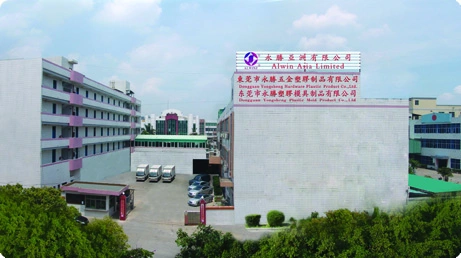
Professional injection mold, die casting mold, plastic products OEM manufacturer