Low-Friction Plastic Components for Motion Systems
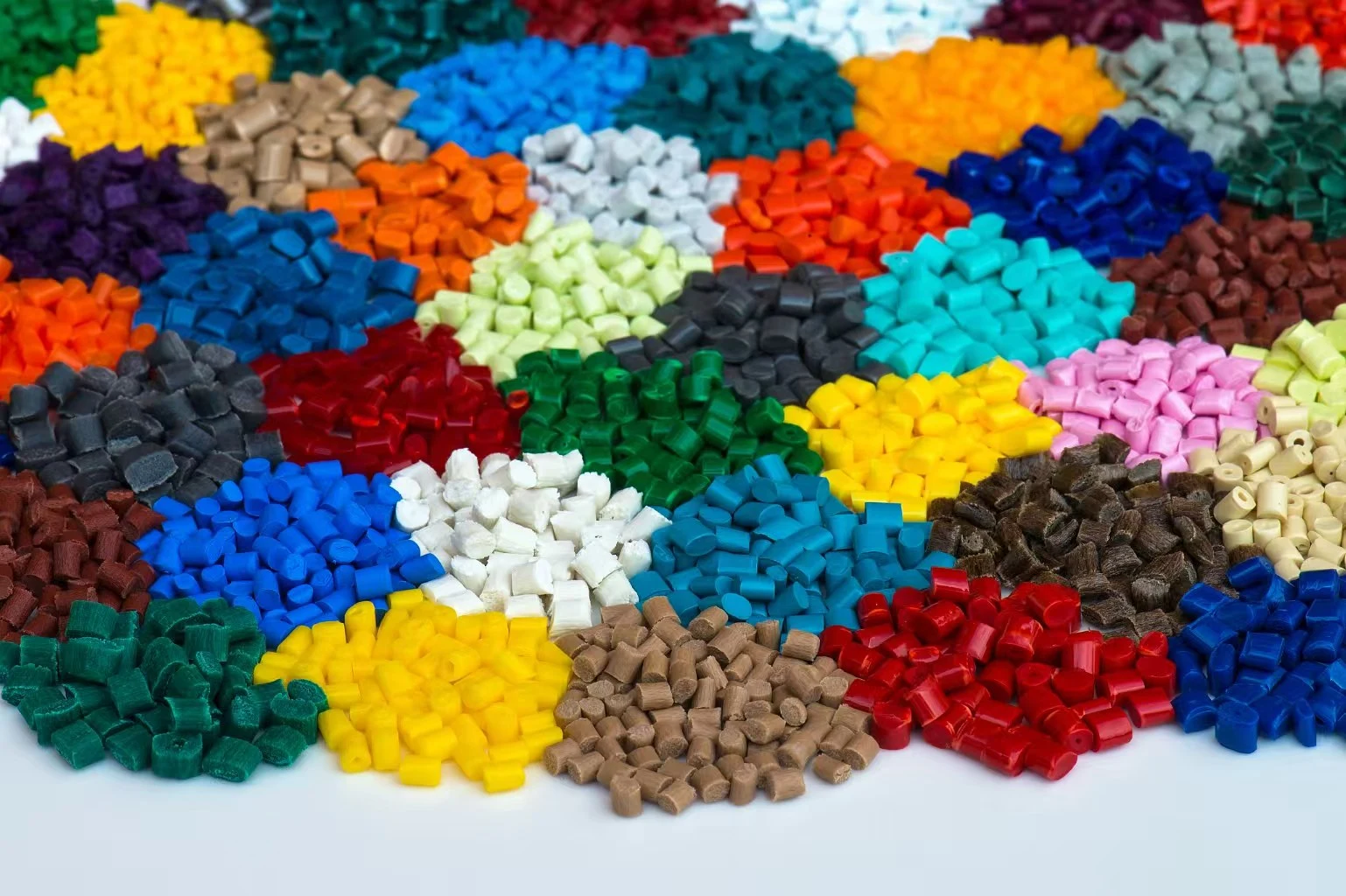
Low-friction plastic components are a huge step forward in the building of motion systems. They are made of special polymer materials that reduce friction and wear while increasing operating efficiency. These specialized parts are very important in consumer goods, medical equipment, computer devices, and car systems that need to move smoothly and reliably. Manufacturers choose materials like polytetrafluoroethylene (PTFE), ultra-high molecular weight polyethylene (UHMWPE), and polyoxymethylene (POM) with care so that the parts they make don't rust, self-lubricate, or make noise when they're working hard. Using these advanced plastics in the right way changes the way standard motion systems work by using less energy, lasting longer between service visits, and not needing extra lubrication in many situations.
Introduction to Low-Friction Plastic Components in Motion Systems
Modern production needs accurate motion solutions, last a long time, and don't cost a lot of money. Low-friction plastics have become the answer to this difficult problem because they have properties that are hard for other materials to match. The coefficients of friction for these tailored plastics are naturally low. They are usually between 0.05 and 0.20, but this depends on the polymer and the conditions of the application. Because of this basic property, the materials work more smoothly, produce less heat, and wear out less quickly over millions of cycles. The automotive industry has embraced these materials fully, using them in gear systems, bearing assemblies, and sliding mechanisms across all vehicle platforms. Precision-molded low-friction parts are used by electronics companies to make disk drives, printer gears, and automatic assembly equipment. Manufacturers of medical devices use these parts in surgical instruments, testing tools, and therapy tools that need to be very reliable.
Defining Characteristics of High-Performance Polymers
Premium low-friction materials are different from regular industrial plastics in three main ways. Self-lubricating features mean that grease or oil isn't needed in many situations. This cuts down on upkeep needs and keeps sensitive areas from getting contaminated. Because these plastics are so light—usually only one-seventh as dense as steel—dynamic systems can accelerate faster, have less drag, and use less energy. When exposed to solvents, coolants, and harsh cleaning agents that are common in industrial settings, chemical resistance makes sure that the performance stays the same. PTFE has the best chemical resistance and the lowest friction coefficient of all engineering plastics, which makes it perfect for high-precision applications. UHMWPE is very good at resisting impacts and wear, so it can be used in high-load situations where longevity is very important. POM is a great choice for making complicated parts because it has a good mix of mechanical strength, physical stability, and machinability.
Industry Applications Driving Innovation
Purchasing managers in a wide range of industries know that improved polymer components have the power to change things. When plastic bushings, gears, and guides are used instead of metal ones, they make automotive systems lighter and more fuel-efficient. Strategically choosing the right parts for consumer gadgets makes them run more quietly and last longer. When clients switch from traditional materials to improved polymer solutions, we have seen amazing performance gains. This is because industrial automation equipment keeps precise specs over long production runs, reducing downtime and repair work. A recent project for an automobile tier-one supplier showed that using custom-engineered parts that met their unique motion needs cut down on friction-related wear by 35% and increased working efficiency by 20%.
Performance Optimization of Low-Friction Plastic Components
To get the best performance from polymer motion components, efficiency bottlenecks need to be found and fixed in a planned way. The H-1 approach for breaking bottlenecks gives an organized way to find friction points that restrict the system's abilities. Engineers can find the exact places where new materials or design changes will have the biggest impact by carefully studying the operating conditions, load profiles, and environmental factors. Common performance bottlenecks include surface roughness that makes friction worse, choosing the wrong materials for the temperature environment, and geometric designs that put stress in one place. Using focused actions to fix these problems often leads to huge changes in system reliability and working lifetime.
Advanced Surface Treatment Technologies
Surface building methods make the benefits of low-friction plastic components. Plasma treatment changes the surface energy, which makes it easier for certain coats to stick while keeping the bulk qualities of the material the same. Laser texturing makes tiny designs that catch wear particles and make it easier for hydraulic lubrication to happen when there is border contact. The process of chemical etching gets rid of surface contaminants and makes the best surface shape for tough uses. These methods have been shown to work in the real world. Through smart surface change of their POM gear systems, the hardware company we worked with cut break-in friction by 40% and increased component life by 60%. The money spent on surface cleaning technology paid off because there were fewer warranty claims and customers were happier.
Material Innovation and Formulation Advancements
As polymer mixing technology keeps improving, new formulas are made that push the limits of effectiveness. Fiber-reinforced types use glass or carbon fibers to improve their mechanical qualities without making friction much worse. Solid lubricant additions, such as graphite or molybdenum disulfide, lower friction ratios even more and make the lubricant less likely to wear out. Specialty types can withstand temperatures above 200°C, which means they can be used in more difficult heating settings. At Yongsheng, we work with material sources to get access to cutting-edge formulas that are specifically made to solve application problems. We just recently made a special UHMWPE material for a client in the medical device industry that can be sterilized and still has the very low friction that their tube delivery system needs. This project showed how material innovation can directly solve important problems in buying.
Design Optimization Strategies
Beyond just choosing the right material, the geometric shape has a big effect on how well friction works. Using large arcs gets rid of stress clusters that speed up the start of wear. By finding the best gaps, you can combine the need for fine motion control with the chance of binding when the temperature rises. Adding relief features lets you account for differences in sizes caused by manufacturing errors without affecting the usefulness. Computer-aided engineering tools let you test different design versions virtually before investing in tooling. Under real-world situations, finite element analysis can predict how stresses will be distributed, how much pressure will be on the contacts, and how temperatures will behave. This simulation-based method cuts down on development time and makes sure that the first production runs give the best results.
Materials and Manufacturing Process of Low-Friction Plastic Components
The choice of material is the key to a component's good performance, and it needs to be made after careful consideration of its mechanical, heat, and chemical needs. Each family of polymers has its own benefits that make it better for certain types of applications. Knowing these traits helps purchasing professionals choose materials that work well and don't cost too much. The choice of manufacturing process affects plastic components, production prices, and design freedom all at the same time. When it comes to accuracy in measurements, surface finish, production volume, and physical complexity, different creation methods have different strengths and weaknesses.
Comparative Polymer Properties
PTFE is great for uses that need the least amount of friction and the widest range of chemical compatibility. It can work in ranges from -200°C to +260°C and has a friction value as low as 0.05. This means it can be used in harsh conditions where other materials would fail. However, because it is soft and expensive, UHMWPE can only be used in situations where its unique qualities make it worth the money. It has great wear resistance and impact strength, which makes it perfect for high-load, high-cycle uses. Its molecular weight is more than 3 million, which makes it self-lubricating and more resistant to wear than many metals. We suggest this material for heavy-duty conveyor parts, bearing pads, and guide rails that are used all the time. POM has a great mix of mechanical strength, physical stability, and processability. It is very easy to machine and shape, so it can be used to make complicated shapes at a fair cost. POM is often the material of choice for precision gears, snap-fit systems, and complicated machinery that need to work smoothly and with tight tolerances.
Manufacturing Process Comparison
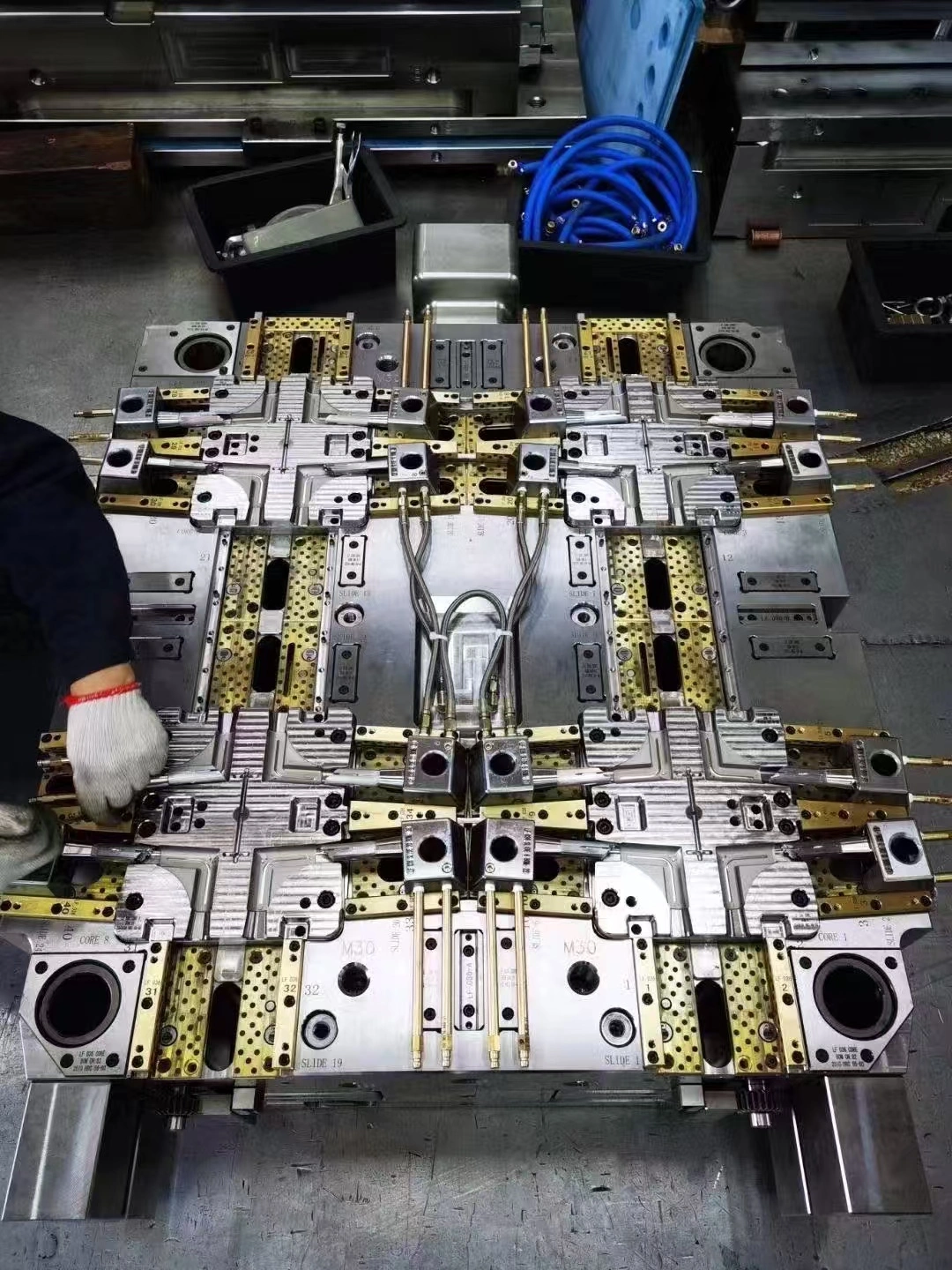
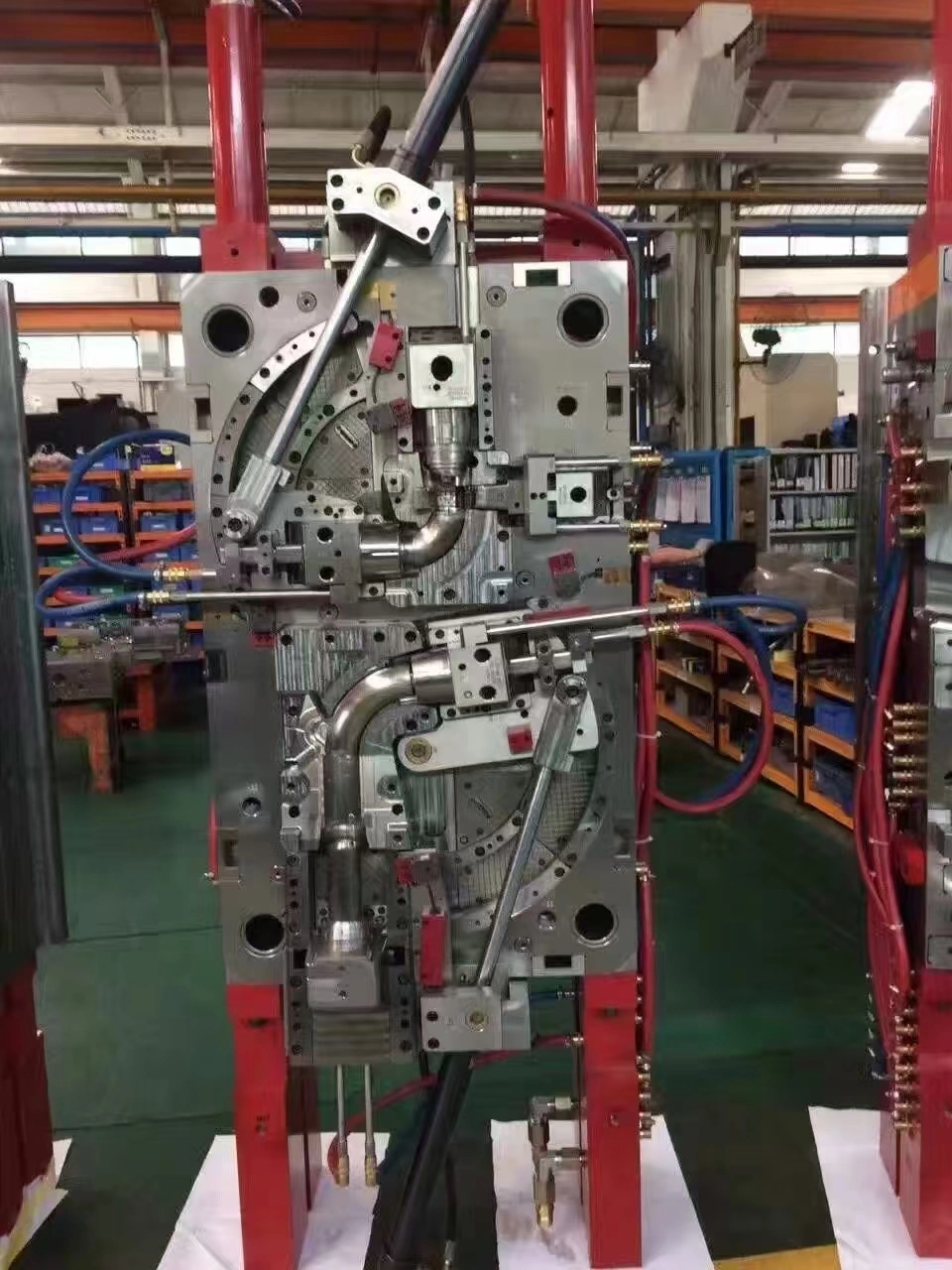
Before choosing a production method, we help our clients do a full review that takes into account their budget, number needs, and accuracy needs. Each method of manufacturing has its own benefits that depend on the specifics of the project. For example, injection molding is the most common method for high-volume production because it is very repeatable, can handle complex shapes, and has low unit costs once the cost of the tools is recovered. At our Dongguan plant, we use high-tech injection casting tools that can keep key measurements within ±0.02mm of accuracy. This level of accuracy makes sure that friction performance stays the same across hundreds of thousands of production batches. CNC cutting gives you the most freedom for making prototypes and small batches. We can make the first models in just a few days, which lets us make changes to the design quickly before moving to production tools. Specialty materials or rare grades that can't be molded can also be machined. Extrusion makes continuous shapes that are perfect for linear guides, seals, and structural parts. This method is cheaper for parts with stable cross-sections and can work with materials that are hard to form. We still have the ability to extrude for customers who need standard shapes or unique cross-sections in small amounts.
Quality Standards and Performance Testing
Strict quality standards make sure that every part meets the required levels of friction and wear. We use coordinate measure tools for physical checking and compare important features to engineering plans. Material approval confirms the polymer grade and lot, which is important for controlled industries like medical devices and car parts. Functional testing proves how well the polymer works in the real world under realistic working conditions. The testing lab we work in measures friction coefficients, checks wear resistance, and does rapid life tests. These real-world results give procurement managers confidence that parts will work as expected for as long as they're supposed to. Our quality management system, which is ISO 9001:2015 certified, makes sure that processes are always the same, from receiving materials to final inspection and shipping. This methodical approach cuts down on differences and gives foreign customers the trust they need from their manufacturing partners.
Choosing the Right Low-Friction Plastic Component for Your Motion System
When making procurement choices, you have to weigh a lot of different objectives, such as performance needs, cost limits, and supply chain issues. The F-1 criteria screening approach gives a structured way to look at options and pick the best parts for specific jobs. This method checks things like chemical resistance, load capacity, temperature tolerance, friction performance, and cost-effectiveness in a planned way. Procurement workers can clearly compare options and find the best solutions by ranking these factors based on how important they are for the application.
Plastic Versus Metal Component Trade-offs
Material choice has a big effect on how well a system works, how much upkeep it needs, and its total cost of ownership. Knowing the pros and cons of polymer versus metal parts helps you choose the right one for each situation. Plastic parts are usually 70–85% lighter than metal ones. This decrease directly leads to less drag in dynamic systems, which lets them accelerate faster and use less energy. Polymers naturally dampen noise and shaking, which makes them better for use in consumer goods and medical devices that need to be quiet. Metal parts, on the other hand, can handle more weight and heat better, so they are better for places with a lot of stress or high temperatures. But they need to be oiled from the outside, which makes upkeep more difficult and increases the risk of pollution. Corrosion in tough chemical settings often calls for expensive coatings or rare metals. We work closely with clients to weigh these pros and cons in the context of their particular application. A recent car customer originally asked for bronze bushings for a suspension part, but switched to a glass-reinforced POM option that met all the functional requirements without adding any weight. This resulted in better performance and a 40% cost savings.
Supply Chain Factors and Procurement Strategy
Lead times, minimum order amounts, and managing supplies all have a big effect on the cost and schedule of a project. By understanding these factors, you can make smart choices about where to buy things that balance lowering costs with making sure you have a steady supply of goods. Making the molds for custom-molded parts usually takes 4-6 weeks, and then the first production runs take 2-3 weeks. We communicate clearly with you throughout the whole process, giving you regular information and production models to look over before agreeing to full production numbers. Our location in Dongguan, which is in the industrial hub of Guangdong, gives us access to complete supply chains that help us get tools and materials quickly. Minimum order amounts are based on the costs of setting up tools and amortizing their costs. When you buy more than 5,000 pieces, injection molding is very cost-effective, but we can handle smaller orders at first to help with product launches and market testing. Our manufacturing options are very adaptable, so clients can start with made samples, move on to limited casting runs, and then increase production volumes as needed.
Evaluating Supplier Capabilities
When looking for industrial partners, you need to look at their technical skills, quality processes, ability to protect your intellectual property, and service timeliness. Instead of just focusing on unit price, we encourage buying workers to think about all of these factors. Technical skill includes design help, material knowledge, and knowledge of how to make processes more efficient. Our engineering team works with clients from the first idea to the start of production. They give feedback on the design to make sure it can be made, which keeps clients from having to make expensive changes after investing in tools. This consultative approach has helped many clients avoid common problems and speed up the time it takes to get a product to market. Protecting intellectual property is very important for foreign clients working with makers in other countries. Our data management methods are safe, and we follow strict rules about privacy. We are also happy to sign full non-disclosure agreements. Our name, which we've built by serving clients from around the world for more than 20 years, rests on our always keeping private information safe.
Environmental and Economic Benefits of Low-Friction Plastic Components
Sustainability factors are becoming more important in purchasing decisions as companies try to be more environmentally friendly while still staying competitive in the market. Multiple ways that low-friction polymer parts help with both goals lower both environmental effects and running costs at the same time. Better energy efficiency from less friction directly leads to lower power use throughout a product's lifecycle. Plastic parts are lightweight, which means they use less material and produce less pollution during travel. Longer service times reduce the amount of trash and recycling needs that come with replacing parts.
Operational Efficiency and Cost Reduction
One of the most important economic benefits of self-lubricating plastics is that they don't need to be oiled from the outside. Maintenance schedules become easier, labor costs go down, and contamination risks go away in places where grease or oil used to be a problem for cleaning and the environment. We saw a consumer electronics manufacturer save a lot of money when they switched printer mechanisms from metal bearings that needed to be oiled on a regular basis to self-lubricating POM bushings. The client got rid of a step where they had to manually lubricate parts during the assembly process. This saved them 15 seconds per unit and stopped any lubricant-related problems in the field that would have cost them money in guarantee costs. Lowering energy use is good for both the environment and running costs. A company that makes conveyor systems was able to cut the amount of motor power needed by 12% by switching from steel rollers to UHMWPE rollers. This was done by cutting the friction in the whole system. Over the 10-year life of the equipment, these energy savings were much greater than the small extra cost for specialized polymer parts.
Sustainable Material Options and Regulatory Compliance
The plastics industry is always coming up with new bio-based and reusable materials that work just as well as the old ones but are better for the earth. Bio-based plastics made from green feedstocks have a smaller carbon footprint than those made from oil. Recyclable grades make it easier to get old materials back to life, which supports efforts to create a circular economy. Regulatory compliance requirements vary by business and market location. We stay up to date on all the rules that apply, such as the RoHS limits on dangerous substances, the REACH rules for registering chemicals in European markets, and the FDA rules for medical and food contact uses. Our material certifications and testing documentation help clients stay in line with regulations and take away the hassles of buying things that need to be checked by regulators. Our clear material sourcing and manufacturing process documentation also helps clients who are trying to get sustainability certifications or environmental product declarations. We give them specific information about the materials used, the amount of energy used in production, and how trash is handled to help them meet their environmental reporting standards.
Yongsheng: Your Partner for Advanced Plastic Components Manufacturing
Dongguan Yongsheng Hardware Plastic Components Co., Ltd. has been making precise molds and parts for over 30 years and sells them all over the world. With headquarters in Chang'an Town, which is known as the "Town of Molds" and was founded in 1993, we have grown into a full-service original equipment manufacturer (OEM) that serves customers in the electronics, automotive, consumer goods, and hardware industries around the world. Our 6,000-square-meter building has advanced injection molding machines, precise CNC machining centers, and full quality inspection laboratories. Over 300 skilled professionals work hard to make sure that every project gets the full care it needs, from the first design meeting to the final production and delivery. As a board member of the Dongguan City Hardware Machinery Mould Industry Association, we stay at the top of our field by investing in new technology and training for our employees all the time.
Comprehensive One-Stop Manufacturing Services
We offer full "turnkey" options that include all stages of designing and making parts. Our engineering team works together to improve designs by using their decades of experience in casting to make sure they can be made and that the cost is low. Because we make our own molds, we have full control over the quality of the tools we use, and when they arrive, so we don't have to deal with the problems that come up when we have to work with different tooling suppliers. Our production services cover everything from making prototypes to mass production, with secondary operations like assembly, surface finishing, and packaging that are all customized to meet the needs of our clients. This unified method makes supply chains more efficient, lowers the costs of teamwork, and makes sure that quality stays high throughout the whole production process.
Commitment to Quality and Intellectual Property Protection
Our ISO 9001:2015 certification shows that we take a structured approach to quality management, which makes sure that our processes are always the same and that we are always getting better. Before they are shipped, thorough testing processes check the accuracy of the measurements, the qualities of the materials, and how well they work. We keep full track of everything, from certifying the raw materials to the finished product, to meet the quality standards and legal requirements of our customers. We know that their intellectual property is their most important asset. Technical information and plans that are secret are kept safe by strict privacy rules, safe data management systems, and broad non-disclosure agreements. Our character for being trustworthy will last for a long time, so protecting intellectual property is not an aside but a core business concept.
Strategic Location and Logistics Advantages
Our base in Dongguan gives us great access to markets around the world. We are conveniently located just 50 minutes from Shenzhen Airport and easy to get to from Hong Kong. This makes it easy for foreign clients doing supplier reviews to visit our site. The industrial environment around Guangdong gives companies access to a wide range of materials and specialized services that help them respond quickly to customer needs. Being close to major shipping ports makes it possible to make international transfers at low cost. We organize freight transfer, customs paperwork, and transport schedules to make sure that goods arrive on time at client sites around the world. Clear contact during production and shipping gives procurement managers the information they need to plan their supplies well.
Conclusion
Low-friction plastic components are a tried-and-true technology that improves performance, saves money, and is better for the environment in a wide range of motion system uses. These designed plastics are better than standard options because they use smarter material choices, better design, and more precise manufacturing to make them. This makes them quieter, last longer, and use less energy. Procurement experts can use the organized methods described here, such as H-1 bottleneck analysis and F-1 criteria screening, to make choices that combine technology needs with business facts. Working with skilled makers who can help with everything from design to production is the best way to make sure that the project goes smoothly and that you can always count on a supply.
FAQ
How do plastic components compare to metal alternatives in motion systems?
Plastic components typically offer 70-85% weight reduction compared to metal equivalents, reducing inertia and energy consumption in dynamic systems. Self-lubricating properties eliminate maintenance requirements for greasing or oiling, reducing labor costs and contamination risks. Plastics provide superior corrosion resistance and damping characteristics, creating quieter operation. However, metal components offer higher load capacity and better thermal conductivity for extreme stress or high-temperature applications. The optimal choice depends on balancing these trade-offs within your specific operating parameters and performance priorities.
What are typical lead times and minimum order quantities for custom components?
Custom injection-molded components typically require 4-6 weeks for mold fabrication, followed by 2-3 weeks for initial production runs. We provide regular progress updates throughout tooling and production to ensure transparency. Minimum order quantities vary based on component complexity and size, generally ranging from 3,000 to 10,000 pieces for cost-effective production. We accommodate smaller initial orders through flexible manufacturing approaches, including CNC machining for prototypes and limited production runs, allowing clients to validate designs before committing to high-volume tooling investments.
How do you ensure intellectual property protection for proprietary designs?
We implement comprehensive IP protection protocols, including strict confidentiality agreements, secure data management systems with access controls, and employee training on information security. Physical security measures restrict facility access, and digital security protocols protect electronic files from unauthorized access. Our reputation, built over 30 years of serving international clients, depends on absolute trustworthiness regarding proprietary information. We are willing to execute customized non-disclosure agreements that address specific client concerns and provide the legal framework for confident collaboration.
Partner with Yongsheng for Superior Low-Friction Plastic Component Solutions
Yongsheng stands ready to transform your motion system challenges into competitive advantages through precision-engineered polymer components. Our comprehensive capabilities—from design consultation and mold fabrication to high-volume production and quality assurance—deliver the one-stop service international procurement managers value. Located in Dongguan's manufacturing hub with over 30 years of specialized experience, we combine technical expertise with operational excellence and unwavering IP protection. Whether you require custom bushings, precision gears, or complex assemblies, our team applies deep material knowledge and advanced manufacturing technology to exceed your performance and delivery expectations. Contact our team today at sales@alwinasia.com to discuss your specific requirements with a knowledgeable plastic components manufacturer committed to your success.
References
1. McKeen, L.W. (2014). The Effect of Temperature and Other Factors on Plastics and Elastomers. William Andrew Publishing, Third Edition.
2. Jacobs, O. & Friedrich, K. (2018). Sliding Wear Performance of Polymer Composites. Tribology and Interface Engineering Series, Volume 55.
3. Brown, R.P. & Forrest, M.J. (2016). Practical Guide to the Assessment of the Useful Life of Plastics. Smithers Rapra Technology.
4. Ehrenstein, G.W. (2012). Polymeric Materials: Structure, Properties, Applications. Carl Hanser Verlag, Munich.
5. Rosato, D.V. & Rosato, M.G. (2012). Injection Molding Handbook: The Complete Molding Operation Technology, Performance, Economics. Springer Science & Business Media.
6. Schramm, G. (2015). A Practical Approach to Rheology and Rheometry for Polymer Engineering. Thermo Haake, Karlsruhe.

We can provide a one-stop service, including design and development, mold fabrication, production, product processing, etc.
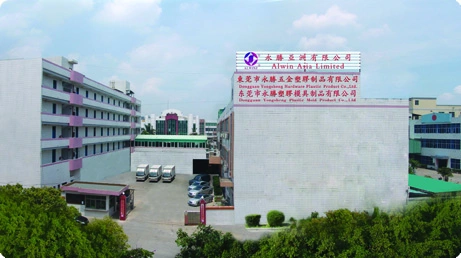
Professional injection mold, die casting mold, plastic products OEM manufacturer