Precision Plastic Components for Consumer Electronics
Precision plastic products are what hold modern consumer gadgets together and turn new ideas into devices that work and are reliable. The plastic product industry makes important parts like safe housings and complicated internal connections. These parts are made using special shaping methods. With these parts, a lot of smartphones, wearable tech, tablets, and smart home products can be made while still meeting strict quality standards and tight limits for size. Our knowledge of advanced manufacturing processes and making custom plastic molds guarantees that procurement managers get parts that are both cost-effective and high-quality.
Understanding Precision Plastic Components in Consumer Electronics
Customers who buy consumer gadgets need parts that work consistently and meet strict size requirements. Precision plastic parts are now essential to the electronics industry, helping with everything from structural stability to basic functionality. Procurement experts can make better strategic buying choices when they know about the products, how they are made, and how well they work.
Essential Applications and Material Selection
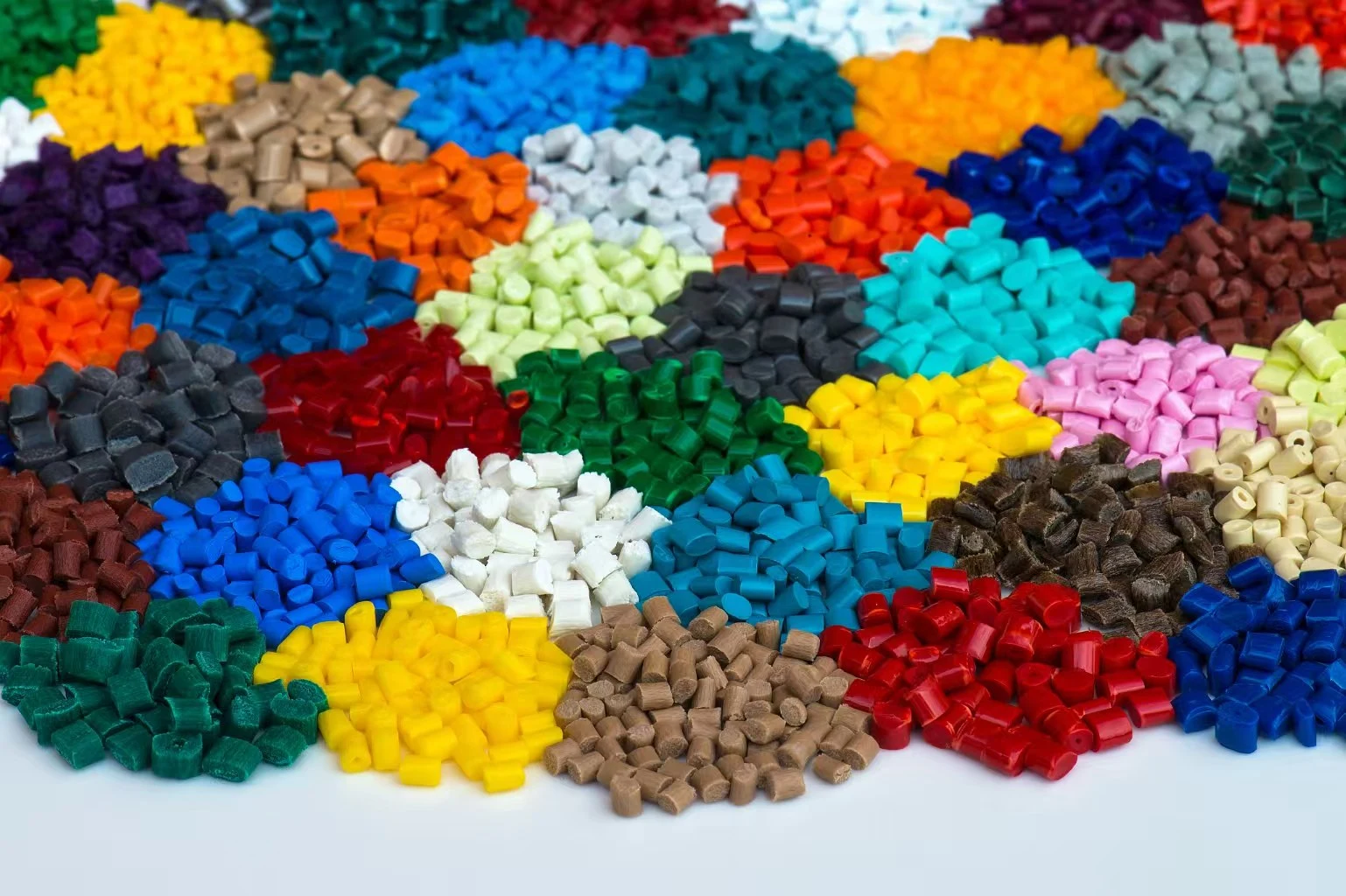
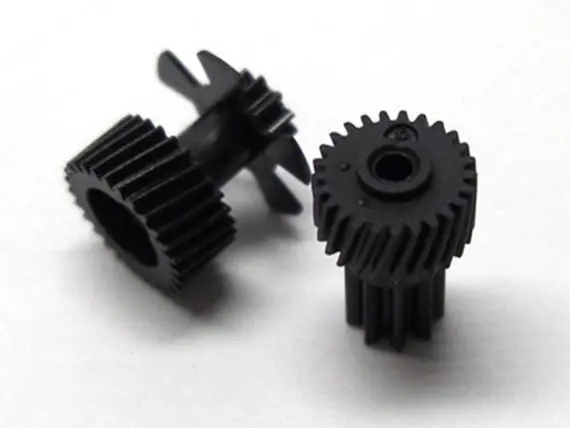
Precision-molded plastic parts are used a lot in the building of electronic products. Housings keep sensitive electronics safe from the outside world and add to their beauty. When the parts are being used or shipped, internal brackets keep them in place. Connectors make sure that there are safe ways for electricity to flow between parts. Materials need to have certain qualities that are specific to their use. Material science is an important part of how well parts work. ABS plastic is great at resisting impacts and having a smooth surface, so it can be used for outside cases and obvious parts of structures. Polycarbonate is great for protection plates and display frames because it is very good at resisting heat and light. POM is great for precision joints and moving parts because it is very stable in terms of size and has low friction. When we choose materials, we look at their long-term longevity, temperature tolerance, mechanical strength, and ability to keep electrical currents from flowing. This helps us match the needs of each component with the best glue formulations.
Manufacturing Processes and Precision Standards
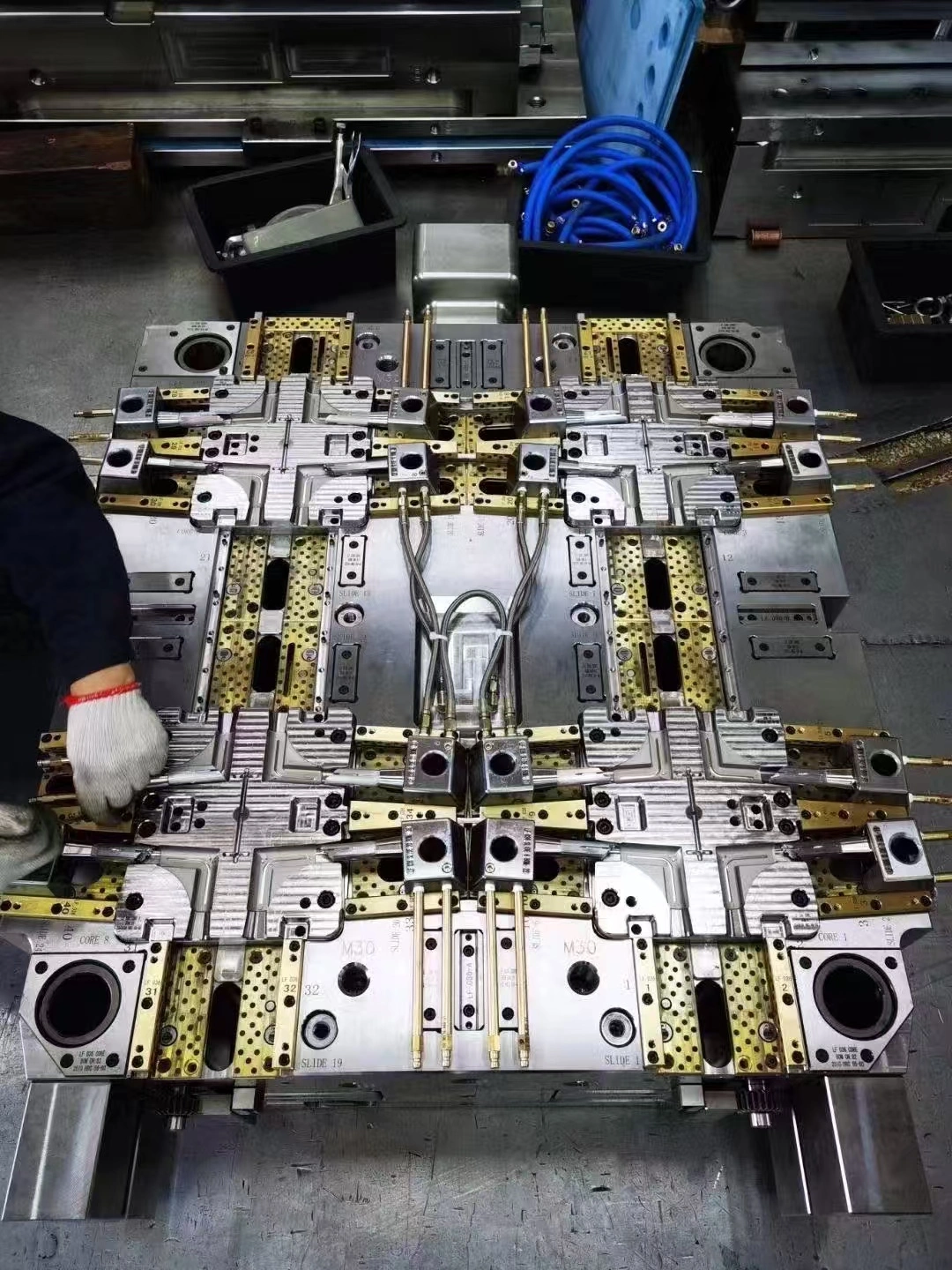
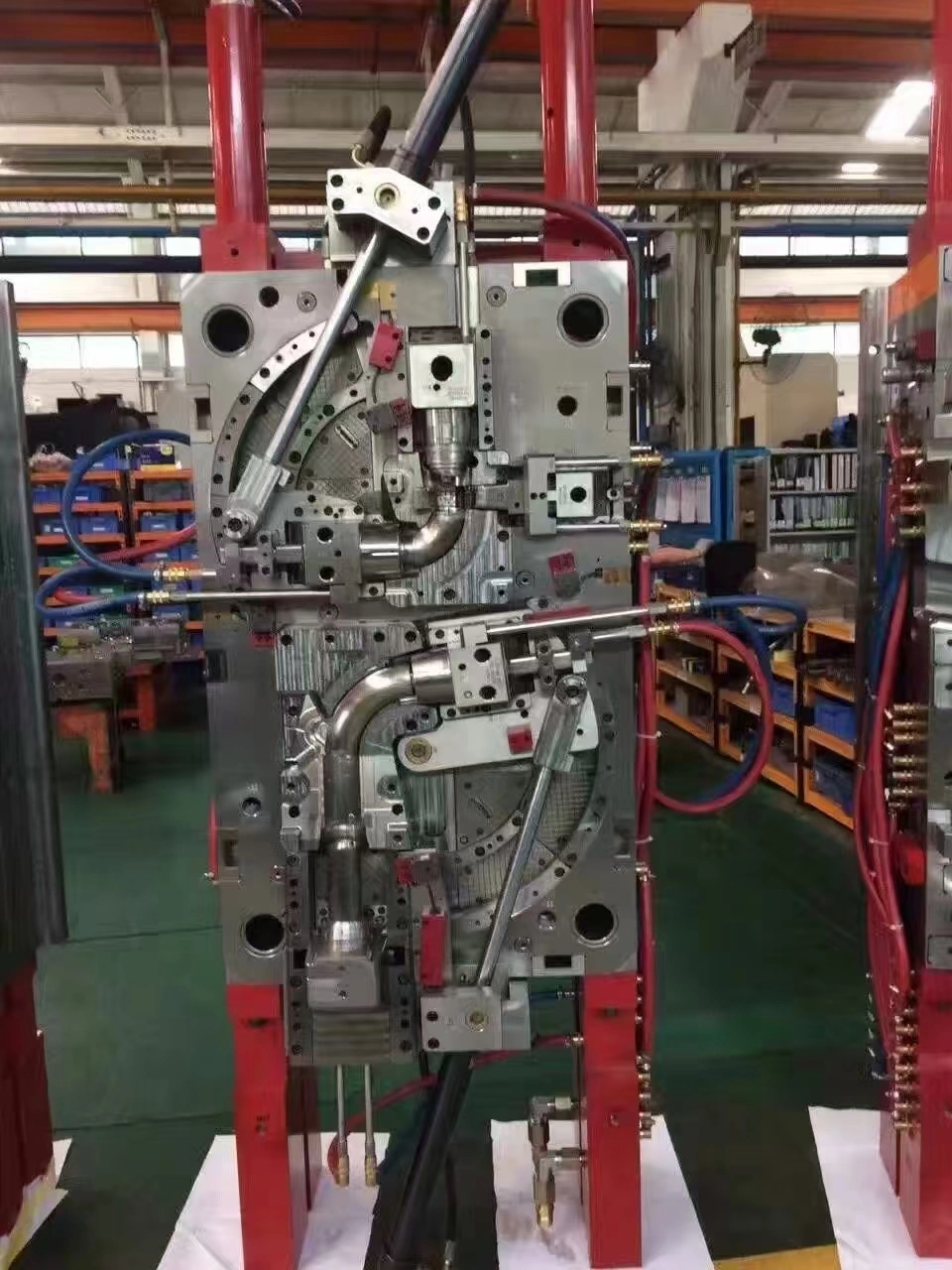
To make a lot of things, you need complex tools and process control. Our manufacturing process is built around both moving and fixed molds that are connected to systems that pour material, control temperature, and remove parts. This base allows for different molding methods that are tailored to different part shapes and production volumes. Injection molding is still the most common way to make large quantities of plastic products, as it forces molten resin into precisely machined holes while controlling the temperature and pressure. Compression molding works well with thermosetting materials and bigger building parts. Extrusion makes shapes that are continuous, which are used for trim pieces and structural channels. Vacuum molding makes cheap parts with thin walls, while blow molding makes hollow parts. High-foaming polystyrene shaping makes structural parts that are light. Each process has its own benefits when it comes to accuracy in measurements, surface finish, and production speed. We keep limits on key measures within ±0.05mm by closely watching the processes and using high-tech quality control systems. Temperature control systems keep things from warping and putting stress on the inside. Multi-cavity tooling increases output while keeping accuracy from part to part. CNC cutting is used in addition to casting to make parts with very tight tolerances or complicated shapes.
Balancing Benefits and Considerations
Precision plastic parts have strong benefits that have sped up their broad use in the electronics industry. Losing weight makes something easier to carry without affecting its basic stability. Competitive price for consumer electronics depends on how cost-effective they are. Flexible design lets you make complicated shapes that would not be possible with standard materials. Circuits and people who use them are both protected by electrical protection. Chemical protection makes things last longer in a variety of settings. When developing specifications, procurement workers must also think about possible limits. Some plastics aren't as strong as metal options, so they need to be designed differently for high-stress situations. Temperature sensitivity could make it hard to use in places with a lot of heat. Concerns about the environment caused by plastic trash are driving up the demand for long-lasting options. We deal with these problems by coming up with new materials, improving designs, and creating recycling partnerships that have the least possible effect on the environment while still meeting performance standards.
Key Criteria for Selecting Plastic Components for Electronics
Strategic component selection requires evaluating multiple factors beyond initial cost considerations. Performance characteristics, regulatory compliance, and customization capabilities collectively determine long-term value and supply chain reliability.
Material Properties and Performance Evaluation
Throughout the duration of a plastic product, the specs of each part must match the needs of operations. The load-bearing ability and shock resistance during use and handling are based on the mechanical strength. Heat resistance keeps things from deforming during building and when temperatures are very high or very low. Electrical shielding features keep people safe and protect circuits. Chemical resistance means that the material stays strong even when it comes into contact with cleaning products, makeup, or environmental pollutants. When you compare plastic options to metals and glass, you can see that they have different performance qualities. Metals have better strength-to-weight ratios in some situations, but plastics don't have to worry about galvanic rusting and are easier to make. Crystal clear vision is possible with glass, but it is fragile and heavy. Through comparison studies, our engineering team finds the best material options for each application by matching performance features with cost limits and the ability to make the material.
Environmental Compliance and Safety Certifications
Regulatory standards are changing the way materials are chosen and how things are made more and more. RoHS approval limits the use of dangerous materials in electrical equipment and requires formulas that are free of lead and mercury. In the European market, chemicals must be registered and evaluated in accordance with REACH. UL approval proves that safety standards for electricity are met. For device parts that come into contact with food or drinks, FDA approval is needed. We keep a lot of licensing paperwork for all of our materials and manufacturing methods. As rules change, regular testing makes sure that ongoing compliance is still being met. Our quality management system, which is approved to ISO9001:2015 standards, makes sure that safety and environmental rules are always followed. This promise keeps our partners safe from legal risks and helps companies reach their environmental goals.
Customization Capabilities and Design Integration
These days, making gadgets requires quick iterations and design improvements. CAD integration speeds up the process of going from an idea to a tool that is ready for production. Our engineering team works directly with product makers to look over 3D models and find problems that might come up during production, before the mold is made. This proactive method cuts down on expensive changes and speeds up the time it takes to get a product to market. Rapid prototyping tests ideas to make sure they work before investing in production tools. We offer 3D printing to test the original idea and then soft tools for small-batch proof runs. This step-by-step method lets you improve the plan based on how well the real parts work, which lowers the risk of development. Our one-stop service model takes away the need for cooperation by taking care of the whole process, from the initial design input to final output and secondary processing.
Navigating the Procurement Process for Precision Plastic Components
Successful procurement extends beyond identifying capable suppliers to building partnerships that deliver consistent value across multiple product generations. Strategic evaluation criteria and clear communication establish foundations for long-term collaboration.
Identifying Reliable Manufacturing Partners
The first step in qualifying a supplier is to check their basic skills and abilities. The ability to adapt to changes in demand without affecting supply times is based on production capacity. Location affects transportation prices, wait times, and how well people can talk to each other. A certification portfolio shows that you are dedicated to quality management and following the rules. Industry experience means that a company knows how to meet the needs of a specific application and deal with any problems that might come up. Dongguan Yongsheng Hardware Plastic Product Co., Ltd. has over 30 years of experience making accurate molds and plastic parts. In Chang'an Town, which is known as the "Town of Molds," we have production facilities that cover 6,000 square meters and hire more than 300 skilled workers. Our closeness to the airports in Shenzhen makes foreign operations easier, and our factories are only 50 minutes away from major transportation hubs. As a board member of the Dongguan City Hardware Machinery Mould Industry Association, we help the industry grow and keep in touch with other companies that make things that support what we do.
Understanding Order Workflows and Timing Parameters
When planning purchases, it's important to have clear ideas about lead times and order numbers. Making a mold usually takes 25 to 35 days, but this depends on how complicated it is and how many cavities it has. After mold confirmation and sample approval, production runs begin. Lead times for standard tools are between 15 and 25 days, but they can be longer or shorter depending on the number of orders and the complexity of the plastic product. Priority ordering and specialized production lines make it possible for rush services to meet pressing needs. Minimum order numbers keep inventory management and machine costs in check. Larger production runs are possible with complex multi-cavity molds, but smaller batch numbers are possible with simpler shapes. We work together with buying teams to make sure that orders are set up in a way that saves money and doesn't overstock. Our method is open enough to work for growing companies that are moving from small trial runs to large-scale mass production.
Cost Optimization Strategies and Contract Negotiation
To get good numbers, you need to know more about cost sources than just the per-unit price. Investing in tools is a high cost up front, but it pays for itself over time as more of them are made. The choice of material affects both the cost and function of a component. Adding value through secondary processes like printing, assembly, or surface treatment makes things more complicated. Logistics and packing add to the landing costs. We help partners meet their cost goals in a number of ways. When you commit to buying in bulk, you can get savings and specialized production capacity. Long-term deals keep prices stable and protect supplies. Design optimization cuts down on the amount of material used and the time it takes to make something, without affecting how it works. Our team gives clear breakdowns of costs and looks for ways to value engineer that keep quality standards high while making the business more profitable. Competitive manufacturing prices, effective transportation networks, and working together to solve problems give buying teams long-term cost benefits.
Innovations and Trends in Plastic Components for Consumer Electronics
The electronics industry continues evolving rapidly, driven by consumer expectations, regulatory pressures, and technological advancement. Staying informed about emerging trends helps procurement professionals make forward-looking decisions that extend product relevance and competitiveness.
Sustainable Materials and Environmental Responsibility
Environmental awareness is having a bigger effect on the choices we make about materials and how they are made. Biodegradable plastics made from natural resources are better for the environment because they break down in the right conditions instead of staying around forever. Recycled plastics use trash lines from businesses or consumers, which cuts down on the need for new materials. Bio-based products use plant-based materials instead of petroleum feedstocks, which lowers carbon footprints. We are constantly researching long-lasting options that meet performance standards and address environmental issues. Our materials science team tests new plastic mixtures to see how well they work mechanically, how easy they are to work with, and how much they cost. By working together with material providers, you can get approved environmentally friendly options that meet high standards of quality. Because of this promise, our partners will be able to react quickly to government rules and customer tastes that favor environmentally friendly goods.
Advanced Manufacturing Technologies and Quality Systems
Automation changes how well and consistently things are made. Robotic part handling gets rid of the risk of pollution while keeping the exact time of the cycle. Automated screening systems can find differences in dimensions and surface flaws that people can't see. Smart production tracking keeps an eye on process factors in real time and makes changes right away if they start to deviate. These technologies work together to raise yield rates, lower waste, and make sure that quality is the same from one production run to the next. We are always investing in industrial technology that makes our products more capable and dependable. Material handling is done automatically in our factories, so workers don't have to touch or handle things that could be contaminated. Instead of taking samples from a large group, in-line measurement tools check important measures while the product is being made. Statistical process control finds patterns before they lead to parts that don't meet standards. These systems work together to give electronics applications the quality and dependability they need.
Market Dynamics and Strategic Considerations
Global regulations are getting stricter all the time, putting more limits on dangerous chemicals and making recycling more of a must. Consumer goods companies are under more and more pressure to show that they care about the earth throughout their supply lines. As innovation speeds up, product lifecycles get shorter, which means that manufacturing partners need to be able to make quick changes to designs. As market saturation rises in mature product categories, price competition gets tougher. Because of these changes, buying strategies need to balance many goals at once. Supplier partnerships must be able to offer reasonable prices without lowering quality or not following the rules. Flexible manufacturing lets companies respond quickly to changes in design and changes in demand. Geographic variety lowers the risk of supply chain disruptions. Our method is based on being flexible and working together. We help our partners' product development teams deal with problems in the market.
Yongsheng: Your Trusted Partner for Precision Plastic Manufacturing
Selecting the right manufacturing partner fundamentally impacts product quality, development timelines, and long-term competitiveness. Our comprehensive capabilities and customer-focused approach deliver value throughout the product lifecycle.
Expertise and Manufacturing Excellence
Every part of our business is based on 30 years of expert knowledge. We know how hard it is to make household products because they have to meet strict standards, look good, and follow all the rules. Our engineering team is very good at designing molds, choosing materials, and making processes run more smoothly. They use this knowledge to help partners solve technical problems and reach high-performance goals. We can use all kinds of plastic manufacturing technologies for production. Injection molding lines can make everything from small, precise joints to big, heavy structure housings. Our die-casting skills allow us to offer metal parts for uses that need better heat absorption or electromagnetic protection. Ultrasonic welding, pad printing, and assembly services are all examples of secondary processing activities that offer full solutions and make the supply chain less complicated.
Quality Assurance and Intellectual Property Protection
From the quote stage to the final delivery, our business is run by quality management systems that are approved to ISO9001:2015 standards. Before production starts, the resin specs are checked by inspecting incoming materials. In-process tracking keeps the grade of the measurements and the way they look. Before packing, a final check makes sure that the product meets all the requirements. Documentation systems make it possible to fully track things for legal compliance and failure analysis when needed. We know that our partners' intellectual property gives them a big edge in the market. Proprietary plans, specs, and business information are kept safe by strict secrecy rules. Non-disclosure agreements make these promises official. Physical and digital security steps keep private data from getting into the wrong hands. Our image depends on keeping our partners' trust, so protecting IP is one of the most important things we do.
Flexible Service Model and Global Logistics Support
Our service method changes based on the needs of each customer at different stages of growth and output numbers. Flexible minimum order amounts let you test prototypes and bring out new plastic products without having to buy too much inventory. Scalable production capacity helps with growth from the first start to making a lot of products. Collaboration between engineers helps improve designs, choose materials, and come up with new ways to make things. Geographical benefits make foreign operations run more smoothly. Being close to important airports and shipping ports speeds up delivery to places around the world. Our transportation team handles freight handling, customs paperwork, and delivery schedules, which makes it easier for foreign customers to buy goods. This all-around help makes buying easier and makes sure that deliveries happen on time.
Conclusion
Precision plastic products are the building blocks of modern consumer gadgets. They provide the speed, quality, and low cost that markets need to stay competitive. To do strategic buying, you need to know about the qualities of materials, how they are made, government rules, and new trends in the business. Partnerships that work well combine academic know-how with practical efficiency, a dedication to quality, and working together to solve problems. With over 30 years of specialized experience, a wide range of production capabilities, and a service model that focuses on the customer, Yongsheng is the perfect partner for procurement managers and product creators who are looking for reliable, cutting-edge solutions. Our ISO-certified quality systems, IP protection methods, and central position make it easy for us to join global supply chains and provide great value throughout the lifespan of a product.
FAQ
What advantages do plastic components offer compared to metal alternatives in electronics applications?
Plastic components provide several distinct benefits, including significant weight reduction that enhances portability, excellent electrical insulation properties protecting circuits and users, design flexibility enabling complex geometries and integrated features, corrosion resistance extending service life, and cost-effective manufacturing through efficient molding processes. While metals excel in applications requiring maximum strength or heat dissipation, plastics deliver optimal solutions for the majority of consumer electronics components where these characteristics align with functional requirements.
How can procurement teams verify supplier quality certifications and manufacturing capabilities?
Effective supplier verification involves requesting certification documentation such as ISO9001:2015 quality management systems, RoHS and REACH compliance certificates, and industry-specific approvals. Facility audits provide direct observation of production equipment, quality control systems, and operational practices. Sample evaluation validates dimensional accuracy, material specifications, and surface finish quality. Reference checks with existing customers offer insights into delivery performance, communication effectiveness, and problem-solving capabilities. We welcome facility visits and provide complete transparency regarding our certifications, processes, and capabilities.
Are environmentally friendly plastic alternatives available without compromising component performance?
Sustainable material options continue expanding as resin technology advances. Recycled plastics incorporate post-consumer or post-industrial content while maintaining mechanical properties suitable for many applications. Bio-based resins derived from renewable resources reduce petroleum dependency and carbon footprints. Biodegradable formulations offer end-of-life advantages in appropriate disposal environments. Our material science team evaluates these alternatives against specific application requirements, identifying sustainable options that meet performance specifications while supporting environmental objectives. We provide detailed technical data and application guidance to facilitate informed material selection decisions.
Partner with Yongsheng for Superior Plastic Product Manufacturing
Yongsheng delivers comprehensive precision plastic component solutions tailored to the demanding requirements of consumer electronics manufacturing. Our three decades of specialized expertise, advanced production capabilities, and commitment to quality excellence position us as your ideal plastic product supplier. We offer complete one-stop services from initial design consultation through mold fabrication, mass production, and secondary processing, all supported by ISO9001:2015 certification and rigorous IP protection protocols. Contact our team today at sales@alwinasia.com to discuss your specific component requirements and discover how our cost-effective manufacturing solutions, flexible MOQ policies, and on-time delivery performance can strengthen your supply chain. Request detailed quotations or arrange a facility visit to experience our capabilities directly and begin building a partnership focused on your success.
References
1. Rosato, D. V., & Rosato, M. G. (2012). Injection Molding Handbook (3rd Edition). Springer Science & Business Media.
2. Strong, A. B. (2008). Plastics: Materials and Processing (3rd Edition). Pearson Prentice Hall.
3. Goodship, V. (2017). Practical Guide to Injection Moulding (2nd Edition). Smithers Rapra Technology.
4. Crawford, R. J., & Throne, J. L. (2002). Rotational Molding Technology. William Andrew Publishing.
5. Malloy, R. A. (2011). Plastic Part Design for Injection Molding: An Introduction (2nd Edition). Hanser Publications.
6. Bryce, D. M. (1996). Plastic Injection Molding: Manufacturing Process Fundamentals. Society of Manufacturing Engineers.

We can provide a one-stop service, including design and development, mold fabrication, production, product processing, etc.

Professional injection mold, die casting mold, plastic products OEM manufacturer