Turnkey Thermoplastic Molding from Prototype to Production
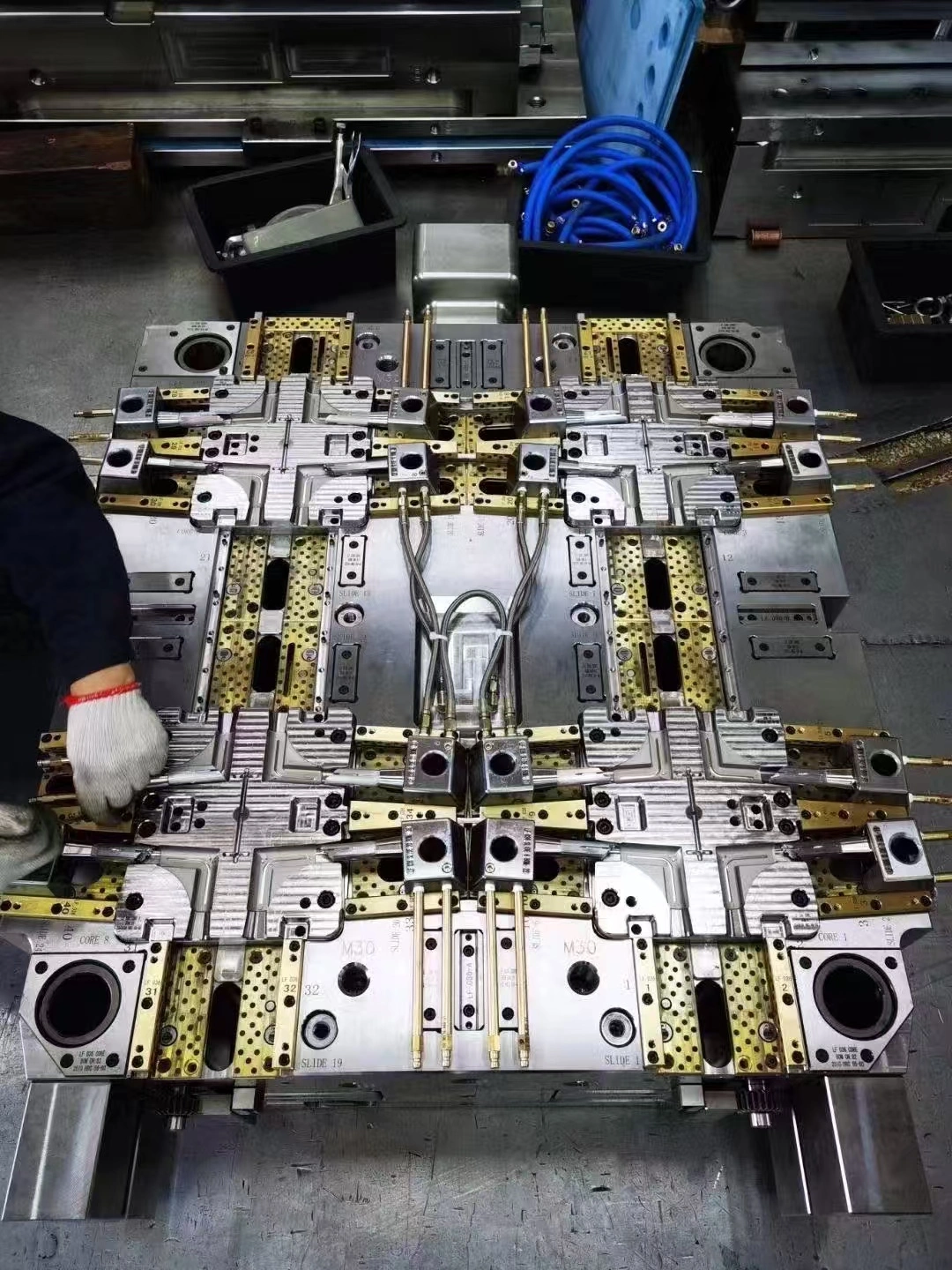
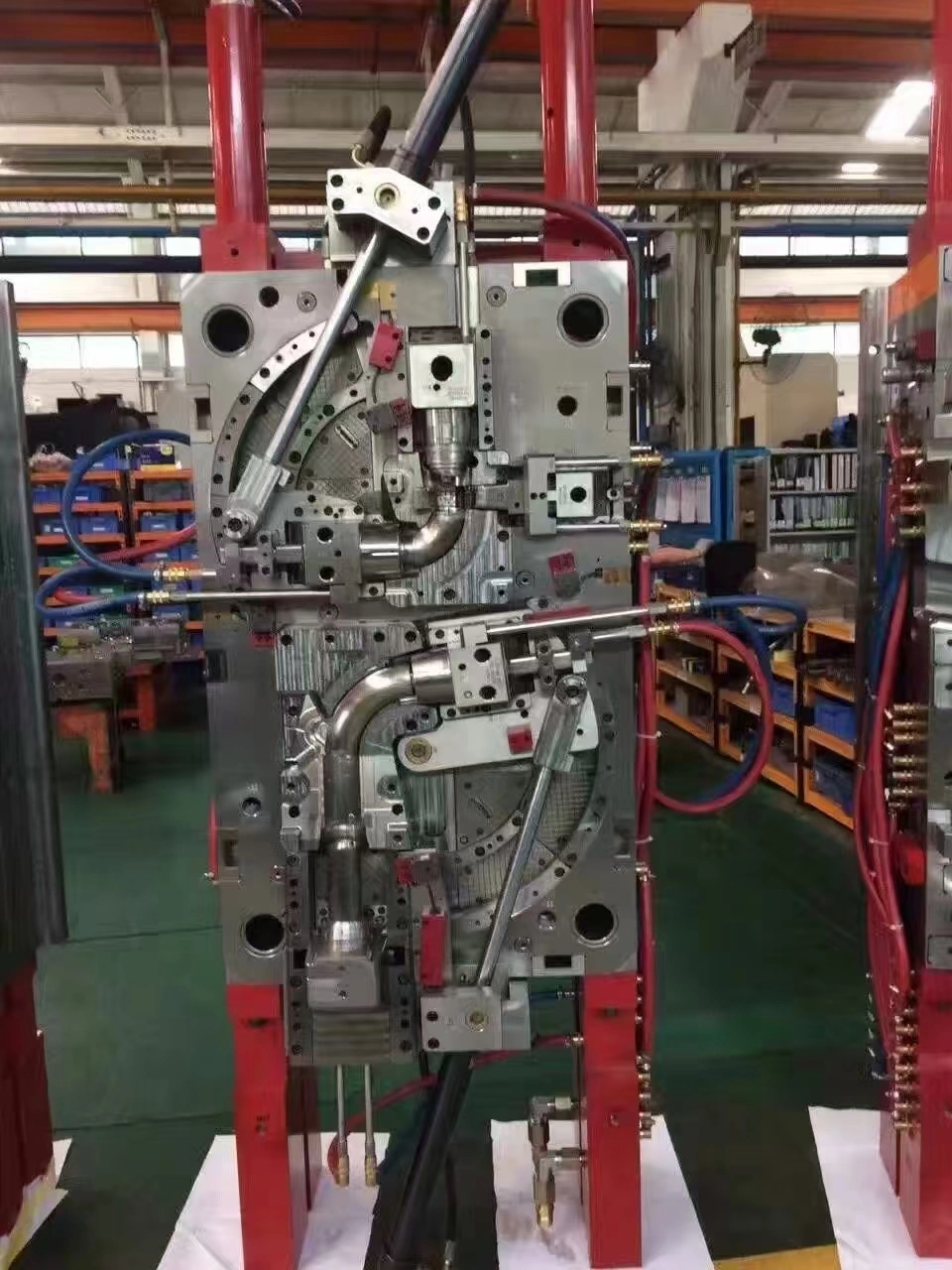
Turnkey thermoplastic molding represents a comprehensive manufacturing approach that bridges the gap between initial concept and full-scale production. This integrated service encompasses every stage of the manufacturing process, from design consultation and prototyping to tooling fabrication and mass production. Unlike traditional manufacturing approaches that require coordination between multiple vendors, thermoplastic molding turnkey solutions streamline operations by consolidating all services under one roof, ensuring seamless communication, consistent quality standards, and accelerated time-to-market for businesses across electronics, automotive, and consumer goods industries.
Understanding Thermoplastic Molding: From Basics to Materials
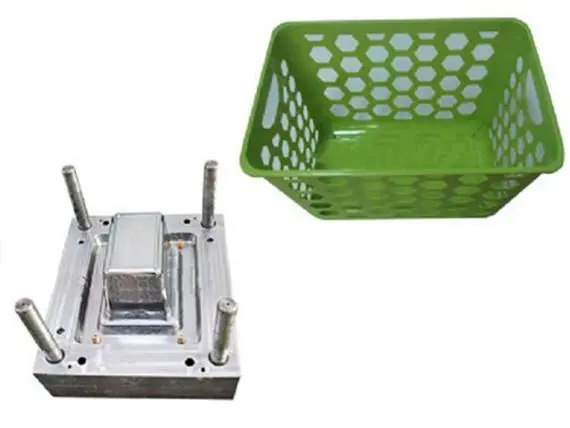
Understanding the basic ideas behind thermoplastic molding methods is the key to making things that work well. To make something with this method, you heat thermoplastics until they melt, shape them in precise molds, and then let them cool down slowly until they reach the desired shape you want.
Core Process Steps and Temperature Control
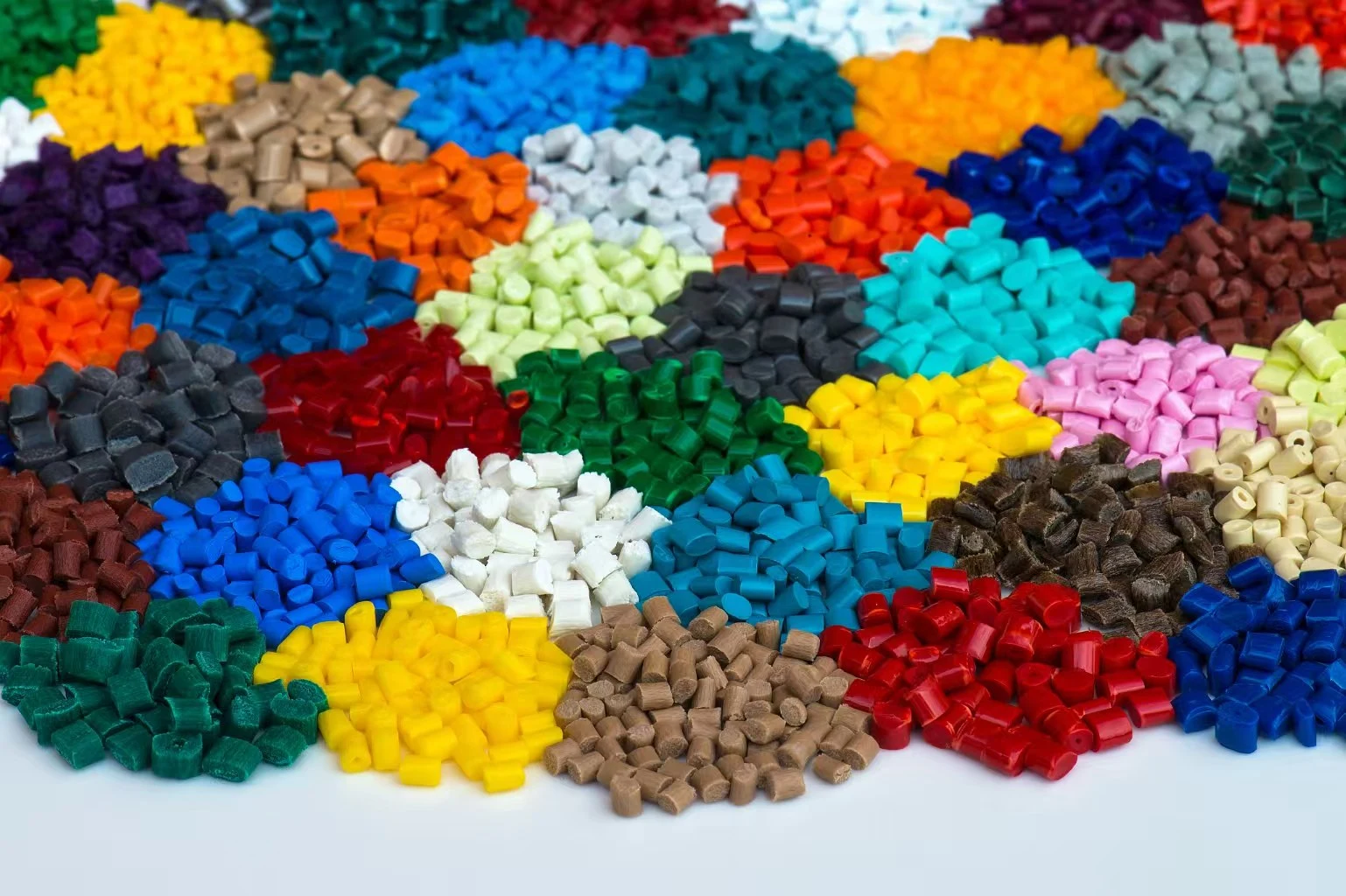
To start the thermoplastic molding process, the material is prepared by heating polymer pellets to specific temperatures, which can be anywhere from 180°C to 350°C. The melted plastic is then pushed or shaped into molds while the pressure is carefully controlled. It is during the cooling phase that the material hardens while still keeping the shape of the mold. The cycle ends with the release stage, which sends finished parts to the next step or to be put together. Controlling the temperature is still very important during all of these stages. Processing temperatures for ABS materials should be between 220°C and 260°C, while temperatures for polypropylene should be between 180°C and 220°C for the best results. Polycarbonate needs higher temperatures, around 280–320°C, because it is very strong and clear. Cycle times are directly affected by these exact temperature needs. Typical injection molding processes last between 30 seconds and several minutes for complicated shapes.
Material Selection and Properties
Understanding the properties of a material helps you make smart choices during the planning process. ABS is great for making computer casings and car trim parts because it is very resistant to impact and doesn't change shape easily. Polypropylene is very good at resisting chemicals and wearing down over time, which makes it useful for market goods and packing. Polycarbonate works great in places where it needs to be clear and works well at high temperatures, like in medical devices and car lighting systems. Different materials shrink at different rates, ranging from 0.4% to 0.7% for ABS to 0.6% to 0.9% for polypropylene. This means that when designing a mold, it needs to be carefully thought out in order to keep tolerances close.
Comparing Thermoplastic Molding Methods for Optimal Production Choices
Picking the right casting method has a direct effect on how quickly, cheaply, and well the parts are made. Each method has its own benefits that make it better for certain tasks and output levels.
Injection Molding vs. Alternative Methods
Injection molding is the most common way to make large amounts of something because it is very repeatable and cheap when done in large quantities. For simple shapes, this method can get cycle times as low as 15 to 30 seconds while keeping margins within ±0.1mm. Production rates can hit thousands of parts per day, with thermoplastic molding, which makes it perfect for making electronics and car parts. Compression molding is better for making bigger parts with thicker cross-sections, especially from thermoset materials that need more time to cure. Cycle times are longer, usually between 2 and 5 minutes, but the lower cost of the tools makes it a good choice for medium-volume production runs. Blow molding is great for making hollow parts like bottles and containers because it lets you control the thickness of the walls and how the material is distributed.
Thermoplastic vs. Thermoset Considerations
The difference between thermoplastic and thermoset materials affects both the method that can be used and the type of application that can be used. Because thermoplastics can be heated up and changed many times, they can be recycled and used again. This trait helps during testing stages, when design changes happen often. When thermoset materials cure, they go through permanent chemical changes that make cross-linked molecule structures that make them more resistant to chemicals and heat. While thermosets are great for high-temperature uses and electrical insulation, thermoplastics are better for quick development and high-volume production because they allow for more design freedom and faster processing times.
Industry-Specific Requirements
Materials used in cars need to be able to handle high and low temperatures, UV light, and motor stress. These needs can be met by kinds of polycarbonate and strengthened nylon that keep their shape. To make medical devices, you need to use safe materials like medical-grade polypropylene and PEEK, and you have to follow strict rules for quality control and tracking. When making electronics, materials that are good at conducting electricity and preventing fire are given the most attention. UL-rated ABS and polycarbonate materials provide the necessary safety standards while allowing for the complicated shapes needed for modern computer enclosures.
Overcoming Challenges in Thermoplastic Molding: From Defects to Design Guidelines
In thermoplastic molding, quality control means finding and stopping common flaws before they happen, which can affect how well the part works and how it looks.
Common Defect Prevention Strategies
Most of the time, uneven cooling or leftover stress in the part causes it to warp. Some ways to stop this from happening are to put gates in the best places, keep the thickness of the walls regular, and use controlled cooling processes. Sink lines show up on the surface when thick parts cool more slowly than the rest of the surface. Design changes, like coring thick parts and placing ribs in a smart way, successfully reduce this flaw. Voids form when air gets stuck, or there isn't enough air flow during the shaping process. This problem can be avoided by making sure the mold has enough venting holes and that the injection settings are set correctly. Flash, which is shown by extra material along the splitting lines, means that the injection pressure was too high or that the mold surfaces are worn and need to be fixed.
Design for Manufacturability Guidelines
A good part design combines the needs of the purpose with the limitations of the manufacturing process. As much as possible, the thickness of the walls should stay the same. For most plastic materials, the suggested thickness range is between 1 and 4 mm. Draft angles between 0.5 and 2 degrees make it easier to remove parts and keep molds working longer. Undercuts and complicated shapes make tools more difficult to use and cycle times longer. When it's impossible to avoid it, side-action devices or multiple-shot molding can be used to keep the part's structure. Standard ratios should be used for rib design, and the thickness of the ribs should be between 60 and 80% of the normal wall thickness to avoid sink marks.
Cycle Time Optimization
Cutting down on cycle times in thermoplastic molding has a direct effect on both shipping times and production costs. The shape of the cooling channels is optimized to get rid of heat quickly while keeping the quality of the part. Using 3D-printed mold pieces for conformal cooling can cut down on cooling times by 20 to 40 percent compared to regular straight-drilled channels. The choice of material has a big effect on run times. Fast-cycling materials, such as modified polypropylene types, allow molds be made more quickly while still keeping their mechanical qualities. Optimizing process parameters, such as injection speed profiles and packing pressure sequences, improves cycle efficiency without lowering the quality of the parts.
Navigating the Procurement Process: Finding Trusted Thermoplastic Molding Partners
For procurement to go smoothly, possible manufacturing partners must be carefully assessed using a number of factors that have an immediate effect on the success of the project and the long-term viability of the relationship.
Technical Capability Assessment
To figure out a supplier's expert skills, you should first look at their tools and technology infrastructure. Modern injection molding tools with advanced process control systems make sure that the quality of the parts is always the same and that production cycles run smoothly. Mold-making tools, such as high-speed machining centers and EDM machines, show that the provider can make complicated tools with tight standards. Quality management systems show how reliable a provider is and how consistent the process is. Getting ISO 9001:2015 certification shows that you follow the rules of quality management, while getting industry-specific certifications like ISO/TS 16949 for cars or ISO 13485 for medical products shows that you have specific knowledge.
Supplier Reliability and Capacity Evaluation
When figuring out production capacity, you have to look at both what you can do now and how much you could grow. Suppliers should show that their machines have enough space to handle the expected volume needs while keeping wait times manageable. Having backup machinery available guarantees that operations don't stop during maintenance times or sudden increases in demand. Logistics prices and supply chain stability are both affected by where things are located. When making a lot of something, Asian manufacturers often offer lower prices, while local suppliers can cut down on shipping times and make contact easier. Combining two or more buying methods can help lower costs while also reducing risks in the supply chain.
Cost Structure and Lead Time Analysis
By understanding how prices are set, you can accurately compare the costs of different providers. Tooling costs usually make up 60–80% of the initial investment in a project, while piece prices show how much it costs to keep making the product. Piece prices are affected by volume break points in a big way. At 10,000, 50,000, and 100,000 pieces, prices often drop by a lot. Parts of the lead time are validating the design, making the tools, samples, and planning the production schedule. Lead times for tools are usually between 4 and 8 weeks for easy models and 12 to 16 weeks for complex multi-cavity tools. Wait times for production vary depending on the amount needed and how much capacity the seller is using. For standard quantities, wait times are usually between 2 and 6 weeks.
Why Choose Turnkey Thermoplastic Molding Solutions?
Turnkey solutions bring together the whole manufacturing process under one management. This is very helpful for buying teams that want to simplify operations, thermoplastic molding, and make projects less complicated.
Comprehensive Service Integration
Turnkey providers take care of the whole manufacturing process, from coming up with the idea to putting it all together and packing it. This integration gets rid of the problems that come up when you have to coordinate with multiple providers and makes sure that communication stays uniform throughout the project. With design advice services, part geometry is optimized so that it can be manufactured while still meeting useful requirements. Besides basic casting services, secondary processes like machining, welding, printing, and assembly are also part of the combination. This all-around method cuts down on the costs of handling and shipping while keeping quality control high at all steps of production.
Quality Assurance and Process Control
When you have a unified quality control system, the standards are the same at every stage of the manufacturing process. Implementations of statistical process control keep an eye on important factors in real time, so when they change, they can be fixed right away. Full paperwork packages meet the needs for tracking and make it easier to keep improving quality. Coordinate measuring machines and automatic visual inspection systems are two types of advanced inspection tools that check the accuracy of measurements and the quality of the surface. Companies that have to meet strict standards, like those that make medical devices and cars, can gain the most from these quality control methods.
Supply Chain Simplification
Single-point responsibility gets rid of the hassle of handling relationships with multiple suppliers and cuts down on the cost of administration. Combined bills and contact makes the buying process easier, so you can focus on your main business tasks instead of coordinating with vendors. Unified responsibility arrangements, in which one provider is responsible for the whole project, are better at reducing risk. This setup makes it easier to solve problems and lowers the chance of disagreements between many people that could slow down the project's finish.
Emerging Technology Integration
Industry 4.0 technologies, such as IoT devices, predictive repair systems, thermoplastic molding, and data analytics platforms, are used by modern turnkey providers. These technologies let you see what's happening in production in real time and find problems before they affect delivery times. Digital production integration helps make quick prototypes with 3D printing, which speeds up the process of validating designs. These features are especially helpful for development projects that need to go through several design changes before investing in production tools.
Conclusion
Businesses looking for reliable and efficient manufacturing partners can benefit greatly from turnkey thermoplastic molding options. When design, tools, production, and quality control are all managed by the same person, it makes it easier to coordinate work and makes sure that results are always the same throughout the span of a project. Procurement experts can make choices that are best for both cost and performance when they know about the qualities of materials, the abilities of processes, and the criteria used to evaluate suppliers. As digital integration and process automation continue to improve production technologies, turnkey providers provide the knowledge and infrastructure needed to make the most of these new developments, giving businesses an edge in markets that are becoming more competitive.
FAQ
1. What lead times should I expect for custom thermoplastic molding orders?
Lead times are very different depending on how complicated the job is and what tools are needed. Making simple single-cavity molds can take between 4 and 6 weeks, while making complicated multi-cavity tools could take between 8 and 12 weeks. Standard quantities up to 50,000 pieces can be made in two to four weeks. Rush orders may be possible at a higher cost, and based on the supplier's ability and the project's requirements, lead times could be cut by 20 to 30 percent.
2. How do I select the most suitable thermoplastic material for my application?
Choosing the right material relies on its performance needs, such as its mechanical strength, ability to withstand high temperatures, and how it will be exposed to the environment. ABS is very good at resisting impacts and keeping its shape in most situations. Polypropylene is better at withstanding chemicals and wear and tear. For tough jobs, polycarbonate is the best choice because it is very strong and clear. When making important choices, think about things like the working temperature range, the stress requirements, and the need to follow the rules.
3. Can turnkey thermoplastic molding services handle both prototyping and mass production?
Yes, full-service package providers make the process of going from testing to mass production very smooth. Rapid prototyping technologies, such as 3D printing or soft casting, may be used for the first samples to test the design. Once the plans are finished, work starts on making the production tools. This makes it easy to move to high-volume production. This unified method keeps the design consistent while making the most of the processes for each stage of production.
Partner with Yongsheng for Superior Thermoplastic Molding Solutions
Yongsheng delivers comprehensive turnkey thermoplastic molding services backed by over 20 years of manufacturing excellence and ISO 9001:2015 certification. Our integrated approach encompasses design consultation, precision tooling fabrication, thermoplastic molding, and high-volume production capabilities, ensuring seamless project execution from prototype development through mass production. As your trusted thermoplastic molding manufacturer, we provide cost-effective solutions, strict quality control, and reliable delivery schedules while maintaining complete IP protection for your valuable designs. Contact our experienced team at sales@alwinasia.com to discuss your specific requirements and discover how our proven expertise can accelerate your product development timeline while optimizing manufacturing costs.
References
1. Harper, Charles A. "Modern Plastics Handbook: Advanced Materials, Processing, and Applications." McGraw-Hill Professional, 2019.
2. Rees, Herbert. "Mold Engineering: Design and Application of Injection and Transfer Molds." Hanser Publications, 2018.
3. Kazmer, David O. "Injection Mold Design Engineering: Fundamentals of Process and Product Design." Carl Hanser Verlag, 2020.
4. Crawford, R.J. and Throne, James L. "Rotational Molding Technology: Thermoplastic Processing and Materials Science." William Andrew Publishing, 2017.
5. Goodship, Vaughan. "Practical Guide to Injection Molding: Materials, Processing, and Manufacturing." Smithers Rapra, 2019.
6. Singh, Bhawani. "Thermoplastic Materials: Properties, Manufacturing Methods, and Industrial Applications." CRC Press, 2021.

We can provide a one-stop service, including design and development, mold fabrication, production, product processing, etc.

Professional injection mold, die casting mold, plastic products OEM manufacturer