Reduce Material Waste with Advanced Blow Molding
Advanced blow molding technology is a completely new way to make plastic that is also environmentally friendly. It drastically cuts down on trash while keeping high product quality. Modern blow molding systems make the best use of polymer by using precise control systems, automatic cutting technologies, and smart tracking of the process. With these new technologies, producers can cut waste by up to 30% compared to old ways of doing things. Companies can make consistent, high-quality hollow plastic products for a wide range of industries, from automobiles to consumer goods, by using smart parison programming and real-time thickness tracking. This helps them avoid making too much extra material.
Understanding Material Waste in Blow Molding Processes
There are many places where material loss from traditional blow molding processes comes from, which hurts both profits and the environment. Extra parison material, flash creation during part removal, and rejected parts because of quality problems are the main things that create trash.
Sources of Material Waste in Traditional Blow Molding
Several things cause a lot of material to be lost in traditional blow molding methods. Parison waste happens when the extruded plastic tube has more material than is needed for the finished product. This extra polymer is cut off and thrown away. Flash waste forms around the sides of the part where the two halves of the mold meet, making thin plastic films that need to be taken off during the finishing process. Also, the process of starting up and stopping a machine creates a lot of waste as workers change the settings to get the best production conditions. Differences in temperature during processing can cause measurements to not match up correctly, which results in rejected parts that need to be recovered or thrown away. These problems are made worse by bad mold design, which causes uneven wall thickness distribution. This means that workers have to use extra material to meet minimum thickness standards across all product areas.
Types of Blow Molding and Their Efficiency Profiles
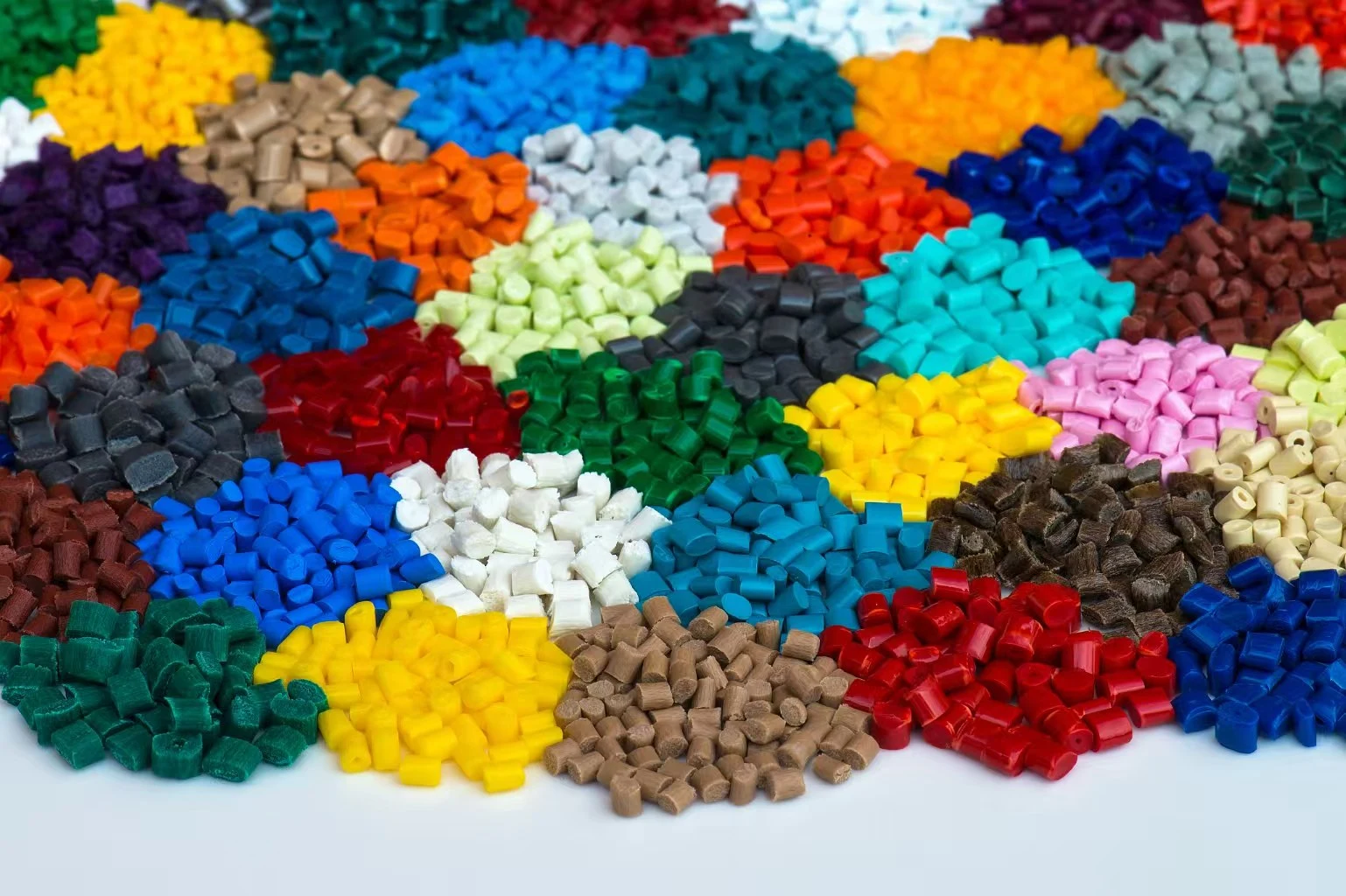
The three main types of blow molding each have their own unique ways of using materials. The most common way is extrusion blow molding, which melts polymer pellets into a continuous paste that fits into mold holes. Because of parison tails and trimming needs, this method usually creates 15–25% trash. By making precise preforms through injection molding and then expanding them into final shapes, injection blow molding is a better way to use materials. By getting rid of parison tails and flash creation, this method cuts waste to 5–10%. Stretch blow molding, which is mostly used for PET cases, makes the best use of materials by orienting them in two directions at the same time. This makes stronger products with thinner walls while producing very little trash.
Impact of Process Parameters on Material Usage
Precise control of working factors has a big effect on how much material is used and how much trash is made. Managing temperature has an impact on the viscosity and flow of polymers, which determines the consistency of the parison thickness and the quality of the end product. When temperature control isn't good enough, hot spots form that break down materials and cause more scrap. The choices for the pressure affect how the material is spread out inside the mold, which changes the uniformity of the wall thickness and the quality of the surface. The best pressure patterns make sure that the mold is fully filled without using too much material. Cycle time optimization finds a balance between how quickly and well something is made, which lowers the chance of making mistakes that waste materials.
Advanced Blow Molding Technologies That Reduce Material Waste
Most modern blow molding machines use advanced technologies to make output as efficient as possible while using as little material as possible. Through robotics, precise control, blow molding, and smart tracking systems, these new ideas deal with old sources of waste.
Precision Parison Control Systems
Advanced parison programming is one of the most important technologies used to cut down on waste in modern blow molding processes. Servo-controlled dies change the wall thickness in real time based on the shape of the result in these systems. With multi-layer parison heads, makers can only put expensive barrier materials where they're needed. This cuts down on total material costs while keeping product performance the same. Closed-loop thickness control constantly checks the measurements of the parallels and makes small changes to keep the best material distribution. With this technology, there is no longer a need for large safety gaps, which used to cause over-specification and loss of materials. Some techniques can accurately control the thickness to within ±2%, which uses a lot less material than traditional ways.
Automated Trimming and Recycling Technologies
Integrated trimming systems cut down on waste by precisely separating useful material from trash that can't be avoided. Robotic trimming units place cutting tools very precisely, which lowers the amount of good material that needs to be taken during flash removal. These systems collect material that has been cut down and get it ready to be recycled right away and used again in the production process. In-line granulation equipment quickly processes cut material, which keeps the quality of the polymer and lets it go back into the production stream. With hot trimming technologies, scrap material doesn't have to cool down, which saves heat energy and cuts down on total processing needs. With more advanced methods, more than 95% of clean process waste can be recycled.
Real-Time Monitoring and Quality Control
Intelligent tracking systems find process deviations before they lead to defective goods, so no loss is made. Thermal image cameras keep an eye on how temperatures are spread across parallel surfaces and let workers know when conditions exist that could lower the quality of the product. Ultrasonic thickness measurement gives constant input on the uniformity of wall thickness, which lets process changes be made right away. Statistical process control programs look at real-time production data to find patterns that could mean there are problems with the quality. These systems change the process settings automatically to keep things running at their best, which lowers the chance of making faulty parts. Machine learning lets you plan maintenance ahead of time, which stops unexpected downtime and the wasted time and money that comes with starting up again.
Optimizing the Blow Molding Process for Minimal Waste
To effectively reduce waste, all process factors that affect material use and final quality must be carefully optimized. This all-around method looks at how the equipment is set up, design factors, blow molding, and how it is operated, all of which affect how efficiently the material is used overall.
Process Parameter Optimization Strategies
Keeping track of the temperature is the key to making blow molding work well. Precise temperature control in the barrel makes sure that the polymer melts evenly and keeps its ideal thickness throughout the processing cycle. Multi-zone heating systems let you fine-tune temperature patterns that keep materials from breaking down too much while still letting them fully plasticize. Optimizing the cooling system cuts down on cycle times and stops heat stress that could damage the quality of the product. An effective cooling channel design makes sure that the temperature is the same across all of the mold's sides, which helps the material solidify evenly and keep its shape. New ways of cooling can cut cycle times by 20 to 30 percent while also making products better and using less energy . Pressure optimization means finding the right balance between injection pressure, blow pressure, and holding pressure so that the mold is fully filled without putting too much stress on the material. The right pressure patterns make sure that the material is spread out evenly and stop it from being over-packed, which can cause more material to be used and quality problems.
Design Considerations for Material Efficiency
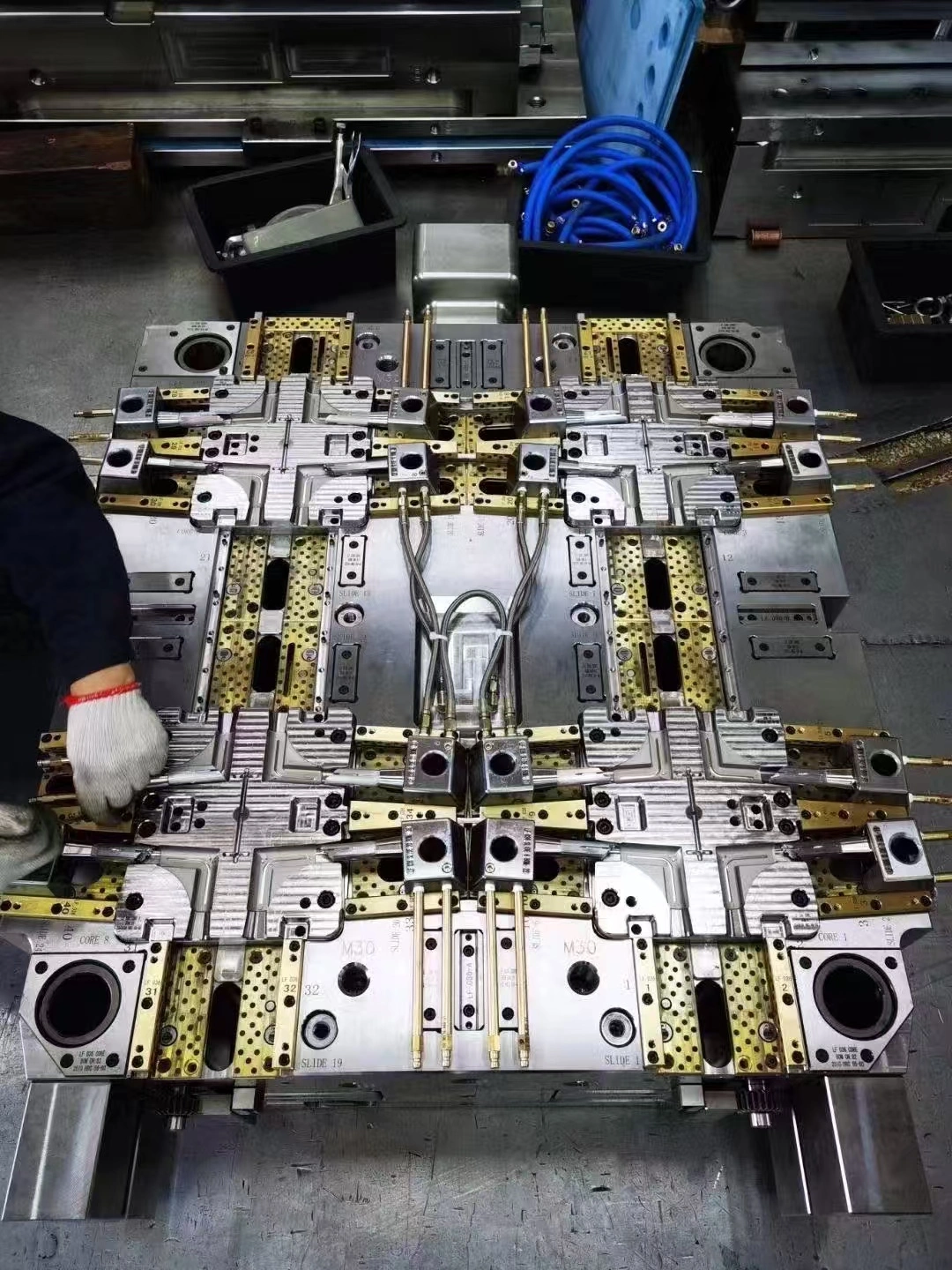
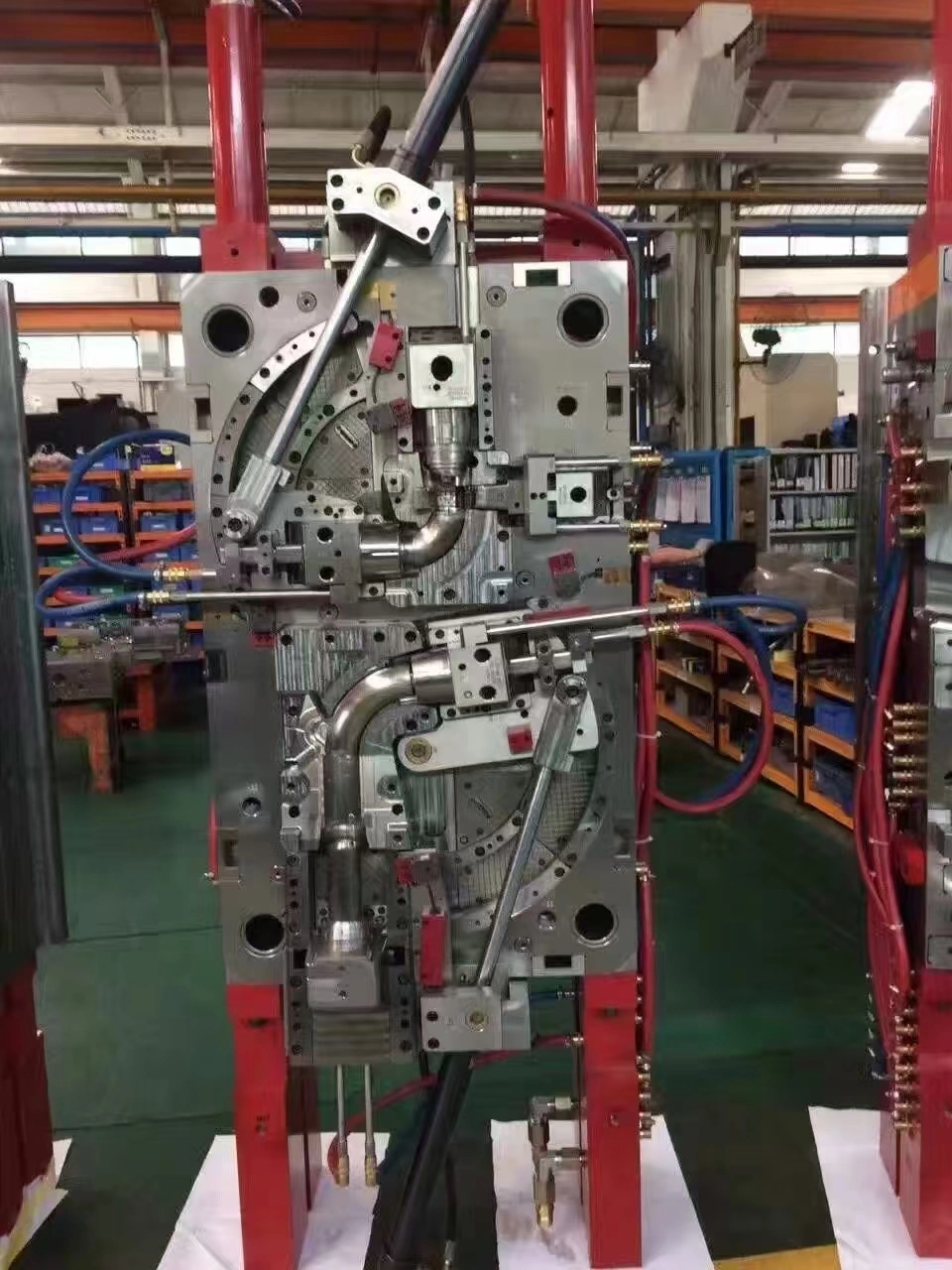
The shape of a product has a big impact on how efficiently materials are used in blow molding processes. Wall thickness optimization finds the best balance between structural needs and material saving. It does this by using finite element analysis to find places where less material can be used without affecting performance. Putting ribs and bosses in the right places can strengthen a structure with almost no extra material. Part shape optimization gets rid of sharp corners and quick changes in thickness that cause stress to build up and could lead to failure. Smooth radius changes help the material move evenly and lower the chance of flaws that lead to parts being rejected. Strategically placing parting lines reduces the amount of flash that is created and makes cutting easier. Optimizing the design of a mold includes features that help spread materials evenly and reduce waste. The right place for the gate makes sure that the filling is even and stops weld lines from forming. Venting systems keep air from getting trapped, which could lead to surface flaws or filling that isn't full. New mold technologies, like conformal cooling lines, make it easier to control the temperature and cut down on cycle times.
Case Studies in Waste Reduction Implementation
A big company that makes parts for cars used advanced parison control technology to cut down on the amount of material used to make fuel tanks by 28%. The business bought servo-controlled die heads and real-time thickness tracking tools that made the best use of material distribution based on the needs of the structure. This change cut the yearly cost of materials by $2.3 million and made the quality of the products more consistent. A company that makes consumer goods and specializes in packaging cases installed integrated recycling systems that got rid of the need to pay someone else to take away their trash. The business put in hot cutting tools and in-line granulation systems that turned 98% of production waste back into material that could be used. This closed-loop method cut the amount of raw materials needed by 15% while still meeting goals to lower carbon emissions.
Comparative Analysis: Blow Molding vs. Other Hollow Product Manufacturing Methods
By learning about the material efficiency of the different ways that hollow products are made, you can make smart purchasing decisions based on the needs of the product and your goals for sustainability. Each technology has its own pros and cons that affect how materials are used and how much it costs to make things.
Material Efficiency Comparison
Usually, blow molding is better at using materials efficiently for hollow goods than other ways of making them. Injection molding works very well for solid parts, but it can't make hollow shapes because it needs a core, and the material can't move as freely. Complex hollow injection-molded parts usually need a lot of different parts and steps to put them together, which uses more material overall. Because it doesn't use sprues, runners, or gates, rotational casting makes great use of material. But it can't be used for high-volume production because the cycle times are longer and there aren't many material choices. The method is good for making big, complicated hollow parts, but it's not fast or accurate enough for many commercial uses. For small hollow parts, thermoforming is a good way to use materials efficiently, but it creates a lot of trim waste around the edges of the part. For deep-draw thermoforming to work, the material needs to be very thick so that it doesn't thin out. This makes the products bigger and uses more material than blow molding options.
Production Volume Considerations
Due to its quick cycle times and automatic handling skills, blow molding is best for high-volume production scenarios. These days, blow molding machines can make many parts at once while still meeting quality standards. The amount of material waste goes down as production volume goes up, and setup waste is almost nothing compared to total output. When the complexity of the part supports the extra investment in blow molding tools, injection molding may be a good choice for low to medium-volume uses. But because it's not possible to make truly hollow shapes, they often have to be put together, which adds to the cost of work and could lead to quality problems. No matter how much is being made, blow casting is still a good way to make most hollow parts.
Quality and Performance Factors
When the right process settings are used, blow-molded parts have great surface quality and consistent sizes. Since there are no weld lines in single-cavity uses, there are no weak spots that could affect how well the product works. When it comes to impact protection, parts that are blow-molded usually do better than parts that are put together. Controlling the wall thickness in advanced blow molding processes lets you place materials precisely, which improves the structure's performance while reducing the amount of material used. This feature lets makers make products that meet performance standards with less material than with other methods of production that need the part's walls to be the same thickness all the way through.
Sustainable Procurement: Partnering with Trusted Blow Molding Suppliers
To find production partners who put reducing material waste first, you need to carefully look at their technology skills, their commitment to sustainability, and their track record of success in waste reduction efforts. Strategic partnerships with suppliers are very important for meeting long-term environmental goals and keeping costs low.
Evaluating Supplier Capabilities
Adopting new technologies is one of the best ways to tell if a provider is serious about reducing waste and improving business efficiency. The biggest providers buy the most up-to-date machines with precise control systems, automatic material handling, and recycling built right in. These investments show a long-term dedication to environmentally friendly production methods and constant improvement. Quality management systems show how well a provider can keep production standards uniform so that defects cause as little waste as possible. ISO 9001 certification shows that quality control is done in a planned way, and ISO 14001 certification shows that environmental management is serious. Suppliers with complete quality systems usually have lower rates of defects and lose less material. Suppliers can make sure that product designs and production methods are as material-efficient as possible by using their technical knowledge and engineering expertise. Suppliers with strong engineering teams can give design for manufacturability advice that cuts down on material use while still meeting performance standards.
Sustainability Practices and Certifications
Environmental management systems show that a provider cares about sustainable production practices more than just meeting legal requirements. Suppliers with thorough environmental programs usually have programs to cut down on material waste, make energy use more efficient, and lower carbon footprints that are good for both sides in a supply relationship. Through closed-loop industrial processes, the ability to recycle materials shows a real dedication to reducing waste. Suppliers who have recycling facilities on-site can handle production waste right away, which keeps the quality of the materials and lowers the cost of dumping. This ability often leads to cost savings that help customers by lowering the prices of parts. Customers can keep an eye on sustainability changes and check that suppliers are telling the truth when they say they've cut down on waste when environmental performance numbers are reported openly. When suppliers give customers thorough reports on how much material they use and how much waste they reduce, they show that they are responsible and help customers meet their own sustainability reporting standards.
Building Strategic Partnerships
Long-term partnerships let providers blow molding, and customers work together to come up with ways to cut down on waste that are good for both parties. Strategic partnerships are better than standard transactional relationships because they allow people to share knowledge, spend together on new technologies, and work together on improvement projects. Communication rules and regular reviews of performance make sure that everyone is always on the same page with their goals for sustainability and reducing waste. Material efficiency measures, waste reduction goals, and chances for collaborative improvement should all be part of regular business reviews. These talks help things keep getting better and make partnerships stronger. When companies work together to invest in new technologies, waste-reduction ideas that might be hard for individual companies to explain on their own can be used more quickly. Shared investments in things like improving tools, studying how to make processes run more smoothly, and creating new materials can lead to better results while spreading out the financial risks.
Conclusion
Advanced blow molding technologies offer makers great ways to cut down on waste while still making sure the quality of their products is good. When you combine precise control systems, automated recycling options, and smart tracking technologies, you can make big changes to how efficiently you use materials. Strategic relationships with sellers who are ahead of the curve in technology and put sustainability first make sure that customers can get the newest products while also helping to meet long-term environmental goals. By carefully optimizing their processes and working together with their suppliers, businesses can cut down on waste, make their prices more competitive, and show that they are more environmentally friendly in markets that are becoming more aware of the issue.
FAQ
1. What are the main advantages of advanced blow molding for waste reduction?
Modern blow molding systems use precise parison control, automatic trimming systems, and real-time process tracking to cut down on material waste by a large amount. When compared to traditional methods, these technologies can cut waste by 25–30% while also making products more consistent and of better quality. Adding closed-loop recycling systems cuts down on waste even more by turning production trash right back into useful materials.
2. How does stretch blow molding compare to extrusion blow molding in terms of material efficiency?
Stretch blow molding usually makes better use of materials than extrusion blow molding, especially for container uses that need to be strong and clear. When you use the biaxial orientation method, you can make better goods with thinner walls, which means you use 15-20% less material overall. Stretch blow molding also makes very little flash waste because the preforms are made to exact measurements, and the expansion processes are controlled.
3. What factors should procurement teams consider when investing in blow molding equipment for waste minimization?
Machine precision, amount of automation, recycling integration, supplier technical help, and compatibility with target materials are some of the most important things to think about. For accurate material placement, equipment should have servo-controlled systems, automatic trimming and recycling options, and full tracking systems for quality control. For long-term success, it's just as important for suppliers to have a good image, offer good customer service, and have a track record of reducing trash.
Partner with Yongsheng for Advanced Blow Molding Solutions
Yongsheng uses cutting-edge technology and more than 20 years of experience in manufacturing to offer better blow molding options that waste a lot less material. Advanced mold design, precise manufacturing, and combined quality control systems that make the best use of materials throughout the production process are just a few of the many things we can do. With ISO 9001:2015 approval and a history of successful implementations in the car, consumer goods, and technology industries, we offer reliable relationships that help companies meet their sustainability goals while keeping costs low. Contact our professional team at sales@alwinasia.com to talk about unique waste reduction plans and find out how our blow molding maker services can help your business be more productive and better for the environment.
References
1. Smith, J.R., "Advanced Blow Molding Technologies: Precision Control and Waste Reduction," Plastics Manufacturing Quarterly, Vol. 45, No. 3, 2023, pp. 78-92.
2. Chen, L. and Rodriguez, M., "Sustainable Manufacturing in Blow Molding: Process Optimization for Material Efficiency," Journal of Polymer Processing Technology, Vol. 28, No. 7, 2023, pp. 145-162.
3. Thompson, K.A., "Comparative Analysis of Hollow Product Manufacturing Methods: Material Utilization and Environmental Impact," Industrial Manufacturing Review, Vol. 12, No. 4, 2023, pp. 203-219.
4. Williams, D.B. and Johnson, P.L., "Automation and Quality Control in Modern Blow Molding Operations," Plastics Engineering International, Vol. 67, No. 9, 2023, pp. 34-48.
5. Lee, S.H., "Strategic Procurement in Sustainable Manufacturing: Supplier Selection for Waste Reduction," Supply Chain Management Quarterly, Vol. 19, No. 2, 2023, pp. 112-128.
6. Martinez, R.C., "Process Parameter Optimization in Blow Molding: Achieving Maximum Material Efficiency," Manufacturing Technology Today, Vol. 31, No. 6, 2023, pp. 89-104.

We can provide a one-stop service, including design and development, mold fabrication, production, product processing, etc.

Professional injection mold, die casting mold, plastic products OEM manufacturer