Is Your Product Ready for Prototype Molds?
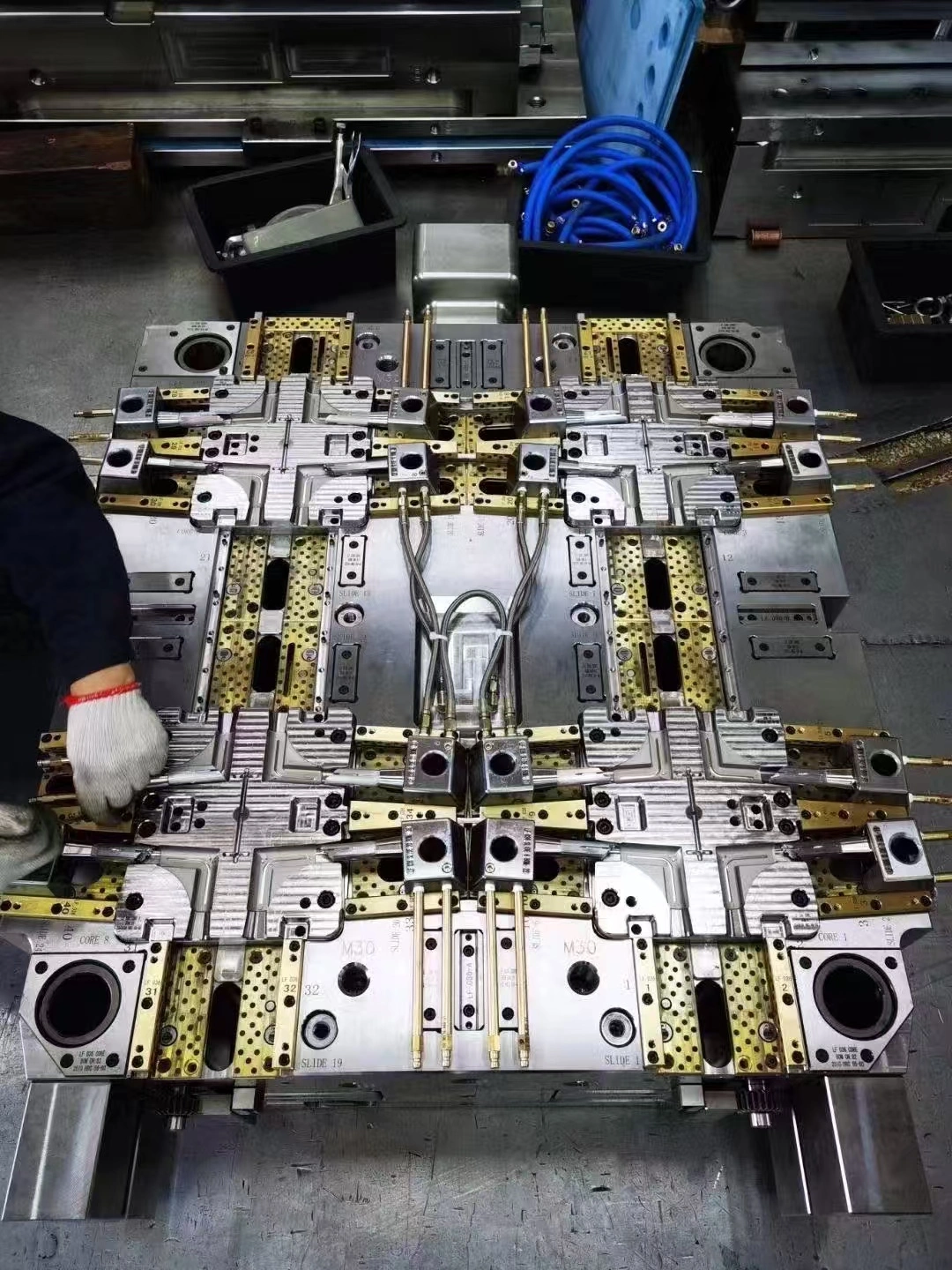
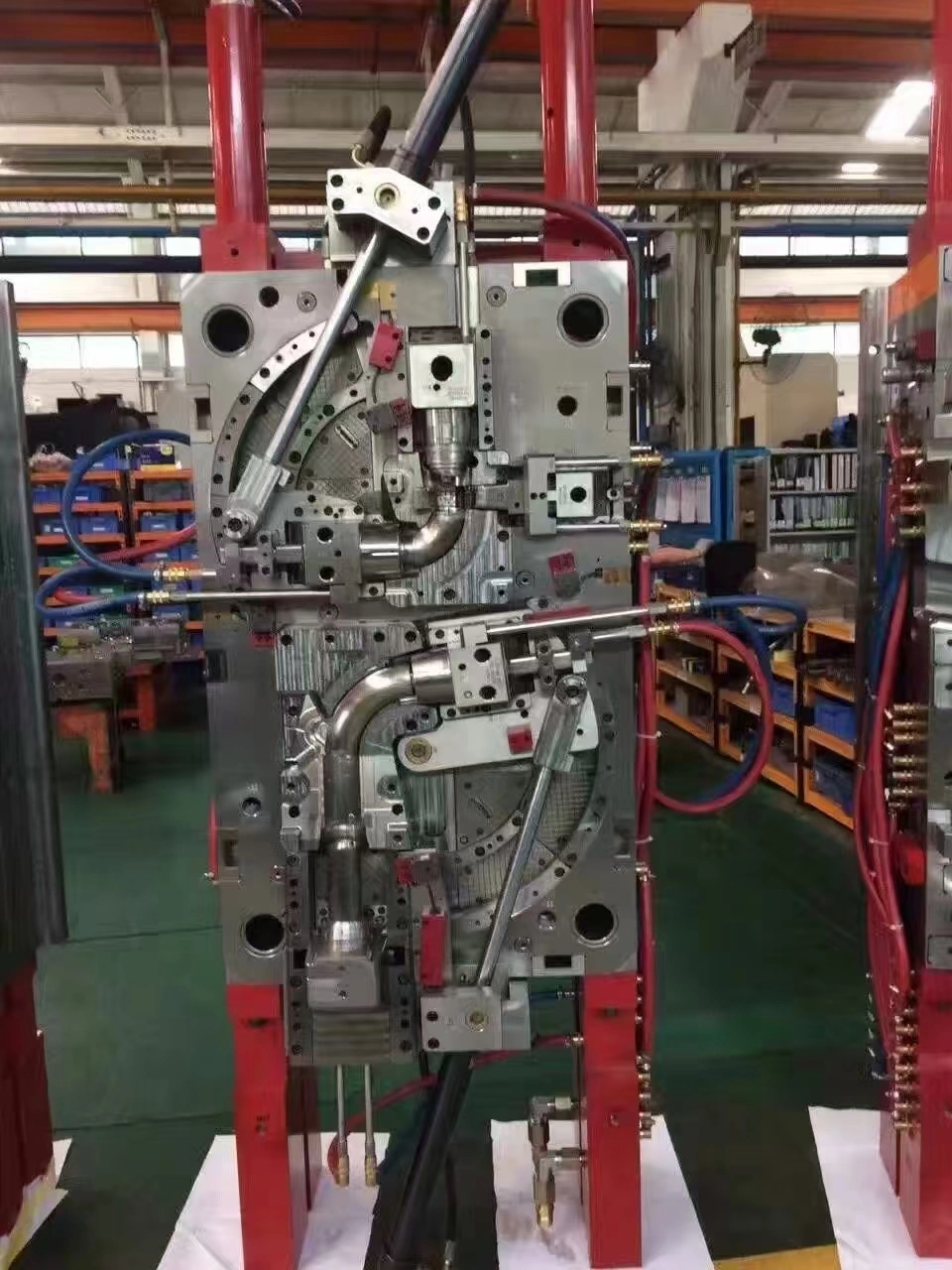
Determining whether your product design is ready for prototype molds represents a critical decision point in product development. Prototype molds serve as essential bridges between initial concepts and full-scale production, enabling manufacturers to validate designs, test functionality, and refine specifications before committing to expensive production tooling. Companies across electronics, automotive, and consumer goods industries rely on these specialized tools to accelerate time-to-market while minimizing development risks and costs.

Understanding Prototype Molds: What They Are and Why They Matter
Essential Functions in Product Development
In modern industry, prototype models play a number of important roles. With these specialized tools, companies can make working parts that look a lot like the final production parts. This lets engineers and designers test and confirm everything. Unlike imagined prototypes made by 3D printing or cutting, molded prototypes show how parts will work when they are made with real materials and production methods. When making complicated parts or goods that need to be within very small tolerances, the validation method becomes even more important. Molded prototypes are the only way to get a true idea of how well automotive parts, electronic housings, and consumer appliance parts meet exact specs. Before buying expensive production tools, this testing phase finds any problems that might exist with the flow of materials, the strength of the structure, or the accuracy of the measurements.
Accelerating Time-to-Market and Optimizing Costs
According to market data, businesses that use prototype molds can cut the time it takes to make a new product by 30 to 40 percent compared to traditional methods. This speedup comes from being able to find and fix design problems early on in the development process, which keeps expensive changes from having to be made during production. Because prototype development is done in steps, teams can quickly try different versions of a design. When you look at how much test molds cost compared to production molds, cost efficiency becomes clear. Prototype molds usually cost between $5,000 and $25,000, based on the material and complexity of the part. Production molds for complex parts can cost between $50,000 and $200,000. Because of this big difference in cost, companies can test designs without committing a lot of money, which lowers the risk of costly production delays or redesigns.
Differentiating Prototype from Production Molds
Procurement managers can make better choices about tooling strategies when they know the difference between test molds and production molds. For prototype molds, speed and flexibility are more important than durability. They usually use aluminum or softer steel metals that are easy to make but might not last through millions of injection cycles. Production molds are made of hardened steel and are made to last a long time and be used for a lot of products. When choosing materials for prototype molds, the goal is to get qualities that are representative of the final part, not to get the best cost-effectiveness for production. This method lets engineers test how the end materials will behave while keeping the speed and cost of development high. The simpler design of the sample mold also makes it easier to make changes more quickly when testing shows that the design needs to be changed.
The Prototype Mold Design & Manufacturing Process Explained
Critical Design and Fabrication Phases
The first step in making a prototype molds is to do a full CAD analysis and choose materials based on testing goals and useful needs. Engineers look at the shape of the part, look for problems that might come up during casting, and decide on the best ways to build the mold. This first step of analysis usually takes two to three days for simple parts and up to two weeks for complicated systems with a lot of undercuts or complicated features.When choosing a material, you need to think about more than just the needs of the final part. You also need to think about the needs of the sample. Engineers have to find a balance between the material qualities that truly represent production parts and the testing timeframes and limitations of prototype molds. Some common prototype materials are production resins that have been changed to have better flow properties or formulas that have been simplified to make molding easier while still keeping important performance properties.
Manufacturing Method Comparisons
Modern prototype mold making uses a number of different technologies, each of which has its own benefits based on the needs of the project. CNC cutting is perfect for optical parts or parts that need to fit together perfectly because it is very accurate, and the finish on the surface is very smooth. Depending on how complicated the part is, cutting usually takes between 5 and 15 days. For important features, the dimensions can be controlled to within ±0.001 inches. Some uses can be done faster with rapid development technologies, such as 3D printing and EDM (Electrical Discharge Machining). For easy shapes, 3D printed mold pieces can be made in 24 to 48 hours, but production is usually limited to 50 to 200 parts at a time, based on the material and complexity. EDM is great at making surfaces or inside shapes that are very complicated and would be hard to make in a normal way. For prototype molds that need longer testing rounds or more parts, traditional ways of making things are still useful. Using standard machining and hand-finishing methods, prototype molds can be made that can hold thousands of shots while keeping costs and lead times low. These methods are especially useful for automobile and industrial testing that needs to be done over and over again to see how long something will last.
Making the Decision: Comparing Prototype Mold Solutions
Cost-Benefit Framework for Decision Making
When deciding whether to invest in a prototype mold, it's important to look at the development timelines, testing needs, and market entry goals in detail. Companies that are making goods that will only be on the market for a short time often can explain the higher costs of prototypes by cutting down on the time it takes to create and release the product. For example, companies that make consumer goods might spend $15,000 to $30,000 on test tools to cut development times by several months. When small batches are being made, there are special choice points where prototype molds may be useful for more than one thing. When the initial demand from the market isn't clear, trial tools can help with small production runs of 1,000 to 5,000 parts while feedback from the market is gathered. This method lets businesses check if their ideas will work in the real world before they spend a lot of money on production tools. The analysis must also look at the total costs of growth, not just the initial costs of making the tools. By letting you test designs early on with prototype molds, you can avoid having to make costly changes to production tools, which could save you $50,000 to $150,000 in reworking costs. These saves often make it worth it to spend money on a prototype, even when development schedules aren't set in stone.
Manufacturing Technique Comparisons
The accuracy standards have a big impact on the choice of manufacturing method for prototype molds. Most CNC-machined aluminum models have tolerances of ±0.002 to 0.005 inches across most of their features, making them good for checking functionality and making sure the assembly is correct. This precise level works for most uses in the automobile, electronics, and consumer goods industries that need parts to perform at a standard level. When choosing a method based on testing needs and expected shot counts, durability factors play a role. Aluminum prototype molds that have been machined can safely make 5,000 to 15,000 parts before they start to show signs of wear. This is enough for full testing programs and small production runs. With steel prototype molds, this range can be expanded to 25,000 to 50,000 parts while still keeping the same sizes . Differences in turnaround times between methods can have a big effect on project plans. For most prototype molds, standard CNC machining takes 7–14 days. For an extra fee, expedited services can cut this time to 3–5 days. 3D printed prototype molds can make parts in one to two days, but they can only make hundreds of pieces at a time.
Practical Considerations for Procuring Prototype Molds
Cost and Lead Time Influencing Factors
Design difficulty is the main thing that affects how much a sample mold costs and how long it takes to make. prototype molds. Molds that are simple two-piece shapes usually cost between $3,000 and $8,000 and take 5 to 10 days to finish. Assembly costs can go up to $15,000 to $35,000 for complicated ones with lots of slides, lifters, or undercuts. Lead times can also get longer, to 3 to 4 weeks. The choice of material affects both the cost and the performance of prototype molds. For a modest price, aluminum tooling has great machinability and thermal qualities. On the other hand, a steel building offers better longevity at a higher price. The material to use should depend on the tests that need to be done, the number of shots that are predicted, and the budget. Where a supplier is located changes lead times, how well they can communicate, and how much the whole job costs. When it comes to complicated tooling, foreign makers may be cheaper, but domestic sources usually offer faster response times and make project planning easier. Companies have to weigh these trade-offs based on how important the project is and how much money they have to spend.
End-to-End Procurement Process
The first step in the buying process is making a thorough Request for Quotation (RFQ), which includes part drawings, material specs, and quantity needed. Effective RFQs spell out the goals of the tests, the number of shots that are expected, and the deadlines so that suppliers can give accurate answers. Usually, this part of planning takes two to three days to finish putting together all the necessary paperwork. Coordinating projects becomes necessary to stick to deadlines and get good results. Communicating ahead of time, reviewing milestones, and giving regular reports on progress help avoid delays and solve problems before they affect delivery times. For projects to be successful, there should be weekly status calls and written records of work throughout the production cycle. Quality control steps make sure that prototype molds meet requirements and work as expected. It usually takes two to three rounds of initial sample evaluation, dimensional proof, and process optimization before the quality of the part is good enough. Adding this time for tweaking to project plans keeps them on track and guarantees success.
Real-World Applications and Success Stories
Time and Cost Savings Case Studies
A major company that makes electronics for cars recently used prototype molds to make a new dashboard control module. This cut the time it took to make the module from 16 weeks to 11 weeks, which is shorter than their usual process. The $18,000 spent on prototype tools allowed full testing of five design versions, which saved $85,000 in changes to production tools that would have been needed without prototype validation. Similar benefits can be seen in the development of consumer appliances. For example, a major company made prototype molds for a new coffee maker housing design. When the prototype was tested, it showed problems with heat expansion that needed to be fixed by changing the material and adding more ribs. Taking care of these problems during the test phase added $12k to the development cost, compared to the $120k that would have been needed to change production tools and possibly return products. Applications in the electronics business show how prototype molds can be used to enter markets quickly. A company that makes accessories for smartphones used test tools to release a new line of products six months after the idea was approved. When compared to standard development methods, the shorter timeline took advantage of regular market opportunities worth an extra $2.3 million.
Industry-Specific Requirements and Standards
For automotive uses, prototype molds need to be able to handle strict testing procedures and material standards. Parts that will be used inside need materials that don't release harmful emissions and can't catch fire. Parts that will be used outside need materials that are stable in UV light and can withstand impacts. Instead of depending only on material data sheets, prototype molds allow these needs be fully tested under real molding circumstances. Making consumer gadgets requires very precise measurements and complicated shapes that are greatly improved by testing prototypes first. For multi-part systems, thin-wall sections, and complex surface textures, the casting parameters need to be carefully optimized. This can only be done by testing the molds in real production. This kind of testing can be done with prototype molds instead of the cost and risk of making production tools. For legal compliance and biocompatibility testing, prototype molds are also very useful in the development of medical devices. For FDA approval, a lot of information about the qualities of the materials and how they are made must be recorded. Prototype testing is a quick and inexpensive way to get this information.
Conclusion
When deciding if a product is ready for prototype molds, it's important to keep in mind the market goals, development timelines, and testing requirements. When companies need to validate a design, try a material, or make a small amount of something, prototype molding is the best way to go. In the end, the choice is based on finding the best balance between the goals of speeding up development, lowering risk, and cutting costs for each project and market chance.
FAQ
1. How long do prototype molds typically take to manufacture?
Standard prototype molds take 7–14 days to finish, but this depends on how complicated the part is and how busy the seller is. It can take 5 to 7 days to make a simple two-piece block, but 3 to 4 weeks for a complicated assembly with many steps. For extra money, expedited services can cut these times by 30 to 50 percent.
2. What materials work best for prototype mold construction?
For most sample uses, aluminum metals are a great choice because they are easy to work with, conduct heat well, and are inexpensive. Steel structure is more durable, so it can stand up to longer tests, but it costs more and takes longer to build. When choosing materials, they should match the number of shots that will be taken and the testing needs.
3. Can prototype molds support small batch production runs?
Production numbers of 1,000 to 10,000 parts can be made with prototype molds, based on the complexity of the design and the needs of the material. Because of this, they are useful for checking the market, releasing limited quantities of a product, and making things while fixed tools are being made.
4. What design modifications are possible with prototype molds?
Changes to the design can be made to prototype models, such as changes to the size, texture, and small bits of shape. Complex changes that need new slides or big changes to the shape may need new tools, so finishing the design early is important to keep costs down.
Partner with Yongsheng for Expert Prototype Mold Solutions
Yongsheng can help you reach your product development goals with his more than 30 years of experience in creating test molds and making them. We can make fast prototype molds, machine parts with great accuracy, and help you test your goods to make sure they meet your needs and the needs of the market. We know how important speed, precision, and low cost are in today's competitive market because we've been making prototype molds for a long time.
Our ISO 9001:2015-certified center in Dongguan offers full one-stop services from the initial idea to production-ready. This makes sure that projects run smoothly and that delivery dates are met. Get in touch with our engineering team at sales@alwinasia.com to talk about your prototype mold needs and find out how our proven skills can help you speed up the creation of your product while keeping the highest quality standards.
References
1. Smith, J.R. "Advanced Prototype Molding Techniques in Modern Manufacturing." Journal of Manufacturing Technology, Vol. 45, 2023.
2. Chen, L.K. "Cost-Benefit Analysis of Prototype vs Production Tooling Strategies." Industrial Engineering Review, Issue 8, 2023.
3. Rodriguez, M.A. "Rapid Prototyping Technologies and Their Impact on Product Development Cycles." Manufacturing Innovation Quarterly, Spring 2023.
4. Thompson, D.W. "Material Selection Guidelines for Prototype Mold Applications." Polymer Processing Technology, Vol. 12, 2023.
5. Anderson, P.J. "Quality Control Methods in Prototype Mold Manufacturing." Precision Manufacturing Journal, No. 3, 2023.
6. Williams, K.S. "Industry Case Studies: Successful Prototype Mold Implementation Strategies." Product Development Today, August 2023.

We can provide a one-stop service, including design and development, mold fabrication, production, product processing, etc.

Professional injection mold, die casting mold, plastic products OEM manufacturer