Innovations in Mold Design & Conformal Cooling
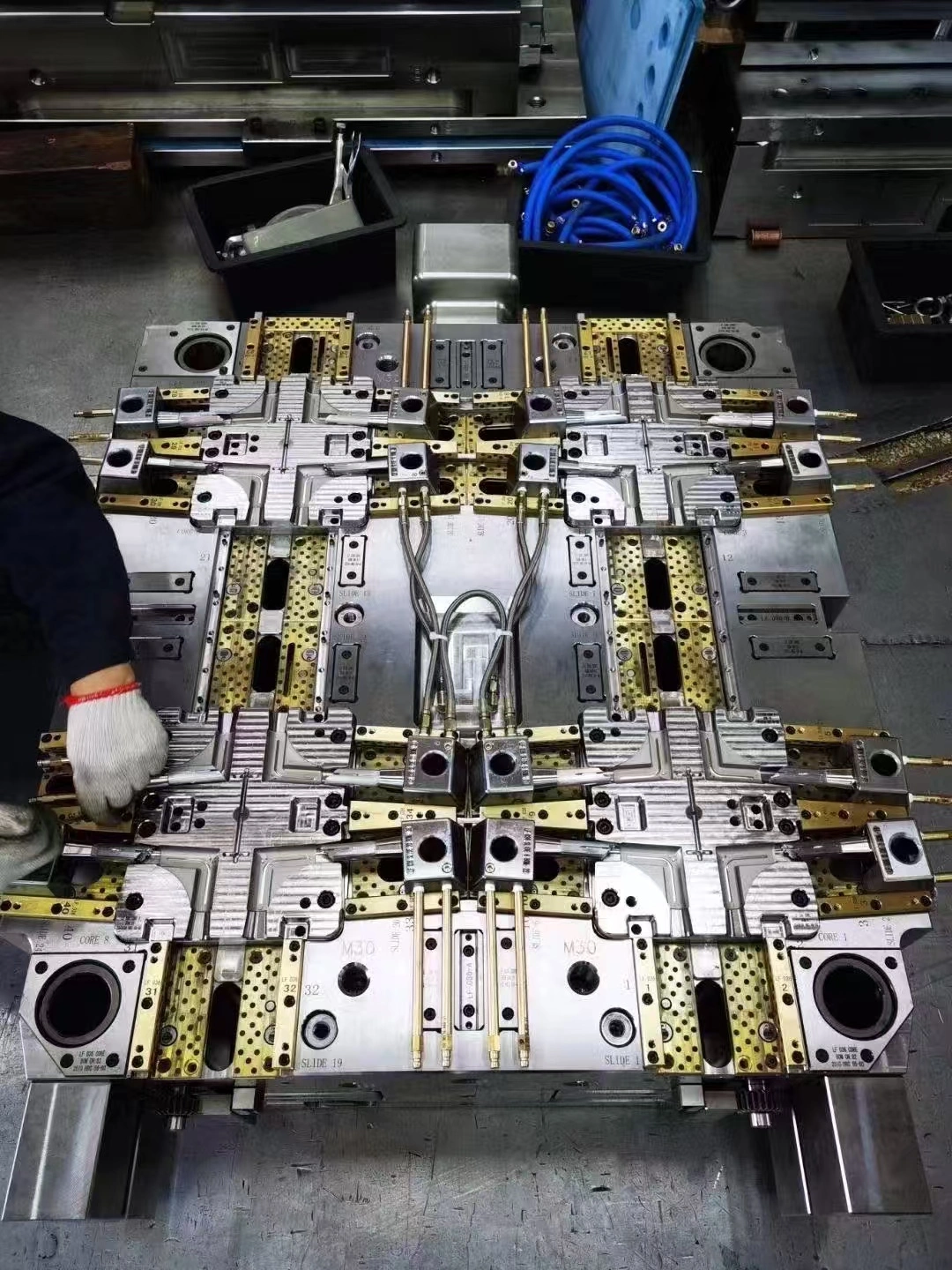
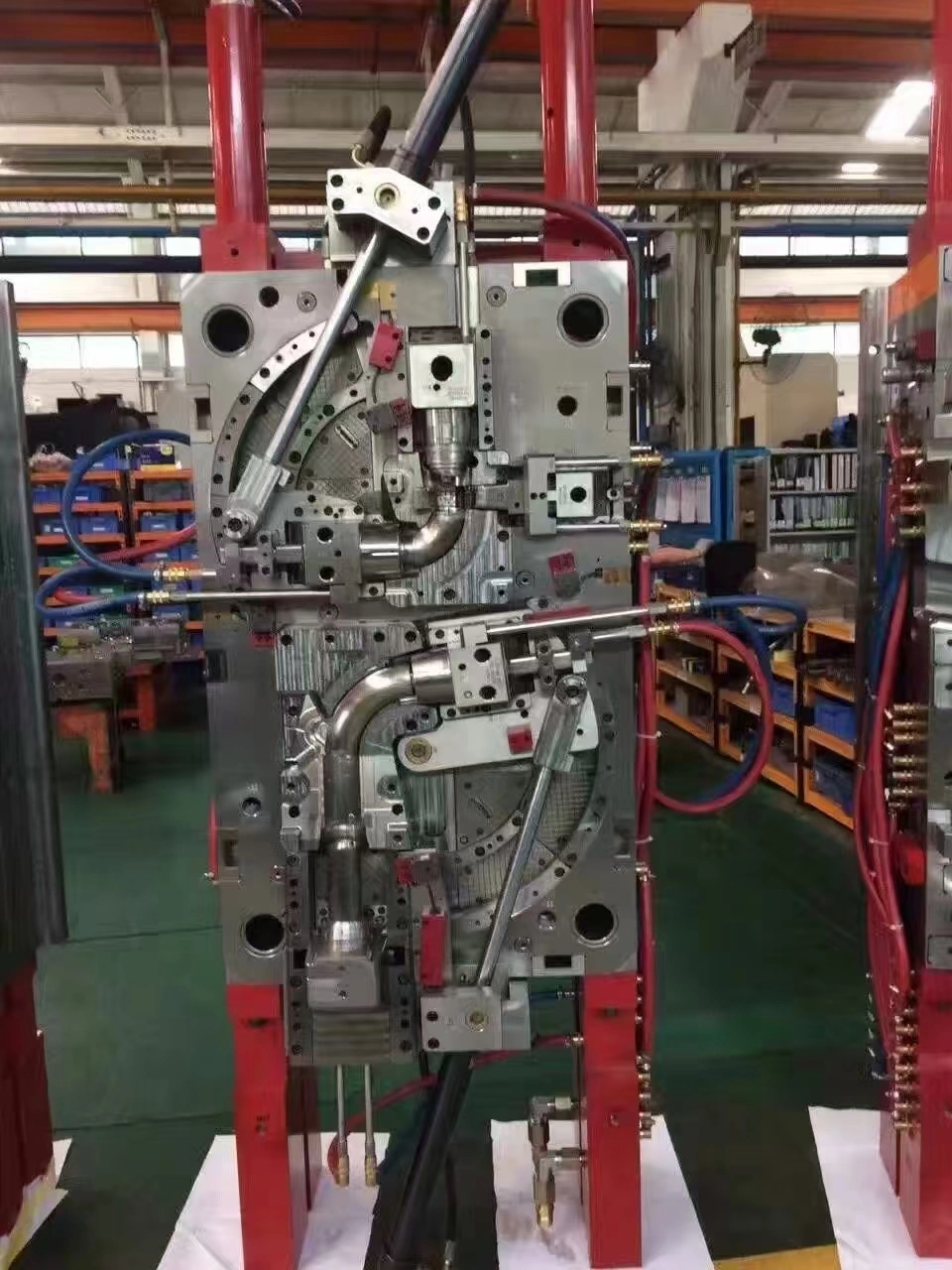
Recent improvements in mold design and conformal cooling are changing the way plastic molds are made. These improvements fix problems that have been around for a long time, like uneven cooling, long cycle times, and bad products that come from old shaping methods. Conformal cooling channels, which are made to exactly fit the shape of mold holes, keep the temperature even during the whole casting process. With this technology, producers can make things faster, with better quality parts, and for a lot less money. Conformal cooling is an important part of modern tooling techniques because businesses like electronics, consumer goods, and cars need more accuracy and efficiency.
From Traditional Mold Design to Advanced Innovations
For decades, traditional mold designs have worked well for manufacturing, but they have flaws that affect both quality and speed. Usually, cooling ducts are drilled through cast blocks in a straight line, which doesn't always work with the complicated shapes of current parts. This mismatch makes hot spots and uneven cooling, which cause finished goods to bend, get sink marks, and have different sizes.
Understanding the Limitations of Conventional Cooling Systems
Normal ways of cooling use drilled channels placed as close to the mold hole as possible, but these channels can't get around complicated three-dimensional shapes. Because of this, the heat is extracted unevenly, so some places cool down quickly while others keep the heat for longer. Because makers have to wait for the hottest areas to harden before ejecting parts, this difference in temperature has a direct effect on cycle times. Longer cooling times mean less work gets done, and more money is spent, which is especially bad in high-volume production settings. We've seen these problems firsthand during our 20 years at Yongsheng, where clients often came to us with quality problems caused by insufficient cooling. As the parts cooled, they bent, the surfaces had flaws, and the standards for size and shape moved out of accepted ranges. These issues were most noticeable in parts with thick walls and complicated interior features.
The Revolutionary Impact of Conformal Cooling Technology
Conformal cooling is a big change in how mold temperatures are managed. In contrast to standard straight channels, conformal cooling paths follow the exact shape of the mold cavity and stay at the same distance from the part surface the whole time. This shape makes sure that heat is extracted evenly across all areas, getting rid of hot spots and cutting cooling time by a huge amount. The design process starts with advanced CAD modeling, where engineers make cooling channel plans that match the shapes of the cavities while keeping the structure's integrity. Computational fluid dynamics models check how well heat transfer works before the product is made. This lets designers find the best channel width, spacing, and flow patterns. Material choice is also very important. Things to think about are how well the material conducts heat, how resistant it is to corrosion, and how well it works with additive manufacturing processes. Automakers were early adopters of this technology, especially for injection molding jobs that require complicated shapes like dashboard parts and structural housings. Conformal cooling also helps electronics makers a lot because it lets them make connecting housings and device cases with very tight tolerances. According to a study released by the Society of Plastics Engineers, conformal cooling can cut cycle times by 20 to 40 percent compared to traditional ways. It can also make parts more consistent and lower the number of rejects.
Bridging the Transition from Conventional to Advanced Systems
It takes careful planning and knowledge to switch from standard cooling to conformal cooling. Manufacturers need to figure out if the mold bases they already have can be modified to fit new parts or if they need to make new tools. The investment study looks at the amount of output, the difficulty of the part, the properties of the material, and the quality standards. Because they require more advanced manufacturing, conformal cooling systems usually have higher start-up costs. However, the return on investment is clear when you look at shorter cycle times, lower scrap rates, and longer tool life. At Yongsheng, we help our clients make this transition by doing thorough feasibility assessments that look at their specific production needs. To find the best ways to cool things down, our engineering team looks at part shapes, material flow patterns, and temperature profiles. This way of working together makes sure that clients make well-informed choices that are in line with their budgets and practical goals.
Key Innovations Driving Plastic Mold Design Forward
The plastic mold making industry continues to evolve through technological advancements that enhance design capabilities, material performance, and manufacturing efficiency. These innovations collectively address the growing demands for faster production, higher quality, and greater sustainability in molding operations.
Simulation-Driven Design Software Enhancements
Modern software for designing molds includes advanced modeling tools that let you guess how materials will behave, how they will react to heat, and how strong the structure will be before the actual production starts. Engineers can use these tools to see how the plastic moves during injection, find flaws like air holes or weld lines, and find the best gate spots for even filling. Thermal analysis modules simulate heat transfer during the cooling cycle, which allows precise channel placement and sizing. These software platforms have become much more accurate at predicting the future in recent years by adding machine learning algorithms that use data from past production to learn from it. Engineers can now virtually compare different design versions and weigh the pros and cons of cycle time, part quality, and tool complexity. This simulation-based method cuts down on development time and expensive physical testing. This is especially helpful for die casting molds and injection molds with multiple cavities.
Advanced Materials Enhancing Durability and Sustainability
New developments in material science are making mold-making materials other than standard tool steels more affordable. Specialized aluminum alloys are great for fast heat cycling and making prototype tools because they conduct heat very well. These metals also have big weight benefits, which makes it easier to handle molds and keeps casting machine parts from wearing out. Surface coats and treatments make tools last longer by stopping wear, rust, and sticking. Physical vapor deposition layers make surfaces very hard, so they can handle rough materials and high-pressure injection circumstances. These treatments are especially helpful for large production runs where the longevity of the tools directly affects the overall cost of manufacturing. Environmental concerns are also influencing material choice, with manufacturers looking for more sustainable options that use less energy and produce less waste. As a result, the mold industry has come up with reusable tool materials and designs that make it easier to take apart old tools and get the materials back.
Additive Manufacturing Revolutionizing Mold Production
Additive manufacturing, especially 3D printing technologies for metal, has completely changed how molds are made. By building parts layer by layer, these methods make it possible to make complex internal shapes that can't be made with standard cutting. Conformal cooling channels with organic, flowing shapes can now be made directly inside mold inserts, following the shape of cavities with unprecedented accuracy. Additive manufacturing also makes it possible to quickly prototype mold ideas, which lets manufacturers test designs in real life before committing to full production tooling. This feature greatly lowers the risk of development and speeds up the time it takes to bring new goods to market. The technology also works for low to medium-volume production, which would be impossible with traditional tooling costs. This creates new opportunities for customized and unique parts. At Yongsheng, we've added additive manufacturing capabilities to help clients who need quick development cycles or unique cooling solutions. The new technology works well with our traditional machining skills and lets us make mixed models that have the accuracy of traditional manufacturing and the design freedom of 3D printing. This method has worked especially well for prototypes for cars and technology projects that need to handle complex temperatures.
Optimizing Plastic Mold Performance Through Conformal Cooling
Achieving optimal mold performance requires systematic identification and elimination of cooling inefficiencies. Even well-designed molds can underperform if cooling systems are not properly optimized or maintained throughout their service life.
Identifying and Addressing Cooling Bottlenecks
Cooling bottlenecks usually happen where the shape of the part makes it impossible for channels to be close enough together or where the thickness of the material changes a lot. Deep ribs, thick bosses, and complex internal features tend to keep heat in longer than surrounding areas, which means that cycle times need to be longer to make sure that the solidification is complete. Thermal image studies done during production can show these hot spots and give information to help with improvement. Effective cooling solutions are based on heat transfer principles. Increasing the speed of the cooling flow improves convective heat transfer. Improving the channel width balances pressure drop and heat extraction efficiency. Adding more cooling circuits in the right places addresses problem areas without affecting the mold's structural stability. For these technical issues, you need to know a lot about fluid dynamics and temperature management. That's where experienced plastic mold makers like Yongsheng really shine for their clients.
Implementing Effective Maintenance Practices
If you don't maintain your cooling system properly, it will work less well over time. Mineral layers, rust, and pollution slow down the flow and make heat transfer less effective over time. These problems don't affect production because they are checked and cleaned on a regular basis. Pressure testing finds leaks or blockages before they stop production, and flow rate monitoring finds gradual losses in efficiency. We suggest that clients set up preventative maintenance plans that include flushing the channels, testing the quality of the coolant, and checking the thermal performance regularly. These steps make tools last longer and keep the standard of parts the same throughout production runs. Our service team helps clients with technical support and upkeep training so that their tool investments last for a long time.
Quantifying the Benefits Through Real-World Data
Conformal cooling has benefits that go beyond academic ones; it has been shown to have real-world effects in many fields. When makers of automotive parts switch from traditional cooling systems to conformal cooling systems, cycle times drop by 25 to 45 percent. Because of these time savings, production capacity goes up directly, and no extra money needs to be spent on casting equipment. Defect rates also go down a lot, and in some cases, rejection rates go up by 60% or more. Uniform cooling gets rid of warping and differences in size, making parts that always meet specs. This quality increase cuts down on trash, lowers the cost of inspections, and makes customers happier. Shorter cycle times and better heat transfer also save energy. Molding machines work for fewer hours to make the same number of parts, which saves money on power and wear and tear on the machines. When cooling circuits work at their best, temperature control systems also work more efficiently, which saves even more energy. Electronics makers who do business with Yongsheng have written a lot about these benefits. One connector case application cut cycle time from 45 seconds to 28 seconds, which increased production from 80 parts per hour to 128 parts per hour, or a 60% increase in capacity. The more even cooling got rid of a problem with warpage that was causing a 12 percent rejection rate. This saved thousands of dollars a month in scrap costs.
How to Choose the Right Mold Design and Cooling Solution
Selecting appropriate mold design and cooling strategies requires a comprehensive evaluation of production requirements, part characteristics, and business objectives. The decision process balances technical performance against cost considerations and supplier capabilities.
Evaluating Production Requirements and Part Characteristics
The amount of production has a big effect on the choice of cooling equipment. For high-volume uses, the extra money spent on conformal cooling is worth it because it saves time and improves quality over time. Optimized standard cooling may be enough for low-volume production, especially when part shapes are pretty simple. Part complexity also affects the cooling needs. With standard channel designs, parts with simple shapes and walls that are all the same width cool more consistently. Conformal cooling is very helpful for keeping surfaces at the same temperature, even if they have deep ribs, complex internal details, or parts that aren't all the same thickness. The choice of material affects the cooling strategy because different polymers have different thermal properties and processing characteristics. For engineering resins that cool more slowly or are very sensitive to shrinking, temperature control needs to be more complex than for regular plastics. Knowing how these materials behave helps designers make the best cooling systems for different uses.
Comparing Custom Conformal Solutions to Traditional Systems
Traditional cooling systems are more reliable in many situations and cost less to set up. There are clear design rules and service methods for standard drilled channels, which make them easy to make and keep up. When part shapes line up with straight-line channel positions and mild cycle times are okay, these systems work fine. Conformal cooling, on the other hand, gives better performance for tough uses but needs more complex manufacturing methods. The cost of the initial equipment is usually 15 to 30 percent higher than with other methods. This is because channel manufacturing and design tuning are more complicated. However, this extra cost is usually recouped within a few months thanks to higher efficiency and better quality, especially in situations where a lot of products need to be made. The decision process should look at the total cost of ownership instead of just the initial investment. By figuring out the value of shorter cycle times, lower scrap rates, and longer tool lives, you can get a full picture of the economic effect. At Yongsheng, we help our clients make these kinds of studies by including their exact production factors and quality needs in detailed return-on-investment models.
Evaluating Supplier Capabilities and Service Quality
Choosing the right supplier is very important for the success of a project because designing and making molds requires specialized knowledge and proven skills. A big part of the evaluation process is how mature the technology is. Manufacturers with a lot of experience in conformal cooling can predict problems and make designs work better than those who are new to the technology. Service response affects both how quickly new products are made and how well they work in the long term. Suppliers who talk to each other, answer questions quickly, and work together closely during the planning process get better results than those who don't do much. It is also important to have global transportation skills, especially for international procurement managers who need reliable shipping, customs help, and paperwork. When working with foreign makers, it is important to think carefully about protecting your intellectual property. Suppliers with a good reputation use strict privacy rules, safe ways to handle data, and clear contracts to protect client ideas and private information. At Yongsheng, we take strong steps to protect intellectual property (IP). These include secure file-sharing systems, non-disclosure agreements, and limited access to secret project information. These measures give foreign customers faith in our relationship.
Planning for Long-Term Scalability and Growth
Investing in molds should help with both current output needs and future business growth. Molds that can be expanded, like tools that can be changed from single-cavity to multi-cavity designs, give you options as production numbers rise. If you choose wholesalers with a wide range of production skills, you can be sure that you will get consistent help as your product lines grow. The total cost of ownership of a tool includes all of its upkeep, extra parts, and expert assistance over its entire useful life. Long-term, suppliers that stock common wear parts, offer technical help, and offer change services are more valuable than those that only focus on initial delivery.
Yongsheng's Comprehensive Mold Manufacturing Solutions
Yongsheng has been designing and making molds for over 30 years and has worked with customers from all over the world in the automobile, electronics, consumer goods, and tools industries. Our factory in Dongguan, also known as the "Town of Molds," has state-of-the-art production equipment and more than 300 skilled workers who are committed to providing excellent tooling solutions.
Complete Service Portfolio from Design Through Production
Our all-around method includes every step of the tooling process, starting with joint design development that turns client ideas into the best plastic mold specs. Our engineering team uses advanced CAD modeling, mold flow simulation, and thermal analysis to make designs that are good in terms of performance, ease of manufacture, and cost-effectiveness. They can make molds for both injection molding and die casting, and they are especially good at making molds with complicated shapes that need advanced cooling solutions. We make tools like single-cavity prototypes and high-cavity production molds to exacting standards using high-quality materials and precise machining methods. Our production services go beyond mold delivery and include making parts for clients who need complete solutions. Our one-stop service includes secondary processing like assembly, packing, and quality testing. This makes it easier for foreign sourcing teams to handle the supply chain.
Quality Assurance and Certification Standards
Our business is based on quality, which is backed by our ISO 9001:2015 approval and strict checking methods used during production. Verification of incoming materials makes sure that mold parts meet specs, and measures taken during production make sure that the sizes are correct at every stage. Final inspection includes full functionality testing, dimensional validation, and first-article production runs that make sure the product works well before it is shipped. Our dedication to quality also shows in our customer service, with project managers who handle communication, track progress, and respond quickly to concerns. Because of the time zone and distance changes, this personalized care makes sure that foreign clients get the help they need.
Convenient Access and Global Logistics Support
Location benefits make both site visits and shipping easier. Our factory in Dongguan is only 20 minutes from Shenzhen's industrial hub and 50 minutes from Hong Kong International Airport. This makes it easy for people from other countries to visit the factory. Our clients are welcome to visit our facilities, meet our staff, and look at work that is still being done. This builds the trust and openness that are necessary for partnerships to work. Our global logistics services ensure reliable delivery to destinations around the world, and we know how to handle international shipping requirements, customs paperwork, and import regulations. Our shipping partners make it easy to track packages and take care of complicated processes, so clients can focus on planning their production instead of worrying about the details of transportation.
Conclusion
New ideas in plastic mold design and conformal cooling are changing how fast and well parts are made in many different businesses. These improvements have real benefits, such as shorter cycle times, higher accuracy, and lower operating costs. As the need for production grows, companies that use these technologies gain speed, quality, and cost-effectiveness benefits over their competitors. To choose the right mold design method, you need to carefully look at the part features, output needs, and provider capabilities. Working with partners who have a lot of experience and offer professional know-how, full services, and quality systems that have been proven to work will ensure a good implementation and long-term value.
FAQ
What exactly is conformal cooling, and how does it differ from traditional cooling?
Conformal cooling uses channels that follow the three-dimensional contours of mold cavities, maintaining a consistent distance from part surfaces throughout. Traditional cooling relies on straight drilled channels that cannot match complex geometries, resulting in uneven temperature distribution. The conformal approach delivers more uniform cooling, faster cycles, and better part quality.
How much can conformal cooling reduce cycle times?
Cycle time reductions typically range from 20 to 45 percent, depending on part geometry, material characteristics, and cooling system design. Complex parts with significant thickness variations or deep features generally achieve larger improvements. The exact benefit varies by application and requires thermal analysis to predict accurately.
Is conformal cooling suitable for all types of molds?
Conformal cooling provides the greatest advantages for complex geometries, high-volume production, and applications requiring tight tolerances. Simple parts with uniform thickness may not justify the additional investment. Die casting molds, injection molds for engineering resins, and multi-cavity tools typically benefit most from conformal cooling technology.
What manufacturing processes create conformal cooling channels?
Additive manufacturing, particularly metal 3D printing, represents the most common method for creating conformal channels. This process builds mold inserts layer by layer, forming internal passages that traditional machining cannot produce. Some applications also use drilled intersecting channels or milled spiral grooves, though these approaches offer less design freedom than additive methods.
How do I know if my supplier has genuine conformal cooling expertise?
Evaluate suppliers based on their portfolio of completed conformal cooling projects, technical capabilities in thermal analysis and additive manufacturing, and willingness to provide references from satisfied clients. Experienced suppliers can discuss design considerations, material selection, and performance expectations in detail, demonstrating depth of knowledge beyond basic awareness.
What maintenance do conformal cooling systems require?
Maintenance requirements mirror traditional cooling systems, including periodic channel cleaning, coolant quality monitoring, and flow rate verification. The complex geometries of conformal channels may require specialized cleaning procedures to prevent buildup. Establishing preventive maintenance schedules and working with knowledgeable suppliers ensures long-term performance.
Partner with Yongsheng for Advanced Plastic Mold Manufacturing
Yongsheng stands ready to support your mold manufacturing needs with comprehensive expertise spanning design, fabrication, and production services. As an established plastic mold supplier with over 30 years of experience, we deliver the technical capabilities and quality assurance that international procurement teams require. Our engineering team collaborates closely with clients to optimize designs for performance and cost-effectiveness, incorporating conformal cooling where it delivers meaningful value. Strict intellectual property protections, ISO 9001:2015 certification, and dedicated customer service ensure reliable partnerships built on trust and transparency. Contact us at sales@alwinasia.com to discuss your project requirements and discover how our one-stop OEM services can enhance your manufacturing efficiency and product quality.
References
1. Thompson, M.R., "Advanced Cooling Strategies for Injection Molding: Design Principles and Performance Analysis," Journal of Manufacturing Science and Engineering, Vol. 144, No. 3, 2022.
2. Brooks, H. and Brigden, K., "Design of Conformal Cooling Layers with Self-Supporting Lattices for Additively Manufactured Tooling," Additive Manufacturing, Vol. 11, 2021.
3. Park, H.S. and Dang, X.P., "Optimization of Conformal Cooling Channels with Array of Baffles for Plastic Injection Mold," International Journal of Precision Engineering and Manufacturing, Vol. 21, 2020.
4. Saifullah, A.B.M. and Masood, S.H., "Finite Element Thermal Analysis of Conformal Cooling Channels in Injection Molding," Proceedings of the 5th Australasian Congress on Applied Mechanics, 2019.
5. Venkatesh, G. and Kumar, Y.R., "Thermal Analysis of Cooling Channels in Injection Molding: A Review of Design Methods and Performance Metrics," Materials Today: Proceedings, Vol. 18, 2019.
6. Dimla, D.E., Hopkinson, N., and Rothe, H., "Investigation of Complex Rapid Manufacturing Process Chains for Conformal Cooling Applications," Rapid Prototyping Journal, Vol. 24, No. 2, 2018.

We can provide a one-stop service, including design and development, mold fabrication, production, product processing, etc.

Professional injection mold, die casting mold, plastic products OEM manufacturer