Sustainable Molding with Recycled & Bio-Based Plastics
Sustainable casting is a new way of making things that uses salvaged and bio-based materials along with improved tools to make products that are good for the earth. At its core, a plastic mold is a precise tool used in the technology, consumer goods, and car industries to make materials into useful parts. Companies can lower their carbon footprint while still getting the accurate measurements and high production efficiency needed for mass production by using sustainable materials in these manufacturing systems. Businesses will be at the head of responsible manufacturing practices thanks to this change, which is in response to both environmental concerns and changing government rules.
Understanding Sustainable Molding and Its Benefits
What Sustainable Molding Means for Modern Manufacturing
What environmentally friendly molding means for modern manufacturing
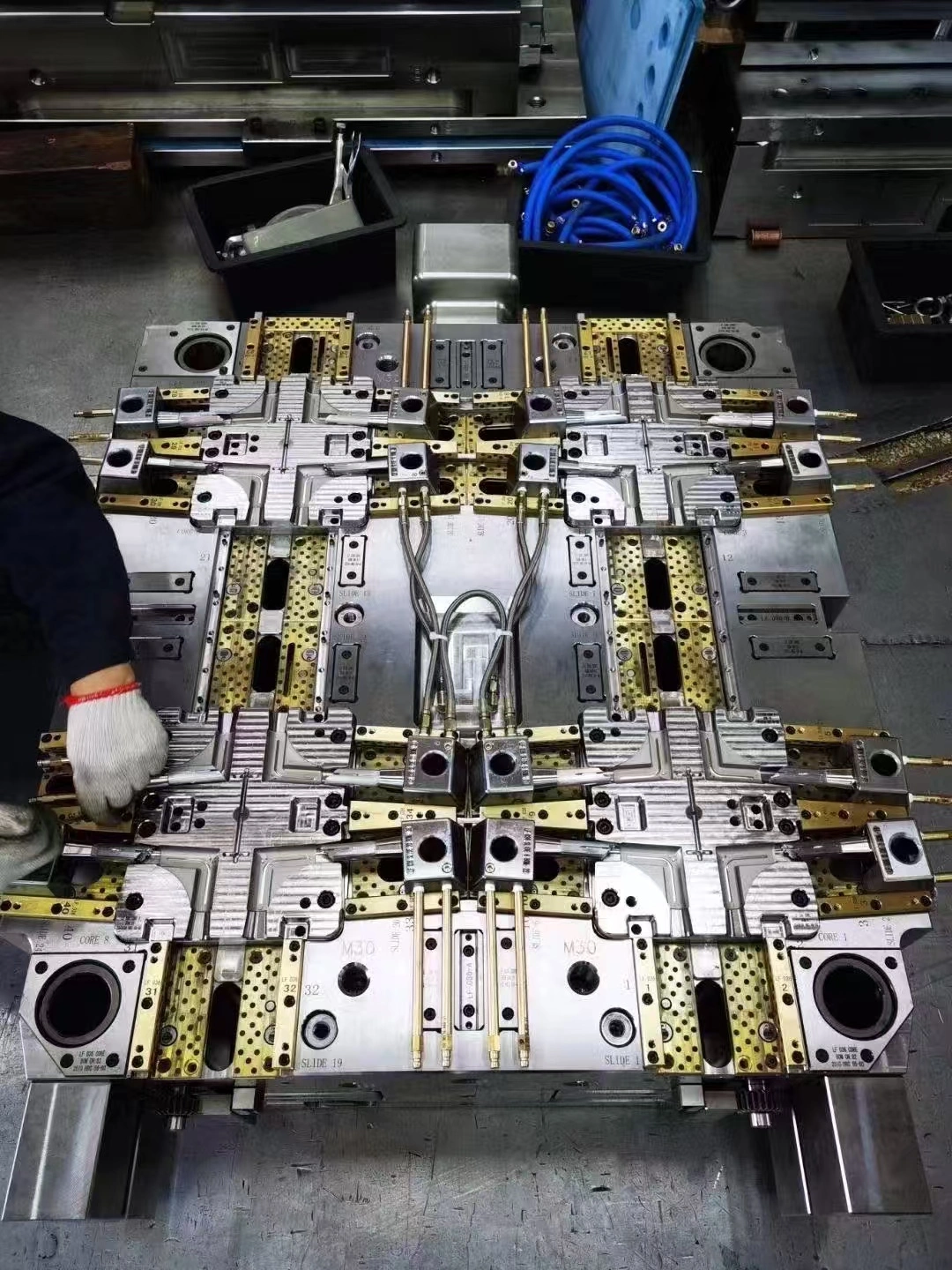
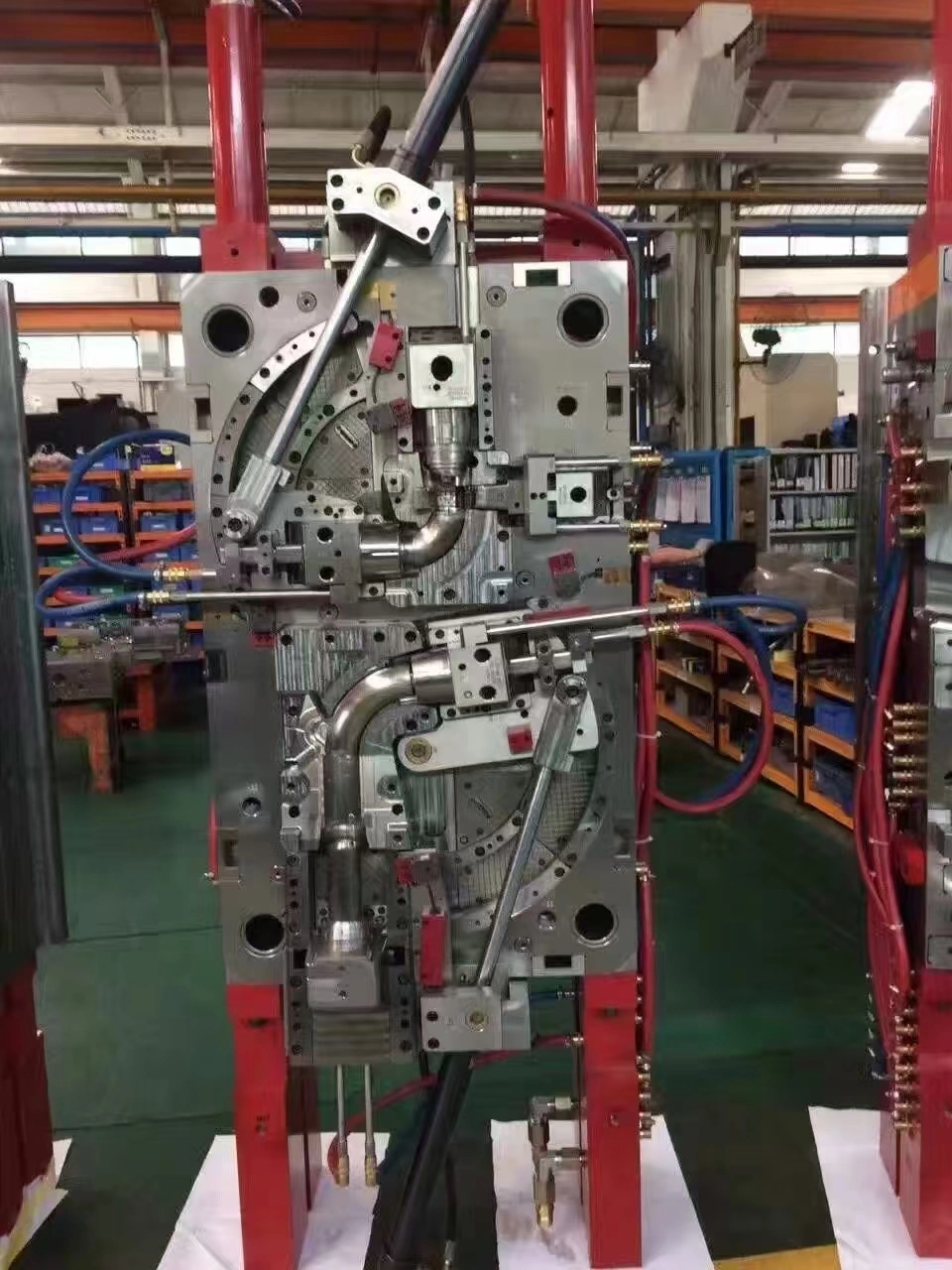
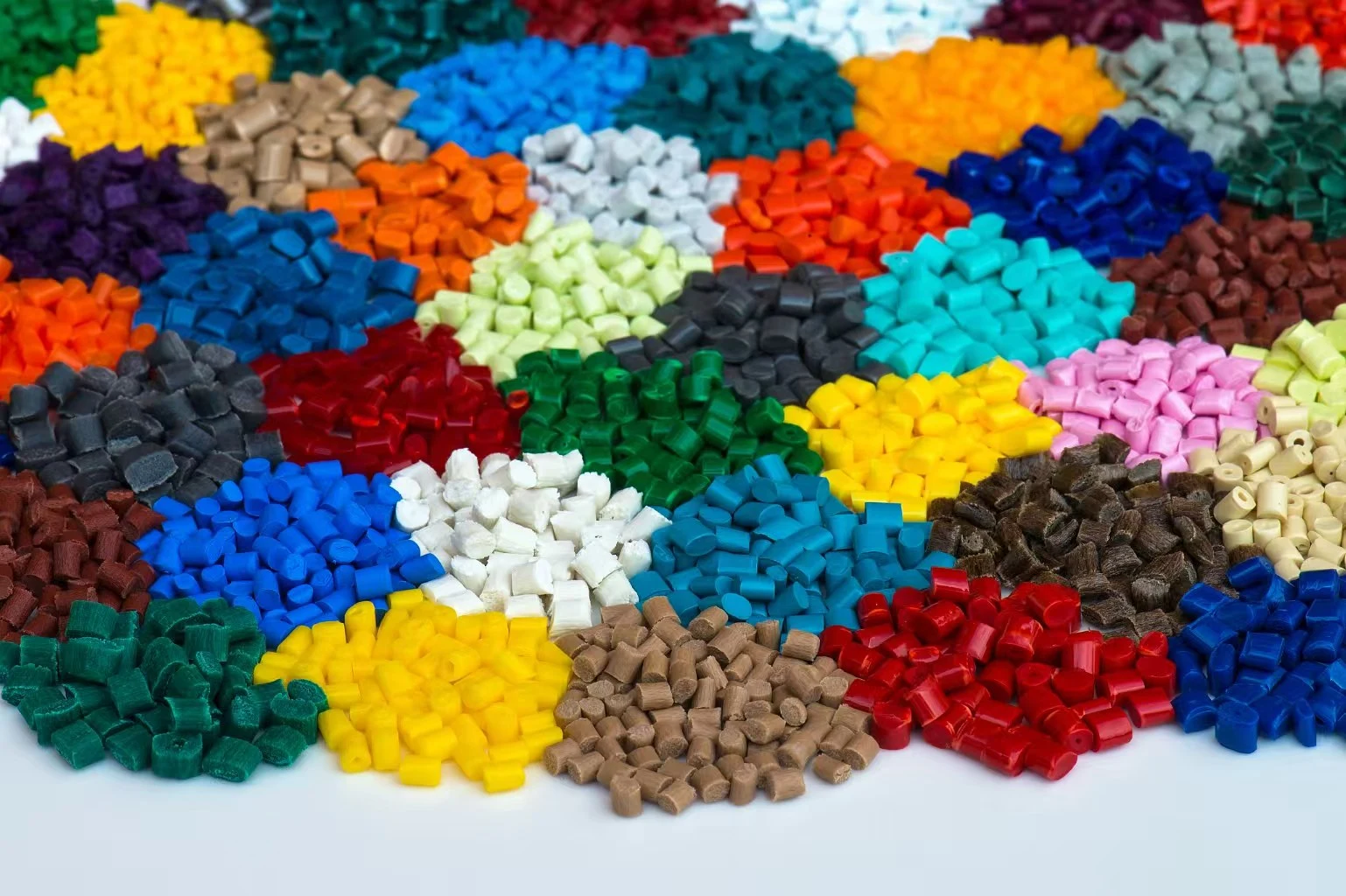
The idea of sustainable casting completely changes how we make polymer-based parts. Instead of only using new materials made from petroleum, this method uses recycled content from consumer goods and plastics made from plants in the making process. Tools made for shaping these alternative materials into precise forms make mass production possible while having a hugely positive effect on the environment. These systems are made up of moving and fixed mold parts, temperature control mechanisms, pouring systems, and ejection apparatus that all work together to turn sustainable materials into useful parts. Post-industrial recycled plastics are made from manufacturing waste and extra materials that were never sold to consumers, and they have pretty consistent quality profiles. Post-consumer recovered content comes from items that have reached the end of their original useful life and need to be cleaned and processed more thoroughly before they can be used again. Bio-based replacements made from sugarcane, corn starch, or cellulose are reusable and can help cut down on our use of fossil fuels. Each type of material has its own handling requirements that production partners need to fully understand to produce solid results.
Tangible Advantages Beyond Environmental Compliance
Sustainable shaping has many benefits that go beyond just meeting legal requirements. By reusing materials, resource optimization lowers the cost of raw materials, especially when oil prices change, and fresh plastic becomes harder to find. Companies that use these methods say that their brand is seen more positively by environmentally concerned customers and that their relationships with stakeholders have improved. As governments around the world put in place tougher rules about carbon emissions and plastic trash, it becomes easier to follow the rules. These benefits make business cases that appeal to buying decision-makers who are concerned with the total cost of ownership. Savings on materials can cover the costs of the original investments needed to change the process or qualify the provider. A company's better image gives it an edge when it comes to taking on projects that require sustainability. We've seen clients get measurable gains in their green measures while still meeting the quality standards and output plans that their markets expect.
Navigating Challenges in Material Performance and Process Compatibility
While there has been progress, sustainable casting still has some technical issues that need to be solved by factory partners with a lot of experience. It's possible for recycled materials to have contaminants or different qualities that make processes less consistent. When compared to regular materials, bio-based plastic mold can sometimes behave differently when heated, have different mechanical strengths, or be more sensitive to moisture. To get stable dimensions, a good finish on the surface, and long-lasting performance, you need to carefully choose the materials you use and keep an eye on the process. Problems can arise when the tools and equipment you already have were only made for fresh materials. To make room for more environmentally friendly options, temperature profiles, input pressures, cooling rates, and cycle times often need to be changed. Quality assurance methods need to be improved so that they can find differences that could hurt the performance of a component. To successfully deal with these issues, you need manufacturing partners who have a lot of knowledge in material science and process engineering and can change methods without affecting the quality or speed of production.
Sustainable Plastic Mold Manufacturing Process and Materials
Adapting Traditional Methods for Sustainable Materials
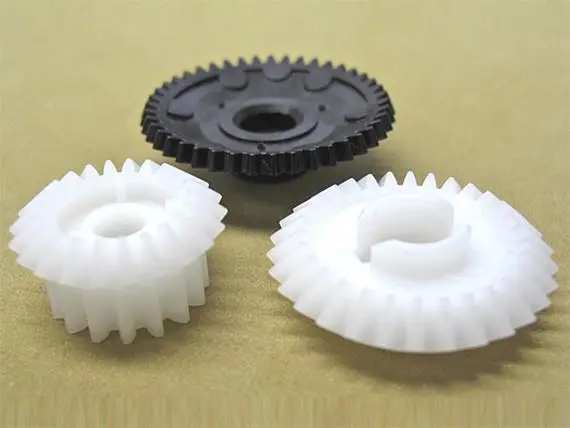
Making precise tools out of eco-friendly materials requires adapting tried-and-true methods with care. Injection molding is used for complicated shapes, compression molding is used for bigger parts, extrusion is used for continuous profiles, blow molding is used for hollow containers, vacuum forming is used for shallow shapes, and high foaming polystyrene molding is used for insulation products. Working with salvaged or bio-based feedstocks offers different pros and cons for each method. Injection molding is still the most flexible way to make complex parts with tight standards. With this method, liquid material is pushed into precise holes, where it cools and hardens into the shape that is needed. When working with eco-friendly materials, the injection settings need to be carefully set up to take into account differences in how the melt flows and how stable it is at high temperatures. Using pressure and heat to shape materials inside closed molds, compression molding can be helpful for some recovered materials that don't flow as easily as new resins. To get the best results in making, you need to know which method works best for each material's qualities and the needs of each component.
Material Selection Based on Application Requirements
Choosing the right sustainable materials depends a lot on what they will be used for and how well they are expected to work. Recycled polyethylene terephthalate (rPET) is a good material for clear and chemically resistant uses, like in consumer products and some electronic housings. Recycled high-density polyethylene (rHDPE) is very durable and can be used for tools and car parts. Bio-based polylactic acid (PLA) is made from recyclable materials and has good mechanical qualities that make it good for consumer goods. However, its heat resistance may limit its uses in some situations. Each material has its own processing windows that are set by its melting temperatures, viscosity profiles, and cooling behaviors. Different types of recycled polypropylene shrink at different rates from new material, so mold designers have to make adjustments to keep the dimensions accurate. Bio-based polyamides have about the same mechanical strength as regular nylons, but they may take water differently, which could change how they are stored and processed. We work closely with sourcing teams to make sure that the qualities of materials meet the needs of applications. This way, we can be sure that parts meet both efficiency and environmental goals.
Design Optimization for Enhanced Performance and Lifecycle
When switching to renewable materials, mold design improvement is very important. Different shrinking rates, flow patterns, and heat expansion traits are taken into account by making changes to the geometry. To make sure that the whole space is filled and the temperature is spread evenly, the gate sites, runner systems, and cooling channel configurations need to be looked at again. Considerations about wall width balance how efficient the material is with the needs of the structure, reducing waste while keeping the integrity of the parts. The lifecycle view goes beyond initial production and includes end-of-life possibilities. Designing for removal makes recycling easier in the future, and the choice of material affects whether the product can be recycled or composted when it's no longer needed. Process factors have a direct effect on how much energy is used during production, which changes how the total carbon footprint is calculated. Purchasing teams that want to make big changes for the better in terms of sustainability should work with partners who think about these linked issues during the design development, equipment manufacturing, and production optimization stages.
Comparing Sustainable Mold Types and Technologies
Environmental Footprints of Different Mold Materials
The choice of mold materials has a big effect on the cost of production and the damage to the environment. Steel models are very strong and last a long time. They can make millions of parts over a long period of time. Putting them together for the first time takes a lot of energy and materials, but this cost is spread out over a lot of output. Aluminum tooling reacts faster to heat and is easier to machine, which cuts down on lead times and energy use during production, but it usually only lasts for fewer cycles before it needs to be replaced. New options like composite and hardened tool steel offer a balance between performance and resource efficiency. The material to use relies on how much is expected to be made, how complicated the parts are, and how environmentally friendly you want to be. For long production runs, it makes sense to spend more on durable tools at the start, so that the environmental costs are spread out over a bigger number of parts. For lower-volume uses, it may be better to choose tooling choices that use fewer resources and less material up front, even if this means that repair cycles get shorter. We help our customers weigh these pros and cons based on the details of their projects and the green accounting models they use.
Injection Molding Versus Alternative Forming Technologies
Plastic mold is the most popular method for high-volume production because it is very repeatable, accurate in terms of size, and uses materials efficiently. This method reduces waste by using closed systems where runners and sprues can be ground up and used again and again. Cycle times in seconds make mass production cost-effective by spreading the cost of tools over a lot of items. When working with eco-friendly materials, precise temperature and pressure control in injection molding helps handle the smaller processing windows that some bio- and recycled polymers need. Other technologies, like compression molding, are better for situations where material flow restrictions or part geometry make injection difficult. Blow molding makes empty packages quickly and with less material than solid building, which cuts down on weight and resource use. For testing and small production runs, vacuum forming has low equipment costs, but the accuracy of the dimensions is usually lower. After learning about the pros and cons of each technology, buying managers can choose manufacturing methods that meet their unique needs in terms of both sustainability and cost-effectiveness.
Emerging Technologies and Their Scaling Considerations
3D printing and other forms of additive manufacturing open up new ways to make prototypes quickly and in small quantities using eco-friendly materials. By building parts one layer at a time, these methods make it possible to make complicated shapes that would be hard to make with standard casting, while also reducing the amount of waste. Bio-based and recycled filaments increase the types of materials that can be used in additive methods, which helps with sustainability goals during the product creation stages. Despite these benefits, scaling problems currently make additive manufacturing less useful for mass production. The build rate is still much slower than injection casting, and the high unit costs make it impossible to make big quantities. Material qualities might be different from what is achieved through normal processes, so they need to be checked out before they can be used in serious situations. The surface finish and uniformity of the dimensions of made parts aren't always up to par. We think that additive technologies are useful for testing and specialized production, but not as an alternative to traditional casting methods in situations where a lot of parts need to be made. This fair view helps clients use the right tools at every stage of product creation.
How to Choose the Right Sustainable Plastic Mold Supplier
Essential Certifications and Environmental Credentials
When choosing a supplier for sustainable manufacturing, the first step is to carefully check their credentials. ISO 14001 approval shows that environmental management practices are organized. This makes sure that providers follow the same rules for reducing their impact on the environment. More quality management system standards, like ISO 9001, show that a company is dedicated to controlling processes and always making them better. Third-party verification of sustainability claims is done by eco-labels that show recycled content verification or bio-based material standards. Honest commitment can be told from dishonest marketing when the sustainability reporting is clear. Suppliers should show clear paperwork about where they get their materials, how much energy they use, how they handle waste, and how they work to lower emissions. Carbon impact estimates, water usage measures, and recycling rate reports are all real examples of how well an organization is doing in terms of protecting the environment. When purchasing managers look at possible partners, they should ask for specific sustainable reports and visit the facilities to make sure the claims are true. Established makers with decades of experience usually keep detailed paperwork systems that make it easy to do a full evaluation.
Matching Capabilities to Project Requirements
In addition to environmental qualifications, professional skills must match the needs of the job. Customization ability tells you if a provider can change designs, materials, and methods to fit your specific needs instead of just giving you standard options. Prototyping services let you test your idea before you buy production tools, which lowers the risk and cost of iterations. Production scale needs to meet volume needs, whether for testing the market for the first time or mass production on a large scale. Support after the sale is what sets trusted partners apart from transactional providers. Quick troubleshooting with responsive technical support helps keep production running smoothly. Warranty coverage saves investments in tools and shows that the seller trusts the quality. Maintenance programs make tools last longer, which saves money in the long run and cuts down on how often they need to be replaced. We keep a full support system with fast tech teams and clear contact lines to make sure that clients get help throughout the lifecycle of our products, not just when they are first bought.
Regional Expertise and Sourcing Considerations
Logistics, communication, and legal compliance are all affected by where something is located. China-based manufacturers have big benefits when it comes to the cost of tools and the amount of work they can do. This is because they have a large supply chain infrastructure and specialized knowledge. Being close to sources of materials, factories that make parts, and shipping hubs creates connected communities that make things run more smoothly. Established businesses in places like Dongguan give you access to skilled workers and specialized tools that are gathered in production hubs. For foreign buying relationships to work, there needs to be clear rules for communication and the defense of intellectual property. Suppliers who care about privacy and intellectual property security set up strong law and information management frameworks. When responsive teams keep their contact plans open, it's easier to deal with time zone differences. Transportation costs and wait times are part of the total cost estimate, but modern logistics networks make it less of a problem when there are geographical problems. Partners that offer full services from design to delivery are helpful for procurement workers because it makes coordinating across complex foreign supply chains easier.
Yongsheng: Your Partner in Sustainable Mold Manufacturing
Company Heritage and Manufacturing Excellence
Established in 1993 in Changan Town, which is known around the world as the "Town of Molds," Dongguan Yongsheng Hardware Plastic Product Co., Ltd. has more than 30 years of experience making molds that last. Our 6,000-square-meter building has high-tech equipment that is run by more than 300 skilled workers who are committed to making fine tools and parts. Our ISO 9001:2015 certification shows that we are dedicated to quality management systems that guarantee consistent results on all projects, no matter how big or small. As a council member enterprise of the Dongguan City Hardware Machinery Mould Industry Association, we actively contribute to the advancement of the industry and keep up with the latest manufacturing innovations. Our position near the Shenzhen airports makes it easier for people from different countries to work together. Factory trips are also easy to set up because we're only 20 to 50 minutes from major transportation hubs. This ease of access helps build strong client relationships based on open communication and clear operations that boost trust throughout the buying process.
Comprehensive Services from Design Through Production
We offer full OEM production services that make buying easier and coordinating things less difficult. We can help with every step of a product's existence. It starts with joint design and development, in which engineering teams work directly with clients to make sure that parts are optimized for both performance and durability. Advanced CNC machining, EDM equipment, and precise measurement systems are used in plastic mold fabrication to make tools that meet strict requirements for accuracy in measurements and durability. Production services include all major molding processes, such as injection molding for complicated shapes, die-casting for metal parts, and secondary processing for finishing touches. This unified method gets rid of the need for multiple supply ties, which makes processes easier and makes sure that everyone is responsible. The professional teams know how to work with both traditional and environmentally friendly materials, like bio-based and recycled plastics, so they can meet environmental goals without lowering quality standards. Our production planning tools make sure that deliveries happen on time, which helps clients keep track of their goods and meet market opening dates.
Commitment to Quality, Confidentiality, and Client Success
Our operating standards put a high value on quality, low cost, on-time delivery, and strict security of intellectual property. Protocols for quality assurance include inspecting arriving materials, keeping an eye on things as they're being made, and using advanced measuring tools to check the end product. Cost optimization is achieved through smart material buying and efficient processes, not by sacrificing quality. This delivers value throughout the lifespan of a product. We understand that confidential ideas and knowledge about competitors are valuable business assets. Secure information management systems, non-disclosure agreements, and limited entry methods are some of the ways that clients' intellectual property is kept safe. This promise to keep things private builds trust, which is important for long-term relationships. Customers get help when they need it thanks to responsive customer service, insurance coverage, and repair programs. This extends the life of tools and increases the return on investment. Because of these strengths, we are the trusted manufacturing partner that purchasing managers look for when they need to balance business needs with sustainability goals.
Conclusion
Plastic mold that is sustainable and uses recyclable and bio-based plastics is good for the earth and can help businesses in the electronics, car, consumer goods, and tools industries compete. To successfully mix these materials, you need industry partners who are both technically skilled and genuinely concerned about the environment. From choosing the right materials to making the best use of processes, every choice has an effect on both the performance and sustainability of the final product. Procurement professionals can find reliable partners by carefully evaluating suppliers based on their certifications, skills, and past performance. The move toward sustainable manufacturing is speeding up as rules get stricter and market expectations change. Companies that build strong supply chains now put themselves in a good situation for future needs and get instant benefits in terms of cost savings and how people see their brand. International purchasing managers need Yongsheng's 30 years of manufacturing quality, wide range of services, and dedication to client success as a base when they look for sustainable molding solutions in China.
FAQ
Which recycled plastics work best for injection molding applications?
Recycled PET, HDPE, and polypropylene demonstrate excellent injection molding characteristics when properly processed and sourced. Material quality depends heavily on sorting, cleaning, and reprocessing methods, making supplier selection critical. Applications requiring high mechanical performance may benefit from blends combining recycled content with virgin material to optimize both sustainability and properties.
How do bio-based plastics affect mold design and cycle times?
Bio-based materials like PLA typically require lower processing temperatures than conventional plastics, potentially reducing energy consumption and cycle times. However, some bio-polymers exhibit different shrinkage behaviors and may need adjusted cooling periods. Mold design considerations include compensation for unique flow characteristics and thermal expansion properties to maintain dimensional accuracy.
What certifications should I verify when evaluating sustainable mold suppliers?
ISO 14001 environmental management certification provides baseline validation of systematic sustainability practices. ISO 9001 quality management certification indicates process control capabilities. Additional material-specific certifications verifying recycled content percentages or bio-based material standards offer further credibility. Requesting detailed sustainability reports and conducting facility assessments provides a comprehensive evaluation beyond certifications alone.
Can sustainable materials match the performance of conventional plastics?
Many sustainable materials now achieve performance characteristics comparable to virgin resins for specific applications. Recycled polymers maintain much of their original mechanical properties when properly processed, while advanced bio-based materials continue improving. Material selection must consider application-specific requirements, including temperature exposure, mechanical stress, chemical resistance, and lifecycle expectations. Experienced manufacturers can recommend appropriate sustainable alternatives based on detailed performance criteria.
How does sustainable molding affect overall production costs?
Initial transitions to sustainable materials may involve process optimization investments and potential tooling adjustments. However, recycled material costs often run lower than virgin resin prices, creating ongoing savings. Energy efficiency improvements from lower processing temperatures with some bio-based materials reduce operational expenses. Total cost analysis should consider material pricing, process efficiency, regulatory compliance benefits, and brand value enhancement rather than focusing exclusively on immediate unit costs.
Partner with Yongsheng for Sustainable Molding Excellence
Yongsheng invites procurement managers and product developers to explore how our sustainable molding capabilities can support your environmental objectives while maintaining the quality and reliability your applications demand. As an experienced plastic mold manufacturer with over 30 years of experience serving international clients, we offer complimentary consultations to discuss your specific requirements and recommend optimal solutions. Our engineering teams provide detailed quotes, design assistance, and prototyping services that reduce risks and accelerate development timelines. Contact us at sales@alwinasia.com to begin a conversation about your sustainable manufacturing needs and discover why leading companies trust Yongsheng for precision tooling and component production.
References
1. Ashter, S.A. (2016). Introduction to Bioplastics Engineering. William Andrew Publishing.
2. Goodship, V. (2019). Introduction to Plastics Recycling, Second Edition. Smithers Rapra Technology.
3. Rosato, D.V. and Rosato, M.G. (2012). Injection Molding Handbook, Third Edition. Springer Science.
4. Singh, N. and Hui, D. (2020). Recycling and Reuse of Plastics: A Review of Environmental and Economic Benefits. Composites Part B: Engineering, Volume 115.
5. Kabasci, S. (2014). Bio-Based Plastics: Materials and Applications. John Wiley & Sons.
6. Eriksen, M. et al. (2018). Sustainability Assessment of Recycled Plastics in Manufacturing. Journal of Cleaner Production, Volume 172.

We can provide a one-stop service, including design and development, mold fabrication, production, product processing, etc.
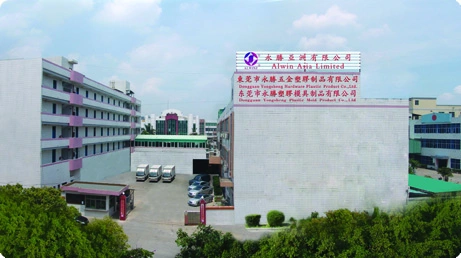
Professional injection mold, die casting mold, plastic products OEM manufacturer