Medical-Grade Plastic Products: Compliance & Safety First
Medical-grade plastic product are an important group of manufacturing parts made especially for healthcare uses where patient safety and following the rules are very important. These special materials have to meet strict international standards like ISO 13485 and FDA rules. This makes sure that they are biocompatible, sterile, and work the same way in all kinds of medical settings. From surgery tools to housings for monitoring equipment, the medical plastic product industry needs precise manufacturing methods that combine cutting-edge shaping technologies with strict quality control standards. If a procurement manager is looking for medical-grade parts, they need to work with partners who can provide certified materials and use tried-and-true manufacturing methods while strictly following compliance frameworks that keep patients and manufacturers safe.
Understanding Medical-Grade Plastic Products
Medical-grade plastics differ fundamentally from standard industrial materials in their chemical composition, manufacturing environment, and performance specifications. These specialized polymers undergo extensive testing to verify their suitability for direct or indirect patient contact, ensuring they do not provoke adverse biological reactions or introduce contaminants into sterile environments.
Material Selection and Biocompatibility Standards
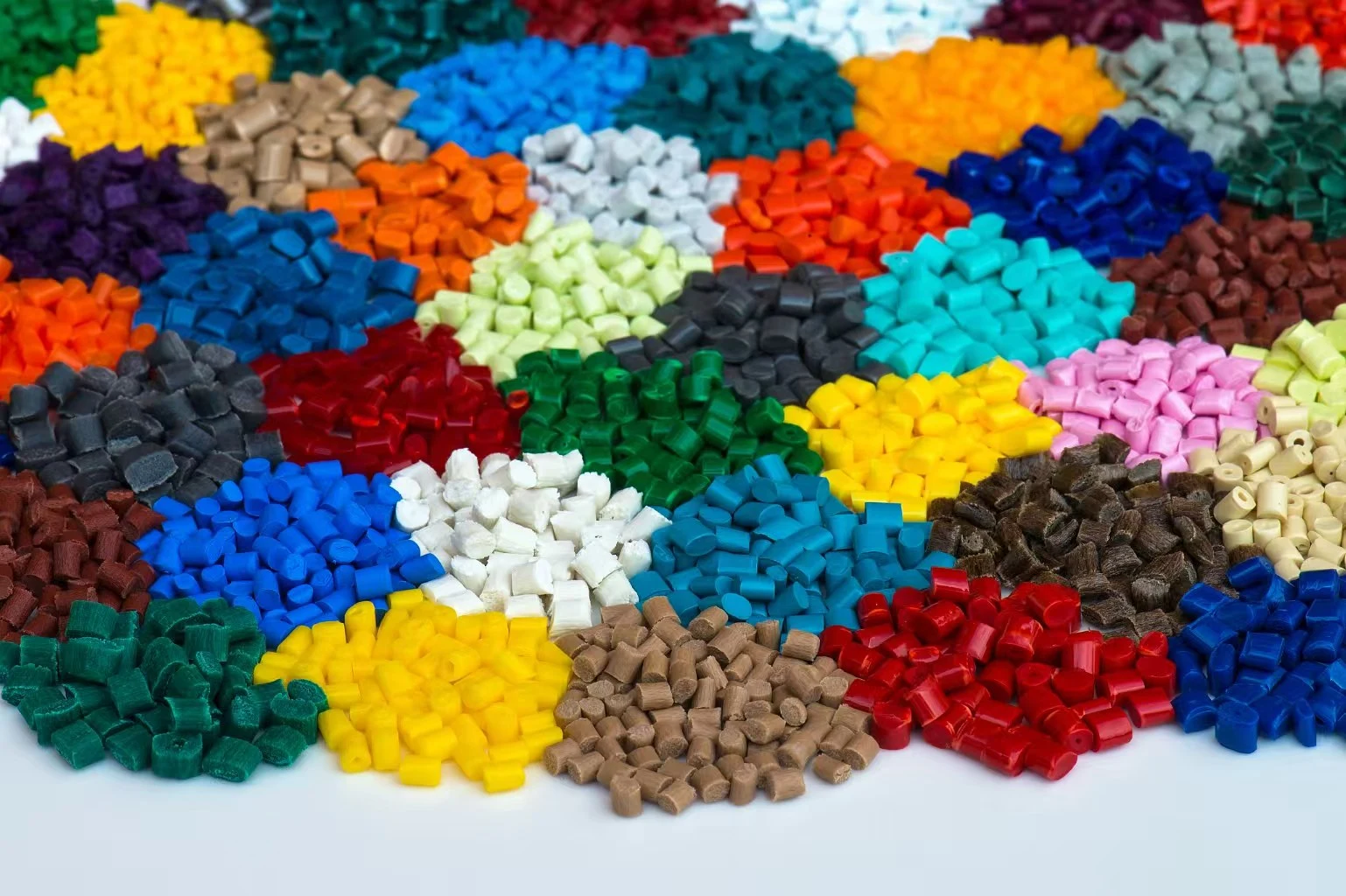
The choice of material for any medical-grade plastic product starts with making sure it is biocompatible. Because it is very resistant to chemicals and can go through many cleaning processes without breaking down, polypropylene is one of the most common plastics used in medical uses. This thermoplastic material stays structurally sound even when heated up to 121 degrees Celsius in an autoclave. This makes it perfect for making medical tools and lab equipment that can be used more than once. Protective housings and containers for sensitive diagnostic equipment during transport and storage are made of polyethylene variants, especially high-density formulations, which are better at withstanding impacts. Polyvinyl chloride is still commonly used in single-use medical applications like tubing and fluid bags, but manufacturers are looking at other materials more and more to address concerns about the environment. During the selection process, many performance factors must be weighed, such as adaptability, clarity, harmony with cleaning, and long-term stability in a range of storage circumstances. Professionals in purchasing must make sure that sellers give full material certificates that show they follow the ISO 10993 biocompatibility testing methods. These tests look at cytotoxicity, sensitization potential, and systemic toxicity using standard laboratory procedures.
Manufacturing Processes for Medical Components
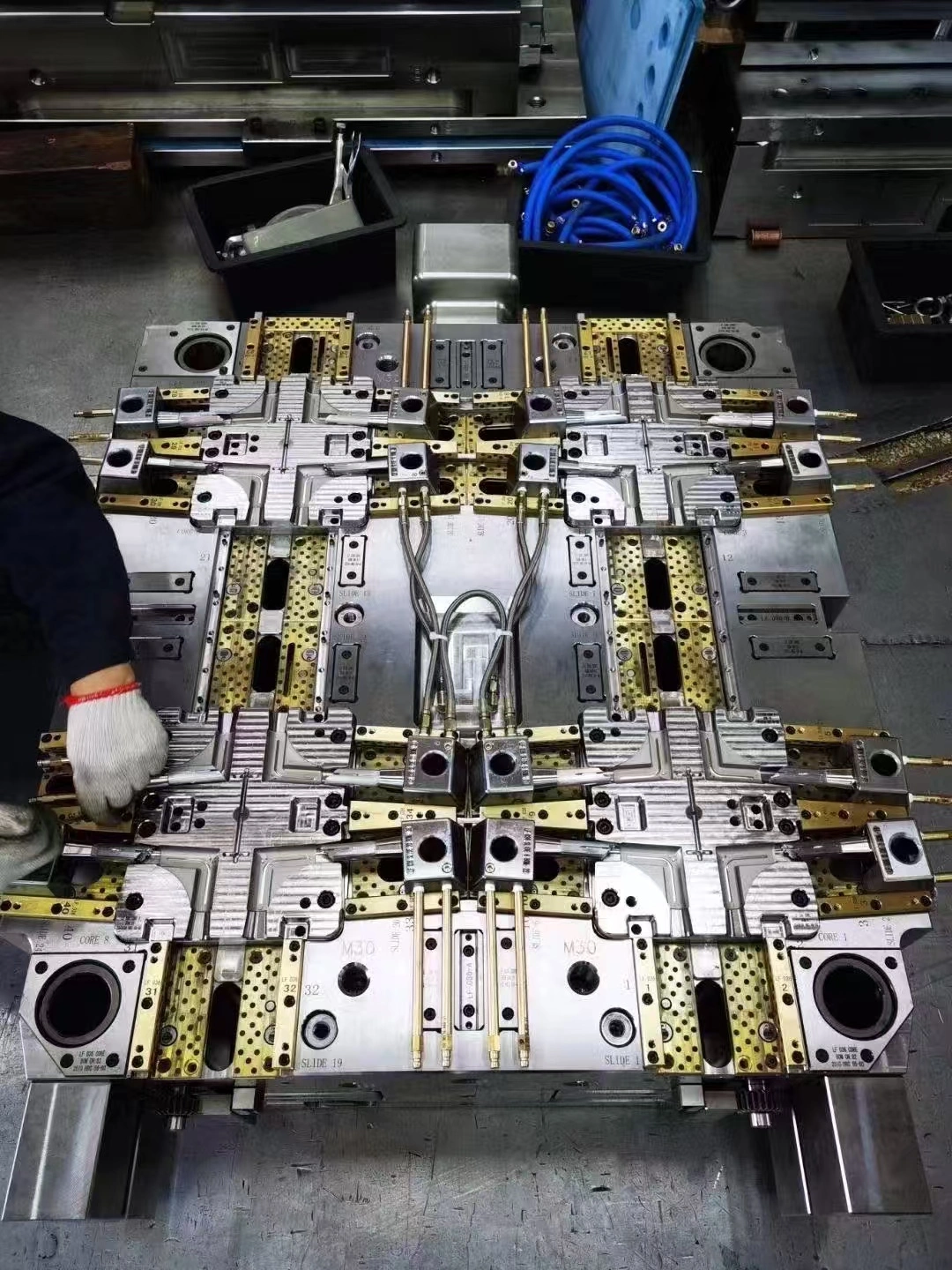
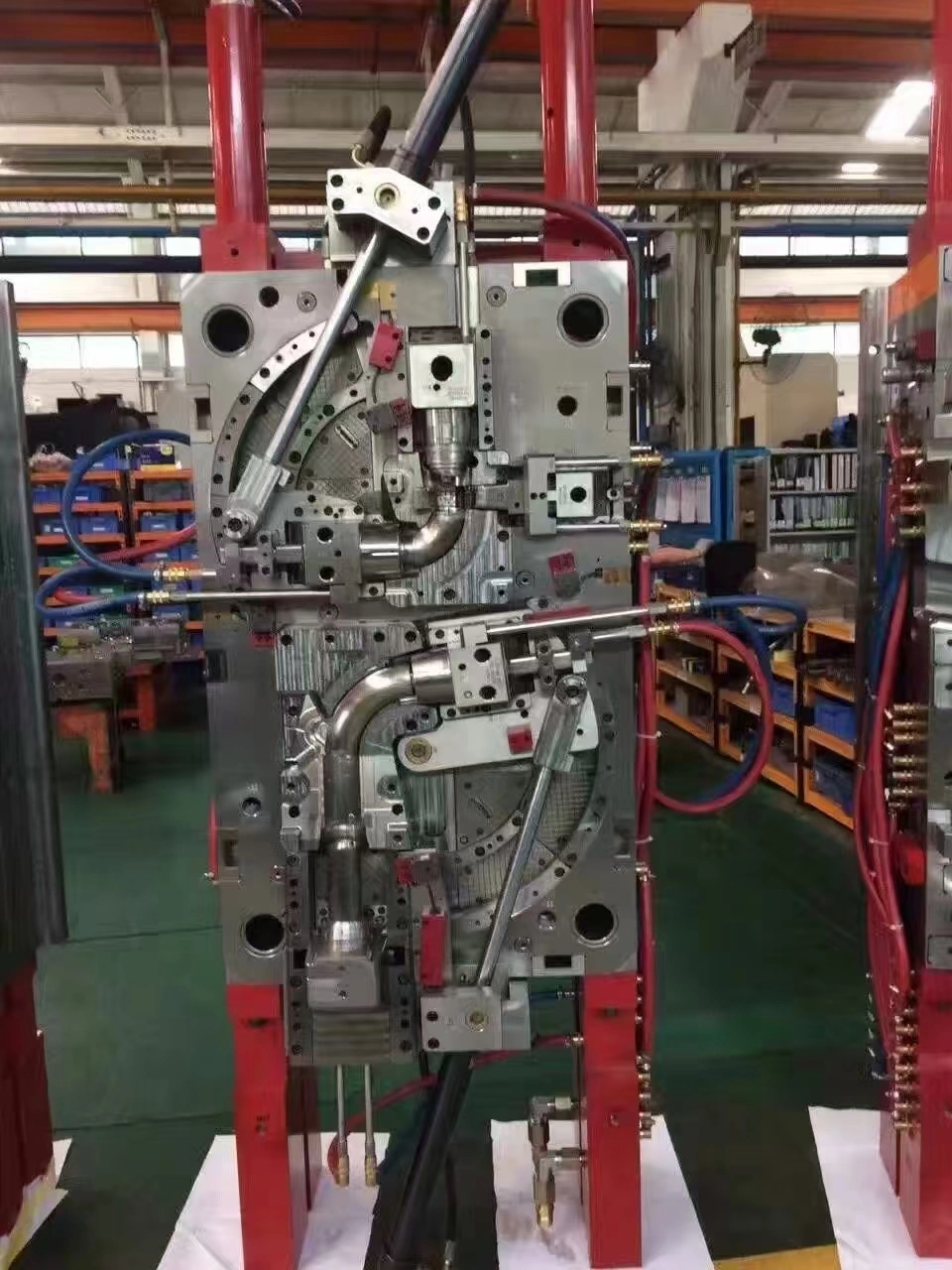
In order to make a lot of medical-grade parts, you need advanced casting technologies that can keep the industrial environment clean and accurate in terms of size. The main way that complex designs are made is through injection molding, which uses high-pressure systems to push liquid polymer into temperature-controlled molds that shape the material exactly to the customer's needs. In this process, moving and fixed mold parts work together with pouring systems that control the flow of material, temperature regulation systems that control the rate of cooling, and ejection systems that get finished parts out of the mold without damaging the surface. We use six different molding methods depending on the needs of the part. Compression molding is a great way to make electrical insulators for medical devices because it uses heat and pressure to shape thermosetting plastics. Extrusion methods make shapes that are continuous, like catheter tubes, and keep the wall thickness the same along long lengths. Vacuum forming makes thin-walled parts like safety shields and equipment covers, and blow molding makes hollow cases for medicine packaging. High-foaming polystyrene molding makes lightweight padding materials for shipping medical items that need to be kept at a certain temperature. For each method, there are specific quality control points that need to be met to make sure that the measurements are correct, the surface is smooth, and the material is the same from one production batch to the next.
Quality Assurance in Medical Manufacturing
To make medical plastic, you need to work in a cleanroom that is rated by the level of particulate pollution it can handle. Most of the work is done in ISO Class 7 or Class 8 facilities, which use advanced filter systems to keep flying particles to a minimum. We keep an eye on the temperature, humidity, and particle count in our building all the time to make sure that the production conditions are stable and that contamination doesn't happen. Statistical process control methods look at sample parts' measurements during each production run to find process drift before it causes products that don't meet standards. Traceability systems keep track of every step of the manufacturing process, from receiving raw materials to packaging the final products. This creates audit trails that meet the rules for making medical devices. We keep batch records that connect specific lots of plastic to finished goods. This lets us quickly look into quality problems that happen after the products have been sent out. We have used ISO 9001:2015 quality management standards in all of our activities since our founding in 1993, and this paperwork is needed for governmental checks and to keep our certifications up to date.
Compliance and Safety Requirements in Medical Plastics
Navigating the complex regulatory landscape surrounding medical-grade materials requires a comprehensive understanding of multiple jurisdictional frameworks that govern plastic product safety, manufacturing practices, and post-market surveillance. Compliance extends beyond initial product certification to encompass ongoing quality monitoring and continuous improvement processes that adapt to evolving regulatory expectations.
Global Regulatory Frameworks
The US Food and Drug Administration sets strict rules for medical devices that use plastic parts. The FDA divides goods into three risk groups that decide how strict the pre-market review processes must be. For Class I devices with low patient risk, general rules and not having to go through pre-market notice may be enough. On the other hand, Class II products usually need 510(k) submissions showing that they are substantially equivalent to legally sold products. Class III devices have the most serious risks, so they need Pre-Market Approval applications with a lot of clinical data to back up their safety and effectiveness claims. The European Union Medical Device Regulation has similar strict rules, and manufacturers have to go through conformity assessment procedures run by Notified Bodies before they can put the CE mark on their products. This rule stresses clinical evaluation throughout the whole lifespan of a product. It calls for thorough literature reviews and clinical follow-up studies after the product has been sold to check on its long-term performance. For regulatory compliance around the world, ISO 13485 certification sets standards for quality management that are in line with both the FDA and the EU. These standards include design controls, process validation, and risk management. Asian markets like Japan, China, and South Korea have their own regulatory pathways, but the International Medical Device Regulators Forum is working to harmonize these requirements more and more. When buying from foreign sellers, procurement teams must make sure that the manufacturing partners know what the standards are for the target market and keep the right licenses that are accepted by those authorities.
Material Safety and Biocompatibility Testing
To show that a material is safe, it needs to be put through a lot of tests in the lab, following the rules set out in the ISO 10993 series of standards. These standards describe how to test for biological reactions to medical device materials. In cytotoxicity tests, material samples are put on grown cells, and the survival of the cells is measured to find possibly poisonous substances that can leak out. Sensitization studies with guinea pigs find materials that might cause allergic reactions, while irritation studies look at how short-term contact with a material affects localized tissues. Systemic toxicity assessments use animal studies that involve implanting a material or injecting an extract, giving information on how it might hurt organs or mess up metabolism. Hemocompatibility testing is important for devices that come into touch with blood because it checks for clotting effects, platelet interactions, and complement activation that could lead to bad cardiovascular events. These thorough testing programs produce a lot of information that can be used to support regulatory applications and reassure procurement workers that products meet safety standards.
Sterilization Validation and Material Compatibility
Keeping the product sterile throughout its entire lifetime is a constant task that affects decisions about which materials to use and how to create the packaging. When ionizing radiation hits some polymers, they break apart or crosslink, which changes their mechanical qualities. However, gamma irradiation is a good way to sterilize the ends of packaged devices. Ethylene oxide sterilization is a gentler method that can be used on radiation-sensitive materials, but it needs longer aeration times to get rid of any leftover gas that could cause toxic reactions. Autoclaving with steam sterilization is a faster method that doesn't leave any chemical residues, but high temperatures and moisture exposure make it incompatible with thermally stable polymers like polypropylene and some polycarbonate formulations. We do studies to make sure that the cleaning methods we choose meet the needed levels of sterile guarantee without affecting the purity or stability of the materials. Following guidelines from standards groups, these validation procedures record process parameters, biological signs, and material profile data that show that sterilization works every time.
Comparing Medical-Grade Plastic Products: Selecting the Best Fit
Strategic procurement decisions require systematic evaluation of material options against specific application requirements, balancing performance characteristics, regulatory compliance, and total cost of ownership across the product lifecycle. Understanding the distinctions between material grades and manufacturing approaches enables informed selections that optimize both functionality and economic efficiency.
Medical-Grade Versus Alternative Material Classifications
To tell the difference between medical-grade plastics, food-grade plastics, and general industry materials, you need to know how rigorous the testing is and what quality controls are used during production. Medical-grade materials meet biocompatibility standards and are made in controlled settings using approved methods. Food-grade materials, on the other hand, meet safety standards for accidental food contact without having to go through biological safety tests. For general industrial grades, mechanical performance and resistance to the environment are more important than the traceability and batch documentation needed for medical applications. Purchasing professionals sometimes come across situations where food-grade materials seem like a good fit for non-critical medical applications, but this substitution comes with regulatory risks if devices go through classification that requires biocompatibility to be shown. The price difference between types of materials is due to both the cost of checking them and the strict rules and record-keeping methods that medical-grade sources use in their supply chains. We suggest making clear application risk ratings that help choose the right material grade. This way, you can make sure you're following the rules and avoid paying more for parts that meet the rules with lower grades.
Customized Solutions Versus Standard Components
To choose between custom-made parts and regular stock items, you need to look at production numbers, the need for design freedom, and the time it takes to get the plastic product to market. Custom molding creates designs that work best by combining multiple functions, cutting down on assembly steps, and reducing material waste by making sure that parts are precisely shaped. This method is more cost-effective for large production runs where tooling costs are spread out over a lot of units, usually more than a few thousand per year. Our one-stop OEM service includes design advice from our experienced engineering team, mold fabrication using advanced CNC machining centers, production using validated processes, and secondary operations like assembly, printing, and packaging. This unified method gets rid of the organizational problems that come up when you have to deal with many providers. It also cuts down on wait times and makes quality responsibility easier. Standard components are easier to get for testing and small-scale production, but they might not help with design optimization and can make it harder to combine parts from different sources that work together.
Disposable Versus Reusable Product Strategies
To decide between single-use disposables and reusable items, you need to look at infrastructure for cleaning, infection control procedures, and lifetime cost models. Disposable goods don't need to be cleaned or reprocessed, and they also lower the risk of cross-contamination. This makes them appealing in high-volume hospital situations where safety and ease of use support higher unit costs. When making materials for one-time use, cost-effectiveness and ease of processing are important. Often, polystyrene, polyethylene, or polypropylene formulations that are best for high-speed molding are used. On the other hand, materials for reusable medical devices need to be able to withstand multiple sterilization cycles without breaking down mechanically, changing shape, or losing their surface, which could allow microbes to get inside. Some types of polycarbonate, polysulfone, and polyetherimide are very stable at high temperatures and can be sterilized in an autoclave. They stay clear and don't break easily, even after hundreds of processing cycles. The initial buy price, recycling labor and materials, cleaning equipment wear and tear, and the possibility of replacement due to damage or wear must all be included in the total cost analysis. Reusable methods that cut down on medical trash are becoming more and more popular from an environmental point of view. However, this benefit must be weighed against the need to prevent infections, which puts patient safety ahead of sustainability goals.
Procurement Guide for Medical-Grade Plastic Products
To successfully buy medical-grade parts, you need to build relationships with providers who can show they have both the professional skills and the quality system maturity you need. Certifications, industrial infrastructure, process controls, and good communication that make it easy for everyone to work together during the planning, production, and delivery phases should all be part of the evaluation factors.
Supplier Certification and Audit Procedures
Checking the current ISO 13485 certification from recognized registrars is the first step in vetting possible sources. This makes sure that quality management systems meet the standards of the medical device business. We keep our ISO 9001:2015 certification and are board members of the Dongguan City Hardware Machinery Mould Industry Association. This shows that we are committed to best practices and methods for ongoing growth in our industry. Without also looking at actual manufacturing practices through facility audits that check cleanroom classifications, equipment calibration records, and training documentation for staff, certification alone isn't enough to give confidence. Full supplier audits should look at design control procedures that systematically turn customer needs into manufacturing specifications, making sure that important quality attributes are checked throughout production. Process validation paperwork shows that manufacturing methods always make products that are the same size and shape, which is especially important for important measurements that affect how well a device works or how safe a patient is. Our Dongguan site is in Chang'an Town and is open for customer checks. Our operations cover more than 6,000 square meters and are run by more than 300 skilled workers who are committed to precision production.
Understanding Minimum Order Quantities and Lead Times
The economics of production for injection molding and other plastic-making methods set minimum order amounts that take into account the time it takes to set up the tools, the material that is wasted during process stability, and the need for quality control samples. Making a custom mold can take a few weeks, depending on how complicated the part is and how long it takes to validate the mold. Finished parts from subsequent production runs can be delivered in two to six weeks, depending on the number of orders and the availability of schedules. Our location near Shenzhen airports, which is only 20 to 50 minutes from major transportation hubs, makes it easy for customers to visit and oversee production and check for quality. We work with the buying teams to set reasonable deadlines that take into account things like clearing customs, shipping goods across foreign borders, and following the rules for getting inspections. You can place a rush order if you need something quickly, but you'll usually have to pay more for faster tooling and production prioritization, which throws off regular schedules.
Intellectual Property Protection Strategies
When you outsource manufacturing to foreign providers, you need strong contractual agreements and operating security measures that stop ideas from being shared or copied without your permission. We have strong rules about privacy, like signing non-disclosure agreements before technical talks start. This means that only people actually working on the project can see the information. Physical security measures keep visitors out of production areas, and digital safeguards like secure file transfer systems and access-controlled servers keep CAD files and technical specifications safe. Our operational principle stresses that strict protection of client information is an important part of our service commitment, as we know that intellectual property gives our customers big competitive advantages. Separate storage areas for tools are kept up with controlled access to keep molds safe and out of the hands of people who aren't supposed to be using them for production runs. Contractual clauses make it clear that customers can't use their own tools or ideas to make goods for other people. If this happens, the customer could face legal action or even lose the business relationship. Procurement pros can be sure that their investments in product development will be safe during manufacturing partnerships thanks to these all-around defenses.
Yongsheng: Your Trusted Partner for Medical-Grade Plastic Manufacturing
Dongguan Yongsheng Hardware Plastic Product Company Limited has been making precise molds and plastic parts for over 30 years and has worked with clients from around the world in the electronics, consumer goods, automobile, and medical device industries. Since we started in 1993 and are registered through our Hong Kong company, Alwin Asia Limited, we have grown from a regional toolmaker to a full-service OEM manufacturing partner that can handle the whole product lifecycle, from the initial idea to mass production. We are experts in medical-grade manufacturing because we strictly follow quality management systems that are backed up by ISO 9001:2015 certification and keep investing in cleanroom infrastructure to support production that is free of contamination. We can do all the main types of plastic shaping, such as injection molding for complicated shapes, compression molding for thermoset materials, extrusion for continuous profiles, blow molding for hollow containers, vacuum forming for large-area parts, and special foaming processes for lightweight insulation needs. We can suggest the best ways to make certain parts by balancing performance requirements with cost targets and production timelines, thanks to our wide range of technical knowledge. Working with Yongsheng has many clear benefits that make supply chain management easier while also ensuring consistent quality and regulatory compliance. Our one-stop service model includes design advice, mold creation, production, and secondary processing all under one project management. This makes it easier to coordinate and communicate than handling a bunch of different providers. Our engineering team does reviews called "design for manufacturability" that find possible production problems early on in the development process. This keeps expensive design changes from having to be made after the promise to make the tools. We have long-term relationships with certified resin suppliers that give us access to medical-grade polymers and full documentation for regulatory submissions. Our strategic location in Dongguan, a manufacturing hub with low labor costs and large supplier ecosystems for finishing, printing, and putting things together, helps us keep costs low. We offer clear price models that break down the costs of machine investments and individual parts. This lets you accurately estimate the total cost of production across all expected numbers. Our dedication to disciplined production planning and capacity management practices that avoid overcommitment and schedule issues shows in how well we meet our delivery deadlines. For pressing needs, there are rush options, which are made possible by open work schedules and established connections with fast freight providers.
Conclusion
Medical-grade plastic products need extra care to be made with compliance, safety, and quality in mind at every step of the way, from choosing the materials to making sure they are sterilized and packaged. When purchasing these important parts, procurement workers need to work with sellers who can show they have a wide range of skills, such as an understanding of regulations, experience with process approval, and a quality system that meets international standards for medical devices. To meet FDA requirements, EU MDR compliance, and ISO 13485 certification, you need production partners with a lot of experience who know both the technical requirements and the paperwork standards that regulators look for. At Yongsheng, we have 30 years of experience making precise parts and are committed to protecting our clients' intellectual property and providing consistent quality that helps medical devices become widely used.
FAQ
What certifications are essential when sourcing medical-grade plastic components?
Essential certifications include ISO 13485 quality management system registration demonstrating compliance with medical device manufacturing requirements, along with ISO 9001:2015 for a broader quality system foundation. Material suppliers should provide ISO 10993 biocompatibility testing documentation specific to the polymer grades used in production. Depending on destination markets, FDA registration may be required for manufacturers exporting to the United States, while EU suppliers need conformity assessment documentation supporting CE marking. Verification of cleanroom classification appropriate for the device risk level ensures adequate contamination control during manufacturing operations.
How do lead times differ between custom and standard medical plastic products?
Custom medical components require mold design and fabrication before production commences, typically adding four to eight weeks for tooling, depending on part complexity and cavity count. After tool completion, initial article inspection, and process validation, timelines are by one to two weeks before full production release. Total lead times for custom projects generally range from eight to twelve weeks from order placement to delivery. Standard catalog components manufactured from existing tooling ship within two to four weeks, though customization, such as printing or special packaging, may extend delivery timelines. Establishing forecasted demand schedules enables manufacturers to maintain safety stock of common components, reducing lead times for repeat orders.
What measures ensure intellectual property protection when outsourcing to international manufacturers?
Intellectual property protection requires multi-layered approaches combining contractual safeguards with operational security measures. Comprehensive non-disclosure agreements executed before technical information exchange establish legal frameworks defining confidential information and restricting unauthorized use. Physical security controls limit access to production areas and tooling storage facilities, preventing unauthorized observation or documentation of proprietary designs. Digital security measures, including secure file transfer protocols and access-controlled servers, protect CAD files and technical specifications. Tool ownership agreements clarify that customers retain all rights to molds and production fixtures, prohibiting manufacturers from producing components for other parties using customer-owned assets. Reputable manufacturers implement these protections as standard business practices, recognizing that customer trust depends on absolute confidentiality.
Are recyclable and biodegradable plastics compliant with medical safety standards?
Recyclable and biodegradable plastics can achieve medical-grade compliance provided they undergo identical biocompatibility testing and demonstrate performance characteristics meeting application requirements. Polylactic acid derived from renewable resources has gained regulatory clearance for certain medical applications, including absorbable sutures and drug delivery systems, though its thermal sensitivity limits sterilization options primarily to ethylene oxide or radiation methods. Post-consumer recycled resins face regulatory challenges due to potential contamination from unknown previous uses, making them unsuitable for direct patient contact applications without extensive purification and testing. Medical device manufacturers increasingly evaluate bio-based polymers as environmental sustainability gains prominence, though material selection ultimately prioritizes patient safety and regulatory compliance over ecological considerations. Suppliers offering sustainable alternatives should provide comprehensive documentation demonstrating equivalent safety profiles to conventional medical-grade materials.
How does material selection impact sterilization method compatibility?
Material selection directly determines viable sterilization options, as polymers exhibit varying tolerance to heat, radiation, and chemical exposure used in terminal sterilization processes. Polypropylene withstands steam autoclaving at 121 degrees Celsius, making it suitable for reusable instruments requiring rapid turnaround between procedures. Polycarbonate and certain polyethylene grades tolerate gamma irradiation without significant mechanical property degradation, enabling the sterilization of packaged single-use devices. Polyvinyl chloride and polyurethane materials require ethylene oxide sterilization due to thermal sensitivity that causes dimensional changes or mechanical weakening at autoclave temperatures. Design teams must specify sterilization requirements early in development, ensuring material selection aligns with intended reprocessing methods and avoiding costly redesigns after discovering incompatibility during validation testing.
Partner with Yongsheng for Compliant Medical-Grade Plastic Product Manufacturing
Yongsheng stands ready to support your medical device manufacturing requirements with comprehensive capabilities spanning design consultation, precision mold fabrication, validated production, and complete quality documentation. As an experienced plastic product manufacturer serving international clients for over 30 years, we understand the critical importance of regulatory compliance, on-time delivery, and intellectual property protection that procurement managers prioritize when selecting manufacturing partners. Our ISO 9001:2015 certified facility in Dongguan offers convenient access from major transportation hubs, welcoming customer visits for facility audits and production oversight. Contact our team at sales@alwinasia.com to discuss your specific component requirements and receive detailed quotations reflecting our commitment to cost-effectiveness without compromising quality standards. We deliver the one-stop OEM service excellence that transforms complex procurement challenges into streamlined manufacturing partnerships, ensuring your medical devices reach market with full compliance confidence.
References
1. International Organization for Standardization. ISO 13485:2016 Medical Devices - Quality Management Systems - Requirements for Regulatory Purposes. Geneva: ISO, 2016.
2. U.S. Food and Drug Administration. Guidance for Industry and FDA Staff: Medical Device Use-Safety - Incorporating Human Factors Engineering into Risk Management. Silver Spring: FDA Center for Devices and Radiological Health, 2000.
3. European Commission. Regulation (EU) 2017/745 of the European Parliament and of the Council on Medical Devices. Official Journal of the European Union, 2017.
4. International Organization for Standardization. ISO 10993-1:2018 Biological Evaluation of Medical Devices - Part 1: Evaluation and Testing Within a Risk Management Process. Geneva: ISO, 2018.
5. Association for the Advancement of Medical Instrumentation. ANSI/AAMI ST79: Comprehensive Guide to Steam Sterilization and Sterility Assurance in Health Care Facilities. Arlington: AAMI, 2017.
6. Plastics Industry Association Medical Device Committee. Guidelines for Medical Grade Thermoplastics: Material Selection and Processing Considerations. Washington: Plastics Industry Association, 2019.

We can provide a one-stop service, including design and development, mold fabrication, production, product processing, etc.

Professional injection mold, die casting mold, plastic products OEM manufacturer