Plastic Furniture: Affordable, Durable & Weather-Resistant
Plastic product furniture is a game-changing option for modern business-to-business buying, offering unbeatable value through its low cost, durability, and flexibility. When we look at furniture made from tailored polymers, we're looking at a type of plastic product that has changed the way people in the hotel, healthcare, transportation, and consumer goods industries think about plastic. Not only do they save money at first, but they also have long-term benefits like not letting water in, being stable under UV light so it doesn't break down, and having a strong structure that can handle changes in temperature. More and more, purchasing managers are realizing that polymer-based furniture solves many problems that come with traditional materials, while still looking good and working well in a variety of business settings.
Understanding Plastic Furniture: Types, Materials & Manufacturing Process
Navigating the landscape of polymer-based furniture requires comprehensive knowledge of product categories, material science, and production methodologies. The B2B market encompasses a broad spectrum of furniture applications, each designed to meet specific operational requirements and environmental conditions.
Common Categories in Commercial Settings
When it comes to business purchases, polymer furniture can be broken down into a number of useful groups. Outdoor sitting options include benches and chairs that can be stacked and are made for public areas, dining places, and leisure centers. Task chairs for the office, chairs for the meeting room, and high-traffic dining furniture are all indoor uses. Polymers are useful for storage solutions like shelving units, utility carts, and organizational systems in places that get a lot of moisture, like food service and healthcare facilities. Garden and patio sets made for business gardening projects are made to last in bad weather and look good at the same time. Each group deals with a different set of performance factors, such as load-bearing ability in factories and cleanliness standards in hospitals.
Core Material Specifications
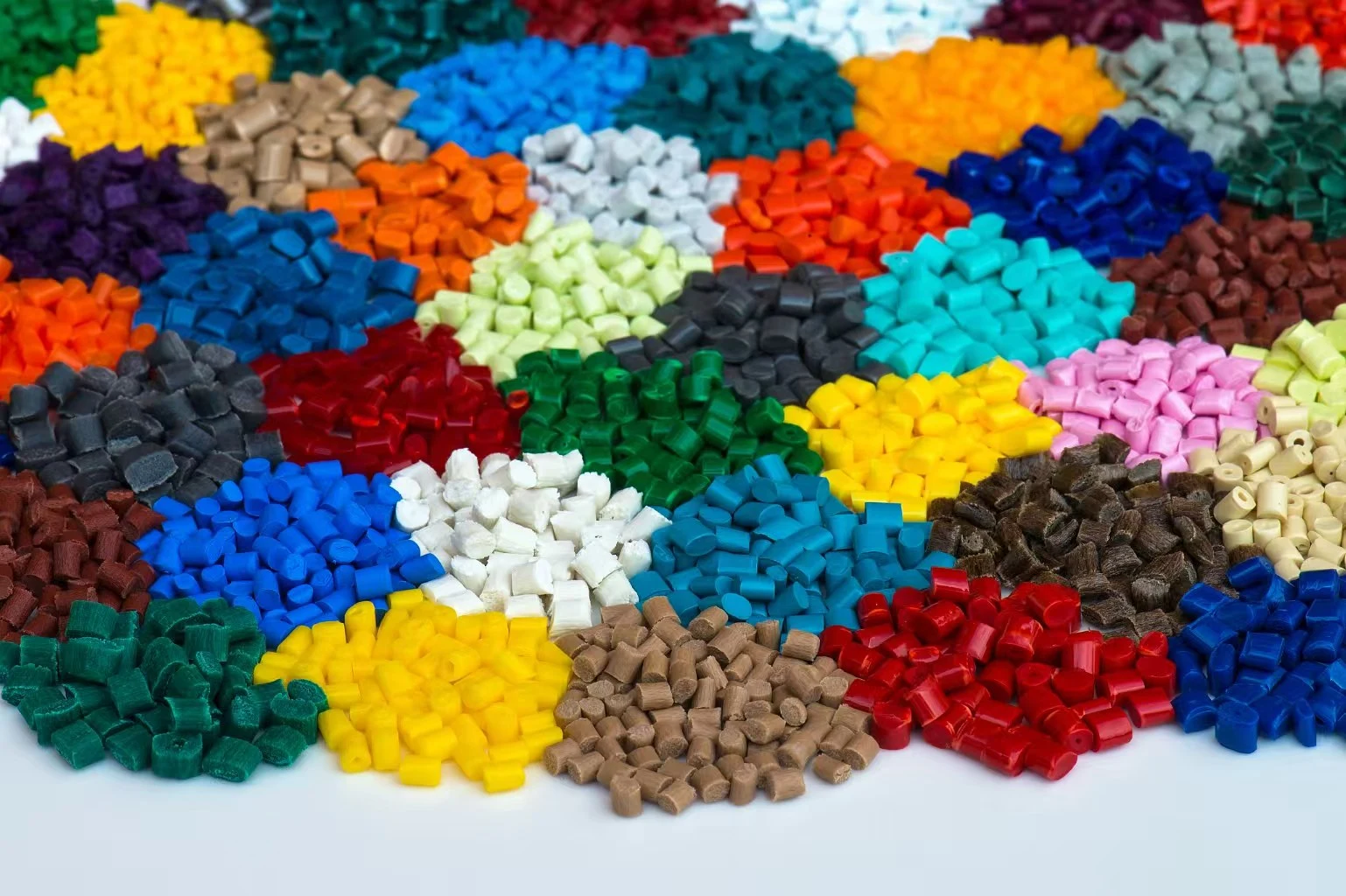
The success of polymer furniture depends a lot on the material that is used. High-density polyethylene (HDPE) is very resistant to impact and chemical stability, which makes it perfect for outdoor furniture that is exposed to high temperatures and tough weather. When it comes to flexibility and wear resistance, polypropylene is the best material. This makes it especially useful for sitting uses that need to absorb repeated stress. Polyvinyl chloride (PVC) is stiff and doesn't catch fire, which makes it perfect for places like schools and hospitals where safety rules are very strict. Standard types of polyethylene are cost-effective and durable enough for moderate-use applications. The choice of material has a direct effect on how long a product lasts, how much it costs to maintain, and the total cost of ownership. These are all important factors that buying decision-makers consider.
Manufacturing Technologies and Quality Assurance
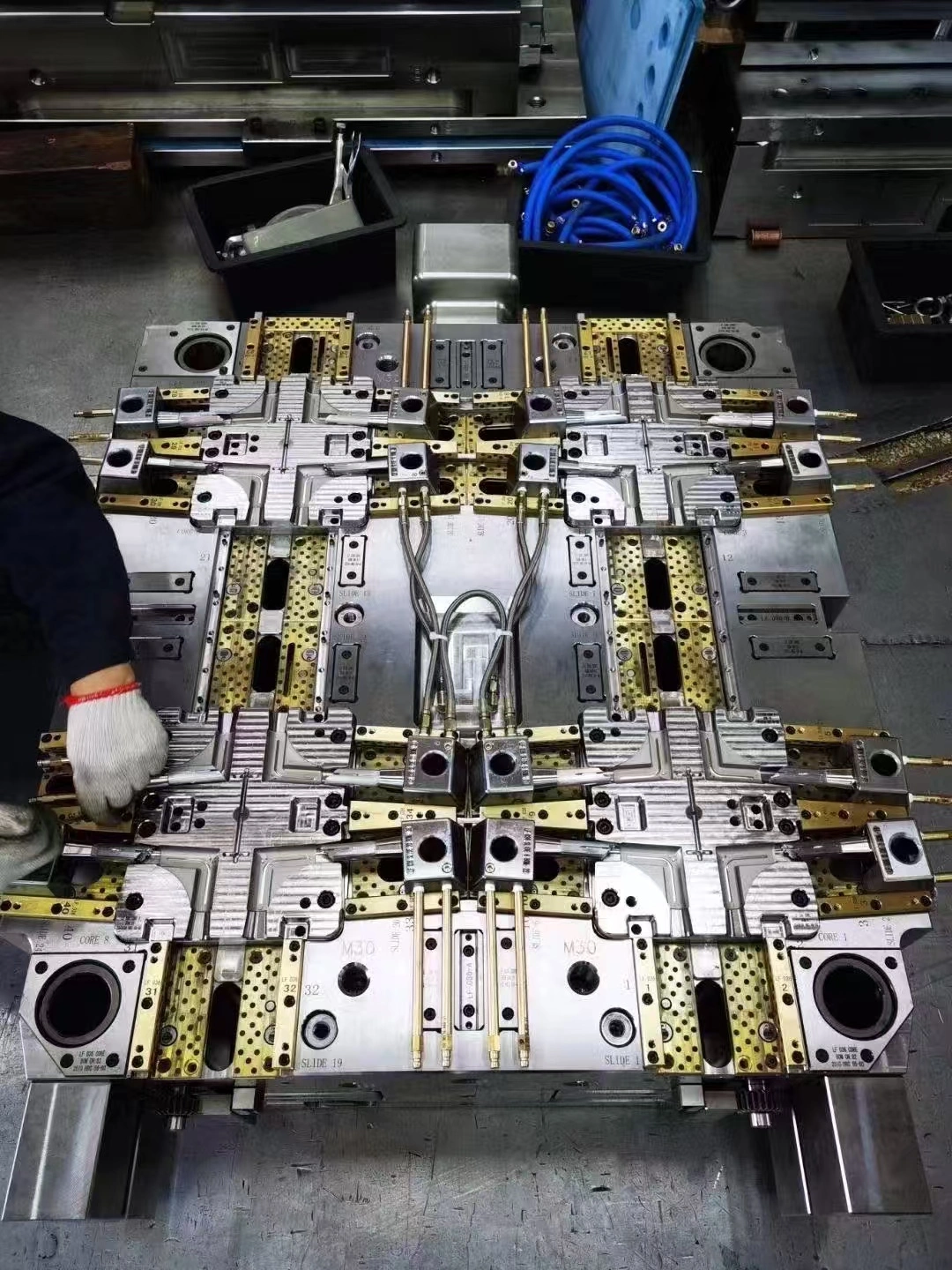
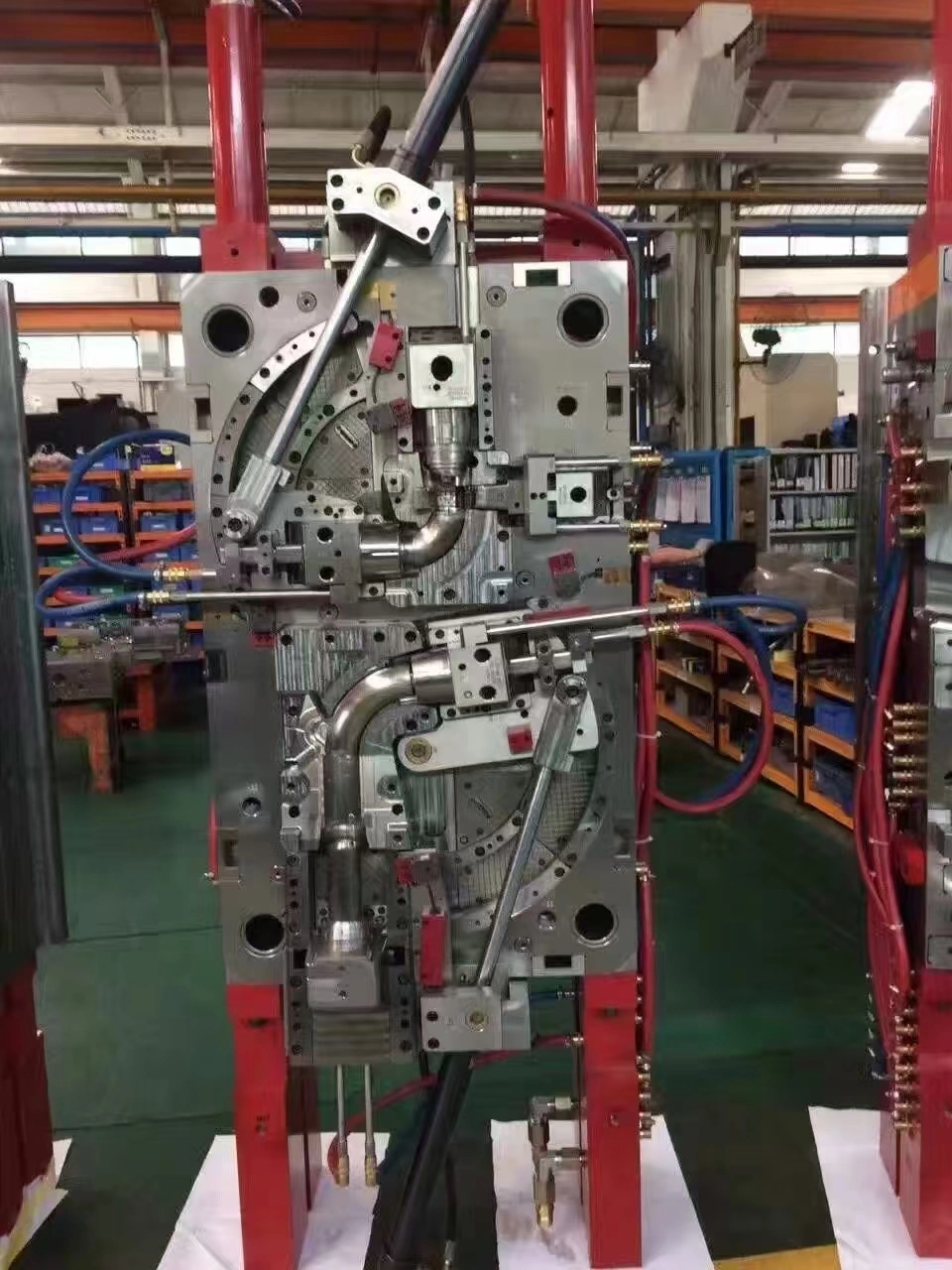
Modern shaping technologies are what determine both the quality and the size of polymer furniture made today. Knowing about these steps helps buying teams judge the skills of suppliers and the regularity of their work. Tools that cut plastic into forms make mass production possible by giving plastics precise shapes and sizes. These tools are used a lot in industries like gadgets, home goods, and cars. Injection molding is the main way that large amounts of furniture parts are made. It involves forcing liquid polymer into precise molds while controlling the temperature and pressure. The core structure includes both moving and set molds, as well as systems for filling, controlling temperature, and release. This method is great for making complicated shapes with very tight standards. It can be used to make chair backs, arms, and structural supports with uniform wall thickness and surface finish. When hot polymer is pressed into open molds, it makes bigger, simpler shapes like tabletops and seat pans. This method saves money for small production runs. Continuous profiles, like frame members and edge trim, are made by extrusion methods. These profiles are then cut to length and put together. Blow molding uses controlled air expansion of hot polymer in closed molds to make hollow shapes like storage bins and some types of chairs. Vacuum forming uses a difference in air pressure to shape hot polymer sheets over molds. It is a cheap way to make prototypes and small batches of products. High-foaming polystyrene molding makes structure parts that are light and good at insulating. During these steps, quality control measures include checking the dimensions, trying the material's density, checking its stability in UV light, and making sure it can hold its own weight. Reputable makers use statistical process control to make sure that all of their production batches are the same. This makes sure that every plastic product meets the performance standards that were set. When reviewing a supplier's technical skills and production ability for special or high-volume orders, procurement teams can use this knowledge of basic manufacturing principles.
Why Choose Plastic Furniture? Key Benefits for Global Procurement
The strategic advantages of polymer-based furniture extend well beyond initial acquisition costs, encompassing lifecycle economics, operational flexibility, and sustainability considerations that align with contemporary procurement objectives.
Cost-Effectiveness Through Economies of Scale
Throughout its useful life, polymer furniture offers strong financial benefits. Plastic product acquisition costs are usually thirty to fifty percent lower than similar metal or wooden options. This is because manufacturing processes are more efficient and there are plenty of raw materials available. When you buy in bulk, you save even more because makers can improve production runs and lower the cost of tools for each unit. Transportation costs go down because the chairs are lighter—polymer chairs weigh about half as much as steel chairs of the same size, so they ship more efficiently and cost less. The cost of installation work goes down because lighter parts need fewer people to put them together and are easier to put together. Plastic surfaces don't color easily, don't rust, and usually only need basic cleaning. This means that maintenance costs are kept low. Quality polymer furniture keeps its shape and good looks for eight to twelve years in business settings, so replacement cycles are longer. This is because the initial investment is spread out over longer operating times.
Durability and Environmental Resilience
One thing that makes molded polymer furniture unique is its performance stability in tough situations. Adding UV protectors to materials stops photo-degradation and color fading, so they look good even after being in the sun for a long time. When wood furniture is moisture-impermeable, you don't have to worry about warping, swelling, or mold growth that can happen when the temperature changes or the furniture comes into direct touch with water. Chemical resistance keeps things from breaking down when they come in contact with cleaning products, saltwater, or industrial settings where metal furniture rusts. Temperature stability means that structure features stay the same from -40 degrees Celsius to +80 degrees Celsius, so it can be stored outside in the winter and exposed to tropical heat. This resilience has been shown in a number of recorded uses. A Florida beach property said that HDPE eating sets looked good and worked well during five straight storm seasons, while metal furniture had to be replaced every two years because saltwater corroded it. In Arizona, a healthcare center found that polypropylene waiting room chairs kept their color and structural integrity after eight years of constant use in sun-exposed areas. This was a lot longer than the initial lifecycle predictions. A shipping center in Minnesota found that polymer shelving units worked consistently in storage areas that weren't warm and where temperatures fluctuated more than sixty degrees Celsius throughout the year. This was because the joints didn't break and the surfaces didn't wear down like they did with older metal systems.
Sustainability and Environmental Responsibility
More and more, modern polymer furniture takes environmental worries into account by using new materials and following the ideals of the cycle economy. Some makers make furniture with up to 95% post-consumer recycled plastic, which means that recycled content formulas can now work as well as new materials. End-of-life recyclability lets furniture parts go back into the making process instead of ending up in a dump. Biodegradable polymer replacements made from green materials can be used in situations where protecting the environment is more important than needing something to last a long time. A carbon footprint study shows that making and transporting polymer furniture usually produces forty to sixty percent less greenhouse gas emissions than making and transporting metal goods of the same type. This helps companies keep their sustainability promises. Buying strategies that focus on recycled content and environmental approvals from suppliers help organizations meet their environmental, social, and government goals while still meeting practical performance standards.
How to Choose the Right Plastic Furniture for Your Business Needs
Strategic furniture selection requires systematic evaluation of operational requirements, performance specifications, and procurement parameters to ensure alignment between product characteristics and business objectives.
Evaluating Usage Scenarios and Performance Requirements
The main thing that decides what kind of furniture is needed is the application environment. When it comes to load capacity, office settings with normal adult users are very different from industrial settings where furniture may hold tools or equipment. Outdoor dining places need the highest levels of UV resistance and wetness resistance, while indoor office settings put an emphasis on comfort and a good look. High-traffic areas need stronger structures and surfaces that don't wear down easily, while low-traffic areas can use less expensive specs. Budget limits set the range of materials and levels of customization, weighing the original cost against the expected service life and number of replacements. Before working with sellers, procurement teams should write down clear standards in all of these areas. This way, they can make sure that the products they suggest meet real practical needs instead of just being general answers.
Comparative Material Analysis for Informed Selection
Different types of polymers have different performance qualities that make them better for certain plastic product uses. HDPE is great for outdoor plastic product uses that need to be resistant to weather and impacts, but it is heavier and costs more to make because it is denser. Polypropylene is the best material for plastic product seats because it is flexible and doesn't wear down easily. It also has good weather protection, so it can be used in all indoor and covered outdoor plastic product places. PVC is very hard and doesn't catch fire, which makes it great for educational setting plastic products. However, it's not as good at resisting impacts when used in outside plastic products in cold conditions. For short-term or moderate-use plastic product tasks where top performance isn't needed, standard types of polyethylene are a cost-effective option. Design factors like reinforced rib designs, wall thickness, and joint building methods have a big effect on plastic product strength and longevity, even if the base material is chosen. Maintenance needs are pretty low for all types of polymers, but they are different in small ways for plastic products. For example, HDPE plastic product surfaces can handle harsh cleaners that could damage polypropylene finishes, and UV-stabilized plastic product versions stay looking good longer than unstabilized ones.
Industry-Specific Application Recommendations
Different types of businesses have different furniture needs that help you choose the best product. Hospitality businesses benefit from stackable, light seating that makes it easy to change the layout of a room quickly and store items away during the winter. Seating made of UV-stabilized HDPE or polypropylene keeps its look even after heavy use. Furniture in healthcare facilities has to follow strict hygiene rules. Seamless construction lowers the risk of exposure, and chemically resistant surfaces can handle strong cleaning methods. Logistics and warehouses need to be able to hold a lot of weight and take a beating, so they like strengthened HDPE construction that can handle forklifts and big equipment being moved around. In offices, sensible design and good looks go hand in hand. Polypropylene task seating is a good choice for comfort and looks at a reasonable price. Residential property management apps choose mid-grade polyethylene for shared areas with modest traffic and exposure because it is durable and doesn't cost too much.
Customization and Procurement Parameters
There are more useful things to think about when buying commercial furniture than just the product specs. For unique colors, names, or design changes, the minimum order quantity is usually between 500 and 2000 units, but this depends on the manufacturer's skills and the need for special tools. Standard product lines can often ship from stock, and the minimum order size is as low as fifty to one hundred units. Lead times range from two to four weeks for goods that are in stock to eight to sixteen weeks for making unique tools and goods. Things to think about when delivering include the type of freight, how it needs to be packaged, and how easy it is to get to the destination for both container and truck shipping. After-sales support includes things like warranties that last between two and five years, the ability to get new parts, and expert help for questions about how to put something together or do routine maintenance. During the review of suppliers, procurement teams should be clear on these factors so that there are no surprises when the order is being carried out, like delays or extra costs.
Sourcing Plastic Furniture: Navigating Global Suppliers and Procurement Channels
Successful procurement depends on identifying qualified suppliers and establishing relationships that support consistent quality, reliable delivery, and responsive service throughout the business partnership.
Supplier Evaluation Criteria and Quality Indicators
Systematic evaluation across multiple aspects is needed to tell the difference between capable makers and weak sellers. ISO 9001 approval means that quality management systems have been put in place and that methods and processes for ongoing growth have been written down. Material approvals make sure that raw plastics meet performance standards, environmental rules, and safety standards for touch with food. Documentation about production capacity shows that the company can meet large orders on time without lowering the quality of the work. Export knowledge, as shown by established transportation relationships and customs paperwork skills, makes foreign shipping easier. Technical skills like having in-house mold creation, development facilities, and testing tools show that the company knows a lot about manufacturing, not just putting things together. Credit records or bank references that check a supplier's financial health give you faith in their long-term trust and compliance with the terms of the contract. Reference customers in related businesses can give you useful information about how well you actually do, how quickly you respond, and how you solve problems.
Wholesale versus Custom Manufacturing Considerations
Different purchasing plans are used depending on whether stock goods meet the needs or whether customizing them is worth the extra money. When you buy in bulk from well-known brands, you get benefits like instant access, lower unit costs due to more efficient production, and products that have been used successfully in similar situations before. Catalog choices are usually good for common types of furniture where name recognition or individual needs aren't important. When specific measurements, load capabilities, colors, or branding needs set goods apart in competitive markets or deal with unique practical limits, custom production can be helpful. Depending on how complicated they are, tooling costs for unique molds usually range from $3,000 to $15,000, which is spread out over many production runs. Break-even analysis usually supports unique methods for sales over 2,000 units or when making the product different makes a lot of competitive value. The cost-performance ratio is usually best when hybrid tactics combine standard base designs with custom colors or small changes.
Pricing Models and Service Expectations
Knowing how costs are structured and what service factors are used lets you make realistic budget plans and compare suppliers. Usually, prices are set in tiers, with lower per-unit costs after 500, 1000, and 5000 units. Freight terms need to be made clearer. FOB factory prices put the shipping responsibility and costs on the buyers, while delivery prices include shipping but may limit the carriers that can be used. Payment terms usually require a 30% fee from new customers, with the rest due before shipment. After a while, net-30 or net-60 terms are used, depending on the customer's payment history. To figure out who is responsible for delays, lead time promises should list the length of time for production separately from the time it takes for shipping. There are a lot of different types of service after the sale, from simple guarantee repair to full professional support, installation help, and teaching on how to do upkeep. These factors should be written down clearly in procurement deals to avoid confusion and set clear performance standards for the whole provider relationship.
Yongsheng: Your Trusted Partner in Custom Plastic Product Manufacturing
At Yongsheng, we bring over three decades of specialized expertise in precision mold fabrication and high-volume polymer component production to serve procurement professionals seeking reliable manufacturing partnerships. Our company operates from a strategic location in Dongguan's renowned mold manufacturing district, where we've cultivated deep technical capabilities and supply chain relationships since our founding in 1993.
Comprehensive Manufacturing Capabilities
Our 6,000-square-meter plastic product production plant has modern injection molding equipment, precise die-casting capabilities, and full secondary processing operations. This means that we can provide a true one-stop plastic product service from the initial idea to the delivery of the finished product. We have more than 300 skilled workers and engineers on staff who know how to meet the specific plastic product needs of furniture parts, consumer goods, auto parts, electronics housings, and hardware uses. Our ISO 9001:2015 certification shows that we are dedicated to systematic plastic product quality control and continuous process improvement across all of our operations. Our technical foundation for making furniture parts includes plastic product mold design and fabrication services using computer-aided design systems and precise CNC machining centers. We make both plastic injection molds and die-casting tools, so our customers can choose from a variety of plastic product materials and production methods. Our molding systems use advanced temperature control, precise release mechanisms, and automatic plastic product quality tracking to make sure that even during large production runs, the dimensions and surface finish are always the same. We can send finished plastic product goods that are ready to be distributed without having to coordinate with other suppliers. This is possible because we can do plastic product secondary processes like assembly, finishing, and packing.
Client-Centric Service Approach
We know that for partnerships to work, they need to be able to communicate, be flexible, and carry out their plans reliably. Our method focuses on a few key service promises that make our client relationships stand out. Design consulting services help buying teams turn functional needs into standards that can be manufactured. They do this by choosing the best materials, designing the structures, and using manufacturing methods so that performance goals are met while cost goals are met. We protect your intellectual property through confidentiality agreements and secure information management. This includes design security, which is very important when working with manufacturers overseas. Logistics support makes international purchasing easier through established freight forwarding relationships and full export documentation services. We are close to Shenzhen Airport (only fifty minutes away) and important shipping ports, which makes foreign travel easy. We offer flexible production schedules to work with our clients' inventory management and yearly demand patterns. We also keep extra capacity on hand in case of urgent orders that need to be delivered quickly. After-sales support includes quick technical help for any production questions, handling insurance claims, and engineering advice for making changes or improvements to the product based on feedback from users in the field.
Proven Performance Across Industries
Our clients come from a wide range of industries. For example, consumer electronics companies need precise housings, auto suppliers need durable interior parts, hardware companies need tool handles and cases, and furniture brands are coming up with new ways to store and sit. We worked with a European furniture dealer to make a special line of outdoor chairs out of recycled HDPE. Our engineering team improved the structure ribs to meet the load requirements while using the least amount of material possible. The design that was made cut production costs by 18% and met or beat performance goals, with over 50,000 units shipped over three production years. A North American consumer goods company hired us to make custom storage containers. Our quality control processes kept defect rates below 5% across all container sizes and colors, meeting their retail quality standards and getting rid of problems that had been happening in the field before. These relationships show that we can deliver consistent quality, meet tight deadlines, and provide the technical collaboration that turns procurement from transactional purchasing into a strategic partnership. Procurement experts are welcome to experience the Yongsheng difference through tours of our facilities, sample production, or in-depth talks about our capabilities that are tailored to the needs of each individual project.
Conclusion
Plastic-based furniture and plastic product options have strong benefits for businesses buying in many different areas that need long-lasting, low-cost, and weatherproof items. When buying, teams know about the qualities of materials, how they are made, and the factors used to evaluate suppliers; they can make choices that maximize performance while staying within budget. With its light weight, resistance to damage from the environment, and low upkeep needs, high-quality polymer furniture and plastic products are a smart choice for a wide range of business settings, from hospitals and hotels to warehouses and offices. As environmental concerns become more important in buying choices, furniture and plastic products with recycled material and the ability to be recovered at the end of their life help buyers meet their environmental goals. If you choose production partners with a lot of experience, quality standards, and a track record of getting things done, you can be sure that your polymer furniture and plastic product purchases will be well taken care of and pay off in the long run.
FAQ
Can polymer furniture withstand extreme weather conditions effectively?
Quality polymer furniture engineered with UV stabilizers and weather-resistant formulations performs exceptionally well in extreme conditions. HDPE and properly formulated polypropylene maintain structural integrity and appearance through temperature ranges from minus forty to plus eighty degrees Celsius. UV-stabilized materials resist degradation and color fading despite continuous sunlight exposure. Moisture impermeability prevents the warping, swelling, and deterioration common in wood alternatives. Documented performance includes coastal applications with saltwater exposure, desert environments with intense UV radiation, and northern climates with freeze-thaw cycles, consistently demonstrating eight to twelve-year service lives in commercial outdoor applications.
What minimum order quantities apply to custom furniture projects?
Minimum order quantities vary based on customization level and manufacturer capabilities. Standard catalog products with custom colors typically require five hundred to one thousand units. Completely custom designs involving new mold tooling generally need minimum commitments of two thousand to five thousand units to justify tooling investments ranging from three thousand to fifteen thousand dollars. Some manufacturers offer lower minimums of one hundred to five hundred units for minor modifications to existing designs, such as logo additions or dimension adjustments. Discussing specific requirements with potential suppliers early in the procurement process clarifies economical order quantities for particular projects.
How does polymer furniture maintenance compare to metal alternatives?
Polymer furniture requires significantly less maintenance than metal equivalents throughout its service life. Cleaning involves simple soap and water or mild detergent solutions, whereas metal furniture often needs specialized cleaners and protective treatments. Polymer surfaces never require painting, rust treatment, or protective coating reapplication, as metal furniture demands periodically. Storage requirements are less stringent since polymers tolerate moisture exposure without corrosion concerns. Repair needs occur less frequently because polymer construction resists the joint loosening and fastener corrosion common in metal assemblies. Overall maintenance labor and material costs typically run sixty to seventy percent lower for polymer furniture compared to metal alternatives across equivalent service periods.
Partner with Yongsheng for Your Custom Plastic Product Manufacturing Needs
Yongsheng stands ready to support your furniture component and plastic product supplier requirements with comprehensive capabilities spanning design consultation, precision mold fabrication, and high-volume production. Our three-decade track record demonstrates consistent quality, on-time delivery, and intellectual property protection that procurement professionals require when selecting manufacturing partners. We specialize in custom solutions tailored to your exact specifications, whether you need five hundred units or fifty thousand, standard materials or recycled content formulations. Our engineering team collaborates closely with your product development staff to optimize designs for manufacturability, performance, and cost efficiency. Located near major shipping infrastructure with complete export services, we simplify international procurement logistics. Contact our team at sales@alwinasia.com to discuss your specific requirements, request samples, or arrange a facility visit. Discover how Yongsheng's expertise transforms procurement challenges into competitive advantages through reliable, value-driven manufacturing partnerships.
References
1. Polymer Properties Database, "Mechanical and Environmental Performance Characteristics of Commercial Polymers," Materials Science Research Institute, 2022.
2. International Furniture Manufacturing Association, "Global Trends in Commercial Furniture Materials and Sustainability," Annual Industry Report, 2023.
3. Chen, Wei and Thompson, Robert, "Injection Molding Process Optimization for Durable Goods Manufacturing," Journal of Polymer Engineering, Volume 45, Issue 3, 2021.
4. Environmental Protection Agency, "Lifecycle Assessment of Furniture Materials: Comparative Carbon Footprint Analysis," Sustainability Research Division, 2023.
5. Martinez, Carlos, "Weather Resistance Testing Protocols for Outdoor Polymer Products," Durability Testing Standards Handbook, Third Edition, 2022.
6. Global Procurement Standards Council, "Best Practices in International Manufacturing Partner Selection and Quality Assurance," Professional Development Series, 2023.

We can provide a one-stop service, including design and development, mold fabrication, production, product processing, etc.
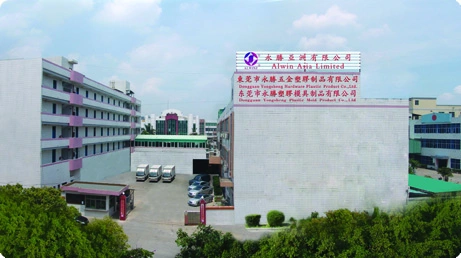
Professional injection mold, die casting mold, plastic products OEM manufacturer