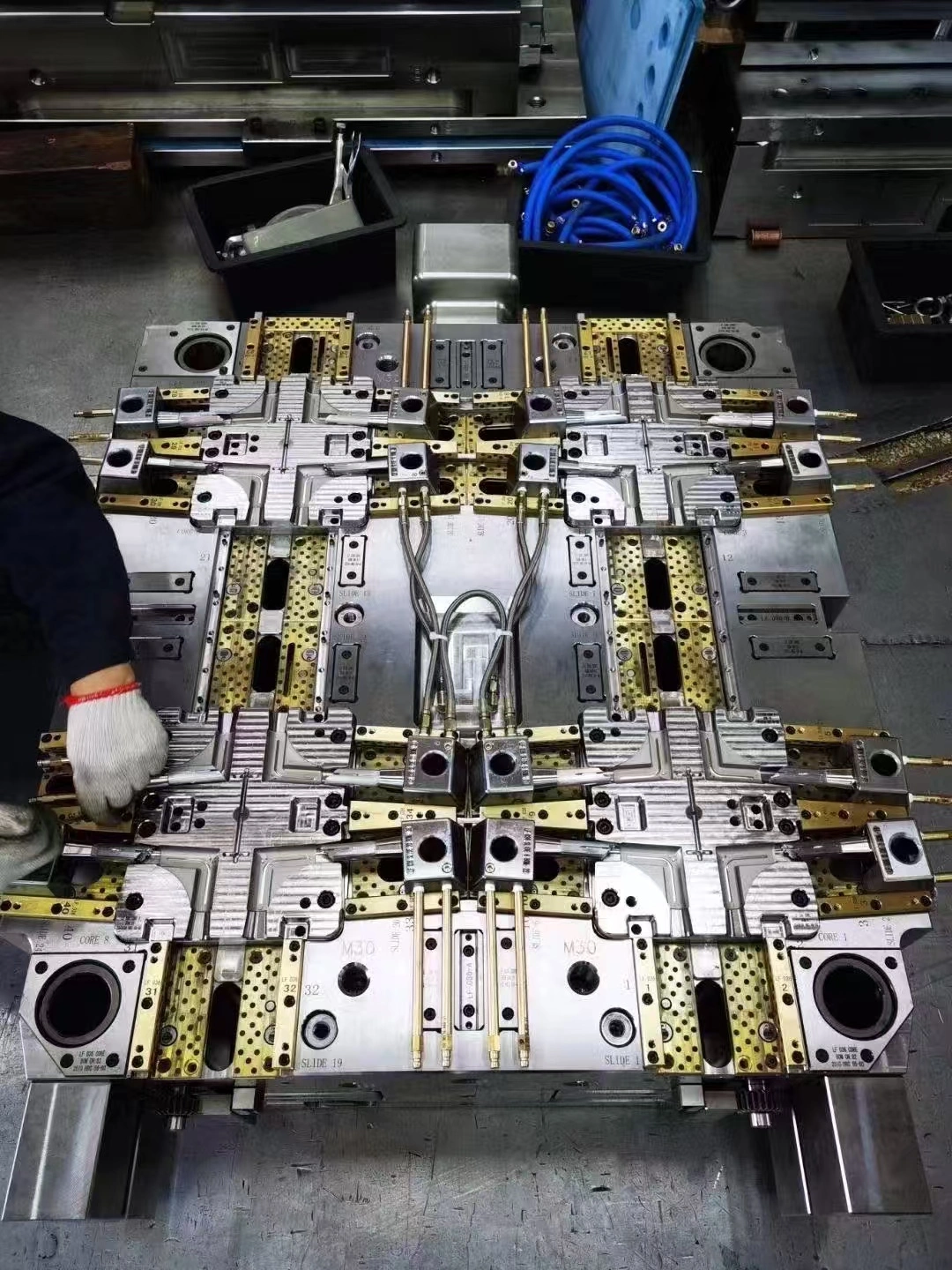
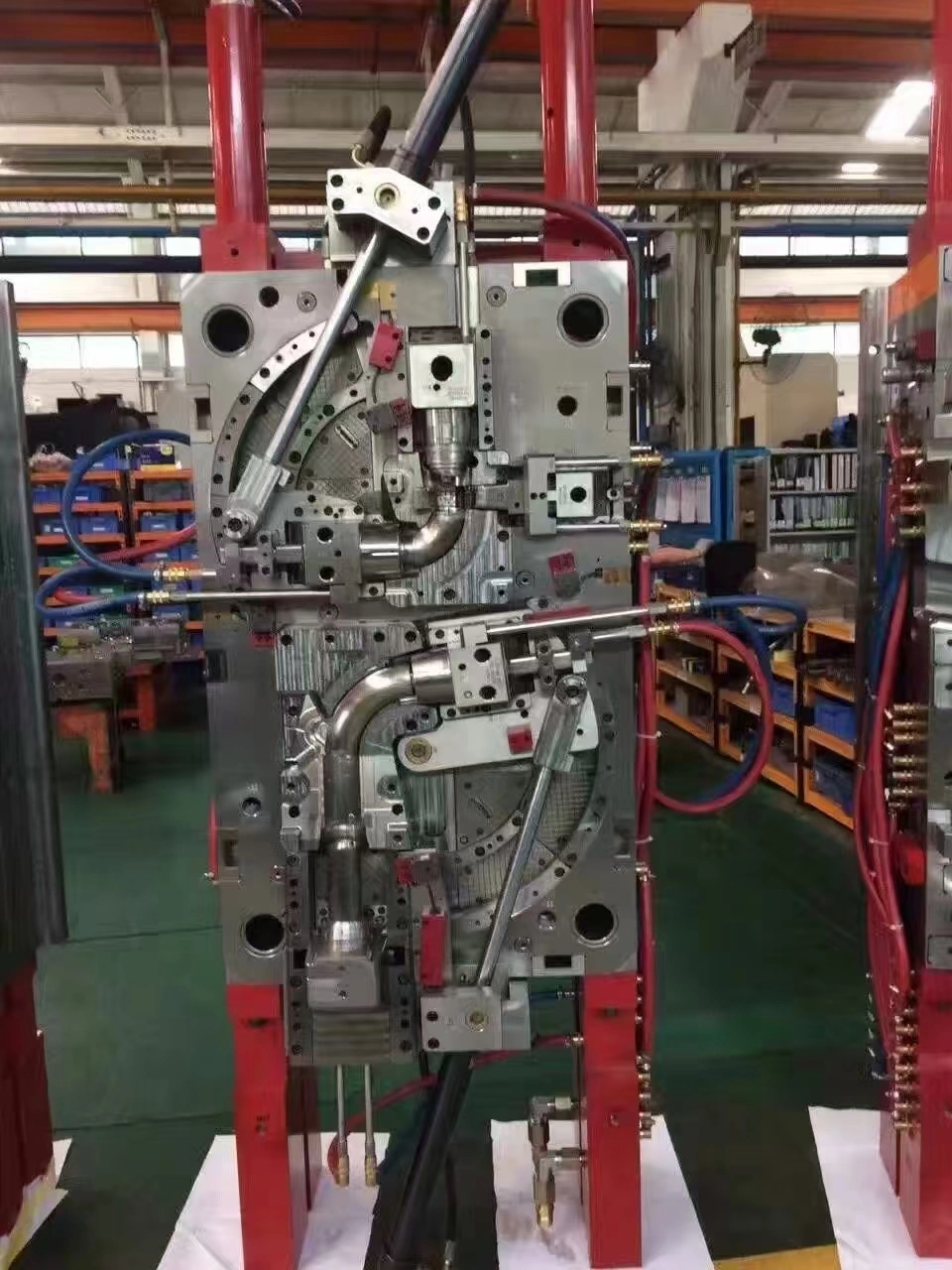
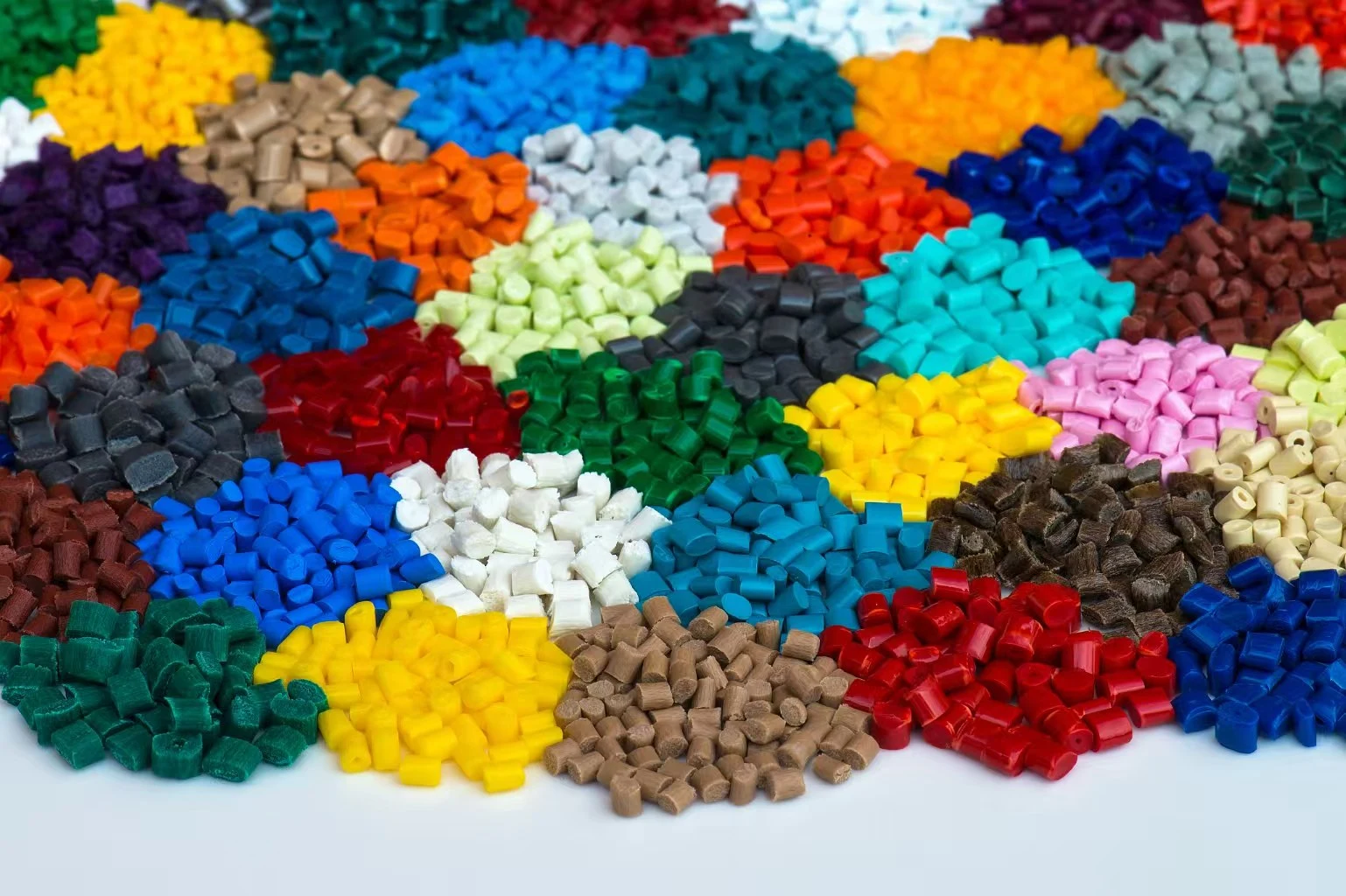
In-House Mold Manufacture for Quality Control
In-house mold manufacturing is essential for companies that prioritize quality throughout production. You have complete control over the mold-making process when you store it all in one place, from design and material selection to precise machining, finishing touches, and testing. This control leads to constant output, lower defect rates, and the capacity to match customer standards without compromising quality or delivery deadlines.
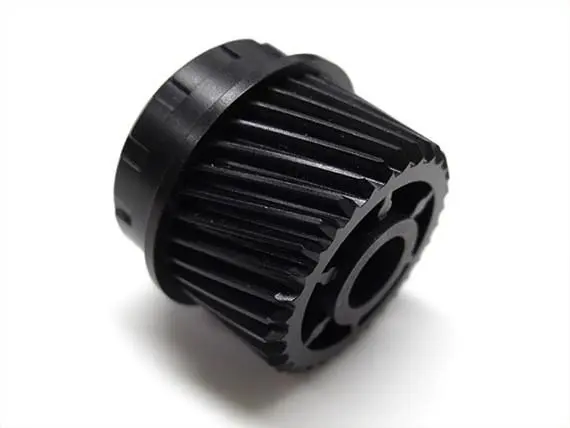
Understanding In-House Mold Manufacture
Managing mold production internally alters quality assurance. We have full visibility into each manufacturing stage, unlike external providers. This transparency lets us spot problems early, fix them quickly, and guarantee that every mold that leaves our plant meets our clients' high standards.
The Foundation of Quality Control in Mold Production
Before machining the first steel component, quality control begins. We streamline design verification, material certification, and process validation at Yongsheng. We choose materials based on application needs, such as high-strength tool steel for automobile components or medical device alloys. Before hitting our factory floor, all materials are inspected for composition, hardness, and structural integrity.
Advanced technology and old craftsmanship are used in our manufacturing process. CNC machining centers with five-axis capability allow us to reach micron-level tolerances, while our skilled toolmakers polish complex designs that automated systems cannot. We use this combination to make injection molds for consumer electronics housings and die-casting molds for automotive parts that function consistently over thousands or millions of cycles.
Different Manufacturing Techniques and Their Quality Impacts
Injection molding requires dimensionally stable molds that can resist high pressures and temperatures. We reduce cycle times and surface flaws with hardened steel cores and cavities, accurately fitted cooling channels, and polished surfaces. Pressure testing, coordinate measuring machine dimensional verification, and part consistency trial runs ensure quality before full production.
Die-casting issues include temperature management and metal flow. Thermal fatigue-resistant coatings, improved gating systems, and damage-free ejector mechanisms are used in our die-cast mold manufacturing. We optimise temperature and cycle settings during testing to maximise mould longevity and part quality across long production cycles.
Rapid prototyping is essential to our development approach. Aluminum molds and rapid manufacturing allow us to make functioning prototypes in days. Our clients can evaluate designs, test market response, and revise specifications before investing in full-scale production tooling. Our mold designs are based on prototype findings, lowering risk and boosting results.
Advantages of In-House Mold Manufacture for B2B Procurement
Procurement experts must balance quality, pricing, and delivery timelines. Partnering with a mold manufacturer that controls manufacturing internally gives you various strategic advantages that handle these competing demands. Our clients remark that collaborating with an integrated mold manufacturer simplifies their supply chain, minimizes communication delays, and improves project predictability.
Superior Quality Assurance Through Direct Oversight
Disconnects between design intent and production execution cause mold manufacturing quality issues. Outsourcing mold production to third companies might hide important information, resulting in costly changes and delayed launches. Our design team, toolmakers, and quality inspectors share a facility to reduce risk. Our engineers can meet with machinists on the manufacturing floor to discuss features. Presence encourages collaboration that catches issues before they become costly.
Ability to solve problems in real time is another benefit. A cooling line that doesn't flow, a parting line that flashes, or an ejection system that needs correction can arise during mold testing. We control every step of production, so we can make changes quickly. No need to return tooling to an external vendor, wait for scheduling, and receive the updated mold weeks later. We make on-site revisions, frequently the same day, to maintain project timelines.
Cost Optimization and Lead Time Reduction
We save our clients money by eliminating third-party margins. When mold components don't move between plants, transportation expenses and handling risks drop. Timelines are cut by our efficient operations. Instead of 12–16 weeks from design approval to first article inspection, our integrated method provides complicated molds in 8–10 weeks without sacrificing quality.
This agility benefits the auto industry. Product development timelines are shrinking as businesses rush to market breakthroughs. Tooling delays can cost a new vehicle procurement manager millions in revenue. Each week of delay could affect launch dates. Tier-one automotive suppliers trust us to increase mold manufacturing while maintaining quality requirements.
Flexibility in Custom Design and Rapid Iterations
Standard catalog parts rarely suit inventive product needs. Your designs may require complex geometries, various materials, or surface treatments that normal methods cannot produce. Our in-house skills allow us to meet these particular requirements without vendor coordination issues. We've molded medical device components with intricate internal channels, consumer electronics with Class A surface finishes, and industrial hardware with overmolded inserts.
Everything under one roof simplifies design iterations. Initial testing may show that a feature needs minor changes, or market feedback may suggest dimensions adjustments to improve user experience. Instead of submitting a change order to an external mold company, we may review the adjustment, update our CAD models, and apply modifications in our workflow. This responsiveness facilitates iterative development that drives innovation in competitive marketplaces.
Technical Insights: Core Components and Materials in Mold Manufacture
Successful mold performance starts with material selection. The erroneous decision can cause early wear, dimensional instability, or catastrophic production failure. To find the best options, our materials engineering team analyzes each project's production volume, part geometry, plastic or metal properties, and operating conditions.
Material Selection for Durability and Performance
For high-volume production molds, tool steels are the default. Our grades include P20 for intermediate production runs, H13 for die-cast applications, and S7 for extreme durability. Each grade has different hardness, machinability, and heat cycling resistance. We use certified steel suppliers to ensure material traceability and quality on all orders.
Prototype tooling and low-volume production benefit from aluminum alloys. The material's exceptional heat conductivity speeds injection molding cooling cycles, while its reduced weight simplifies handling and reduces platen wear. We've created aluminum machining parameters that offer polished steel-like surface qualities, increasing the applications where aluminum tooling is cost-effective.
Composite materials are gaining popularity in specific applications where metals are limited. Carbon fibre reinforced plastics have high strength-to-weight ratios and can have mold monitoring sensors. While these materials make up a minor portion of our mold production, we're investing in the skills and equipment to support clients researching these new technologies.
Advanced Manufacturing Technologies
Our CNC machining facilities are significant investments that benefit customer projects. Creating complex outlines in one setup using five-axis simultaneous machining eliminates repositioning mistakes, enhancing accuracy. High-speed machining reduces cutting time and improves surface qualities, reducing hand polishing. Automated tool changers and pallet systems maximize equipment use and reduce production times.
Electrical discharge machining (EDM) helps us machine features that cutting tools can't reach. Controlled electrical erosion creates deep ribs, sharp corners, and detailed features. For mold components that must fit precisely, our wire EDM systems reach tolerances of 0.0002 inches. Ram EDM can duplicate complex electrode geometries in hardened steel, offering features that standard machining cannot.
Conformal cooling channel design is changing with additive manufacturing. Straight drilled cooling lines may not match part geometry. Metal 3D printing allows us to design cooling channels that closely follow part shapes, greatly enhancing thermal management. This method cuts cycle times, warpage, and thermal stress to increase part quality and mold life. In automotive applications with complex geometries, we've reduced cooling time by over 30%.
Industry Standards and Compliance
Our ISO 9001:2015 certification oversees every project's quality management. To achieve consistent performance, this worldwide standard needs defined procedures, regular audits, and continual improvement. Because our certification provides third-party verification of our quality procedures, procurement professionals can reduce due diligence when vetting new suppliers.
Sector-specific needs require extra attention. Medical device makers must follow FDA and ISO 13485 production and documentation standards. Automotive customers demand IATF 16949 requirements for APQP, PPAP, and statistical process control. Our quality staff stays abreast of these changing standards to ensure our molds meet our clients' requirements.
How to Choose the Right Mold Manufacturing Strategy for Your Business?
Analyzing your circumstances is essential to choosing the best mold buying method. Manufacturing volume, part complexity, budget limits, timetable needs, and internal capabilities determine whether in-house manufacturing, integrated manufacturer partnerships, or traditional outsourcing are ideal for you.
Evaluating Quality, Cost, and Lead Time Trade-offs
Initial decisions must be based on quality. Low-cost sourcing can cause quality fluctuation, which is unacceptable in applications where faults pose safety, regulatory, or brand issues. Medical devices, automotive safety components, and aerospace applications need reliable quality systems and documentation. These applications demand quality control, which Yongsheng supplies throughout the production process.
Total cost of ownership should be considered beyond the pricing. A mold priced 20% below alternatives may sound appealing until you consider longer lead times that delay market launch, higher defect rates that increase scrap costs, or lower tool life that demands earlier replacement. We provide precise quotes that break down material prices, machining time, and estimated tool longevity for apples-to-apples comparisons that show genuine value rather than lowest pricing.
Competitive markets sometimes depend on lead time. Compressed development schedules may justify a premium price for accelerated delivery, whereas stable manufacturing programs can tolerate longer timescales for cost optimization. Our project managers collaborate with customers to understand critical route restrictions and find ways to save schedules without sacrificing quality. Projects stay on track with parallel mold component processing, deliberate quick prototyping for early validation, and proactive communication regarding delays.
Assessing Supplier Credentials and Capabilities
Certifications demonstrate skills, but they are not differentiators. Look beyond ISO certification for industry and part geometries experience. We have over 25 years of mold-making experience in electronics, consumer products, automotive, and hardware. With this breadth, we've likely solved problems like yours, lowering learning curve risks.
Client references provide information that marketing cannot. Talking to procurement managers who have dealt with a potential supplier shows how they handle unanticipated situations, communicate schedule risks, and stand behind their work. Prospective clients should call our present customers and visit our facilities to see our operations, meet our team, and assess our skills. Within 50 minutes of Shenzhen Airport, we're at Chang'an Town, Dongguan, the Town of Molds.
In-House Production Versus Strategic Partnerships
Some large manufacturers have internal mold shops for proprietary techniques and IP protection. This technique gives maximum control but involves large equipment investments, continually trained labor costs, and managerial attention to a role beyond core strengths. Most companies benefit from working with specialized manufacturers unless mold manufacturing volume warrants committed resources.
Strategic agreements with integrated mold suppliers combine in-house benefits with specialization efficiency. Advanced equipment and skills are available without capital investment. Long-term partnerships strengthen designs through knowledge transfer, collaborative problem-solving, and preferential scheduling for urgent needs. Yongsheng views client relationships as partnerships where your success drives our growth, encouraging us to deliver outstanding value on every assignment.
Seamless Integration of In-House Mold Manufacture into Procurement Processes
Both parties gain from mold manufacturing and procurement process integration. From concept to production launch, projects go successfully when communication, expectations, and processes coincide.
Enhancing Cost Transparency and Budget Adherence
Detailed quotations set project expectations from the start. Our estimates include material costs, machining, finishing, and testing, so you know what you're buying. This transparency allows precise budget forecasting and eliminates surprise expenses that hamper financial planning. We deliver new quotations quickly after design changes, clearly indicating cost consequences so you may make decisions.
Value engineering involves continual collaboration during mold creation. Our engineers analyze part designs to cut costs without sacrificing function. In a non-critical location, relaxing a tolerance may reduce machining time. A variable parting line orientation may ease mold construction. Alternative materials may function similarly at a cheaper cost. We know what drives expenses since we make molds in-house and can offer specific, concrete guidance.
Improving Communication and Decision-Making Speed
Project management tools provide production status in real time. Dashboards reveal which components are being machined, quality inspection results, and expected completion dates instead of weekly update calls. Transparency lets you schedule downstream activities like molding machine time, material delivery, and quality inspections without guesswork.
Engineers and manufacturers collaborate to answer technical inquiries quickly and authoritatively. We can answer your questions about whether a design feature can be molded reliably based on direct manufacturing expertise. We can simulate material flow, locate air traps and weld lines, and suggest moldability improvements. This responsiveness speeds decision-making at critical development phases when delays are costly.
Ensuring Reliable Delivery and Post-Production Support
Comprehensive testing before shipment ensures molds will work in your production environment. Dimensional inspections ensure all important characteristics meet requirements, trial runs produce sample components for your evaluation, and documentation packages include material certificates, inspection reports, and recommended operating parameters. This thorough strategy reduces mold startup issues at your plant.
Partners differ from vendors in post-delivery support. Molds may need changes during production launch when operating conditions allow optimization. Venting may need improvement to alleviate a cosmetic issue, or the cooling balance may need tweaking to reduce warpage. Beyond delivery, our staff provides technical help to handle issues rapidly. We keep complete records of every mold we make, allowing efficient service years later.
Mold lives longer, and downtime is reduced with preventive maintenance. Our maintenance programs include cleaning, lubrication, and wear component replacement cycles. When extensive refurbishing is needed, we can restore molds to like-new condition at a fraction of the expense. Lifecycle support safeguards your investment and assures part quality across lengthy production processes.
Yongsheng: Your Trusted Partner in Advanced Mold Manufacturing
Every client engagement includes almost 30 years of specialized experience from Yongsheng. We started as a modest workshop in 1993 in Dongguan's mold-making district and now have 6,000 square meters of manufacturing space and over 300 trained workers. Our membership in the Dongguan City Hardware Machinery Mould Industry Association council shows our professionalism and dedication to industry progress.
Our services cover the entire product development lifecycle. Design and development services use powerful CAD/CAM technologies and professional engineers who understand aesthetics and production basics to turn ideas into products. Mold fabrication includes plastic injection, die-casting, and custom tooling. Plastic injection moulding, die casting, assembly, finishing, and packaging are production services. This one-stop solution simplifies your supply chain and improves project coordination.
ISO 9001:2015-certified quality systems assure project performance regardless of size or complexity. We document incoming material inspection to final product validation in our quality manual. Statistical process control monitors production parameters to prevent defects. Management reviews evaluate system performance and suggest improvements, fostering a culture of continual improvement that benefits all clients.
IP protection is our top priority. We understand that product designs require significant R&D and market placement. All client engagements are governed by strict confidentiality agreements, and our buildings and information systems are physically secured. Data management techniques keep technical data separate and secure across our firm. Because we've proven our confidentiality, many competitive consumer electronics and automotive companies trust us with their most sensitive ideas.
Geographic advantages aid collaboration. In Chang'an Town, Dongguan, we have easy access to transportation and a cluster of specialized suppliers and talented workers. International clients can reach us in 20 minutes from the Luohu border crossing or 50 minutes from Shenzhen Airport. We offer pickup and facility tours to demonstrate our skills and develop effective partnerships.
Conclusion
In-house mold manufacturing offers procurement experts compelling advantages for quality, cost, and delivery optimization. Direct monitoring throughout the production process assures consistency, speeds problem resolution, and meets strict application criteria. Design, manufacturing, and quality control under one roof reduces time, costs, and improves outcomes in automotive and medical device businesses.
Yongsheng's 30-year mold and plastic production record shows excellence. Our ISO-certified quality systems, wide service portfolio, and customer success make us a perfect partner for procurement teams facing complicated supply chain issues. Explore how our capabilities can support your needs and help your product succeed.
FAQ
What are the main benefits of in-house mold manufacture compared to outsourcing?
In-house mold production provides superior quality control through direct oversight of every manufacturing stage. You eliminate communication delays and quality variations that can occur when working with external vendors. Real-time problem-solving capabilities allow immediate corrections rather than waiting for external shops to address issues. Cost optimization results from removing third-party margins, while lead time reductions come from streamlined workflows without transportation delays between facilities. Enhanced flexibility in accommodating custom designs and rapid iterations supports innovative product development.
How long does custom mold manufacturing typically take?
Timeline varies based on mold complexity, size, and specific requirements. Simple injection molds for straightforward geometries might be completed in six to eight weeks. Complex multi-cavity molds with intricate features, advanced cooling systems, or specialized surface treatments typically require ten to fourteen weeks. Die-cast molds for automotive applications often need twelve to sixteen weeks, given their size and precision requirements. We provide detailed project schedules during quotation that identify critical milestones and dependencies, allowing you to plan downstream activities accordingly.
What quality standards does Yongsheng maintain for mold production?
Our ISO 9001:2015 certification establishes comprehensive quality management systems governing all operations. We maintain documented procedures for material verification, process validation, in-process inspection, and final testing. Coordinate measuring machines verify dimensional accuracy, while trial runs validate that molds produce parts meeting specifications before delivery. Material certifications trace all steel and components to certified suppliers. Industry-specific requirements for automotive, medical, and other regulated sectors receive specialized attention to ensure compliance with applicable standards.
Can you accommodate urgent mold production timelines?
We understand that market opportunities sometimes require accelerated delivery. Our production planning team can prioritize urgent projects, allocating additional machining capacity and extending operating hours when necessary. Parallel processing of mold components rather than sequential production compresses schedules. Strategic use of aluminum tooling for prototypes provides functional molds in days rather than weeks. We discuss timeline requirements during initial consultations to determine what's realistically achievable and identify any design modifications that might facilitate faster delivery without compromising quality.
Partner with a Leading Mold Manufacturing Supplier
Yongsheng stands ready to support your mold manufacturing requirements with proven expertise, comprehensive capabilities, and unwavering commitment to quality. Our integrated approach, combining design, mold fabrication, production, and secondary processing, delivers the convenience and efficiency your procurement objectives demand. Whether you need custom plastic injection molds for consumer electronics, die-casting molds for automotive components, or specialized tooling for unique applications, our team brings the experience and resources to ensure project success.
We invite you to discuss your specific requirements with our technical specialists. Contact us at sales@alwinasia.com to request a detailed quotation, schedule a facility tour, or explore how our capabilities align with your needs. Visit www.alwinz.com to review our portfolio and learn more about the comprehensive services we provide. Discover why procurement professionals across electronics, automotive, medical device, and industrial sectors trust Yongsheng as their preferred mold manufacturing partner.
References
1. Chen, J. and Wang, L. (2021). "Quality Control Systems in Precision Mold Manufacturing." International Journal of Advanced Manufacturing Technology, Vol. 45, pp. 234-248.
2. Thompson, R. (2020). "Strategic Sourcing for Mold and Die Manufacturing: A Procurement Perspective." Journal of Supply Chain Management, Vol. 38, No. 2, pp. 112-127.
3. Martinez, S. and Patel, K. (2022). "Material Selection and Performance Optimization in Tool Steel Applications." Materials Science and Engineering Review, Vol. 67, pp. 89-106.
4. Anderson, M. (2019). "Advanced CNC Machining Techniques for Complex Mold Geometries." Manufacturing Engineering Quarterly, Vol. 33, No. 4, pp. 56-71.
5. Liu, H. and Zhang, W. (2023). "Integration of Additive Manufacturing in Conformal Cooling Channel Design." Rapid Prototyping Journal, Vol. 29, No. 1, pp. 45-62.
6. Roberts, D. (2021). "ISO 9001 Implementation in Mold Manufacturing: Best Practices and Case Studies." Quality Management International, Vol. 52, pp. 178-194.

We can provide a one-stop service, including design and development, mold fabrication, production, product processing, etc.
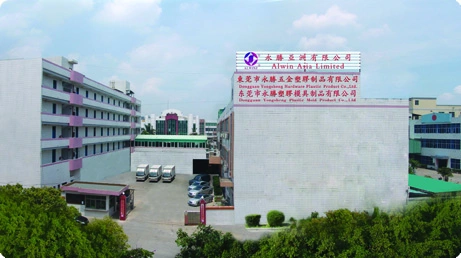
Professional injection mold, die casting mold, plastic products OEM manufacturer