Precision-Machined Industry Parts from Certified Suppliers
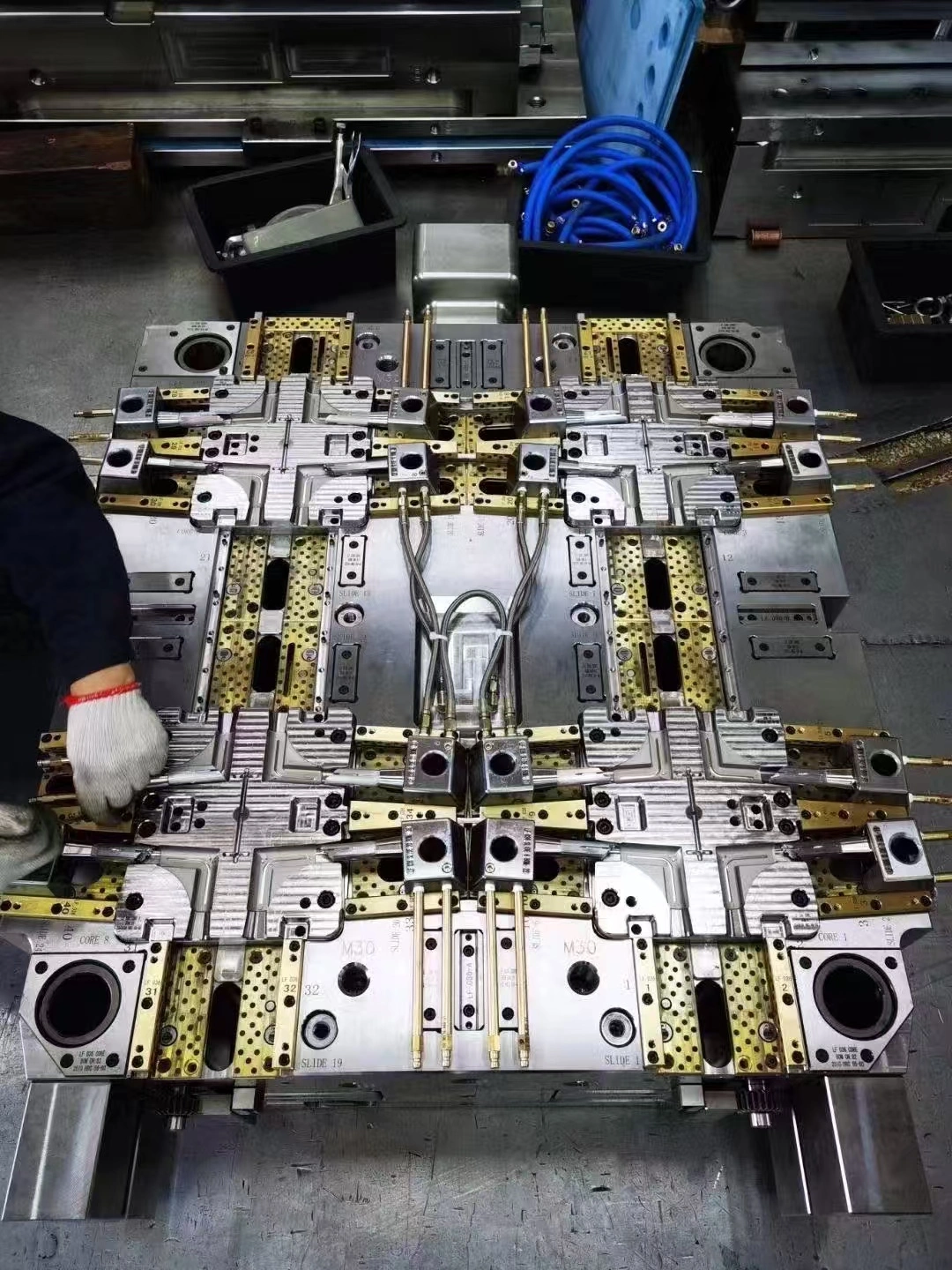
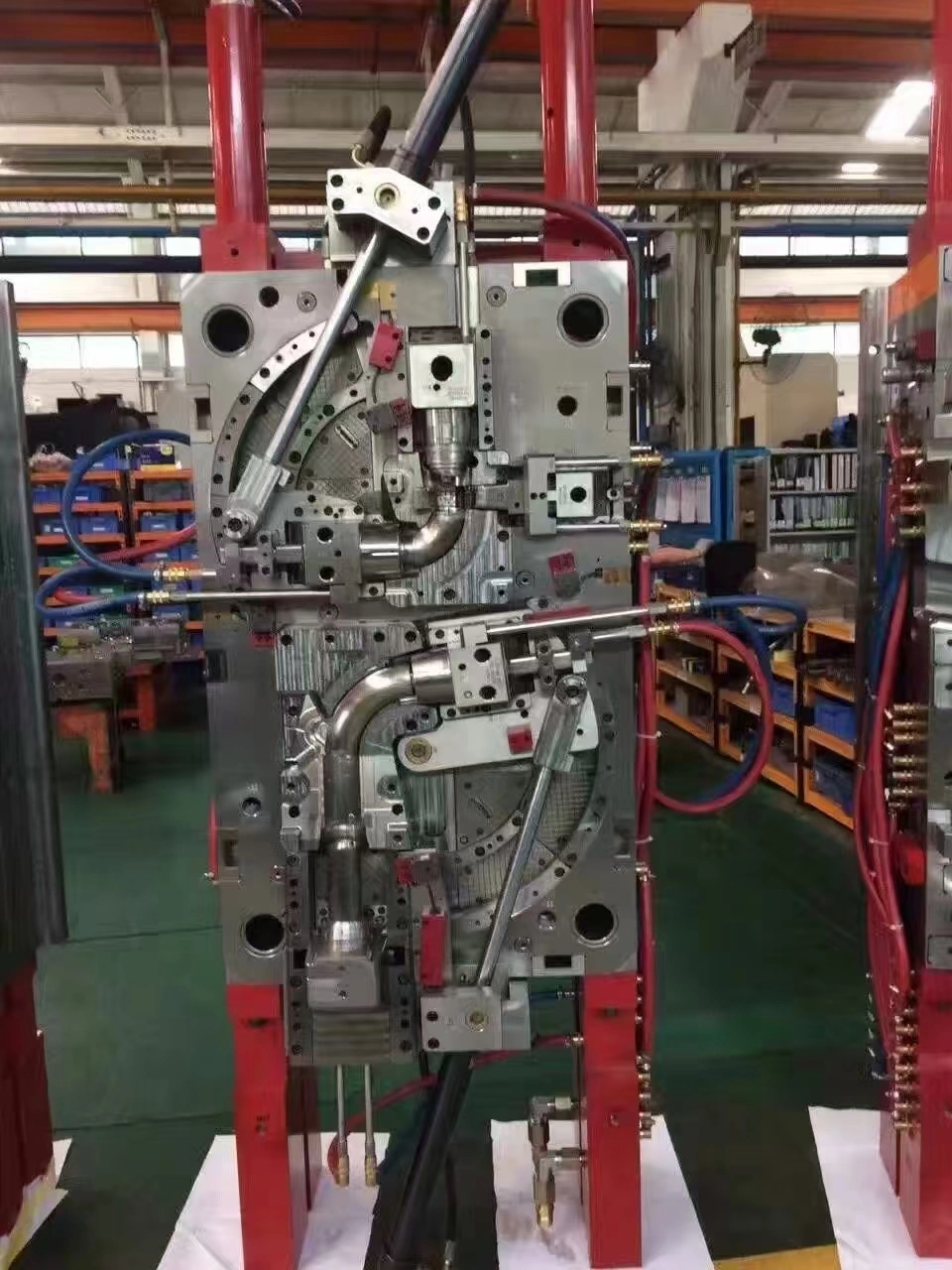
As global supply lines change, it's becoming more and more important to find reliable suppliers for precision-machined industry parts. These specialized parts are essential for modern manufacturing in the car, consumer goods, and electronics industries. Quality industry parts keep products reliable, and cost-effective buying keeps them ahead of the competition. Certified suppliers give you peace of mind that their work will meet foreign standards and be consistent. This complete guide talks about important strategies that purchasing managers need to use to find reliable manufacturing partners in China's constantly changing business world. In the last 30 years, China's industrial sector has changed a lot, and now it is a world leader in making high-quality parts for industries. The country has put money into developing its skilled workers, modernizing its infrastructure, and using advanced manufacturing technologies. This has created an ecosystem that can make precision parts at reasonable prices. Dongguan, which is known as the "Town of Molds," is a manufacturing hub where experts in plastic injection molding, die casting, and precision cutting work together.
Understanding China's Manufacturing Advantages for Industrial Parts
Cost Competitiveness Without Compromise
China has more cost benefits in manufacturing than just labor arbitrage. A lot of money can be saved thanks to economies of scale, mature supply lines, and production methods that work well. Automated production lines and advanced quality control systems are used in modern Chinese factories to make sure steady output and low prices. Costs are cut by sharing logistics, getting specialized services, and buying in bulk when there are a lot of sellers.
Advanced Manufacturing Capabilities
Modern Chinese producers have put a lot of money into buying the latest technology and equipment. CNC machining centers, multi-axis milling machines, and precise measuring tools make it possible to make complicated parts that fit together perfectly. A lot of factories use IoT sensors, data analytics, and automated quality inspection systems to make output more efficient and make sure the products are always the same.
Integrated Supply Chain Ecosystem
Full supply chain integration is good for China's manufacturing areas. Suppliers of raw materials, makers of parts, experts in making tools, and finishing services all work close to each other. This geographic concentration cuts down on wait times and shipping costs, and it makes it possible to make prototypes quickly and increase production levels. The ecosystem can handle both large-scale production runs and custom-made smaller amounts.
Strategic Approaches to Selecting Reliable Manufacturers
Comprehensive Supplier Assessment Framework
A thorough evaluation of vendors is guaranteed by creating a systematic evaluation method. To start, do some preliminary study by looking at the company's registration, business licenses, and past operations. Look over details about manufacturing skills, equipment lists, and output capacity. Credit records and business references can help you figure out how stable your finances are. Look at past projects, client testimonials, and case studies to judge professional competence.
Location and Infrastructure Evaluation
Logistics, communication, and operational performance are all affected by geography in a big way. When it comes to shipping and managing the supply chain, manufacturers that are close to big transportation hubs have an advantage. Facilities with up-to-date equipment, enough power, and environmental controls show that they are dedicated to making quality products. It's easier to build relationships with factories and get samples faster when they are close to foreign airports.
Quality Management System Verification
Strong quality control systems show that a manufacturer is reliable and dedicated to producing consistent results. Look over the written steps for inspecting new materials, making sure quality is maintained during production, and testing the finished product. Look at the calibration records for measuring tools and the assessment processes for making sure the supplier is qualified. Look into efforts to make things better all the time and ways to fix problems that cause quality problems.
Production Capacity and Scalability Assessment
Knowing how much a maker can make makes sure that the needs of the project and plans for future growth are met. Look at how much is being produced now, how often the equipment is being used, and how skilled the workers are. Check how flexible the company is to handle different order sizes and changes in yearly demand. Look over plans for growth and investments in new facilities or tools that show the business will be around for a long time.
Communication and Technical Support Capabilities
Partnerships in industry parts that work well are built on good communication. Check out the methods for managing projects, the languages that can be used, and the standards for technical documentation. Check how quickly they answer questions, how clear their technical talks are, and how well they can understand complicated requirements. Look over the support services that are offered, such as design help, help choosing materials, and the ability to fix problems.
Essential Certification Requirements for Quality Assurance
ISO 9001 Quality Management Standards
Getting ISO 9001 approval shows that you are dedicated to managing quality in a structured way and always making things better. This standard is known all over the world and sets guidelines for consistent product quality, customer happiness, and the efficiency of operations. Manufacturers who have ISO 9001 certification follow written methods, do regular internal audits, and have management review processes to make sure they keep up the quality of their work.
Industry-Specific Certifications
Different fields need different kinds of licenses that meet specific safety standards and requirements. Most automakers need ISO/TS 16949 certification to make sure that their quality management systems meet the standards of the car industry. Electronics makers might need UL certification to make sure their products are safe and RoHS certification to make sure they are safe for the environment. Parts of medical devices need to be certified to ISO 13485, which covers risk management and regulatory standards.
Environmental and Safety Compliance
Environmental certifications show that a company uses responsible production methods and follows the rules. The ISO 14001 environmental management certification shows that a company uses organized methods to reduce its impact on the environment. Occupational health and safety certifications like OHSAS 18001 or ISO 45001 protect workers and make factories safe places to work. Multinational companies with strict rules on corporate social responsibility often need these certifications.
Recommended Sourcing Channels and Platform Strategies
Digital B2B Marketplaces
Online platforms give users access to huge databases of suppliers that contain detailed business profiles, product catalogs, and information on how to verify the suppliers. Alibaba, Made-in-China, and Global Sources all have advanced search tools, services for verifying suppliers, and safety features for transactions. These platforms let you find potential suppliers, evaluate their skills, and talk to them briefly before getting more involved.
Trade Shows and Industry Exhibitions
Iindustry parts give you the chance to talk to manufacturers directly, see their products, and build relationships. The newest skills and technologies are shown off at events like the Canton Fair, Chinaplas, and exhibitions that are specific to one business. Meeting people in person is a better way to get a sense of the company atmosphere, their technical skills, and how well they can communicate than just talking to them online.
Professional Sourcing Services
Sourcing agents and procurement experts with a lot of experience can help you find suppliers, learn about the local market, and negotiate better. These people do useful things like finding suppliers, judging their skills, negotiating prices, and keeping an eye on quality. Their presence in the area allows for regular visits to the plant, relationship management, and help with solving problems.
Key Considerations for OEM and ODM Cooperation
Intellectual Property Protection Strategies
Comprehensive legal frameworks and practical security steps are needed to protect intellectual property. Before you share technical information or confidential plans, make sure you both agree to keep them secret. If you want to be protected by Chinese law, you should register your rights and patents there. Set up security rules for managing design files, sharing documents, and visiting factories.
Design and Development Collaboration
For OEM partnerships to work, both parties must be able to work well together during the planning and development stages. Set clear rules for how to communicate, how to record, and how to approve things. Set clear roles and responsibilities for making changes to the design, the testing process, and the specifications. Hold regular review meetings to make sure the project stays on track and the deadlines are met.
Tooling and Equipment Ownership
Before production starts, make it clear who owns the tools, who is responsible for upkeep, and who has the right to make changes. Talk about how to pay for tools, store them, and move them if the site of the manufacturing changes. To avoid future disagreements, write down the specs for the tools, how they should be maintained, and how long they should last.
Effective MOQ and Pricing Negotiation Techniques
Understanding Market Pricing Dynamics
To negotiate prices well, you need to know a lot about the market and how costs work. Find out how the end price is affected by the costs of materials, labor, and overhead. Compare prices from different sellers to get full estimates of costs. Don't just look at the unit price; also think about the total cost of ownership, which includes shipping, taxes, tools, and quality risks.
Volume Commitment Strategies
When you commit to buying more or signing a long-term deal, manufacturers often offer better prices. Talk about setting up price tiers based on volume that reward larger orders. Think about signing an annual purchase deal that will keep prices stable and guarantee a steady supply. Compare the costs of keeping inventory with the chances of getting a deal for buying in bulk.
Payment Terms and Risk Management
The terms of payment have a big effect on both sides' cash flow and project risk. Talk about payment plans that work with delivery and output milestones. Think about letter of credit agreements, which protect both the buyer and the seller. Compare the payment terms to the norms in the business and check that the supplier is financially stable.
Factory Audit and Quality Control Recommendations
Pre-Production Audit Protocols
Comprehensive factory surveys show what the factory can make, how it works, and how it handles quality issues. Check how clean the building is, how well the equipment is maintained, and how well the workplace is organized to see if there is operating discipline. Check the quality control methods, testing tools, and measurement systems to make sure they can meet the requirements. Check out training programs for employees, safety rules, and environmental compliance.
Ongoing Quality Monitoring Systems
Establish continuous quality monitoring systems, ensuring consistent production performance. Implement incoming inspection procedures for critical components and materials. Define sampling plans, testing protocols, and acceptance criteria for production lots.
Third-Party Inspection Services
Inspection services that are not part of a company conduct independent evaluations of quality and reduce risks. A lot of inspection, testing, and licensing services are provided by companies like SGS, Intertek, and Bureau Veritas. Some of these services are pre-shipment inspections, production tracking, and supplier evaluations, all of which add to the quality assurance.
Characteristics of Leading Suppliers in 2025
Digital Transformation and Automation
Digital technologies are being used by top producers to improve quality, efficiency, and customer service. More advanced manufacturing execution tools let you see and track production in real time. Product quality is always the same thanks to automated quality checking systems that use machine learning algorithms. Digital communication platforms make it easy for people to work together and handle projects.
Sustainability and Environmental Responsibility
Leading suppliers put an emphasis on concepts of the circular economy and protecting the environment. Environmental commitment is shown by putting in place renewable energy systems, programs to cut down on trash, and the choice of sustainable materials. Environmental reports and programs that reduce carbon footprints give customers who need to be sustainable clear information.
Innovation and Technical Capabilities
To be excellent at making, you need to keep coming up with new ideas and improving technology. Putting money into research and development helps make products better and lowers their costs. Working with technology partners, universities, and research centers helps businesses stay ahead of the competition. Advanced simulation tools, the ability to make rapid prototypes, and knowledge of materials all help customers meet their innovation needs.
Conclusion
To choose the best maker for precision-machined industry parts, you need to carefully look at a lot of factors, not just the price. China's manufacturing landscape has a lot of great possibilities for high-quality, low-cost production if you look at it strategically. To be successful, you need to carefully evaluate your suppliers, communicate clearly, have strong quality processes, and build strong partnerships. Companies that take the time to choose the right suppliers and build relationships with them have big benefits over their competitors because they have reliable supply chains, can cut costs, and get help with new ideas.
FAQ
What are the typical lead times for custom industry parts manufacturing in China?
Lead times vary significantly based on component complexity, tooling requirements, and production volumes. Simple plastic injection molded parts typically require 2-4 weeks for tooling and 1-2 weeks for production. Complex die-cast components may need 6-8 weeks for tooling development and 2-3 weeks for production runs. Factors affecting lead times include design complexity, material availability, quality requirements, and manufacturer capacity.
How can I verify the quality capabilities of Chinese manufacturers?
Quality verification requires multiple assessment approaches, including facility audits, reference checks, and sample evaluations. Request detailed quality control procedures, certification documents, and customer references. Conduct virtual or in-person factory tours examining equipment, processes, and quality systems. Consider third-party auditing services providing independent assessment and verification.
What intellectual property protection measures should I implement?
Intellectual property protection requires legal frameworks and practical security measures. File patents and trademarks in China before sharing proprietary information. Establish comprehensive non-disclosure agreements with clear enforcement provisions. Implement secure file-sharing systems and limit access to sensitive design information. Consider working with established manufacturers having strong IP protection track records.
How do I handle quality issues with overseas manufacturers?
Quality issue resolution requires clear communication protocols and escalation procedures. Document quality problems with detailed descriptions, photographs, and measurement data. Establish root cause analysis procedures identifying systemic issues versus isolated incidents. Negotiate clear quality guarantees, replacement procedures, and cost allocation for quality failures.
What are the advantages of working with experienced OEM manufacturers?
Experienced OEM manufacturers offer comprehensive services including design support, material selection, process optimization, and quality assurance. Their expertise reduces development time, minimizes risks, and often results in cost savings through design improvements. Established manufacturers typically have better supply chain relationships, quality systems, and technical capabilities supporting complex projects.
Partner with Yongsheng for Reliable Industry Parts Manufacturing
Yongsheng Hardware Plastic Product Co., Ltd. combines over 30 years of manufacturing excellence with cutting-edge technology to deliver precision industry parts that meet the most demanding specifications. Our ISO 9001:2015 certified facility in Dongguan employs 300+ skilled professionals utilizing advanced equipment for plastic molding, die-casting, and precision machining. As an industry parts supplier committed to innovation, we provide comprehensive OEM services from initial design through final production. Our strategic location near Shenzhen Airport ensures efficient logistics, while our proven track record with international clients demonstrates our commitment to quality, confidentiality, and on-time delivery. Contact our team at sales@alwinasia.com to discuss your industry parts requirements and experience the Yongsheng advantage.
References
1. Manufacturing Technology Insights: Advanced Manufacturing Capabilities in Asian Markets, Industrial Publishing Group, 2024.
2. Global Supply Chain Review: Quality Management Systems in International Manufacturing, Supply Chain Press, 2023.
3. Industrial Sourcing Handbook: Strategic Procurement in Electronics and Automotive Industries, Manufacturing Excellence Publications, 2024.
4. China Manufacturing Directory: Regional Industrial Capabilities and Supplier Assessment Guide, Asia Business Intelligence, 2023.
5. Quality Assurance in Global Manufacturing: Certification Standards and Best Practices, International Quality Institute, 2024.
6. OEM Partnership Strategies: Building Successful Manufacturing Relationships in Asia, Business Strategy Publications, 2023.

We can provide a one-stop service, including design and development, mold fabrication, production, product processing, etc.

Professional injection mold, die casting mold, plastic products OEM manufacturer