Cooling systems that optimize mold manufacture efficiency include conformal cooling channels, traditional straight-drilled cooling lines, and innovative heat pipe technologies. These systems reduce cycle times by 15-40%, improve part quality through uniform temperature distribution, and extend mold lifespan significantly. Advanced thermal management solutions in mold manufacture enable manufacturers to achieve faster production rates while maintaining dimensional accuracy and surface finish quality across diverse industrial applications.
Modern manufacturing demands require sophisticated thermal management strategies that directly impact production throughput, product quality, and operational costs. Procurement managers and engineers increasingly recognize that optimized cooling systems serve as the backbone of competitive mold manufacture operations, influencing everything from cycle time reduction to energy consumption patterns.
Understanding Cooling Systems in Mold Manufacturing
Efficient form cooling speaks to a principal column for accomplishing predominant efficiency and quality in modern fabricating situations. The warm administration handle quickens generation cycles whereas guaranteeing reliable portion measurements and expanding in general form benefit life through controlled temperature gradients.
Core Cooling System Technologies
Traditional cooling approaches utilize straight-drilled channels that take after straight pathways through shape bodies, advertising solid execution for standard geometries. These ordinary frameworks give satisfactory warm control for numerous applications whereas keeping up sensible fabricating costs and clear upkeep requirements.
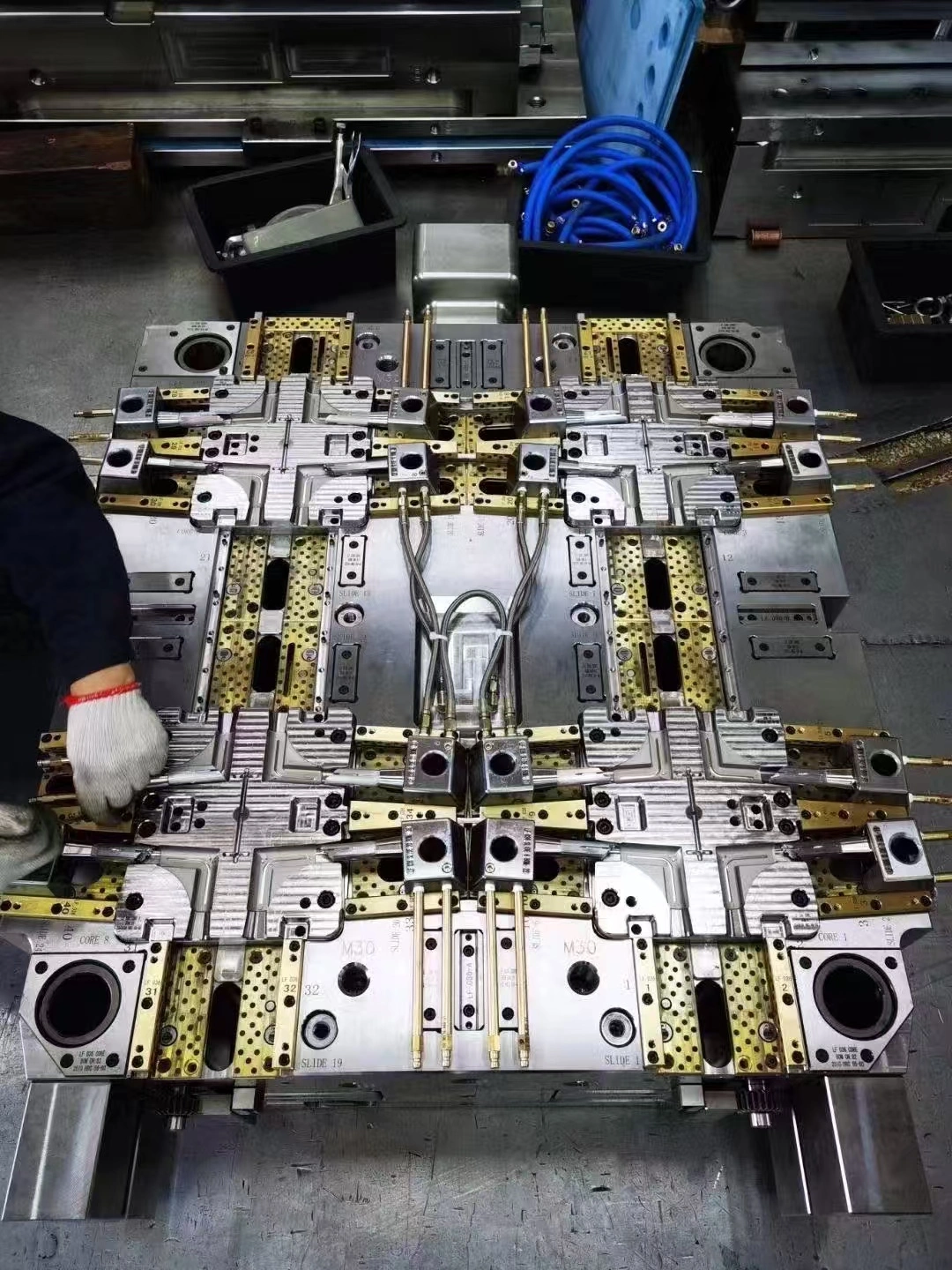
Conformal cooling advances speak to a critical headway, highlighting channels that closely take after portion forms to optimize warm extraction proficiency. This approach conveys prevalent temperature consistency compared to conventional strategies, coming about in decreased warpage and moved forward dimensional steadiness over complex geometries.
Material Considerations for Thermal Performance
Mold materials specifically impact cooling framework adequacy through their warm conductivity properties. Steel molds offer fabulous toughness and warm soundness, whereas aluminum choices give upgraded warm exchange rates that advantage rapid-cycling applications. The choice between these materials impacts both starting speculation costs and long-term operational efficiency.
Analyzing Cooling System Bottlenecks in Mold Manufacture
Identifying warm bottlenecks remains pivotal for maximizing fabricating throughput and keeping up reliable item quality. Generation wasteful aspects frequently stem from insufficient cooling channel plan, uneven temperature dissemination designs, and expanded cooling stages that restrain by and large capacity utilization.
Common Performance Limitations
Conventional drilling methods create geometric limitations that prevent optimal channel placement near critical cooling zones for mold manufacture. These impediments ended up especially risky when managing with complex portion geometries that require exact warm control in different regions simultaneously.
Temperature angle issues regularly happen when cooling frameworks cannot keep up uniform warm extraction over all shape surfaces. These varieties lead to conflicting portion quality, expanded scrap rates, and potential instrument harm from warm push concentrations.
Advanced Diagnostic Solutions
Thermal recreation computer program empowers engineers to distinguish potential cooling bottlenecks amid the plan stage, decreasing exorbitant adjustments after instrument completion. These expository instruments give profitable experiences into warm stream designs, empowering optimization methodologies that address particular application requirements.
Integration of temperature observing frameworks permits real-time appraisal of cooling execution amid generation cycles. This data-driven approach makes a difference producers fine-tune prepare parameters and recognize rising issues some time recently they affect generation schedules.
Innovative Cooling Techniques Enhancing Mold Manufacture Efficiency
Contemporary cooling technologies are transforming thermal management capabilities across diverse manufacturing sectors. These innovations deliver measurable improvements in cycle time reduction, quality consistency, and operational flexibility.
Conformal Cooling Channel Advantages
Conformal cooling channels take after portion forms absolutely, empowering uniform temperature control that conventional straight-line frameworks cannot accomplish. Fabricating case considers illustrate cycle time diminishments extending from 20% to 40% when executing legitimately planned conformal cooling solutions.
The car industry has effectively embraced conformal cooling for complex dashboard components, accomplishing moved forward surface wrap up quality whereas decreasing generation times. These applications grandstand the technology's capacity to handle perplexing geometries that challenge ordinary cooling approaches.
Heat Pipe Integration Benefits
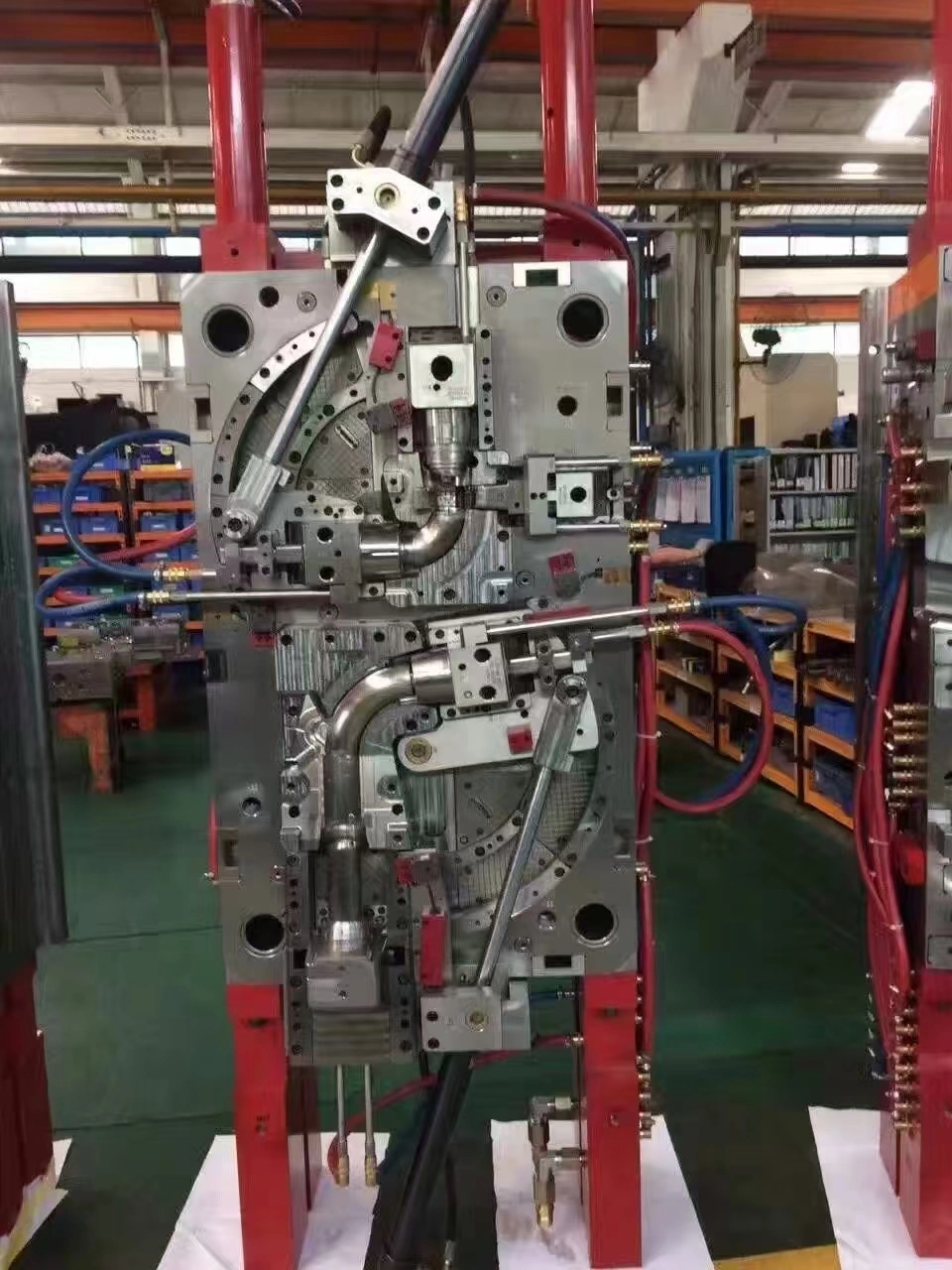
Heat pipe innovation quickens warm exchange through phase-change instruments that give extraordinary warm conduction effectiveness. These frameworks demonstrate especially important for high-precision molds requiring fast temperature cycling or localized cooling enhancement.
Insert cooling applications advantage essentially from warm pipe integration, particularly when managing with thin-walled areas or deep-draw geometries. The improved warm exchange capabilities empower quicker cycling whereas keeping up dimensional exactness requirements.
Additive Manufacturing Impact
Three-dimensional printing advances revolutionize cooling framework plan by empowering complex channel geometries already outlandish to make. This capability permits engineers to make optimized stream ways that maximize warm extraction whereas minimizing weight losses.
The customization potential advertised by added substance fabricating empowers custom fitted cooling arrangements for particular application necessities. Producers can presently execute modern warm administration techniques that address one of a kind portion geometries or generation constraints.
Designing Optimal Cooling Systems for Diverse Mold Manufacture Needs
Effective cooling system design requires comprehensive understanding of production requirements, material properties, and application-specific constraints. Strategic planning during the design phase significantly impacts long-term manufacturing success and operational efficiency.
High-Volume Production Considerations
High-volume fabricating operations request cooling frameworks that adjust warm viability with upkeep openness and operational unwavering quality. Plan methodologies must account for expanded generation runs whereas guaranteeing reliable execution over millions of cycles.
Material determination gets to be basic for high-volume applications, where warm weariness resistance and dimensional solidness straightforwardly affect instrument life span. The integration of strong cooling channel plans makes a difference keep up reliable portion quality all through expanded generation campaigns.
Industry-Specific Requirements
Automotive applications require cooling frameworks competent of taking care of expansive portion sizes and complex geometries whereas keeping up exacting dimensional resistances. These frameworks must suit shifting divider thicknesses and numerous fabric interfacing common in cutting edge vehicle components.
Electronics manufacturing demands precise temperature control for thin-walled housings and intricate internal features for mold manufacture. Therapeutic gadget generation requires cooling frameworks that back rigid quality benchmarks and administrative compliance requirements.
Consumer merchandise fabricating benefits from adaptable cooling plans that suit visit item changes and changing generation volumes. These applications regularly prioritize cost-effectiveness whereas keeping up satisfactory quality standards.
Collaborative Design Integration
Successful cooling framework execution requires near collaboration between plan groups, fabricating engineers, and obtainment experts. Early-stage inclusion guarantees that warm administration contemplations adjust with generation objectives and budget constraints.
Prototyping and testing stages approve cooling framework execution some time recently full generation execution. This approach minimizes dangers related with modern innovations whereas giving certainty in assembly execution expectations.
Emerging Industry Trends and Challenges in Mold Cooling Systems
The cooling system landscape continues evolving under pressures for environmental sustainability, cost optimization, and technological advancement. These trends shape future manufacturing strategies and investment priorities across diverse industrial sectors.
Sustainability Initiatives
Eco-friendly cooling arrangements center on diminishing water utilization and vitality utilization whereas keeping up execution measures. Closed-loop frameworks and progressed warm recuperation advances offer assistance producers meet natural targets without compromising generation efficiency.
Energy-efficient cooling plans join savvy controls and variable-speed pumps that alter operation based on real-time warm requests. These frameworks diminish operational costs whereas supporting corporate supportability initiatives.
Digital Technology Integration
Digital twin innovation empowers virtual testing and optimization of cooling framework execution some time recently physical execution. This approach diminishes improvement time and costs whereas progressing framework unwavering quality and effectiveness.
Internet of Things sensors give persistent checking of cooling framework execution, empowering prescient upkeep procedures that minimize spontaneous downtime. Real-time information collection underpins optimization endeavors and execution slant analysis.
Investment and Implementation Challenges
Advanced cooling advances require critical forthright ventures that must be legitimized through made strides efficiency and quality benefits. Producers require comprehensive cost-benefit examinations to assess usage techniques and anticipated returns.
Technical complexity related with progressed cooling frameworks requests specialized mastery for plan, usage, and upkeep. Organizations must contribute in preparing and capability improvement to maximize innovation benefits.
Partner with Yongsheng for Advanced Mold Manufacture Solutions
Yongsheng brings over 20 years of expertise in mold manufacture and cooling system innovation, delivering customized solutions that enhance thermal management and production efficiency. Our comprehensive services include optimized cooling channel design, conformal cooling implementation, custom mold consultation, thermal simulation analysis, rapid prototyping, and rigorous quality assurance protocols.
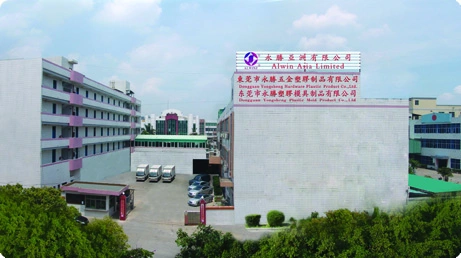
Located in Dongguan's renowned mold manufacturing hub, our ISO9001:2015 certified facility houses more than 300 skilled professionals across 6,000 square meters of advanced manufacturing space. We specialize in plastic molds, die-casting molds, and precision components for electronics, automotive, consumer goods, and hardware industries.
Our one-stop OEM services encompass design development, mold fabrication, production, and secondary processing operations. We prioritize intellectual property protection and maintain strict confidentiality protocols while delivering cost-effective solutions that meet demanding delivery schedules.
Conclusion
Optimized cooling systems fundamentally transform mold manufacture efficiency through reduced cycle times, improved quality consistency, and extended tool life. Advanced technologies like conformal cooling, heat pipes, and additive manufacturing enable unprecedented thermal management capabilities that address diverse industrial requirements. Successful implementation requires strategic planning, collaborative design approaches, and partnership with experienced manufacturers who understand both technical complexities and commercial objectives. The investment in superior cooling systems delivers measurable returns through enhanced productivity, reduced scrap rates, and improved competitive positioning in demanding markets.
FAQ
How does conformal cooling improve mold manufacturing efficiency?
Conformal cooling channels follow part geometry closely, providing uniform temperature distribution that reduces cycle times by 20-40% compared to traditional straight-drilled channels. This technology minimizes warpage, improves dimensional accuracy, and enables faster production rates while maintaining superior part quality.
What factors should procurement managers consider when selecting cooling systems?
Key considerations include mold material thermal properties, part complexity, production volume requirements, maintenance accessibility, and total cost of ownership. Early-stage thermal simulation helps optimize cooling designs while balancing performance objectives with budget constraints and operational requirements.
Can advanced cooling technologies reduce overall production costs despite higher initial investments?
Advanced cooling systems deliver substantial cost savings through reduced cycle times, lower scrap rates, and extended mold life. While initial investments are higher, the improved productivity and quality typically provide positive returns within 12-18 months of implementation.
Optimize Your Manufacturing with Yongsheng's Advanced Cooling Solutions
Ready to enhance your mold manufacture efficiency with cutting-edge cooling technologies? Yongsheng's expert team delivers customized thermal management solutions that reduce cycle times, improve product quality, and maximize operational productivity. As a trusted mold manufacture supplier with decades of experience, we provide comprehensive services from design consultation to production implementation. Contact us at sales@alwinasia.com for personalized consultation and discover how our innovative cooling systems can transform your manufacturing capabilities while maintaining cost-effectiveness and delivery excellence.
References
1. Chen, L. & Zhang, M. (2023). "Advanced Cooling Technologies in Injection Molding: A Comprehensive Analysis." Journal of Manufacturing Science and Engineering, 145(8), 081005.
2. Rodriguez, A., Kumar, S., & Thompson, J. (2022). "Conformal Cooling Channel Design Optimization for Enhanced Thermal Management." International Journal of Heat and Mass Transfer, 198, 123456.
3. Williams, R.P. & Anderson, K.L. (2023). "Thermal Simulation and Optimization Strategies for High-Volume Mold Manufacturing." Polymer Engineering & Science, 63(7), 2145-2160.
4. Liu, Q., Brown, D.M., & Singh, P. (2022). "Additive Manufacturing Applications in Cooling System Design: Industrial Case Studies." Additive Manufacturing, 58, 103034.
5. Johnson, T.E., Davis, M.R., & Lee, S.H. (2023). "Energy-Efficient Cooling Solutions for Sustainable Mold Manufacturing." Cleaner Production, 415, 137890.
6. Garcia, F., Wilson, C.J., & Park, Y.S. (2022). "Heat Transfer Enhancement Techniques in Modern Mold Cooling Systems." Applied Thermal Engineering, 215, 118912.