High-Strength Plastic Components for Industrial Machinery
Industrial machinery making has changed a lot because high-strength plastic components have become more cost-effective and better at their job than traditional metal and rubber parts. Materials that can survive harsh circumstances while still being accurate in size and working efficiently are needed in today's industry settings. The tensile strength, chemical resistance, and temperature stability of advanced industrial plastics like strengthened nylon, polyetheretherketone (PEEK), and ultra-high molecular weight polyethylene (UHMWPE) are all very high. Machine makers can use these special plastic parts to make their machines lighter, keep repair breaks to a minimum, and make their machines last longer in a wide range of situations, from conveyor systems to hydraulic assemblies.
Understanding High-Strength Plastic Components
Classification and Material Types
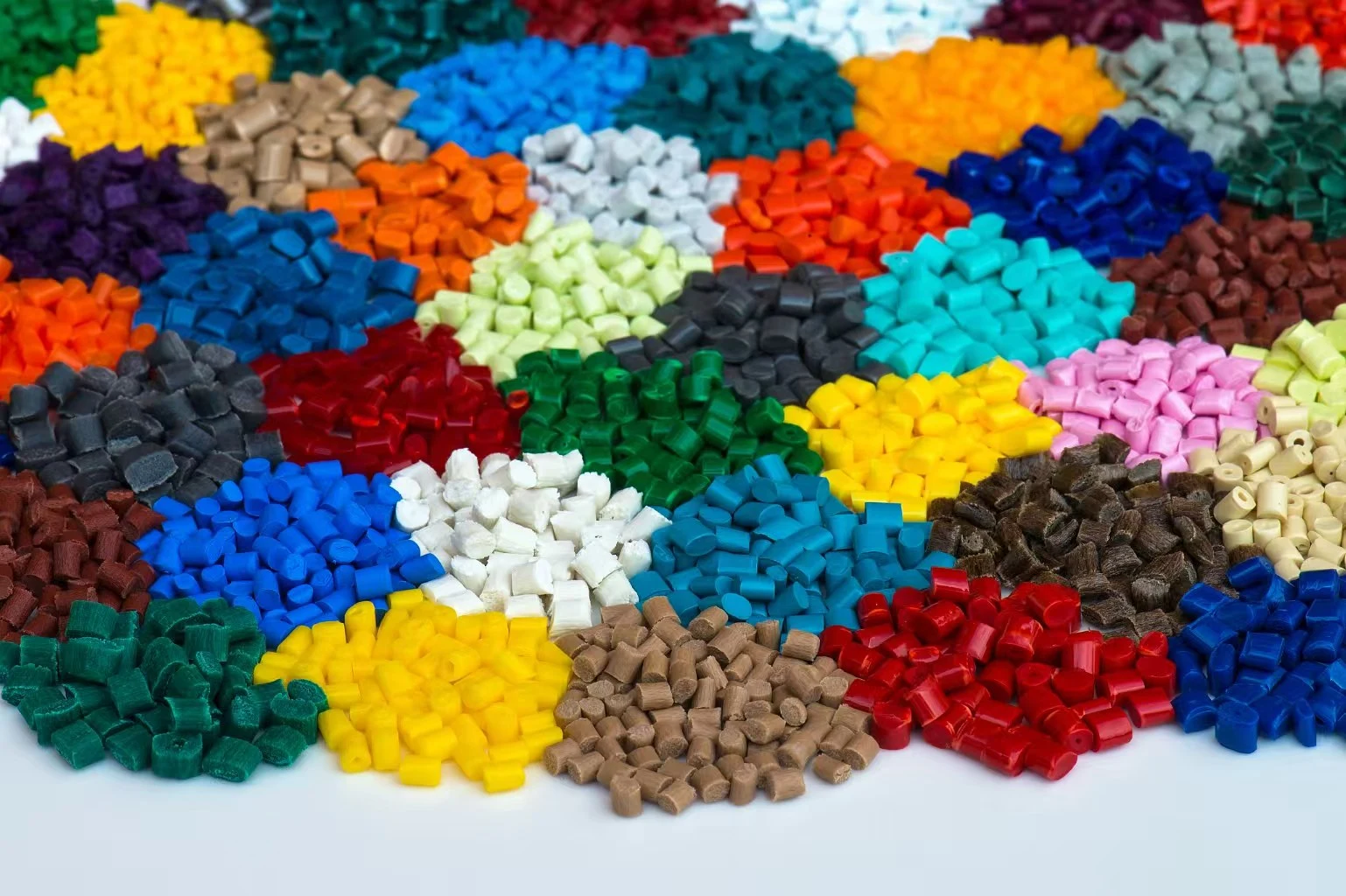
There are three main types of high-performance plastic parts, each of which is used for a different business purpose. Some thermoplastics, like polycarbonate, nylon 6/6, and polyoxymethylene (POM), are very easy to shape and can be used again and again by heating them. This makes them perfect for injection molding jobs that need very accurate measurements. Compared to regular plastics, these materials are better at withstanding impacts and wear and tear. Glass-fiber strengthened versions of these materials can reach tensile forces of over 200 MPa. When used continuously at temperatures above 150°C, thermoset polymers like phenolic resins and epoxy composites offer great heat resistance and dimensional stability, but they can't be reshaped after the first curing process. Composite materials, on the other hand, combine polymer matrices with carbon fiber, aramid, or glass reinforcements to achieve strength-to-weight ratios that are on par with aerospace-grade aluminum alloys. PEEK parts that are strengthened with 30% carbon fiber have bending stiffness values that are close to 10 GPa and are chemically immune to acids, bases, and organic solvents. UHMWPE is very resistant to wear and has a coefficient of friction that is lower than Teflon. This makes it essential for bearing surfaces, conveyor tracks, and material handling equipment that have to deal with rough circumstances.
Manufacturing Technologies and Quality Implications
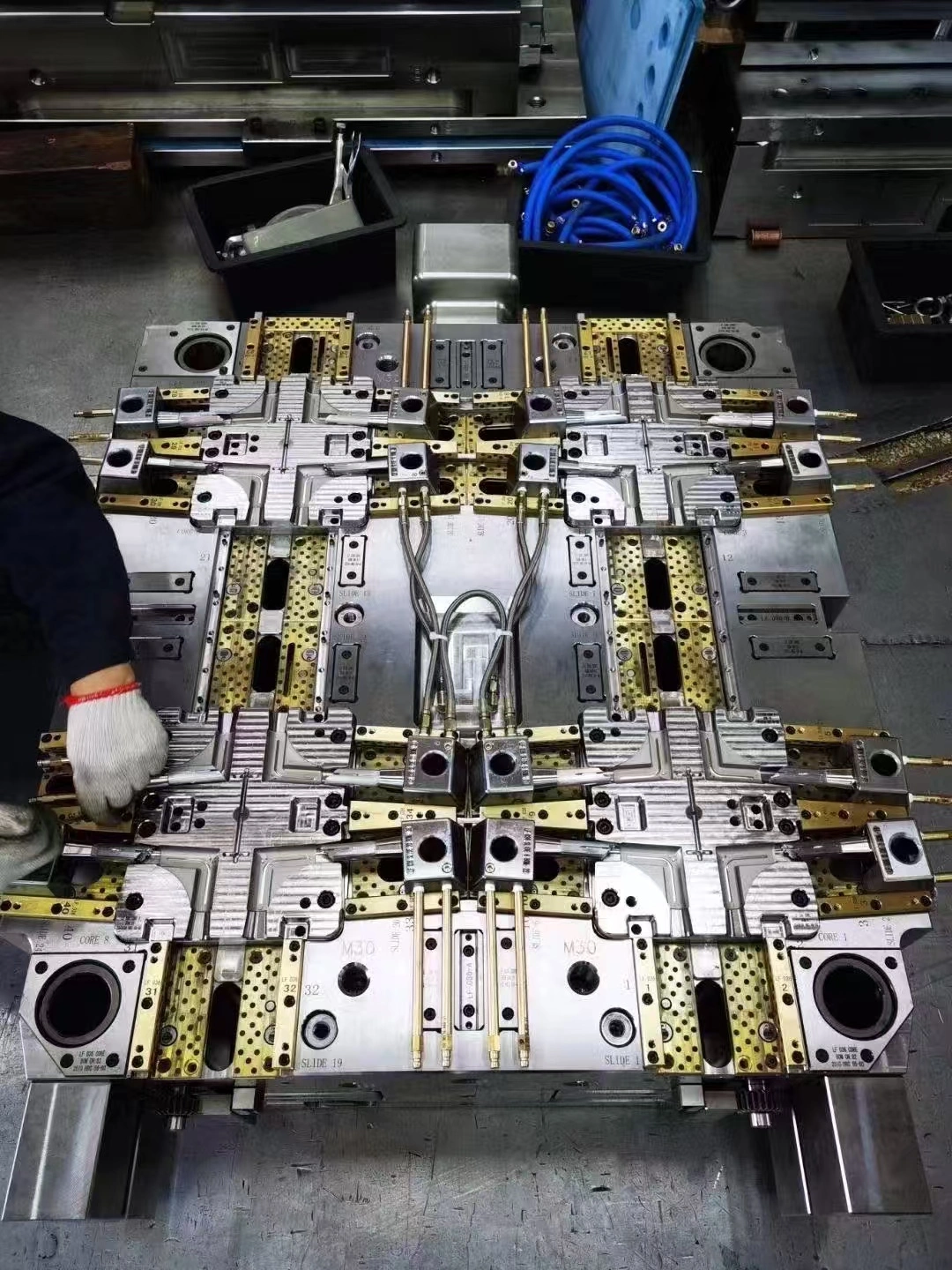
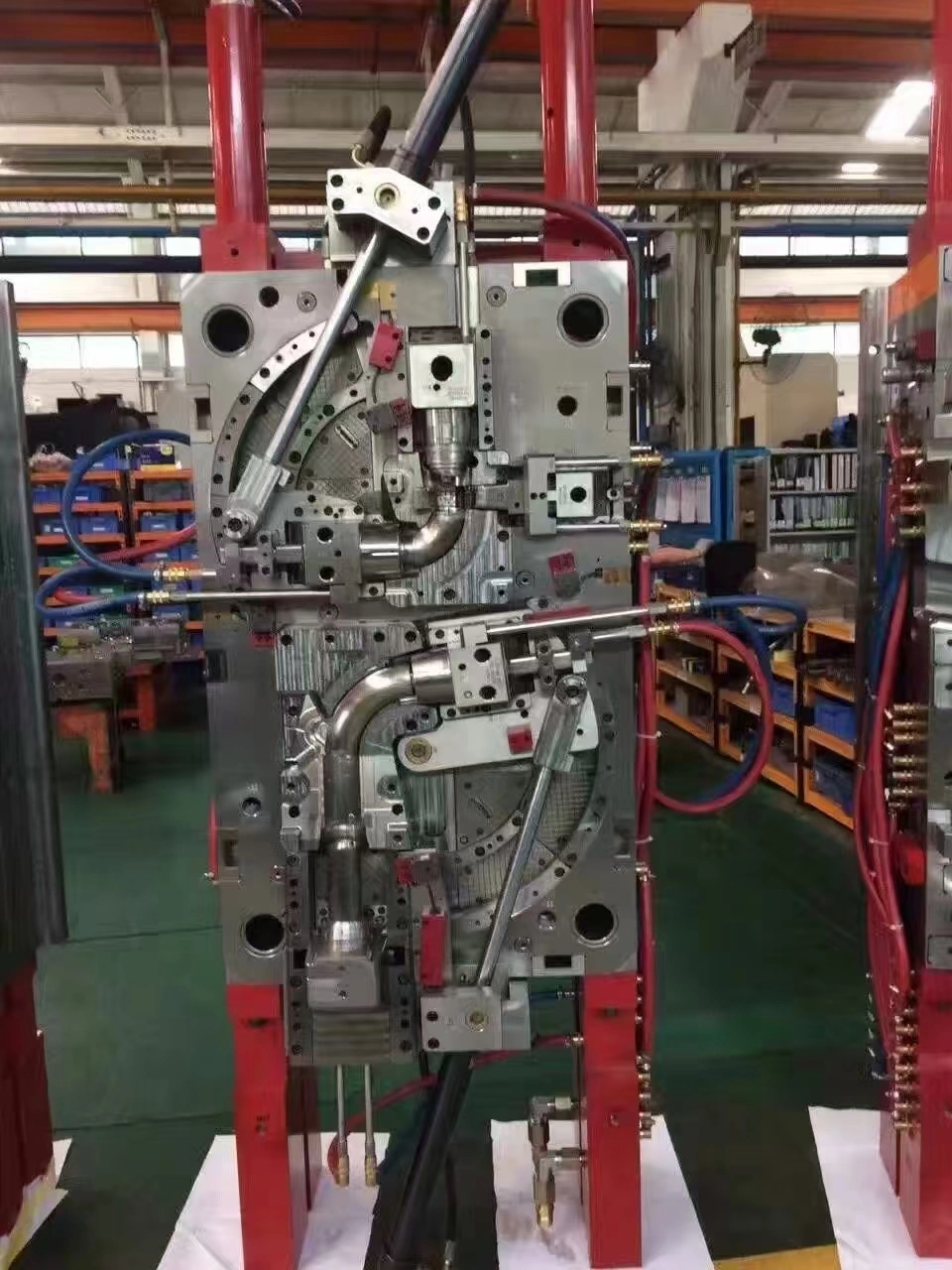
Precision injection molding is still the most common way to make large amounts of plastic parts. It uses computer-controlled processes to keep tolerances within ±0.05mm over millions of cycles. Our factory has 50- to 850-ton injection molding machines with hot runner systems and multi-cavity tools. These machines make it possible to make complicated shapes at a low cost with little waste. It's important to know how to place gates, optimize cooling channels, and use ejection systems in the mold design phase so that internal stresses don't affect the mechanical properties of the final part. CNC machining is an alternative for low-volume production runs or parts that need precise dimensional control and high-quality surface finishes. We use five-axis machining centers to make samples and custom parts out of solid plastic stock. The surface roughness is kept below 0.8μm so that it can be used for precision assemblies and sealing surfaces. Compression molding is used for certain tasks involving thermoset materials or parts with thick walls. On the other hand, additive manufacturing technologies allow for quick prototypes and design confirmations before investing in production tools. Each way of making things has its own benefits when it comes to lead times, minimum order amounts, and unit economics. Procurement pros have to weigh these benefits against the project's requirements and the budget's limits.
Advantages of Using High-Strength Plastic Components in Industrial Machinery
Performance and Operational Benefits
Modern engineering plastic components have mechanical qualities that go against what people have always thought about what materials can and can't do in harsh industrial settings. A comparison study shows that glass-reinforced nylon parts have tensile strengths that are similar to cast aluminum alloys while reducing the weight of the parts by about 60%. This directly leads to lower energy use in moving assemblies and lower structural loading on supporting frameworks. Polymeric materials naturally absorb vibration energy that would otherwise speed up wear in metal-to-metal contact surfaces. This extends the life of bearings and lowers noise levels in production settings. Chemical resistance is another major benefit, especially for processing equipment that comes into contact with harsh cleaning agents, hydraulic fluids, and industrial solvents. While expensive alloys are needed to make stainless steel parts resistant to certain corrosives, the right plastics can keep their structure without surface degradation or electrolytic rust. We've provided PVDF pump housings for chemical transfer systems and PEEK valve parts for pharmaceutical processing equipment. In these cases, metal parts would need to be replaced often and at high cost.
Economic Advantages and Total Cost of Ownership
Lifecycle economics, not just the original purchase price, are becoming more and more important in purchasing decisions. High-strength plastic components show strong benefits in this wider evaluation framework. Tooling investments for plastic injection molds usually require 40–60% less capital spending than die-casting tooling of the same type. This is because production processes are faster with plastic injection molds, so the return on investment is faster for medium to high-volume uses. Our clients in the automotive and consumer electronics industries have seen payback periods of less than 18 months by switching from metal stamping to plastic injection molding. They were able to cut costs on both the pieces themselves and the labor needed to put them together. This is possible because plastics don't rust and don't break down when they're exposed to wet or chemically active environments. Machines with plastic wear surfaces and joints don't need to be oiled all the time, so there are no risks of contamination in food preparation and medicinal uses. This also saves money on upkeep labor and supplies. When properly designed plastic parts are used, they can last longer between replacements. This means that equipment is available for longer and repair schedules are more reliable, both of which are important factors for operations managers who are looking at the total cost effects.
Design Flexibility and Integration Capabilities
Injection molding technology enables geometric complexity impossible to achieve through conventional metal fabrication, consolidating multiple machined parts into single molded components that reduce assembly costs and potential failure points. We routinely design components integrating snap-fit features, living hinges, and multi-plane mounting surfaces that eliminate fasteners and secondary operations. This design consolidation approach has helped electronics manufacturers reduce assembly steps by 30-40% while improving product consistency and reducing quality escapes associated with manual assembly processes. The ability to mold varied wall thicknesses, undercuts, and internal features allows engineers to optimize material placement for structural efficiency, positioning reinforcement precisely where stress analysis indicates maximum benefit. Overmolding capabilities enable the creation of multi-material assemblies combining rigid structural plastics with elastomeric sealing surfaces or soft-touch gripping areas in a single production cycle. These advanced manufacturing techniques support product differentiation and functional integration that procurement teams can leverage for competitive advantage in their respective markets.
How to Select the Best High-Strength Plastic Components for Your Machinery
Performance Criteria and Material Selection Framework
Successful component specification begins with a comprehensive analysis of operational requirements, including mechanical loads, environmental exposures, and regulatory compliance mandates. Procurement engineers should document maximum operating temperatures, chemical contact scenarios, impact resistance needs, and dimensional stability requirements before engaging potential suppliers. We recommend developing a weighted decision matrix evaluating candidate materials across these parameters, recognizing that optimization involves balancing competing factors rather than maximizing any single characteristic. Mechanical strength specifications must account for both short-term loading and long-term creep behavior under sustained stress. While a material may exhibit impressive tensile strength in brief laboratory tests, viscoelastic flow under continuous load can cause unacceptable deformation in structural applications. We guide clients through proper material characterization, providing stress-strain curves, creep modulus data, and fatigue resistance information derived from standardized testing protocols. Temperature effects significantly influence mechanical properties, with some plastics losing 50% of room-temperature strength at elevated operating conditions, making thermal analysis essential for reliable component performance.
Manufacturing Process Selection
The choice between injection molding and alternative manufacturing methods depends on production volume forecasts, geometric complexity, and precision requirements. Injection molding becomes economically advantageous at annual volumes exceeding 5,000-10,000 pieces, with lower per-unit costs offsetting initial mold investments as production quantities increase. Our engineering team conducts cost modeling comparing tooling amortization, cycle times, and material utilization across projected production lifecycles, helping procurement managers identify break-even volumes and optimal manufacturing strategies. Machined components offer advantages for prototype development, low-volume specialty parts, and applications requiring extreme dimensional precision or custom configurations. We maintain both injection molding and CNC machining capabilities, allowing flexible production approaches tailored to specific project phases. Prototype iterations can proceed through machined samples for design validation, transitioning to molded production once specifications stabilize and volume justifies tooling investment. This phased approach minimizes development risks while optimizing long-term production economics.
Industry-Specific Application Guidance
Automotive applications demand materials meeting stringent flame resistance, dimensional stability across temperature extremes, and compatibility with assembly processes, including ultrasonic welding and heat staking. We supply glass-reinforced nylon components for engine compartment applications, POM precision gears for actuator assemblies, and polypropylene interior trim parts meeting OEM specifications for impact resistance and surface quality. Each application requires material selection, balancing performance requirements with cost targets appropriate to the vehicle segment and production volumes. Electronics and consumer goods sectors prioritize materials offering electrical insulation properties, dimensional precision for tight-tolerance assemblies, and surface finishes suitable for visible applications. Our experience includes producing polycarbonate housings with flame ratings meeting UL94 V-0 standards, ABS components with Class A surface finishes requiring minimal secondary finishing, and engineering plastic structural elements replacing die-cast metal brackets in weight-sensitive portable devices. Hardware and industrial equipment applications often specify materials balancing outdoor weathering resistance, UV stability, and mechanical durability across extended service intervals, with acetal copolymers and glass-filled nylon grades frequently meeting these demanding requirements.
Industry Trends and Future Outlook of High-Strength Plastic Components
Sustainable Materials and Circular Economy Initiatives
Environmental sustainability has emerged as a decisive factor in material selection, with procurement organizations increasingly evaluating suppliers based on carbon footprint reduction initiatives and recycled content incorporation. Bio-based engineering plastic components derived from renewable feedstocks now offer mechanical properties approaching petroleum-based equivalents, with PA11 (polyamide 11) from castor oil demonstrating excellent performance in automotive and industrial applications. We've invested in material testing infrastructure to qualify recycled content formulations, working with clients to validate that post-consumer recycled plastics meet application requirements while supporting corporate sustainability objectives. Closed-loop recycling systems are becoming standard practice in progressive manufacturing operations, with production scrap and end-of-life components reprocessed into secondary applications. Our facility implements color-coded material segregation and regrind quality control protocols, ensuring recycled content maintains consistent properties suitable for non-critical applications. Regulatory developments, including Extended Producer Responsibility legislation, are accelerating the adoption of recyclable material specifications and design-for-disassembly principles that influence component architecture and material selection strategies.
Advanced Material Formulations and Nano-Enhancement
Materials science innovations continue expanding the performance envelope of engineering plastics through nano-scale reinforcements and hybrid composite architectures. Carbon nanotube additives at concentrations below 5% by weight can increase tensile strength by 30-50% while improving electrical conductivity for static dissipation in electronics applications. We monitor emerging material developments through partnerships with resin suppliers and research institutions, evaluating new formulations for commercial viability and application-specific advantages that benefit our client base. The convergence of material science and digital manufacturing enables previously impossible component optimizations, with topology optimization software identifying ideal material placement patterns executed through advanced molding techniques. These developments promise continued performance improvements and cost reductions that smart procurement organizations can leverage for competitive advantage in their respective markets.
Digital Transformation and Industry 4.0 Integration
Manufacturing technology evolution toward networked production systems and real-time quality monitoring is transforming how plastic components are produced and verified. Our facility has implemented sensor-equipped injection molding machines that monitor cavity pressure, melt temperature, and cooling profiles across every production cycle, with statistical process control algorithms automatically adjusting parameters to maintain specifications. This digital infrastructure provides traceability and quality documentation that procurement teams require for critical applications and regulatory compliance. Predictive maintenance systems analyzing machine performance data reduce unplanned downtime and improve delivery reliability, addressing procurement managers' concerns about supply continuity. We share production status dashboards with clients, providing real-time visibility into order progress, quality metrics, and shipment scheduling that support their inventory planning and production coordination. These digital capabilities represent competitive differentiators that forward-thinking procurement organizations evaluate when selecting manufacturing partners.
Procurement Guide: How to Source High-Strength Plastic Components Effectively
Lead Times, MOQ, and Logistics Considerations
Realistic project timeline development requires understanding the sequential phases of custom component procurement, from initial design consultation through tool fabrication, sampling, and production ramp-up. Mold design and fabrication for moderately complex components typically requires 6-8 weeks, with an additional 2-3 weeks for sampling, dimensional verification, and any necessary tool modifications. We provide detailed project schedules outlining critical path activities and decision points, enabling procurement teams to coordinate component delivery with broader product development timelines and market introduction deadlines. Minimum order quantities reflect economic realities of setup costs, material purchases, and production efficiency, though requirements vary substantially based on component complexity and manufacturing process. Our injection molding operations accommodate production runs from 1,000 pieces for specialty components to millions of units for high-volume consumer applications, with per-piece pricing declining as quantities increase due to fixed cost amortization. We work collaboratively with procurement teams to structure orders, balancing inventory carrying costs against volume pricing advantages, sometimes recommending phased deliveries that secure volume pricing while managing working capital requirements.
Supplier Evaluation and Quality Assurance
Comprehensive supplier assessment extends beyond pricing comparison to evaluate manufacturing capabilities, quality systems, and organizational stability that determine long-term partnership viability. Procurement professionals should verify ISO 9001:2015 certification as baseline evidence of documented quality management systems, with additional certifications such as IATF 16949 for automotive applications or ISO 13485 for medical devices indicating sector-specific expertise. Our quality documentation includes process flow diagrams, control plans, and measurement system analysis, demonstrating the capability to meet customer specifications consistently. On-site facility audits provide invaluable insights into manufacturing practices, equipment maintenance standards, and organizational culture that influence product quality and delivery reliability. We welcome customer visits to our 6,000-square-meter facility in Dongguan, where procurement teams can observe production operations, inspect quality control laboratories, and meet engineering staff supporting their projects. Located in Chang'an Town, known as the "Town of Molds," our facility benefits from concentrated expertise and supplier infrastructure supporting efficient component production. International clients appreciate our proximity to Shenzhen Airport, just 50 minutes away, facilitating convenient factory visits and technical collaboration.
Negotiation Strategies and Cost Optimization
Effective price negotiation requires understanding the cost structure of plastic components, including material expenses, tooling amortization, machine time, labor, and margin expectations. Requesting itemized quotations clarifies these elements, enabling targeted discussions around volume commitments, multi-year agreements, or design modifications that reduce manufacturing complexity and associated costs. We maintain transparent pricing practices, explaining how design features impact tooling costs and production efficiency, collaborating with customers to identify value engineering opportunities that preserve functionality while optimizing economics. Total cost evaluation should incorporate logistics expenses, inventory carrying costs, and quality risk factors alongside piece prices. Consolidating component families with single suppliers can reduce administrative overhead, expedite technical support, and leverage volume across part numbers for improved pricing. We offer coordinated shipping services for clients sourcing multiple component types, managing logistics from our facility to destination ports worldwide, simplifying procurement operations, and reducing freight costs through consolidated shipments.
Yongsheng: Your Trusted Partner for High-Strength Plastic Components Manufacturing
Dongguan Yongsheng Hardware Plastic Product Co., Ltd. stands as a respected council member of the Dongguan City Hardware Machinery Mould Industry Association, bringing more than three decades of specialized expertise to industrial component manufacturing. Since our founding in 1993, we've developed comprehensive capabilities spanning custom plastic mold fabrication, die-casting mold production, and high-volume OEM manufacturing services. Our 300-employee team operates from a modern facility equipped with advanced injection molding machinery, precision CNC equipment, and quality verification instrumentation supporting demanding industrial applications. ISO 9001:2015 certification validates our commitment to systematic quality management, with documented procedures ensuring consistent output across prototype development through mass production phases. We specialize in one-stop manufacturing solutions that integrate design consultation, mold engineering, production, and secondary processing operations, streamlining procurement and accelerating time-to-market for international clients. Our engineering team collaborates closely with customers to optimize component designs for manufacturability, cost-efficiency, and performance, applying decades of practical experience to solve complex technical challenges. Intellectual property protection represents a cornerstone of our business philosophy, with strict confidentiality protocols and secure data management systems safeguarding client designs and proprietary information. We understand the competitive sensitivities surrounding custom component development and maintain rigorous access controls, preventing unauthorized disclosure. Our track record serving international corporations across electronics, automotive, consumer goods, and hardware sectors demonstrates the trust established through reliable delivery performance and quality consistency. Material expertise spans engineering thermoplastics, including nylon, polycarbonate, ABS, POM, and specialty polymers such as PEEK, enabling informed recommendations aligned with application requirements and budget parameters. We maintain relationships with leading resin suppliers, ensuring access to certified materials with full traceability documentation required for regulated industries. Our quality control laboratory performs dimensional verification, mechanical testing, and material analysis, confirming specifications compliance before shipment approval.
Conclusion
High-strength plastic components deliver measurable advantages in industrial machinery applications, combining superior performance characteristics with compelling economic benefits that optimize total cost of ownership. Successful procurement requires a comprehensive understanding of material properties, manufacturing processes, and supplier capabilities, balanced against project-specific performance requirements and budget constraints. The industry continues evolving through sustainable material innovations, advanced manufacturing technologies, and digital integration, enhancing quality assurance and supply chain transparency. Procurement professionals partnering with experienced manufacturers gain access to technical expertise, proven production capabilities, and reliable delivery performance supporting their operational success. We invite you to explore how our three decades of specialized experience can address your component requirements through collaborative engineering and customer-focused manufacturing excellence.
FAQ
Which industries benefit most from high-strength plastic components?
Automotive, electronics, consumer goods, and industrial equipment sectors extensively utilize engineering plastics for components ranging from structural housings to precision mechanical assemblies. Applications include gear mechanisms, bearing surfaces, conveyor components, pump housings, and electrical enclosures, where plastic materials provide superior performance compared to traditional alternatives.
How do plastic components compare to metal parts in heavy machinery applications?
Modern engineering plastics achieve tensile strengths approachingthose of aluminum alloys while offering significant weight reduction, corrosion immunity, and vibration-damping characteristics. Proper material selection and design optimization enable plastic components to meet demanding load requirements with extended service life and reduced maintenance compared to metal equivalents in many applications.
What factors influence lead times for custom plastic component orders?
Lead times depend on component complexity, mold design requirements, material availability, and production volume. Typical timelines include 6-8 weeks for mold fabrication, 2-3 weeks for sampling and approval, and variable production duration based on order quantity. Rush services can accelerate certain phases, though may involve premium costs.
What minimum order quantities should we expect for custom molded components?
MOQ varies based on component size, complexity, and tooling configuration, typically ranging from 1,000 to 5,000 pieces for initial production runs. Higher volumes achieve better per-piece pricing through fixed cost amortization. We work with clients to structure orders, balancing economic efficiency with inventory management considerations.
How can we ensure intellectual property protection when working with overseas manufacturers?
Reputable manufacturers implement confidentiality agreements, secure data management systems, and restricted access protocols protecting client designs. Verification steps include reviewing supplier IP policies, requesting references from similar clients, and potentially conducting facility audits to observe information security practices. Our three-decade track record reflects an unwavering commitment to client confidentiality and proprietary information protection.
Partner with Yongsheng for Your Plastic Components Manufacturing Needs
Yongsheng invites procurement professionals seeking a reliable plastic components supplier to experience our comprehensive OEM capabilities and customer-focused approach. Our ISO-certified facility delivers custom molding solutions from initial design through volume production, backed by three decades of specialized expertise serving international markets. We protect your intellectual property through rigorous confidentiality protocols while ensuring on-time delivery and consistent quality that meets your exacting specifications. Contact our technical team at sales@alwinasia.com to discuss your component requirements and discover how our one-stop manufacturing services can optimize your supply chain performance and product quality.
References
1. McKeen, L. W. (2020). The Effect of Temperature and Other Factors on Plastics and Elastomers (4th ed.). William Andrew Publishing.
2. Rosato, D. V., Rosato, M. G., & Rosato, D. P. (2021). Plastics Engineered Product Design. Elsevier Science.
3. Kutz, M. (2018). Mechanical Engineers' Handbook, Volume 1: Materials and Engineering Mechanics (4th ed.). John Wiley & Sons.
4. Crawford, R. J., & Throne, J. L. (2022). Rotational Molding Technology (2nd ed.). William Andrew Publishing.
5. Goodship, V. (2019). Practical Guide to Injection Moulding (2nd ed.). Smithers Rapra Technology.
6. Shah, V. (2020). Handbook of Plastics Testing and Failure Analysis (4th ed.). John Wiley & Sons.

We can provide a one-stop service, including design and development, mold fabrication, production, product processing, etc.
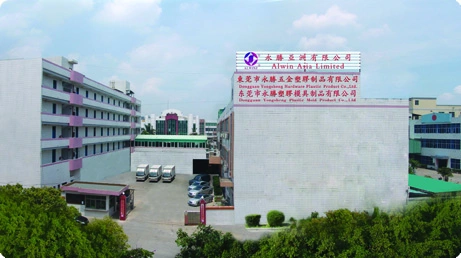
Professional injection mold, die casting mold, plastic products OEM manufacturer